Subject
Crown Prince
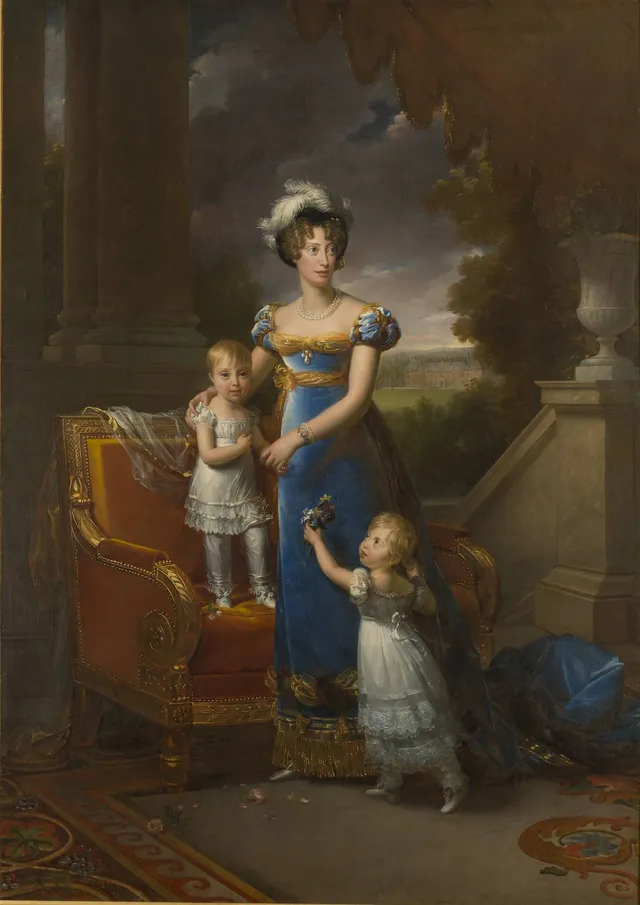
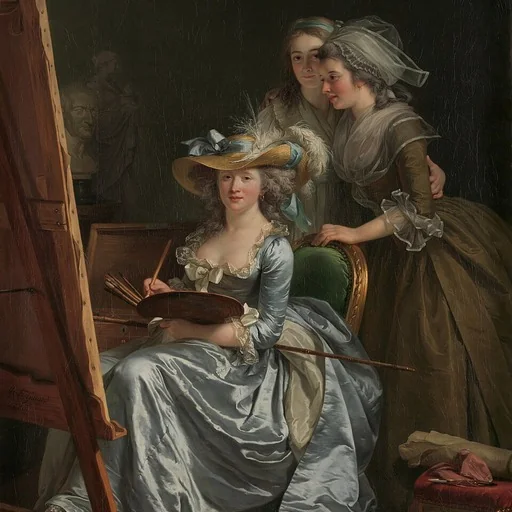
Crown Prince is a subject in art. The gallery holds 25 works in this subject in art, including works by Adélaïde Labille-Guiard, François Gérard and Élisabeth Louise Vigée Le Brun.
A crown prince or hereditary prince is the heir apparent to the throne in a royal or imperial monarchy. The female form of the title, crown princess, is held by a woman who is heir apparent or is married to the heir apparent.
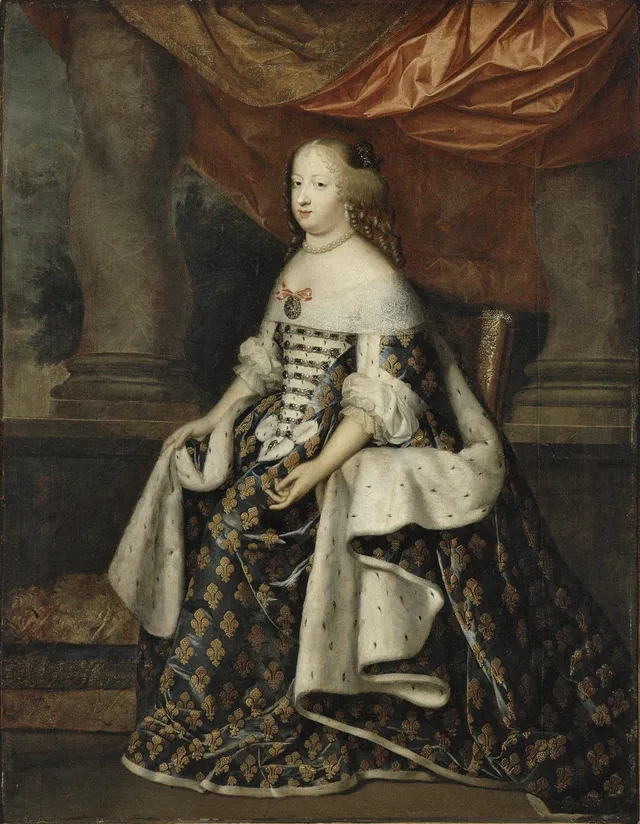
Key artists
Overview
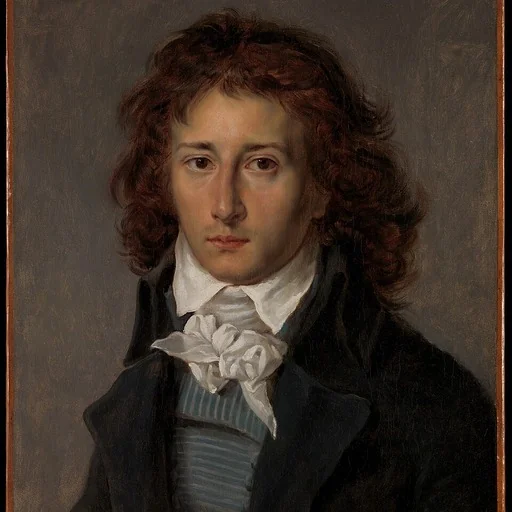
A crown prince is the heir apparent to a throne in a royal or imperial monarchy. Historically, the position has been governed by primogeniture, typically vesting in the eldest son of the reigning monarch, who is expected to succeed barring unforeseen events. The female equivalent, a crown princess, traditionally referred to the spouse of a crown prince, though it now also applies to a woman who is heir apparent in her own right. The role is fundamentally a position of dynastic anticipation, making the crown prince a recurring subject in royal portraiture and historical art, where the depiction of the heir serves to legitimize the continuity of sovereign power and dynastic succession.
Iconography & meaning
In art, the iconography of the crown prince centers on the visualization of dynastic continuity and legitimate succession. Portraits of heirs apparent traditionally emphasize dynastic attributes, such as royal costume, to signify their proximity to the throne. The depiction of a crown prince, often alongside the sovereign or the royal family, functions as a political assertion of a stable succession. This visual rhetoric reinforces the heir's status, distinguishing them from other royal children and cementing their future role as sovereign. The iconography thus transforms a biological or legal designation into a visible, public symbol of the state's future stability.
Across movements & periods
The treatment of the crown prince subject evolved alongside European succession laws and cultural shifts. In monarchies governed by male primogeniture, artistic focus rested almost exclusively on the eldest son. The French monarchy, for instance, used the specific substantive title of Dauphin, a regional designation that became synonymous with crown prince and dictated the formal titles in portraits. As absolute primogeniture gained traction in the late twentieth century across many European nations, the visual representation of the heir apparent expanded to include eldest daughters. Furthermore, in certain dynasties where primogeniture was not the rule, such as those utilizing seniorat or agnatic succession in the Middle East, the designation of a crown prince was not automatic by birth but resulted from official designation, shifting the artistic focus from birthright to political selection.
Notable depictions
Beyond painted portraits, the figure of the crown prince has been memorialized in architecture and sculpture. The Kronprinzenpalais in Berlin, built in 1663, served as the official residence for Prussian crown princes, including the future Frederick II and Frederick William III. Within this palace, Johann Gottfried Schadow created the notable double statue of Crown Princess Louise and her sister Frederica, the Prinzessinnengruppe, between 1795 and 1797. The palace itself housed the future Emperor William I, born there in 1797, and later Kaiser Wilhelm II, born there in 1859 to Crown Prince Frederick William and Princess Victoria. The building's very name stands as an architectural monument to the institution of the crown prince.
Legacy
The cultural legacy of the crown prince extends beyond traditional royal iconography into modern state institutions and contemporary global politics. The Kronprinzenpalais, after the dissolution of the German monarchy in 1918, was repurposed to house the Galerie der Lebenden, the world's first dedicated modern art museum, before later serving as the site for the signing of the German Reunification Treaty in 1990. In the contemporary era, the role of the crown prince has shifted from a purely symbolic heir to an active architect of state policy. Mohammed bin Salman of Saudi Arabia, appointed crown prince in 2017, and Khaled bin Mohamed bin Zayed Al Nahyan of Abu Dhabi, appointed in 2023, exemplify this modern iteration, wielding significant executive power to drive economic diversification and social reform, redefining the crown prince from a figure of dynastic waiting to one of immediate governance.
Works
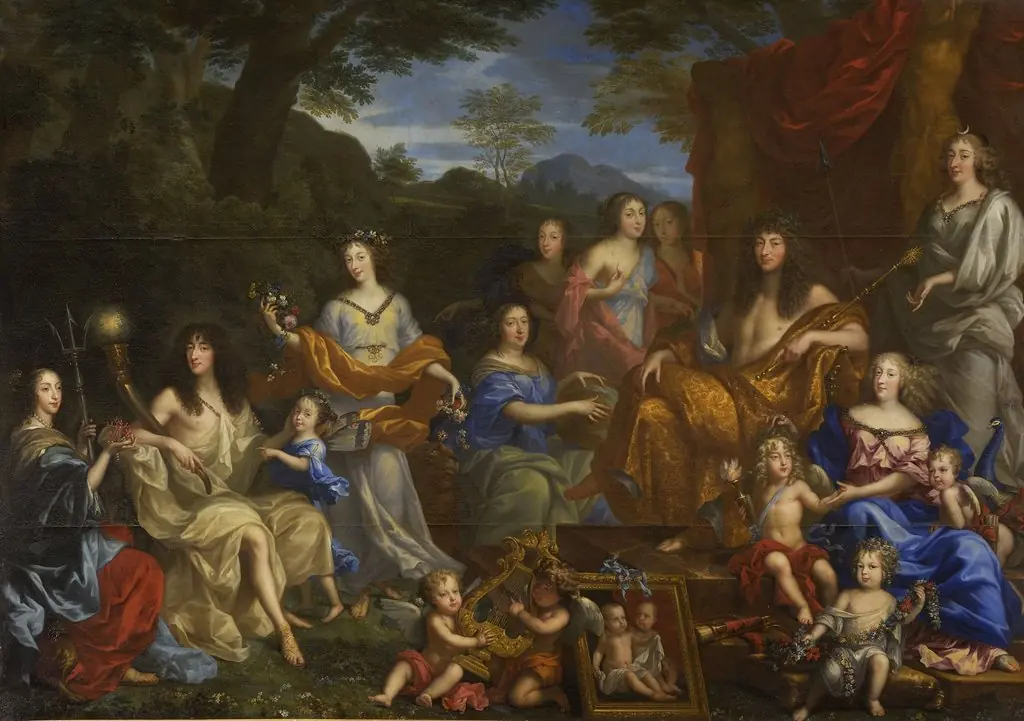 Mythological portrait of Louis XIV and the royal family
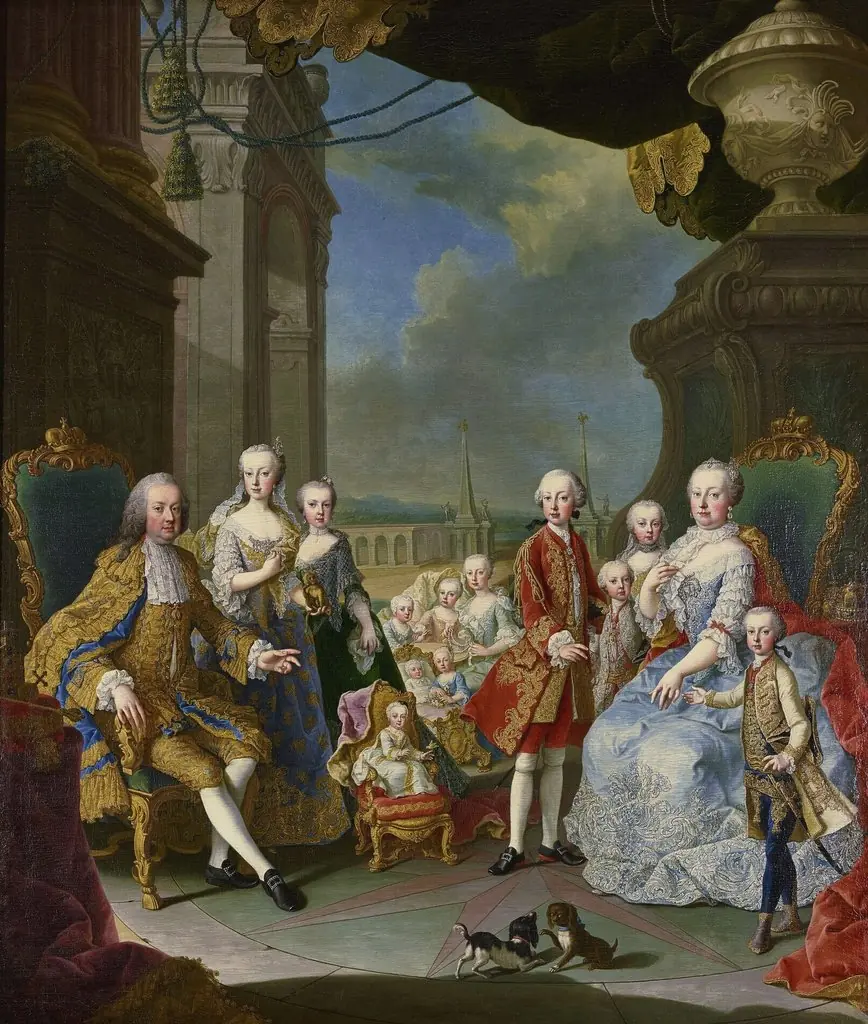 The Imperial family in 1756
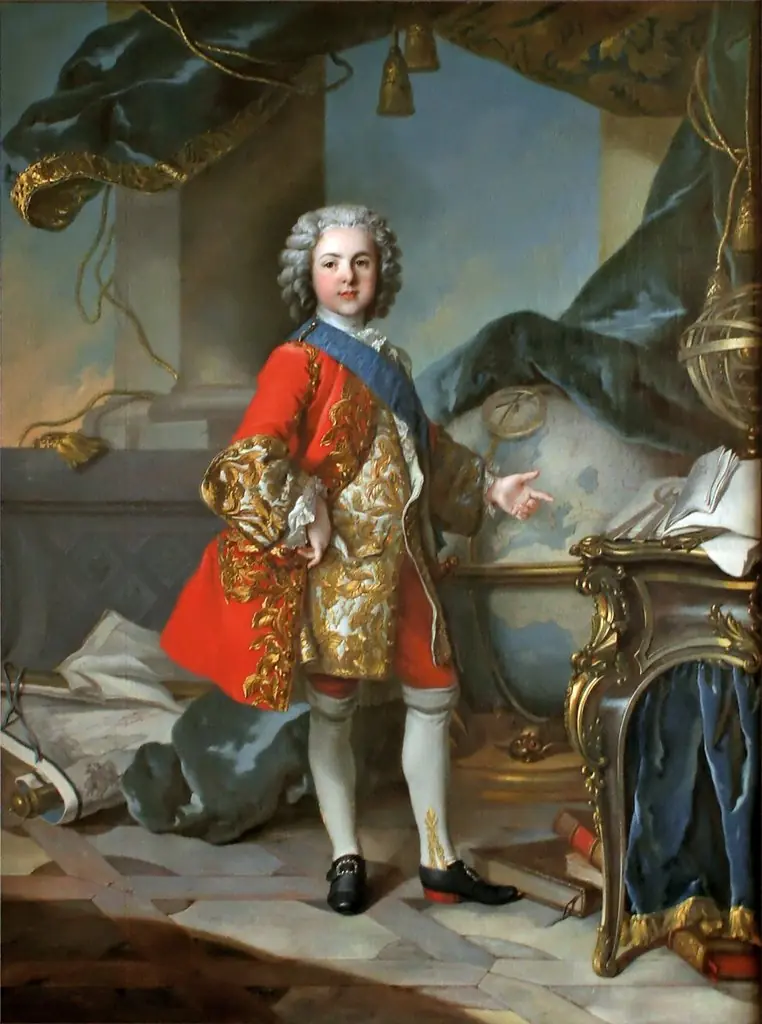 Portrait of Louis of France
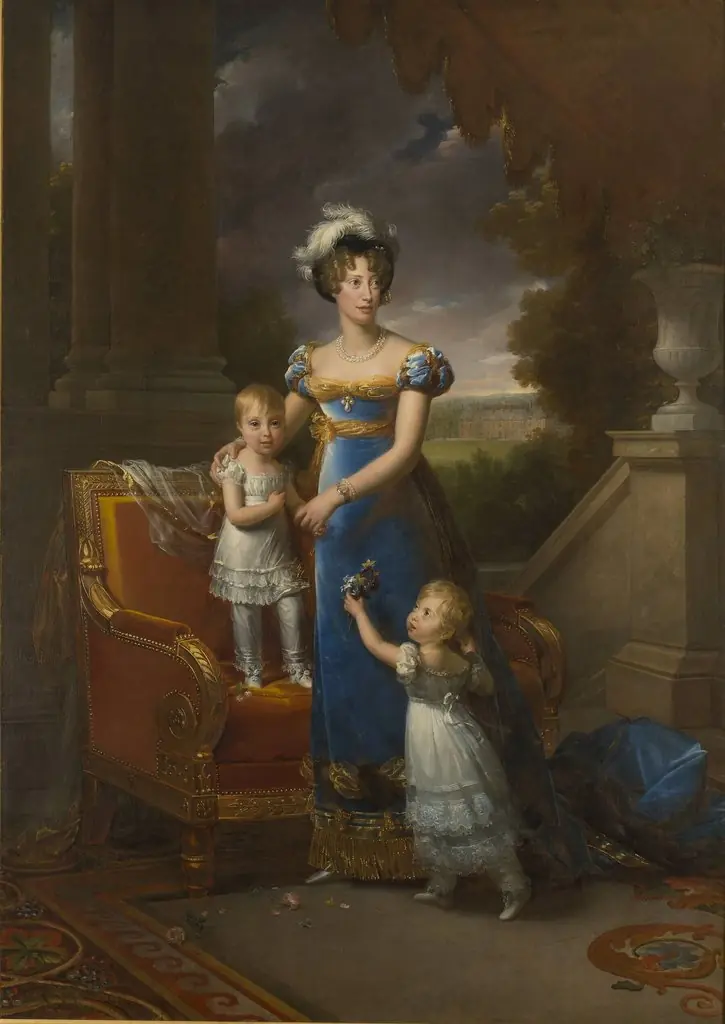 The Duchess of Berry and her Children
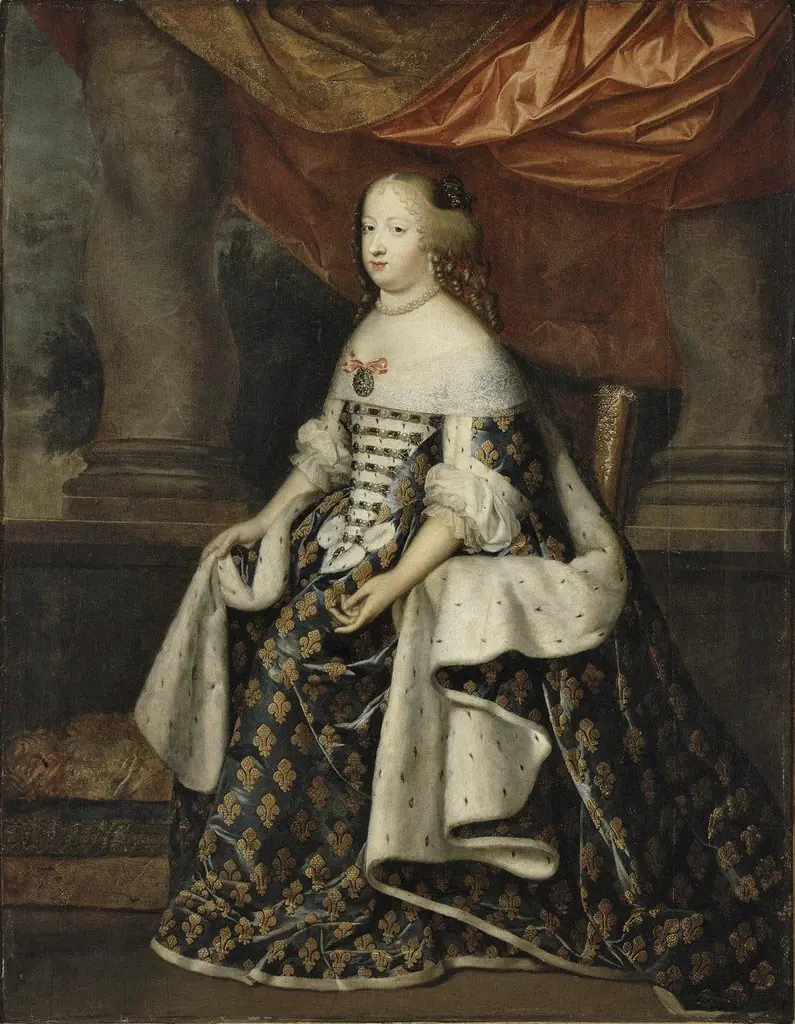 Marie Thérèse of Austria in Royal Costume
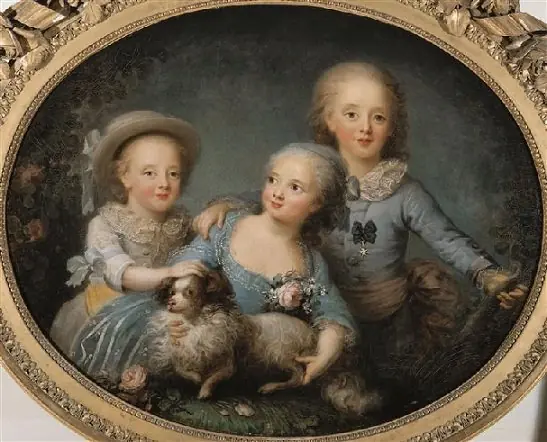 Artois children
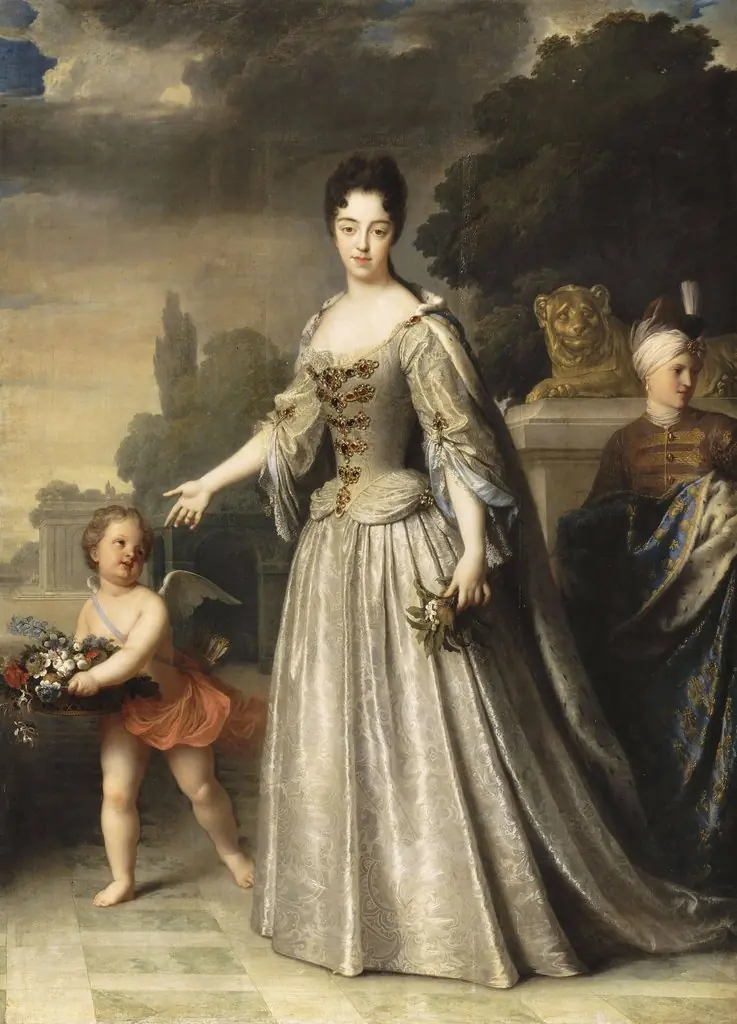 Portrait of Marie Adélaïde of Savoy, Duchess of Burgundy
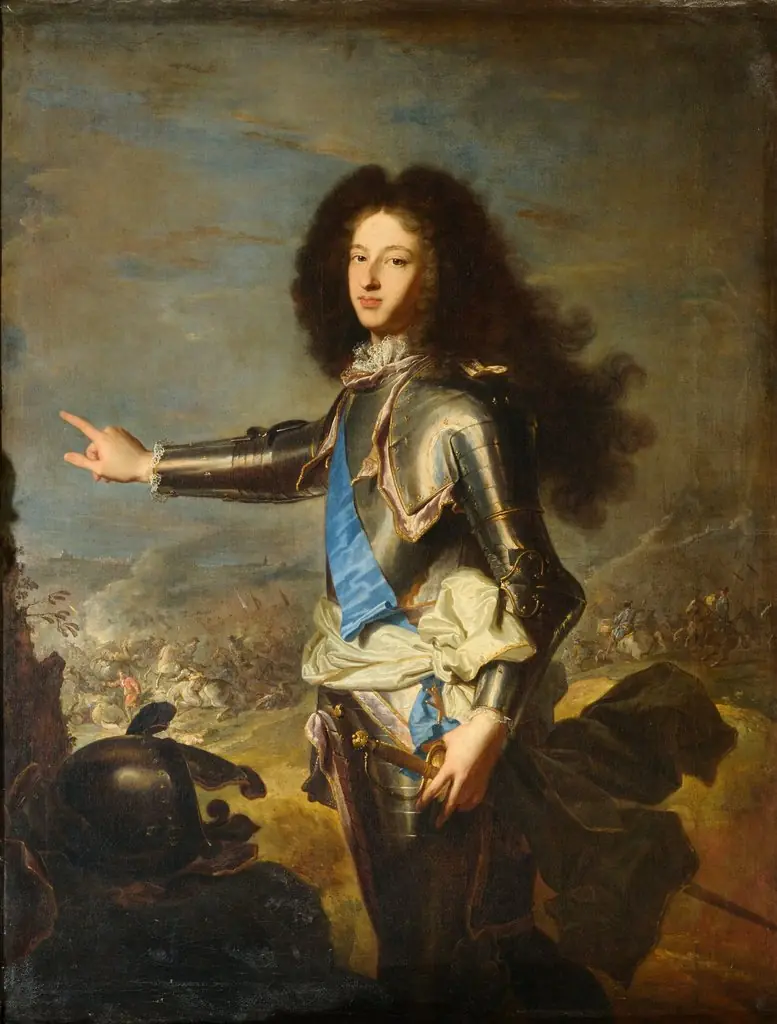 Louis de France, Duke of Burgundy
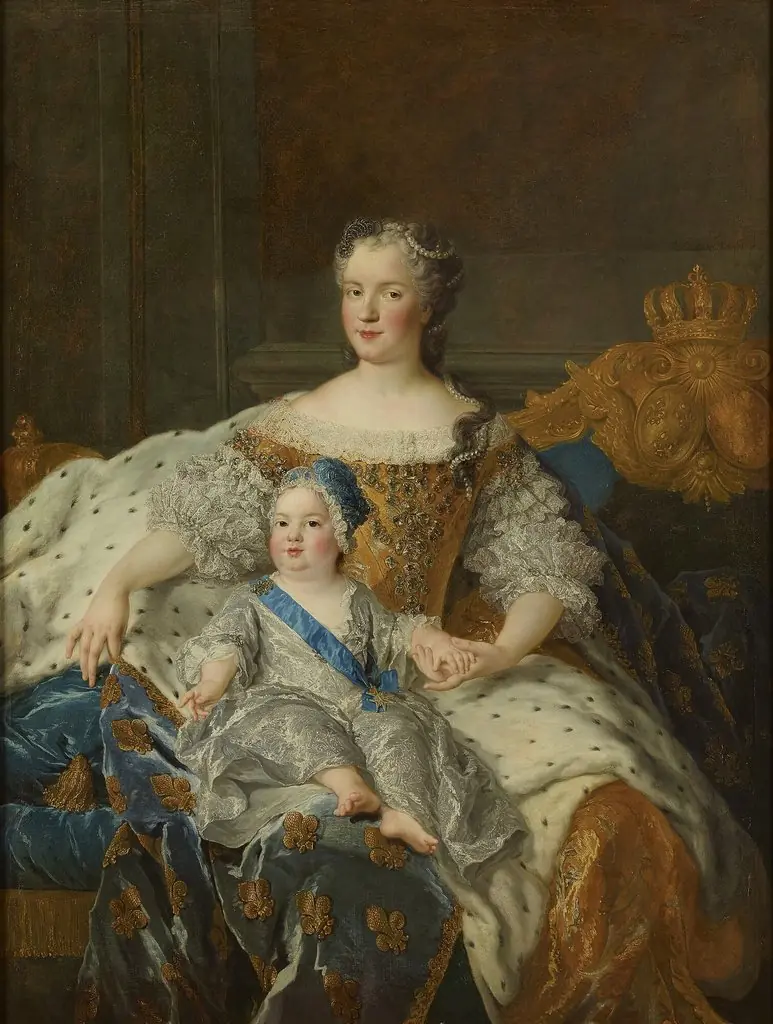 Marie Leszczynska, Queen of France, and the Dauphin
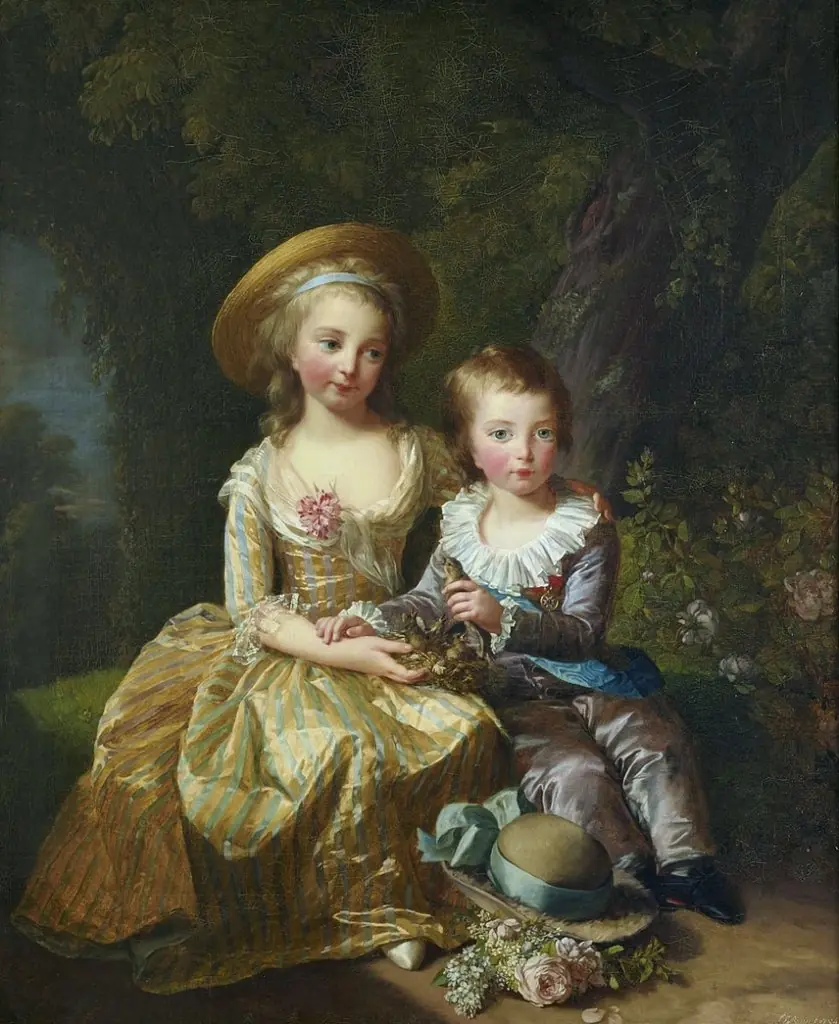 Portrait of Madame Royale and Louis Joseph, Dauphin of France
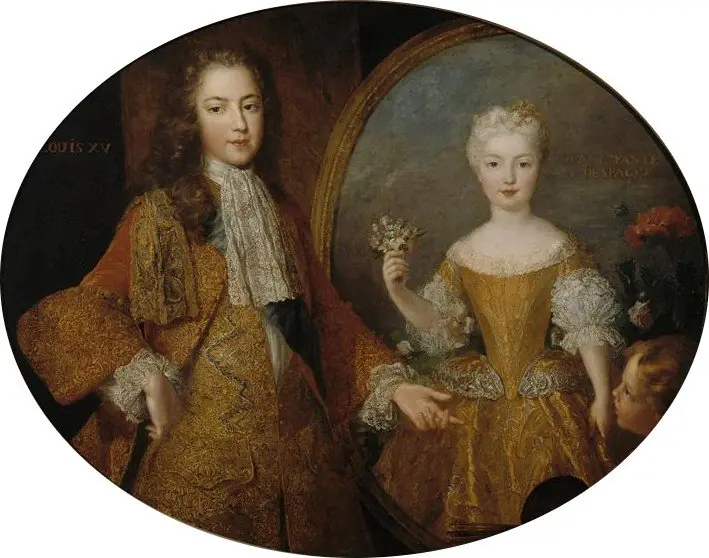 Louis XV and the Infanta Marie-Anne-Victoire
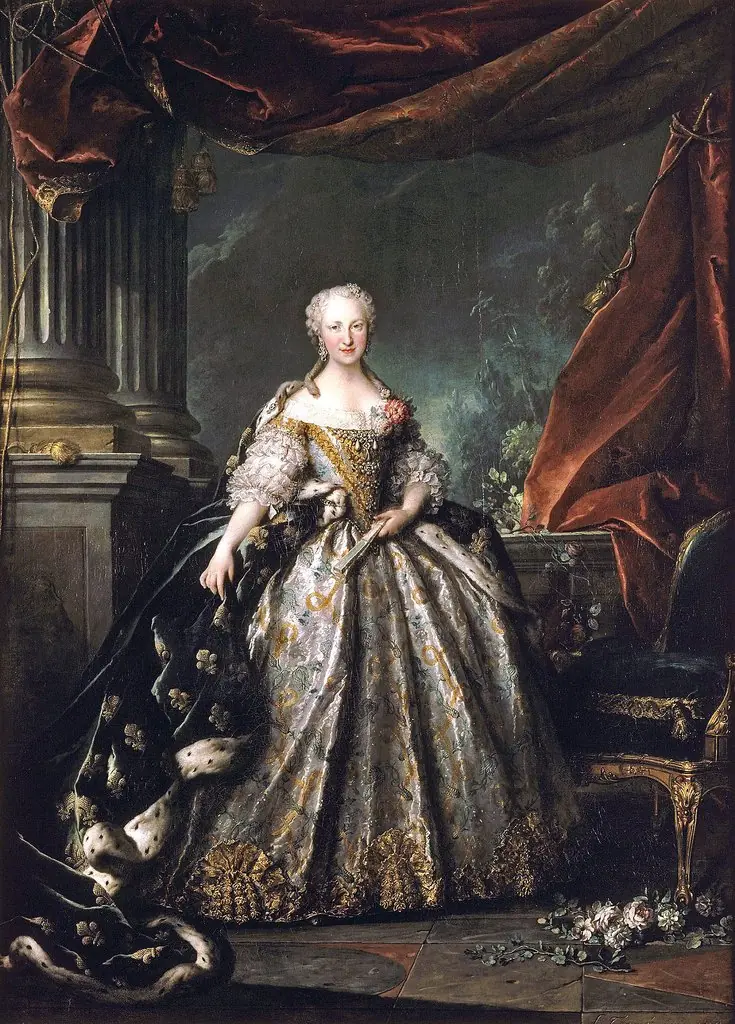 Marie-Thérèse-Raphaëlle, Infanta of Spain, Dauphine of France
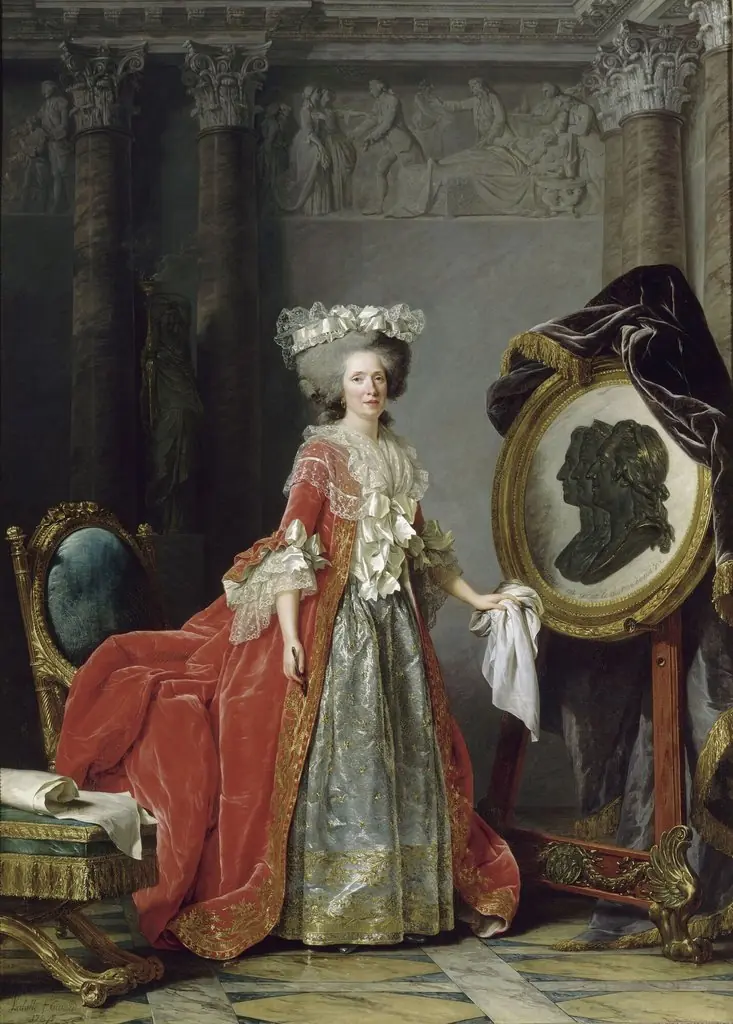 Marie-Adélaïde of France, known as Madame Adélaïde
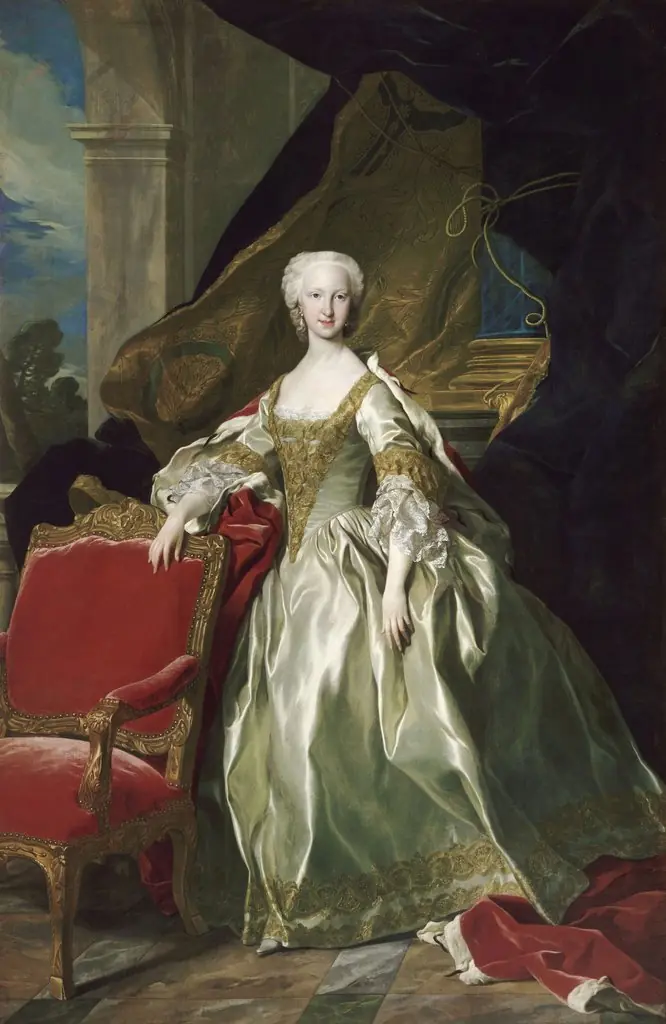 The Infanta María Teresa Rafaela of Spain, future Dauphine of France (1726-1746)
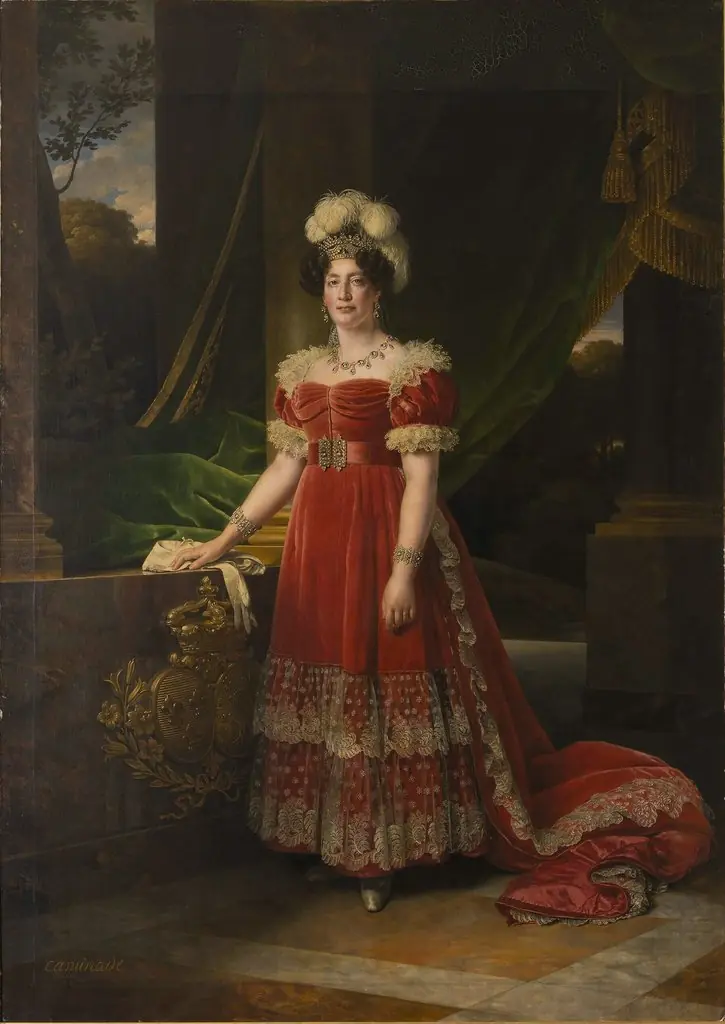 Portrait of Marie Thérèse of France, Duchess of Angoulême (1778-1851)
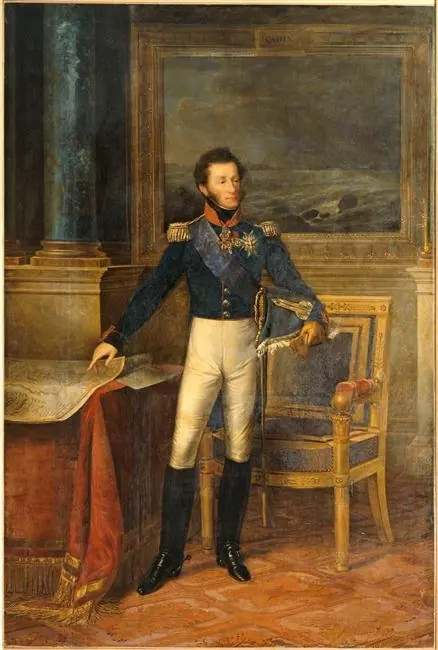 Louis-Antoine d'Artois, Duke of Angoulême (1775-1844)
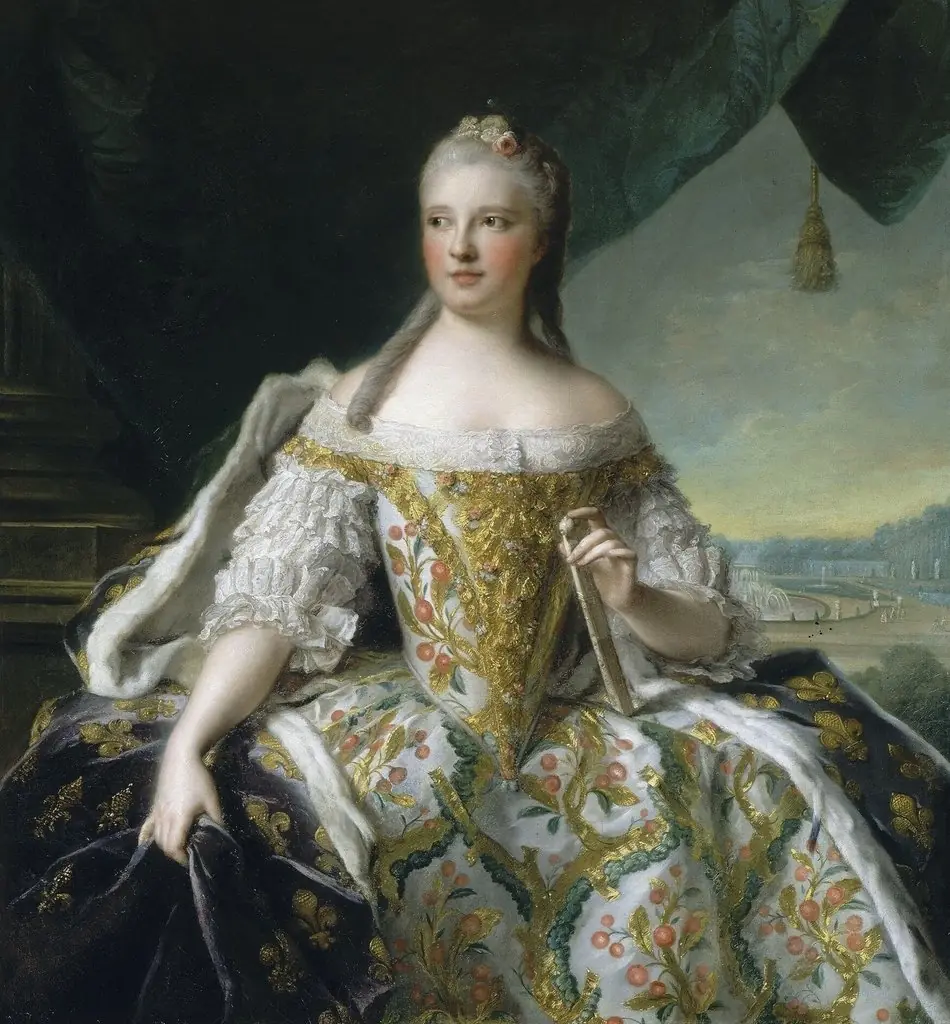 Marie Josèphe of Saxony
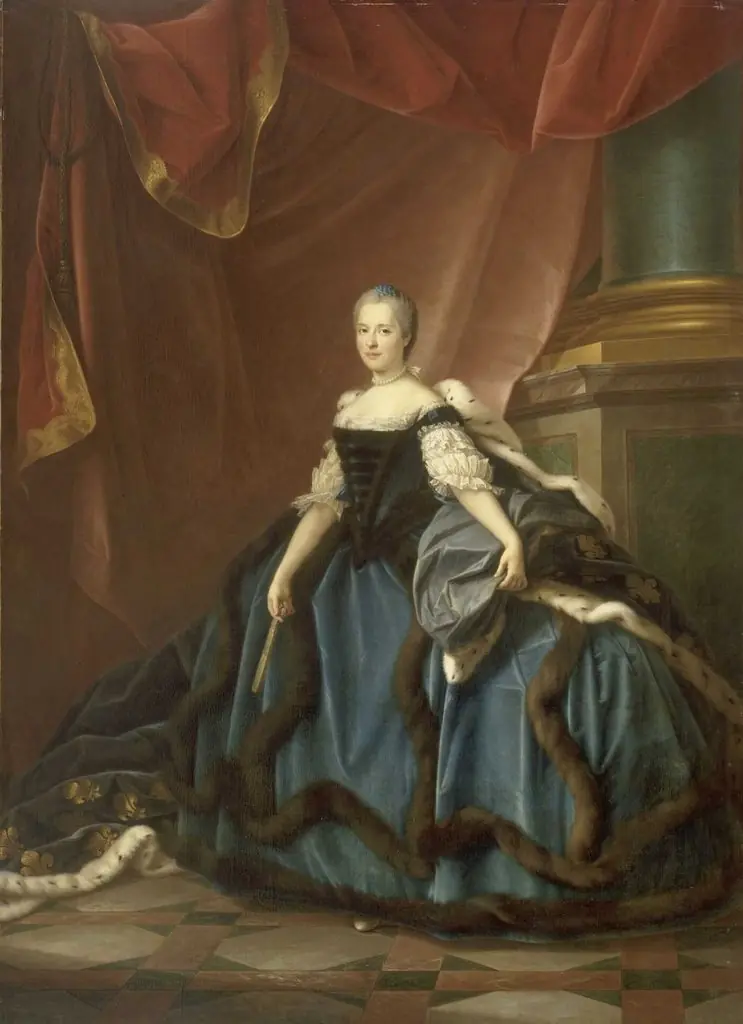 Marie-Josephus of Saxe
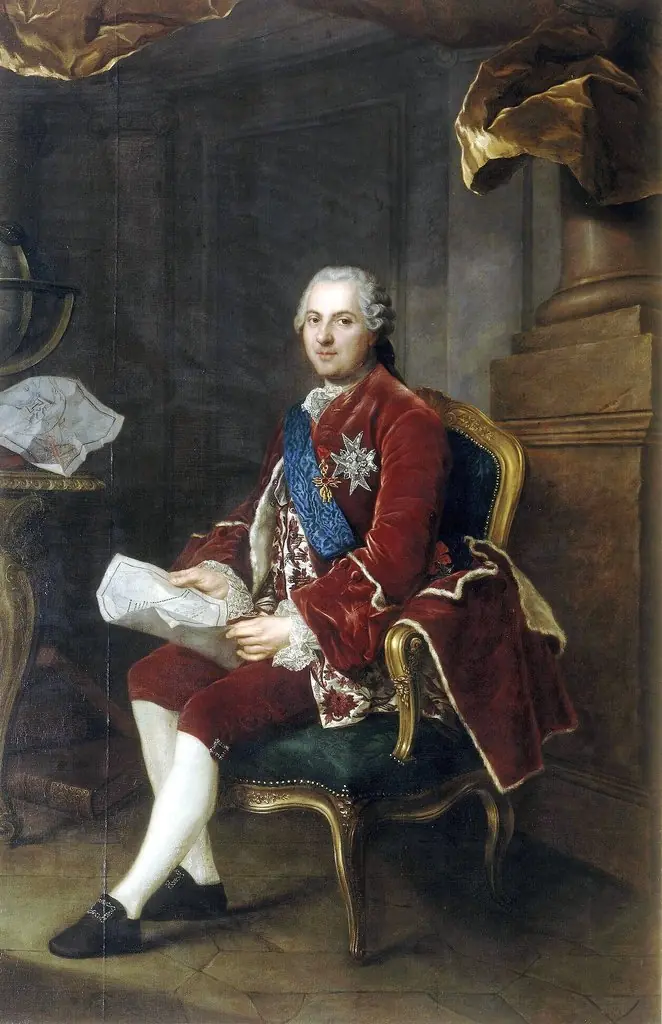 Louis, Dauphin of France
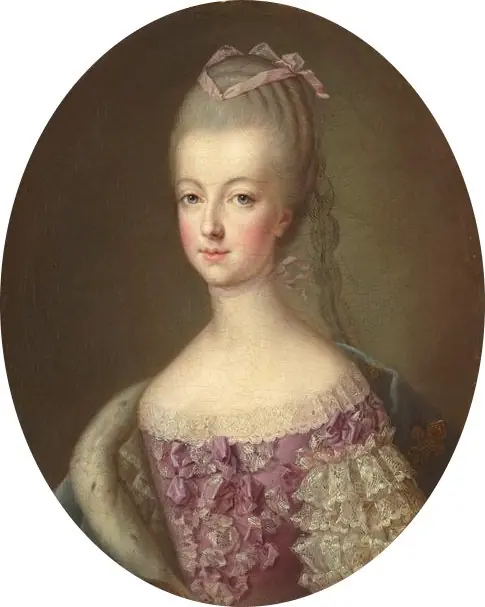 Marie Antoinette of Austria, Dauphine of France, ca. 1770
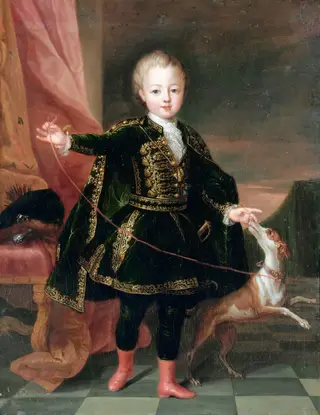 Portrait of Léopold Clément de Lorraine, Hereditary Prince of Lorraine (1707-1723)
 Battle of Fontenoy, 11th May 1745
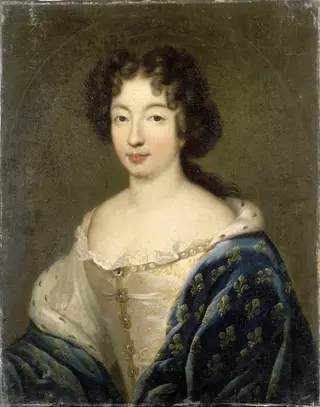 Marie-Anne-Christine-Victoire de Bavière, Dauphine (1660-1690)
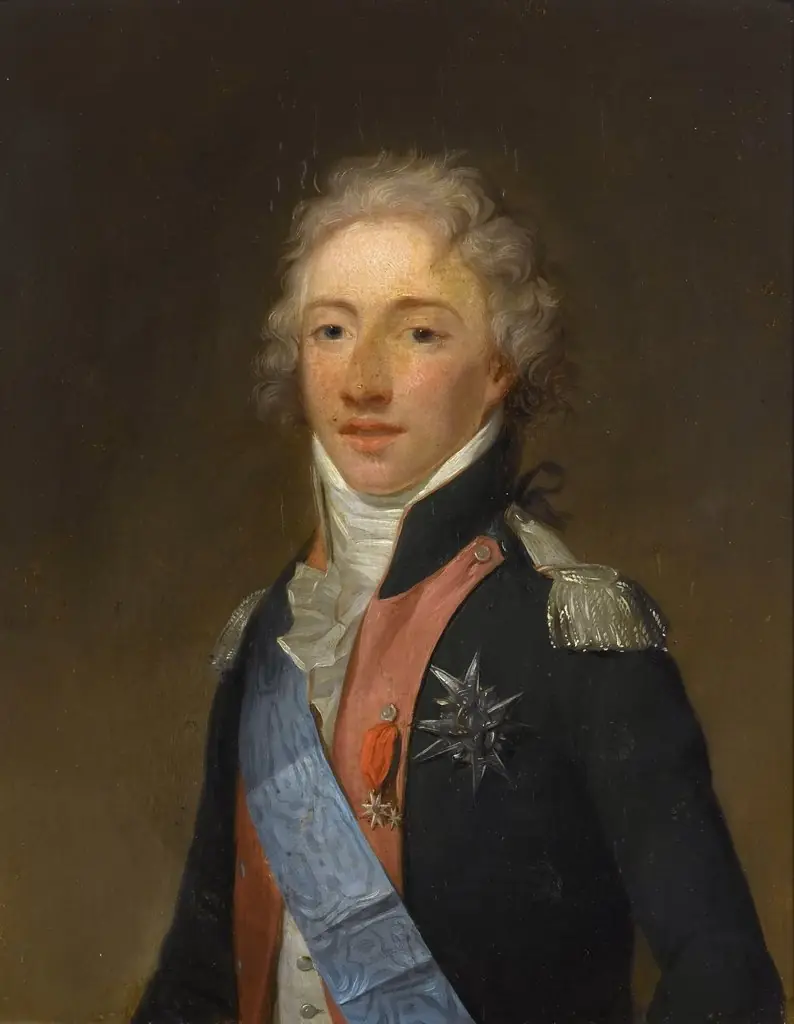 Louis-Antoine d’Artois, duc d’Angoulême (1775-1844)
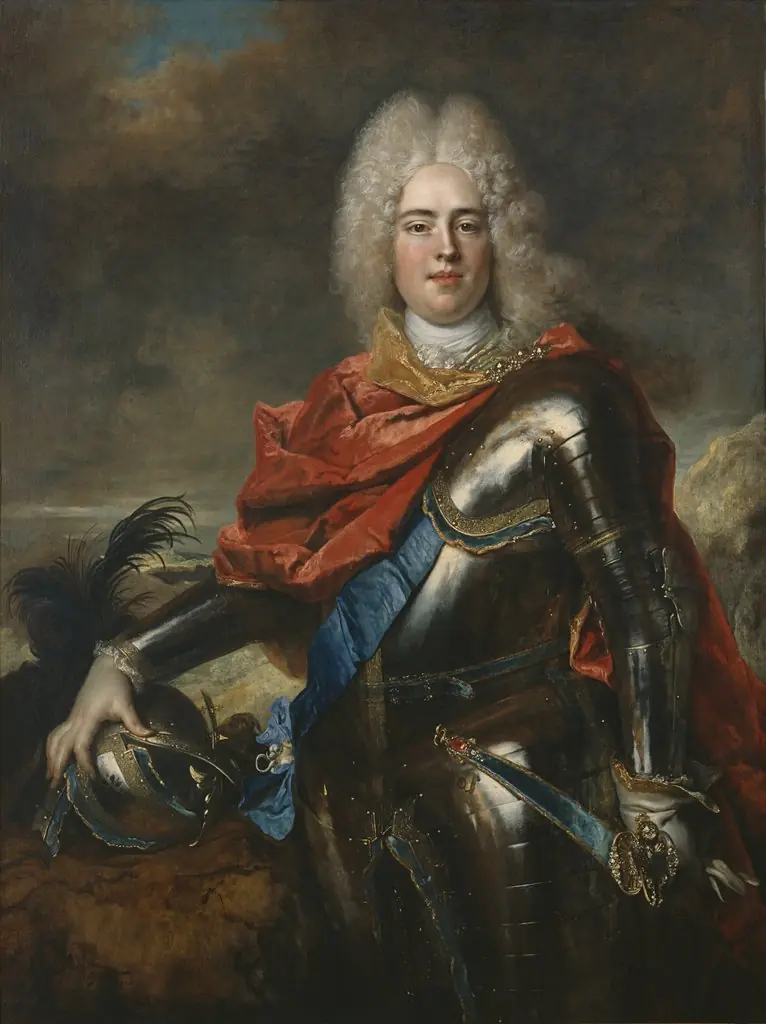 Crown Prince Frederick Augustus of Saxony
Frequently asked questions
What is Crown Prince?
Crown Prince is a subject in art. A crown prince or hereditary prince is the heir apparent to the throne in a royal or imperial monarchy.
How many Crown Prince works does Artifact World Gallery have?
Artifact World Gallery holds 25 public-domain Crown Prince works, all free to view and download.
Who are the key Crown Prince artists?
Key Crown Prince artists in the collection include Adélaïde Labille-Guiard, François Gérard and Élisabeth Louise Vigée Le Brun.
Where can I see Crown Prince works?
Crown Prince works in the collection are held by Palace of Versailles, Museum of the History of France and Department of Paintings of the Louvre.