Subject
Buddhism
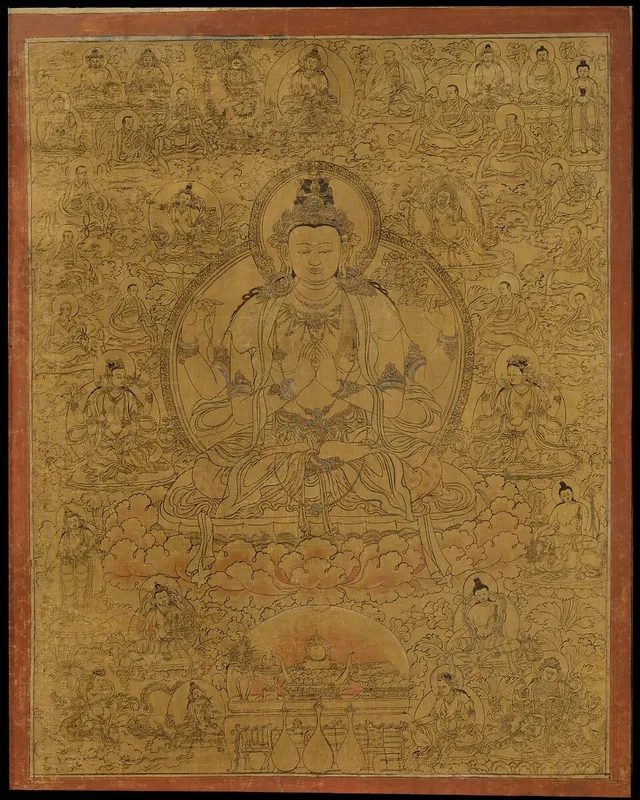
Buddhism is a subject in art. The gallery holds 200 works in this subject in art, including works by Kanō Sanraku, Wang Zhenpeng and Mahavihara Master.
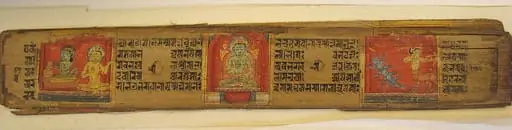
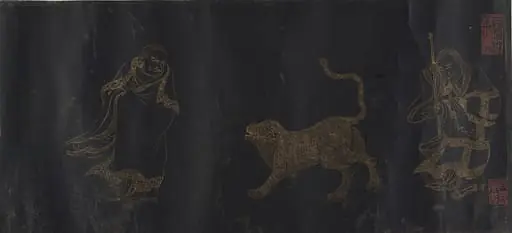
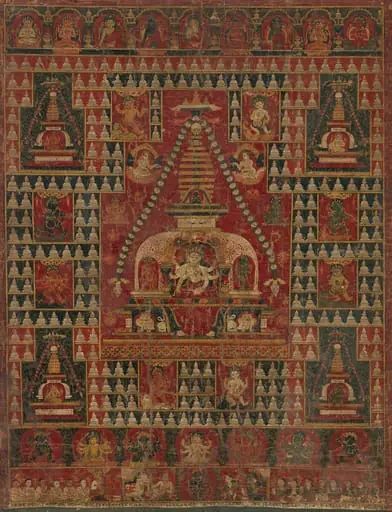
Buddhist art is the oldest continuous religious art tradition in Asia, born from the teachings of Siddhartha Gautama, the historical Buddha, who lived in the Gangetic plain of northern India in the 6th or 5th century BCE. For its first centuries the tradition was aniconic: in the railings and gateways of stupas such as Sanchi and Bharhut (2nd–1st century BCE), the Buddha is evoked only through symbols—an empty throne, a parasol, a pair of footprints, the Bodhi tree, or the eight-spoked dharmachakra, the wheel of the Law—as if his attainment of nirvana placed him beyond physical depiction.
The anthropomorphic Buddha image emerged around the 1st century CE, almost simultaneously in two workshops of ancient India. In Gandhara (modern Pakistan and Afghanistan) sculptors absorbed Greco-Roman models, giving the Buddha wavy hair, toga-like drapery, and a classical naturalism; at Mathura, a more indigenous idiom grew out of earlier robust yaksha figures. Both schools codified the lakshanas—the elongated earlobes, cranial protuberance (ushnisha), and meditative gestures (mudras)—that fixed Buddhist iconography for two millennia. The achievement of the Gupta period (4th–6th century) refined these into serene classical canons, visible in the painted Bodhisattvas of the Ajanta caves, begun in the 2nd–1st century BCE and gloriously expanded under the Guptas.
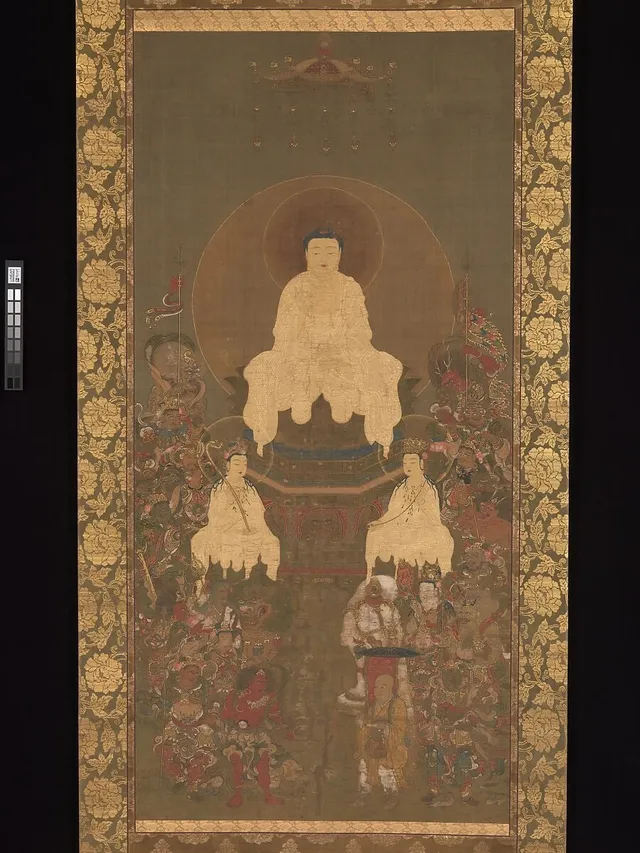
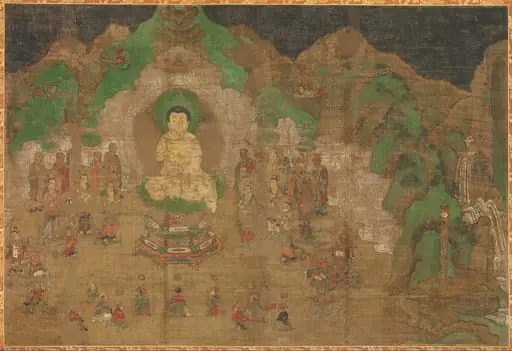
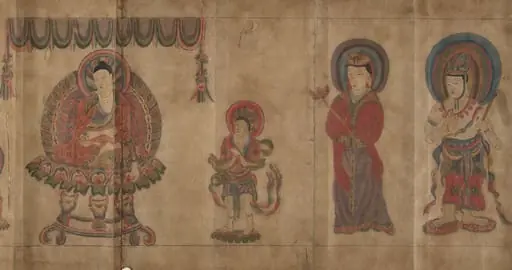
As Buddhism spread along the Silk Road and by sea, art followed and transformed. The Dunhuang cave-temples in Gansu, painted from the 4th to the 14th century, hold over 45,000 square metres of murals; in Java, the Sailendra dynasty raised Borobudur around 800 CE, a colossal Mahayana mandala in stone with 2,672 relief panels and 504 Buddhas. East Asia developed its own painting traditions, exemplified by the Japanese hanging scrolls our collection holds—Shaka (Shakyamuni) triads showing the Buddha flanked by the bodhisattvas Monju and Fugen, attended by the sixteen arhats (rakan), produced in the Kamakura and Nanbokuchō periods (12th–14th century).
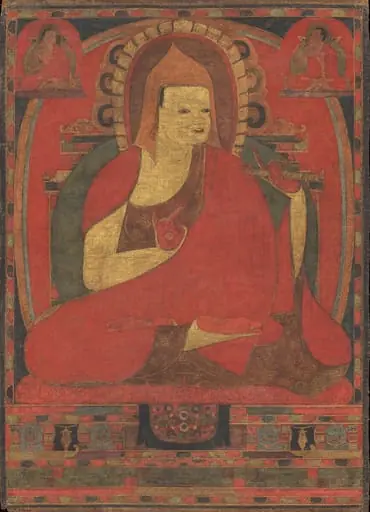
Because Buddhist art was overwhelmingly devotional, it is largely anonymous—the work of unrecorded temple ateliers rather than signed masters. Its legacy is vast: it shaped Hindu and Jain imagery in India, gave rise to Tibetan thangka and mandala painting and Chan/Zen ink art, and continues to inform global modern art.
Key artists


Overview
Buddhism, also known as Buddhadharma and Dharmavinaya, is an Indian religion and philosophy founded on the teachings of Siddhartha Gautama, a śramaṇa and religious teacher who lived in the 6th or 5th century BCE. With approximately 320 million followers, or 4.1% of the global population, it ranks as the world's fourth-largest religion. The tradition centers on a path of cultivation leading to awakening and liberation from dukkha, or suffering, through the attainment of nirvana. The Buddha taught this as a Middle Way between extreme asceticism and sensory indulgence, grounded in meditation practices, ethical precepts, and core doctrines including the Four Noble Truths, the Noble Eightfold Path, dependent origination, and karma. Over two and a half millennia, Buddhism has spread from its origins in the eastern Gangetic plain throughout much of Asia via the Silk Road, and more recently to the West in the 20th century, diversifying into major branches including Theravāda, Mahāyāna, and Vajrayāna.
Iconography & meaning
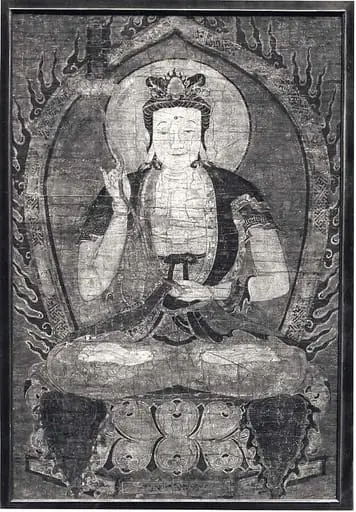
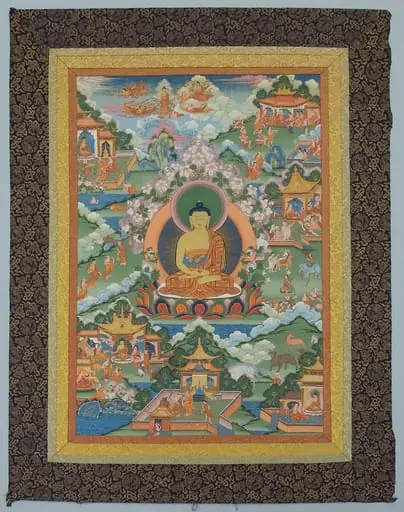
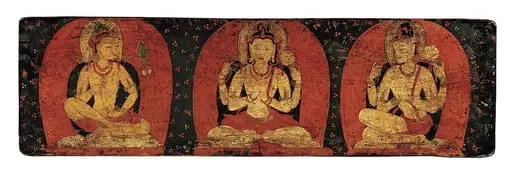
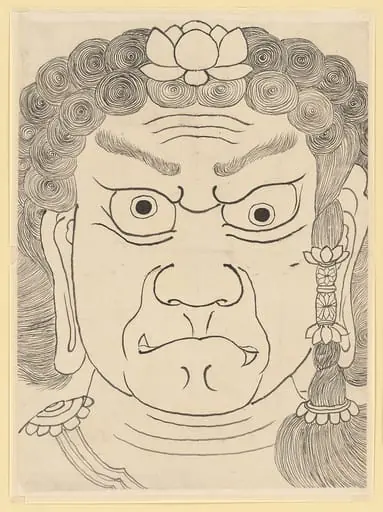
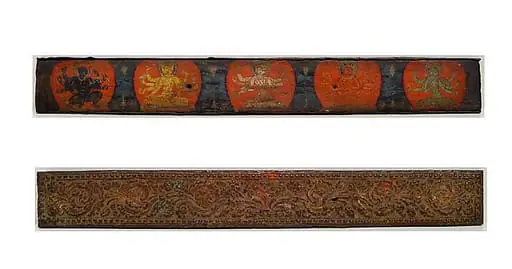
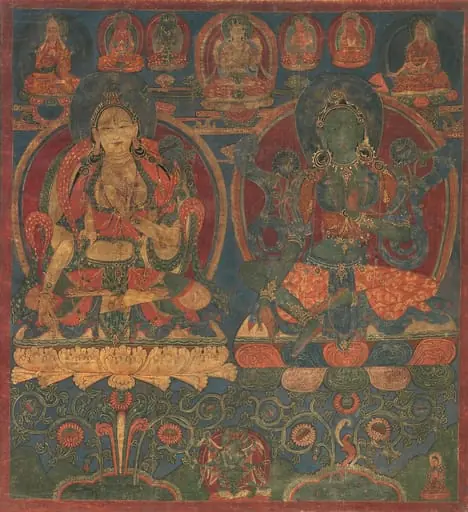
Buddhist art deploys a rich visual vocabulary to convey doctrinal concepts across diverse cultural contexts. The figure of the Buddha himself appears in multiple forms: as the historical Shakyamuni, as celestial Buddhas such as Bhaishajyaguru (the Buddha of Medicine), and in Mahāyāna contexts as manifestations of the trikāya or three-body doctrine. Attendant bodhisattvas frequently flank central Buddha figures, as seen in triad compositions. The arhat, or enlightened disciple, constitutes another important category, with sets of sixteen or eighteen arhats commonly depicted. Benevolent deities and protective figures also populate Buddhist iconography, reflecting the integration of local cults and the Mahāyāna emphasis on compassionate intervention in the world. Symbolic attributes include specific hand gestures (mudrā), the ushnisha (cranial protuberance), the urna (dot between the eyebrows), and elongated earlobes, all signifying the Buddha's transcendent nature. The lotus, wheel of dharma, and vajra carry layered meanings related to purity, teaching, and indestructible reality respectively.
Across movements & periods
The treatment of Buddhist subjects in art evolved dramatically across movements, periods, and cultures. Originating in India in the 5th century BCE, Buddhist art initially developed aniconic traditions before establishing the anthropomorphic Buddha image. From its Indian source, Buddhism spread along multiple vectors. The northern route via the Silk Road carried Mahāyāna Buddhism to Central and East Asia, where it generated distinct regional traditions: Chan in China, Zen in Japan, and Pure Land devotion across East Asia. The southern transmission brought Theravāda Buddhism from India and Sri Lanka to Southeast Asia, where it displaced earlier Mahāyāna presence in regions such as Myanmar, Thailand, Laos, Cambodia, and Sri Lanka. A separate Himalayan transmission established Vajrayāna traditions in Tibet, Bhutan, Nepal, and Mongolia, as well as Japanese Shingon through Chinese transmission. Each regional adaptation entailed stylistic and iconographic transformations. Chinese Buddhist art absorbed and reinterpreted Indian models; Japanese traditions such as Tendai, Nichiren, and Zen developed distinctive visual cultures. The collection's Yuan dynasty wall painting exemplifies the continued vitality of Buddhist mural painting under Mongol rule, while the preponderance of Japanese works suggests particular collecting strength in that tradition.
Legacy
Buddhism's cultural afterlife extends far beyond its religious practice. The term Buddhism itself emerged as a European neologism in the early 19th century, with English occurrences of Boudhism in 1800-1801 and Buddhism in 1816, followed by French budsdoisme in 1780 and bouddhisme in 1823. This linguistic history reflects the growing European scholarly and colonial interest in Asian religions. In modern scholarship, the tradition's diversity has prompted reconceptualization: rather than a single Buddhism, scholars now frequently speak of multiple Buddhist traditions or a family of religions encompassing Theravāda, Mahāyāna, and Vajrayāna branches. The Western reception of Buddhism, which accelerated from the 19th century, has generated new forms of practice and interpretation sometimes diverging from Asian traditions. The collection itself participates in this legacy of cross-cultural transmission, preserving objects that traveled from their original ritual contexts into museum and private collections, where they now function as documents of artistic achievement and religious history. The continued scholarly attention to formerly untitled works suggests that the process of understanding and contextualizing Buddhist art remains ongoing.
Works
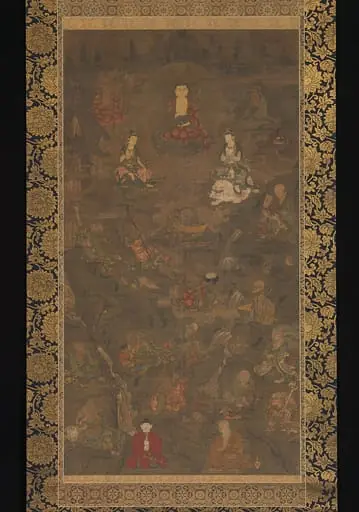 釈迦三尊十六羅漢像|Shaka (Shakyamuni), the Historical Buddha, with Two Attendant Bodhisattvas and Sixteen Arhats
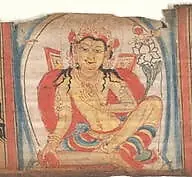 Untitled
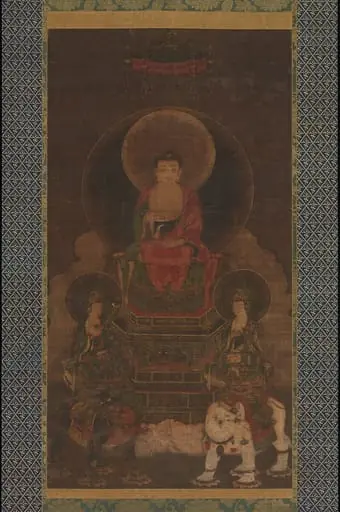 釈迦三尊像|Shaka (Shakyamuni) Triad
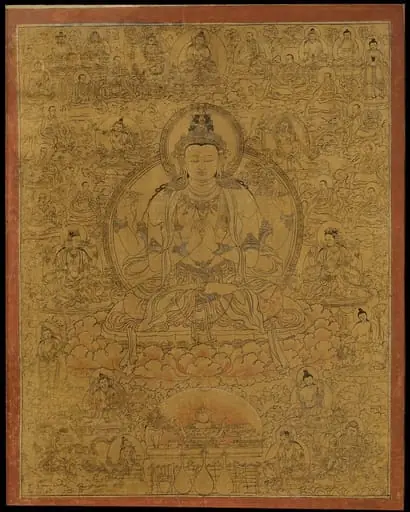 Untitled
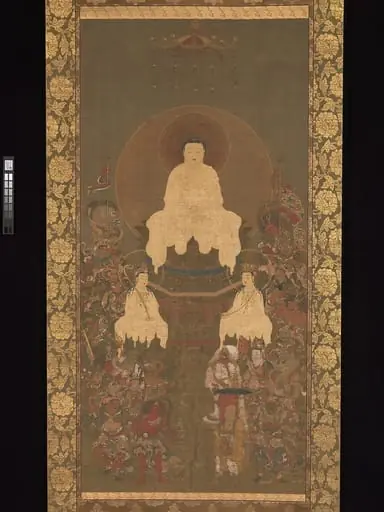 釈迦三尊十六善神像|Shaka (Shakyamuni), the Historical Buddha, with Two Attendant Bodhisattvas and Sixteen Benevolent Deities
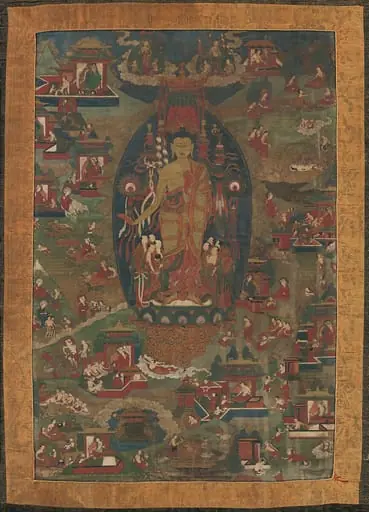 Untitled
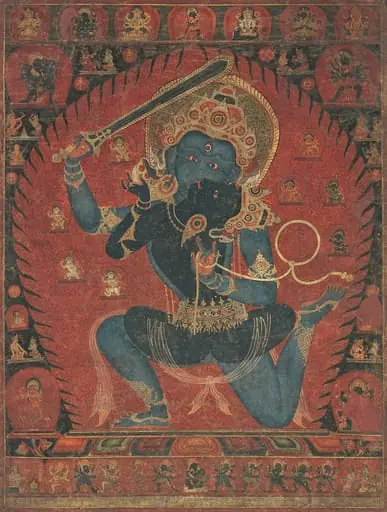 Untitled
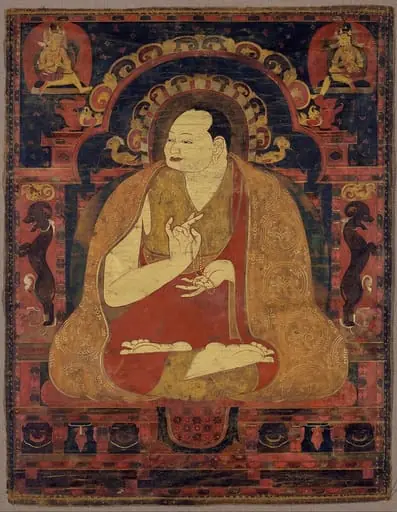 Untitled
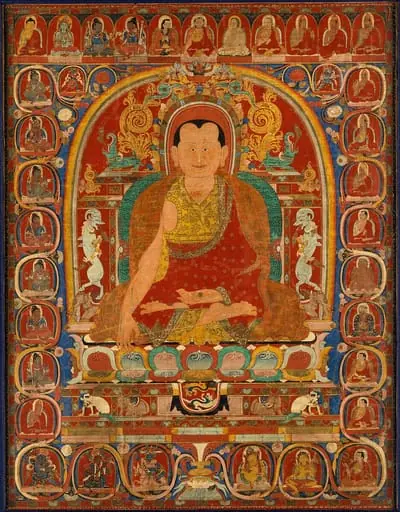 Untitled
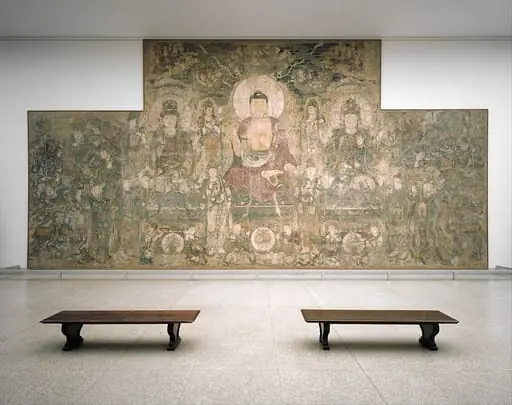 元 廣勝寺 藥師佛法會圖壁畫|Buddha of Medicine Bhaishajyaguru (Yaoshi fo)
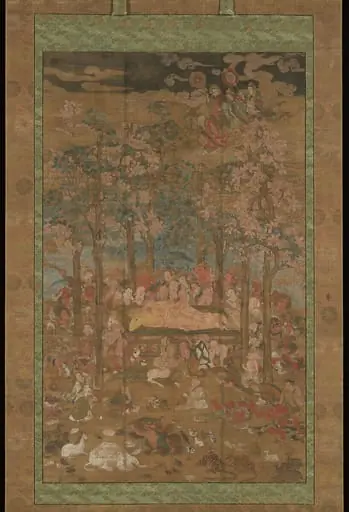 仏涅槃図|Death of the Historical Buddha (Nehan-zu)
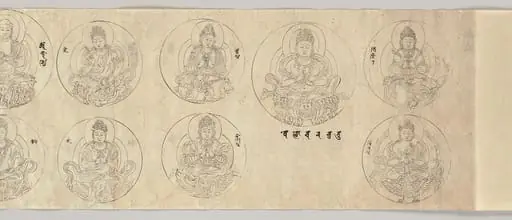 金剛界曼荼羅諸尊図像|Scroll of Deities of the Diamond World Mandala
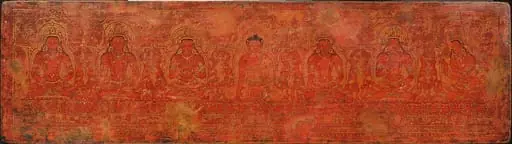 Untitled
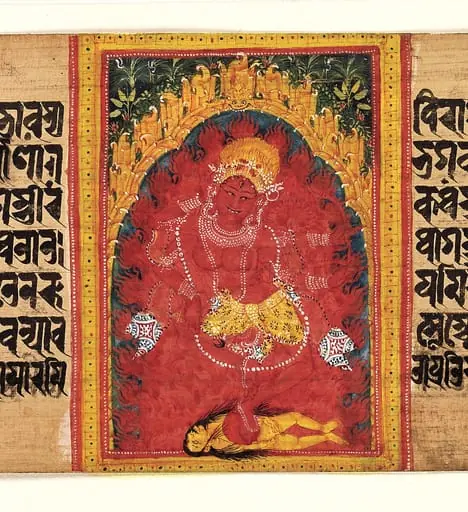 Untitled
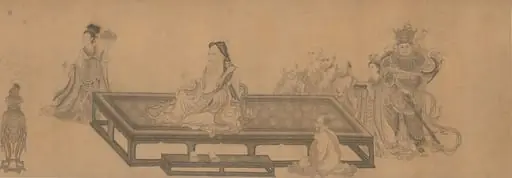 元 王振鵬 維摩不二圖 卷|Vimalakirti and the Doctrine of Nonduality
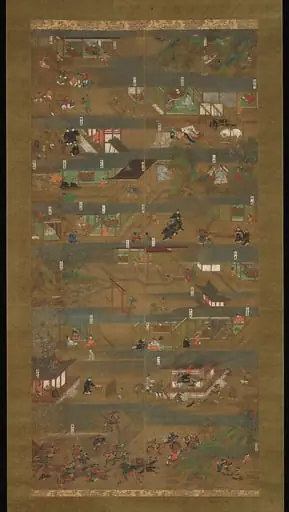 聖徳太子絵伝図|Illustrated Biography of Prince Shōtoku (Shōtoku Taishi e-den)
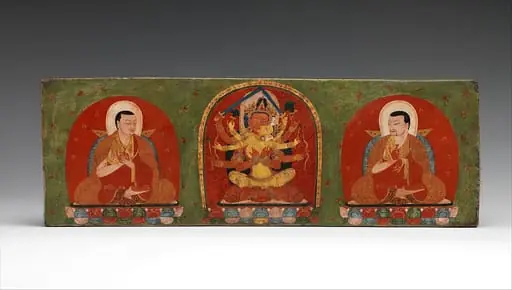 Untitled
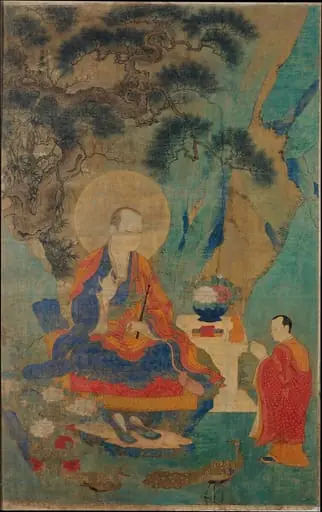 明 佚名 羅漢圖 軸|The Arhat Vajraputra
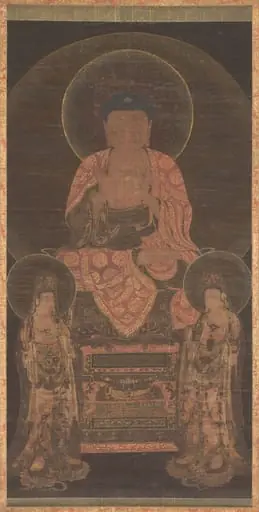 아미타삼존도 고려|阿彌陀三尊圖 高麗|Amitabha triad
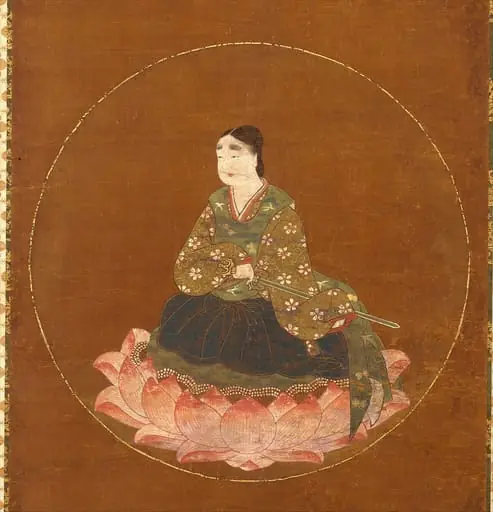 春日若宮曼荼羅|Mandala of Wakamiya of Kasuga Shrine (Kasuga wakamiya mandara)
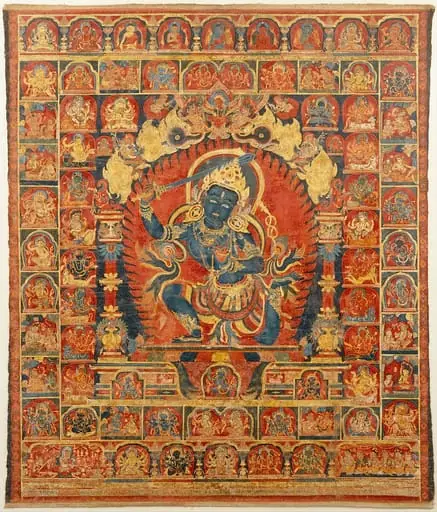 Untitled
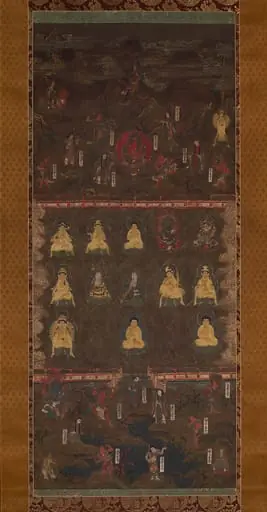 熊野曼茶羅図|Mandala of Kumano Shrine
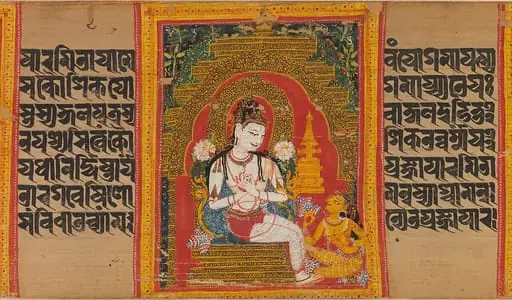 Untitled
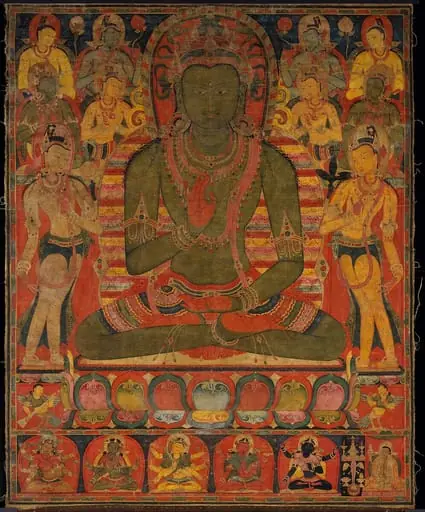 Untitled
 Untitled
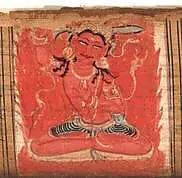 Untitled
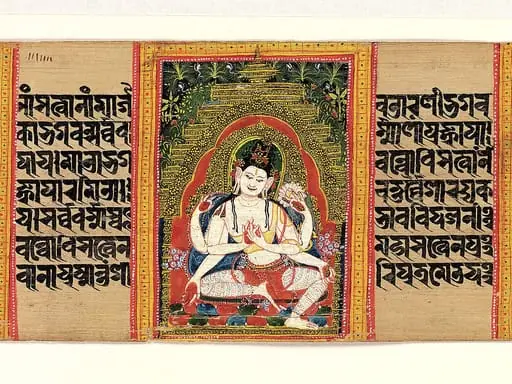 Untitled
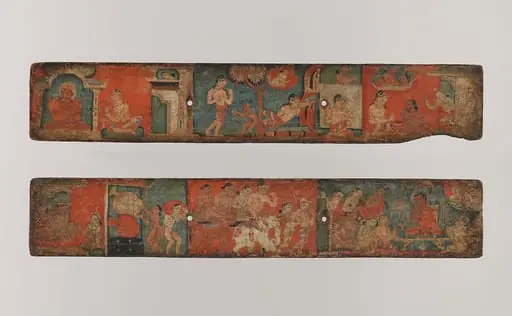 Untitled
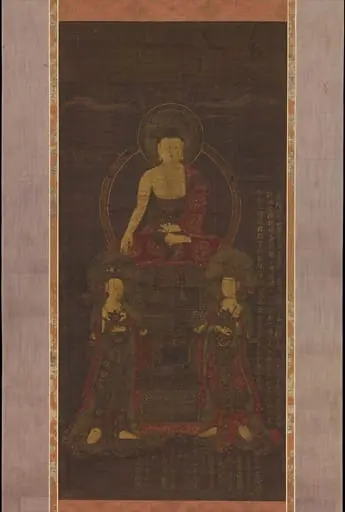 석가삼존도 조선|釋迦三尊圖 朝鮮|Shakyamuni triad
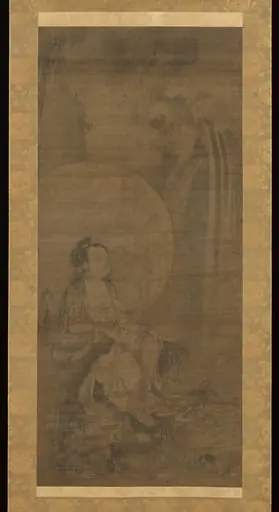 白衣観音図|White-robed Kannon
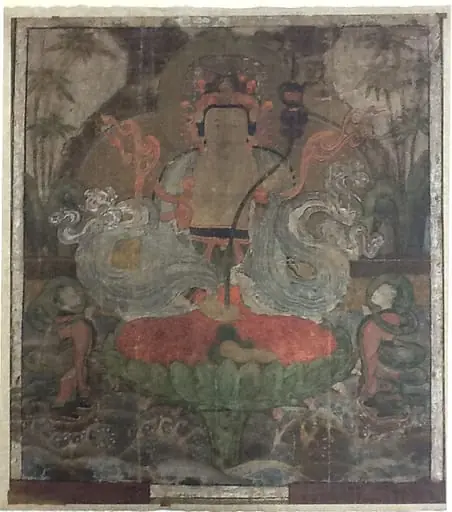 Untitled
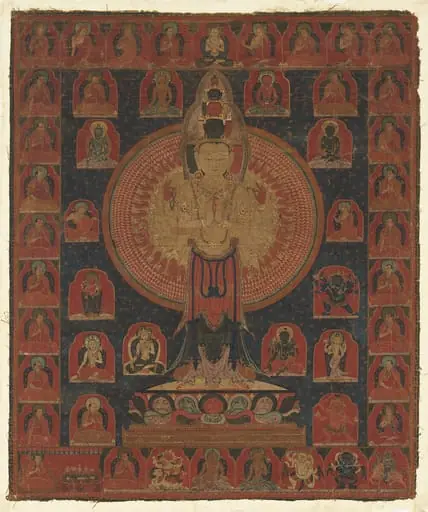 Untitled
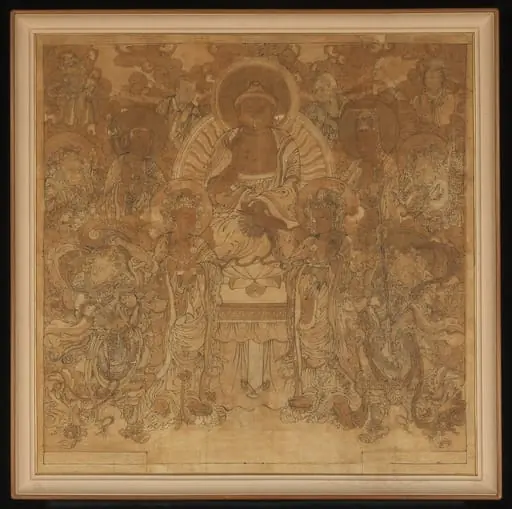 극락에서 설법하는 아미타불 조선|阿彌陀極樂會圖 朝鮮|Amitabha Buddha’s assembly in the Western Paradise
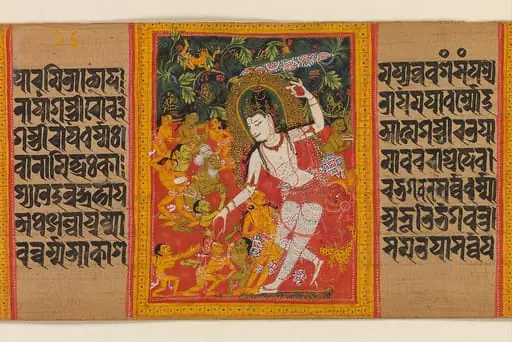 Untitled
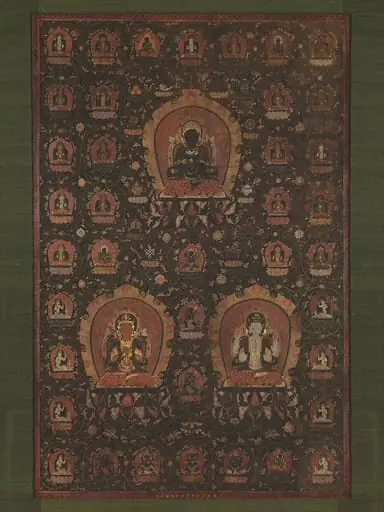 明 佚名 釋教三尊曼陀羅圖 軸|Mandala of Vajradhara, Manjushri and Sadakshari -Lokeshvara
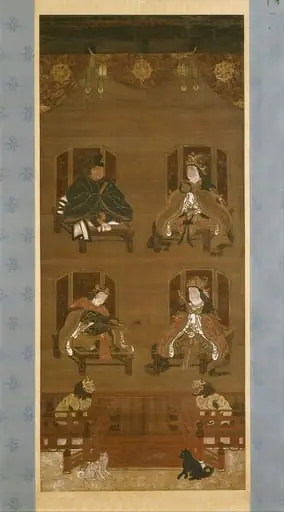 高野四所明神像|The Four Deities of Mount Kōya
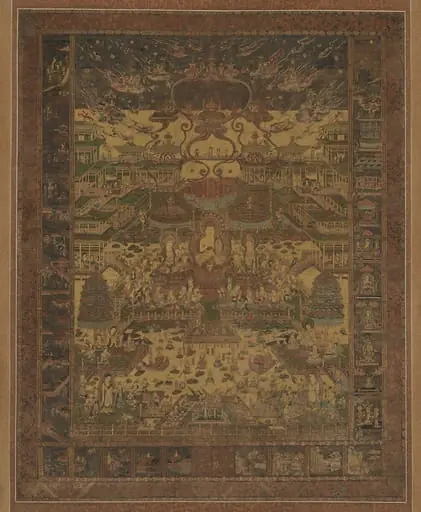 当麻曼荼羅図|Taima Mandala
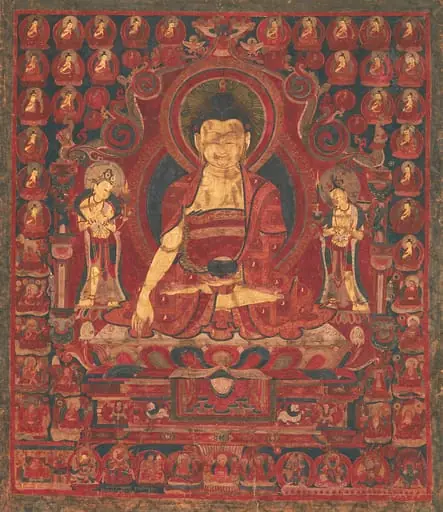 Untitled
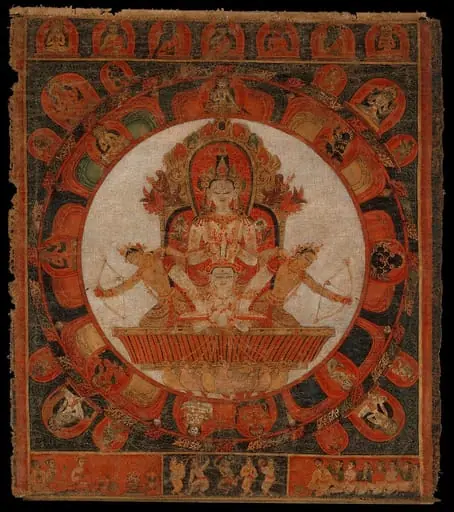 Untitled
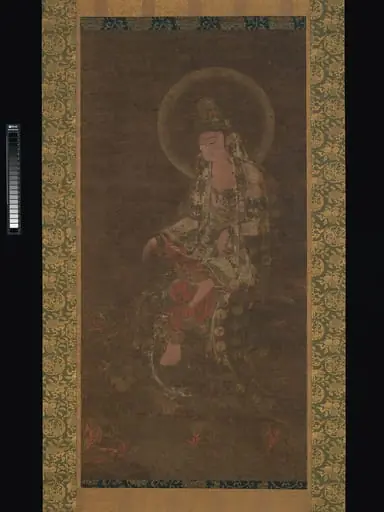 작자미상 수월관음도 고려|作者未詳 水月觀音圖 高麗|Water-Moon Avalokiteshvara
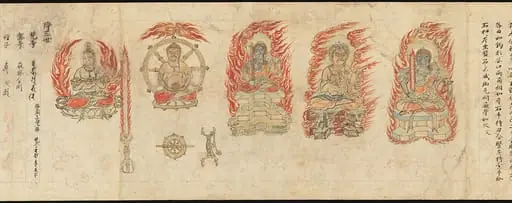 『図像抄』〈十巻抄〉明王部諸尊|Iconographic Drawings of the Five Kings of Wisdom (Myōō-bu shoson)
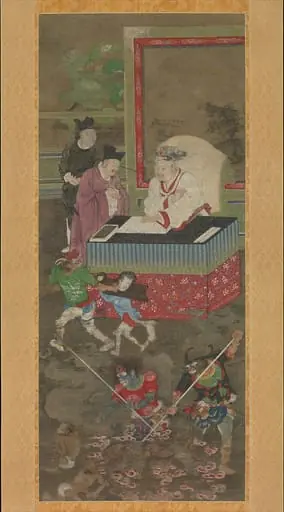 南宋 金處士 十王圖 軸|Ten Kings of Hell
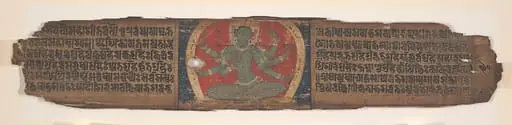 Untitled
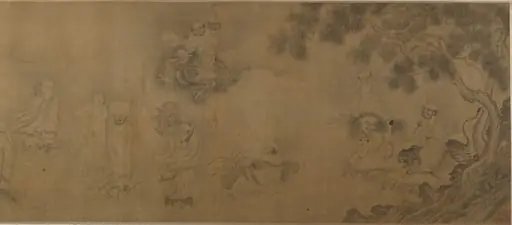 明 /清 佚名 李公麟 偽款 龍王請齋圖 卷|Buddhist luohans crossing the sea to the palace of the dragon king
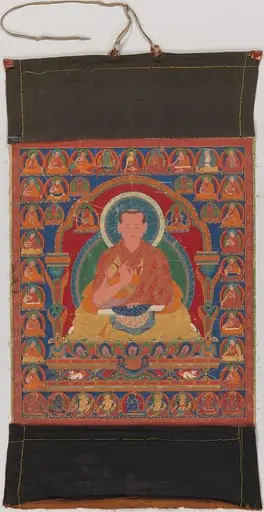 Untitled
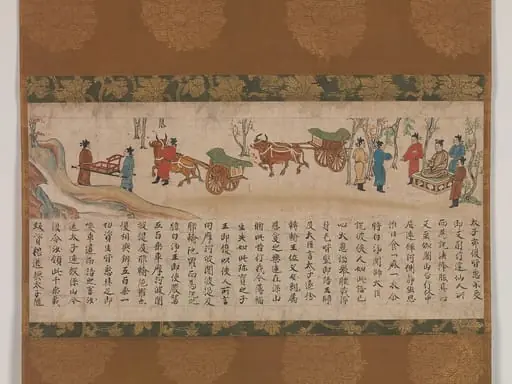 『過去現在絵因果経』 断簡 (松永本)|The Illustrated Sutra of Past and Present Karma (Kako genzai inga kyō emaki)
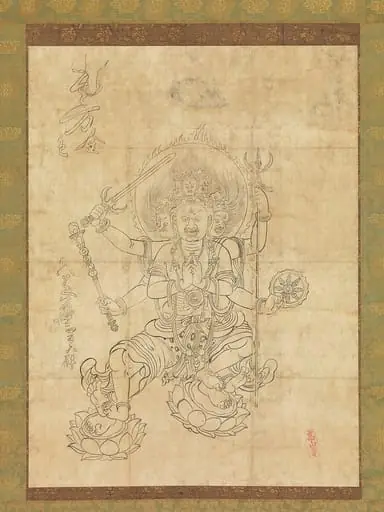 大威徳明王|Daiitoku Myōō
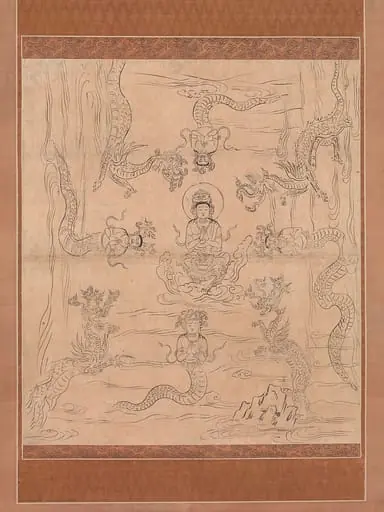 請雨経曼荼羅図像|Iconographic Drawing of a Rainmaking Mandala
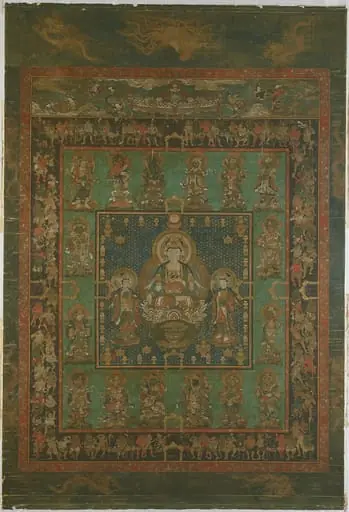 般若菩薩曼荼羅図|Mandala of the Bodhisattva Hannya (Prajnaparamita)
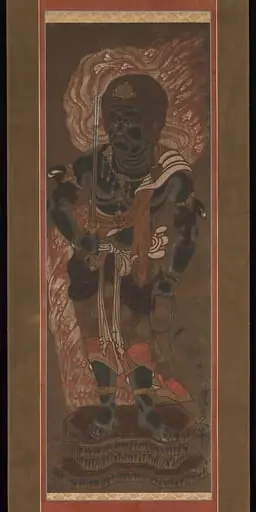 龍湫周沢写 不動明王二童子像|Fudō Myōō and Two Attendants
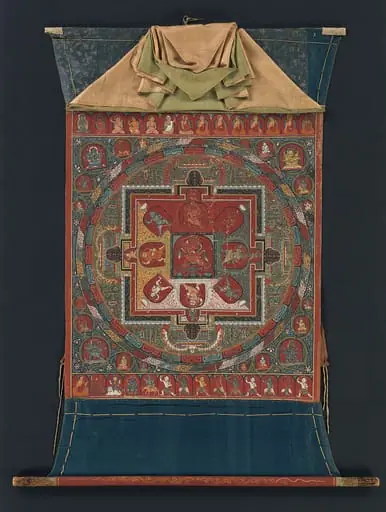 Untitled
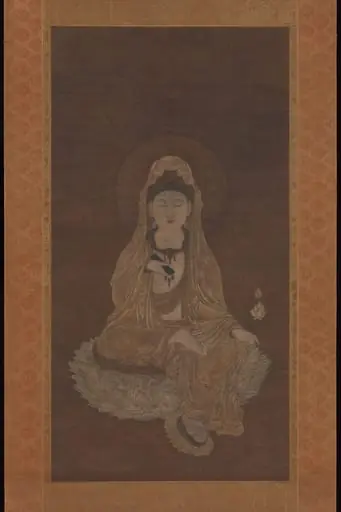 白衣観音図|White-Robed Kannon
 Untitled
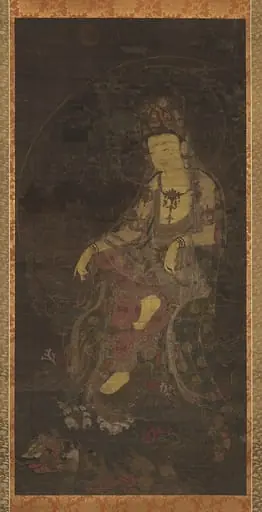 수월관음도 고려|水月觀音圖 高麗|Water-moon Avalokiteshvara
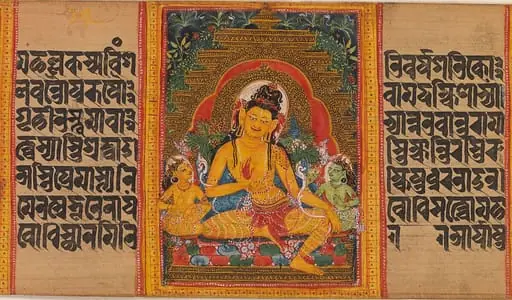 Untitled
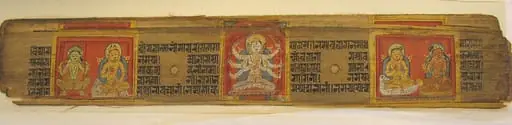 Untitled
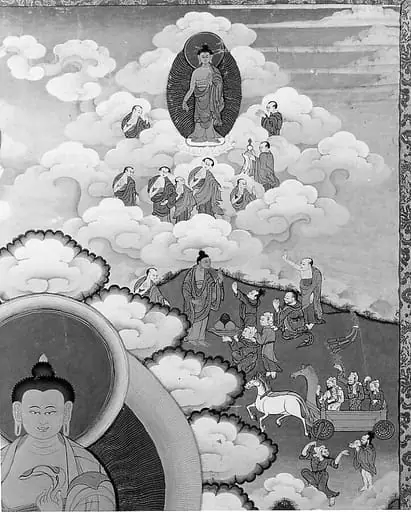 Untitled
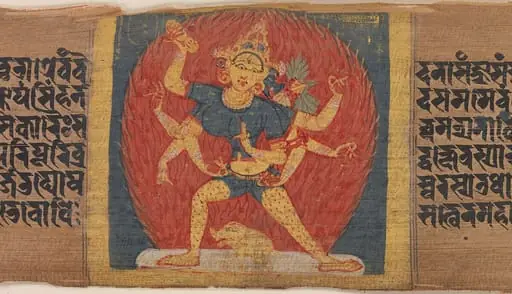 Untitled
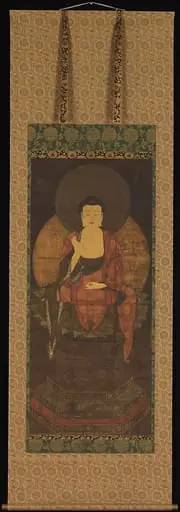 釈迦如来像|Shaka Nyorai
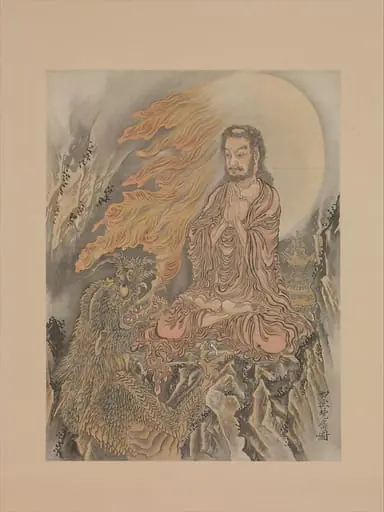 釈迦降魔図|Shakyamuni Subjugating Demons
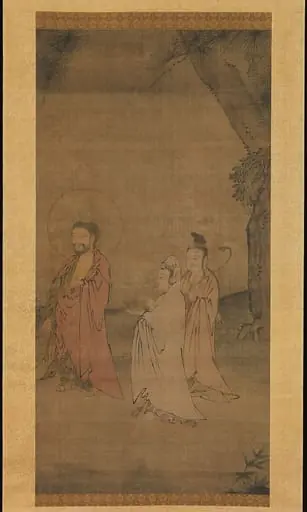 元 佚名 釋迦三尊圖 軸|Shakyamuni coming down from the mountains
 Untitled
 Untitled
 Untitled
 Untitled
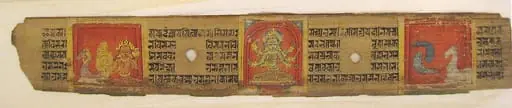 Untitled
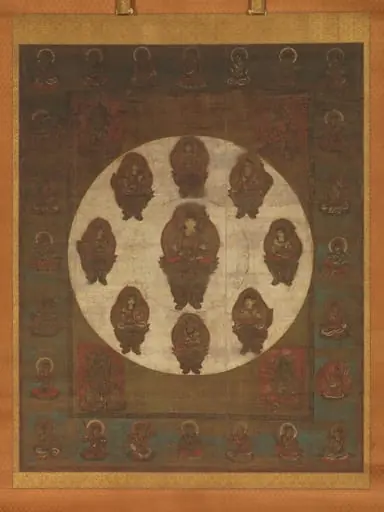 八字文殊曼荼羅図|Mandala of the Bodhisattva Monju (Manjushri) of the Eight Syllables
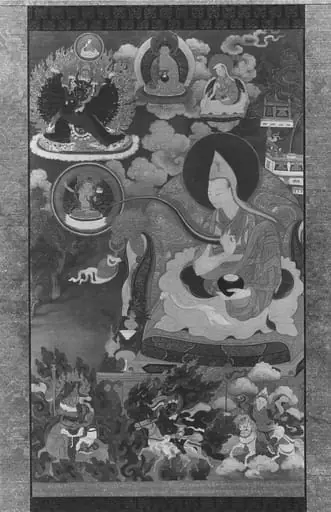 Untitled
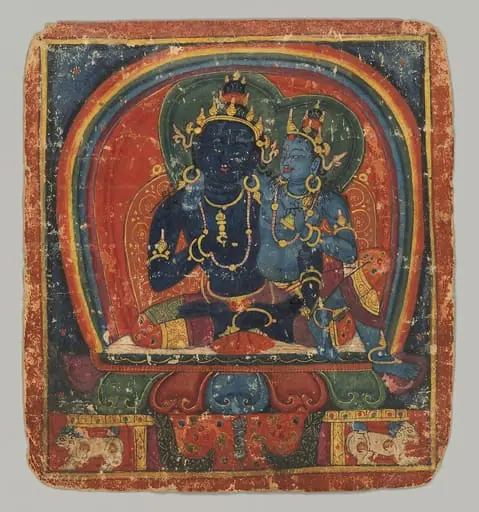 Untitled
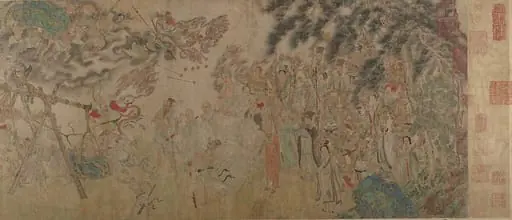 明/清 佚名 揭缽圖 卷|Raising the Alms-Bowl
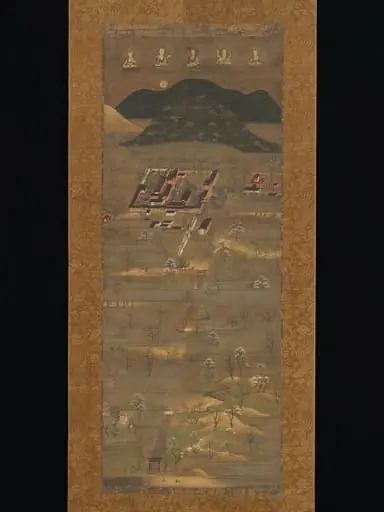 春日宮曼荼羅 (Kasuga miya mandara)|Mandala of Kasuga Shrine
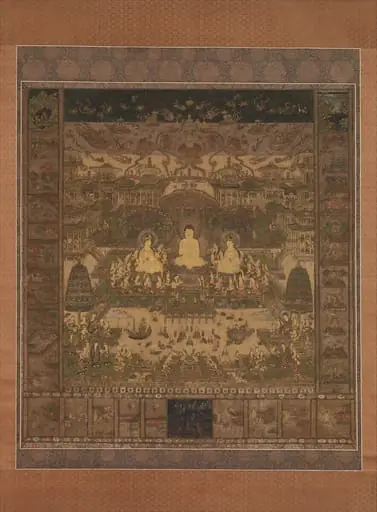 當麻曼荼羅図 |Taima Mandala
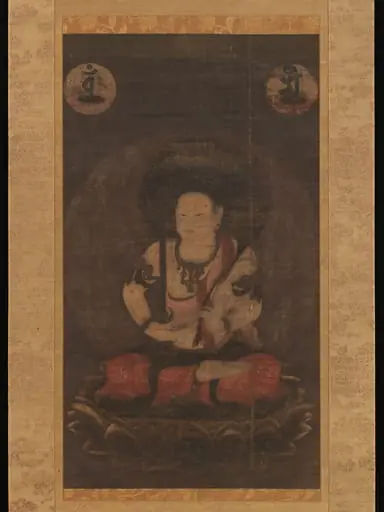 五髻文殊菩薩像|The Bodhisattva Monju (Manjushri) with Five Topknots
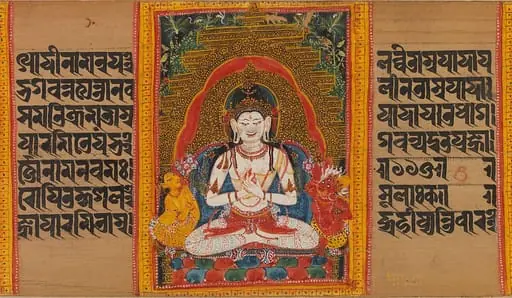 Untitled
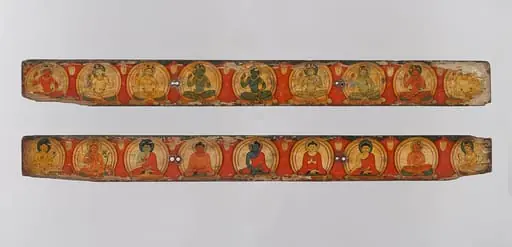 Untitled
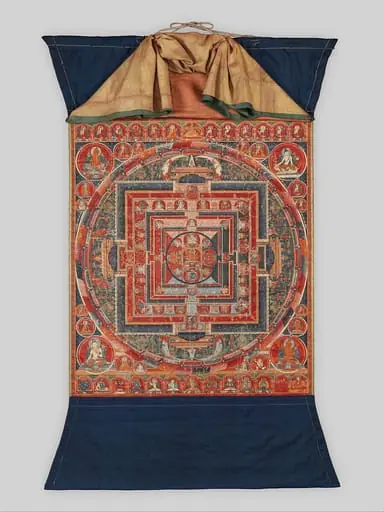 Untitled
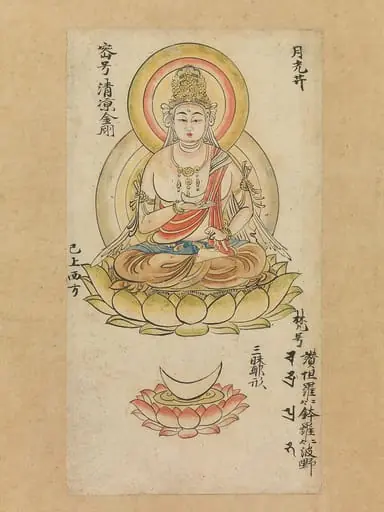 伝託磨為遠筆 月光菩薩像 「金胎仏画帖」断簡|Gakkō Bosatsu, from “Album of Buddhist Deities from the Diamond World and Womb World Mandalas” (“Kontai butsugajō”)
 Untitled
 仏伝図|Scene from the Life of the Buddha
 Untitled
 Untitled
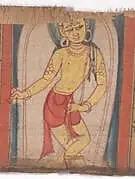 Untitled
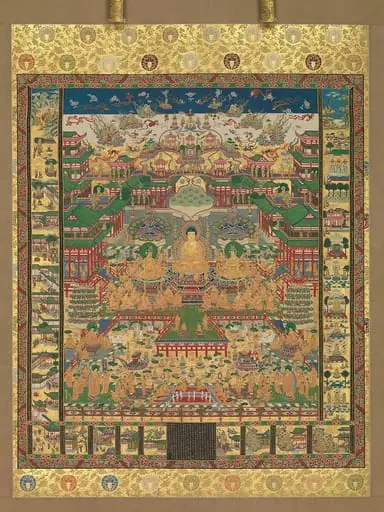 当麻曼荼羅|Taima Mandala
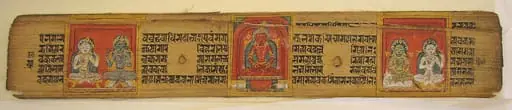 Untitled
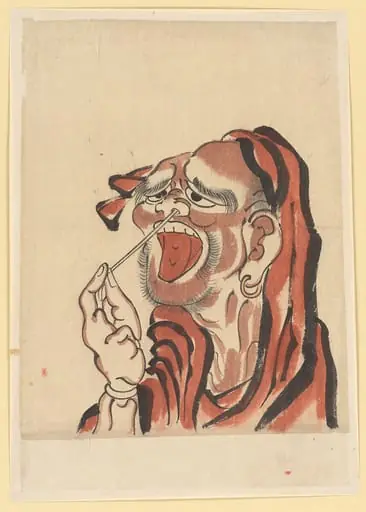 Untitled
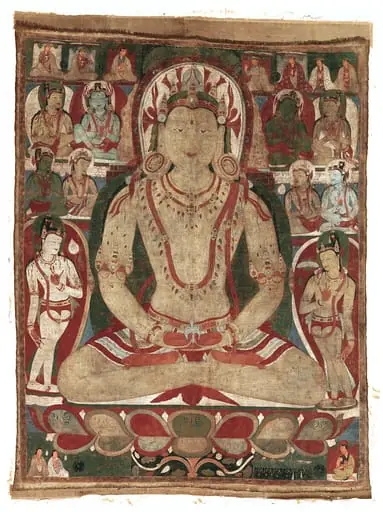 Untitled
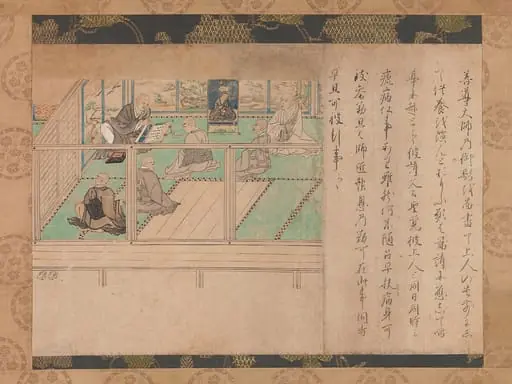 拾遺古徳伝絵断簡|Illustrated Biography of Hōnen (Shūikotokūden-e)
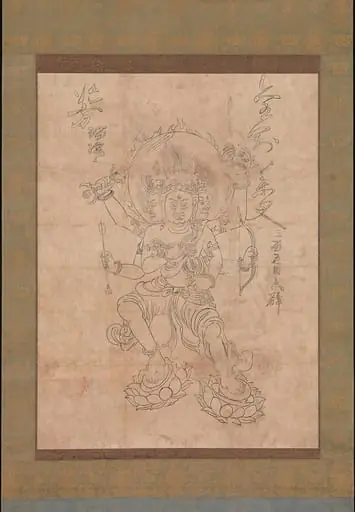 金剛夜叉明王|Kongōyasha Myōō
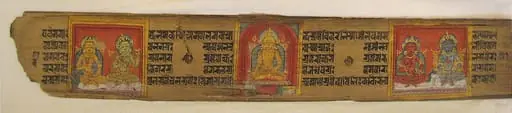 Untitled
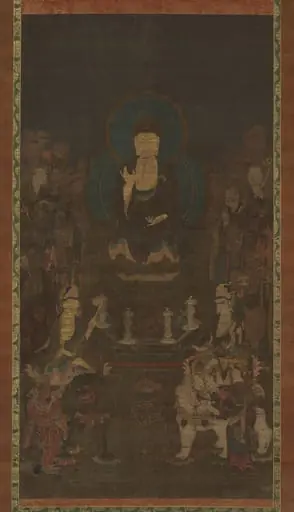 釈迦三尊十大弟子像|Shaka (Shakyamuni), the Historical Buddha, with Two Attendant Bodhisattvas and the Ten Great Disciples
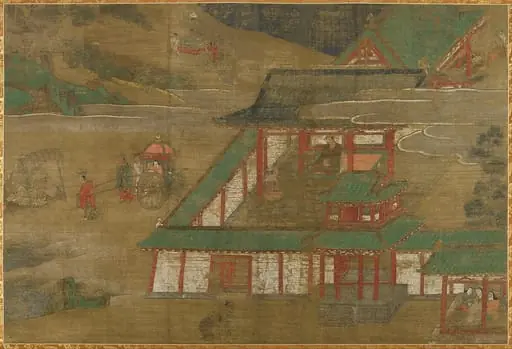 仏伝図|Scene from the Life of the Buddha
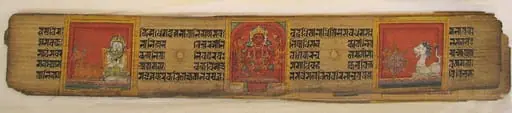 Untitled
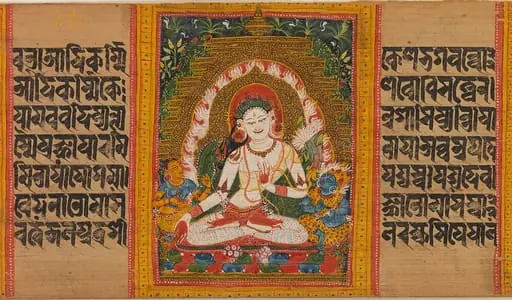 Untitled
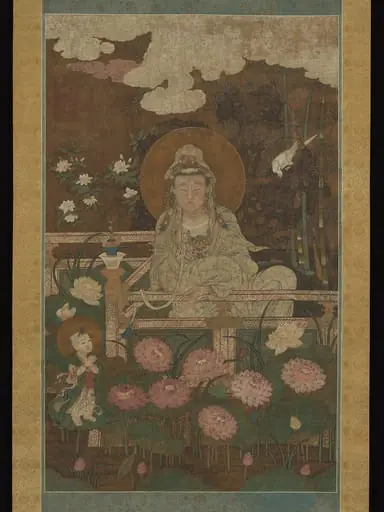 Untitled
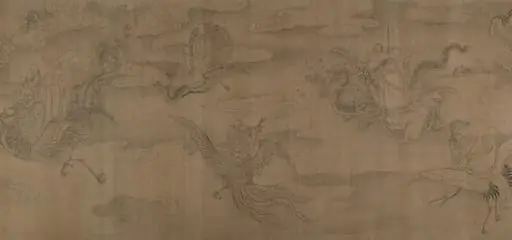 Untitled
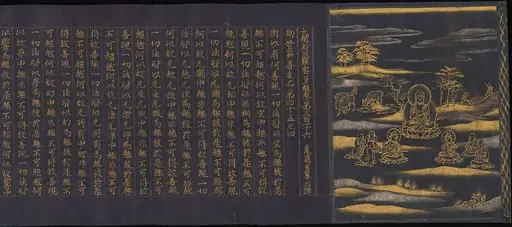 大般若経(中尊寺経)|Great Wisdom Sutra (Daihannya-kyō), from the Chūsonji Temple Sutra Collection (Chūsonji-kyō)
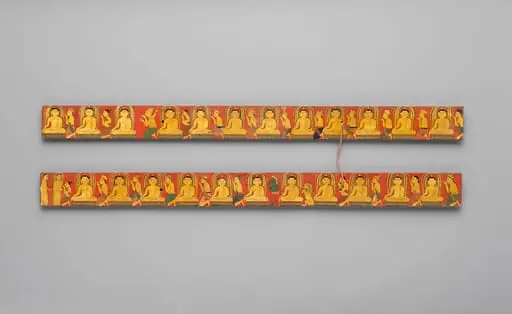 Untitled
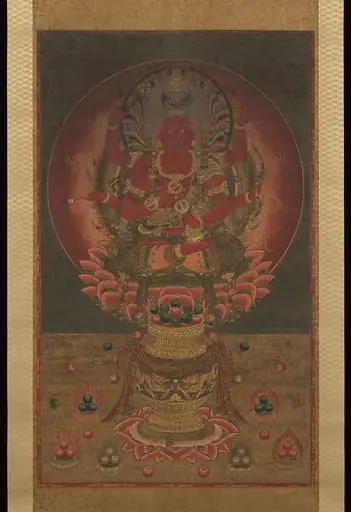 愛染明王像|Aizen Myōō
 Untitled
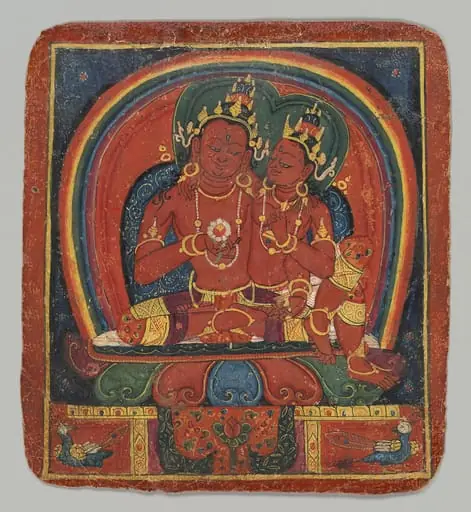 Untitled
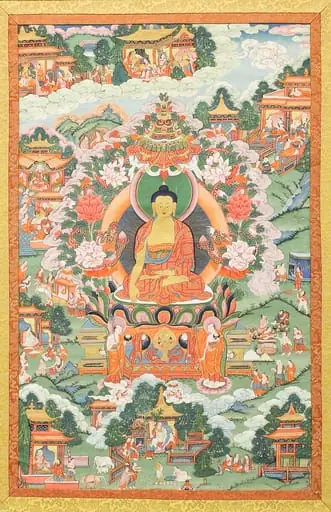 Untitled
 Untitled
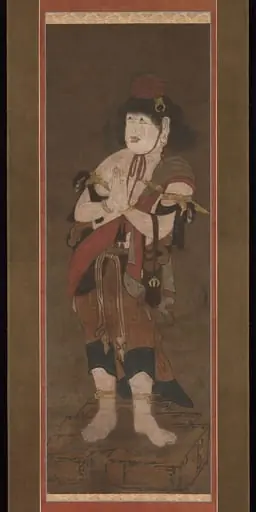 龍湫周沢写 不動明王二童子像|Fudō Myōō and Two Attendants
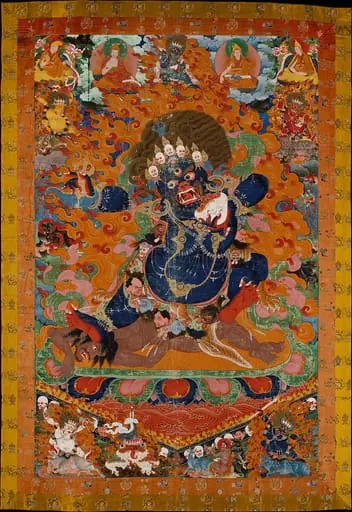 Untitled
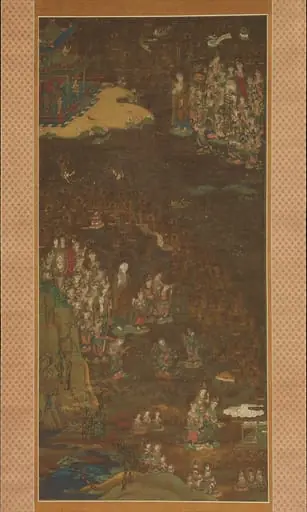 迎接曼荼羅図|Descent and Return of Amida to Western Paradise with a Believer's Soul (Gōshō mandara)
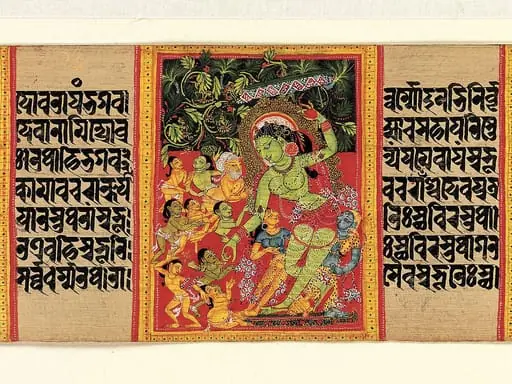 Untitled
 Untitled
 Untitled
 Untitled
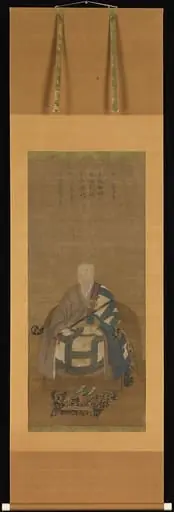 旧山宗英像|Portrait of Kyūzan Sōei
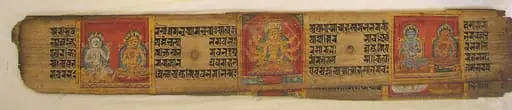 Untitled
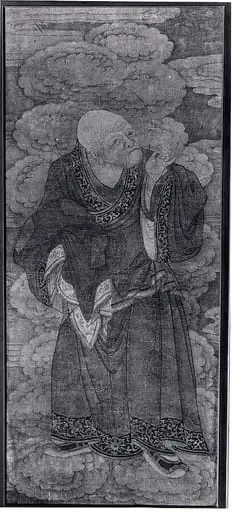 Untitled
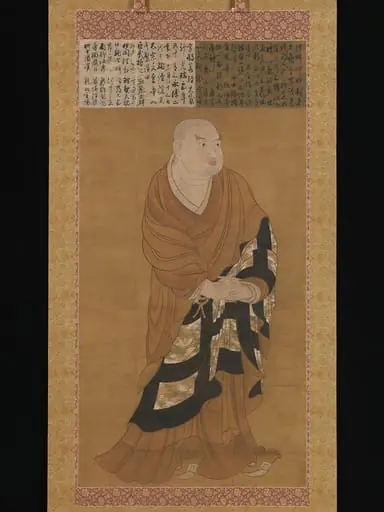 慈恩大師像|Portrait of Jion Daishi (Guiji)
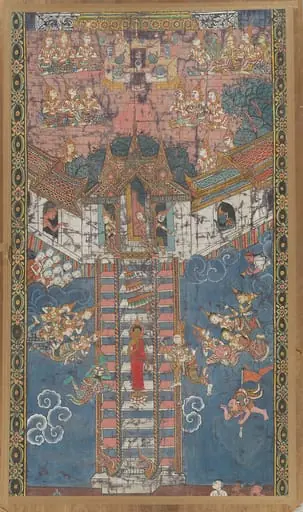 Untitled
 Untitled
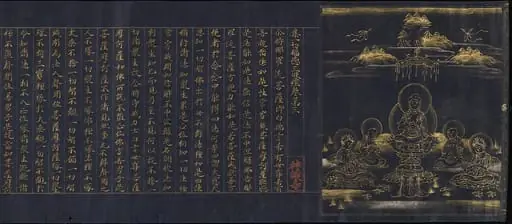 集一切福徳三昧経.|Illustrated Frontispiece to the Sutra of Enlightenment through the Accumulation of Merit and Virtue, the So-called Jingoji Sutra
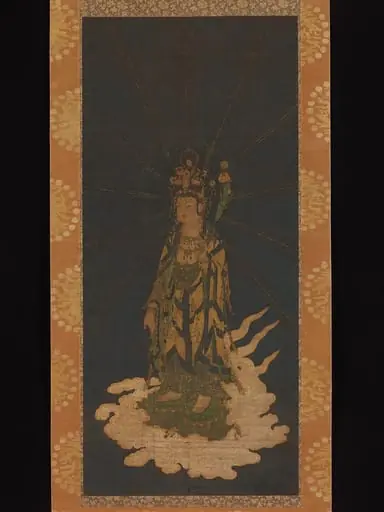 十一面観音来迎図|Descent of Eleven-Headed Kannon
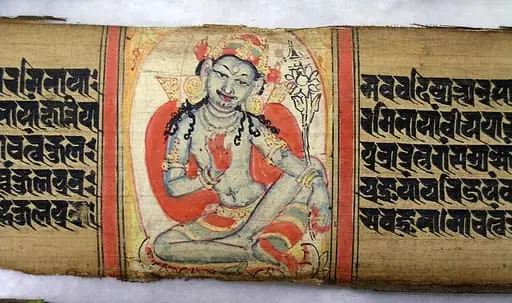 Untitled
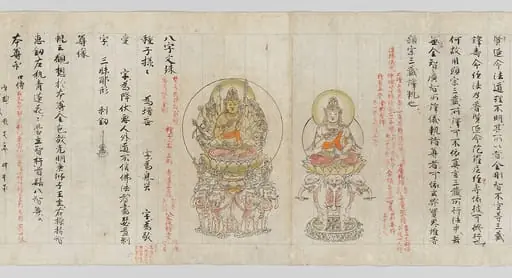 真言諸尊図像抄|Scroll from the Compendium of Iconographic Drawings (Zuzōshō)
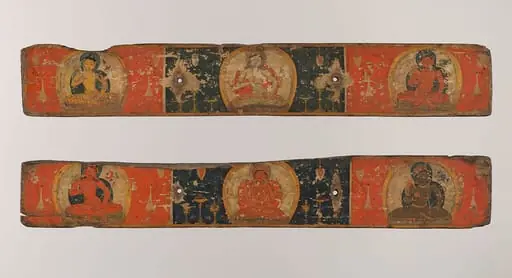 Untitled
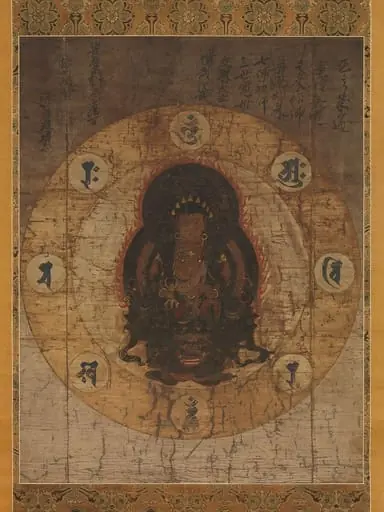 八字文殊菩薩像|Monju Bosatsu with Eight Sacred Sanskrit Syllables
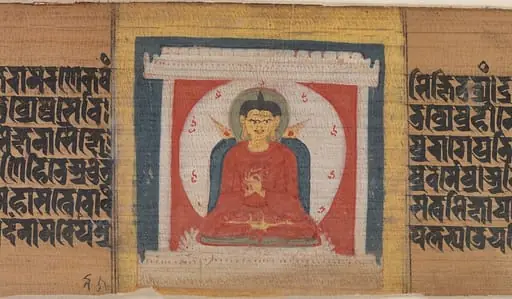 Untitled
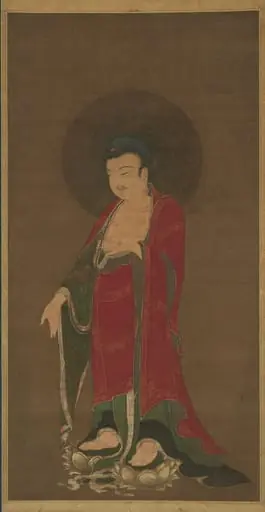 南宋 佚名 阿彌陀佛圖 軸|Buddha Amitabha Descending from His Pure Land
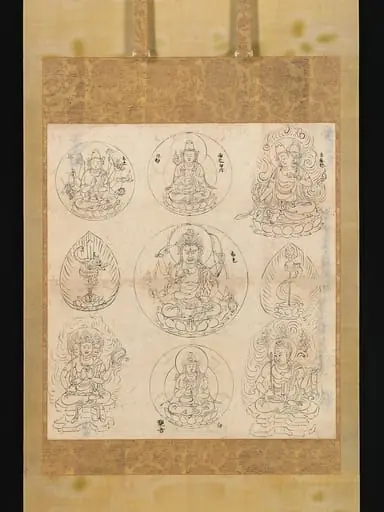 愛染曼荼羅図像 (Aizen mandara zuzō)|Iconographical Drawing of the Mandala of the Wisdom King Aizen
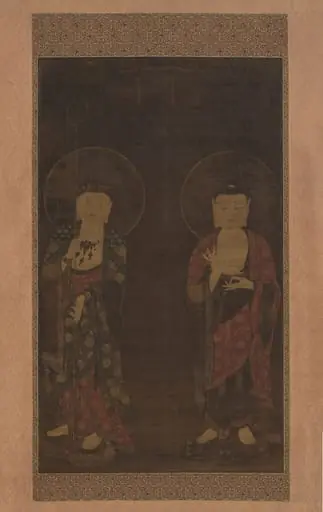 아미타불과 지장보살도 고려|阿彌陀佛・地藏菩薩圖 高麗|Amitabha and Kshitigarba
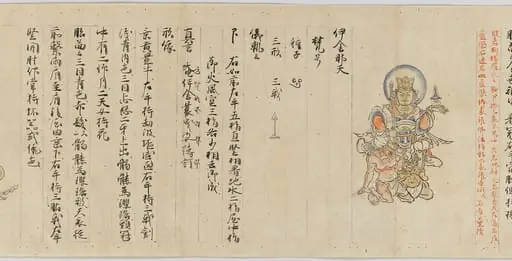 天部諸尊図像抄|Scroll 9 of Collected Iconography (Zuzōshō): Ten (Devas)
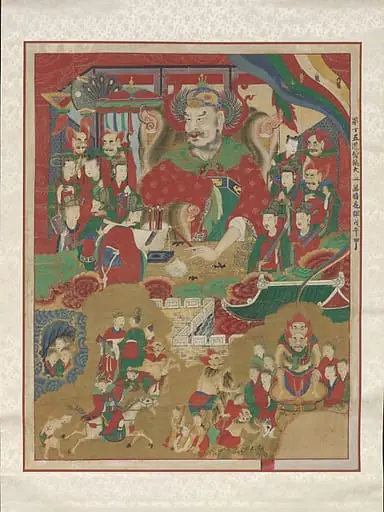 Untitled
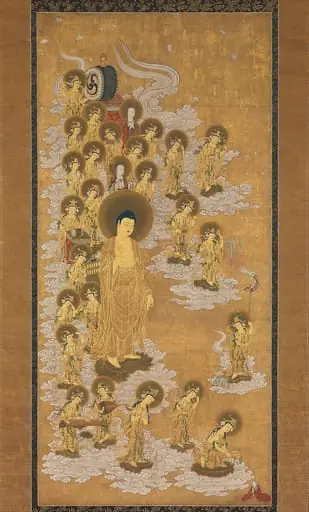 阿弥陀二十五菩薩来迎図|Welcoming Descent of Amida Buddha and Twenty-five Bodhisattvas
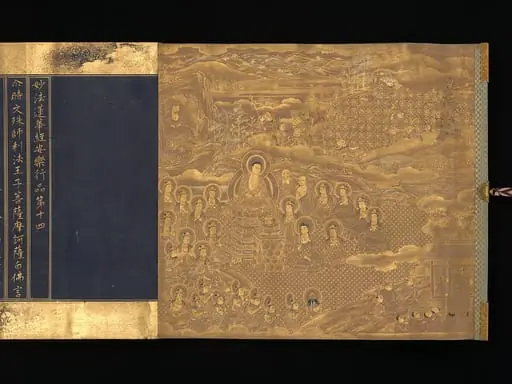 「提婆達多品」 「安楽行品」 『(法華経)』|Lotus Sutra, Chapters 12 and 14
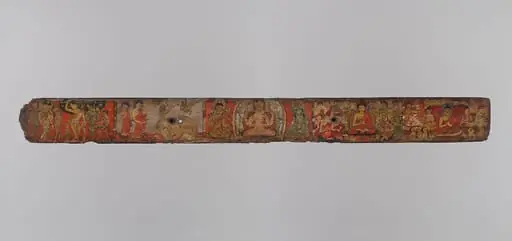 Untitled
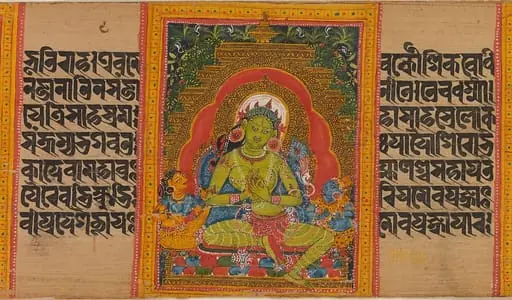 Untitled
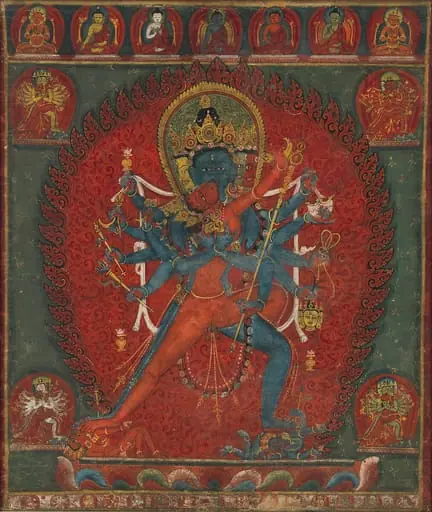 Untitled
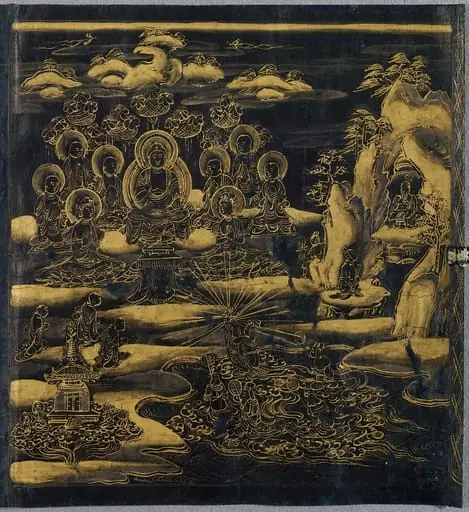 『妙法蓮華経』 「提婆達多品第十二」|“Devadatta,” Chapter 12 of the Lotus Sutra (Hoke-kyō, Daibadatta-bon)
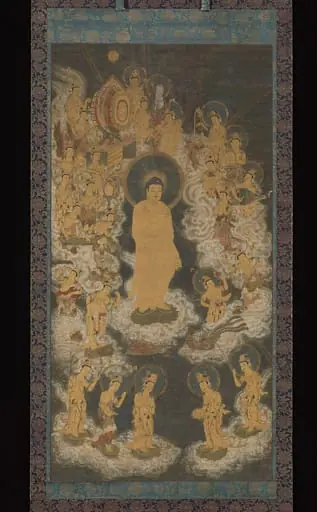 阿弥陀聖衆来迎図 |Welcoming Descent of Amida and Bodhisattvas
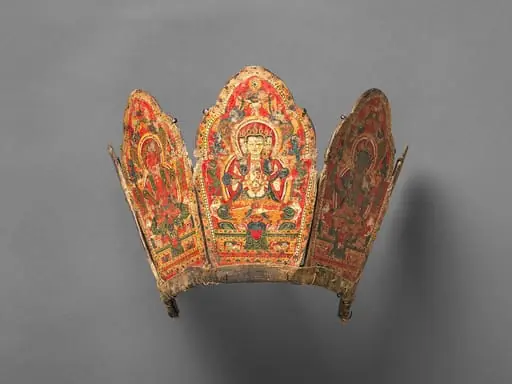 Untitled
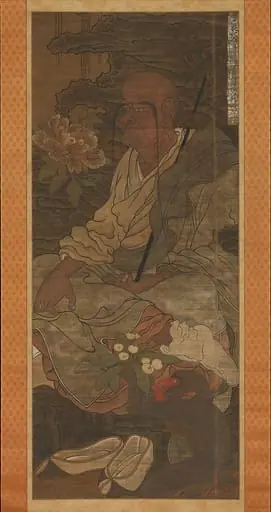 羅漢図(十六羅漢図の内)|Arhat from a series of sixteen Arhats
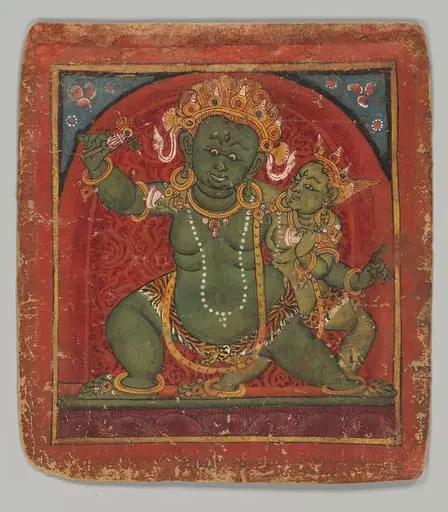 Untitled
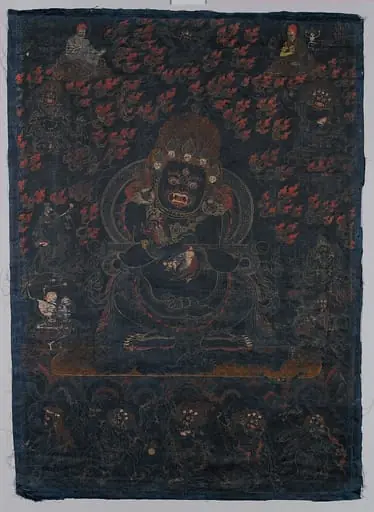 Untitled
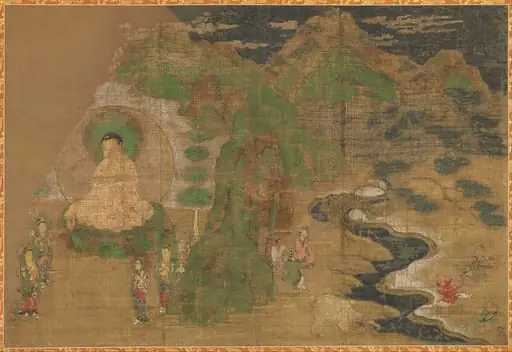 仏伝図|Scene from the Life of the Buddha
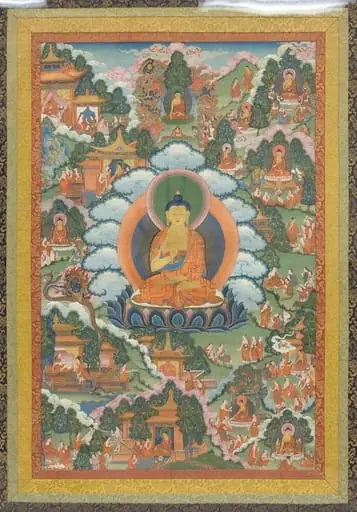 Untitled
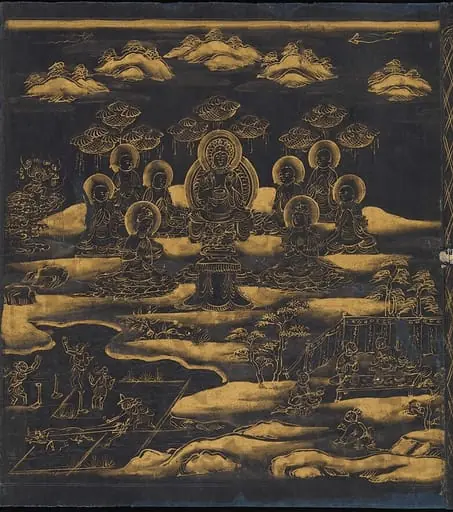 『妙法蓮華経』 「薬草喩品第五」の内|“Parable of the Medicinal Herbs,” Chapter 5 of the Lotus Sutra
 Untitled
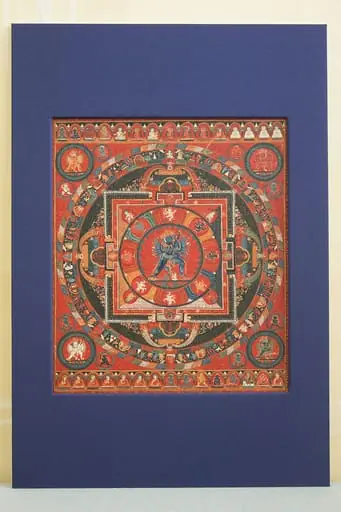 Untitled
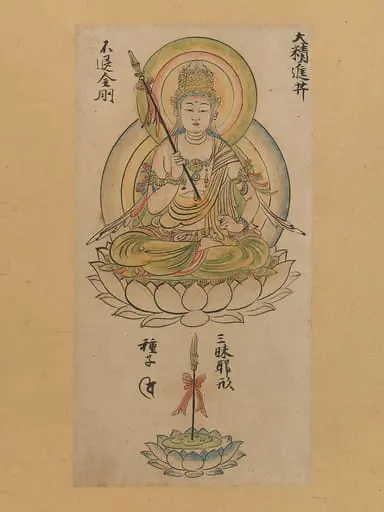 大精進菩薩図像 (「金胎仏画帖」より)|Daishōjin Bosatsu, from “Album of Buddhist Deities from the Diamond World and Womb World Mandalas”
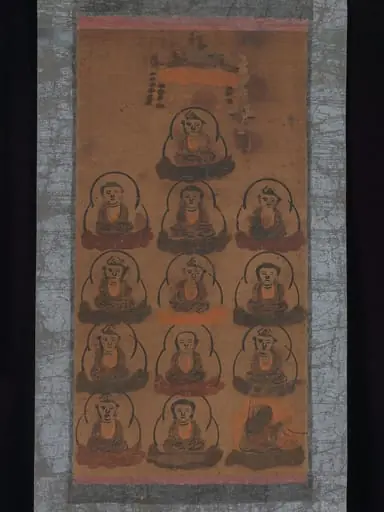 十三仏図大津絵|Ōtsu-e of Thirteen Buddhist Deities
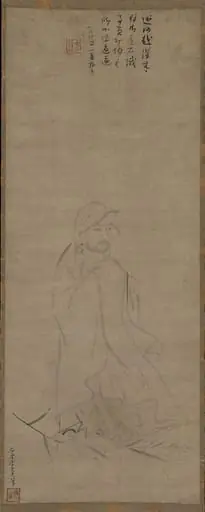 元 李堯夫,一山一寧題贊 達摩渡江圖 軸|Bodhidharma crossing the Yangzi River on a reed
 Untitled
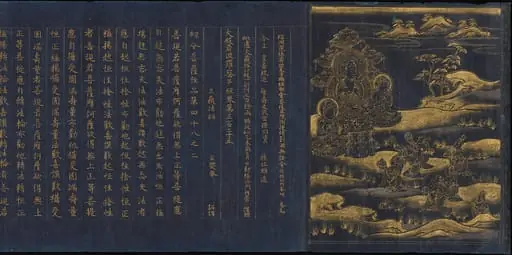 大般若経(中尊寺経)|Great Wisdom Sutra (Daihannya-kyō) from the Chūsonji Temple Sutra Collection (Chūsonji-kyō)
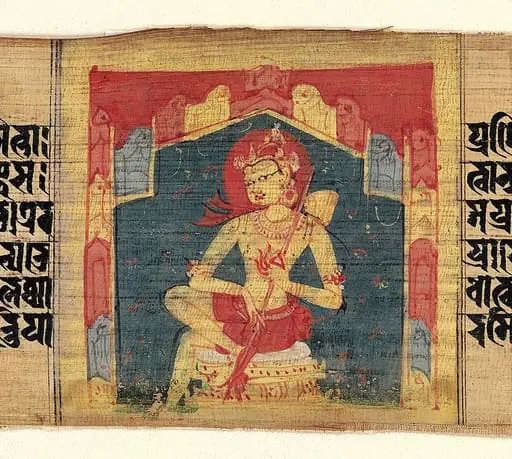 Untitled
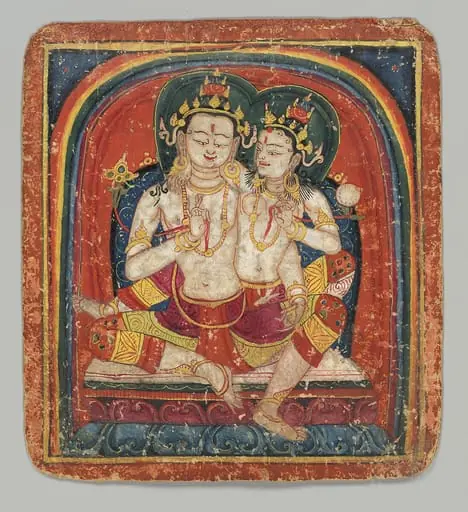 Untitled
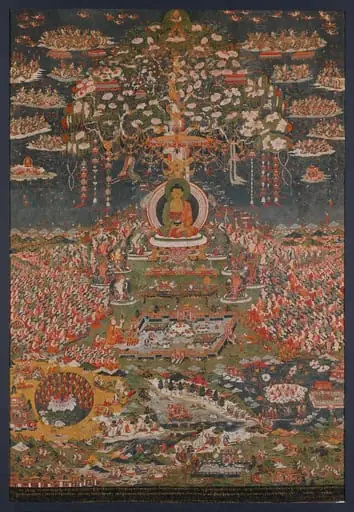 Untitled
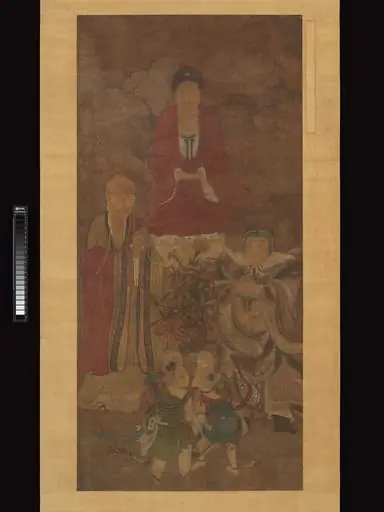 明 佚名 禮佛圖 軸|Shakyamuni with luohan, heavenly king, and boys
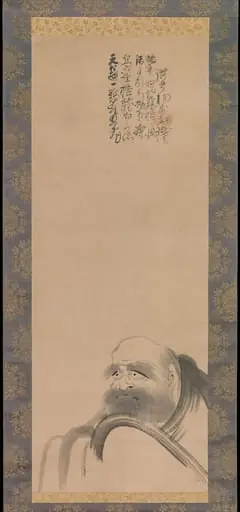 風外慧薫筆 達磨図|Portrait of Daruma
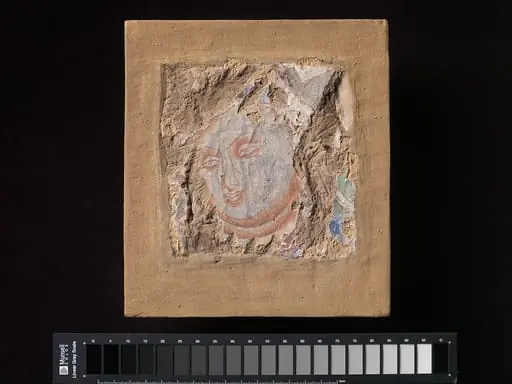 Untitled
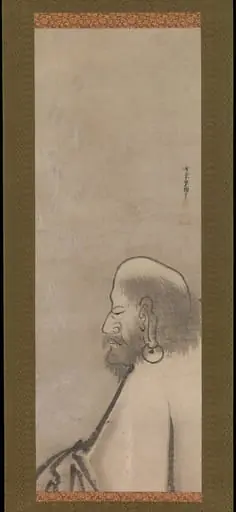 Untitled
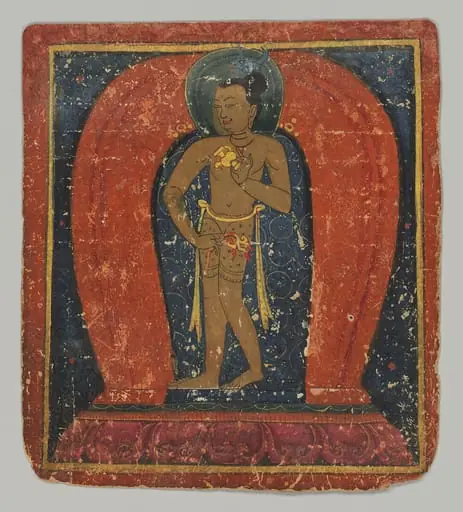 Untitled
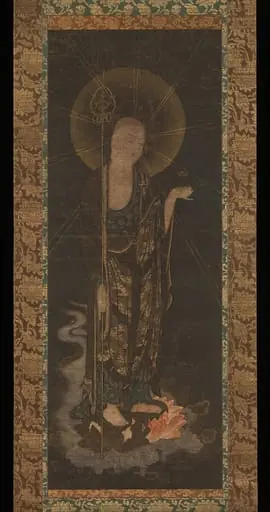 地蔵来迎図|Welcoming Descent of Jizō
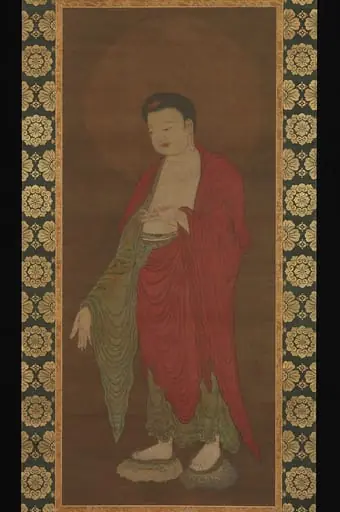 南宋 佚名 阿彌陀佛圖 軸|Buddha Amitabha Descending from his Pure Land
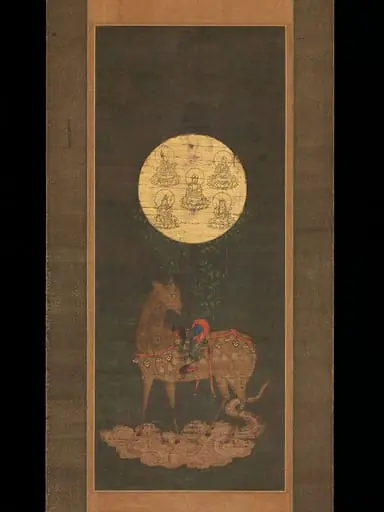 春日鹿曼荼羅 (Kasuga shika mandara)|Deer Mandala of Kasuga Shrine
 Untitled
 Untitled
 Untitled
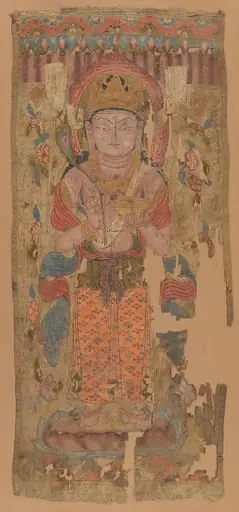 唐/五代 菩薩圖|Banner with Bodhisattva, possibly Mahamayuri
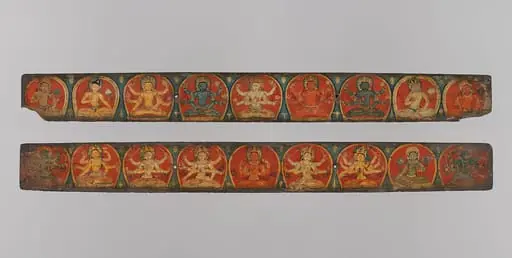 Untitled
 Untitled
 Untitled
 Untitled
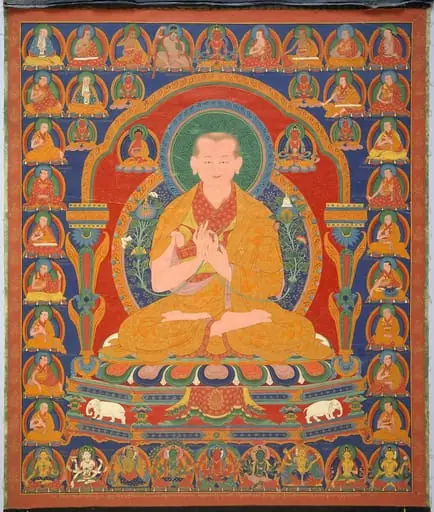 Untitled
 Untitled
 Untitled
 Untitled
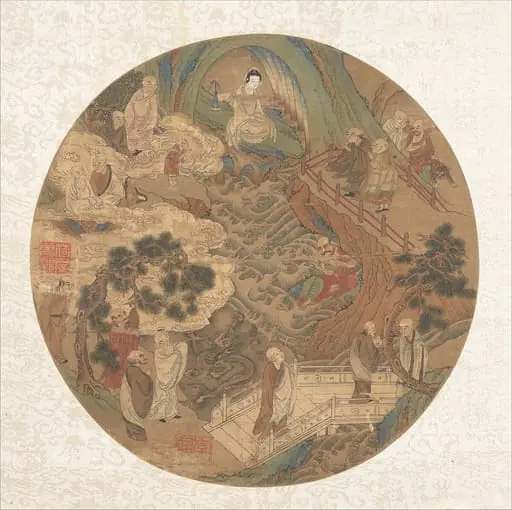 明 佚名 觀音羅漢圖 扇|Guanyin and the sixteen luohans
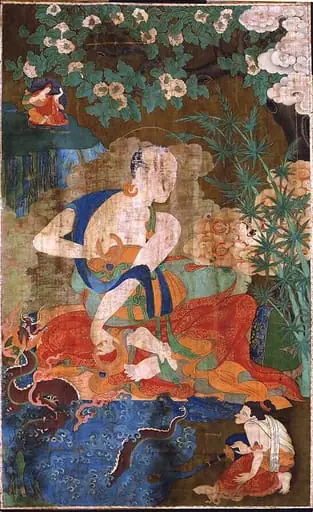 Untitled
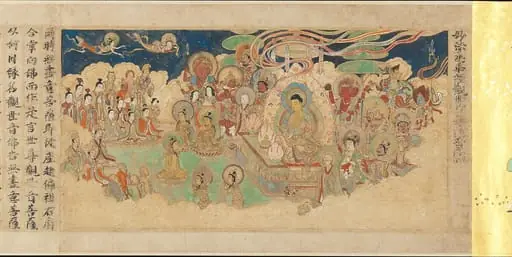 『妙法蓮華経』 「観世音菩薩普門品」|“Universal Gateway,” Chapter 25 of the Lotus Sutra
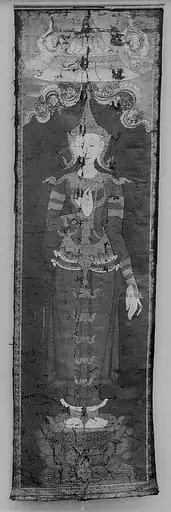 Untitled
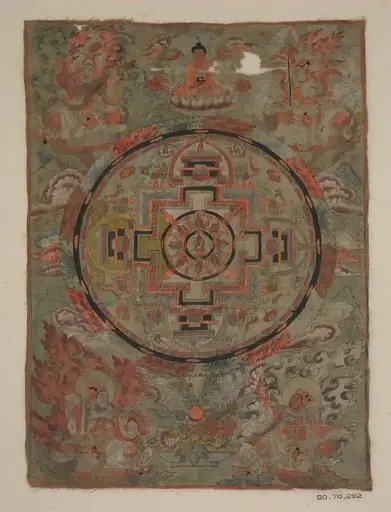 Untitled
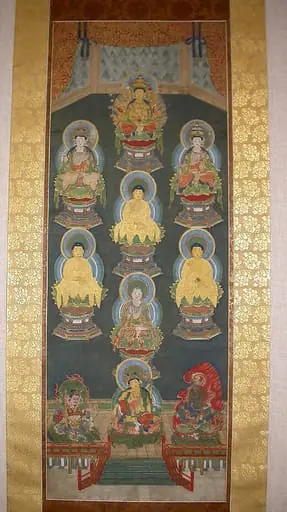 山王本地仏曼荼羅|Mandala of the Sannō Shrine Deities
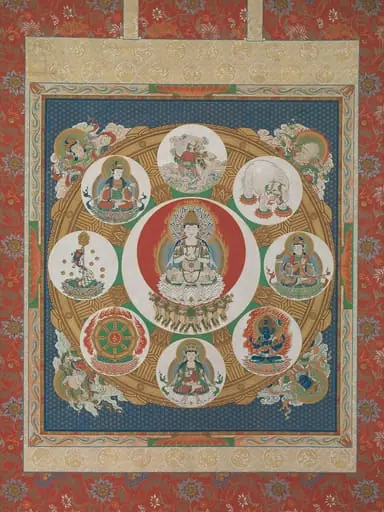 一字金輪曼荼羅|Mandala of the One-Syllable Golden Wheel
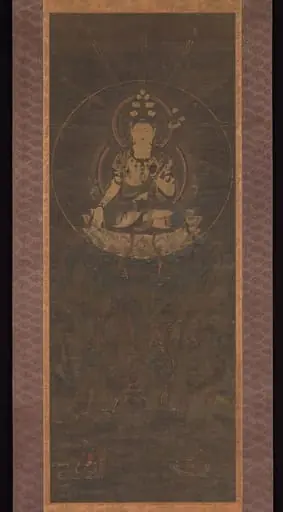 十一面観音影向図|Eleven-Headed Kannon on Mount Fudaraku
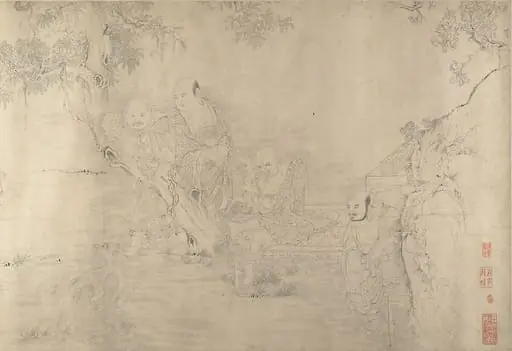 清 佚名 倣石濤 十六羅漢圖 卷|(Copy after) The Sixteen Luohans
 Untitled
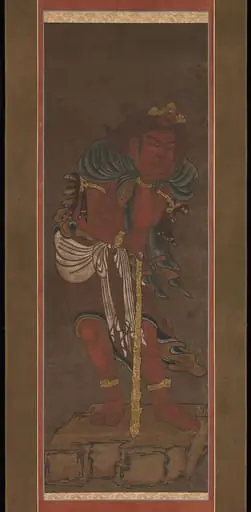 龍湫周沢写 不動明王二童子像|Fudō Myōō and Two Attendants
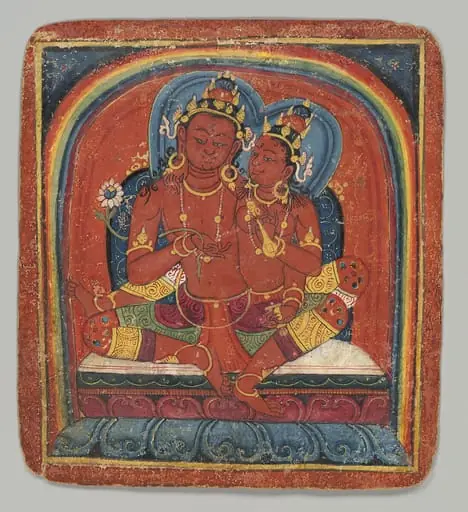 Untitled
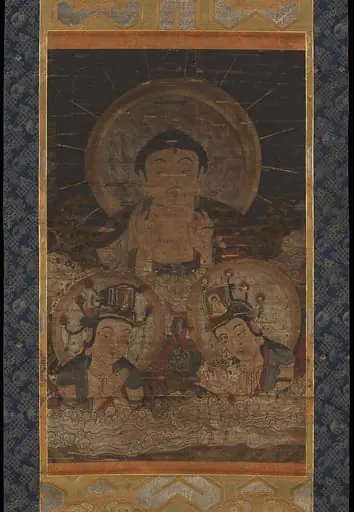 Untitled
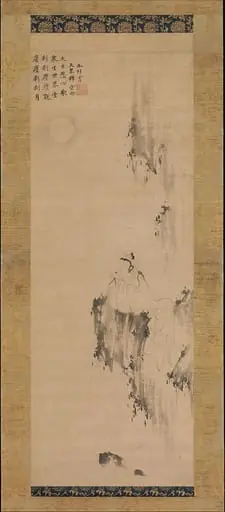 明 佚名 全室宗泐題贊 白衣觀音圖 軸|White-Robed Guanyin
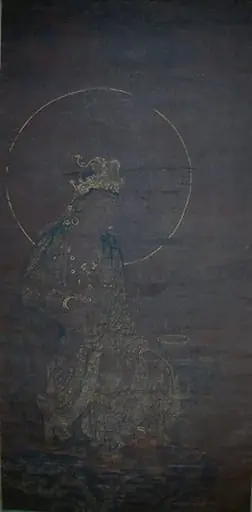 Untitled
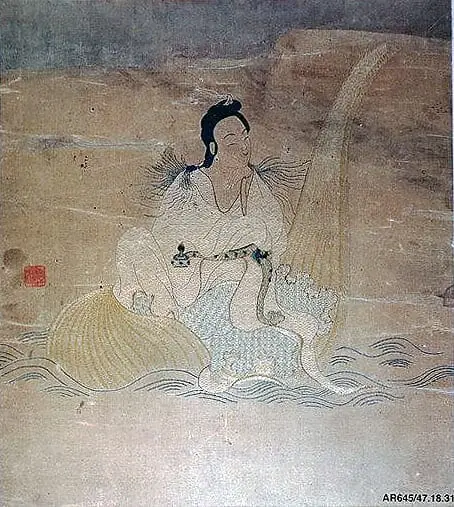 Untitled
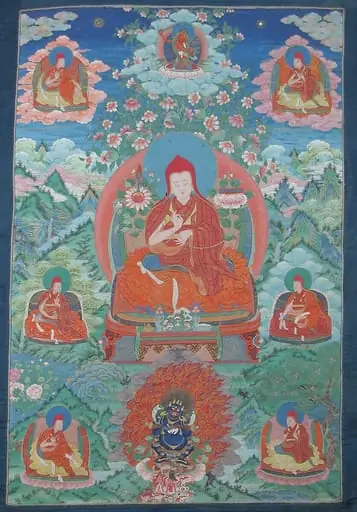 Untitled
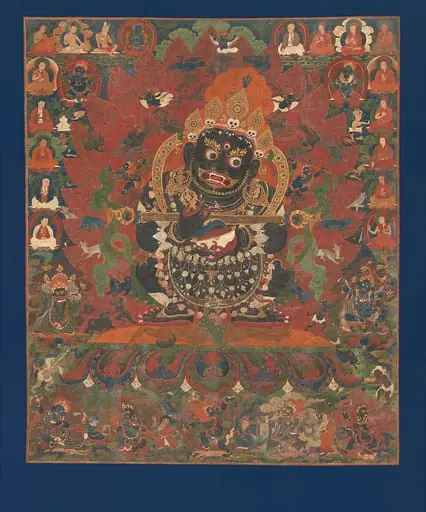 Untitled
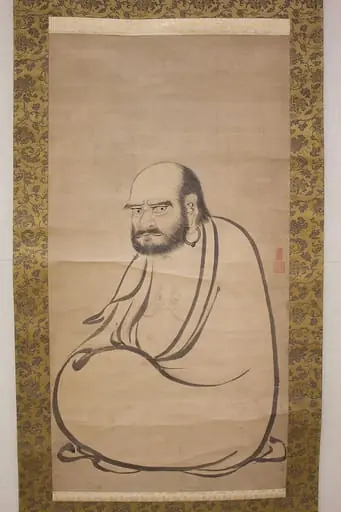 達磨図 (Daruma zu)|Bodhidharma (Daruma)
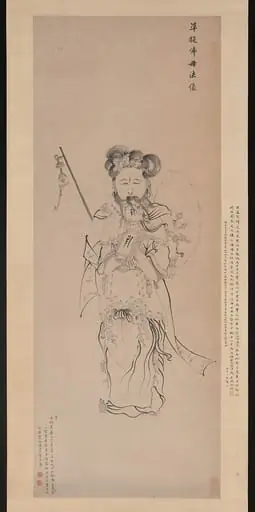 明 陳洪綬 準提佛母法像圖 軸|Bodhisattva Guanyin in the Form of the Buddha Mother
 Untitled
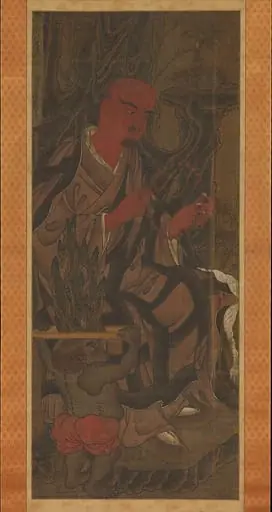 羅漢図 (十六羅漢図の内)|Arhats
 Untitled
 Untitled
 Untitled
 Untitled
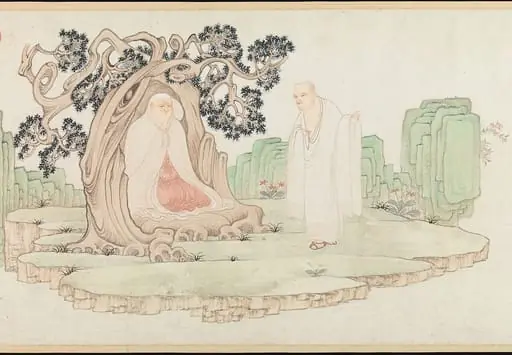 明 吳彬 十六羅漢圖 卷|The Sixteen Luohans
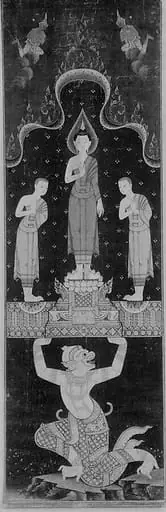 Untitled
 Untitled
Frequently asked questions
What is Buddhism?
Buddhism, also known as Buddhadharma and Dharmavinaya, is an Indian religion and philosophy based on teachings attributed to the Buddha, a śramaṇa and religious teacher who lived in the 6th or 5th century BCE.
How many Buddhism works does Artifact World Gallery have?
Artifact World Gallery holds 200 public-domain Buddhism works, all free to view and download.
Who are the key Buddhism artists?
Key Buddhism artists in the collection include Kanō Sanraku, Wang Zhenpeng and Mahavihara Master.
Where can I see Buddhism works?
Buddhism works in the collection are held by Metropolitan Museum of Art and Victoria and Albert Museum.