
Subject
Bodhisattva
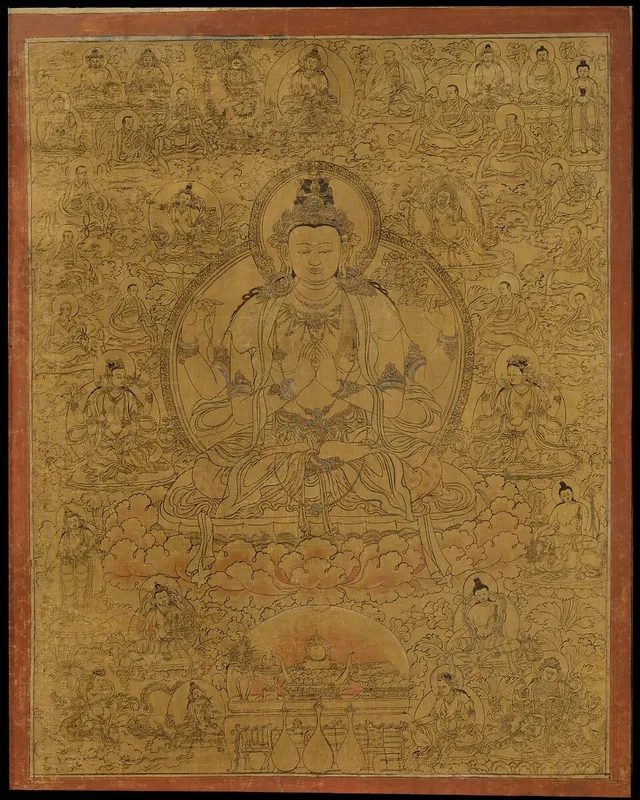
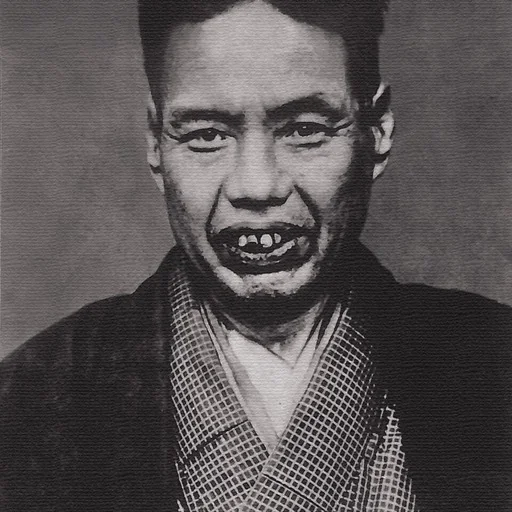
Bodhisattva is a subject in art. The gallery holds 114 works in this subject in art, including works by Wang Zhenpeng, Mahavihara Master and Kawanabe Kyōsai 河鍋暁斎.
In Mahāyāna Buddhism, a bodhisattva (Sanskrit, "awakening-being") is one who has generated bodhicitta—the resolve to attain full Buddhahood—yet compassionately postpones final nirvāṇa to help all sentient beings reach liberation. This ideal, ascendant as Mahāyāna crystallized around the turn of the Common Era, gave Buddhist art one of its richest and most enduring subjects, distinct from the historical Buddha himself.
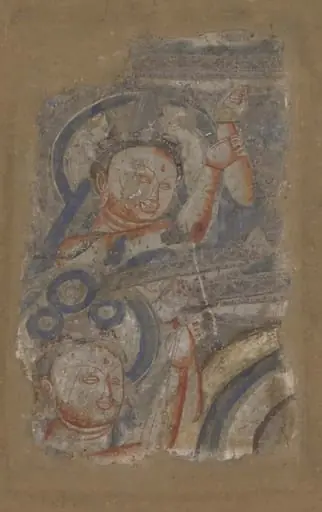
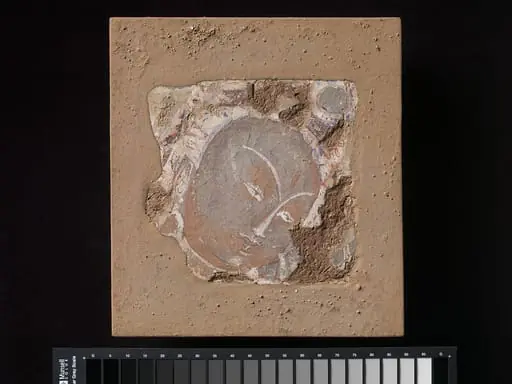
The earliest figural images of bodhisattvas emerged in Gandhāra, in the northwest of the Indian subcontinent, where sculpture flourished roughly between 100 BCE and 700 CE. Under Kushan patronage, workshops there fused Hellenistic, Persian, and Indian conventions, producing the first anthropomorphic depictions of the Buddha and his attendants with naturalistic musculature and deeply carved drapery. A nearly contemporaneous center at Mathura developed a parallel idiom. From the outset, artists distinguished bodhisattvas from the renunciant Buddha by visual means: where the Buddha wears a plain monastic robe and no ornament, the bodhisattva appears as a crowned prince, laden with jeweled diadems, earrings, necklaces, armlets, and silk scarves—the regalia of Indian royalty signaling a being of near-Buddha power still active in the world.
Iconographic attributes identify individual figures. Maitreya, the future Buddha and the most frequently depicted bodhisattva of the Kushan era, is marked by a looped topknot and a water flask. Avalokiteśvara, the embodiment of compassion, holds a lotus—hence his epithet Padmapāni. Mañjuśrī wields the sword of wisdom, while Samantabhadra and Kṣitigarbha round out the canonical group venerated across Asia.
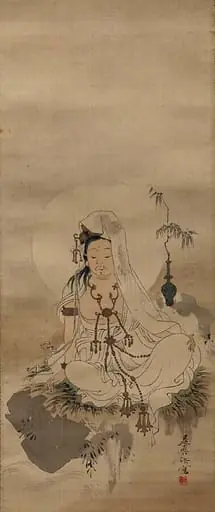
As Buddhism spread eastward, these forms were absorbed into local courtly styles—at Dunhuang, in Nara Japan, and across China. Avalokiteśvara became Guanyin, and from around the ninth century Chinese images assumed an increasingly ambiguous and ultimately female presentation, reflecting the bodhisattva's scriptural power to manifest in any form. Esoteric (Vajrayāna) traditions organized the deities into ritual diagrams such as the Diamond World (Vajradhātu) mandala. The subject remains overwhelmingly anonymous, the work of unrecorded monastic and court workshops; our holdings—a Shakyamuni triad flanked by attendant bodhisattvas, the Yuan-dynasty Bhaiṣajyaguru wall painting from Guangsheng Temple, and a Diamond World Mandala scroll—exemplify the breadth of this tradition across painting, sculpture, and ritual diagram.
Key artists

Overview
In Buddhism, a bodhisattva is a being who has generated bodhicitta, a spontaneous wish and compassionate mind to attain Buddhahood for the benefit of all sentient beings. The term derives from Sanskrit bodhi, meaning awakening or enlightenment, and sattva, meaning being or essence, thus yielding interpretations such as enlightenment being, wisdom being, or heroic being devoted to awakening. While the concept appears across all major Buddhist traditions, its meaning and significance vary considerably. In Theravada Buddhism, bodhisatta refers primarily to Siddhartha Gautama before his enlightenment and to the rare, exceptional individual who receives a prediction from a living Buddha that they will attain Buddhahood. In Mahayana Buddhism, the bodhisattva path is open to everyone, and advanced bodhisattvas such as Avalokiteshvara, Manjushri, and Maitreya are widely venerated as transcendent beings who employ great magical power to help all living beings. The bodhisattva ideal centers on the postponement or forgoing of personal nirvana out of compassion for others, a principle that has made it one of the most enduring and influential motifs in Buddhist art across Asia.
Iconography & meaning
Bodhisattvas in their classical representation embody the Sambhogakaya, or enjoyment body, a luminous form that bridges the earthly and transcendent realms. Iconography distinguishes between earthly and celestial bodhisattvas: earthly bodhisattvas appear as princely figures adorned with royal garments and jewelry, reflecting their historical association with nobility and virtue, while celestial or transcendent bodhisattvas display supernatural attributes and symbolic implements. Each major bodhisattva carries distinctive attributes that encode specific spiritual qualities. Manjushri, the bodhisattva of wisdom, typically wields a flaming sword to cut through ignorance and holds a text of the Perfection of Wisdom. Avalokiteshvara, the embodiment of compassion, appears in forms such as Padmapani, the lotus-bearer, or with multiple arms and heads to signify omnipresent compassion. Maitreya, associated with universal love, is often depicted in a posture of teaching or awaiting his future Buddhahood. Ksitigarbha, particularly venerated in East Asian traditions, appears as a monk figure. The four divine abodes of loving-kindness, compassion, empathetic joy, and equanimity, along with the six or ten perfections, constitute the ethical and spiritual framework that bodhisattva imagery seeks to visualize. In Mahayana contexts, bodhisattva figures often flank central Buddha images in mandalas and triads, serving as intercessors and guides for practitioners.
Across movements & periods
The treatment of the bodhisattva evolved substantially across Buddhist movements and cultural contexts. In early Indian Buddhism, the bodhisatta was primarily a retrospective designation for the historical Buddha's previous lives, as narrated in the Jataka tales. The figure remained rare and exceptional, with the path not presented as an alternative to arhatship. With the rise of Mahayana from the first centuries CE, the bodhisattva became a universal ideal, and its artistic representation proliferated dramatically. The Mahayana philosophers Nagarjuna, Asanga, and Chandrakirti defined their tradition as the bodhisattva vehicle, contrasting it with the sravaka path. In East Asia, the concept underwent further transformation: Chinese Buddhists adopted the phonetic rendering pusa, while early translators also used mingshi, meaning a person who understands. The fifty-two stages of the bodhisattva path, as detailed in the Avatamsaka Sutra, provided a systematic framework for spiritual progression. In Japan, the arrival of Buddhism necessitated accommodation with indigenous kami worship, producing a centuries-long process of kami-buddhist syncretism in which local deities were interpreted as manifestations or traces of Buddhas and bodhisattvas. Tibetan traditions translated bodhisattva as byang chub sems dpa, combining the etymological possibilities of mind and hero. The Theravada tradition, by contrast, maintained a more restricted understanding, recognizing only the historical Buddha's previous existence and the future Buddha Maitreya as bodhisattvas, an ideal deemed largely unrealistic for ordinary practitioners.
Notable depictions
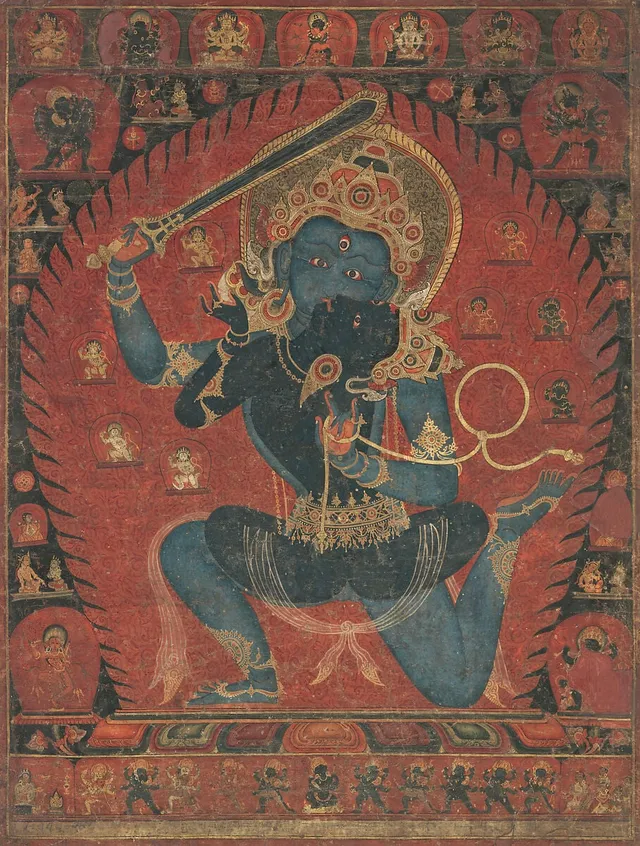
Among the notable works in this collection, several stand out for their artistic and historical significance. The Yuan dynasty mural fragment Buddha of Medicine Bhaishajyaguru from the Guangsheng Temple represents the integration of bodhisattva figures within larger therapeutic and cosmic Buddhist narratives. Wang Zhenpeng's handscroll Vimalakirti and the Doctrine of Nonduality exemplifies the sophisticated literati engagement with Mahayana philosophy, where bodhisattvas appear as interlocutors in doctrinal debates. The Goryeo period Amitabha triad preserves the refined aesthetic of Korean Buddhist painting, with attendant bodhisattvas flanking the central Buddha of Infinite Light. The Mandala of Kumano Shrine illustrates the Japanese synthesis of Buddhist and Shinto imagery, where bodhisattva figures occupy sacred landscapes that encompass both traditions. The Scroll of Deities of the Diamond World Mandala demonstrates the systematic visualization of the Vajrayana pantheon, with bodhisattvas arrayed in geometric configurations that encode esoteric teachings. Wang Zhenpeng, active during the Yuan dynasty, represents the continued vitality of bodhisattva imagery under Mongol rule, when cross-cultural exchange enriched Chinese Buddhist art. The Kumano mandala tradition, spanning multiple centuries, reveals how bodhisattva cults became embedded in pilgrimage practice and regional identity.
Legacy
The bodhisattva ideal has exercised a profound and lasting influence on Buddhist cultures and beyond. In Theravada societies, the concept became associated with legitimate kingship: from the eighth century, rulers in Sri Lanka, Burma, and Thailand claimed bodhisatta status, with King Mahinda IV of Sri Lanka asserting that only a bodhisatta had the right to govern. This political dimension was reflected in the princely iconography of bodhisattva images. In the modern period, the bodhisattva concept has been subject to various reinterpretations. The Thai reform monk Ajahn Mun reportedly abandoned the bodhisatta path upon realizing its extreme duration, opting instead for arhatship. In the twentieth century, the Austrian esotericist Rudolf Steiner adopted the term within anthroposophy to designate twelve great spiritual leaders devoted to Christ, though this usage remained confined to specialized circles. The bodhisattva vow, with its emphasis on compassion and the postponement of personal liberation for the benefit of others, continues to inform contemporary Buddhist social ethics and has been cited as a precedent for engaged Buddhism and socially active religious practice. The artistic legacy persists through ongoing veneration, with Mahayana temples throughout Asia maintaining extensive programs of bodhisattva imagery, and the figure remains central to living art traditions in Tibet, China, Korea, Japan, and their diasporas.
Works
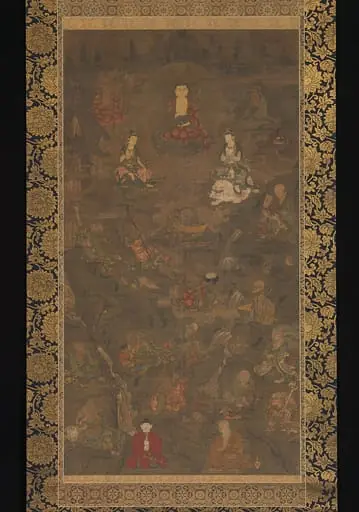 釈迦三尊十六羅漢像|Shaka (Shakyamuni), the Historical Buddha, with Two Attendant Bodhisattvas and Sixteen Arhats
 Untitled
 Untitled
 Untitled
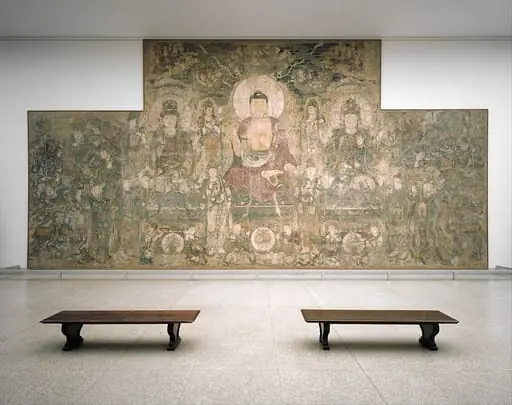 元 廣勝寺 藥師佛法會圖壁畫|Buddha of Medicine Bhaishajyaguru (Yaoshi fo)
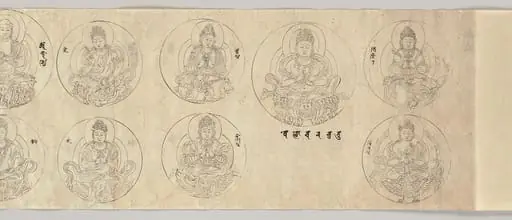 金剛界曼荼羅諸尊図像|Scroll of Deities of the Diamond World Mandala
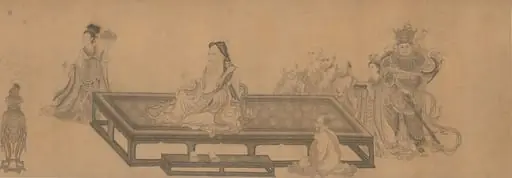 元 王振鵬 維摩不二圖 卷|Vimalakirti and the Doctrine of Nonduality
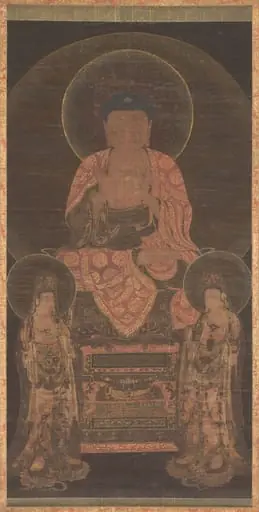 아미타삼존도 고려|阿彌陀三尊圖 高麗|Amitabha triad
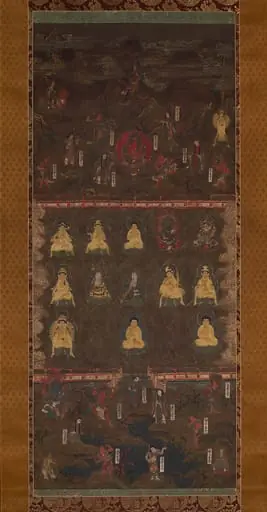 熊野曼茶羅図|Mandala of Kumano Shrine
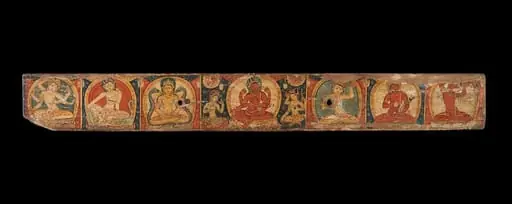 Untitled
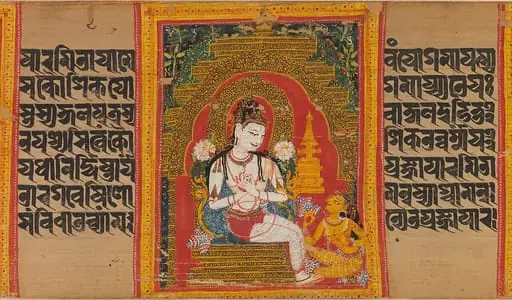 Untitled
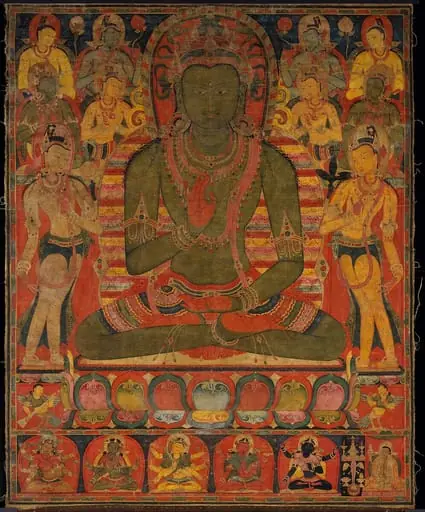 Untitled
 Untitled
 Untitled
 Untitled
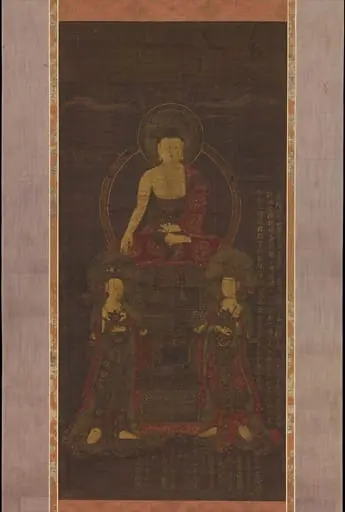 석가삼존도 조선|釋迦三尊圖 朝鮮|Shakyamuni triad
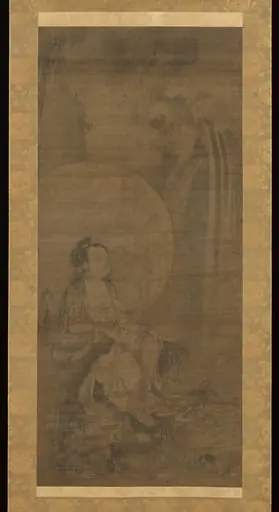 白衣観音図|White-robed Kannon
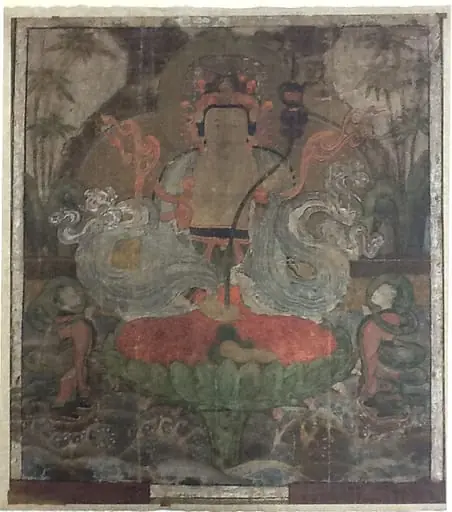 Untitled
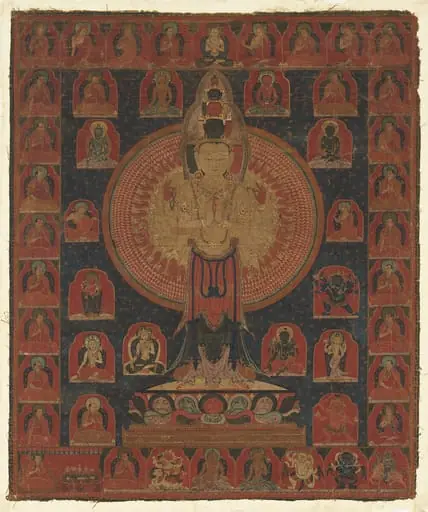 Untitled
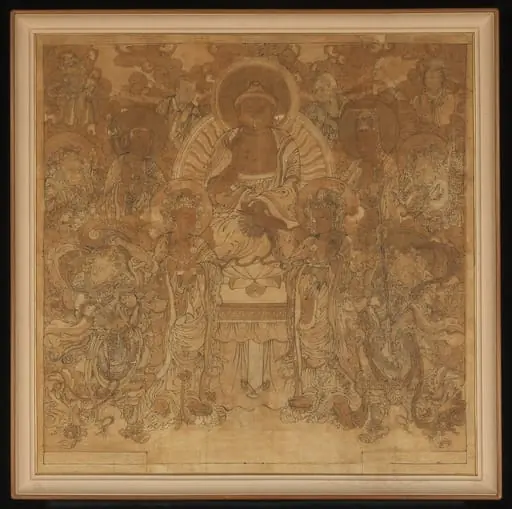 극락에서 설법하는 아미타불 조선|阿彌陀極樂會圖 朝鮮|Amitabha Buddha’s assembly in the Western Paradise
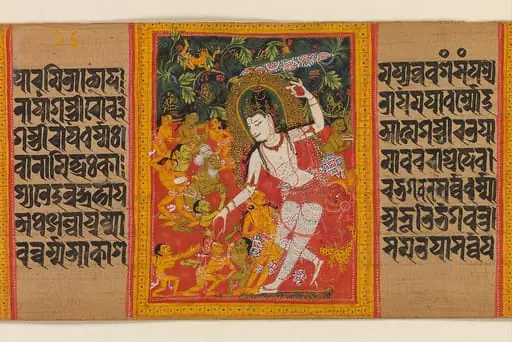 Untitled
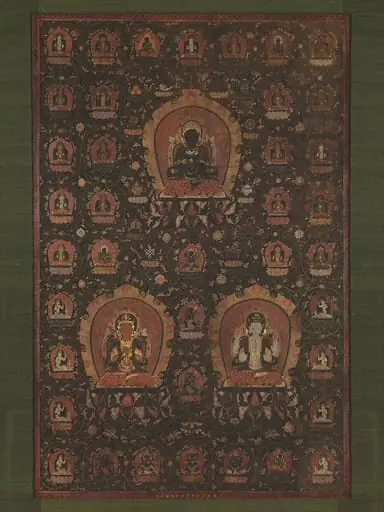 明 佚名 釋教三尊曼陀羅圖 軸|Mandala of Vajradhara, Manjushri and Sadakshari -Lokeshvara
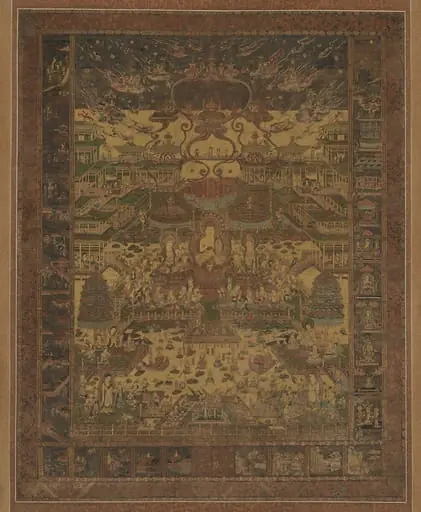 当麻曼荼羅図|Taima Mandala
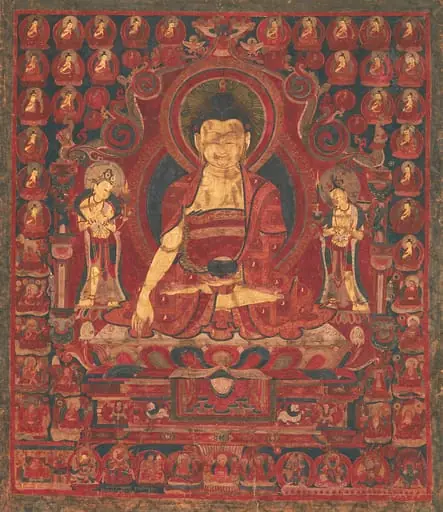 Untitled
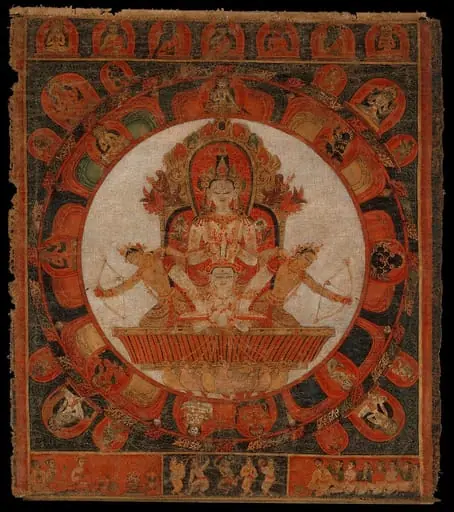 Untitled
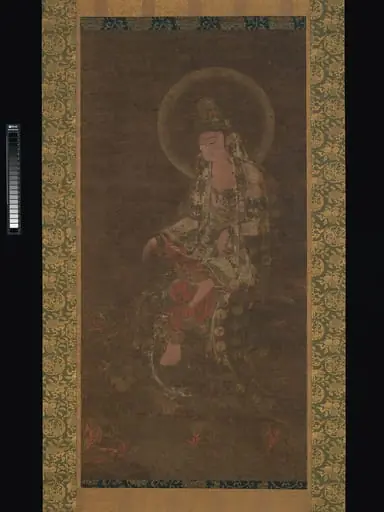 작자미상 수월관음도 고려|作者未詳 水月觀音圖 高麗|Water-Moon Avalokiteshvara
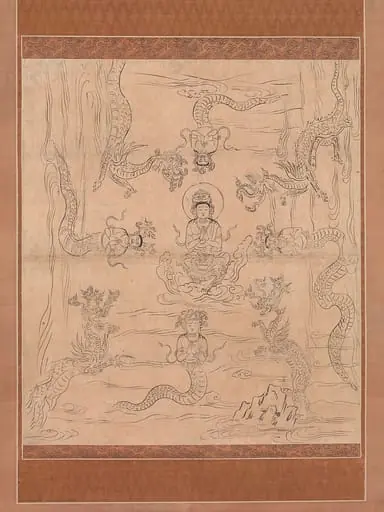 請雨経曼荼羅図像|Iconographic Drawing of a Rainmaking Mandala
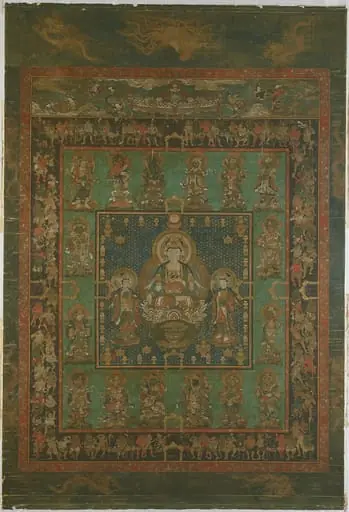 般若菩薩曼荼羅図|Mandala of the Bodhisattva Hannya (Prajnaparamita)
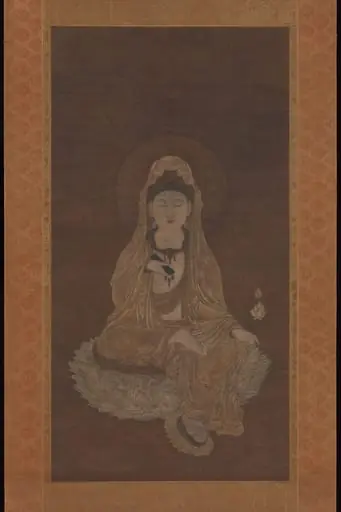 白衣観音図|White-Robed Kannon
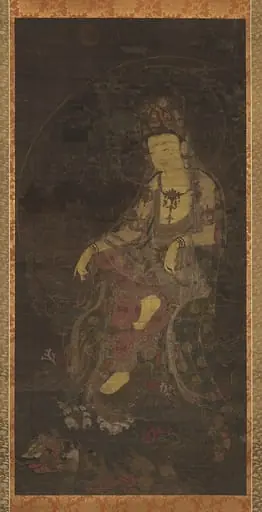 수월관음도 고려|水月觀音圖 高麗|Water-moon Avalokiteshvara
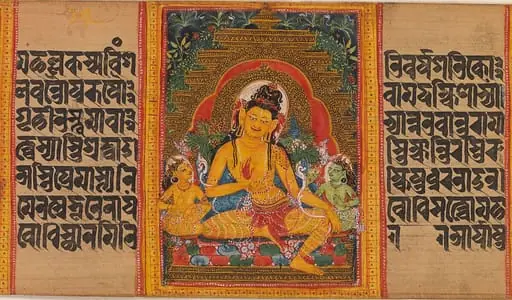 Untitled
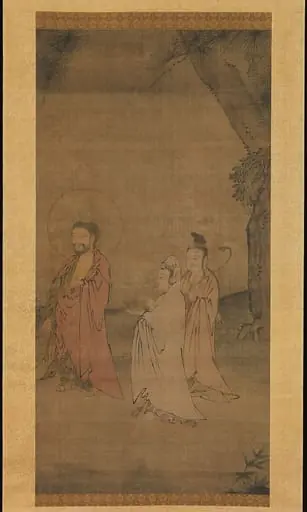 元 佚名 釋迦三尊圖 軸|Shakyamuni coming down from the mountains
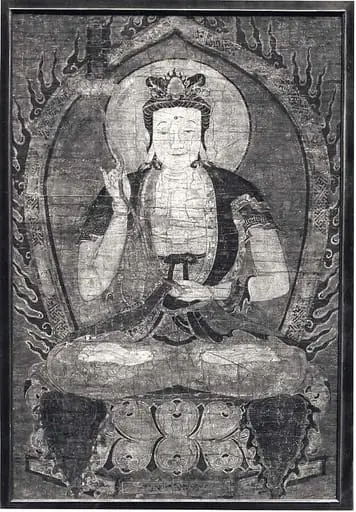 Untitled
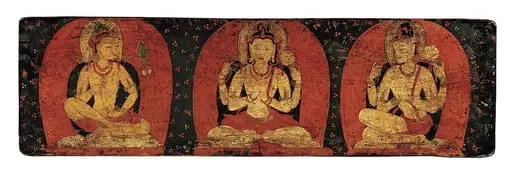 Untitled
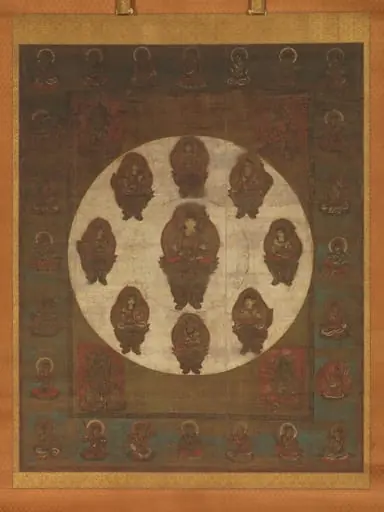 八字文殊曼荼羅図|Mandala of the Bodhisattva Monju (Manjushri) of the Eight Syllables
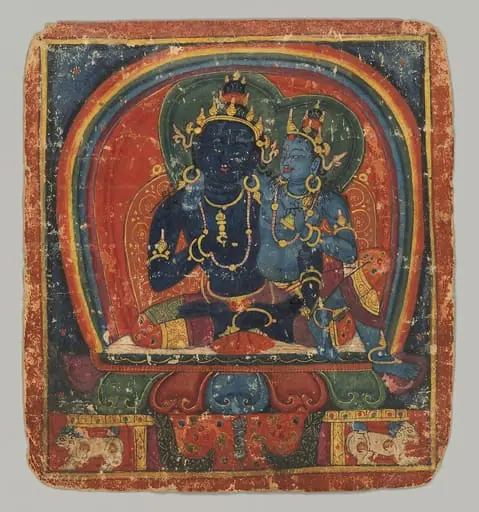 Untitled
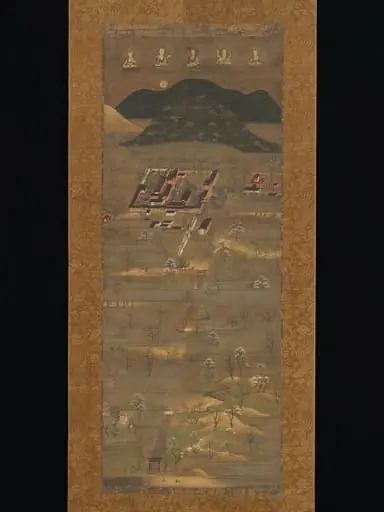 春日宮曼荼羅 (Kasuga miya mandara)|Mandala of Kasuga Shrine
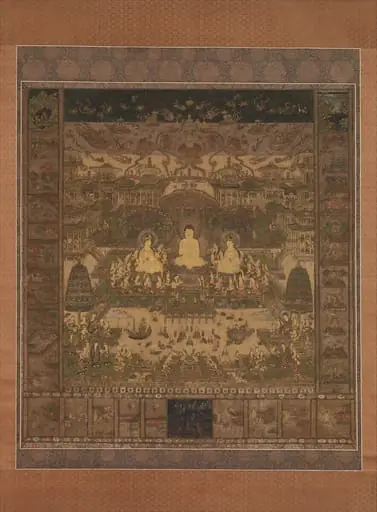 當麻曼荼羅図 |Taima Mandala
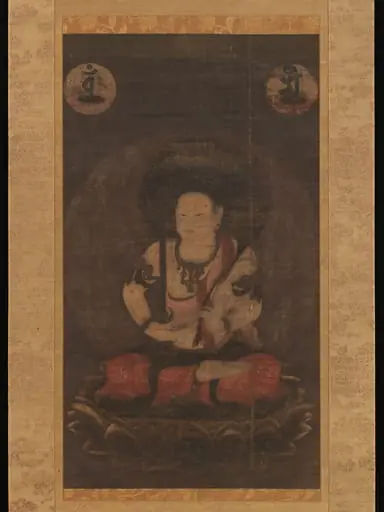 五髻文殊菩薩像|The Bodhisattva Monju (Manjushri) with Five Topknots
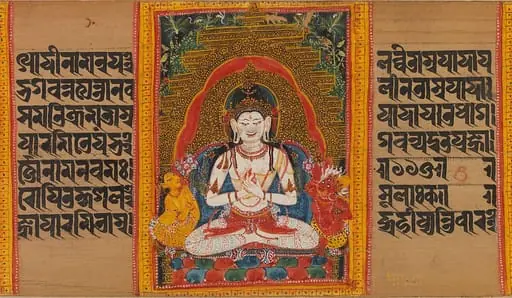 Untitled
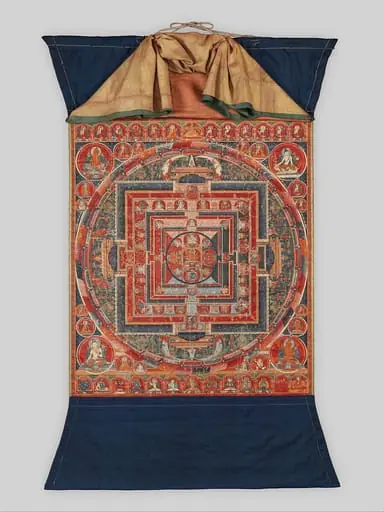 Untitled
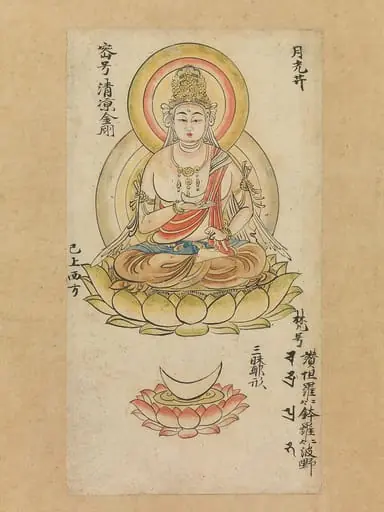 伝託磨為遠筆 月光菩薩像 「金胎仏画帖」断簡|Gakkō Bosatsu, from “Album of Buddhist Deities from the Diamond World and Womb World Mandalas” (“Kontai butsugajō”)
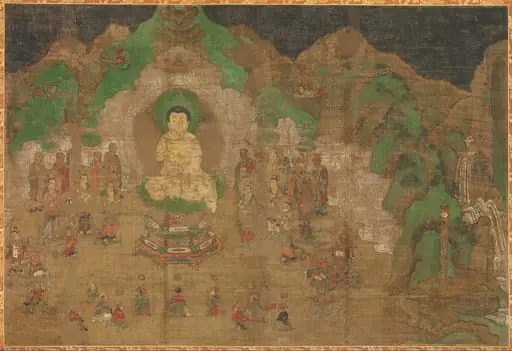 仏伝図|Scene from the Life of the Buddha
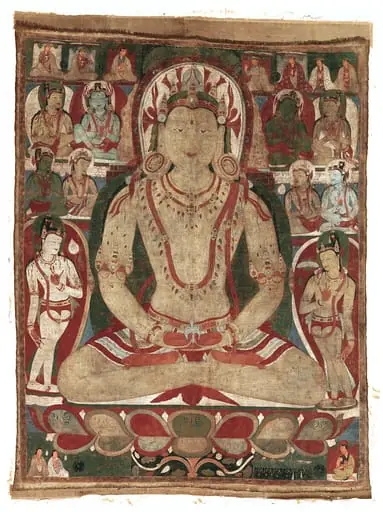 Untitled
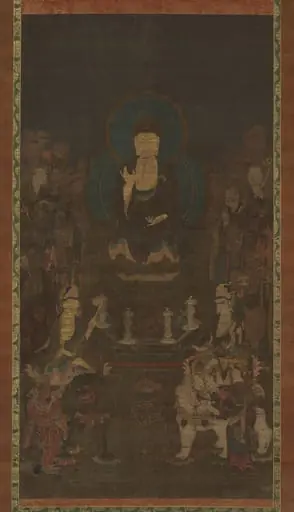 釈迦三尊十大弟子像|Shaka (Shakyamuni), the Historical Buddha, with Two Attendant Bodhisattvas and the Ten Great Disciples
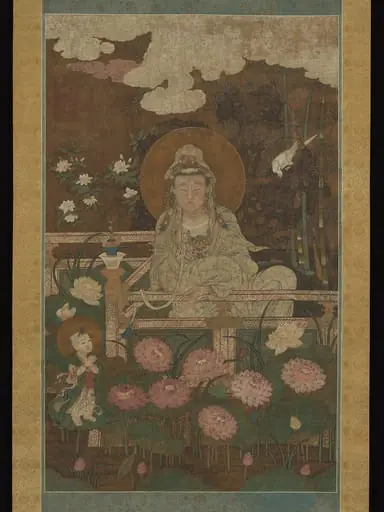 Untitled
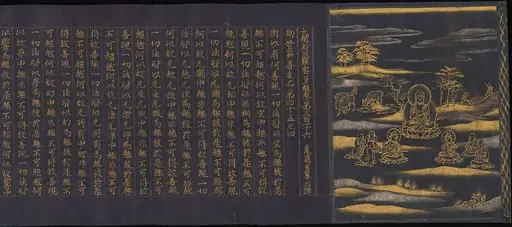 大般若経(中尊寺経)|Great Wisdom Sutra (Daihannya-kyō), from the Chūsonji Temple Sutra Collection (Chūsonji-kyō)
 Untitled
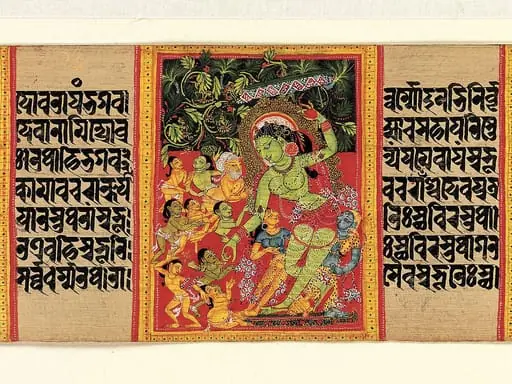 Untitled
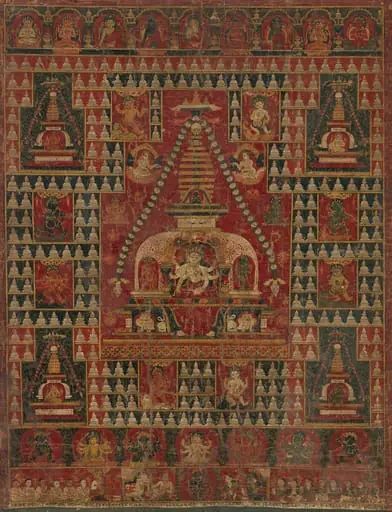 Untitled
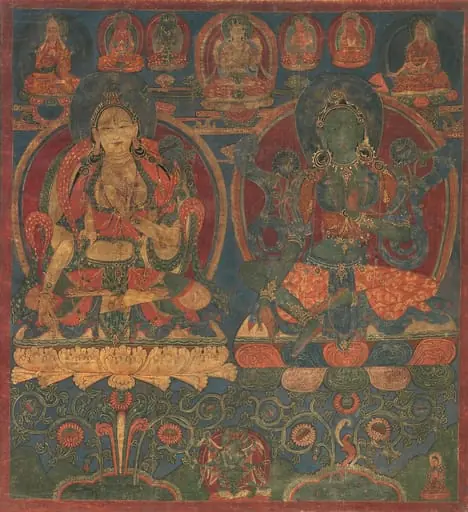 Untitled
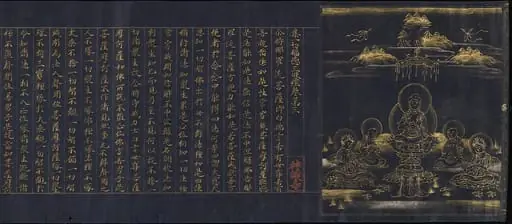 集一切福徳三昧経.|Illustrated Frontispiece to the Sutra of Enlightenment through the Accumulation of Merit and Virtue, the So-called Jingoji Sutra
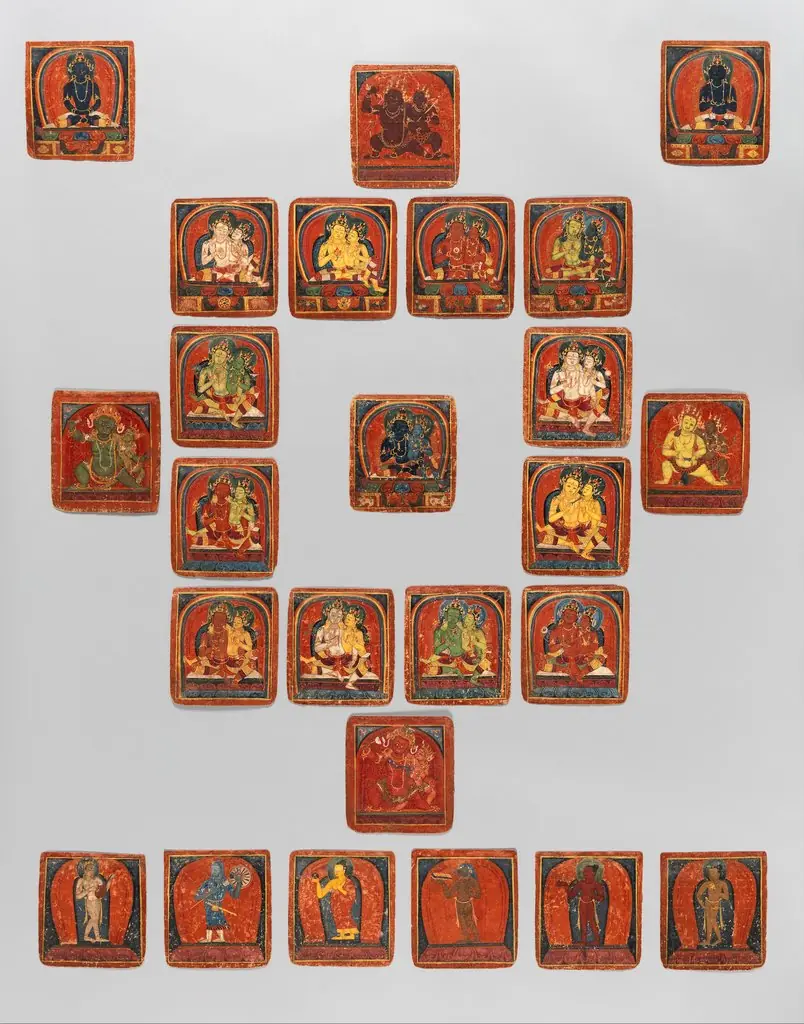 Initiation Cards (Tsakalis)
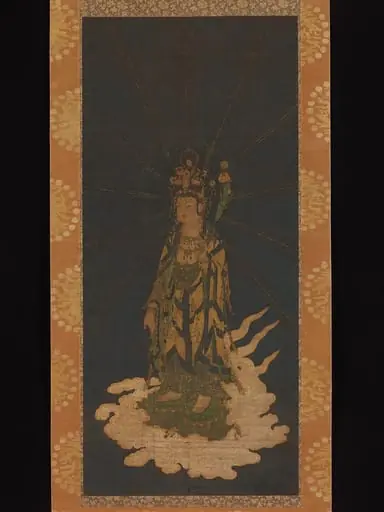 十一面観音来迎図|Descent of Eleven-Headed Kannon
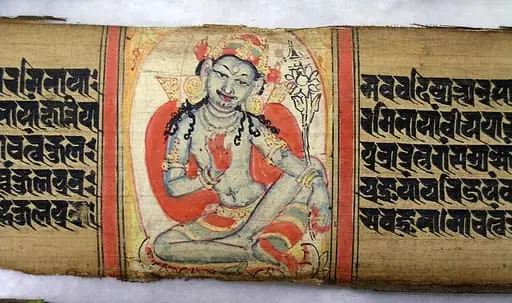 Untitled
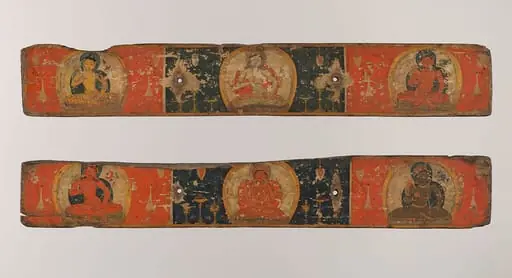 Untitled
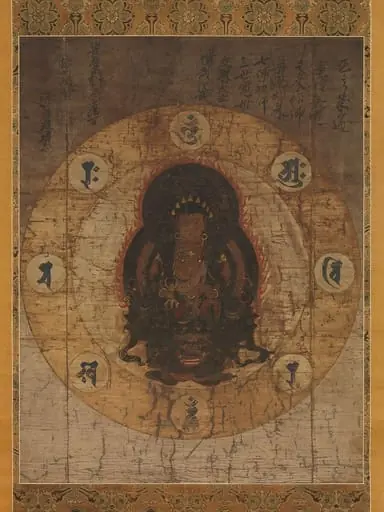 八字文殊菩薩像|Monju Bosatsu with Eight Sacred Sanskrit Syllables
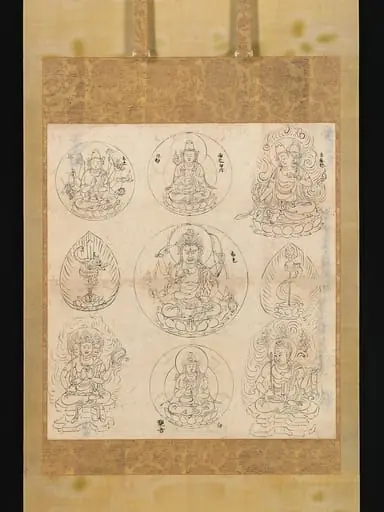 愛染曼荼羅図像 (Aizen mandara zuzō)|Iconographical Drawing of the Mandala of the Wisdom King Aizen
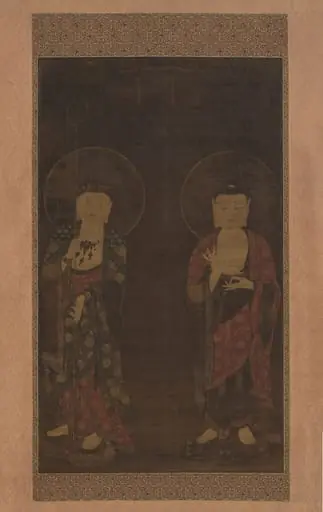 아미타불과 지장보살도 고려|阿彌陀佛・地藏菩薩圖 高麗|Amitabha and Kshitigarba
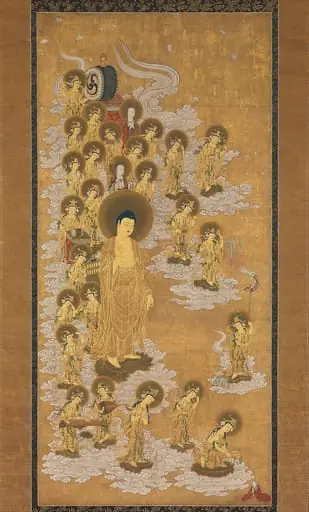 阿弥陀二十五菩薩来迎図|Welcoming Descent of Amida Buddha and Twenty-five Bodhisattvas
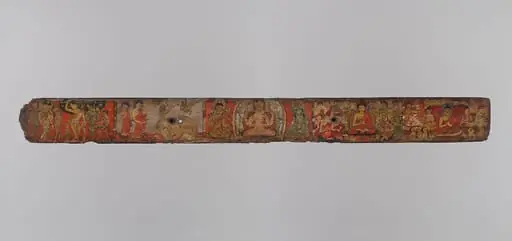 Untitled
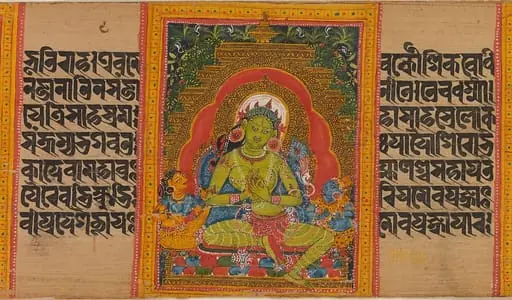 Untitled
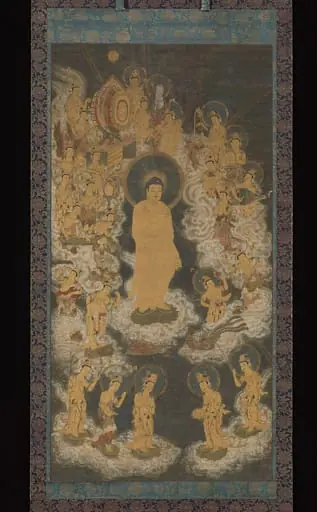 阿弥陀聖衆来迎図 |Welcoming Descent of Amida and Bodhisattvas
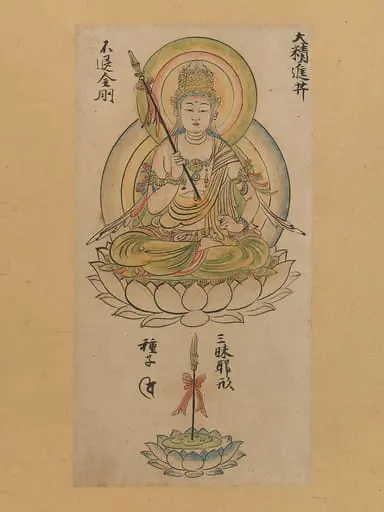 大精進菩薩図像 (「金胎仏画帖」より)|Daishōjin Bosatsu, from “Album of Buddhist Deities from the Diamond World and Womb World Mandalas”
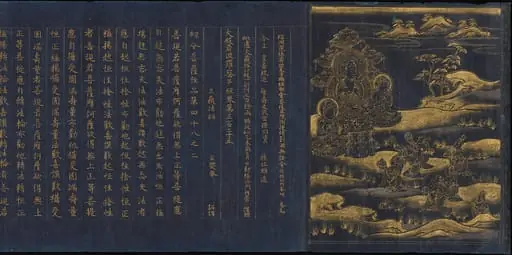 大般若経(中尊寺経)|Great Wisdom Sutra (Daihannya-kyō) from the Chūsonji Temple Sutra Collection (Chūsonji-kyō)
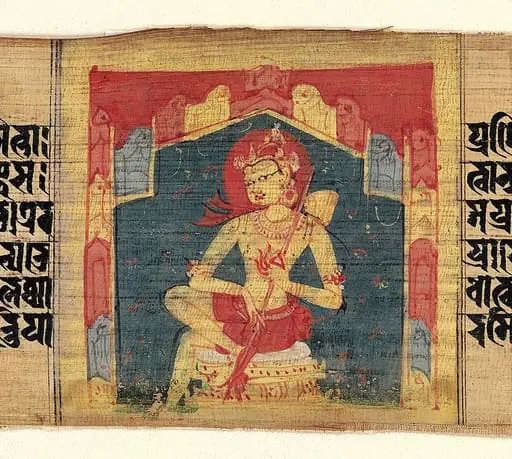 Untitled
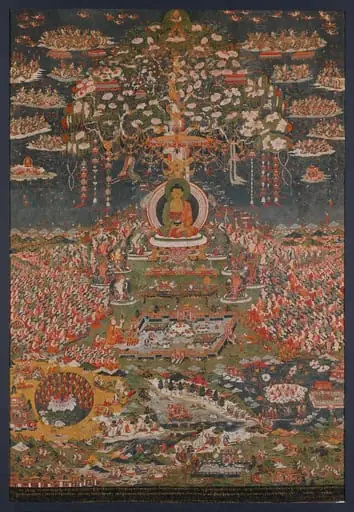 Untitled
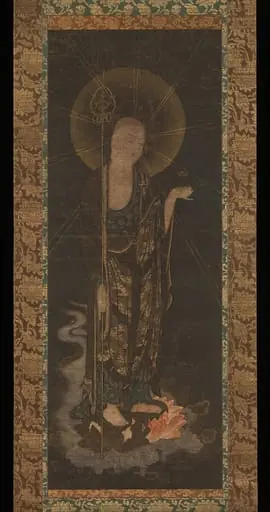 地蔵来迎図|Welcoming Descent of Jizō
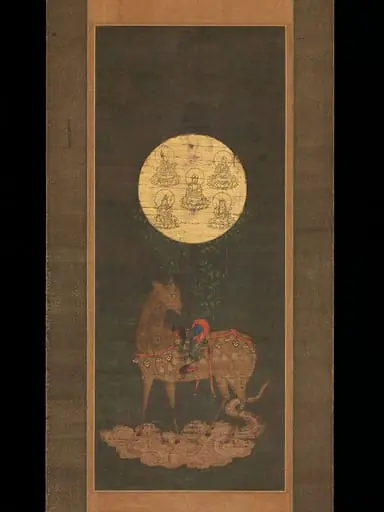 春日鹿曼荼羅 (Kasuga shika mandara)|Deer Mandala of Kasuga Shrine
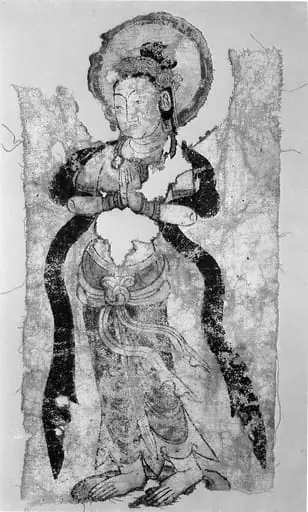 Untitled
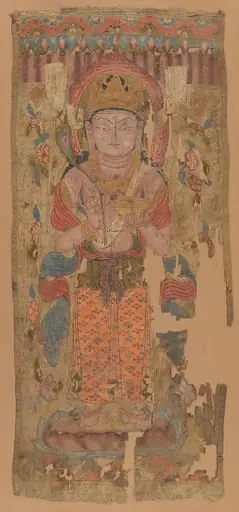 唐/五代 菩薩圖|Banner with Bodhisattva, possibly Mahamayuri
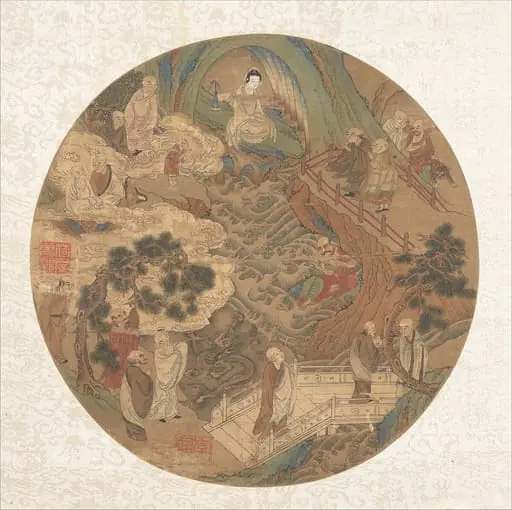 明 佚名 觀音羅漢圖 扇|Guanyin and the sixteen luohans
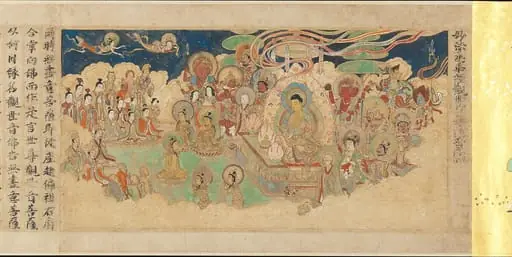 『妙法蓮華経』 「観世音菩薩普門品」|“Universal Gateway,” Chapter 25 of the Lotus Sutra
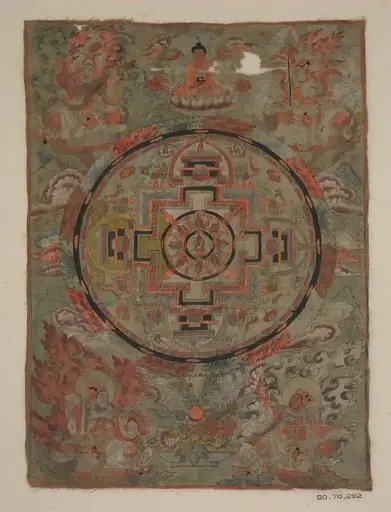 Untitled
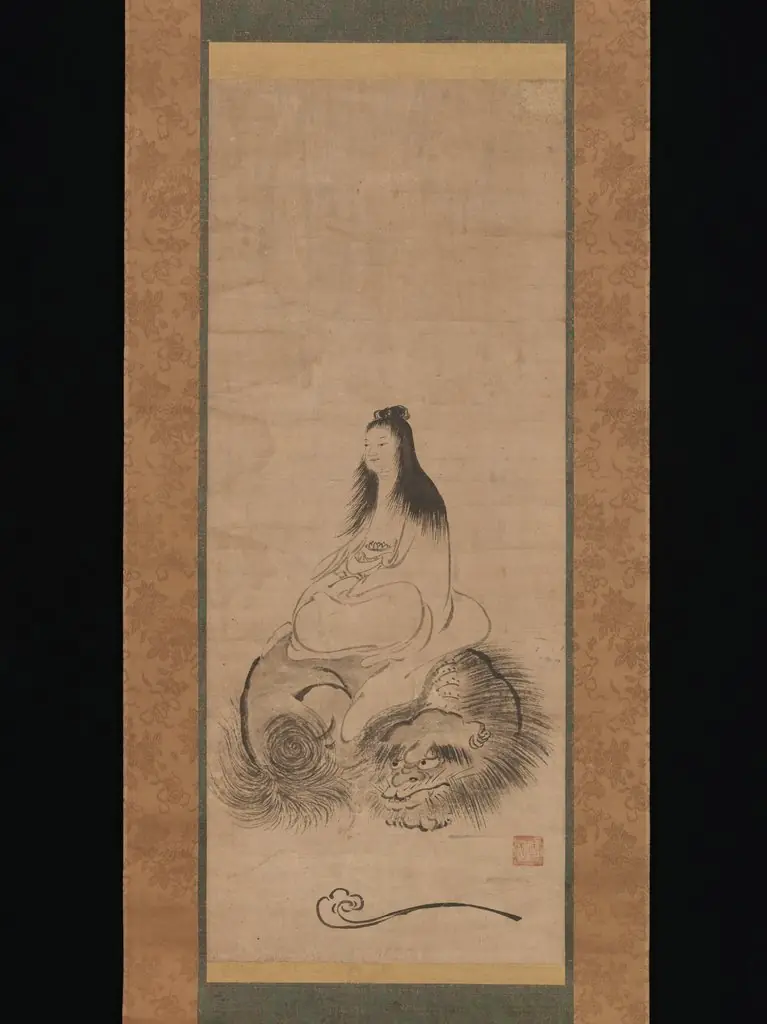 Monju on a Lion
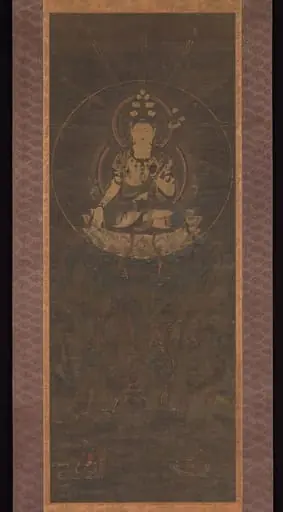 十一面観音影向図|Eleven-Headed Kannon on Mount Fudaraku
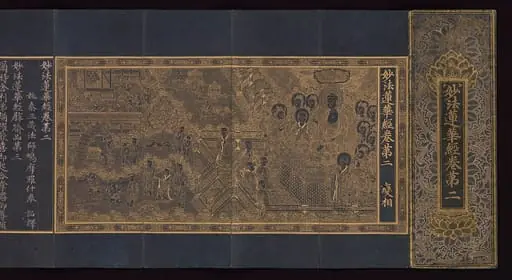 법화경변상도 고려|Illustrated manuscript of the Lotus Sutra (Miaofa lianhua jing), Volume 2
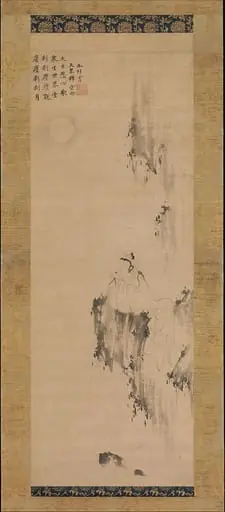 明 佚名 全室宗泐題贊 白衣觀音圖 軸|White-Robed Guanyin
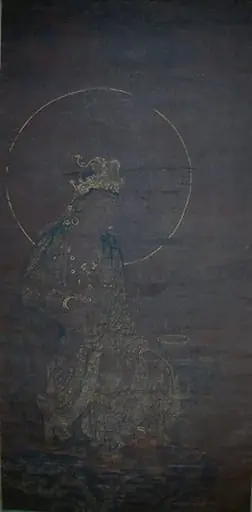 Untitled
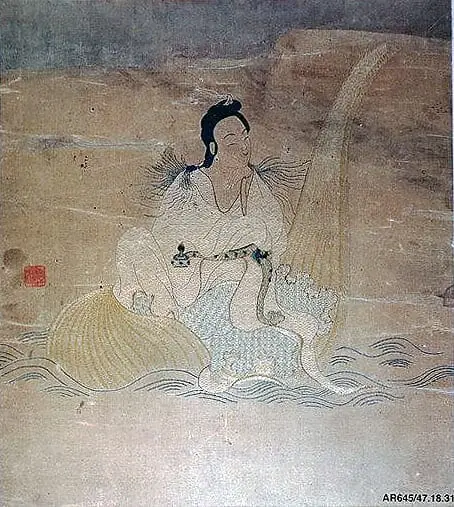 Untitled
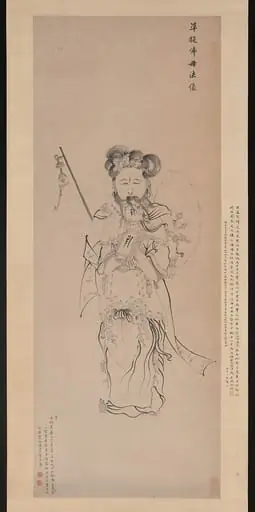 明 陳洪綬 準提佛母法像圖 軸|Bodhisattva Guanyin in the Form of the Buddha Mother
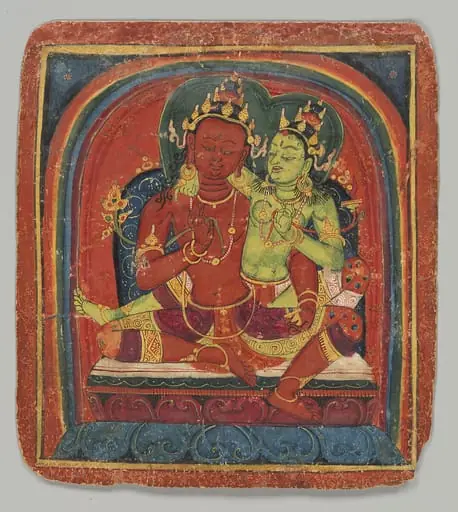 Untitled
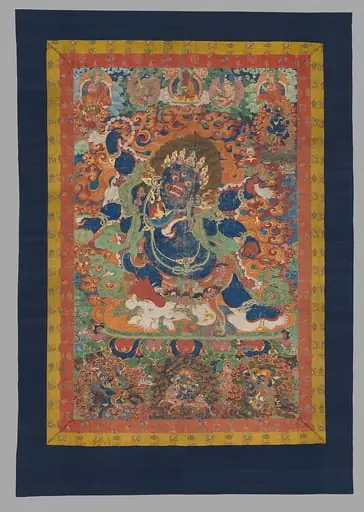 Untitled
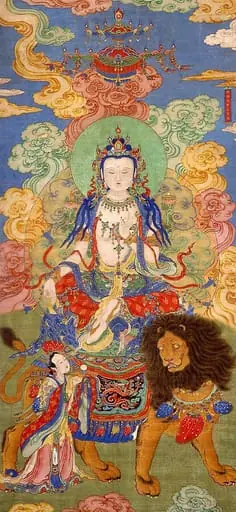 清 佚名 大勢至菩薩像 軸|Mahasthamaprapta Bodhisattva
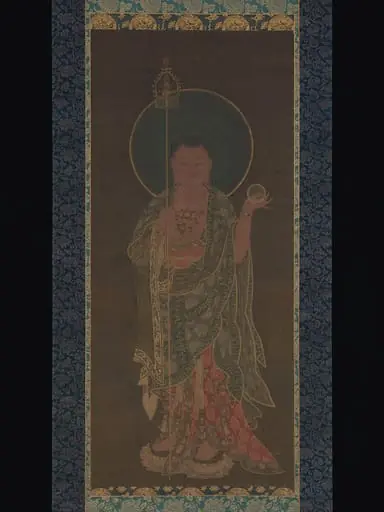 지장보살도 고려|地藏菩薩圖 高麗|Kshitigarbha
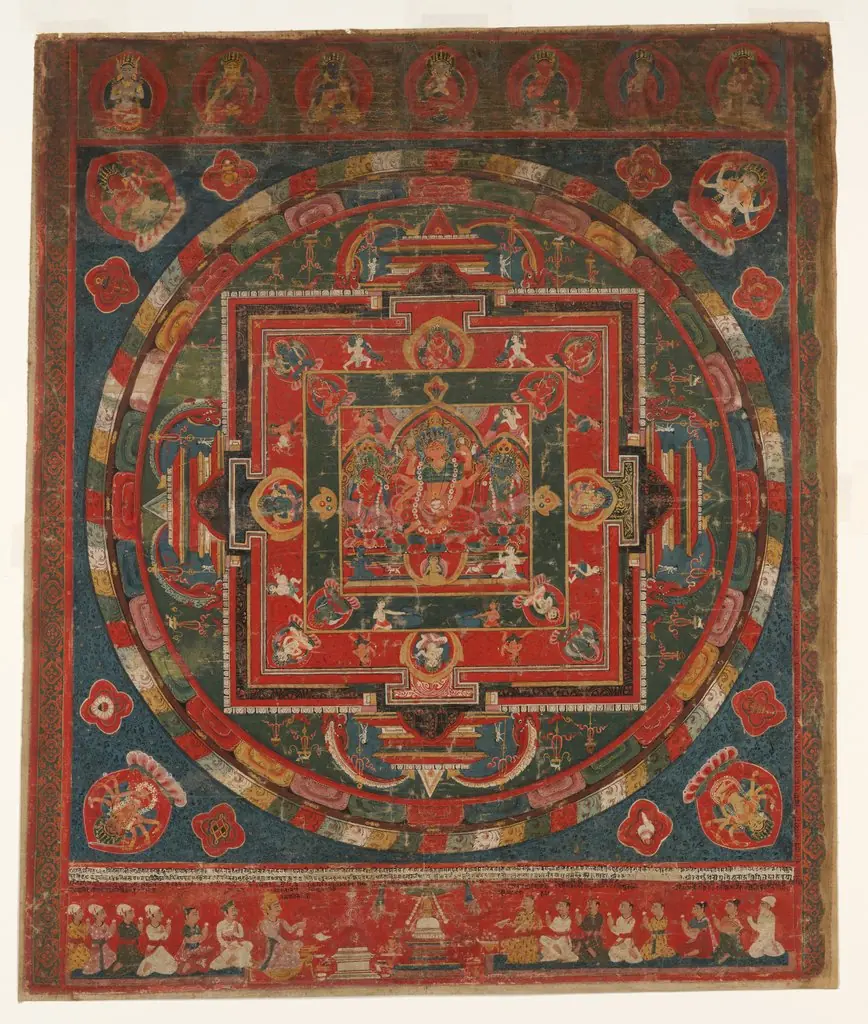 Vasudhara Mandala
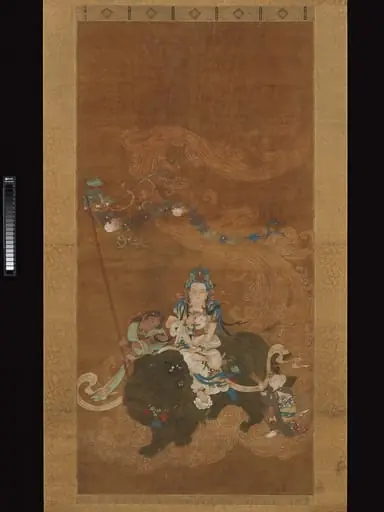 明 佚名 送子觀音圖 軸|Guanyin the Bringer of Sons
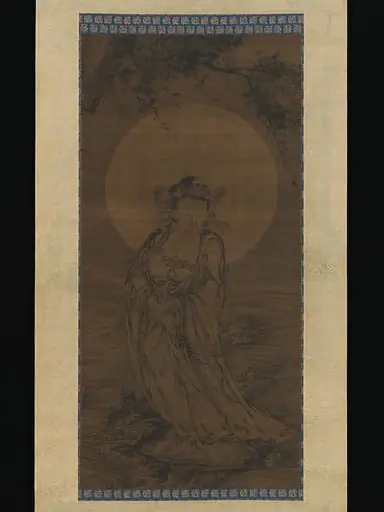 白衣観音図|White-Robed Kannon
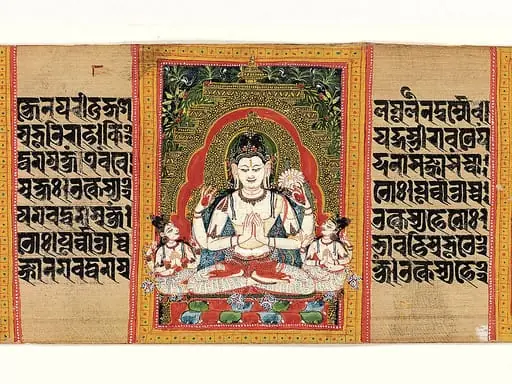 Untitled
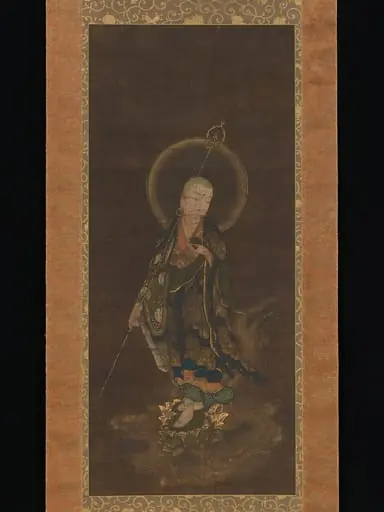 見返り地蔵菩薩図|The Bodhisattva Jizō “Looking Back”
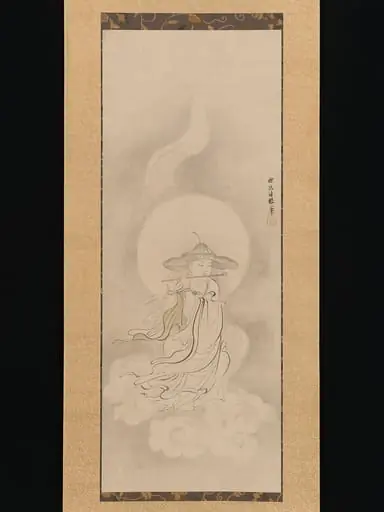 狩野探幽筆 笛吹地蔵図|Jizō Bosatsu Playing a Flute
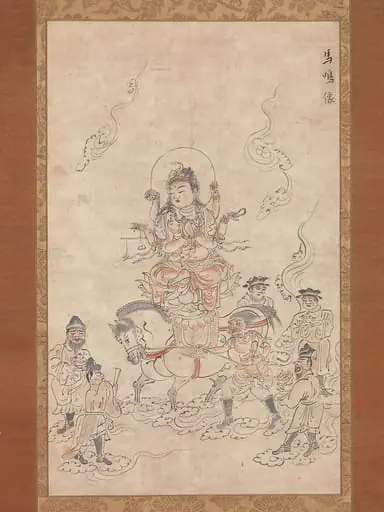 馬鳴菩薩図像|Iconographic Drawing of the Bodhisattva Memyō (Ashvaghosha)
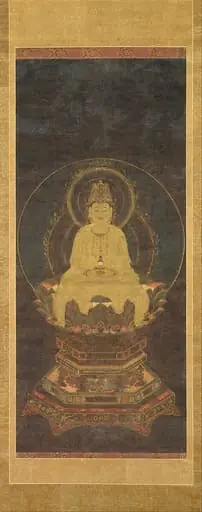 弥勒菩薩像|Miroku Bosatsu
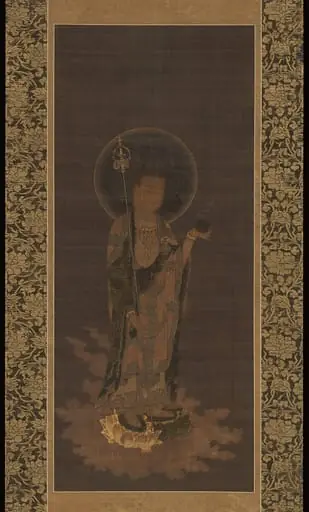 地蔵菩薩来迎図|Welcoming Descent of the Bodhisattva Jizō
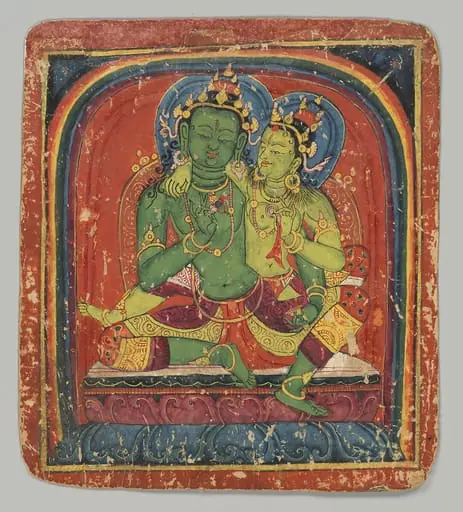 Untitled
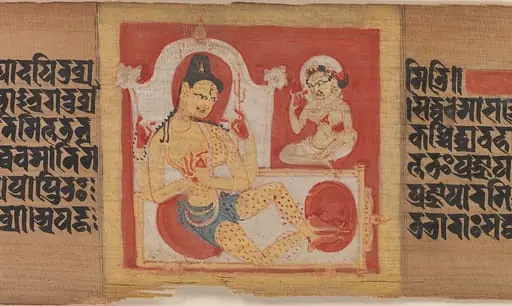 Untitled
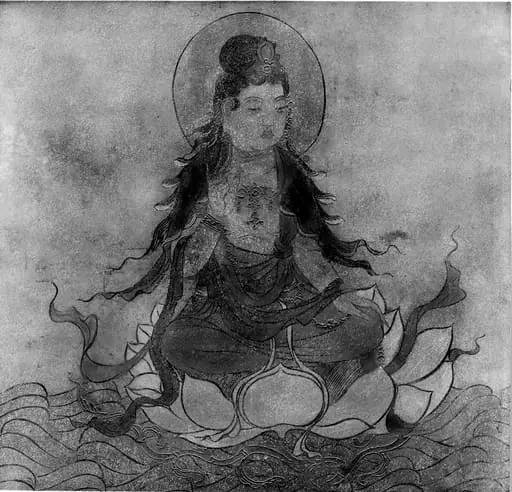 Untitled
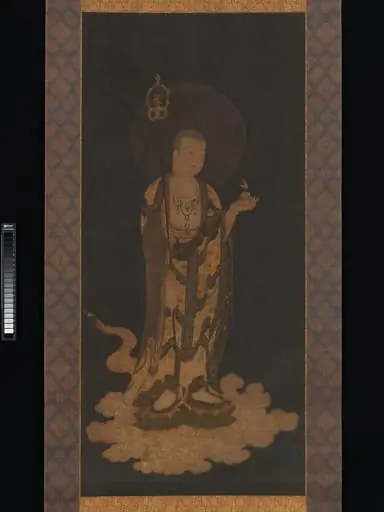 地蔵菩薩像|Jizō Bosatsu
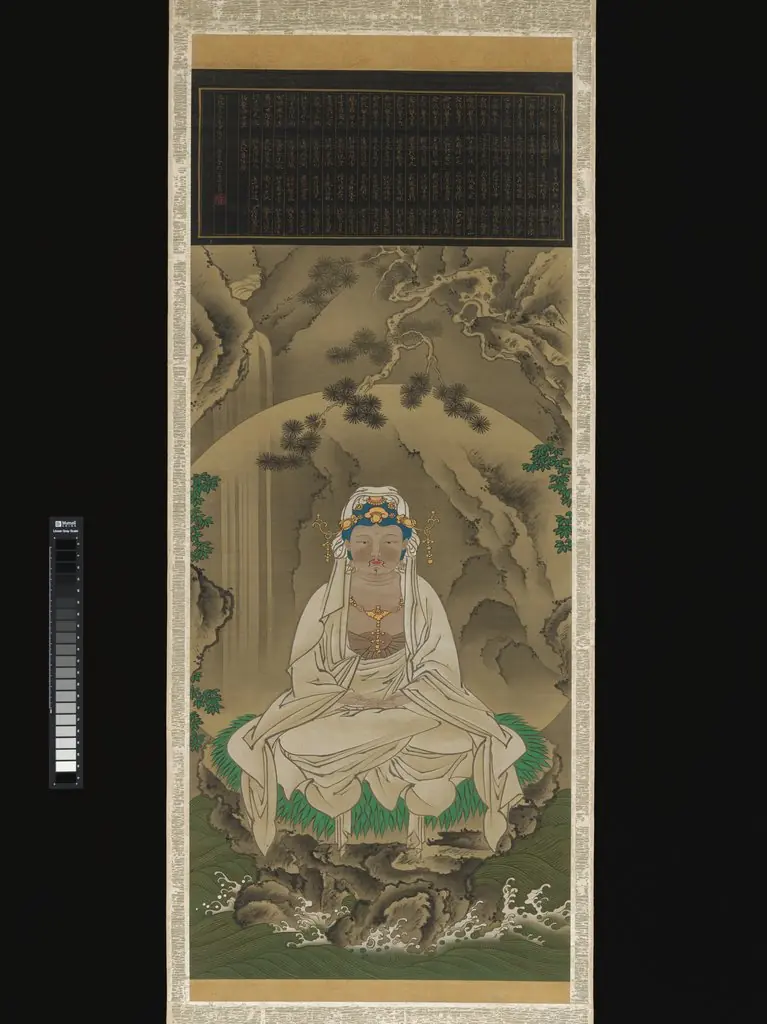 White-Robed Kannon
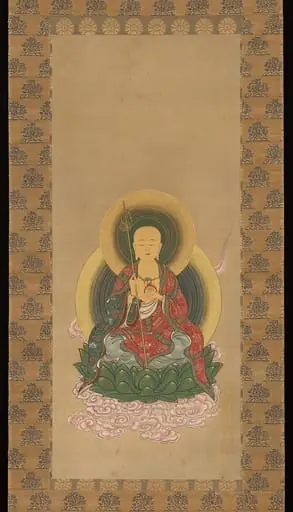 英一蝶筆 地蔵菩薩図|Jizō Bosatsu
 Untitled
 Untitled
 Untitled
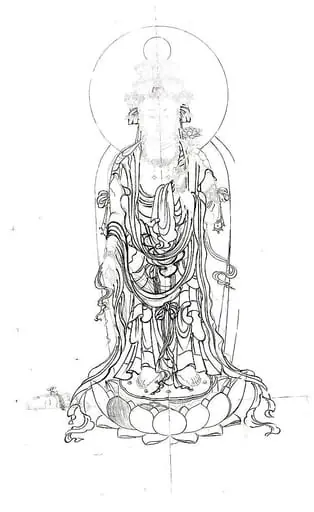 十一面観音像下絵|Drawing of Eleven-headed Kannon
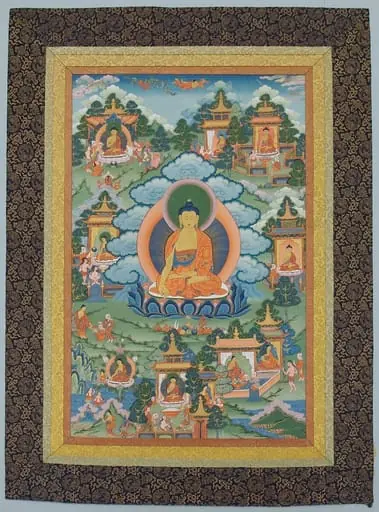 Untitled
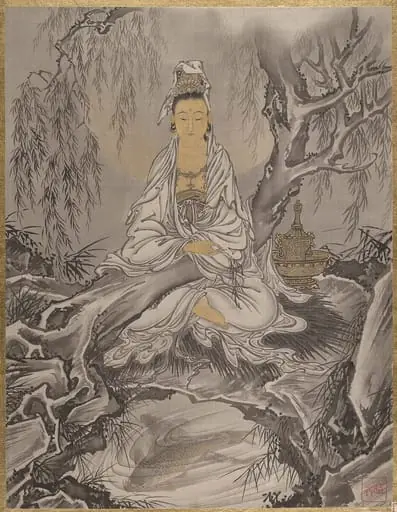 白衣観音図|White-Robed Kannon
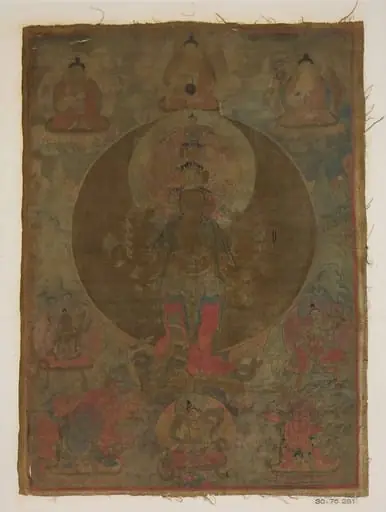 Untitled
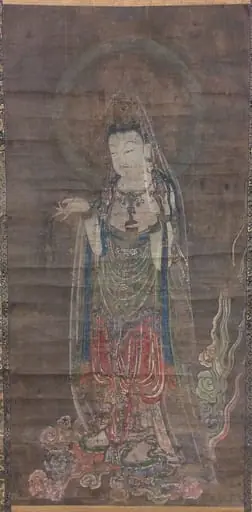 楊柳観音菩薩像 (Yōryū Kannon Bosatsu zō)|The Bodhisattva Willow Kannon (Avalokiteshvara)
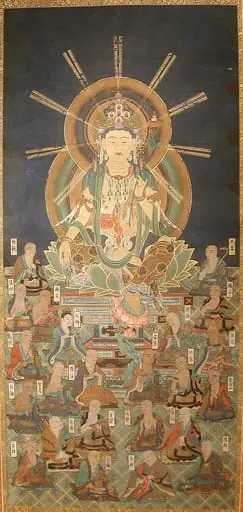 Untitled
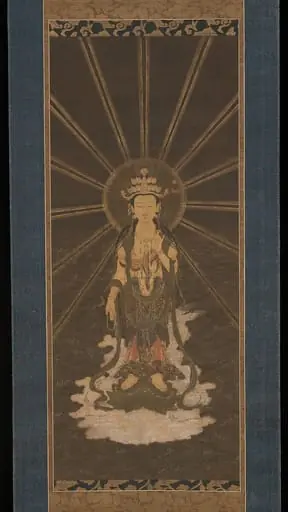 十一面観音来迎図|Descent of Eleven-Headed Kannon
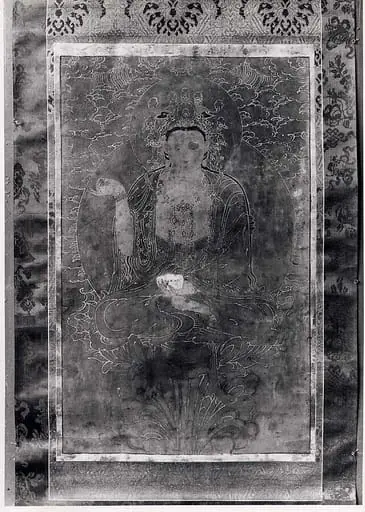 Untitled
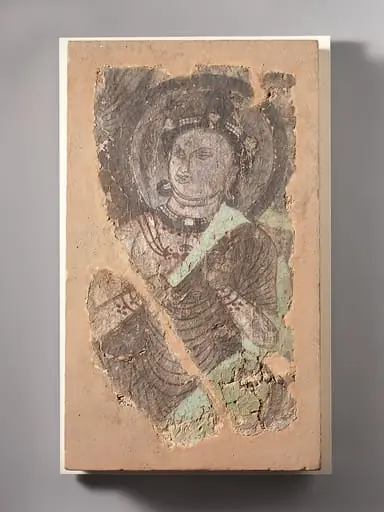 Untitled
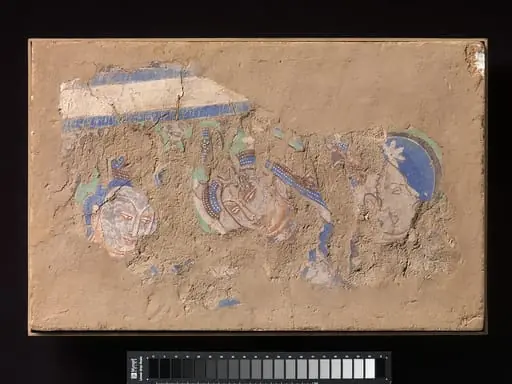 Untitled
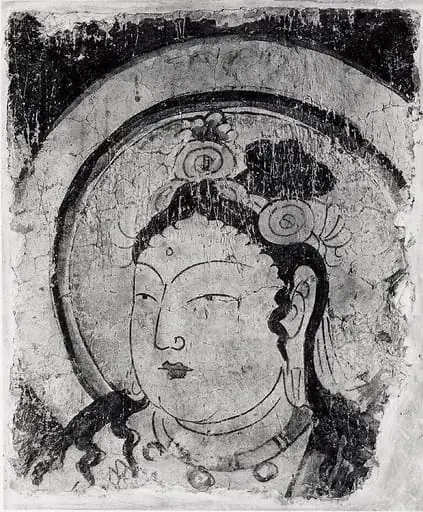 Untitled
Frequently asked questions
What is Bodhisattva?
Bodhisattva is a subject in art. In Buddhism, a bodhisattva is a person who has attained, or is striving towards, bodhi ('awakening', 'enlightenment') or Buddhahood.
How many Bodhisattva works does Artifact World Gallery have?
Artifact World Gallery holds 114 public-domain Bodhisattva works, all free to view and download.
Who are the key Bodhisattva artists?
Key Bodhisattva artists in the collection include Wang Zhenpeng, Mahavihara Master and Kawanabe Kyōsai 河鍋暁斎.
Where can I see Bodhisattva works?
Bodhisattva works in the collection are held by Metropolitan Museum of Art.