Artwork
Refsnæs, Kystlandskab
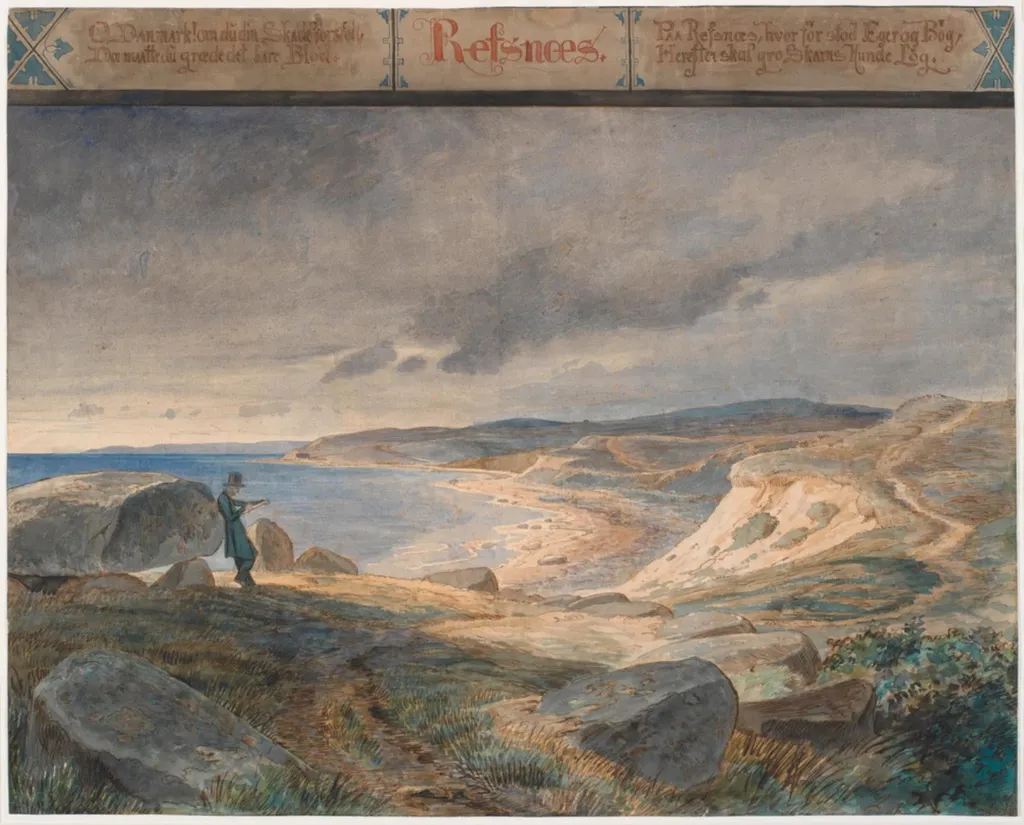
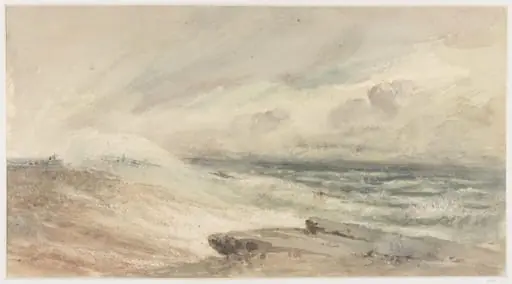
Refsnæs, Kystlandskab is an unspecified painting by the Romanticist artist Unknown. It dates from 1844 and is held in the collection of the Statens Museum for Kunst.
About this work
Overview
The work is held in the collection of the Museum of Ethnography, though its subject is distinctly natural rather than cultural.
Painted in 1844, Refsnæs, Kystlandskab is a coastal landscape by the Danish artist Christen Købke. It depicts a quiet stretch of shoreline near Refsnæs, capturing the stillness of the sea and the ruggedness of the shore. The work is held in the collection of the Museum of Ethnography, though its subject is distinctly natural rather than cultural. Its subdued palette and measured composition reflect a quiet engagement with the Danish countryside.
Subject & Meaning
A solitary figure stands on a weathered rock, facing the sea, clad in a long coat and wide-brimmed hat. The figure’s posture suggests introspection rather than action, inviting quiet contemplation. The landscape is not idealized but observed with precision, emphasizing solitude and the subtle presence of humans within nature.
The scene evokes a mood of stillness, aligning with 19th-century Danish sensibilities toward nature as a space for inner reflection.
Technique & Style
Købke employed a restrained palette of soft grays, muted greens, and earthy browns to render the terrain and sky. Brushwork is deliberate but unobtrusive, with delicate transitions between foreground rocks and distant hills. Light is diffused, creating a hazy atmosphere that unifies the composition. Shadows are gently modeled to suggest depth without dramatic contrast, reinforcing the painting’s calm, observational tone.
History & Provenance
Created in 1844, the painting was likely made during Købke’s period of focus on Danish coastal scenes. It entered the Museum of Ethnography’s collection in the late 19th or early 20th century, possibly as part of broader efforts to document national landscapes. Despite the museum’s ethnographic focus, the work was retained for its cultural significance to Danish visual identity during a period of emerging national consciousness.
Context
Købke worked within the Danish Golden Age, a movement that emphasized intimate, truthful depictions of everyday life and nature. Refsnæs, Kystlandskab reflects a broader cultural turn toward local scenery and quiet emotional resonance, distinct from the grand narratives of European Romanticism. The painting’s restraint and attention to atmospheric detail align with Danish artistic priorities of the time, valuing subtlety over spectacle.
Legacy
Though not widely exhibited outside Denmark, the painting remains a representative example of Købke’s mature style and the Danish Golden Age’s quiet realism. Its inclusion in the Museum of Ethnography underscores its perceived cultural value beyond pure aesthetics. Later artists and critics have cited it as an exemplar of how landscape could convey psychological depth without narrative or drama.
Artist & collection









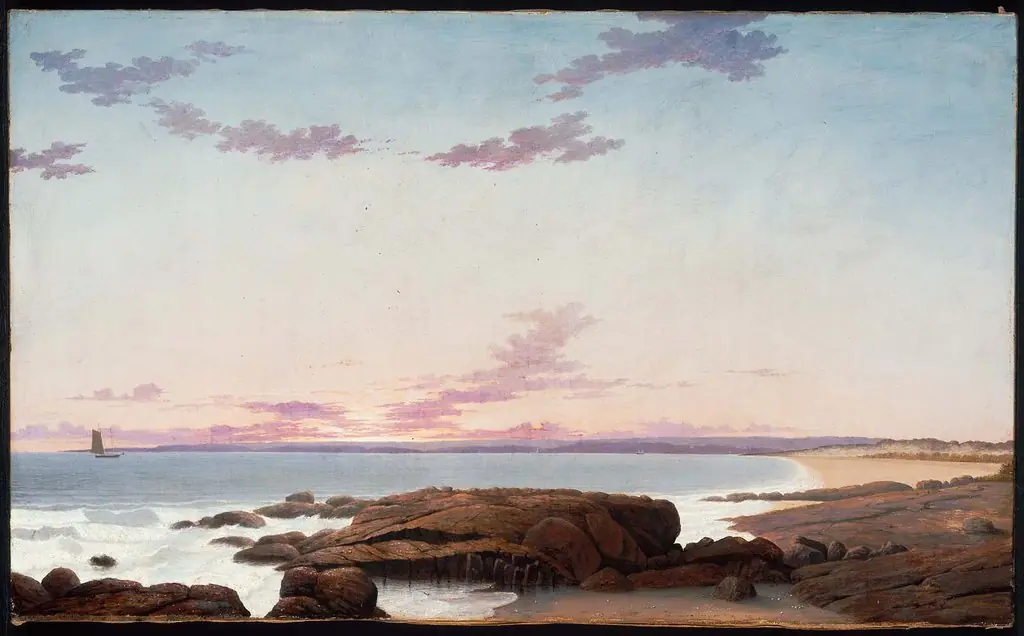
- View of Coffin's Beach
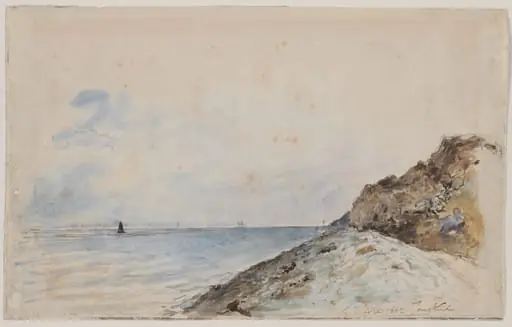 Le Havre
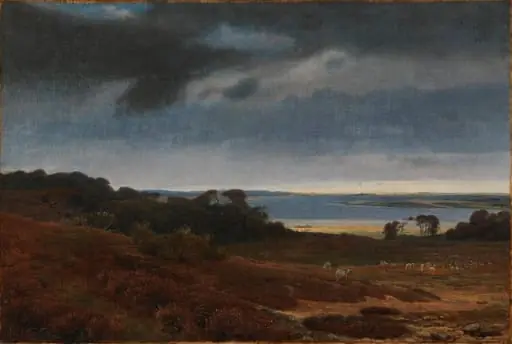 Näköala Arredsøsta Frederiksværkiin
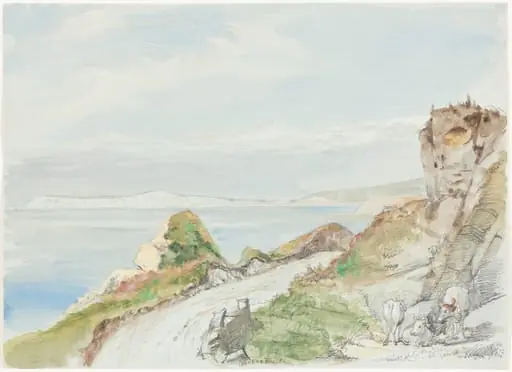 Freshwater Bay, Isle of Wight
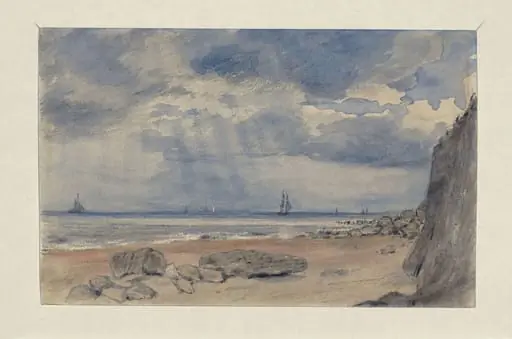 Coast Scene near Brighton
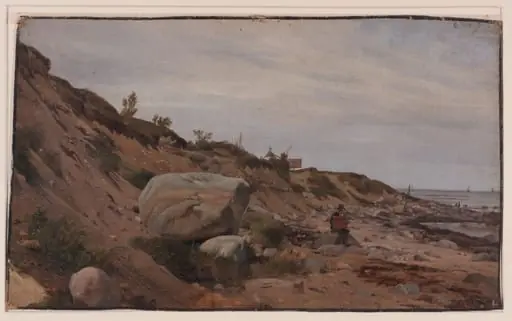 Maler in steinigen Sanddünen
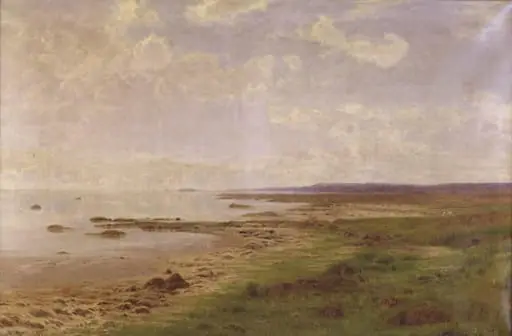 Parti af Jyllands østkyst. Stille sommerdag
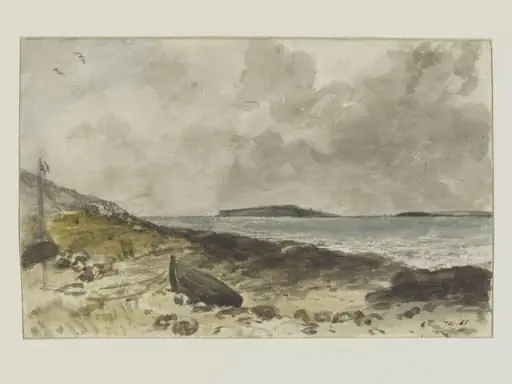 Coast scene near Osmington, with Portland Island in the distance
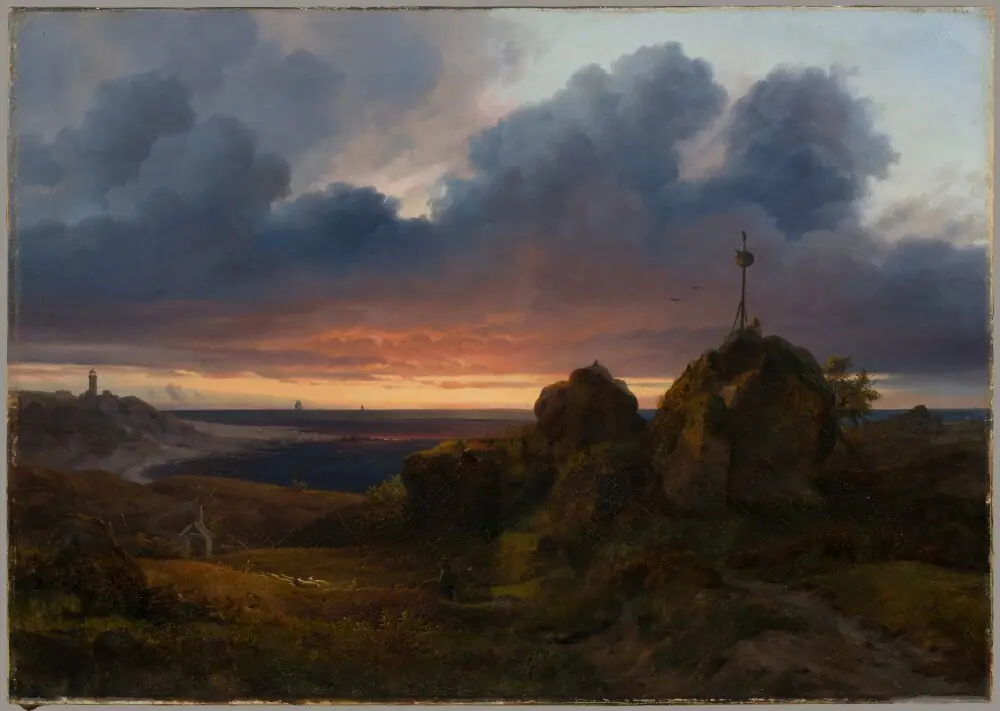 View From Kullen, Skåne
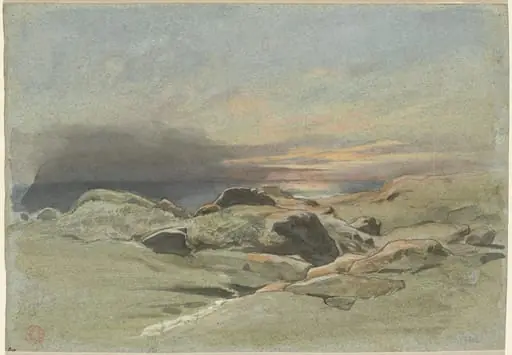 Sunset from a Rocky Coastline
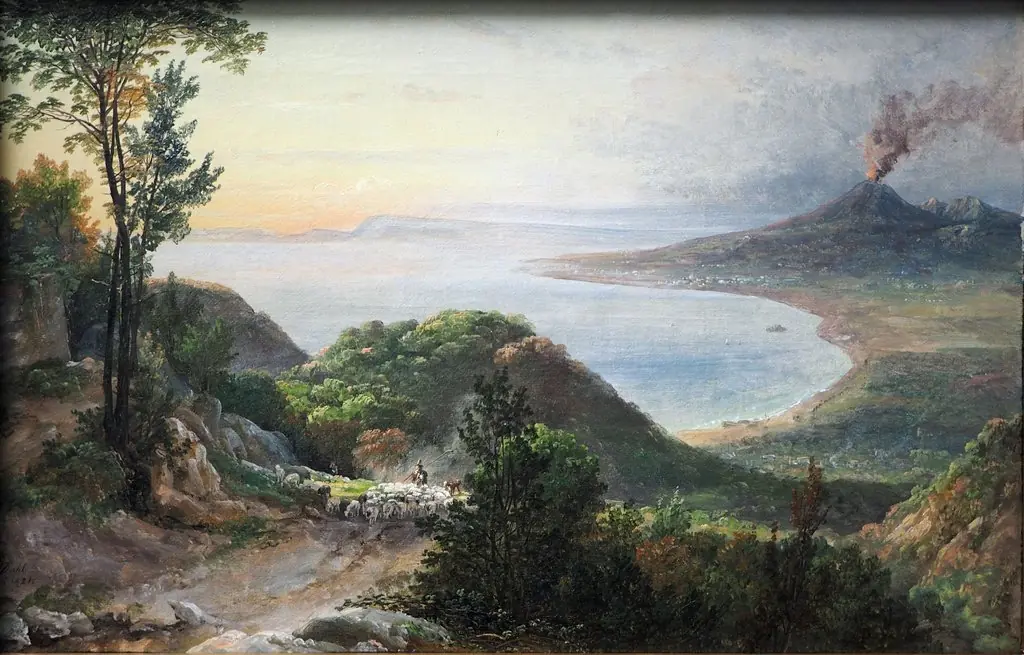 Blick von Pimonte auf die Bucht von Neapel
 Sea from the Coast