Artwork
An Artist Resting by the Roadside
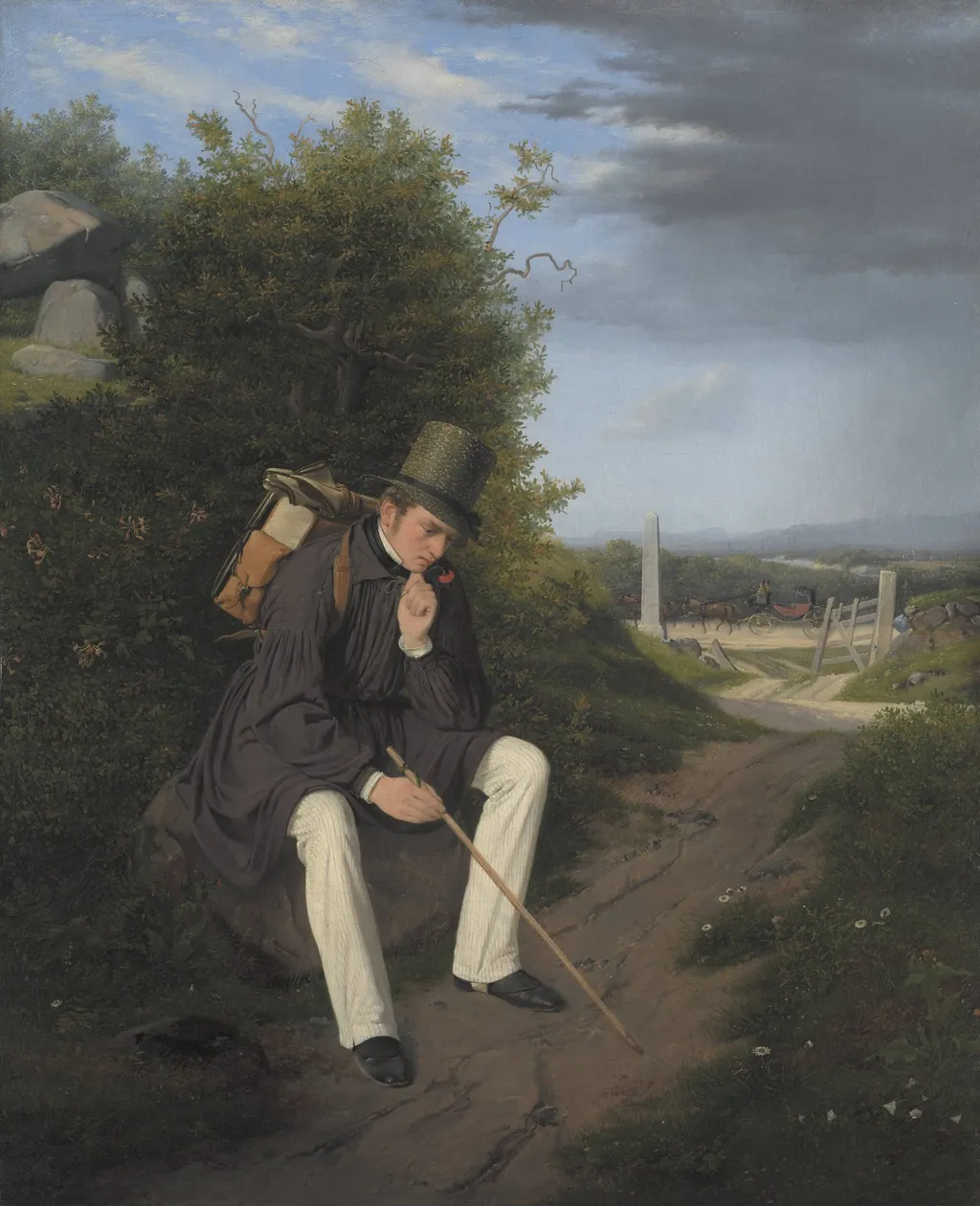
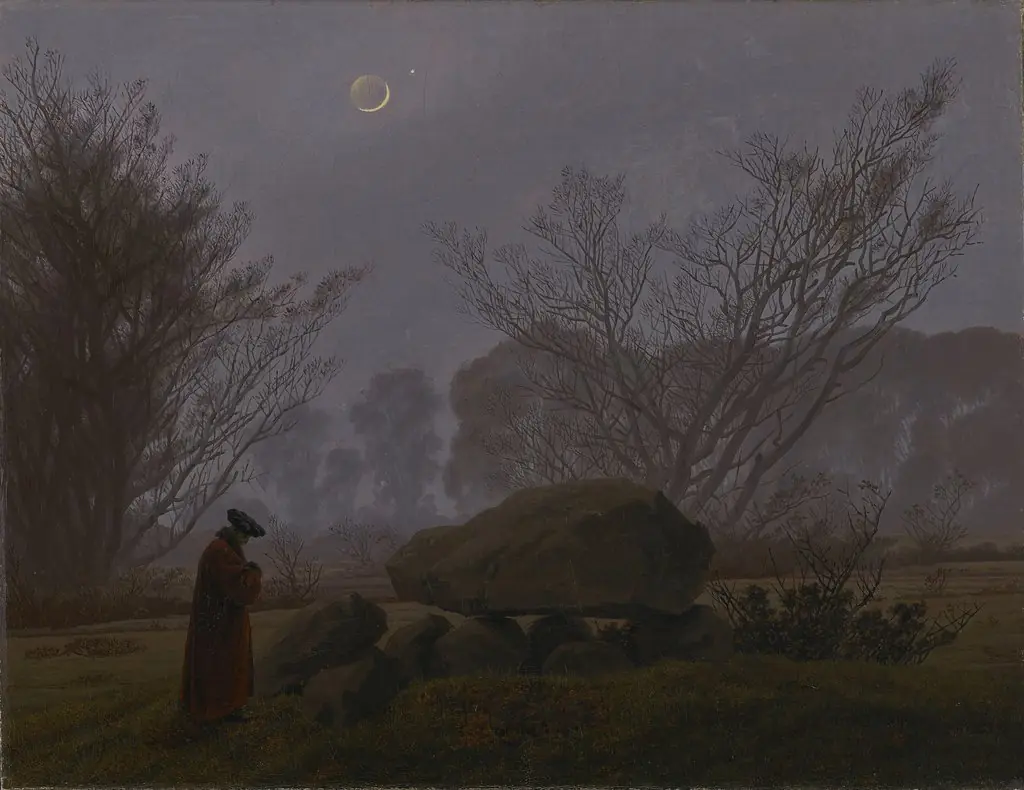
An Artist Resting by the Roadside is a photography by the Romanticist artist Unknown. It dates from 1832 and is held in the collection of the Statens Museum for Kunst. Created in 1832, this oil painting depicts a solitary figure pausing along a rural path.
About this work
Overview
The work is part of the collection at the Museum of Ethnography, where it is preserved as an example of 19th-century visual culture.
Created in 1832, this oil painting depicts a solitary figure pausing along a rural path. The artist, identified as 1162_person, captures a moment of stillness amid travel. The work is part of the collection at the Museum of Ethnography, where it is preserved as an example of 19th-century visual culture.
Its quiet composition reflects a broader interest in everyday human experience during a period of rapid social change.
Subject & Meaning
The figure, dressed in loose dark garments and a broad hat, appears weary but composed, resting against a tree with a rolled blanket and a pipe or stick in hand. The presence of a distant carriage and monument suggests movement and civilization beyond the immediate scene. The image conveys introspection and respite, evoking the tension between labor and rest, solitude and the wider world, without overt narrative or symbolism.
Technique & Style
Brushwork is loose yet deliberate, with soft transitions between the green hills and the hazy background. The figure is rendered with subtle tonal contrasts, emphasizing texture in fabric and skin. The sky is lightly modeled with muted clouds, enhancing the sense of natural light.
The composition directs attention to the figure’s stillness, using the winding path and distant structures to frame rather than distract.
History & Provenance
The painting entered the Museum of Ethnography’s collection in the late 19th century, likely through acquisition or donation. Its origins trace to the artist’s travels in rural regions, though specific details of its creation and early ownership remain undocumented. It has been consistently cataloged as a study of human presence within landscape, rather than a commissioned portrait or historical scene.
Context
Emerging during the height of Romanticism, the work aligns with period interests in individual experience, nature, and the emotional weight of travel. While not overtly dramatic, its quietude reflects a shift from grand historical themes toward intimate, observational scenes. Similar depictions of weary travelers appear in contemporary European art, often tied to ideals of authenticity and the sublime in ordinary moments.
Legacy
Though not widely exhibited outside its home institution, the painting contributes to scholarly understanding of 19th-century visual culture beyond major urban centers. It stands as a quiet counterpoint to more celebrated Romantic works, offering insight into how artists of the time engaged with solitude, labor, and the rhythms of rural life without idealization or sentimentality.
Artist & collection









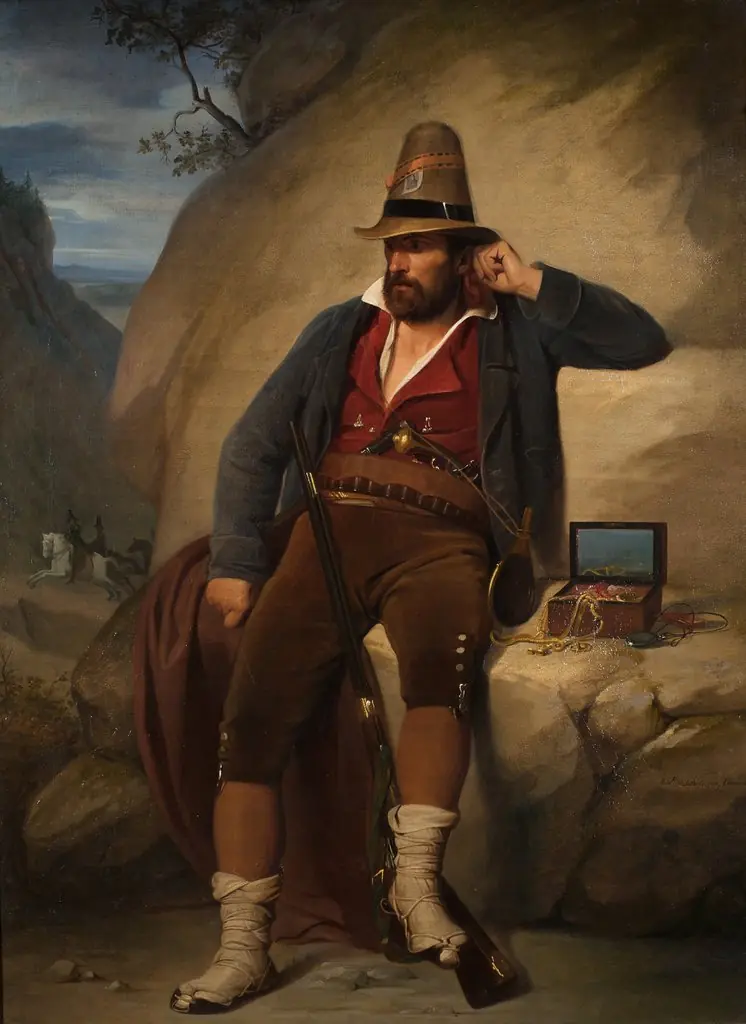 Brother Devil
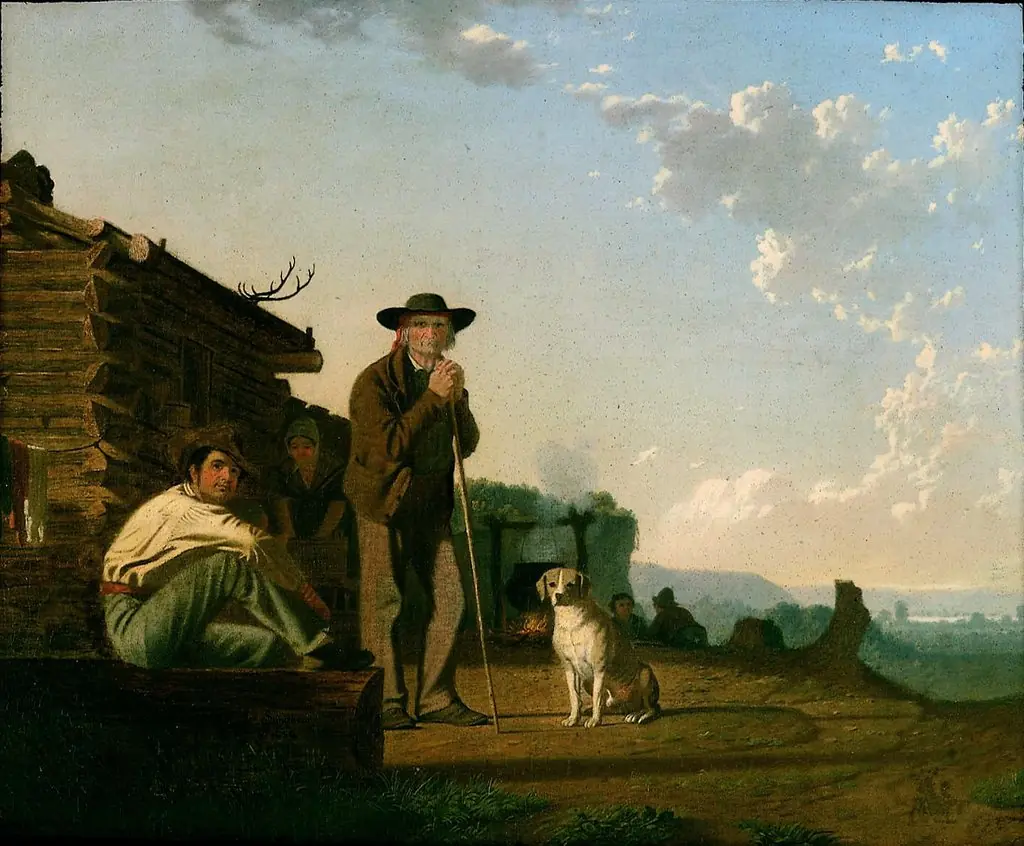 The Squatters
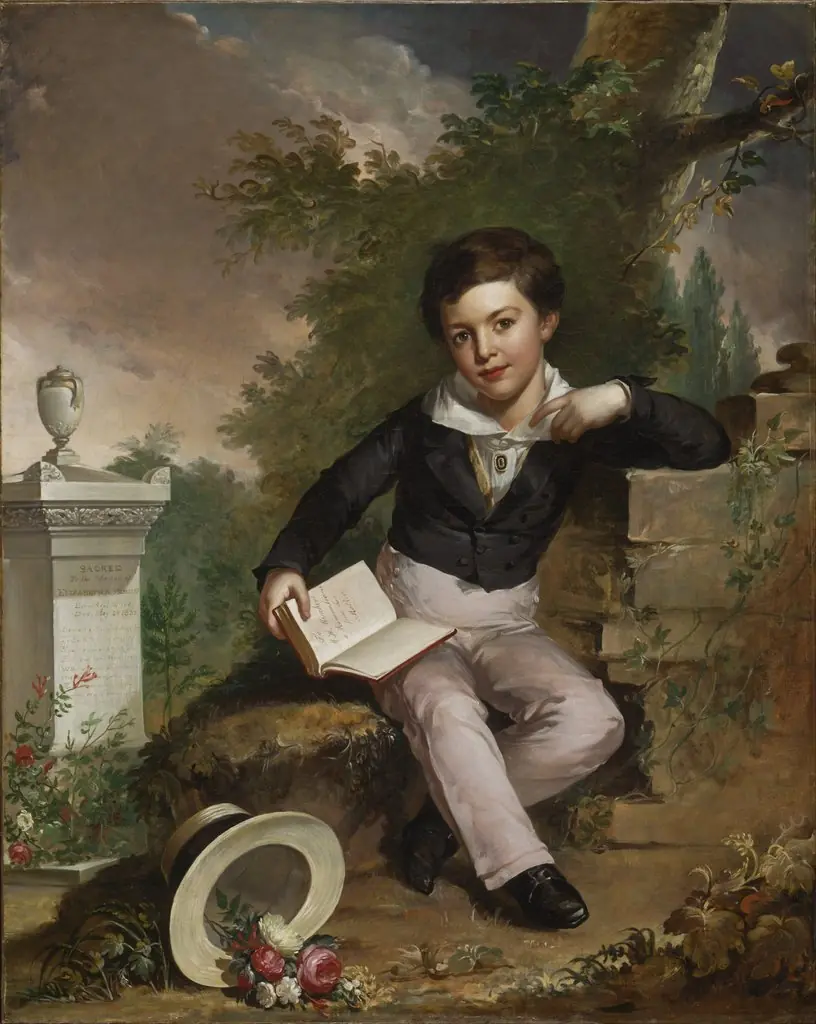 Matthew Huizinga Messchert
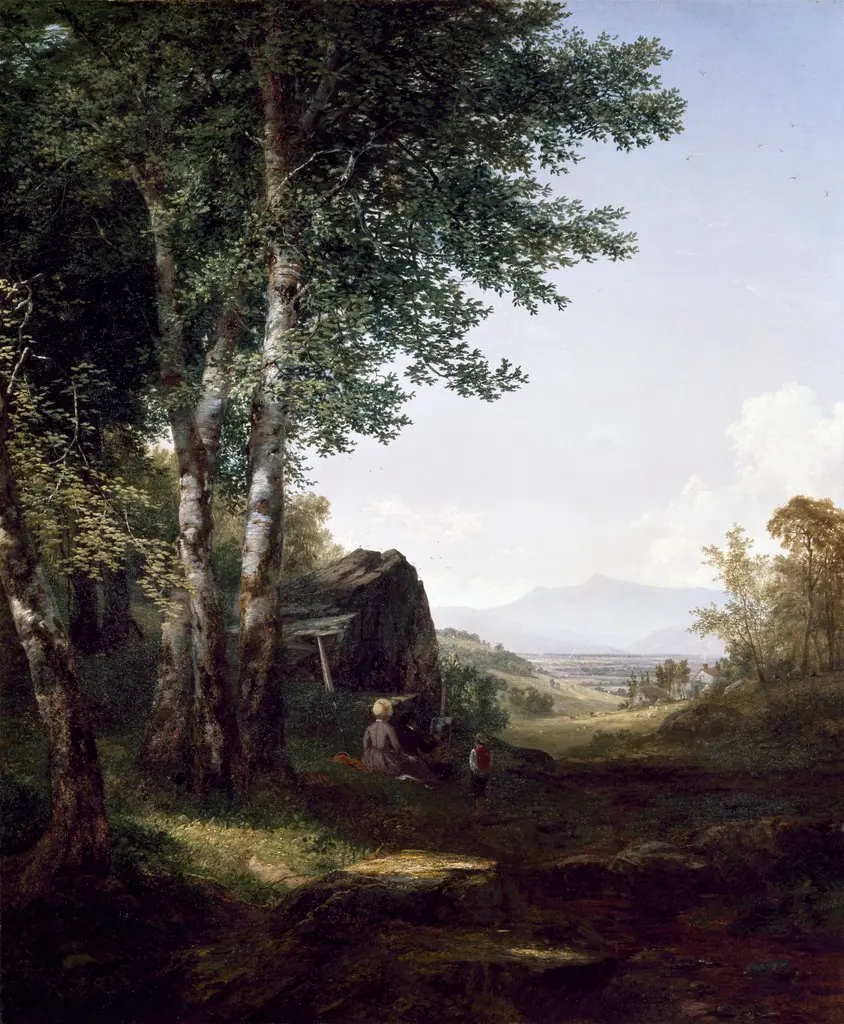 Distant View of the Mansfield Mountain, Vermont
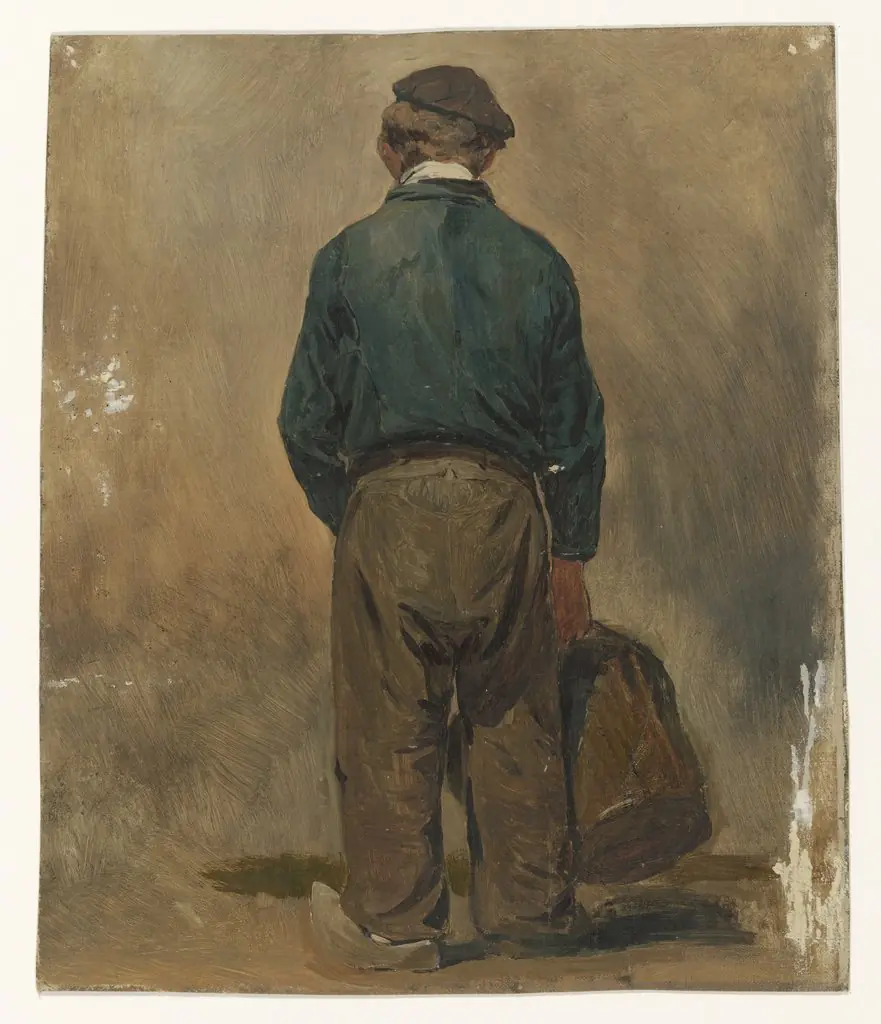 Visser met een mand, van achteren gezien
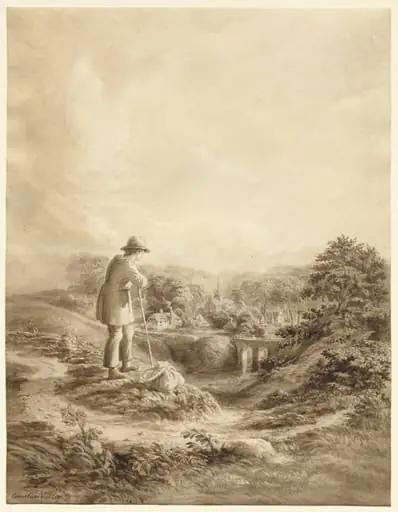 Landscape with Figure in Foreground
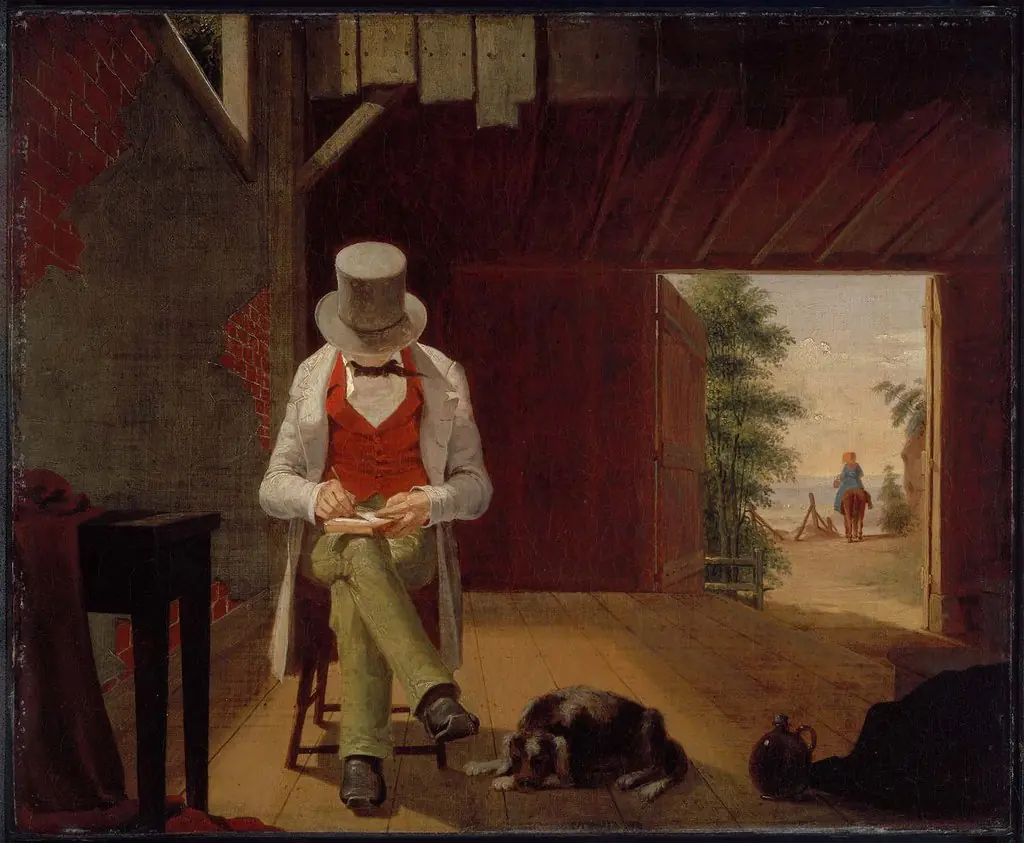 Calculating
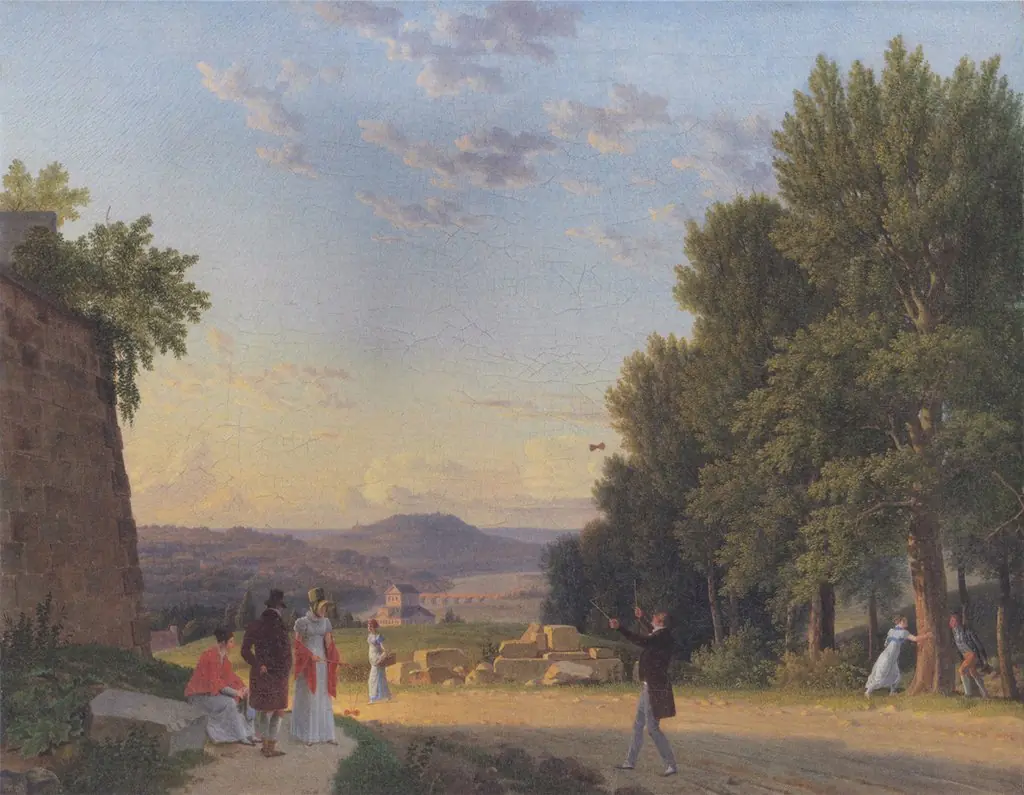 A View from the Château of Meudon
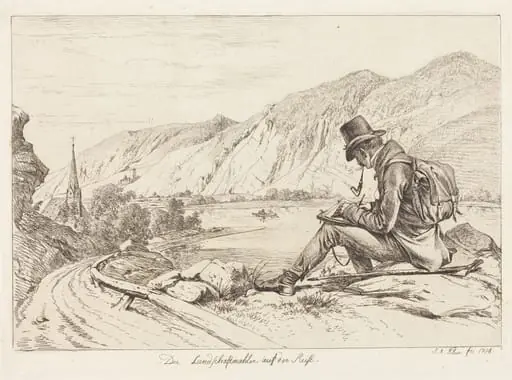 Der Landschaftmaler auf der Reise (The Landscape Painter on Tour)
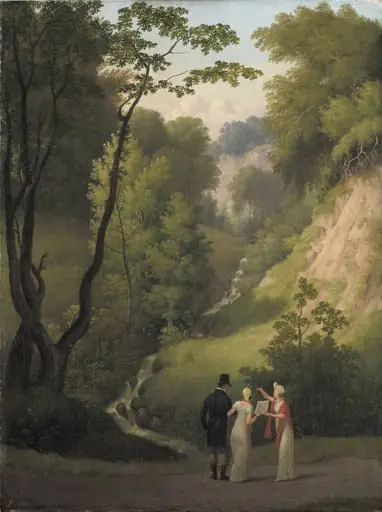 The Devil's Cleft at Liselund Manor. The Island of Møn
 Walk at Dusk
- An Artist Resting by the Roadside