Artwork
Girls from the Archipelago
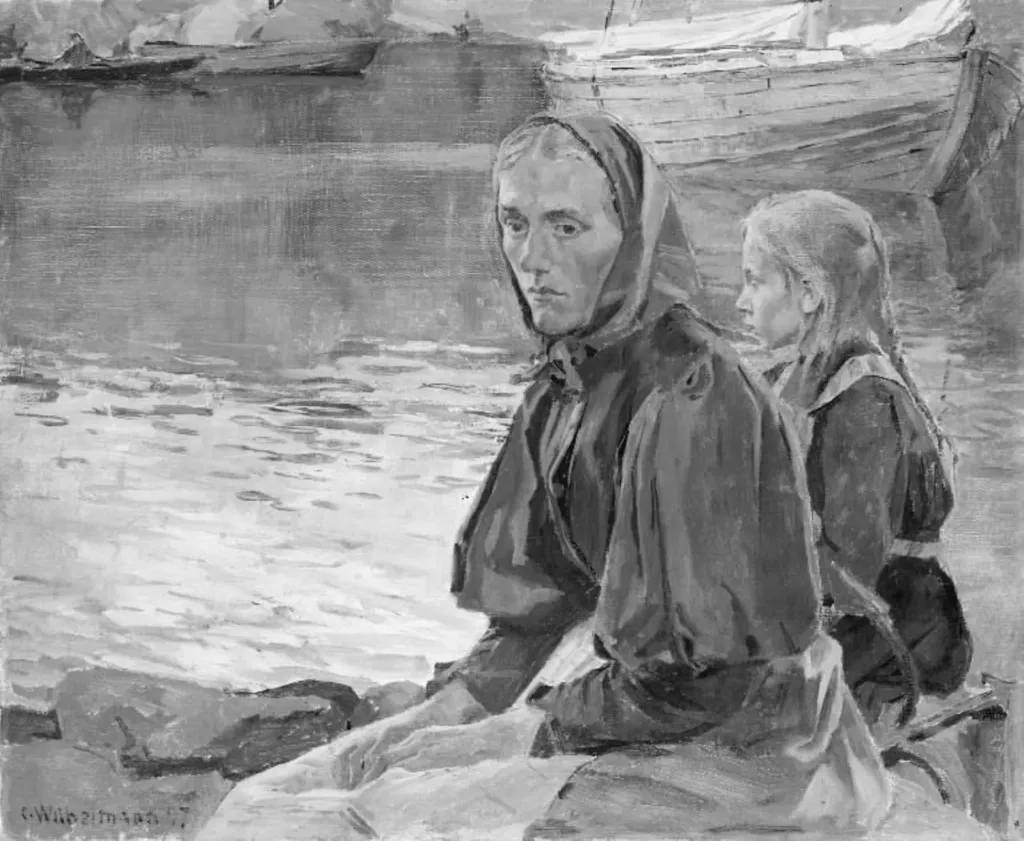
Girls from the Archipelago is a photography by the Impressionist artist Unknown. It dates from 1897 and is held in the collection of the Statens Museum for Kunst.
About this work
Overview
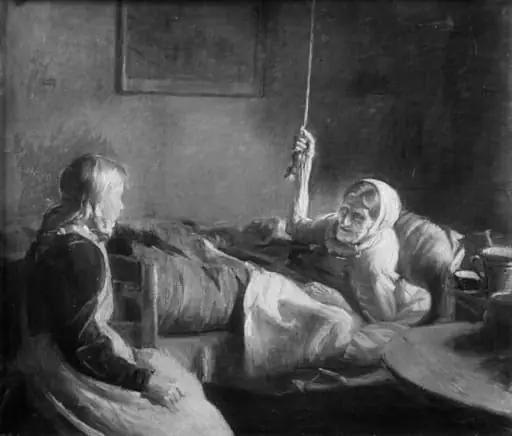
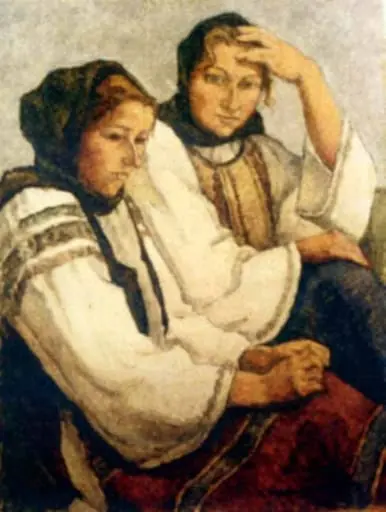
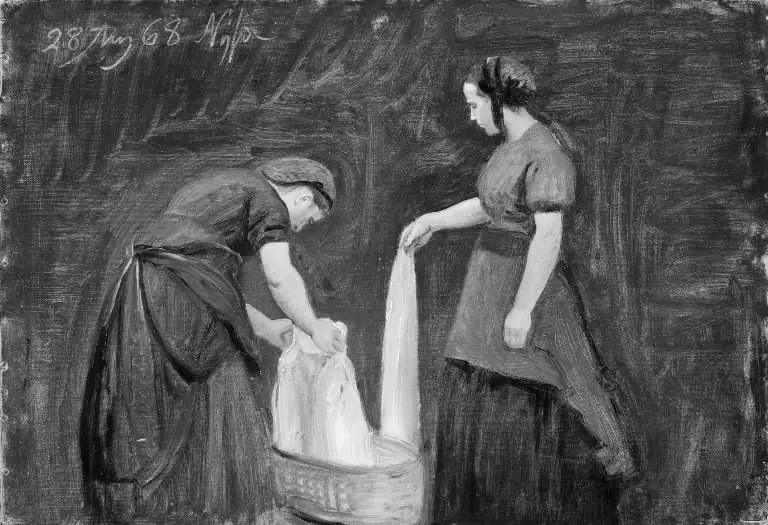
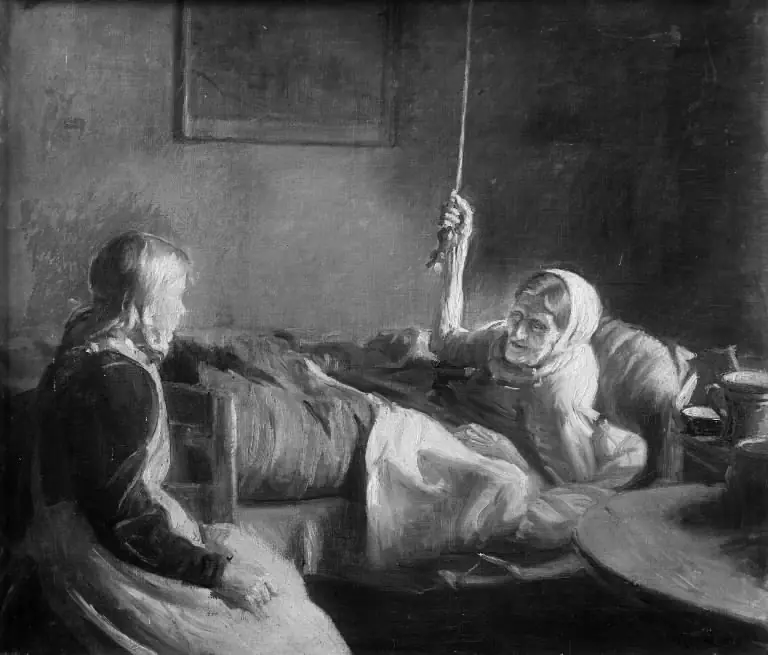
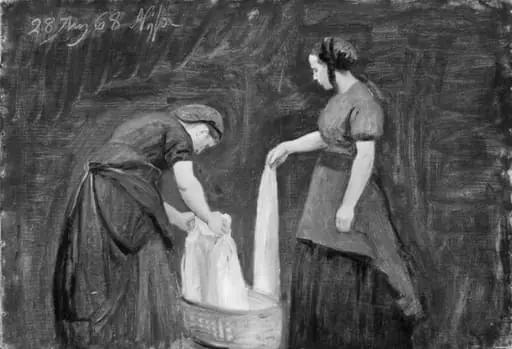
Created in 1897 by an artist active in the mid-19th century, this black-and-white image depicts two figures seated on a boat in a maritime setting. The work is part of the collection at the Museum of Ethnography. Its rough, textured brushwork and unidealized composition reflect a focus on everyday life, aligning with tendencies found in both Impressionist and Realist practices of the period.
Subject & Meaning
The two figures, one facing forward and the other turned away, suggest quiet solitude amid a working environment. Their simple attire and the presence of choppy water and distant vessels imply a life tied to the sea, likely from a coastal or island community. The composition avoids narrative drama, instead emphasizing presence and atmosphere over symbolic meaning.
Technique & Style
The painting employs loose, visible brushstrokes that build form through texture rather than fine detail. Thick applications of pigment create a tactile surface, reminiscent of impasto, though rendered in monochrome. This approach prioritizes the immediacy of observation over polished finish, characteristic of artists seeking to capture transient moments and environmental conditions.
History & Provenance
The work entered the Museum of Ethnography’s collection following its creation in 1897. Its acquisition reflects early institutional interest in documenting regional lifeways through visual records. No documented exhibition history or private ownership prior to the museum’s acquisition is known, suggesting it may have been produced for direct ethnographic or documentary purposes.
Context
In the late 19th century, artists and ethnographers increasingly turned to coastal and island communities as subjects of study. This image aligns with broader efforts to record vernacular life, often through direct observation. Its stylistic choices reflect a convergence between artistic movements and emerging anthropological documentation practices in Europe.
Legacy
The work remains a quiet example of how artistic technique and ethnographic intent intersected in the late 1800s. While not widely reproduced or studied in mainstream art history, it contributes to understanding how visual records of everyday life were constructed during a period of expanding cultural documentation.
Artist & collection