Artwork
Scaldis and Antverpia
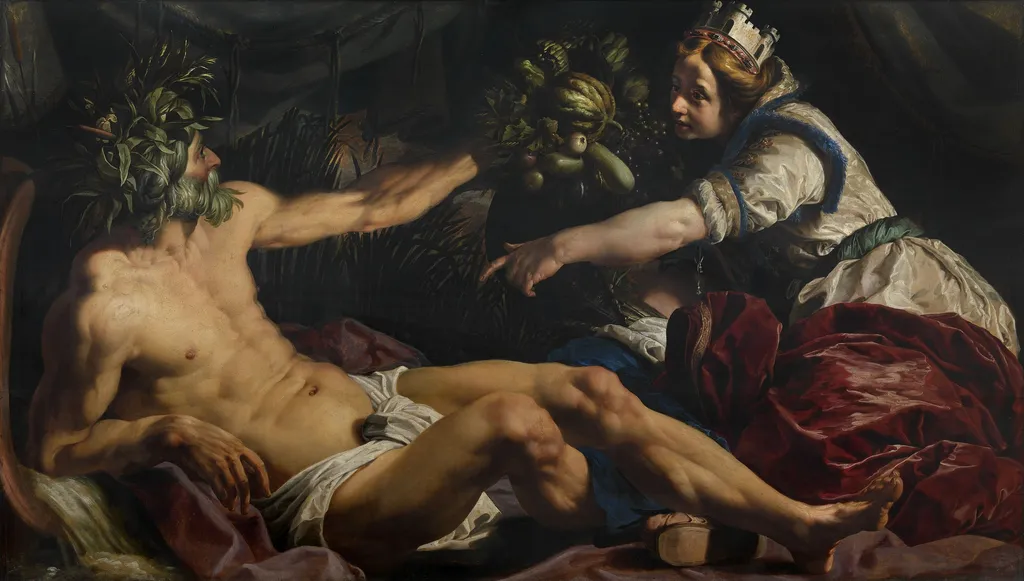
Scaldis and Antverpia is an oil painting by the Early Baroque Italian artist Abraham Janssens I. It dates from 1609 and is held in the collection of the Royal Museum of Fine Arts Antwerp.
About this work
Subject & Meaning
The composition draws on Michelangelo's Creation of Adam for its robust figures, while the dramatic lighting reflects Caravaggio's influence.
This allegorical painting personifies the Scheldt River as the elderly god Scaldis and the city of Antwerp as the maiden Antverpia. Scaldis is depicted leaning on an amphora from which river water flows, while presenting a cornucopia to the city figure. Fruits and vegetables spill from this horn of plenty, arranged to form a human face in a visual nod to Giuseppe Arcimboldo. The work functions as a political-historical document tied to the 1608-1609 peace negotiations leading to the Twelve Years' Truce. Commissioned for the Antwerp city hall, the iconography was intended to urge diplomats to reopen the Scheldt to navigation, upon which the city's prosperity depended. The composition draws on Michelangelo's Creation of Adam for its robust figures, while the dramatic lighting reflects Caravaggio's influence.
History & Provenance
In 1608, the Antwerp city magistrates commissioned Abraham Janssens to create an allegorical painting for the chimney piece of the States Chamber in the city hall. The work was intended to influence peace negotiations between the Spanish Netherlands and the United Provinces, specifically urging the reopening of the Scheldt River to ensure the city's prosperity. Janssens received 750 florins for the commission, a sum less than half of what was paid to Peter Paul Rubens for a painting displayed opposite it. The panel was completed in 1609 and depicts the river god Scaldis presenting a cornucopia to the personification of Antwerp. Since its creation, the artwork has remained in the collection of the Royal Museum of Fine Arts Antwerp.
The painting *Scaldis and Antverpia* is held in the collection of the Royal Museum of Fine Arts Antwerp (Koninklijk Museum voor Schone Kunsten Antwerpen), part of the Vlaamse Kunstcollectie. Originally commissioned in 1608 by the Antwerp city magistrates for the fireplace of the States Chamber in the city hall, the work was later transferred to the museum's permanent holdings. While the sources confirm its current institutional location and original placement, no specific inventory or accession number is provided in the available documentation. The text does not record any specific exhibition history beyond its initial installation in the city hall, where it faced Rubens' *The Adoration of the Magi* during the negotiations that led to the Twelve Years' Truce.
Context
Scaldis and Antverpia is widely regarded by art historians as a political-historical document, with both its commission and its allegorical iconography tied to the peace negotiations that produced the Twelve Years' Truce between the Northern and Southern Netherlands. The Antwerp city magistrates commissioned the panel in 1608 for the fireplace of the Statenkamer in the city hall, where envoys from the United Provinces and the Spanish Netherlands would negotiate, intending the imagery to urge reopening of the Scheldt to restore the city's prosperity. The work is also a focal point in the historiography of an alleged rivalry between Janssens and Peter Paul Rubens. The two painters' panels hung facing each other in the Statenkamer, and the juxtaposition has long been read as a duel. Rubens received 1,800 guilders for his Adoration of the Magi, more than double the 750 paid to Janssens and more than the city had previously spent on a painting. Arnold Houbraken's Groote Schouburgh (1718-1721) sharpened this contrast, portraying Janssens as idle and dissolute against the industrious Rubens. Scholars note that at the time of the commission Janssens was nonetheless among Antwerp's leading painters, making the commission logical. Stylistically, the composition draws on Michelangelo's Creation of Adam, with robust figures and strong chiaroscuro recalling Caravaggio.
Legacy
Scaldis and Antverpia became a reference point for later interpretations of Antwerp’s civic identity, inspiring subsequent allegorical works that invoked the Scheldt and the city’s prosperity. Contemporary accounts, such as Arnold Houbraken’s Groote Schouburgh, framed the painting alongside Rubens’ Adoration of the Magi as a symbolic contest between the established master and the less celebrated Janssens, cementing the piece in the narrative of a competitive artistic rivalry. Historians regard the work as a political document that captures the 1609 peace negotiations leading to the Twelve Years’ Truce, and its iconography influenced later depictions of river deities in Flemish art. The painting’s composition, drawing on Michelangelo’s Creation of Adam and Caravaggio’s chiaroscuro, informed the visual language of river allegories in the Baroque period.
Artist & collection
Artist
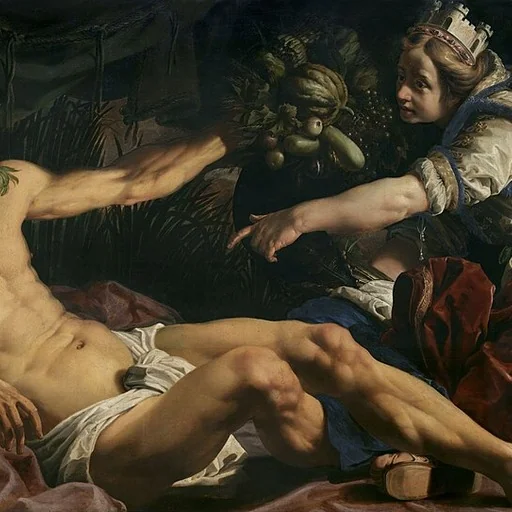
Abraham Janssens I, Abraham Janssen I or Abraham Janssens van Nuyssen (1575–1632) was a Flemish painter, who is known principally for his large religious and mythological works, which show the influence of Caravaggio.

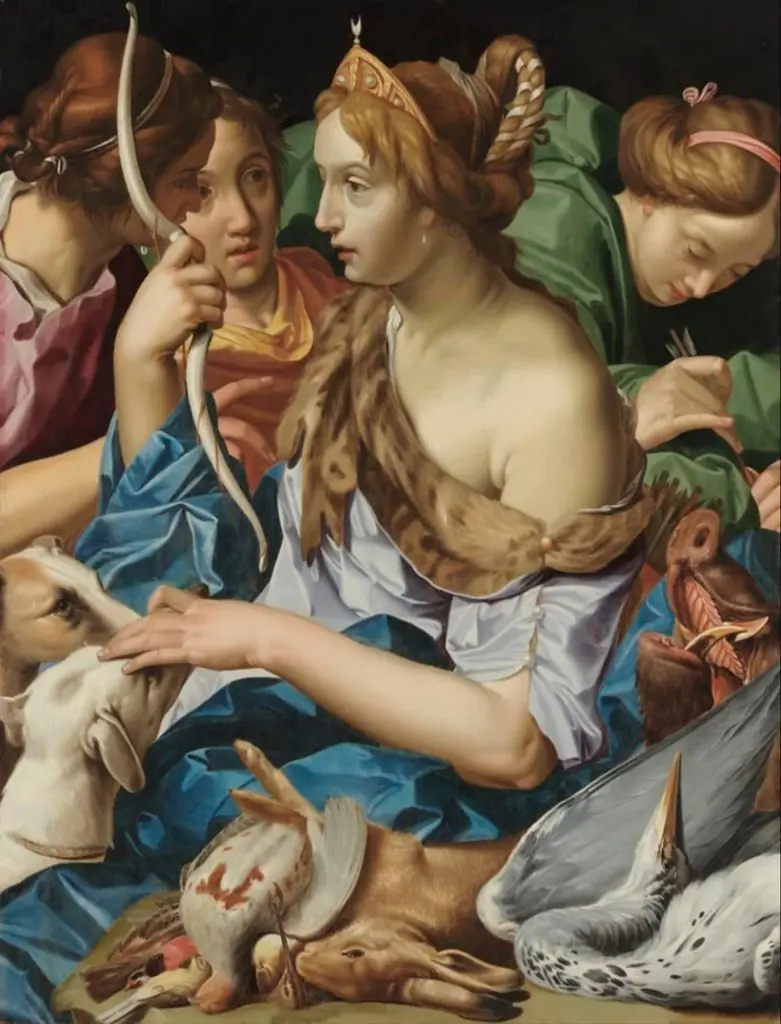
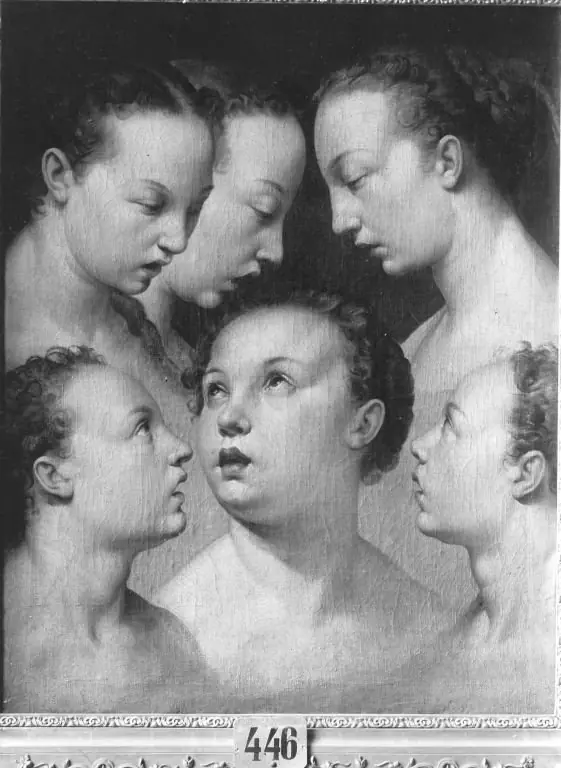
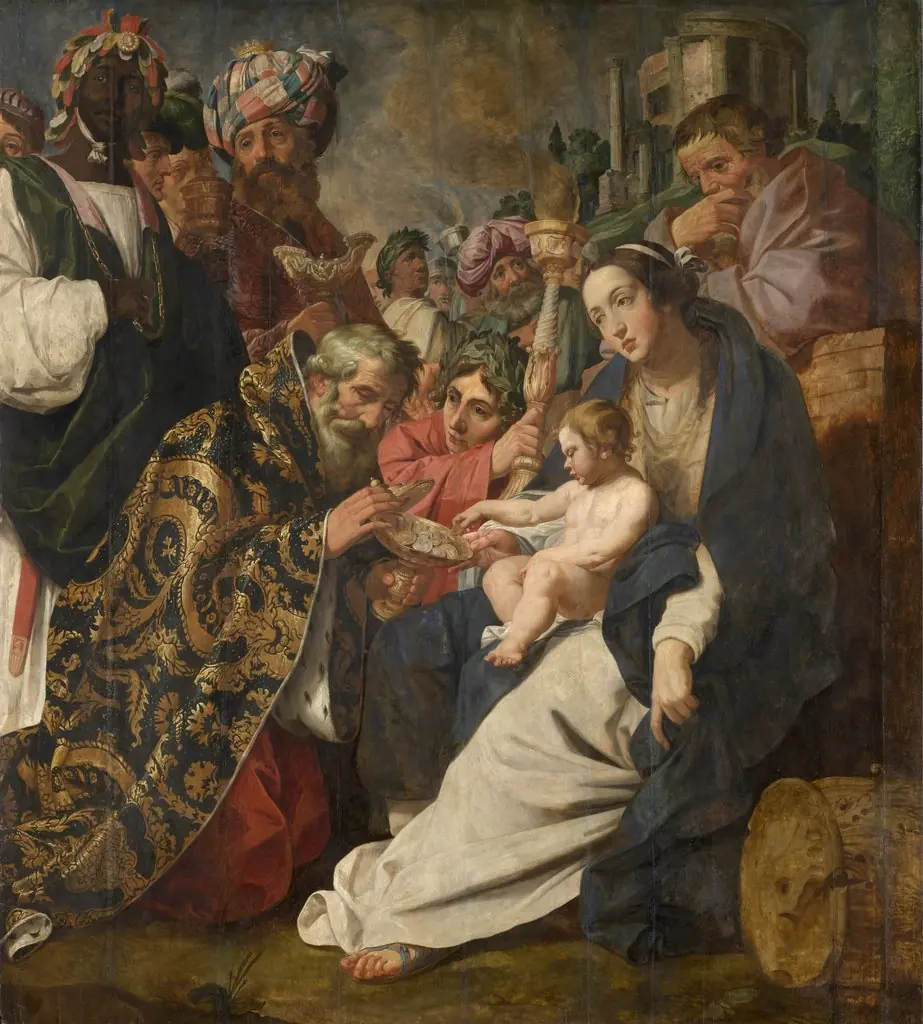
- Saint Sebastian
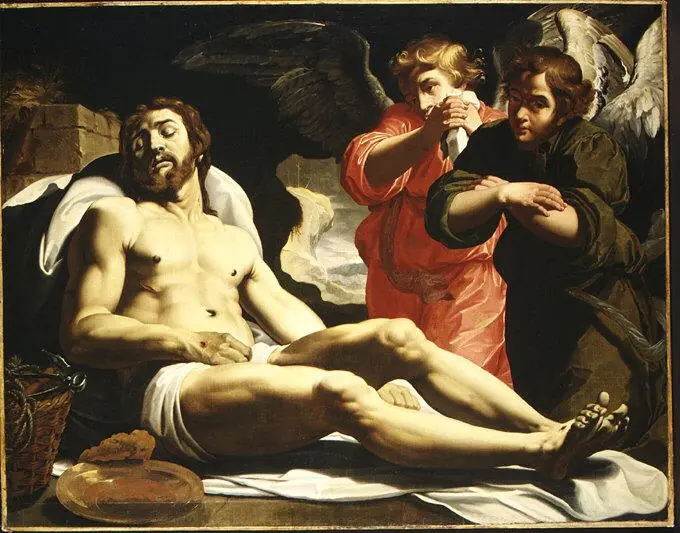
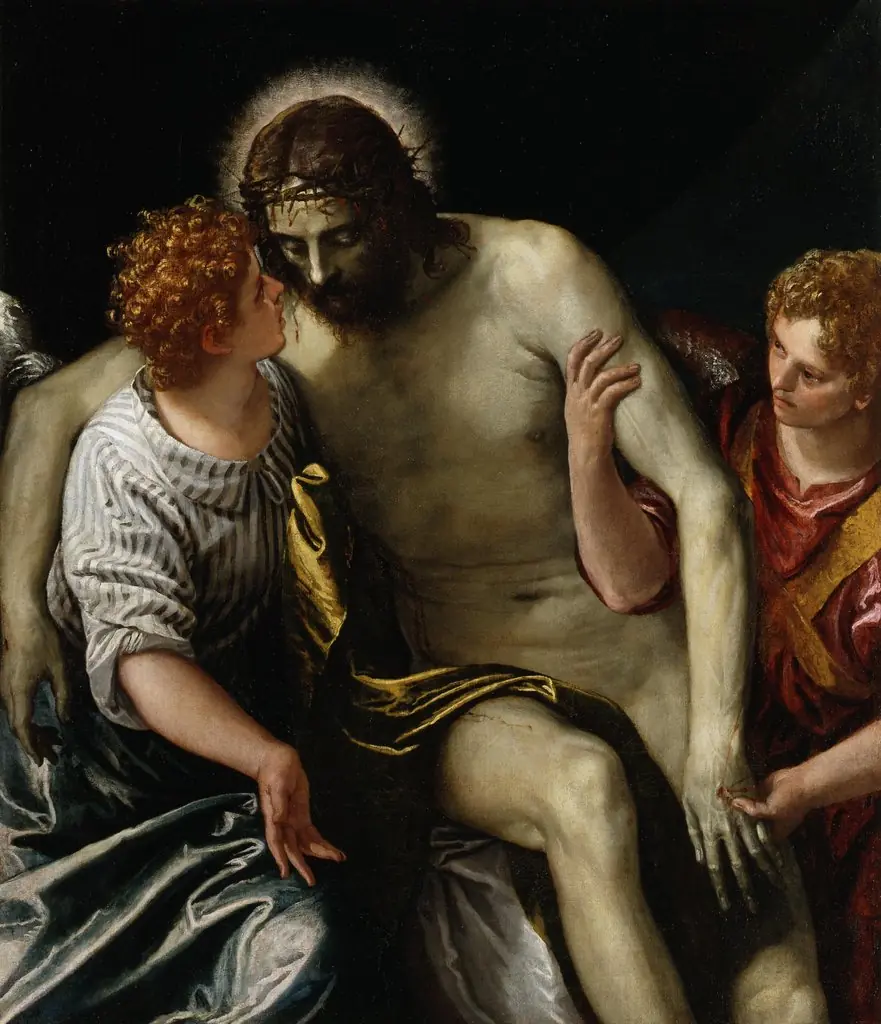 Dead Christ Supported by Two Angels
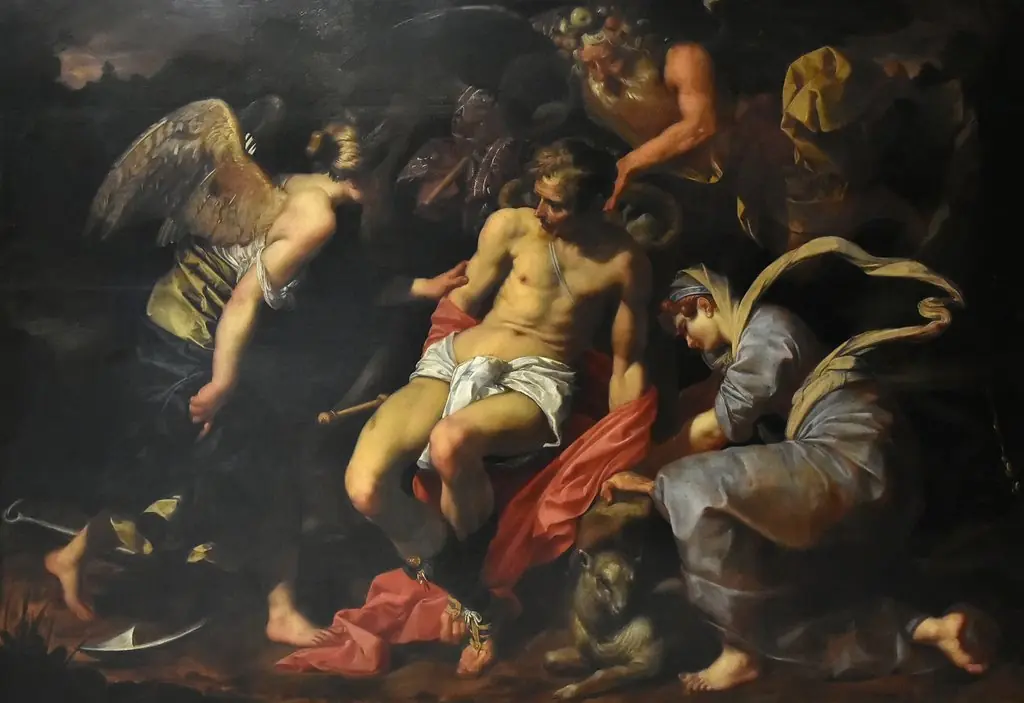 Allegory of the burdens of time
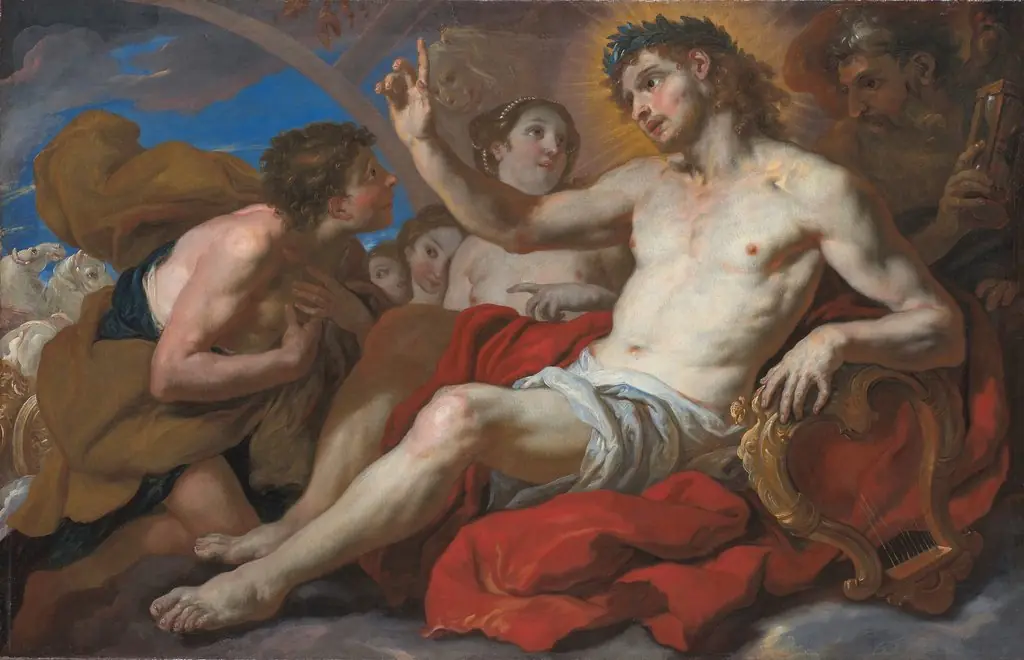 Apollo Granting Phaeton Permission to Drive the Chariot of the Sun
 Apollo Granting Phaeton Permission to Drive the Chariot of the Sun
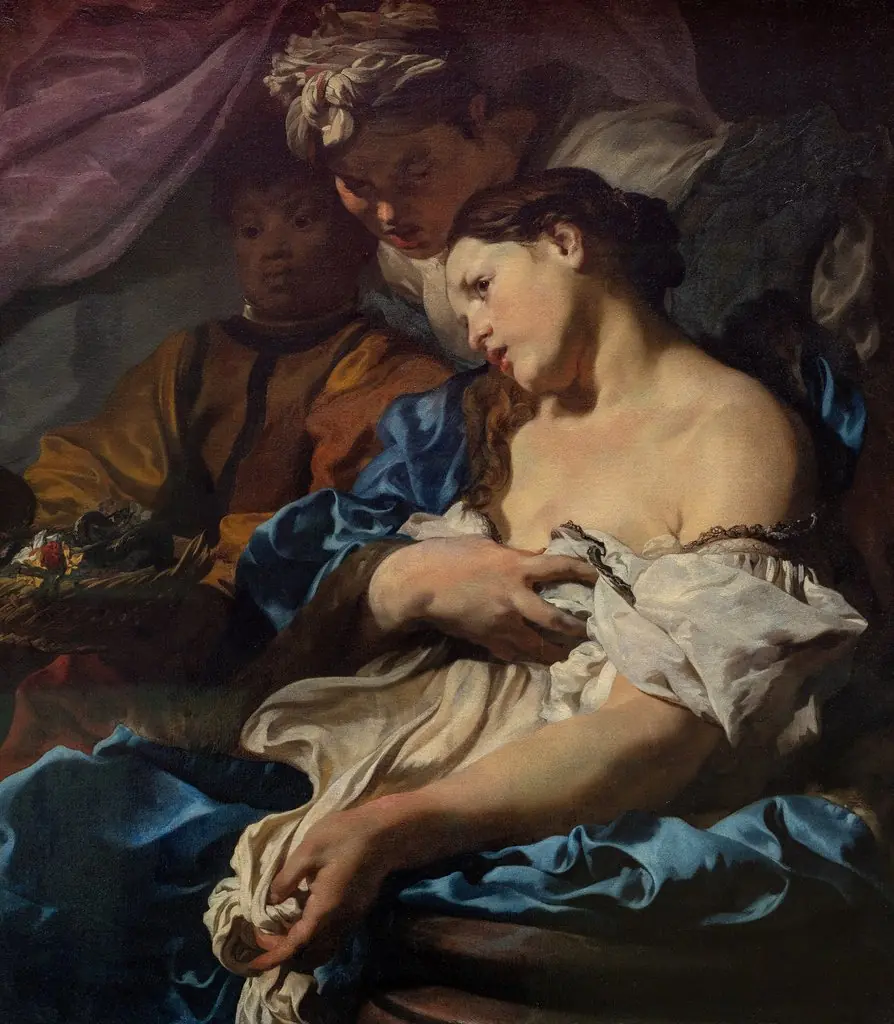 The Death of Cleopatra
 Diana and Endymion
 The Lamentation
 Diana and Endymion
 Mercury Killing Argus
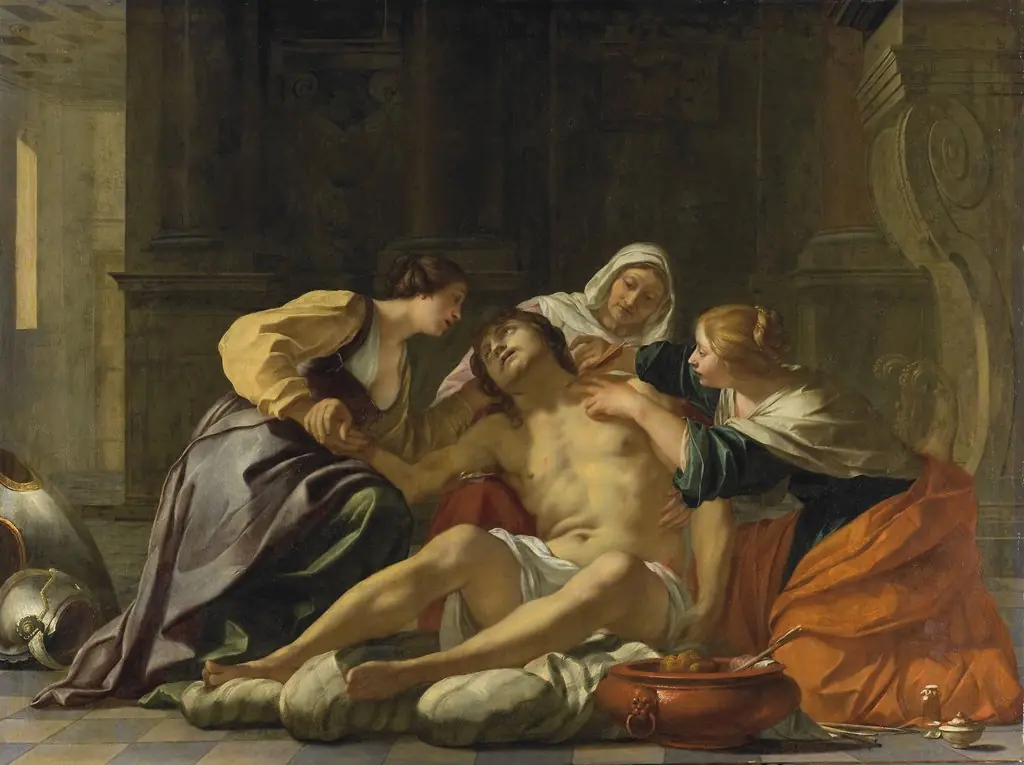 St Sebastian Nursed by Irene and her Helpers
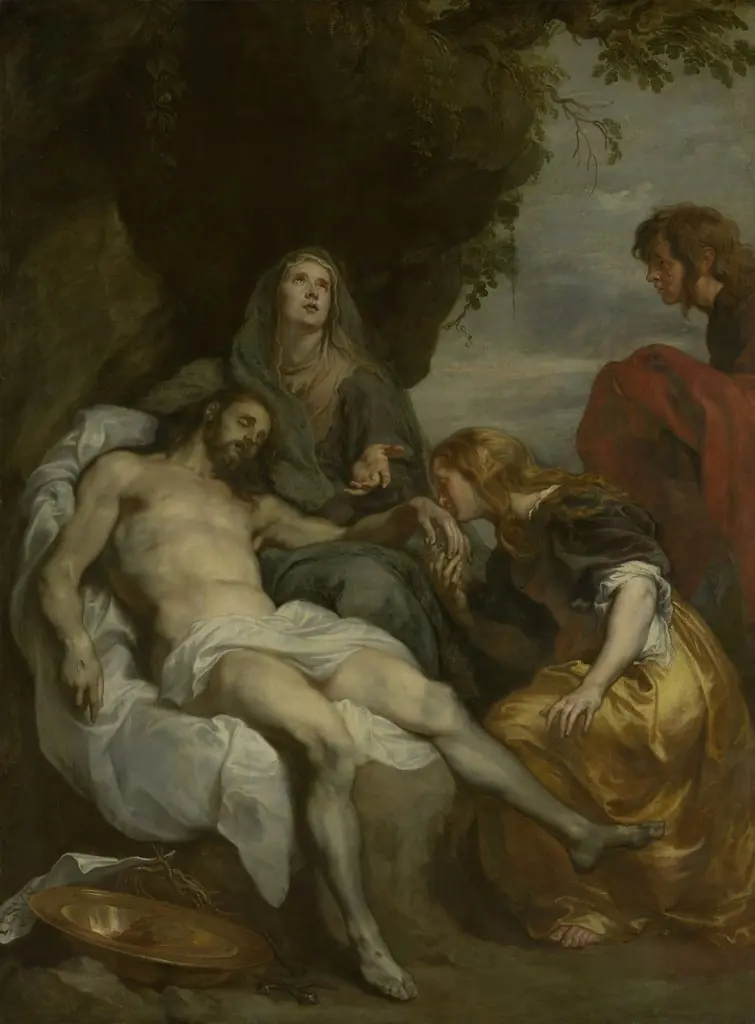 The Lamentation over the Dead Christ