Artwork
Portrait of Jacques Nayral
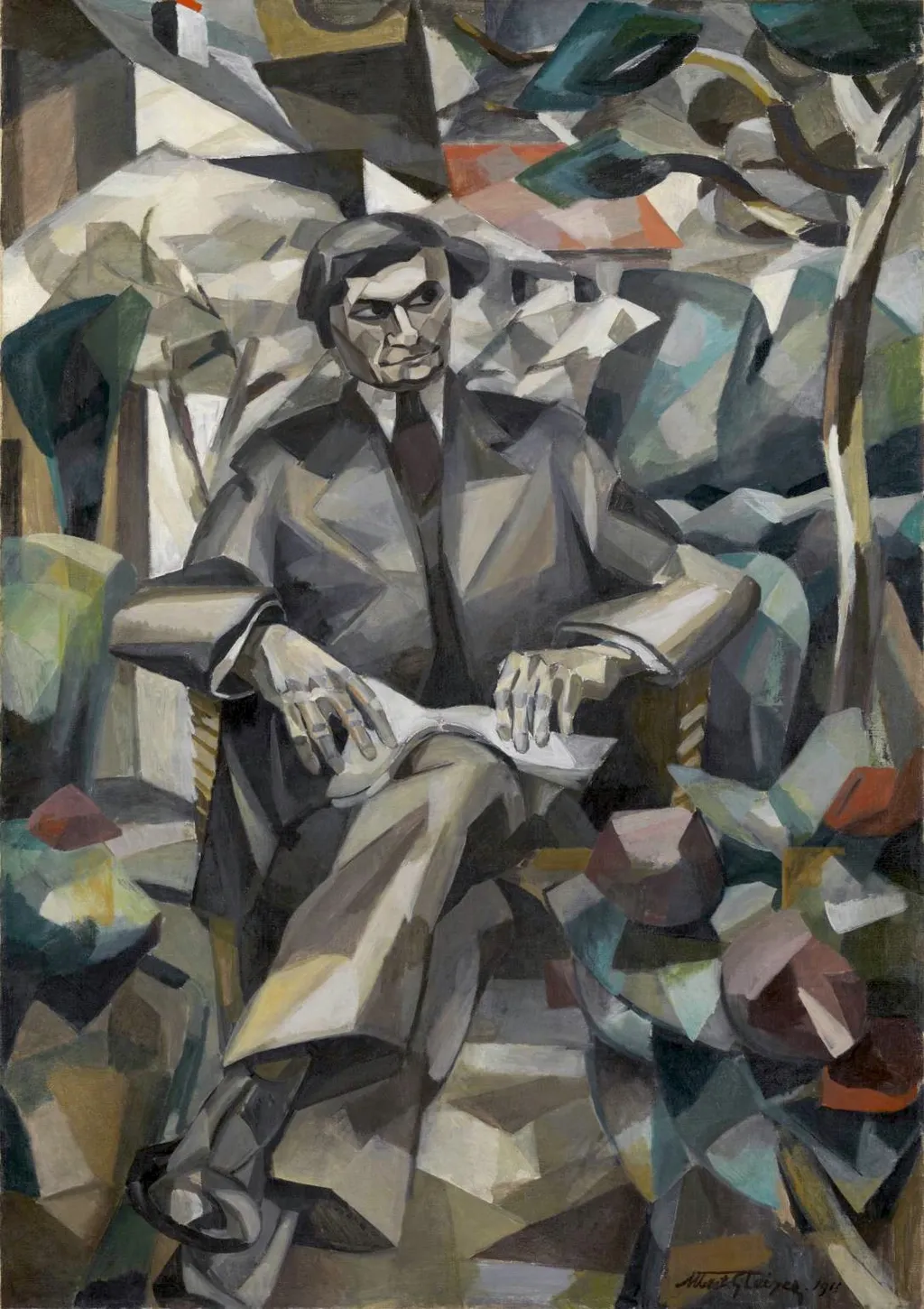
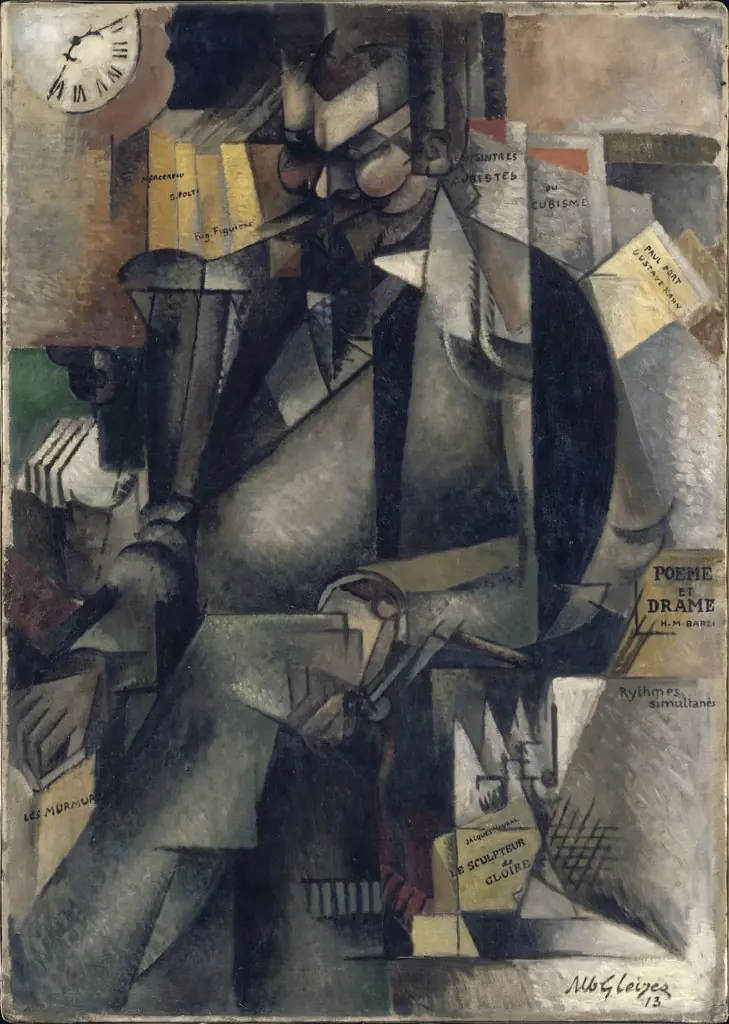
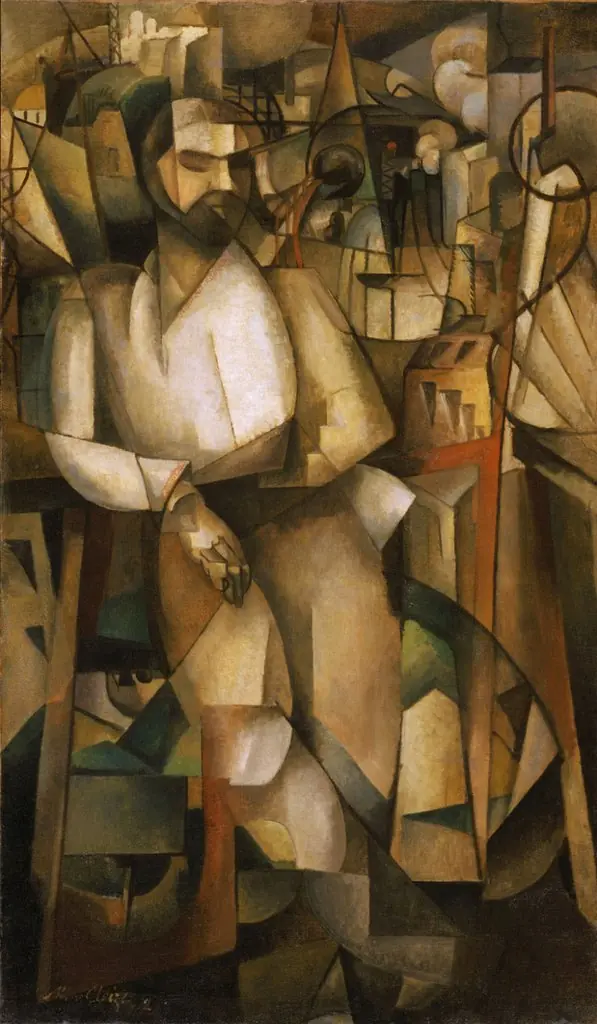
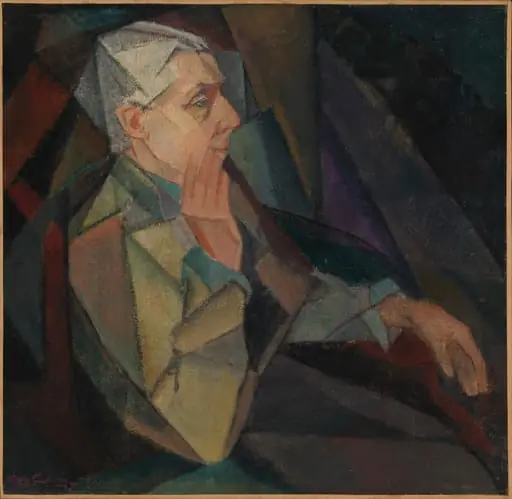
Portrait of Jacques Nayral is an oil painting by the Cubism Analytic artist Albert Gleizes. It dates from 1911 and is held in the collection of the Tate.
About this work
Overview
Executed in oil on canvas, it captures a close friend and intellectual companion in a style that breaks from traditional representation.
Painted in 1911, Albert Gleizes’s Portrait of Jacques Nayral is an early and significant example of Cubist portraiture. Executed in oil on canvas, it captures a close friend and intellectual companion in a style that breaks from traditional representation. The work was prominently displayed in key avant-garde exhibitions of the period and later reproduced in the foundational Cubist manifesto Du 'Cubisme,' signaling its importance within the movement’s theoretical development.
Subject & Meaning
The subject, Jacques Nayral, real name Joseph Houot, was a poet and publisher aligned with Gleizes in his engagement with Henri Bergson’s philosophy of time and perception. The portrait reflects their shared interest in the continuity of experience, where the figure is not isolated but woven into the surrounding space. The seated pose, book in hand, suggests introspection, while the merging of form and environment implies a unity between inner thought and external reality.
Technique & Style
Gleizes employs angular planes and overlapping facets to reconstruct the figure and interior space, avoiding linear perspective. Color is subdued, greens, browns, and muted tones, used structurally rather than descriptively. The sitter’s form is fragmented yet legible, with limbs and facial features reassembled to suggest multiple viewpoints.
This approach conveys movement and duration, aligning with Cubism’s early aim to represent experience beyond a single moment or angle.
History & Provenance
Completed in 1911 after a year of preparation, the painting was first shown at the Salon d'Automne that year and later at the 1912 Salon de la Section d'Or. Its inclusion in Du 'Cubisme', co-authored by Gleizes and Jean Metzinger, ensured its visibility among artists and critics. The work remained in Gleizes’s possession until his death, later entering a public collection, where it continues to serve as a reference for early Cubist practice.
Context
In 1911, Parisian art circles were redefining representation through abstraction and multiple perspectives. Gleizes, alongside Metzinger and others, sought to move beyond Impressionism’s fleeting impressions toward a more enduring structure of perception. Influenced by Bergson’s notion of lived time, this portrait positioned the human figure not as static object but as part of an evolving, interconnected field of experience.
Legacy
Portrait of Jacques Nayral helped establish the theoretical and visual language of early Cubism, particularly its emphasis on simultaneity and structural coherence. It influenced subsequent artists in the Section d'Or group and remains a key example of how philosophical ideas were translated into pictorial form. Its balanced tension between figuration and abstraction continues to inform discussions on modernism’s engagement with perception and identity.
Artist & collection
Artist
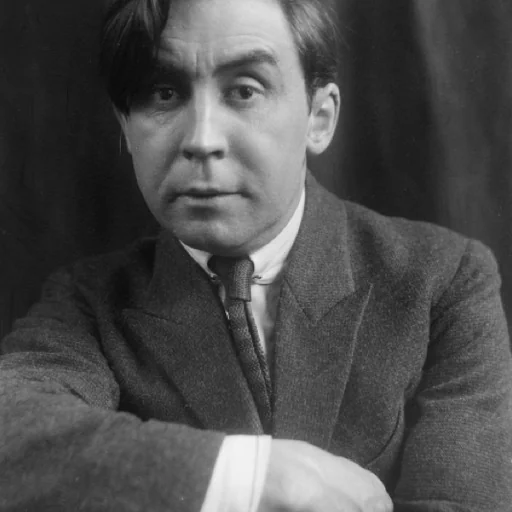
Albert Gleizes was a French artist, theoretician, philosopher, a self-proclaimed founder of Cubism and an influence on the School of Paris.