Artwork
The Fall and Redemption of Man: Christ Descending into Hell
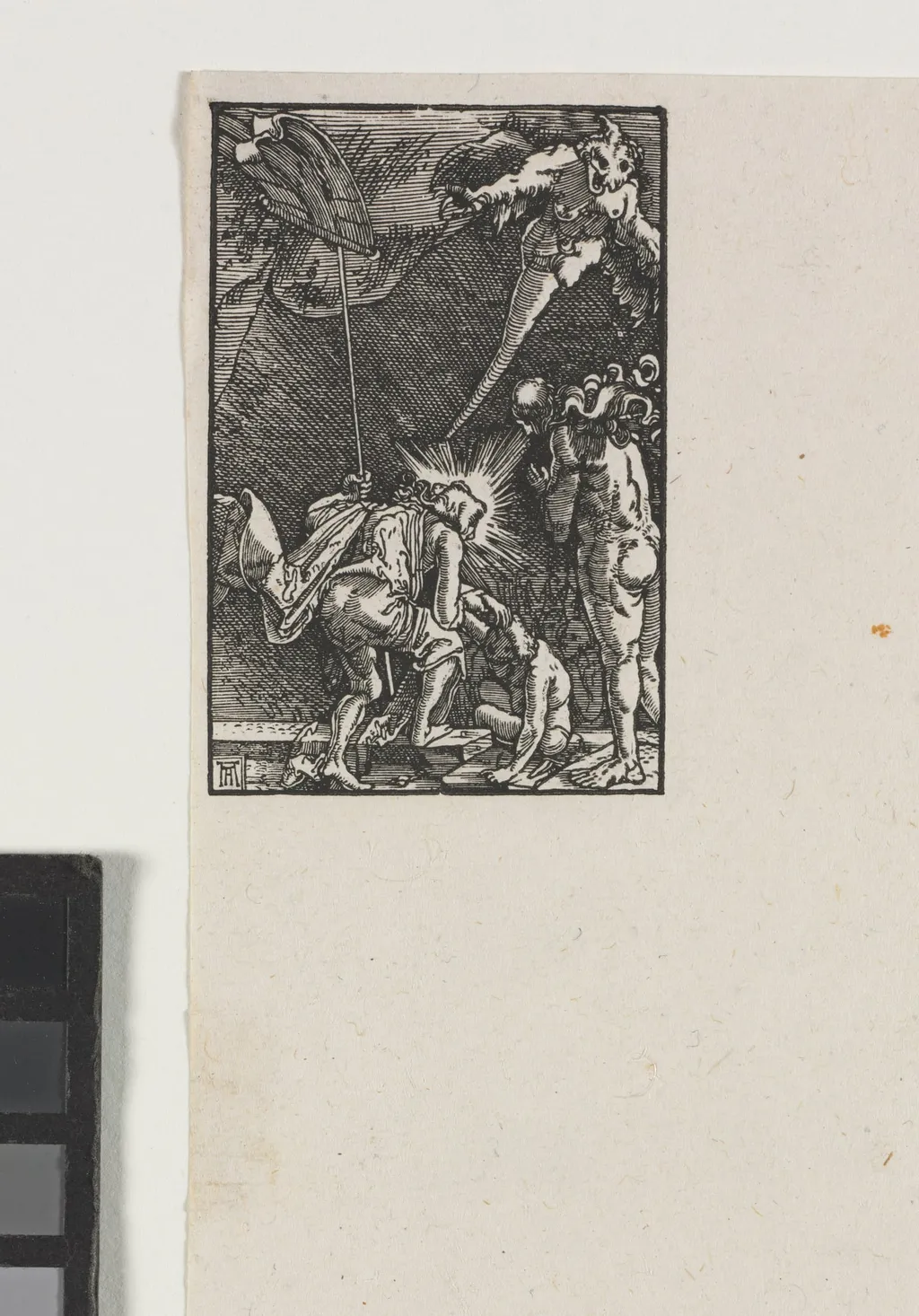
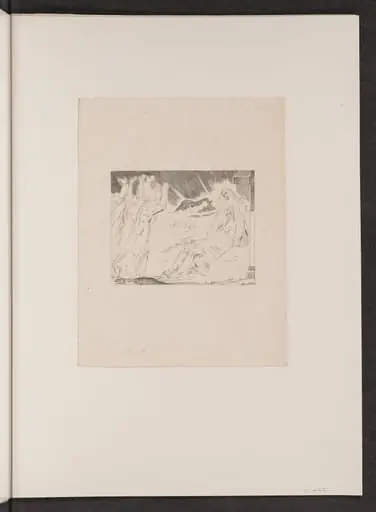
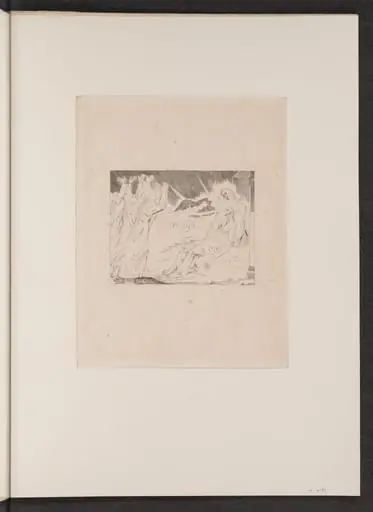
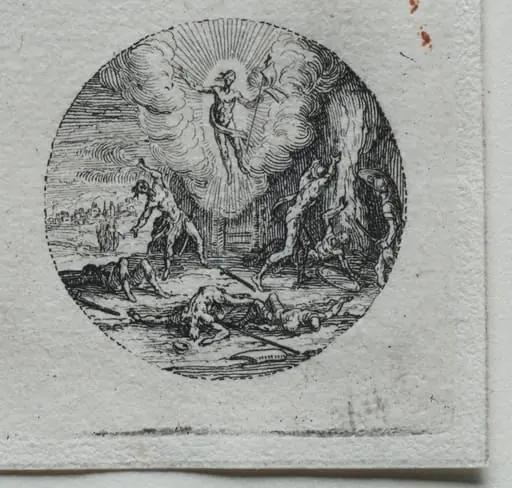
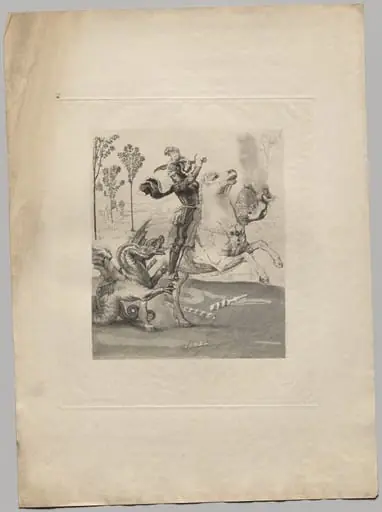
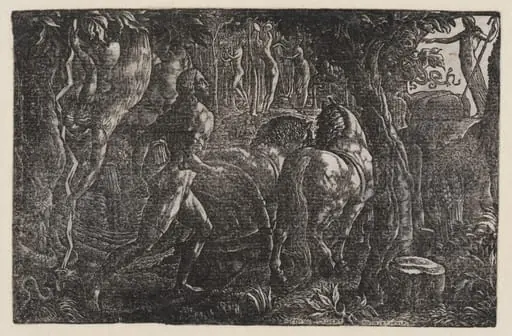
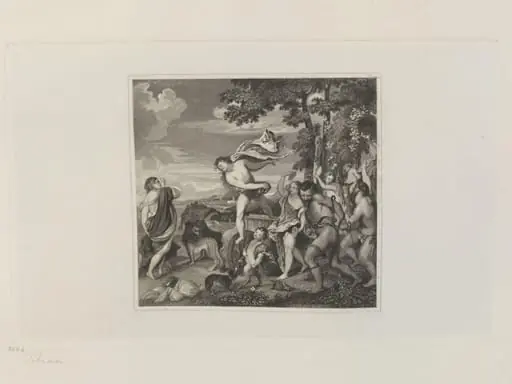
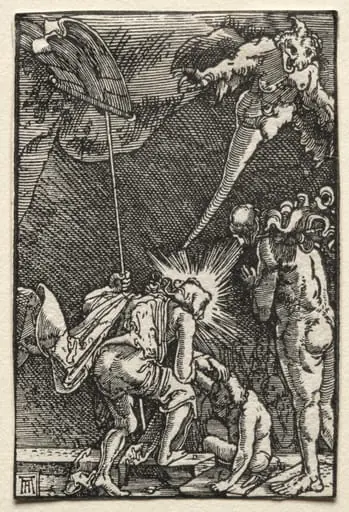
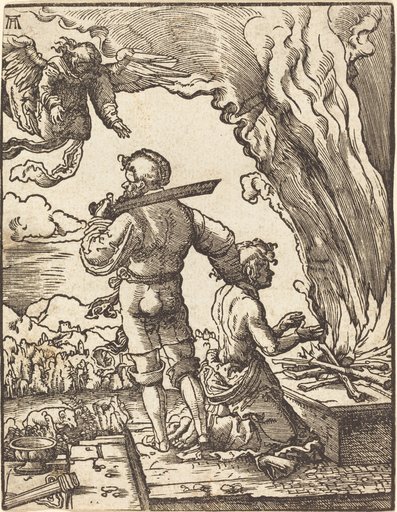
The Fall and Redemption of Man: Christ Descending into Hell is a print by the Renaissance artist Albrecht Altdorfer. It dates from 1515 and is held in the collection of the Cleveland Museum of Art.
- Accession no.
- 1952.45.a
- Credit line
- John L. Severance Fund
About this work
Overview
Executed in the Northern Renaissance tradition, the work belongs to a series exploring the Fall and Salvation of Man.
Created around 1515 by Albrecht Altdorfer, this black-and-white print illustrates the theological theme of Christ’s descent into Hell as part of humanity’s redemption. Executed in the Northern Renaissance tradition, the work belongs to a series exploring the Fall and Salvation of Man. Altdorfer, based in Regensburg, was known for integrating spiritual narratives into complex natural environments, here using graphic precision to convey theological tension through form and shadow.
Subject & Meaning
The scene depicts Christ’s harrowing of Hell, a doctrine from early Christian tradition in which Christ rescues souls from damnation. In the foreground, a kneeling figure reaches toward salvation, while another is dragged downward by a winged demon. A central figure, possibly Christ or an angel, holds a staff, symbolizing divine authority.
The composition juxtaposes spiritual rescue with earthly torment, reflecting the medieval belief in Christ’s victory over death and sin.
Technique & Style
Altdorfer employs sharp, incised lines and stark contrasts of light and dark to heighten emotional intensity. The use of chiaroscuro defines forms without color, emphasizing movement and psychological tension. Swirling, abstract shapes in the background suggest chaos and the unseen realm of the underworld.
The print’s graphic economy and dramatic shading reflect the artist’s mastery of engraving, aligning with the expressive tendencies of the Danube School.
History & Provenance
The print was produced during Altdorfer’s mature period in Regensburg, a center of artistic innovation in early 16th-century Germany. While the exact commission or patron is unknown, it likely served devotional or educational purposes, given the theological subject. As a print, it could be widely distributed, making it accessible beyond elite circles. Its survival in black-and-white suggests it was intended for reproduction, not as a unique painting.
Context
In the early 1500s, religious imagery in Northern Europe was shifting from purely symbolic representations toward emotionally charged, naturalistic scenes. Altdorfer’s integration of turbulent landscapes into sacred narratives reflected broader cultural interests in nature’s power and mystery. This print aligns with contemporaneous reformist debates, using visual drama to reinforce doctrinal truths amid growing religious upheaval.
Legacy
Altdorfer’s treatment of landscape as an active, emotive force influenced later Northern printmakers and painters. His ability to merge spiritual narrative with atmospheric environment set a precedent for how inner theological states could be rendered externally. Though less celebrated than his paintings, this print exemplifies his role in expanding the expressive potential of graphic art during the Renaissance.
Own this work as a print
Artist & collection
Artist
Albrecht Altdorfer (c. 1480 – 12 February 1538) was a German painter, engraver and architect of the Renaissance working in Regensburg. Along with Lucas Cranach the Elder and Wolf Huber he is regarded to be the main…