Artwork
portrait of Johann Kleeberger
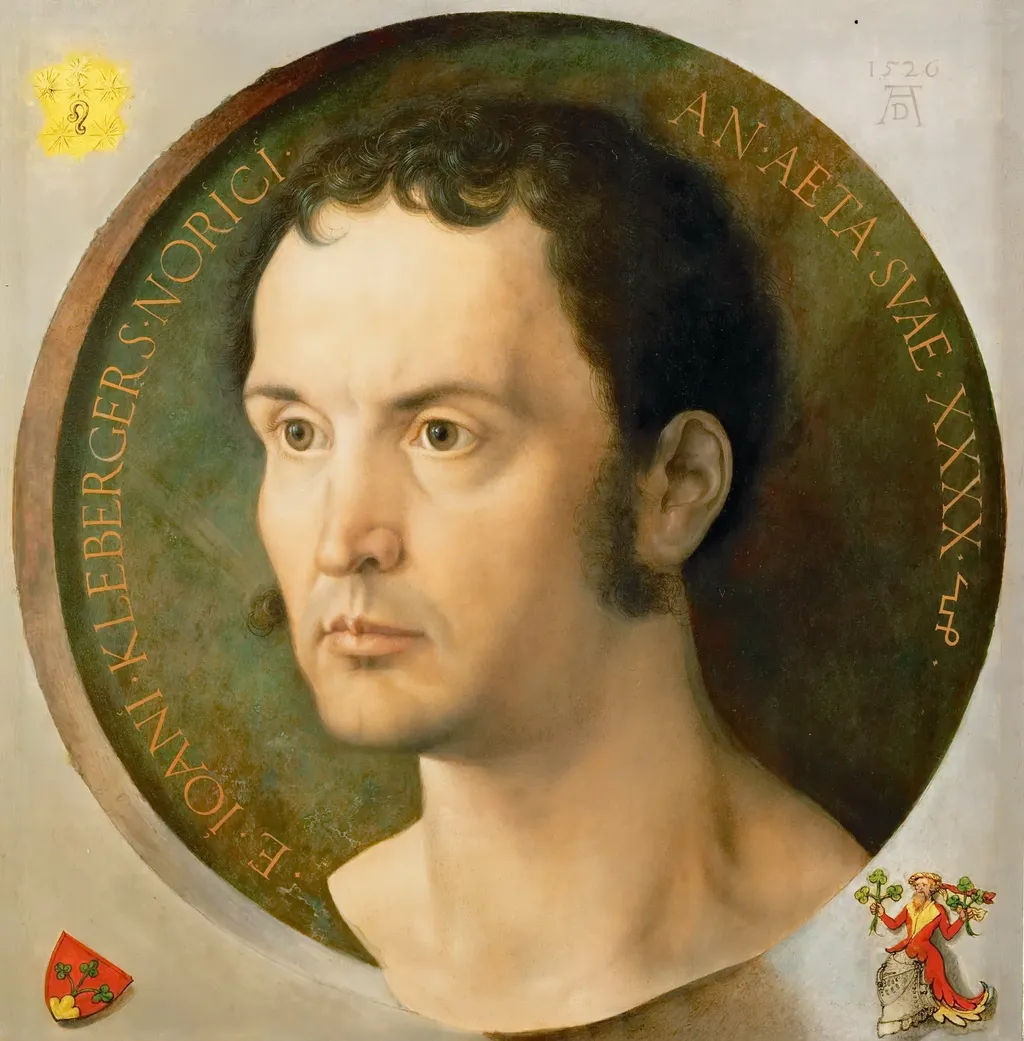
portrait of Johann Kleeberger is an oil painting by the Northern Renaissance artist Albrecht Dürer. It dates from 1526 and is held in the collection of the Kunsthistorisches Museum.
About this work
Portrait of Johann Kleeberger is a 1526 oil painting by Albrecht Dürer. Dürer signed and dated the work, showing his meticulous approach to portraiture. The piece is painted on a lime‑wood panel and now belongs to the collection of the Kunsthistorisches Museum in Vienna. If you’re curious about more of Dürer’s work, check out the artist: Albrecht Dürer (German, 1471–1528).
Subject & Meaning
The painting depicts the wealthy merchant and financier Johann Kleeberger at the age of forty.
The painting depicts the wealthy merchant and financier Johann Kleeberger at the age of forty. Designed in the format of a classical medal, likely inspired by Hans Burgkmair's engravings of Roman medals, the artwork presents Kleeberger as a sculpture-like bust within a circular medallion set into a trompe-l'œil wall. This antique style, emphasizing his nudity, clear gaze, and curly forehead locks, elevates him visually, making the ordinary citizen appear akin to an ancient Caesar and lifting him above the bourgeois world.
An inscription encircling the medallion reads “E. IOANI KLEBERGERS NORICI AN(NO) AETA(TIS) SVAE XXXX,” identifying the subject and his age. Heraldic motifs occupy three corners of the composition: the zodiac sign of Leo surrounded by six stars, Kleeberger's coat of arms featuring three green clover leaves over a yellow three-peaked hill on a red background, and a crest with a man and two clover plants. The fourth corner displays the date 1526 and Albrecht Dürer's monogram.
Technique & Style
The portrait of Johann Kleeberger is an oil painting executed on a limewood panel measuring 365 cm by 365 cm, created by Albrecht Dürer in 1526. Dürer rendered the sitter in a medallion format reminiscent of classical medals, possibly inspired by Hans Burgkmair’s engravings of Roman medals, giving the work a sculptural, almost bust-like presence. The composition features a circular indentation that cuts off the subject’s neck and shoulders, emphasizing a plastically modeled head that resembles an ancient Roman portrait bust.
Dürer’s handling of light and shadow, the crisp cool gaze, and the pronounced forehead contribute to a sense of timeless authority, while the inscription around the edge records the sitter’s name, age, and a heraldic emblem. The work was signed and dated by the artist and has remained in the Kunsthistorisches Museum in Vienna since its acquisition by Emperor Rudolf II in 1588.
History & Provenance
Albrecht Dürer painted the portrait of Johann Kleeberger in Nuremberg in 1526, the same year he produced his portraits of Hieronymus Holzschuher and Jakob Muffel. Kleeberger, a wealthy merchant and financier, had returned to Nuremberg that year and commissioned the work from Dürer, possibly after initially requesting a bas-relief in the French Renaissance manner. The artist signed and dated the panel in 1526, inscribing it with the sitter's age of forty.
After Kleeberger's death in 1546, the painting passed to his stepson Willibald Imhof. In 1564, Imhof acquired it in Lyon from David Kleberger, the sitter's son; an Imhoff inventory of 1573/74 valued it at 50 florins because of Dürer's authorship. Emperor Rudolf II purchased the work from the Imhoff heirs in 1588 and had it transferred to Prague.
It survived the 1648 plundering of Prague, was moved to the Vienna Schatzkammer in 1748, and subsequently entered the collection of the Kunsthistorisches Museum.
The Portrait of Johann Kleeberger is held in the Kunsthistorisches Museum in Vienna, Austria. It was acquired by the museum's collection after passing through the Imperial treasury (Schatzkammer) in 1748, having previously been part of the Prague collection of Emperor Rudolf II. The work's provenance traces back to the subject's stepson, Willibald Imhof, who purchased it in Lyon in 1564 before selling it to the Emperor in 1588.
While the painting is a permanent fixture of the museum's holdings, sources indicate it became publicly accessible within the Vienna treasury starting in 1748. No specific inventory or accession number is provided in the available documentation.
Legacy
Art historians regard the portrait as one of Dürer's most original and innovative works, noting its avant-garde qualities that anticipate later artistic movements. The treatment of the bust, rendered with such extreme realism that it resembles a wax sculpture casting a shadow, has been identified as a precursor to Surrealism. Additionally, the subject's distinctive sideburns and classical presentation evoke a neoclassical aesthetic more typical of the nineteenth century than the Renaissance.
The painting's legacy is also defined by its distinguished provenance. Following Kleberger's death, the work passed to his stepson Willibald Imhof before being acquired by Emperor Rudolf II in 1588. After surviving the looting of Prague in 1648, it entered the imperial collections in Vienna, where it has been publicly exhibited since 1748.
Overview
Albrecht Dürer’s portrait of Johann Kleberger, executed in oil on a lime‑wood panel in 1526, is held by the Kunsthistorisches Museum in Vienna. The work bears Dürer’s signature and date, confirming its authorship and placing it among his late Nuremberg productions.
Context
The portrait was created in the same year Dürer painted the likenesses of Hieronymus Holzschuher and Jakob Muffel, reflecting a period in which he produced a series of individualized, medal‑style portraits for prominent Nuremberg citizens.
Own this work as a print
Artist & collection
Artist
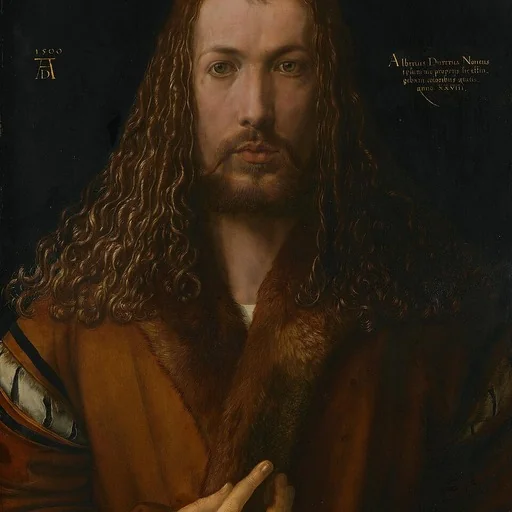
Albrecht Dürer spent his life in Nuremberg, a busy German city where artists traded prints like currency.

![Madonna and Child [obverse], by Albrecht Dürer](https://artifactworldgallery.com/img/albrecht-durer--madonna-and-child-obverse--d7b8ebf05d22ebe5-w320.webp)
![Lot and His Daughters [reverse], by Albrecht Dürer](https://artifactworldgallery.com/img/albrecht-durer--lot-and-his-daughters-reverse--b4ebf9b282faa17a-w320.webp)
- Portrait of an unknown man with a letter
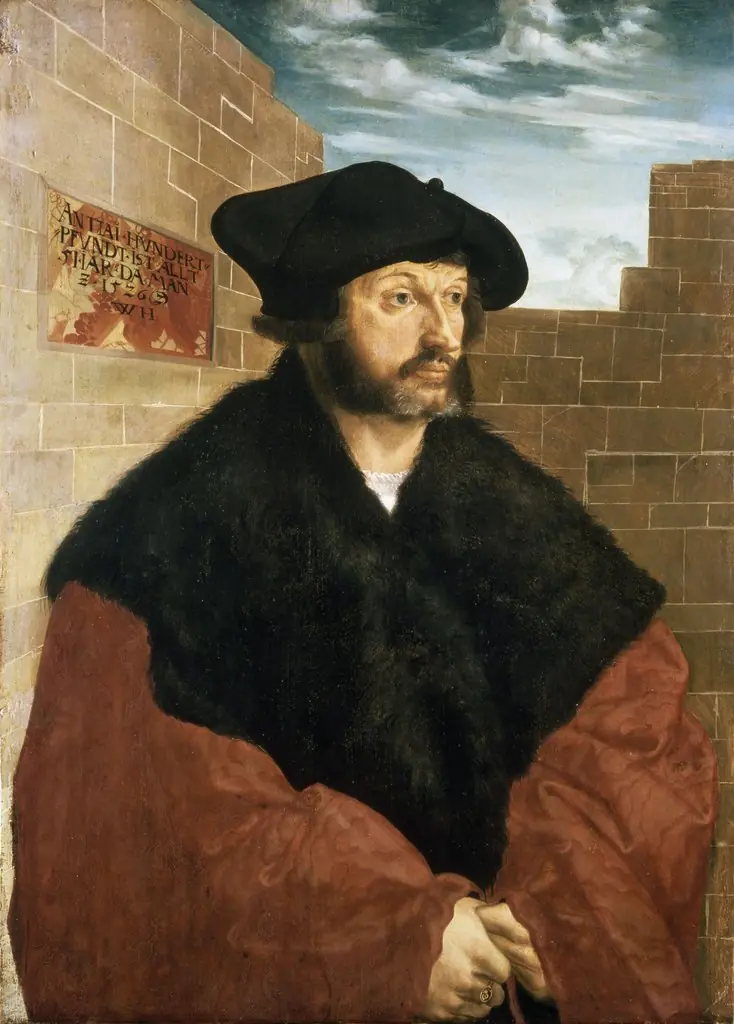 Portrait of Anton Hundertpfundt
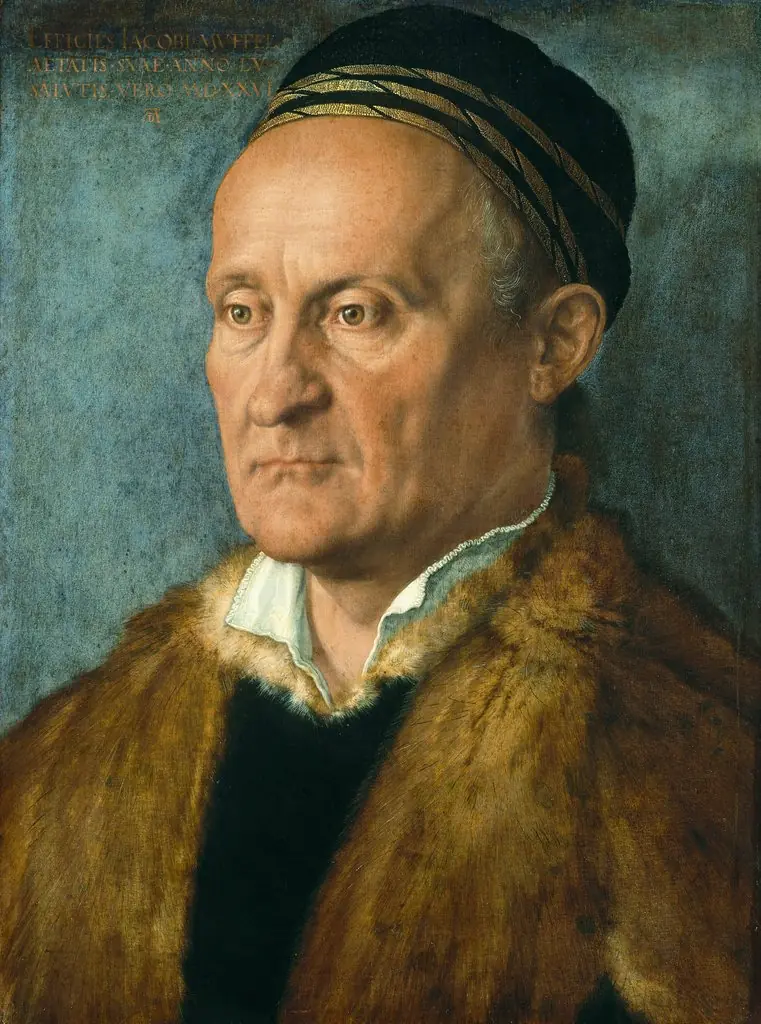 Portrait of Jakob Muffel
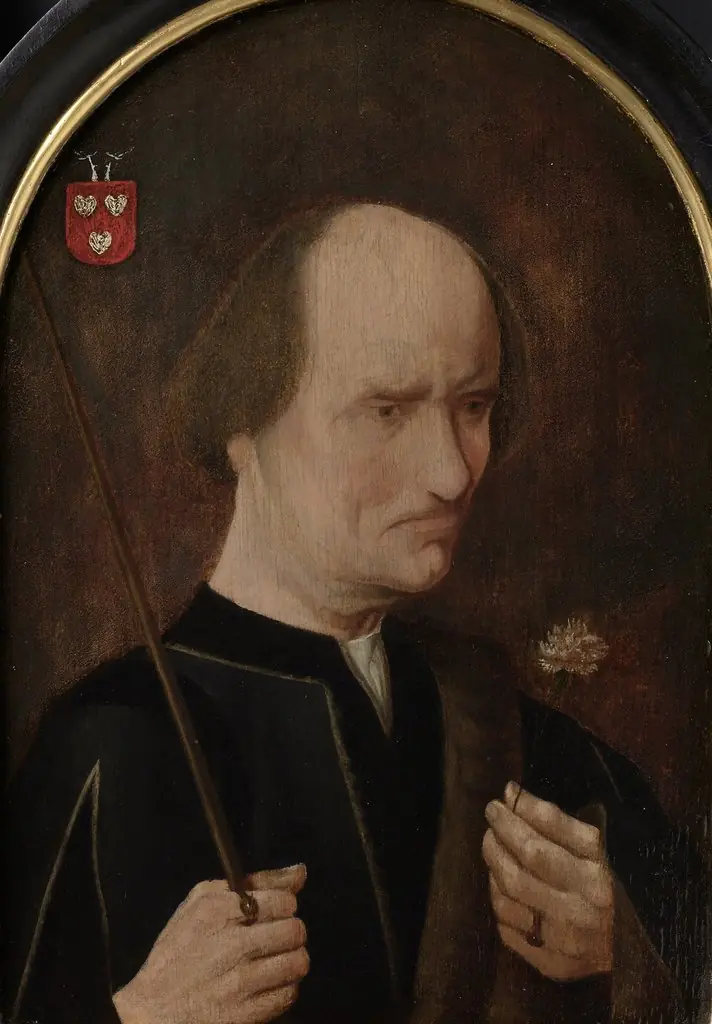 Portrait of Arent Franckensz van der Meer (?-1503), Lord of Papendrecht, nicknamed ‘malicious Aertje’
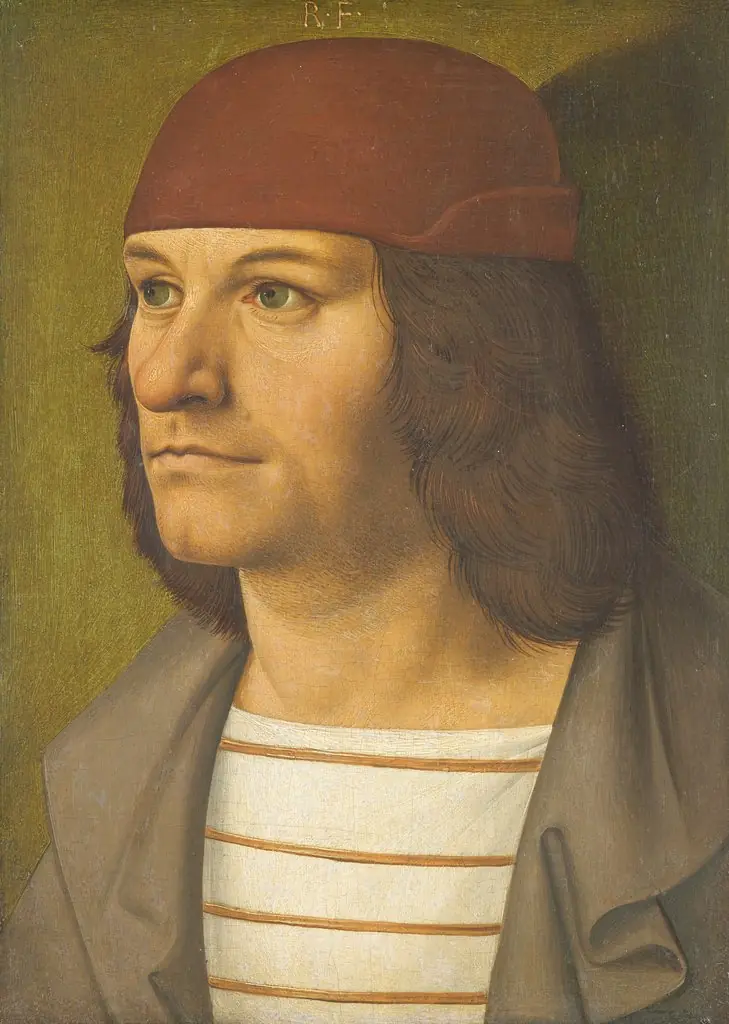 Bildnis des Malers Jobst Seyfrid
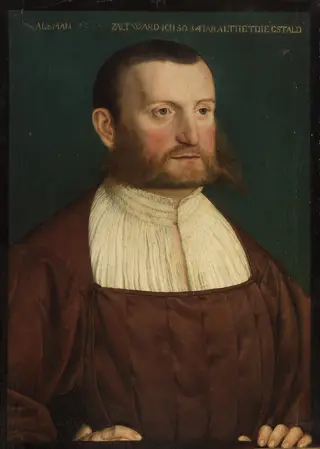 Bildnis eines bärtigen Mannes
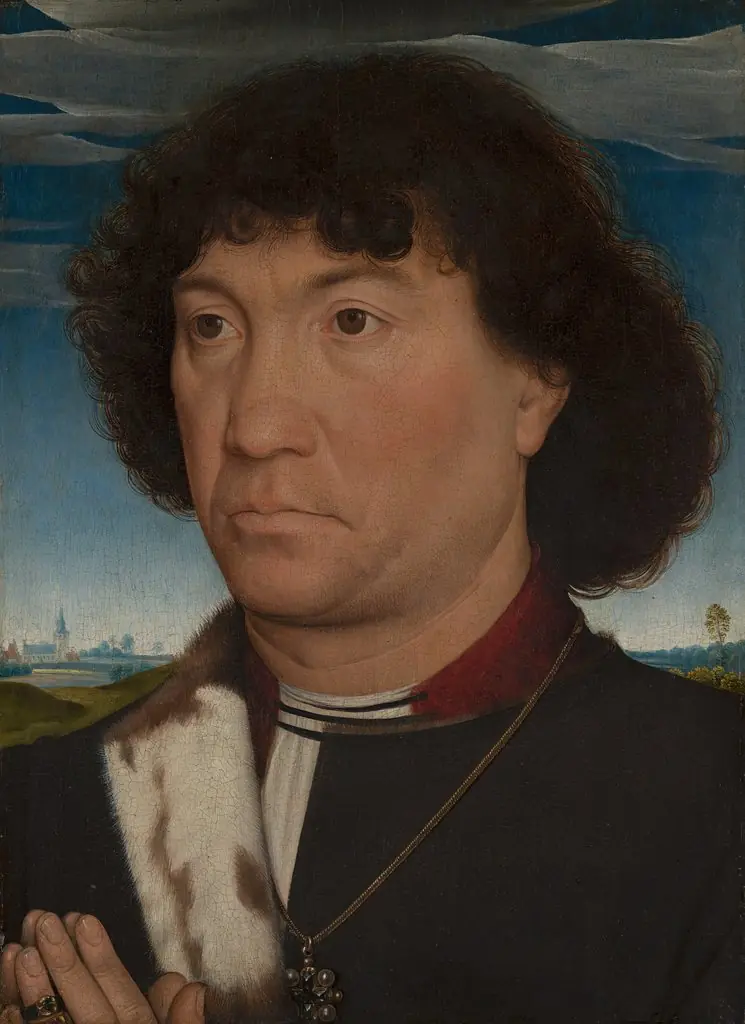 Portrait of a man of the family Lespinette
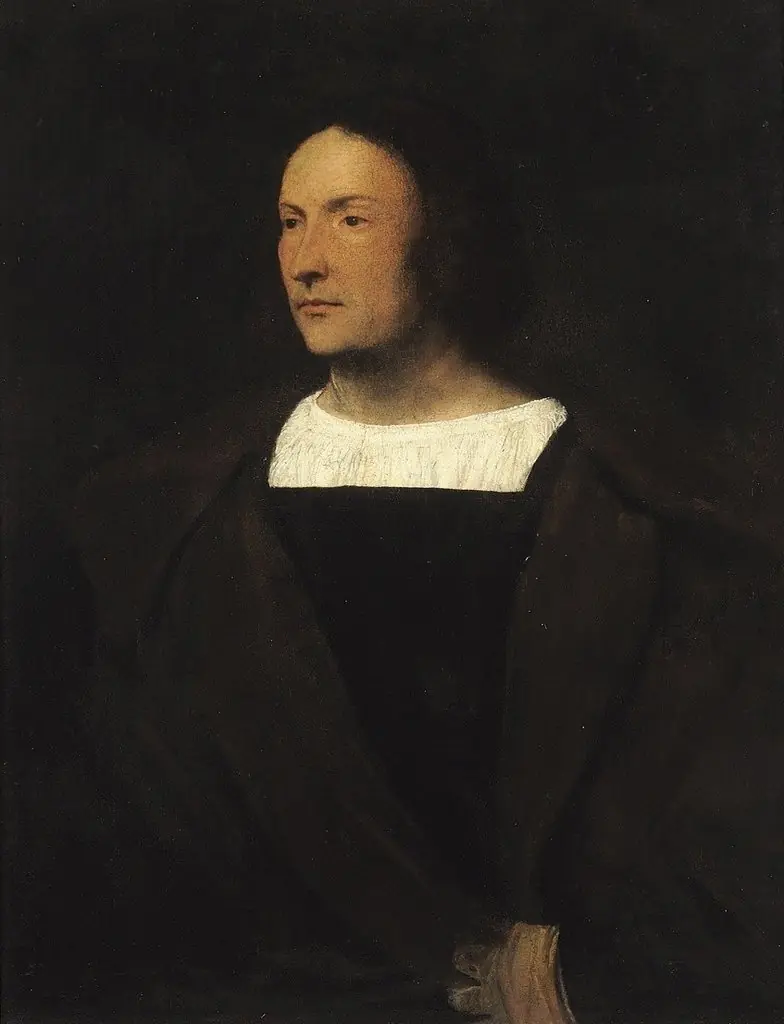 Portrait of a Man
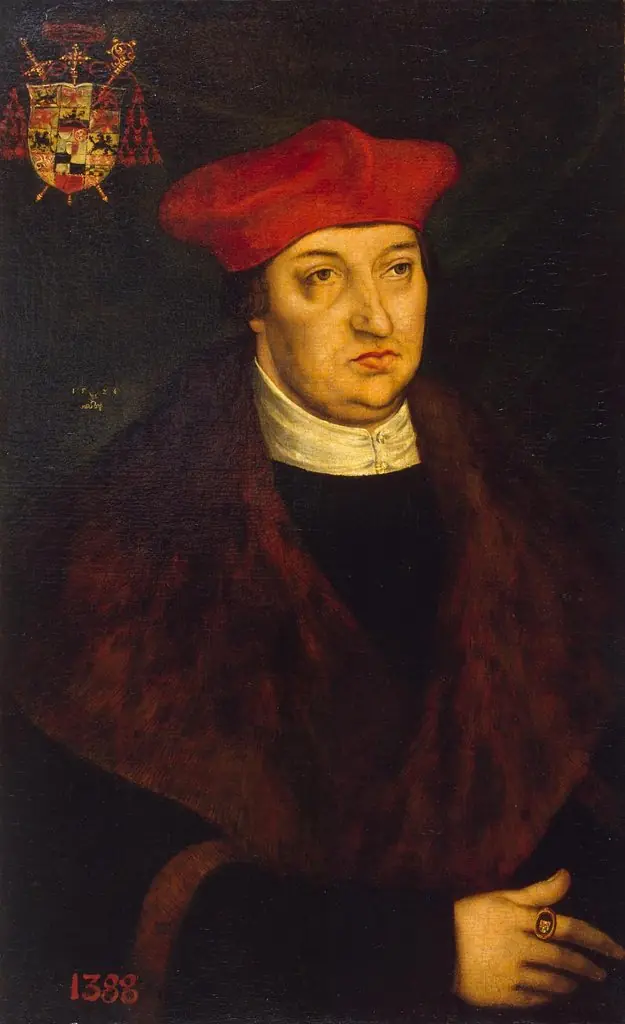 Portrait of Cardinal Albert of Brandenburg
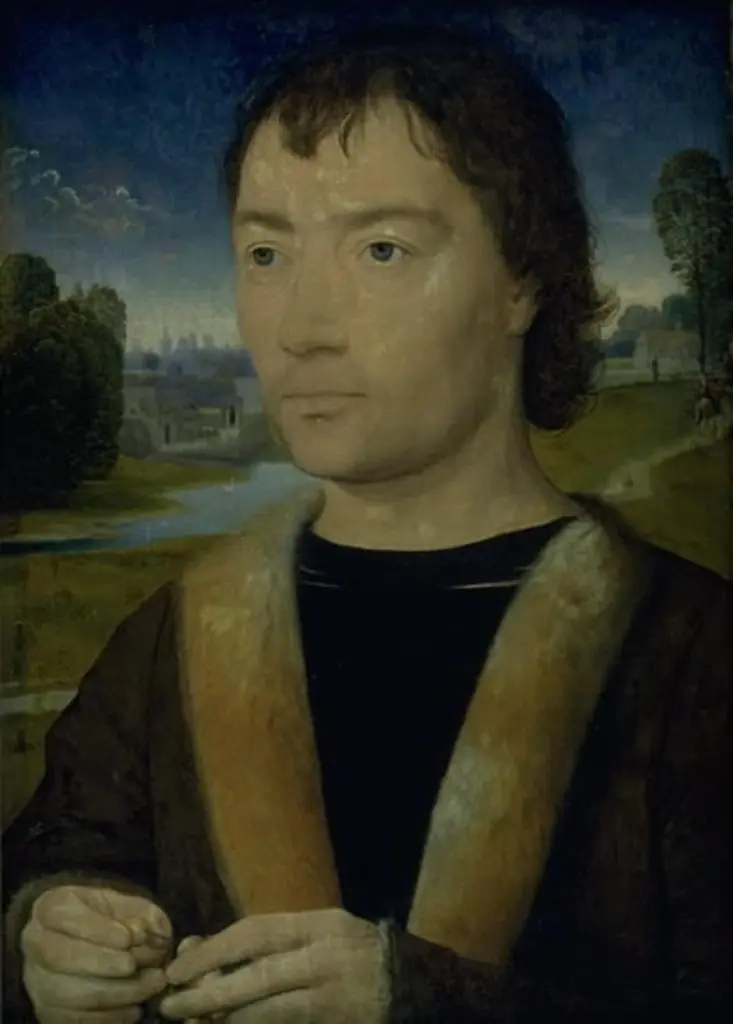 Portrait of a Young Man with a Rosary
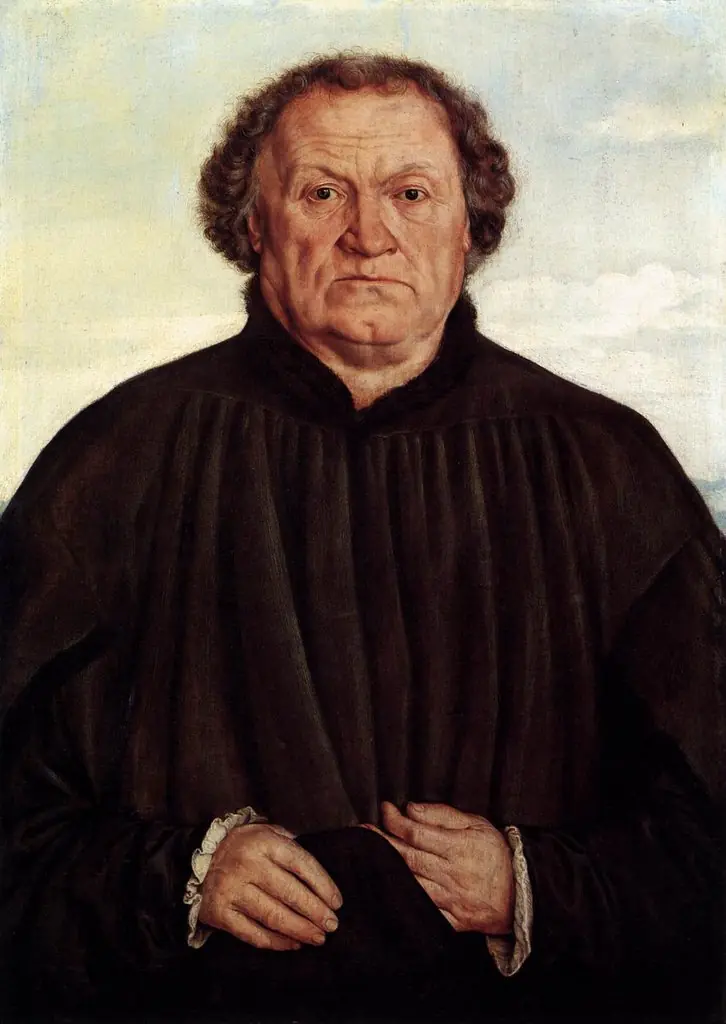 Portrait of a Man
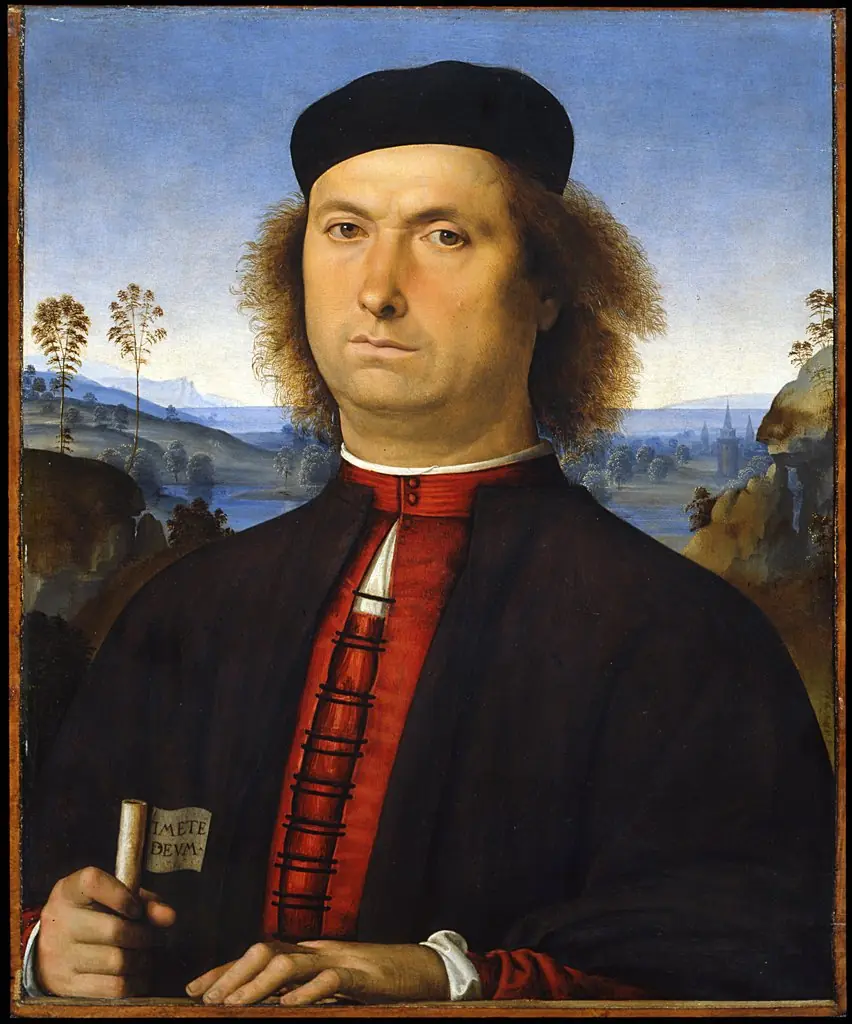 Portrait of Francesco delle Opere