Artwork
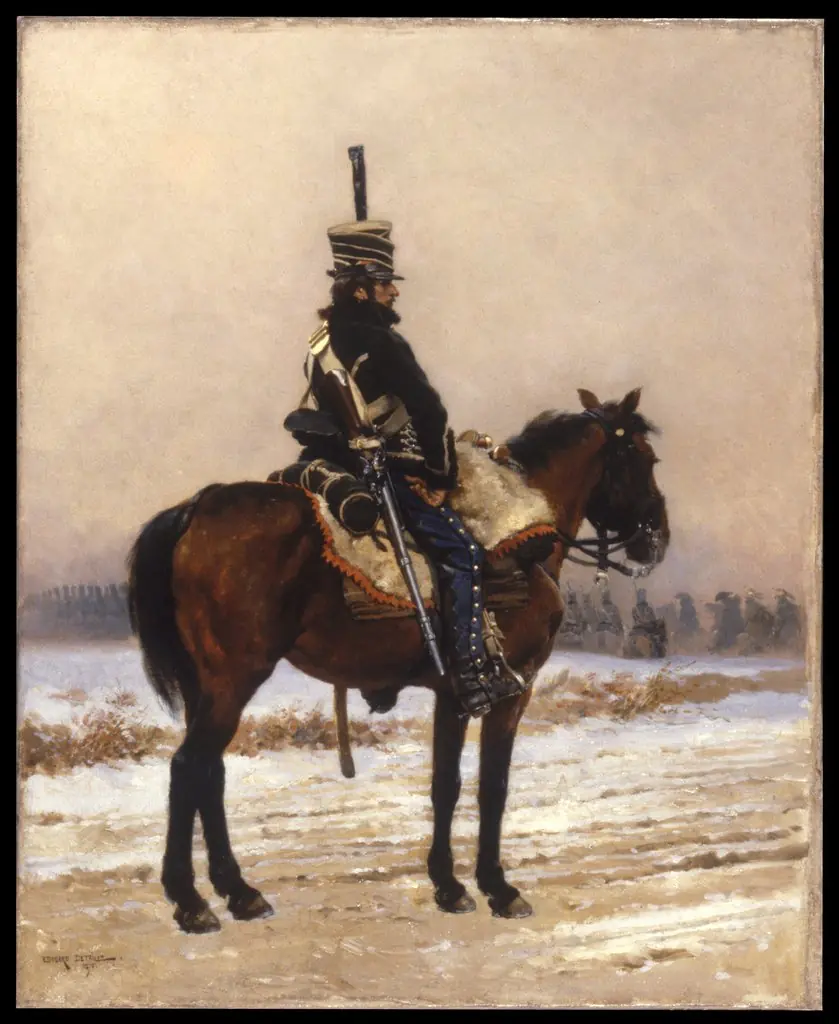
A Cavalryman
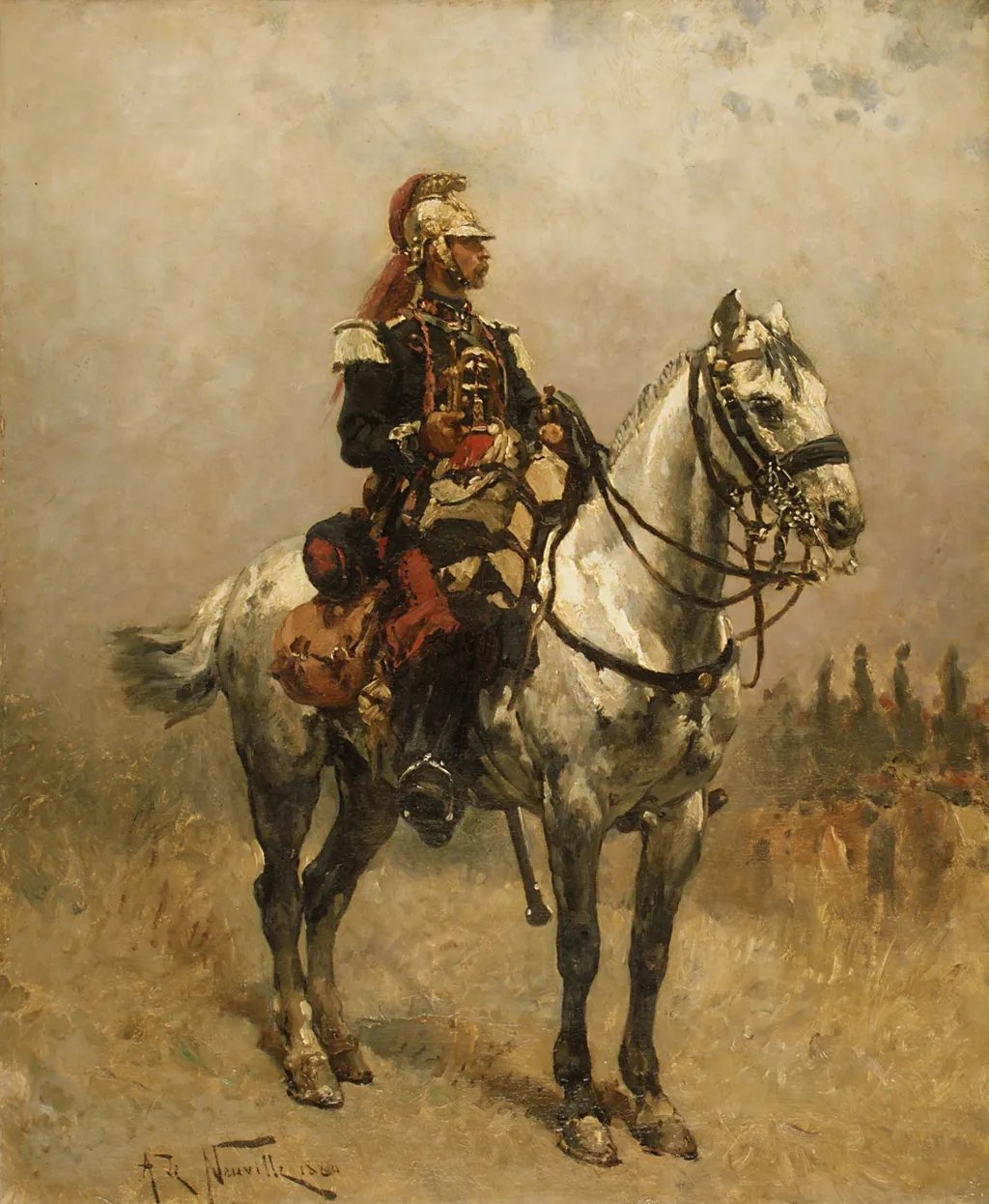
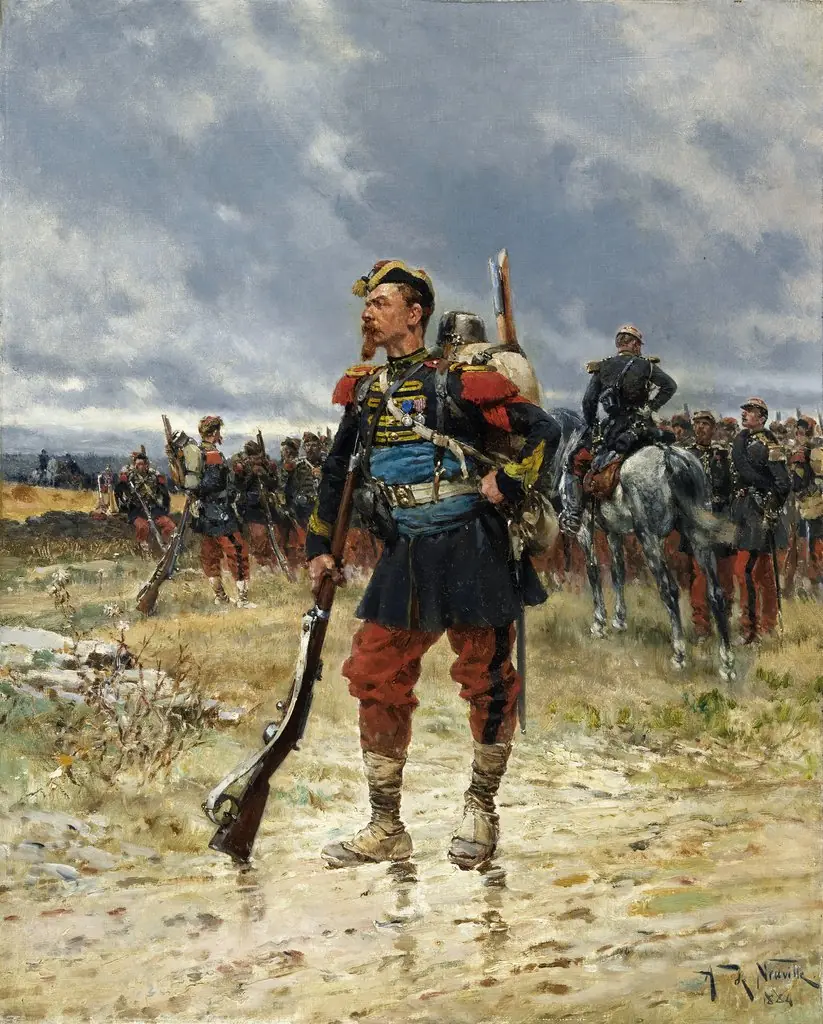
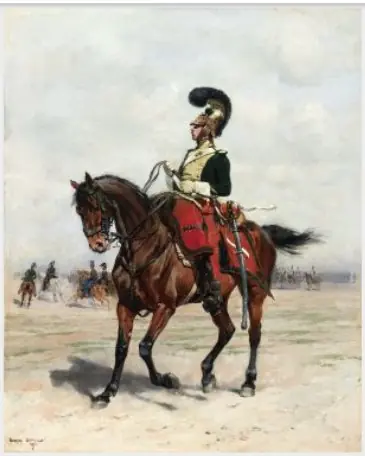
A Cavalryman is an oil painting by the Impressionist artist Alphonse de Neuville. It is held in the collection of the Metropolitan Museum of Art.
About this work
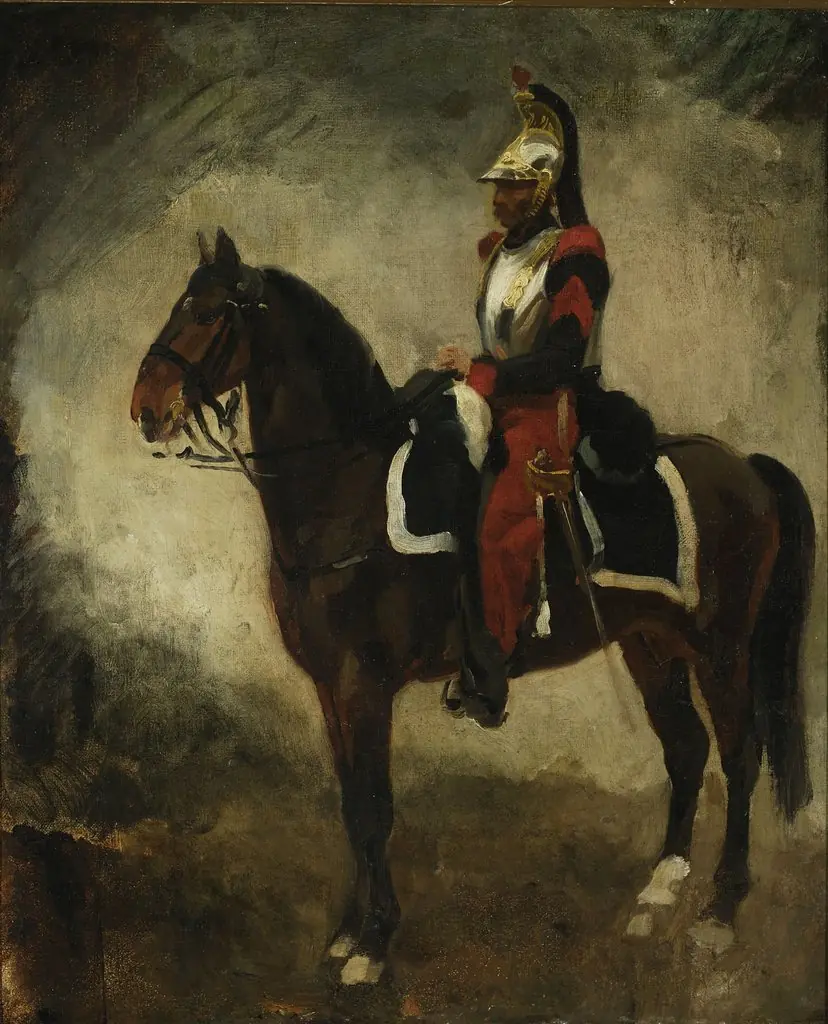
A straightforward portrait of a French cavalryman standing on a yellow field, painted by Alphonse de Neuville in 1892. The brushwork is clear and the composition calm, in keeping with the style of the time. Oil on canvas, held at the Metropolitan Museum of Art.
Subject & Meaning
The dragoon had become a recurring subject in French military art, notably in the work of Ernest Meissonier, whose style De Neuville directly emulated here.
A Cavalryman portrays a French dragoon, a mounted infantryman of either the First or Second French Empires, set against a yellow field. Dragoons were elite troops capable of riding into engagements before dismounting to fight on foot, a role whose prestige was tied to the expense of maintaining horses. Some sources identify the figure specifically as a trumpeter.
The dragoon had become a recurring subject in French military art, notably in the work of Ernest Meissonier, whose style De Neuville directly emulated here. Painted in 1884, the canvas emerged in the wake of France's defeat in the Franco-Prussian War, a moment that fueled renewed public interest in the military under the Third Republic. According to the Metropolitan Museum of Art, De Neuville capitalized on the intense patriotism and dreams of military glory that the defeat aroused, transforming the lone cavalryman into an emblem of revived national martial pride.
Technique & Style
A Cavalryman is executed in oil on canvas, a standard medium for French academic painters of the late nineteenth century. The relatively modest canvas measures 46 by 38.1 centimeters, an intimate format suited to the careful, detailed handling associated with the artist. Stylistically, the work directly emulates the manner of Ernest Meissonier, the leading French military painter of the period, whose meticulous approach to figures, uniforms, and horses shaped a generation of military imagery.
De Neuville applies this influence to a tightly focused composition of a single mounted dragoon set against a yellow field, capitalizing on the post-Franco-Prussian War wave of patriotic military painting in the French Third Republic. The combination of small scale, oil technique, and Meissonier-derived precision places the picture within the tradition of cabinet-sized military portraits prized by collectors of the era.
History & Provenance
Alphonse de Neuville executed the oil-on-canvas painting A Cavalryman in 1884. The work was produced in the aftermath of the Franco-Prussian War, a period marked by renewed French interest in military subjects under the Third Republic. De Neuville created the piece to capitalize on the patriotism and longing for military glory stirred by the national defeat, directly emulating the style of Ernest Meissonier in his depiction of an elite dragoon.
The painting currently resides in the collection of the Metropolitan Museum of Art in New York. While the specific commission details and earlier ownership history are not recorded in the available sources, the work's inception is firmly dated to 1884, portraying a soldier from either the First or Second French Empire against a yellow field.
Alphonse de Neuville's 1884 oil painting A Cavalryman is held in the permanent collection of the Metropolitan Museum of Art in New York. While the museum and various reference databases confirm its presence in their holdings, the provided sources do not specify a unique inventory or accession number for the work. Furthermore, the available documentation offers no details regarding the painting's exhibition history, including past or future showings at the Met or other institutions.
The work remains a documented part of the museum's collection, noted for its depiction of a French dragoon, but specific archival identifiers and provenance records concerning public display are not included in the current source material.
Context
A Cavalryman (1884) by Alphonse de Neuville emerged within a broader revival of military imagery in French art following the Franco-Prussian War, when public sentiment in the Third Republic sought to reconcile defeat with ideals of martial glory. The painting reflects de Neuville’s engagement with the academic tradition of Ernest Meissonier, whose meticulous depictions of military subjects he directly emulated. Within this context, dragoons, elite but costly mounted infantry, became a favored motif in late-19th-century French military art, symbolizing both tradition and the nation’s aspirational strength.
The work’s patriotic appeal positioned it as part of a wider cultural recuperation of military identity, aligning with the period’s intensified nationalism and the Metropolitan Museum of Art’s later characterization of de Neuville’s output as capitalizing on post-war dreams of military grandeur.
Overview
This painting, titled A Cavalryman, was created by the French artist Alphonse de Neuville in 1884. Executed in oil on canvas, the work presents a depiction of a solitary French cavalry soldier. It is currently held within the collection of the Metropolitan Museum of Art in New York, offering a representative example of military portraiture from the late 19th century.
Own this work as a print
Artist & collection
Artist
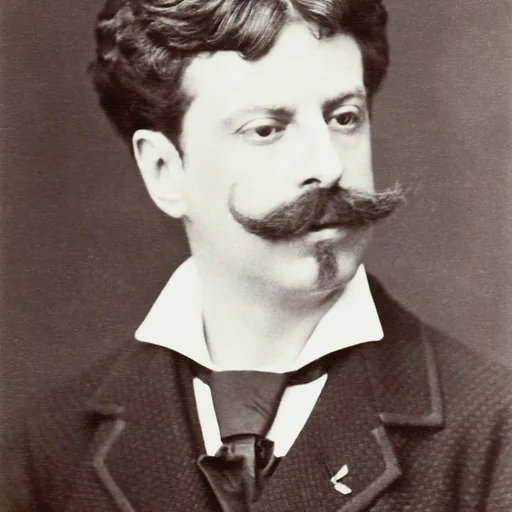
Alphonse-Marie-Adolphe de Neuville (French pronunciation:; 31 May 1835 – 18 May 1885) was a French academic painter who studied under Eugène Delacroix.