Artwork
Three Studies for the Dead Christ
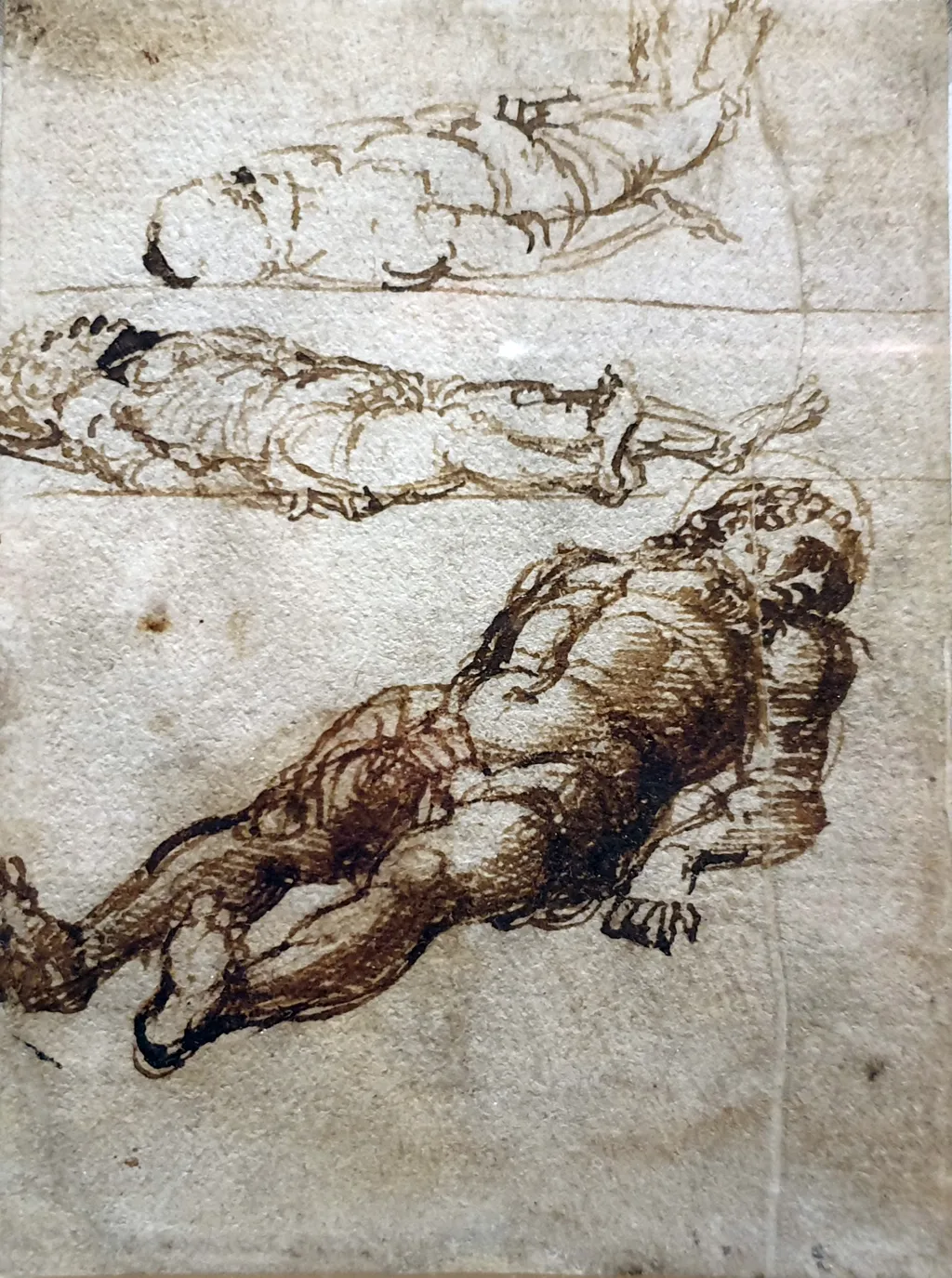
Three Studies for the Dead Christ is an unspecified painting by the Early Renaissance artist Andrea Mantegna. It dates from 1450 and is held in the collection of the British Museum.
About this work
Overview
Created around 1450 by Andrea Mantegna, this work consists of three preparatory studies of Christ’s corpse, rendered in a single composition.
Created around 1450 by Andrea Mantegna, this work consists of three preparatory studies of Christ’s corpse, rendered in a single composition. Executed in tempera or ink on paper, it was likely intended as a study for a larger altarpiece. The British Museum holds the surviving sheet, which reflects Mantegna’s rigorous engagement with anatomical form and spatial logic, characteristic of early Renaissance artistic inquiry.
Subject & Meaning
The three figures depict Christ’s body from varying angles, upper torso, lower limbs, and full length, each emphasizing physical vulnerability after death. The tilted head and crossed arms evoke both resignation and dignity. Rather than a devotional image for veneration, the work functions as a meditative exploration of mortality, grounded in the human body’s realism rather than idealized spirituality.
Technique & Style
Mantegna employs sharp linear definition and controlled chiaroscuro to model the body with sculptural precision. The use of dark shadows and graded highlights creates a tangible sense of volume, while the lowered horizon line enhances the monumentality of the figure. The restrained palette and meticulous hatching reflect his training in classical antiquity and his interest in the physical presence of form.
History & Provenance
The drawing entered the British Museum’s collection in the 19th century, having passed through several private European collections since the 15th century. Its survival as a standalone sheet is unusual; most preparatory studies from this period were lost or destroyed. Its attribution to Mantegna is supported by stylistic parallels with his known works and documentary links to his workshop practices.
Context
In mid-15th century Italy, artists increasingly turned to direct observation of the human form, influenced by classical sculpture and anatomical study. Mantegna, immersed in Roman antiquities and trained in the Bellini household, pursued a naturalism that prioritized structural accuracy over emotional expression. This work aligns with broader Renaissance efforts to reconcile religious subject matter with empirical observation.
Legacy
The study’s unflinching depiction of Christ’s corpse influenced later artists seeking to portray death with psychological and physical authenticity. Its emphasis on anatomical clarity and spatial compression became a touchstone for Northern and Italian Renaissance practitioners. Though not widely exhibited in its time, it remains a key example of how preparatory work could embody profound artistic and spiritual inquiry.
![Head of a Woman and Studies of a Male Nude [verso]](https://artifactworldgallery.com/img/francesco-fontebasso--head-of-a-woman-and-studies-of-a-male-nude-verso--bba81b0c130c2863-w320.webp)
Own this work as a print
Artist & collection
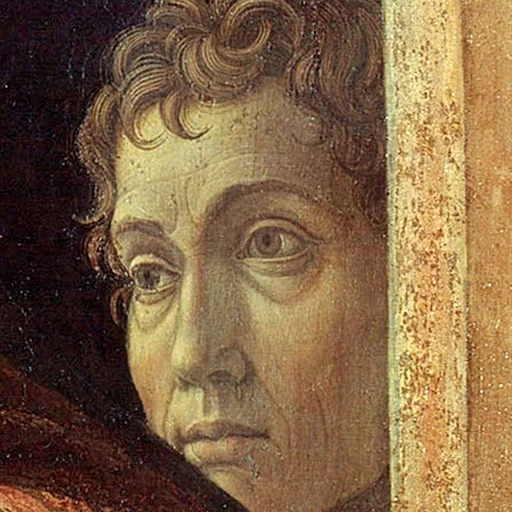
Artist
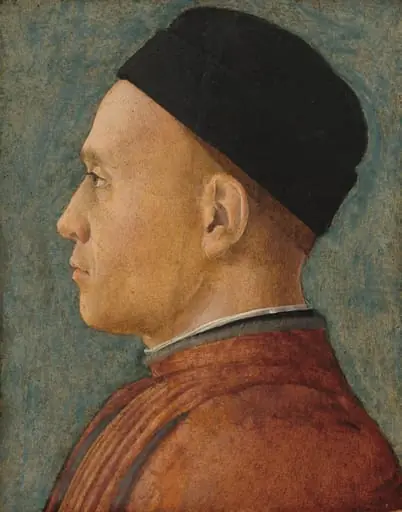
Andrea Mantegna (UK: US:; Italian:; c. 1431 – September 13, 1506) was an Italian Renaissance painter, a student of Roman archaeology, and the son-in-law of Jacopo Bellini. Like other artists of the time, Mantegna…

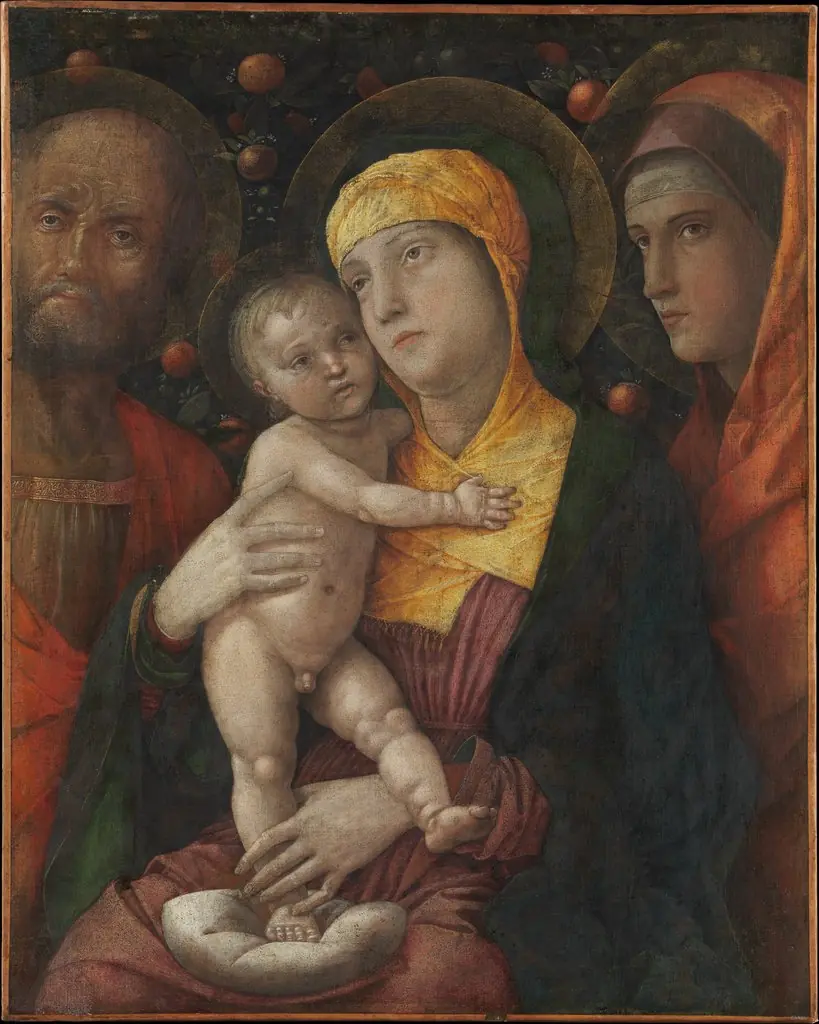
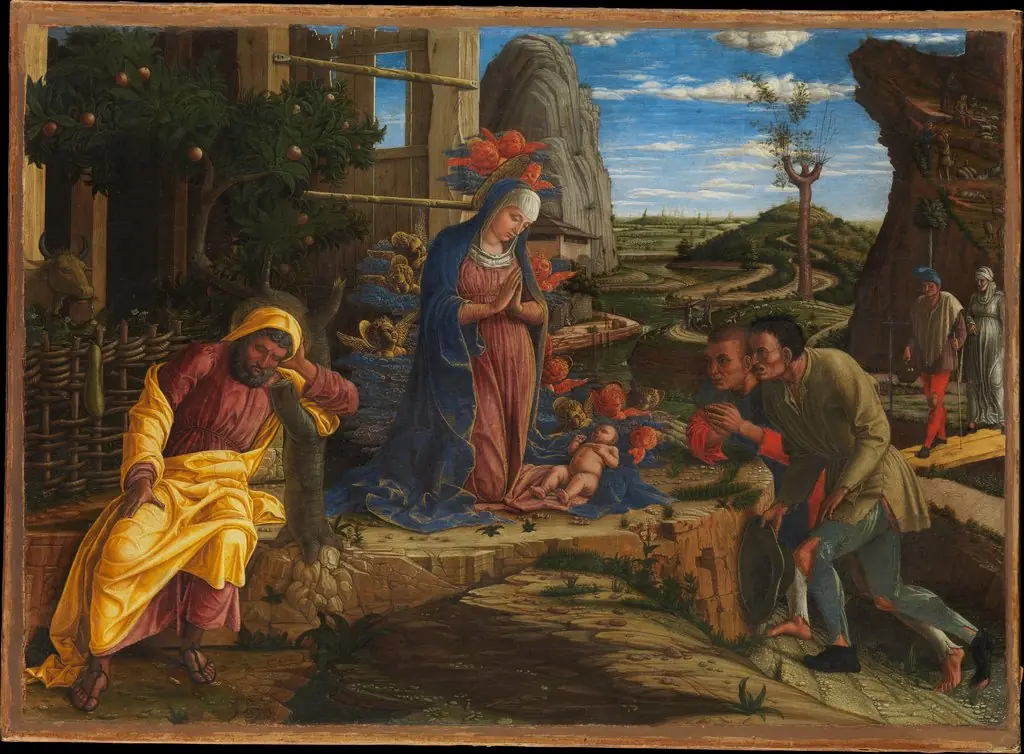
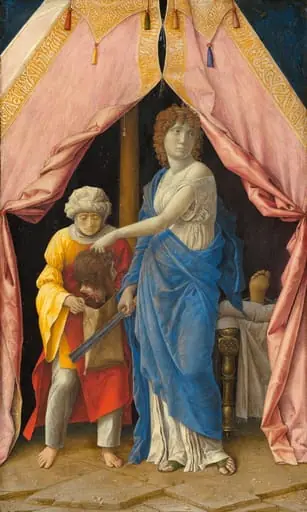
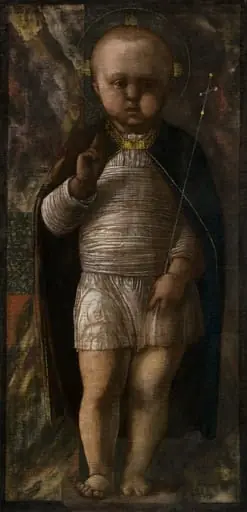
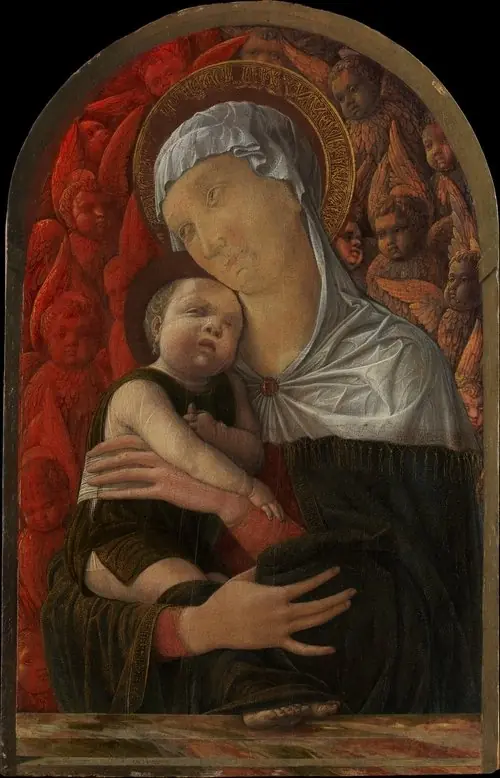
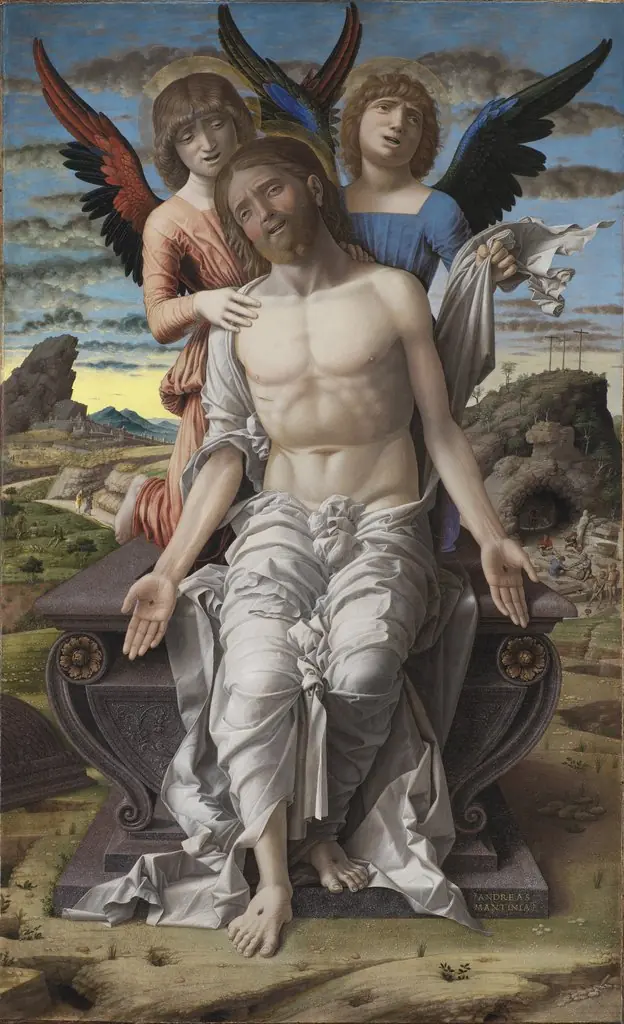
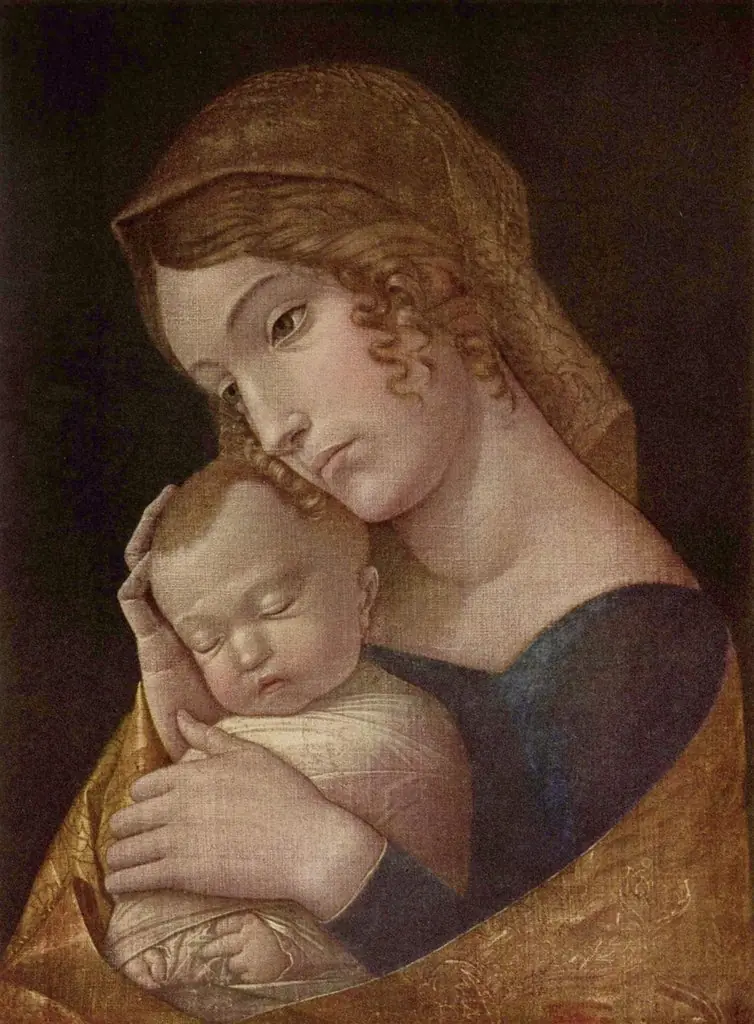
- Head of a Woman and Studies of a Male Nude [verso]
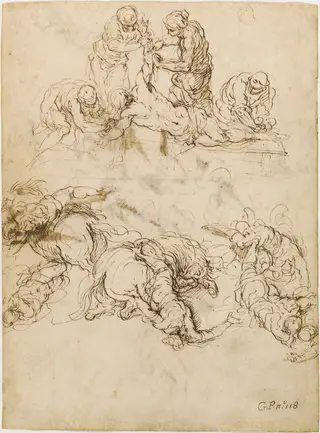 The Martyrdom of Saint Bartholomew; The Conversion of Saint Paul
![Various Sketches of the Madonna and Child (recto); Architectural Studies (verso) [partially visible on recto], by Paolo Veronese](https://artifactworldgallery.com/img/paolo-veronese--various-sketches-of-the-madonna-and-child-recto-architectura--90586edfc8e8efd5-w320.webp) Various Sketches of the Madonna and Child (recto); Architectural Studies (verso) [partially visible on recto]
Various Sketches of the Madonna and Child (recto); Architectural Studies (verso) [partially visible on recto]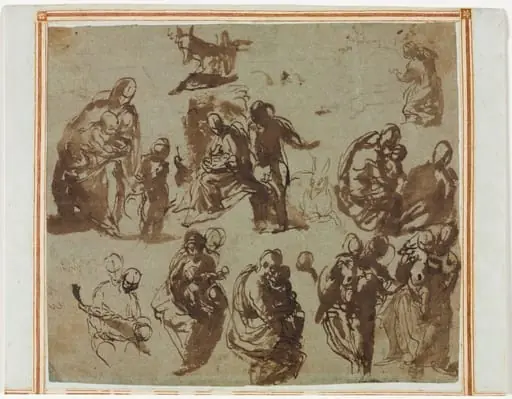 Various Sketches of the Madonna and Child (recto)
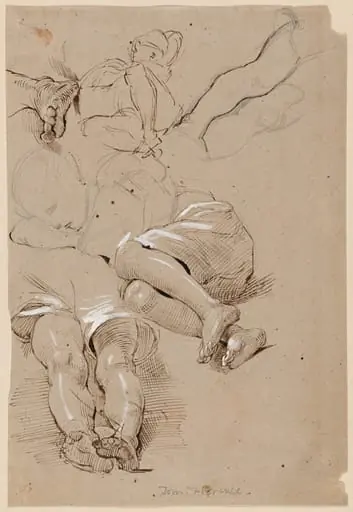 Tom -- Florence
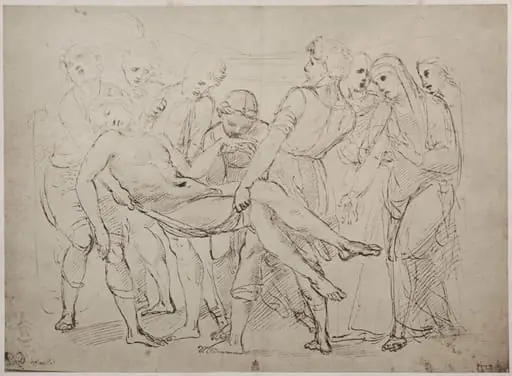 Drawing by Raphael Sanzio in the British Museum
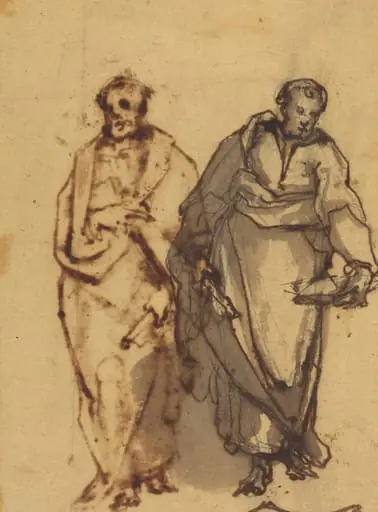 Two Draped Figures
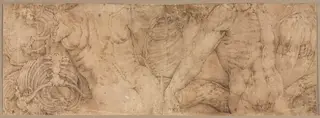 Torsos with Rib Cages
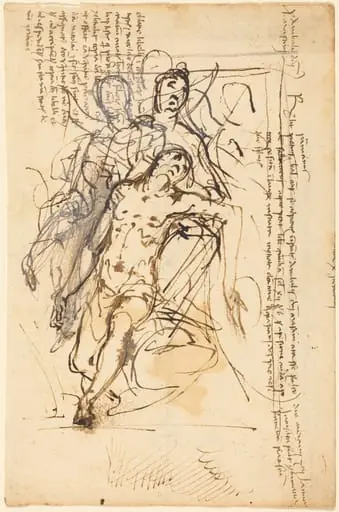 The Pietà
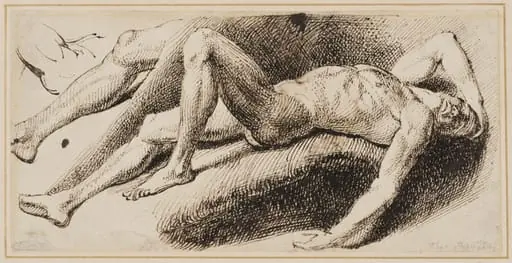 Study of a male nude
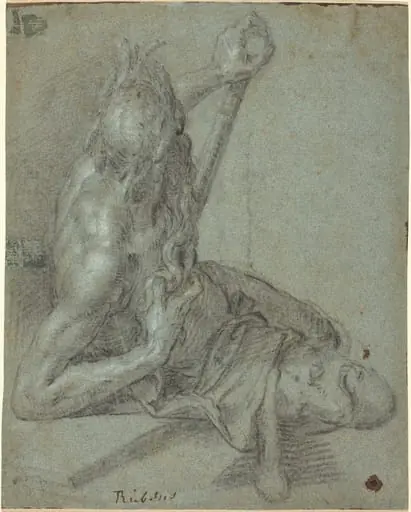 River God
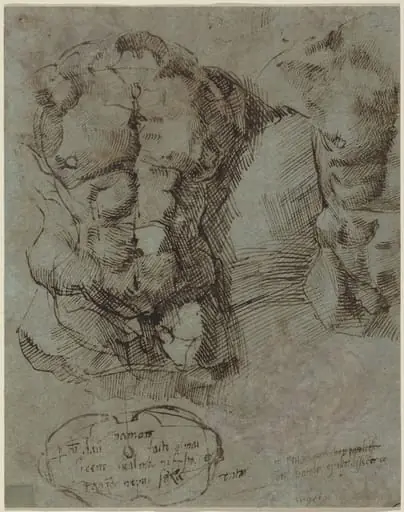 Studies of a Male Torso