Artwork
Assumption of the Virgin
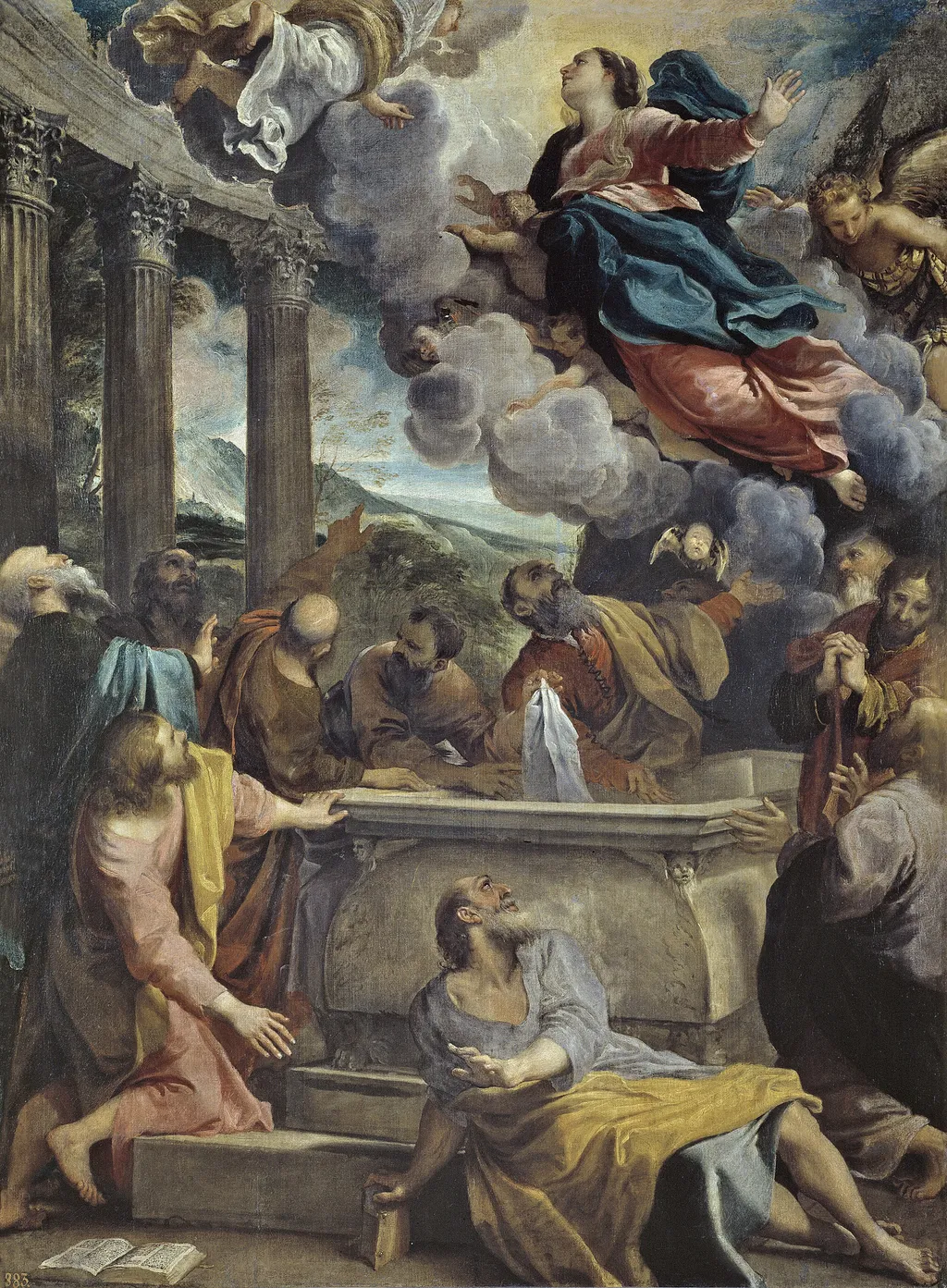
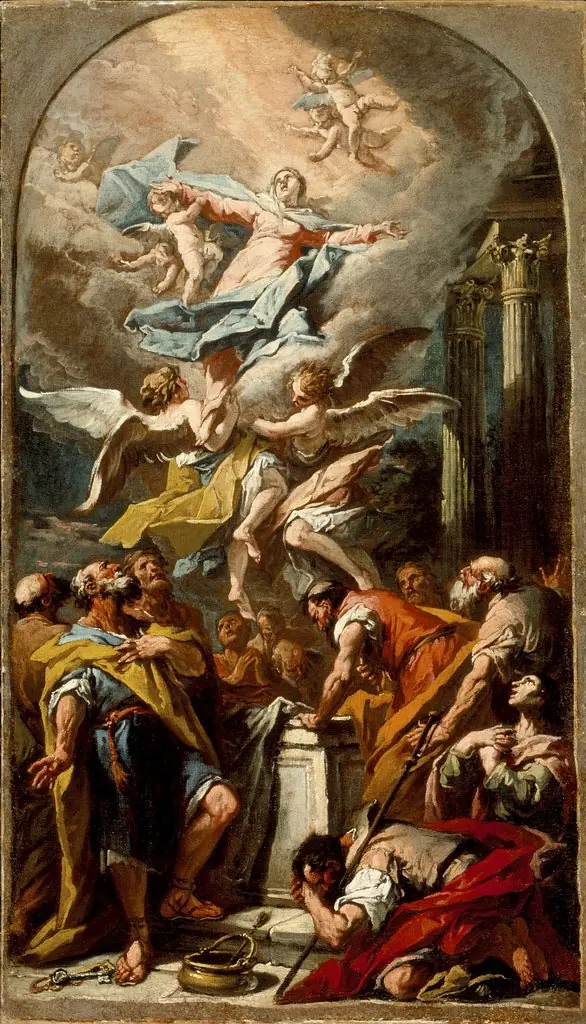
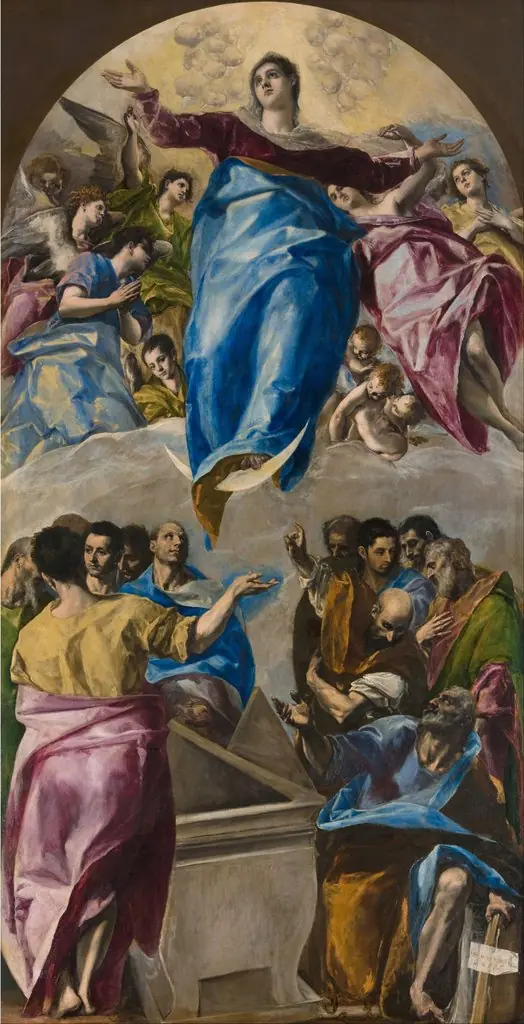
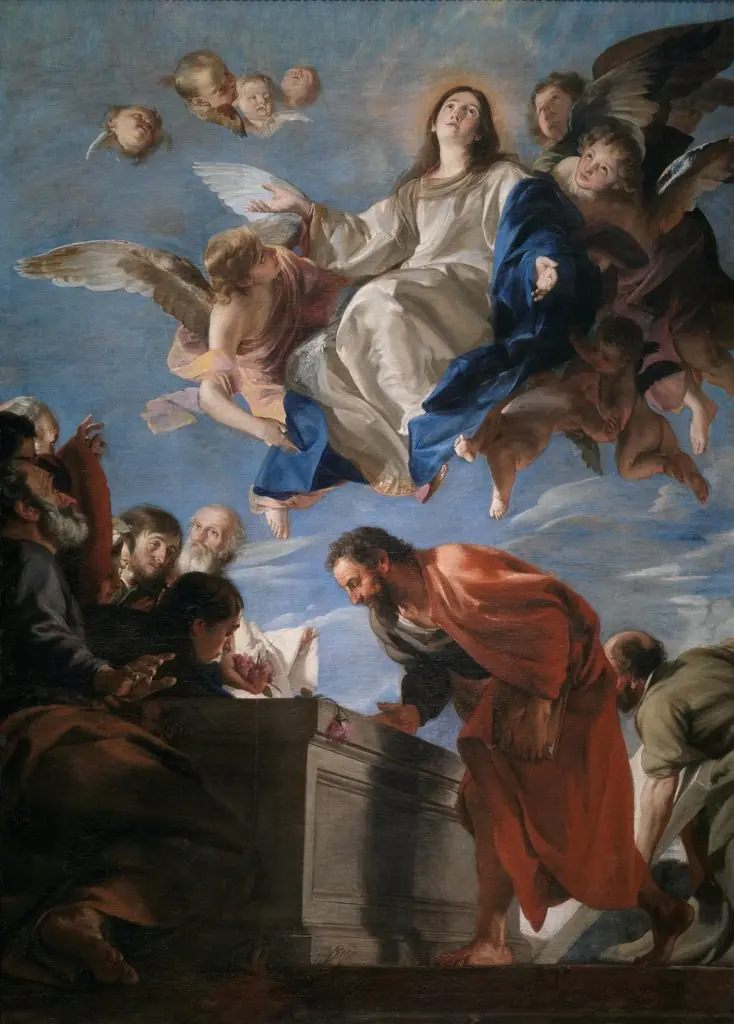
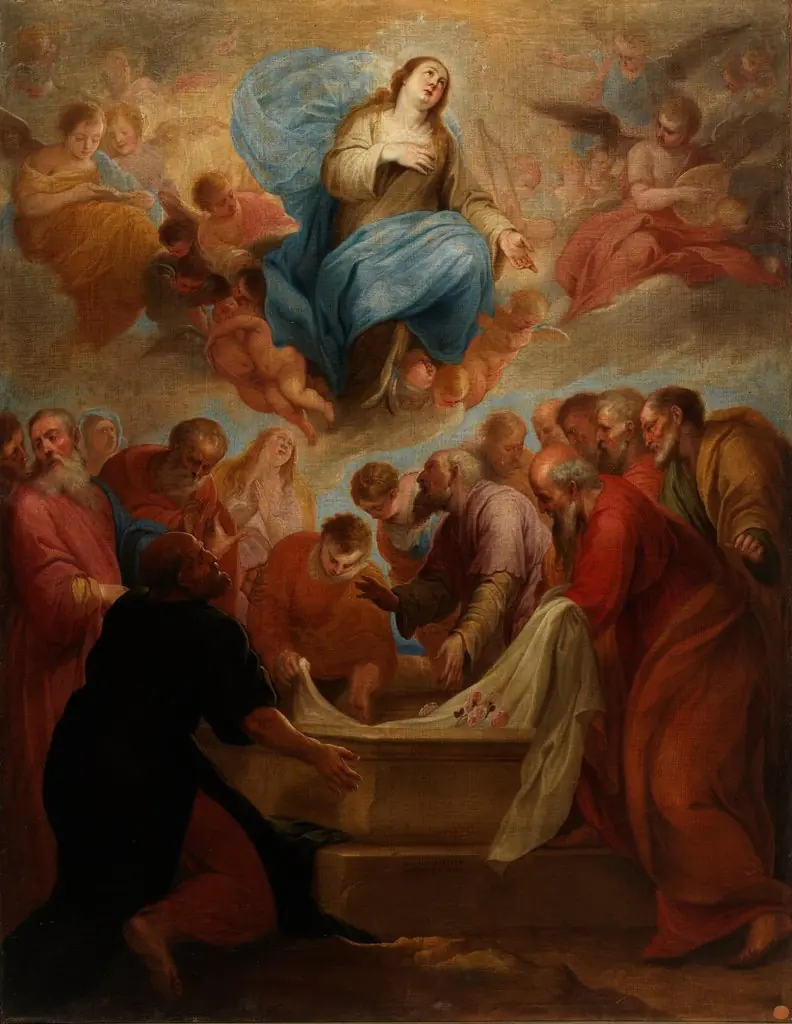
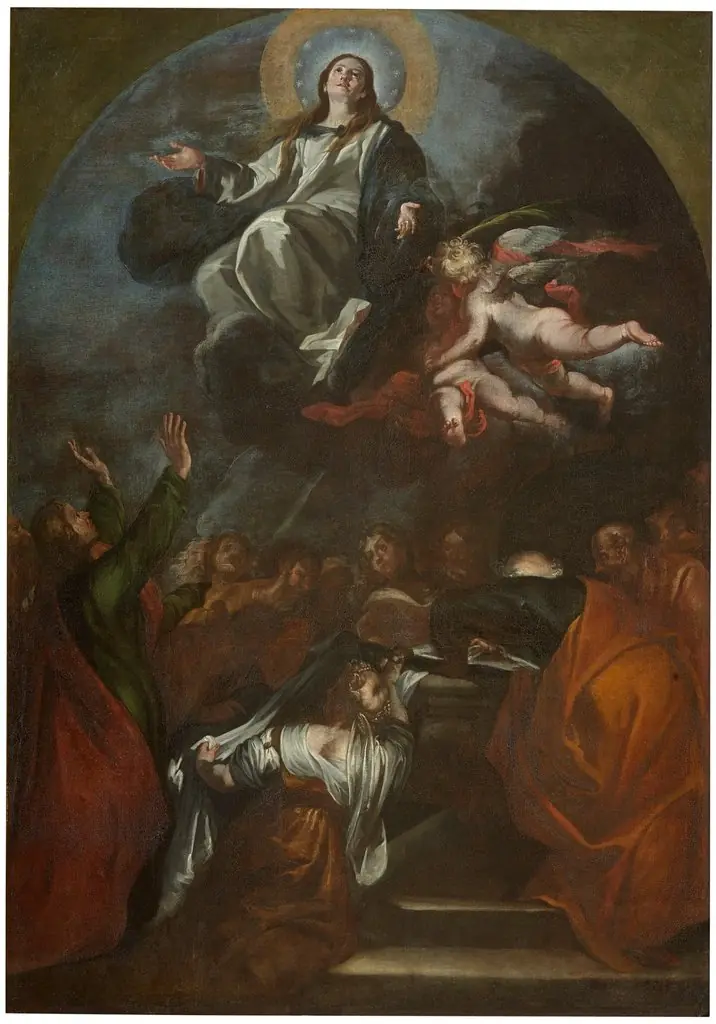
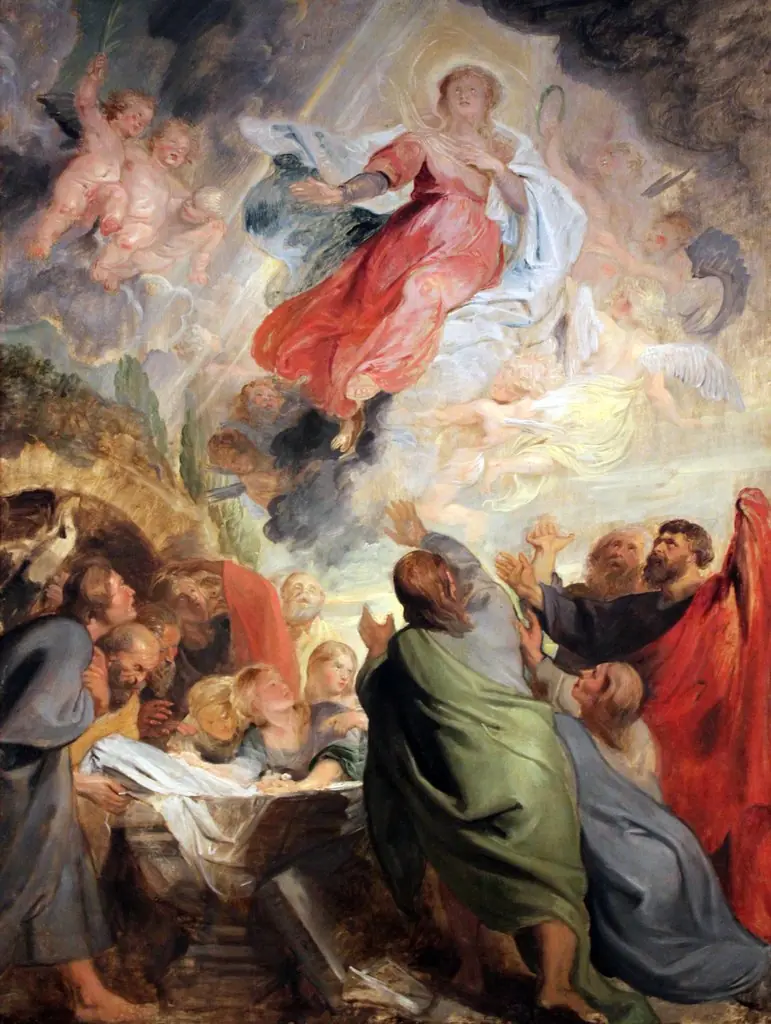
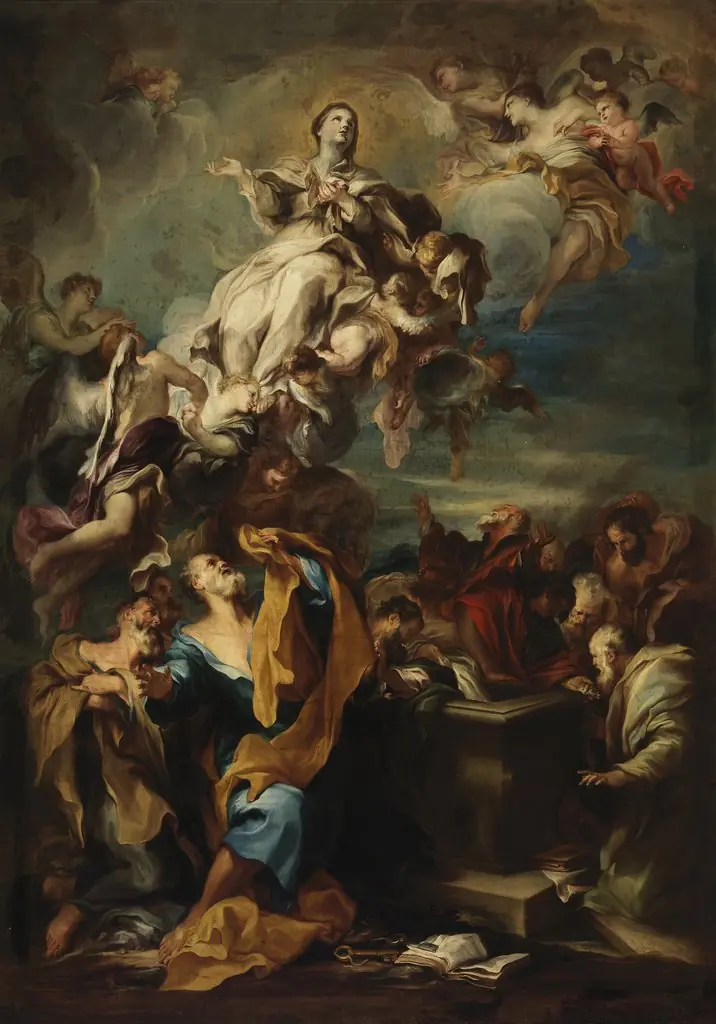
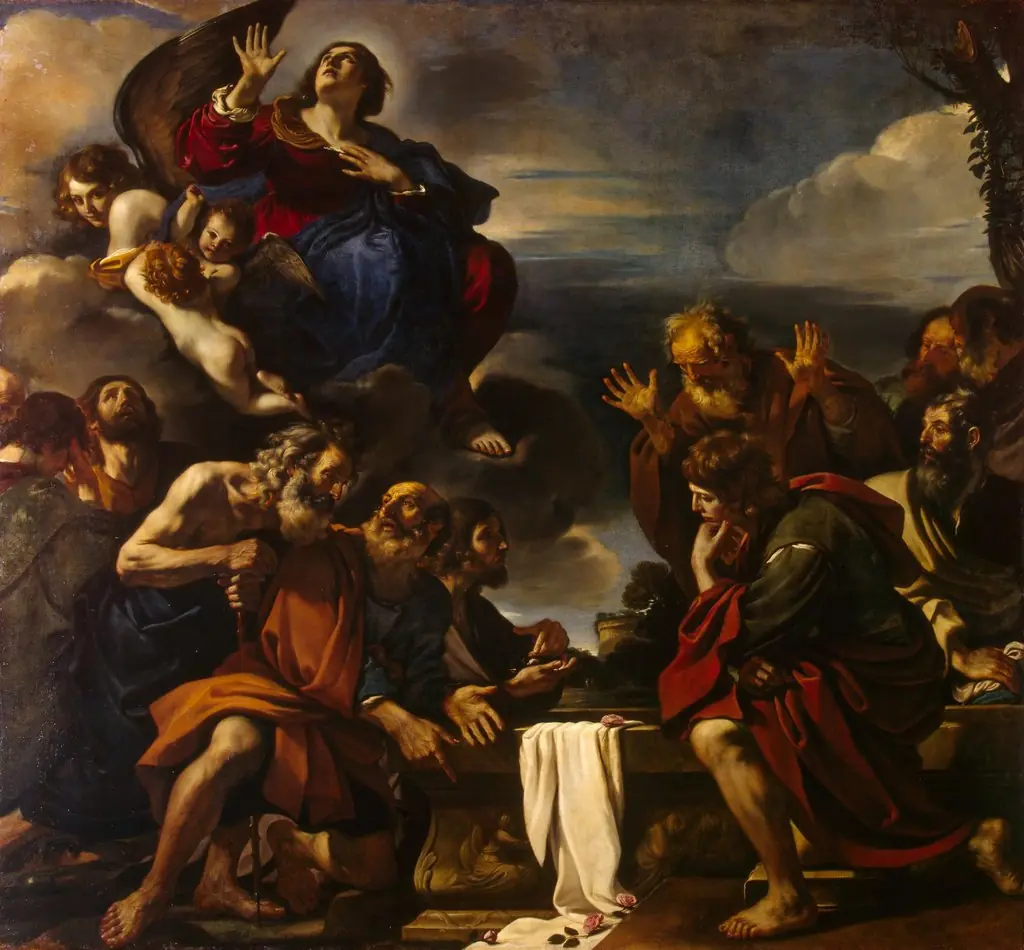
Assumption of the Virgin is an oil painting by the Early Baroque Italian artist Annibale Carracci. It dates from 1594 and is held in the collection of the Museo del Prado.
About this work
Subject & Meaning
The painting depicts the Assumption of the Virgin Mary, a central Marian subject in Catholic devotional art in which the Virgin is taken bodily into heaven.
The painting depicts the Assumption of the Virgin Mary, a central Marian subject in Catholic devotional art in which the Virgin is taken bodily into heaven. Carracci renders the moment as a dynamic upward movement of the Virgin, surrounded by gesturing apostles below whose animated poses convey the emotional charge of the miraculous event.
The work reworks an earlier Assumption altarpiece Carracci painted for the Confraternity of San Rocco in Reggio Emilia, now in Dresden, recast in the manner of Venetian painting. The Venetian imprint is visible in the vivid palette, the Palladian Corinthian colonnade at the upper left recalling motifs used by Paolo Veronese, and the pronounced dynamism of the figures. The fusion of landscape and architecture, together with the proto-Baroque intensity of gesture, marks the canvas as an eloquent example of the emerging Baroque sensibility in Carracci's late 1580s work, and its small scale has been taken to suggest a purpose of private personal devotion.
Technique & Style
Executed in oil on canvas, this work measures 130 cm by 97 cm. The painting exhibits a strong Venetian influence, particularly recalling the style of Tintoretto through its vivid color palette and accentuated dynamism. Stylistically, the composition features an ascending motion of the Virgin contrasted with the dynamic gestures of the apostles, creating an intense emotional charge characteristic of emerging proto-Baroque tendencies. The artist effectively fuses landscape and architectural elements, including a Corinthian colonnade derived from Palladian models that echoes the work of Paolo Veronese. This small-format piece represents a reworking of themes Carracci explored in larger altarpieces, adapted here with a liquidity and energy absorbed from Lagunar painting traditions.
History & Provenance
Completed in 1587, Annibale Carracci’s small Assumption of the Virgin is first documented in 1656 at the Royal Monastery of San Lorenzo de El Escorial, where it was listed by the Spanish friar Francisco de los Santos as a painting of notable quality.
The work entered Spain as a gift to Philip IV, arranged by Manuel de Acevedo y Zúñiga, Count of Monterrey, who had served as Spanish ambassador to the Holy See and later as viceroy in Naples. Its small format suggests a private devotional destination before its transfer.
After nearly two centuries at El Escorial, the painting was moved to the Museo del Prado in 1839, where it remains.
The Assumption of the Virgin by Annibale Carracci is currently held in the collection of the Museo del Prado in Madrid. The painting entered the Spanish royal collection in 1656 as part of a donation of forty works from King Philip IV to the Monastery of El Escorial, where the court painter Diego Velázquez personally oversaw its installation. It is believed the work arrived in Spain as a gift from the Count of Monterrey. In 1839, the painting was transferred from the monastery to the Museo del Prado, its present location. Early biographers such as Bellori and Malvasia did not mention the work, likely due to its small scale and private origins prior to its royal acquisition.
Context
Annibale Carracci’s Assumption of the Virgin (c. 1587-1590, oil on canvas, 130 × 97 cm) is widely read as an early manifesto of Baroque dynamism within the artist’s oeuvre. Modern criticism situates the Madrid panel between Carracci’s Bolognese training and his later assimilation of Venetian colorism and compositional energy, particularly from Tintoretto and Veronese. Spanish sources from the mid-seventeenth century already noted its Venetian inflections, and later scholarship has linked the work’s ascending Virgin, emotionally charged apostolic gestures, and fused architectural-pictorial space to proto-Baroque tendencies exemplified in Carracci’s contemporaneous frescoes at Palazzo Magnani, Bologna. The painting’s early departure from Italy complicates its reception history. First recorded in 1656 at the Escorial as a royal Spanish donation facilitated by Velázquez, the work eluded notice in canonical seventeenth-century biographies of Carracci, suggesting a private devotional origin consistent with its modest scale. Its relocation to the Prado in 1839 established its place in Spanish collections, where it remains as a touchstone for studying Carracci’s stylistic evolution toward the dramatic rhetoric of the Cerasi Chapel altarpiece and beyond.
Own this work as a print
Artist & collection
Artist
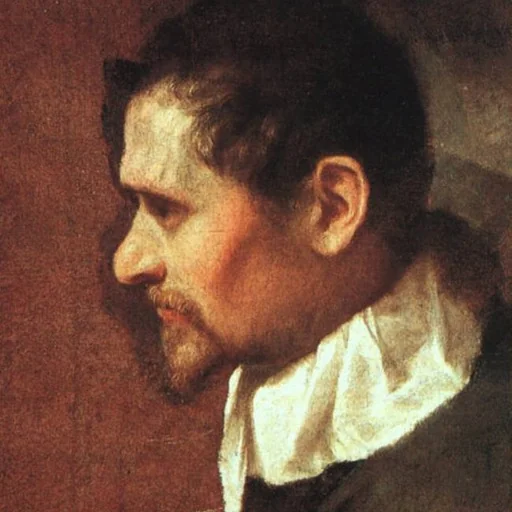
Annibale Carracci ( kə-RAH-chee, UK also kə-RATCH-ee, Italian:; November 3, 1560 – July 15, 1609) was an Italian painter and instructor, active in Bologna and later in Rome.