Artwork
Portrait of Filippo Francesco d'Este, Marchese di Lanzo with his Dog
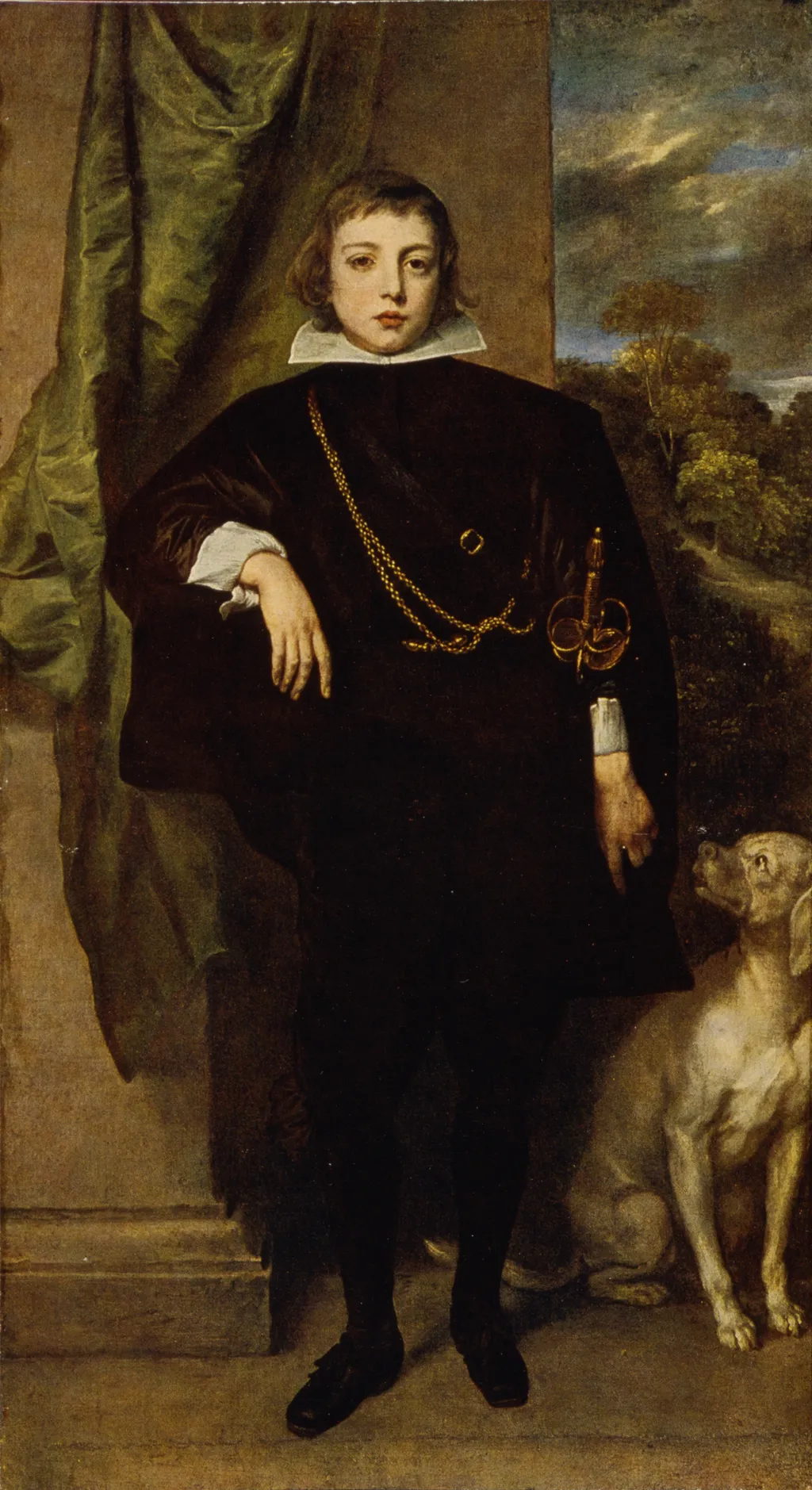
Portrait of Filippo Francesco d'Este, Marchese di Lanzo with his Dog is a color painting by the Baroque artist Anthony van Dyck. It dates from 1631 and is held in the collection of the Kunsthistorisches Museum.
About this work
Subject & Meaning
While the work was historically associated with Prince Rupert of the Rhine, current scholarship attributes the sitter to d'Este, son of Sigismondo d'Este.
The painting depicts Filippo Francesco d'Este, Marchese di Lanzo (1621–1653), identified as the main subject, accompanied by a dog at his side. While the work was historically associated with Prince Rupert of the Rhine, current scholarship attributes the sitter to d'Este, son of Sigismondo d'Este. The inclusion of the dog functions as a traditional symbol of loyalty and fidelity, a common attribute for nobility in seventeenth-century portraiture.
The composition presents the young aristocrat in a full-length format, utilizing the animal to reinforce themes of noble character and steadfastness. The figure is rendered in a Baroque style that emphasizes the status and identity of the Marchese within his aristocratic context.
Technique & Style
The work is an oil painting on canvas measuring 175 cm by 95.5 cm, created in 1631. Van Dyck employed a rich palette of color to render the full‑length portrait of Prince Rupert of the Rhine alongside his dog, a symbol of loyalty that underscores the sitter’s noble status. The composition features a dark garment that highlights the gold collar and sword hilt, while a green drapery and a shadowed forest backdrop suggest both regal authority and the subject’s complex family history.
The rendering of the dog and the detailed rendering of the sitter’s expression convey a blend of realism and Baroque drama, reflecting the artist’s mastery of formal balance and stylistic refinement.
History & Provenance
The work was painted in 1631 for Prince Rupert of the Rhine, a son of Frederick V of the Palatinate, during his exile in The Hague, as recorded in contemporary accounts of the commission. It entered the collection of the Kunsthistorisches Museum in Vienna, where it remains today. The painting depicts Filippo Francesco d'Este, Marchese di Lanzo, alongside a dog that symbolizes loyalty, reflecting both his noble lineage and personal connections.
The work measures 175 cm in height and 95.5 cm in width, and is classified as a Baroque portrait.
The painting Portrait of Filippo Francesco d'Este, Marchese di Lanzo with his Dog is part of the collection at the Kunsthistorisches Museum. Its inventory number is not specified in the provided sources. The work has been exhibited in contexts related to Baroque portraiture and Van Dyck's oeuvre, as indicated by its inclusion in scholarly discussions of the artist's output.
It is also referenced in connection with the depiction of Prince Rupert of the Rhine, though the subject is identified as the Marchese di Lanzo in modern scholarship.
The attribution to Anthony van Dyck is supported by stylistic and documentary evidence, with the painting dated to 1631. The work features a dog at the subject's feet, interpreted as a symbol of loyalty, and is set within a landscape reflecting the subject's family's turbulent history. The subject's identification with Filippo Francesco d'Este, Marchese di Lanzo (1621–1653), was solidified in later historical analysis, replacing earlier misidentifications.
The painting's provenance is linked to the Kunsthistorisches Museum in Vienna, where it remains on view as part of its European art holdings.
Overview
Anthony van Dyck’s 1631 portrait presents the Italian nobleman Filippo Francesco d’Este, Marchese di Lanzo, accompanied by his dog. Executed in colour, the composition places the sitter against a dark curtain that opens onto an indistinct landscape, creating a restrained yet dignified atmosphere typical of van Dyck’s courtly portraiture.
Context
Van Dyck, a leading Flemish Baroque painter, had established a reputation for elegant court portraits before his appointment as Charles I’s court painter in England. This portrait, executed before his English period, illustrates his ability to adapt Italian aristocratic iconography to his own graceful, restrained style.
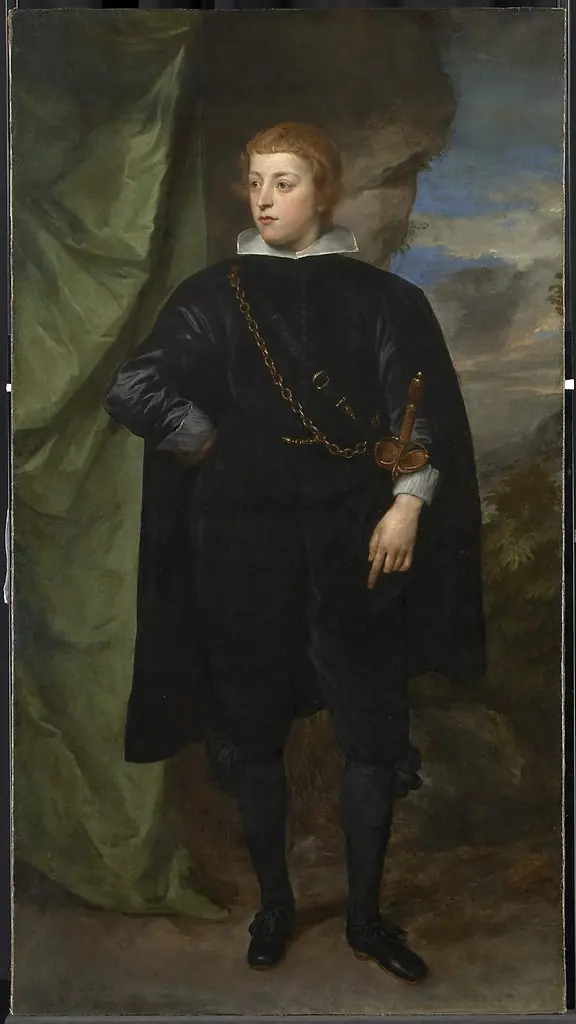
Artist & collection
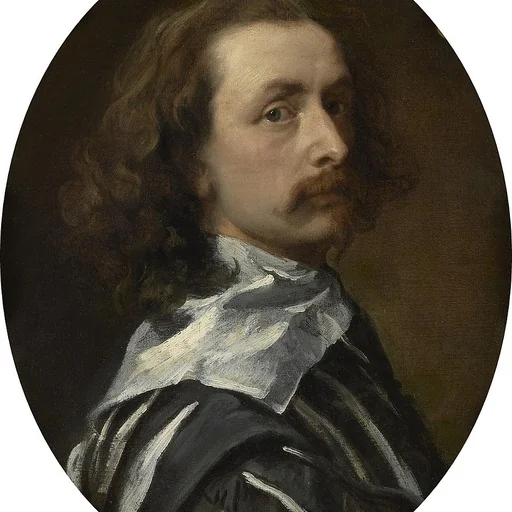
Artist
Sir Anthony van Dyck (; Dutch: Antoon van Dijck; 22 March 1599 – 9 December 1641) was a Flemish Baroque artist, who became the leading court painter in England after success in the Spanish Netherlands and Italy.

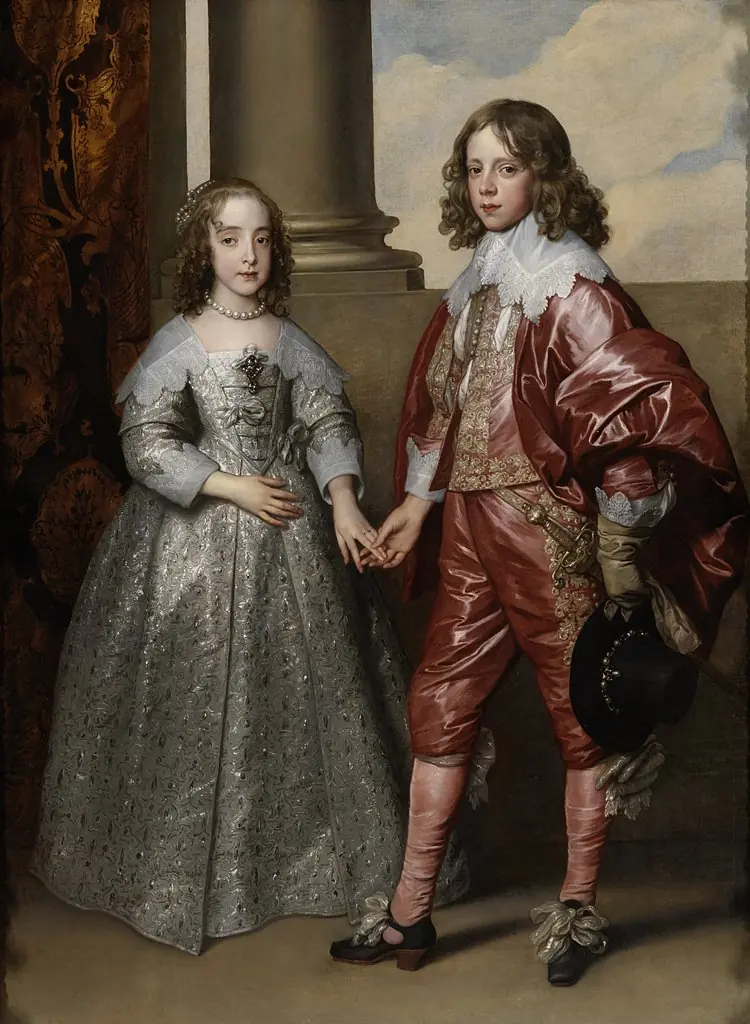
 Portrait of Wolfgang Wilhelm, Count Palatine of Neuburg
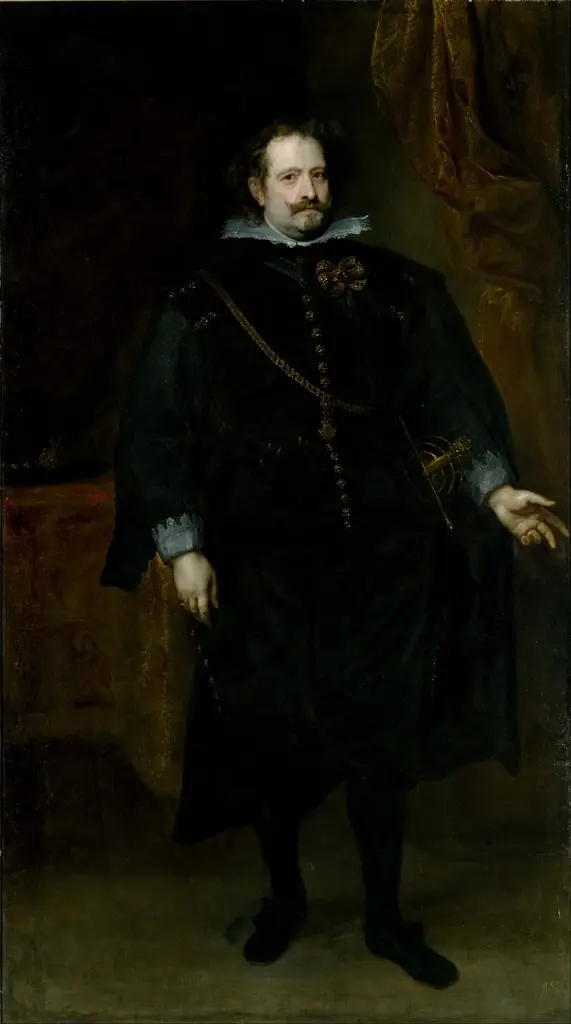 Diego Felipe de Guzmán, Marquis of Leganés
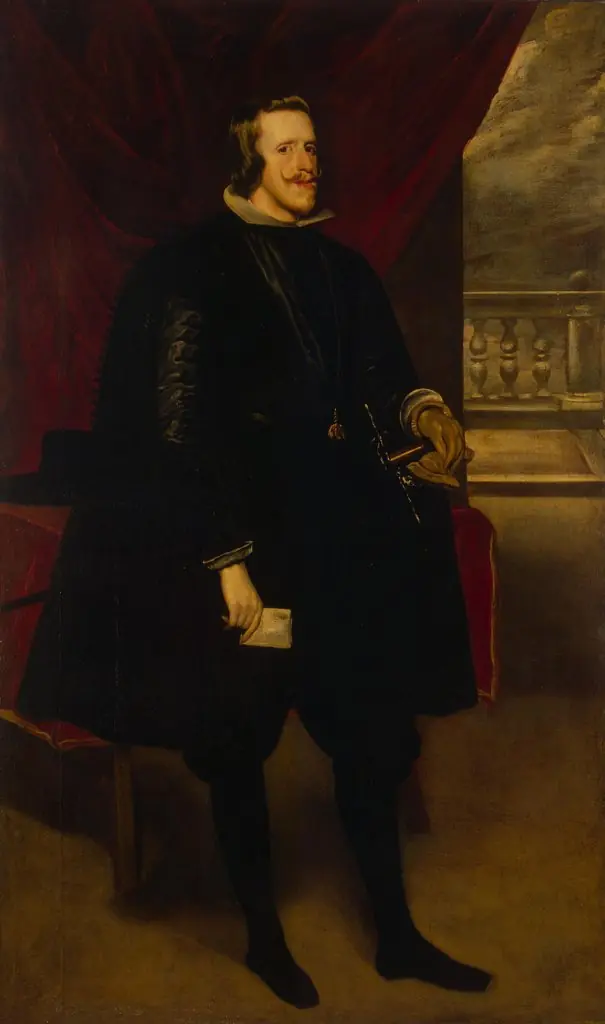 Portrait of Philip IV, King of Spain
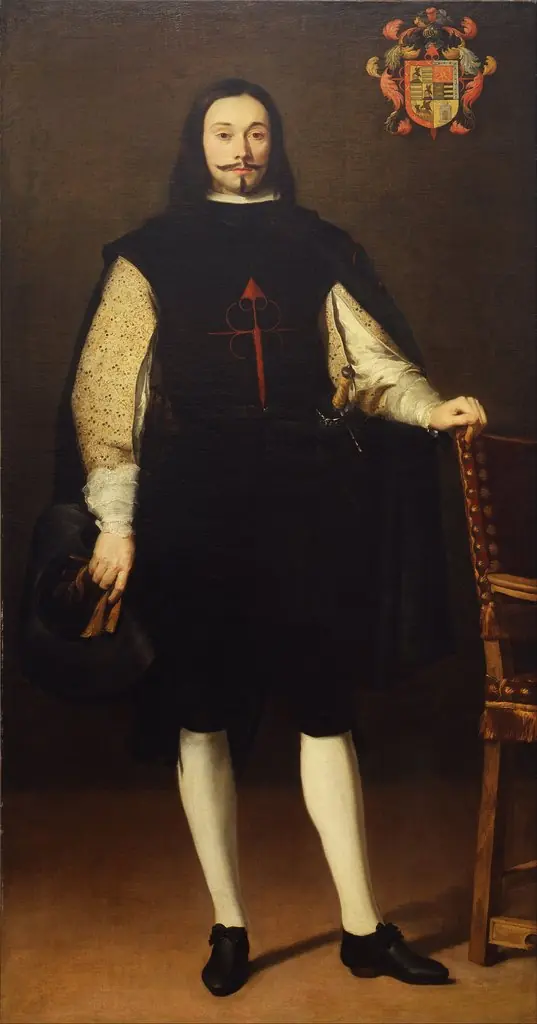 Portrait of Don Diego Felix de Esquivel y Aldama
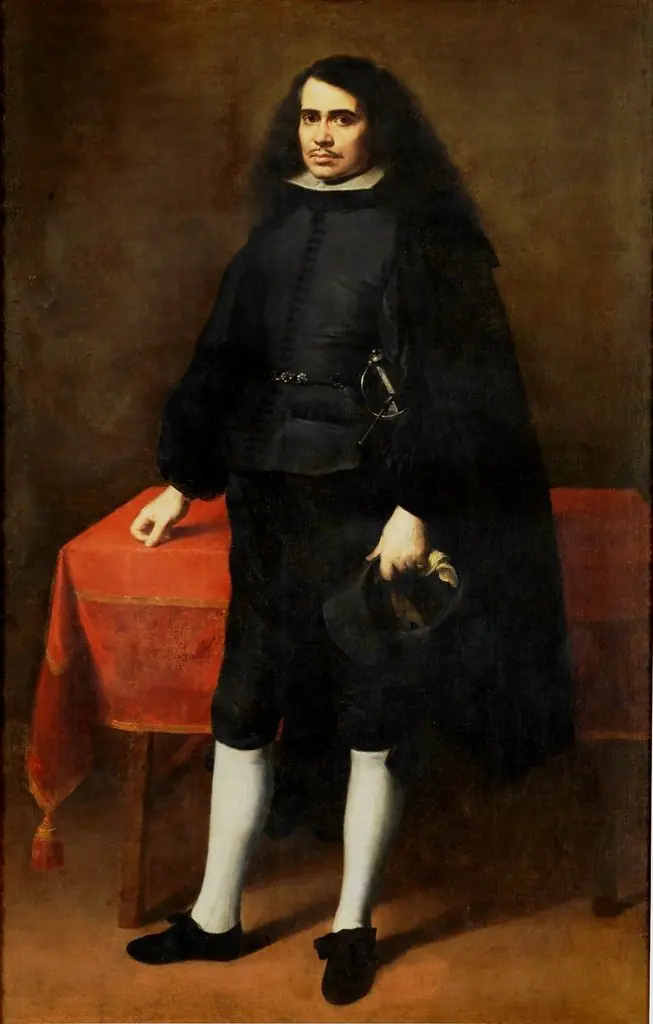 Portrait of a Man
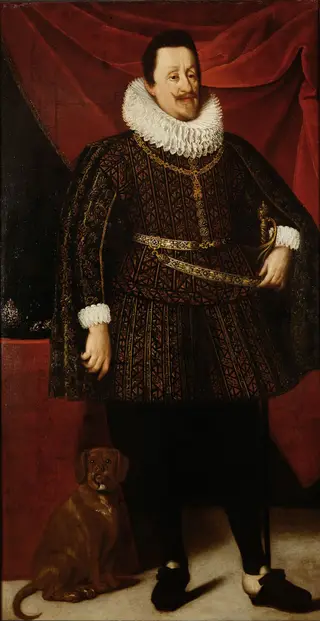 Portrait of Ferdinand II of Habsburg (1578-1637, Holy Roman Emperor
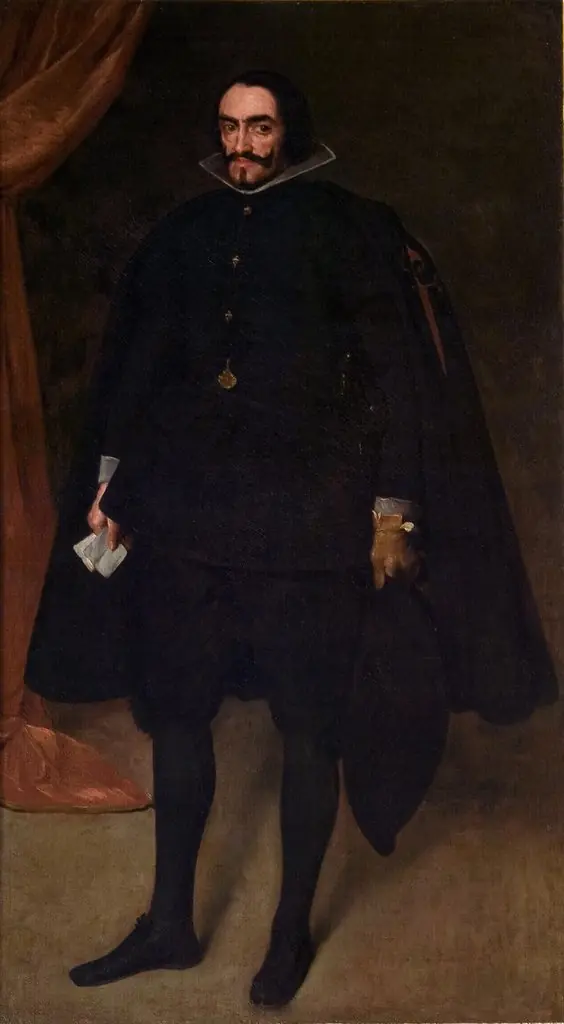 Portrait of a Knight of the Order of Santiago
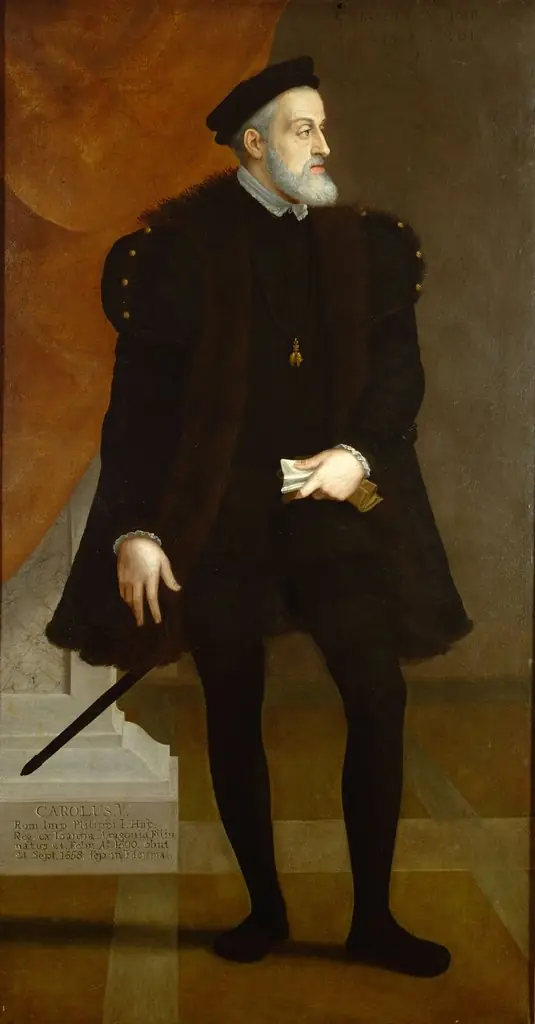 Kaiser Karl V. (1500-1558) als Fünfzigjähriger in ganzer Figur
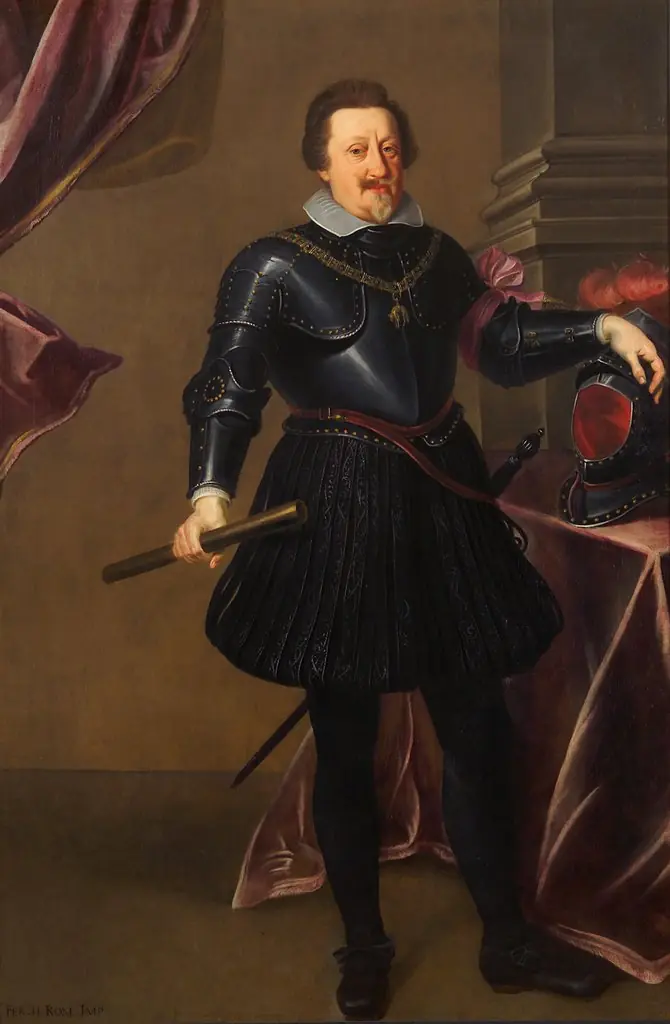 Emperor Ferdinand II. (1578-1637) in black armor, full-length
 Portrait of Laurens Reael
 Portrait of Laurens Reael
- Portrait of Carlo Emanuele d'Este, Marchese di Borgomanero (1622-1695)