Artwork
Portrait of Carlo Emanuele d'Este, Marchese di Borgomanero (1622-1695)
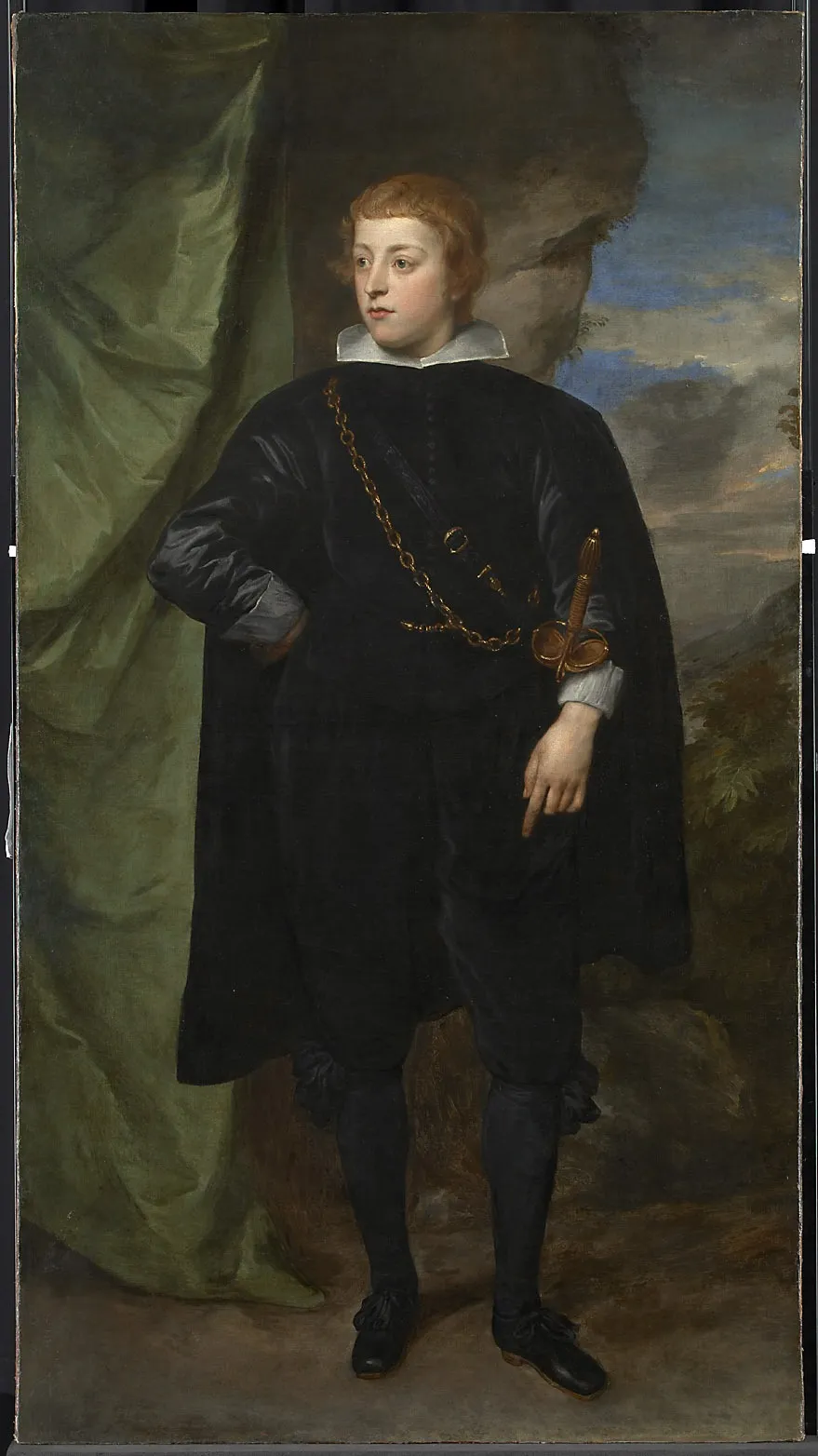
Portrait of Carlo Emanuele d'Este, Marchese di Borgomanero (1622-1695) is an oil painting by the Baroque artist Anthony van Dyck. It dates from 1631 and is held in the collection of the Kunsthistorisches Museum.
About this work
Subject & Meaning
The painting portrays Carlo Emanuele d'Este, Marchese di Borgomanero, depicted in full-length attire that emphasizes his noble status through a green draped cloth symbolizing royalty and a black costume highlighting a gold chain and sword hilt. His turned head to the left conveys alertness, contrasting with his brother's melancholy expression, while a shadowed forest landscape in the background alludes to the family's turbulent history during the Thirty Years' War and subsequent exile.
Technique & Style
A black costume with gold chain and sword hilt provides a sober ground for the face, while a green drapery descending from a rocky outcrop signals noble status.
The portrait is painted in oil on canvas, employing a fluid handling characteristic of van Dyck’s mature Baroque idiom. The sitter is shown in three-quarter view, turned slightly to the left, with a restrained yet animated expression that emphasizes his youthful poise. A black costume with gold chain and sword hilt provides a sober ground for the face, while a green drapery descending from a rocky outcrop signals noble status.
The background features a shadowed wooded landscape beneath a clouded sky, aligning with van Dyck’s practice of situating sitters in atmospheric settings to heighten psychological presence. The composition’s balance and restrained palette typify his courtly portrait style of the late 1620s and early 1630s.
History & Provenance
The portrait of Carlo Emanuele d’Este, Marchese di Borgomanero, is dated 1631 and attributed to Anthony van Dyck. It was commissioned during the sitter’s youth, when he was living in exile in The Hague under the protection of Frederick V, Elector Palatine, and his consort Elizabeth Stuart.
The work entered the collection of the Kunsthistorisches Museum, Vienna, where it remains today. No further ownership changes are documented before its acquisition by the museum.
The portrait is held in the collection of the Kunsthistorisches Museum, where it is located. The work, created in 1631, depicts Carlo Emanuele d'Este and is executed in oil on canvas with dimensions of 175 cm by 96.5 cm.
The provided sources do not contain specific inventory numbers, accession codes, or a record of exhibition history for this painting. While bibliographic references exist for related works by the artist, no specific loan records or display events for this particular portrait are documented in the available material.
Overview
Anthony van Dyck’s oil portrait of Carlo Emanuele d’Este, Marchese di Borgomanero, dates from 1631 and is part of the collection of the Kunsthistorisches Museum. The work presents the young nobleman in a poised stance, set against a muted landscape that recedes behind a draped curtain, conveying a calm yet dignified presence.
Context
The painting exemplifies van Dyck’s practice of integrating portraiture with idealized settings, a method he refined after his apprenticeship with Peter Paul Rubens. By 1631, van Dyck was establishing an international reputation, catering to noble patrons across Italy and the Holy Roman Empire.
Artist & collection
Artist
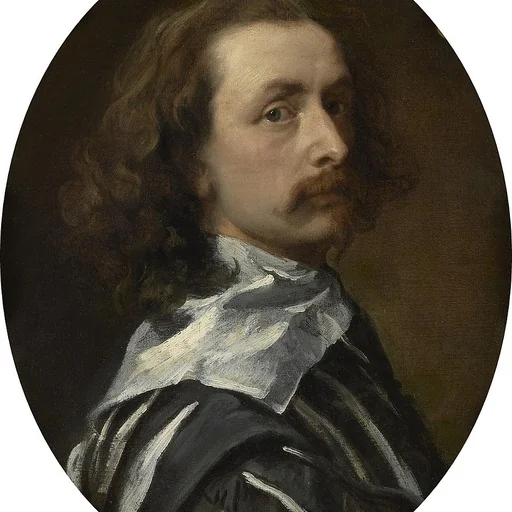
Sir Anthony van Dyck (; Dutch: Antoon van Dijck; 22 March 1599 – 9 December 1641) was a Flemish Baroque artist, who became the leading court painter in England after success in the Spanish Netherlands and Italy.

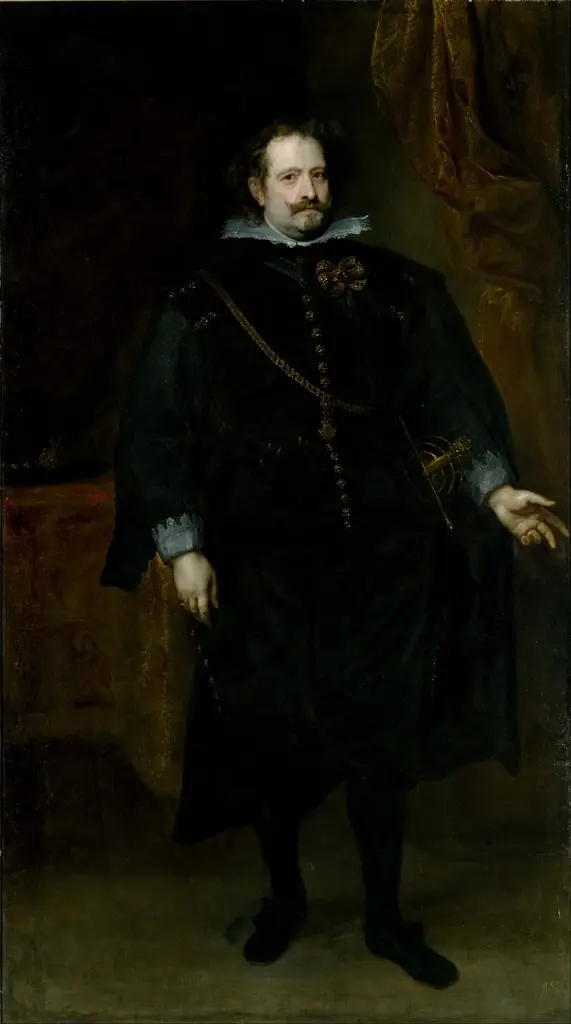 Diego Felipe de Guzmán, Marquis of Leganés
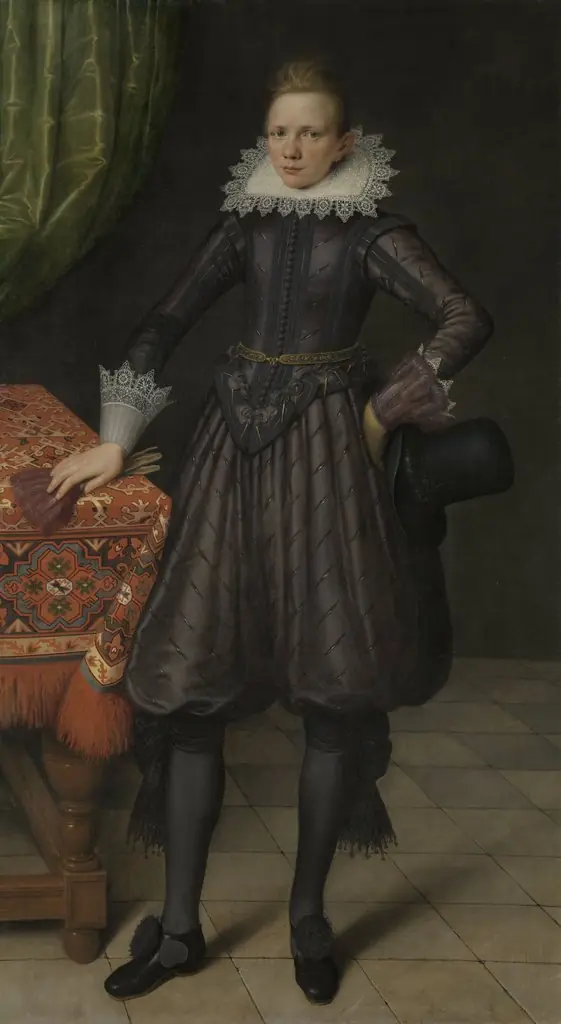 Portrait of Peter Courten
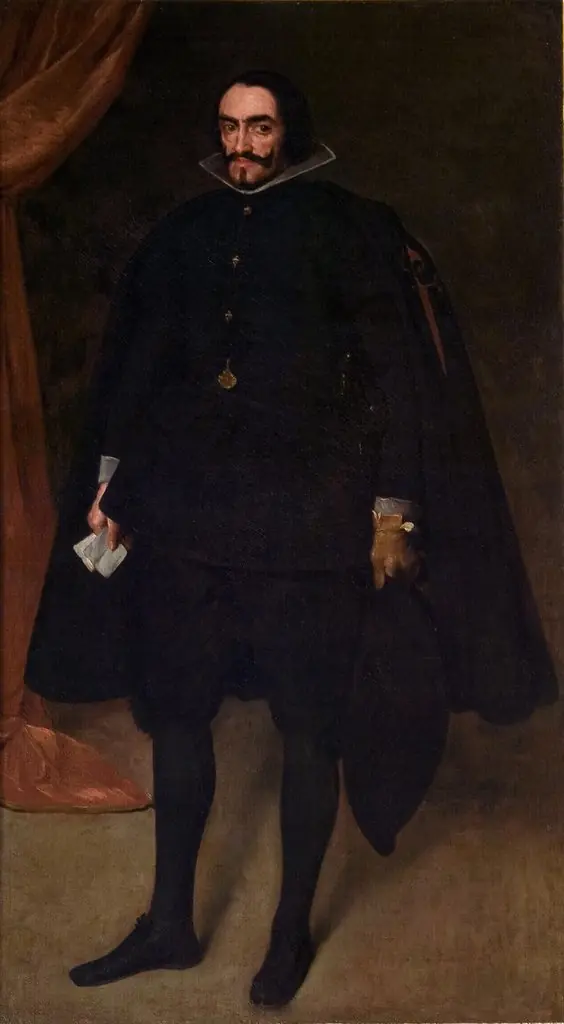 Portrait of a Knight of the Order of Santiago
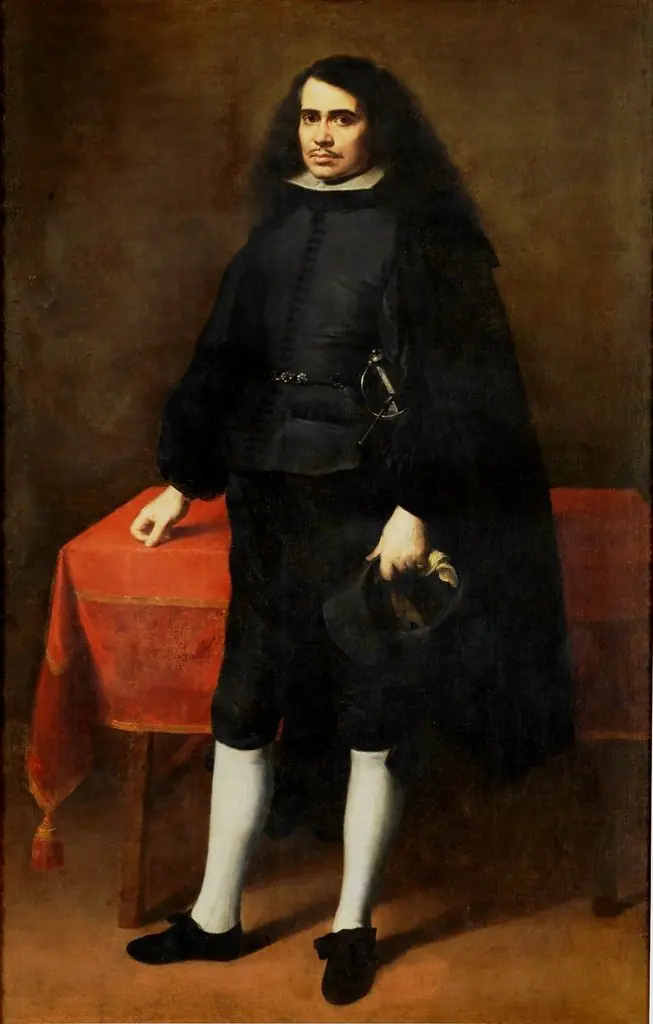 Portrait of a Man
 Willem Kettingh (d 1670). Chief Treasurer and Bailiff of the Prince of Orange
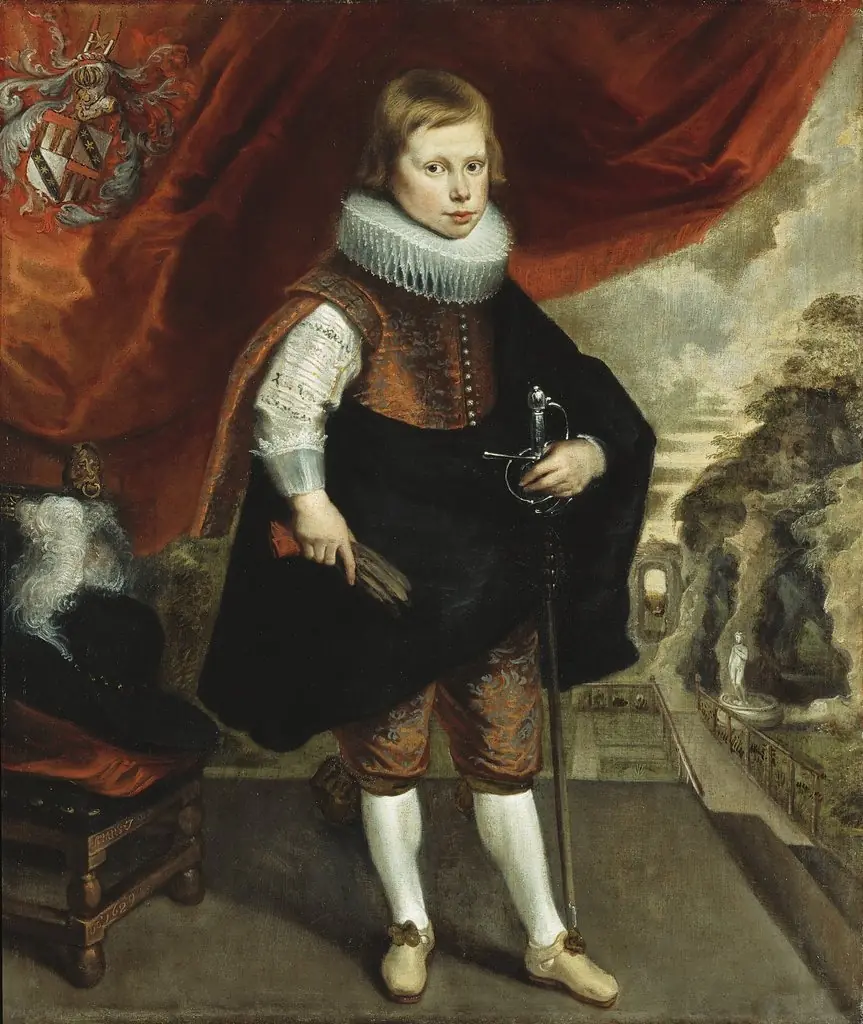 A Boy
A Boy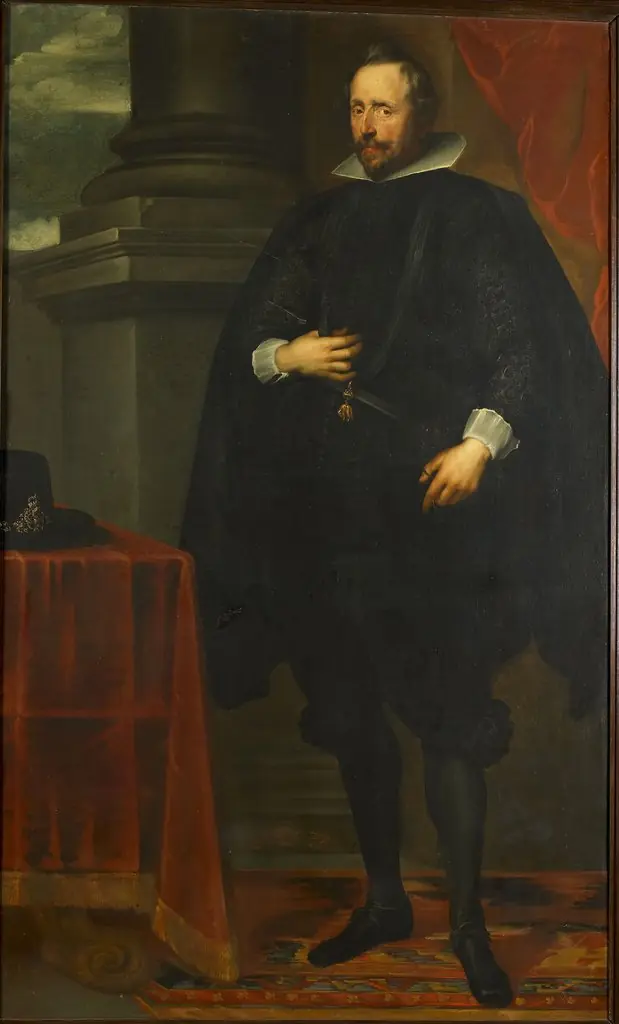 Portrait of Wolfgang Wilhelm, Count Palatine of Neuburg
 Portrait of Laurens Reael
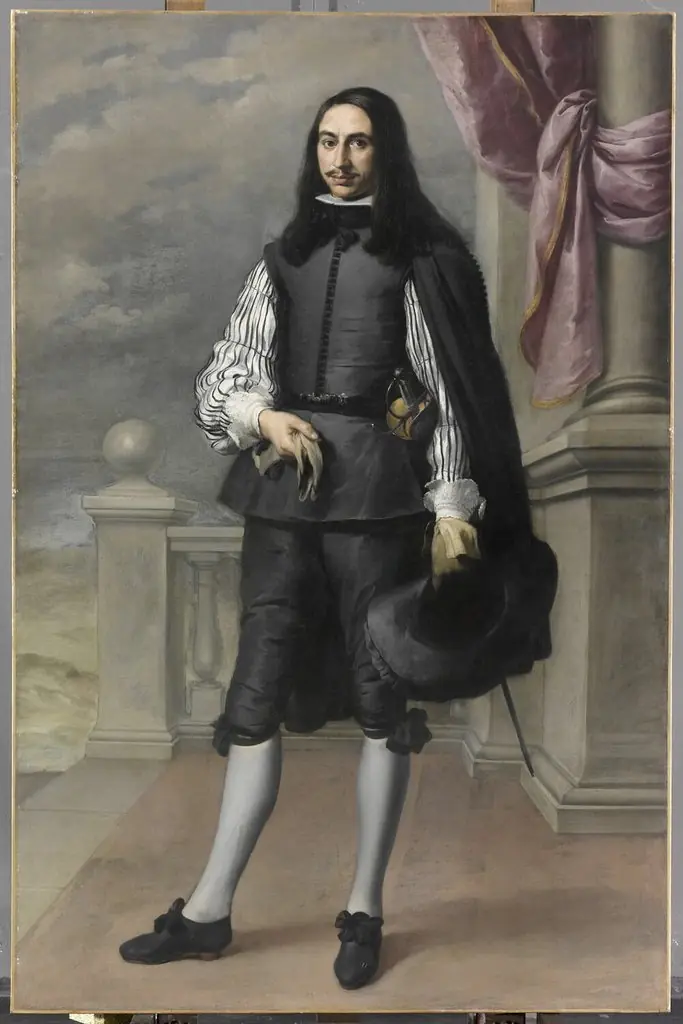 Portrait of Íñigo Fernández de Velasco
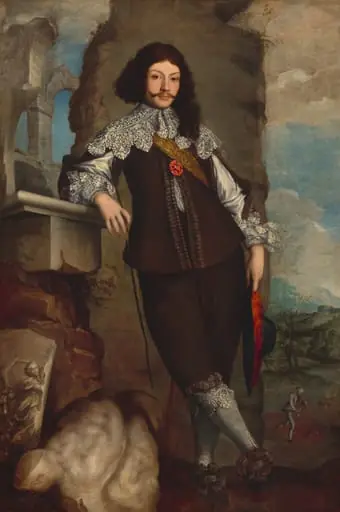 Lodovico Widmann
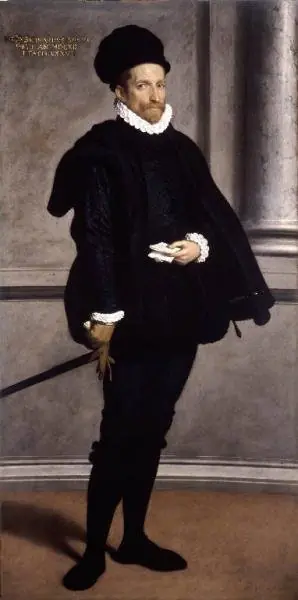 Portrait of Bernardo Spini
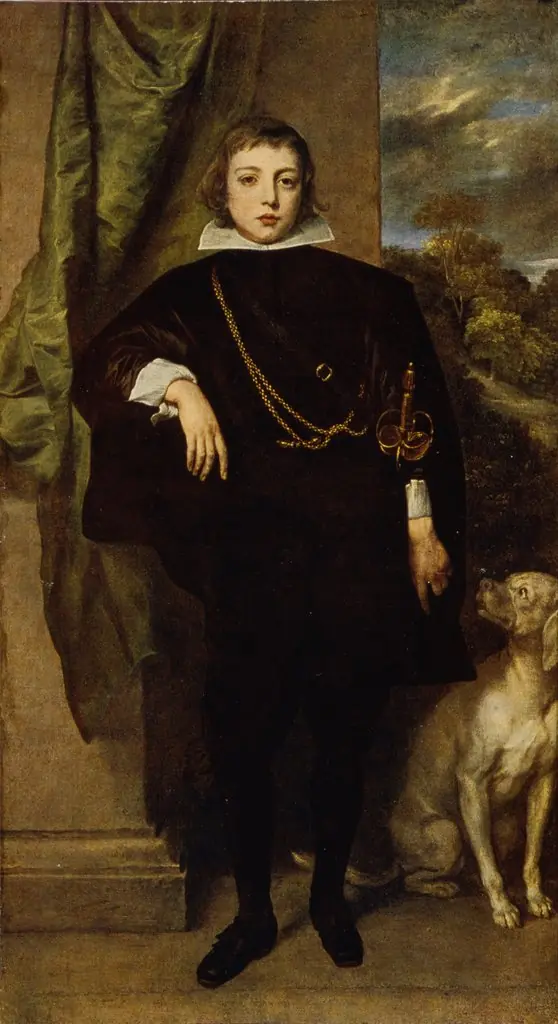
- Portrait of Filippo Francesco d'Este, Marchese di Lanzo with his Dog