Artwork
Thomas Howard, Later 5th Duke of Norfolk, when a Boy
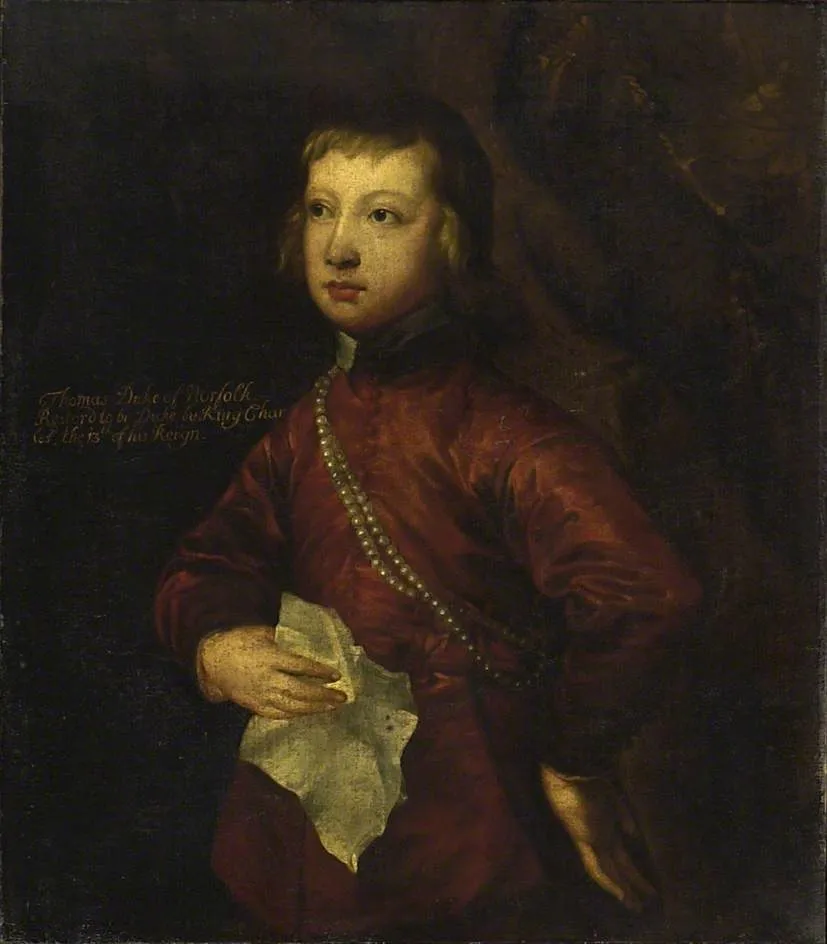
Thomas Howard, Later 5th Duke of Norfolk, when a Boy is an oil painting by the Flemish Baroque painting artist Anthony van Dyck. It dates from 1630 and is held in the collection of the Ashmolean Museum.
About this work
Overview
Around 1630, Anthony van Dyck painted an oil portrait of Thomas Howard as a child, before the young noble would inherit the title of 5th Duke of Norfolk. The work presents the boy in a formal pose, his serious gaze directed toward the viewer, set against a dark, unadorned background that emphasizes his presence.
Subject & Meaning
Thomas Howard is shown wearing a red jacket trimmed with a white ruffle, a string of pearls around his neck, and holding a white cloth in his right hand. The attire and composed expression convey the status and education expected of an aristocratic heir in early‑17th‑century England.
Technique & Style
Van Dyck employs a refined handling of light and shadow, allowing the boy’s features and sumptuous fabrics to emerge from the dark backdrop. The subtle modeling of the face and the smooth rendering of textures reflect the mature portrait style that would become his hallmark in the English court.
History & Provenance
The Flemish painter, born in Antwerp in 1599, trained in Peter Paul Rubens’s workshop and achieved master status by 1617. After establishing his reputation on the continent, he moved to England, where he served as the principal court portraitist. This early portrait of Howard predates van Dyck’s official appointment by the English monarchy.
Context
At the time of its creation, van Dyck was consolidating his reputation among the European nobility. Portraits of young aristocrats like Howard functioned as visual affirmations of lineage and future authority, aligning with the broader Baroque interest in depicting power through elegant, controlled compositions.
Artist & collection
Artist
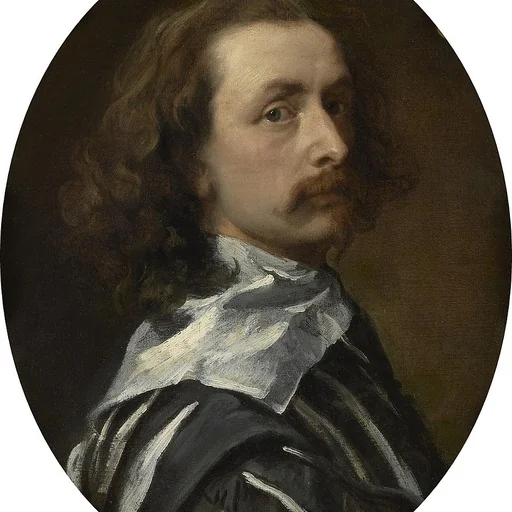
Sir Anthony van Dyck (; Dutch: Antoon van Dijck; 22 March 1599 – 9 December 1641) was a Flemish Baroque artist, who became the leading court painter in England after success in the Spanish Netherlands and Italy.

 Portrait of a Boy
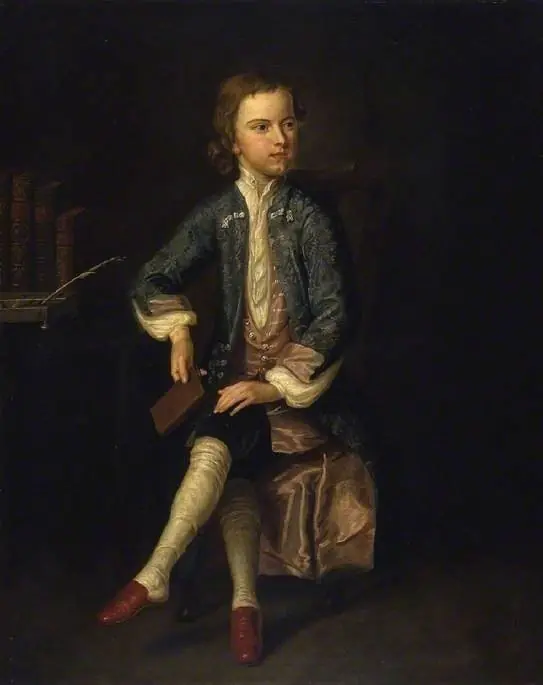 Thomas Gray
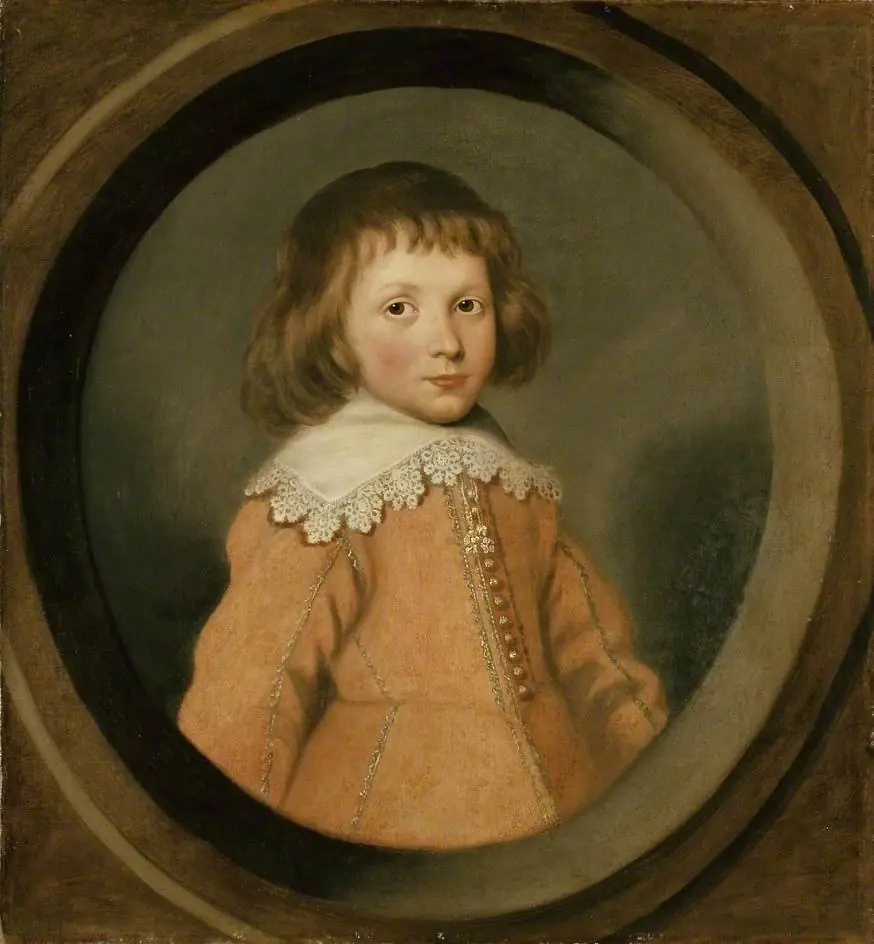 John Tradescant III
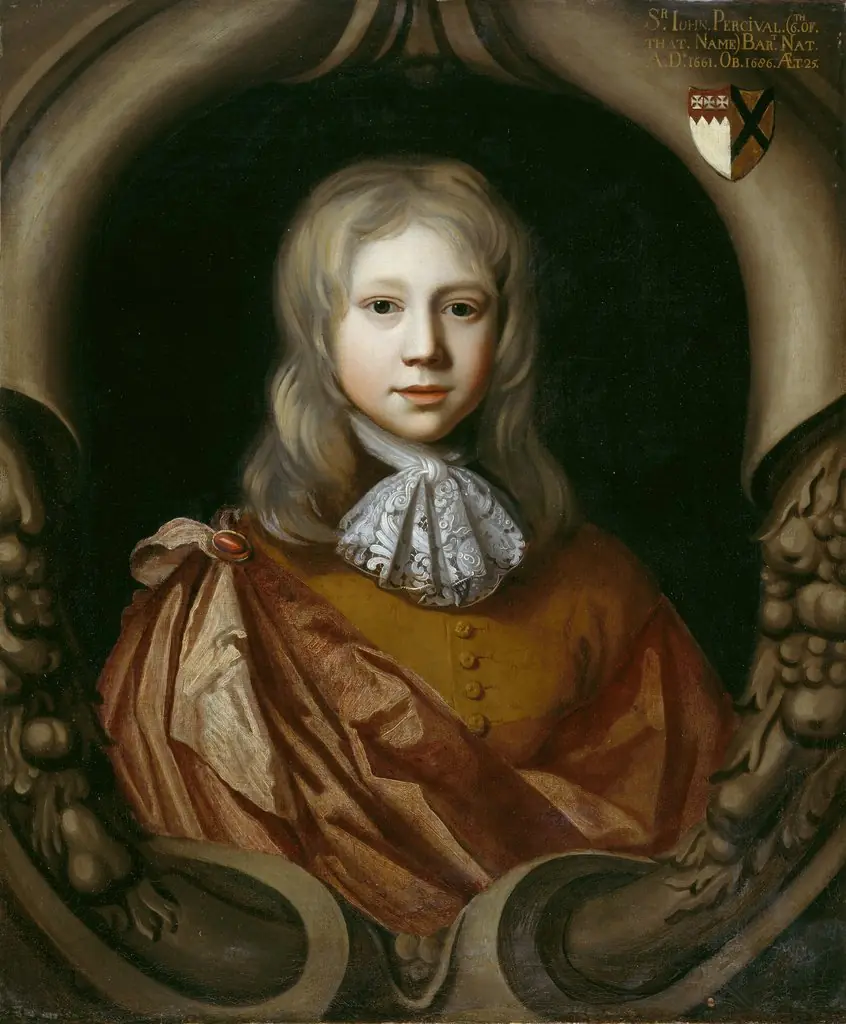 Portrait of Sir John Perceval, 3rd Bt (1660-1686)
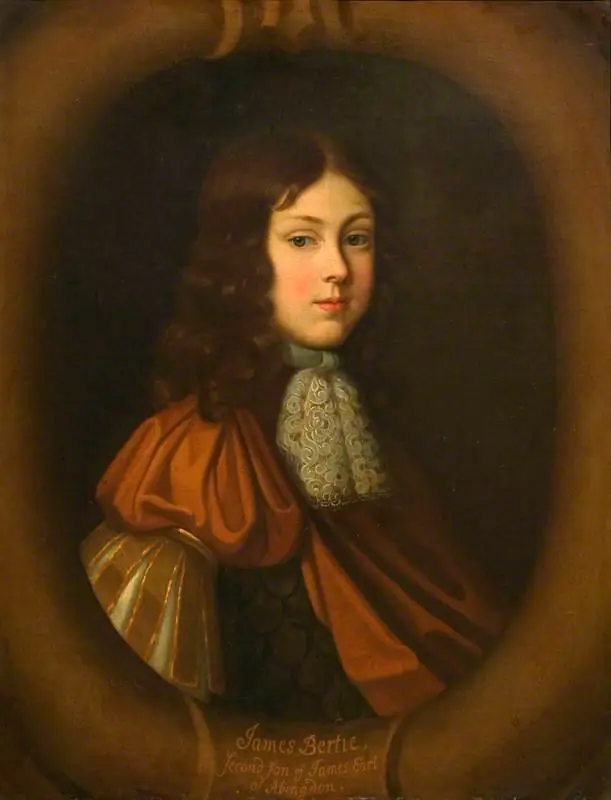 James Bertie (1653–1699), 2nd Son of James, Earl of Abingdon
 A young gentleman
 Frances Tradescant
 Bildnis eines kleinen Prinzen
 Portrait of Francesco de' Medici (1614-1634)
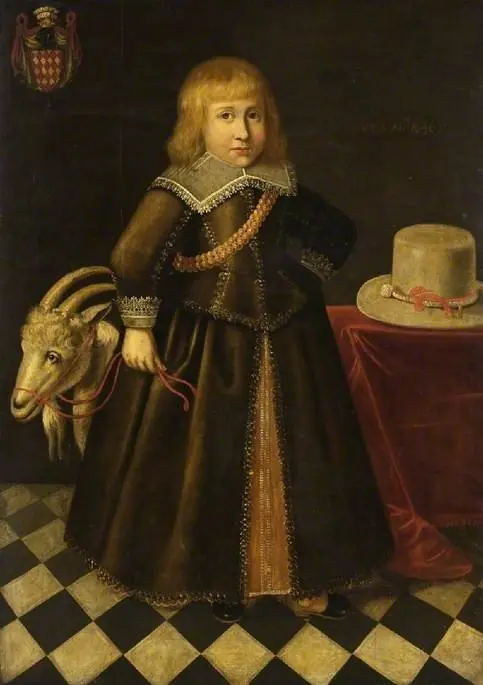 Portrait of a child with a toy goat
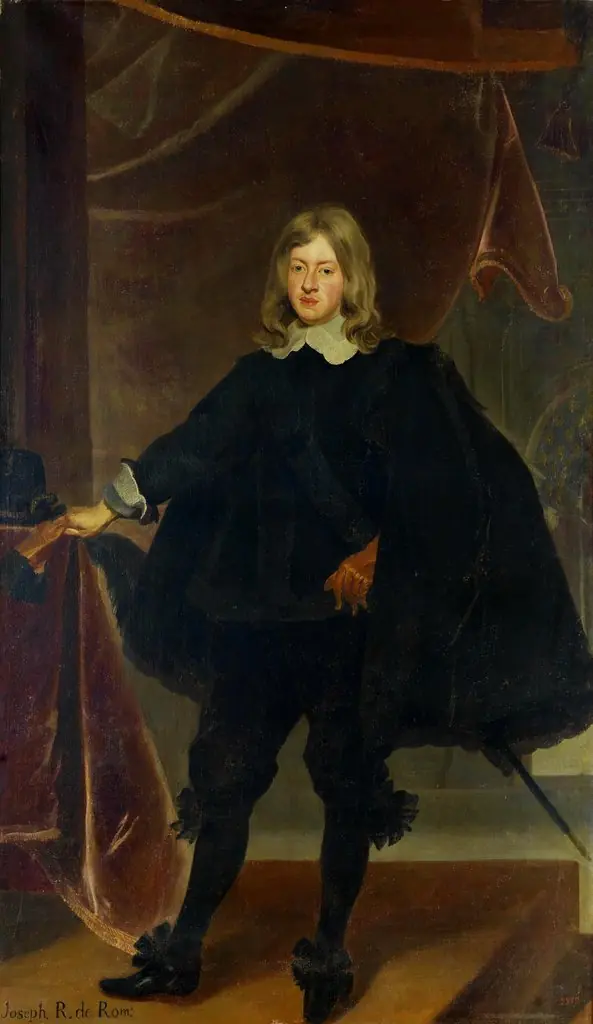 Ferdinand IV, King of the Romans
- Portait of a Boy