Artwork
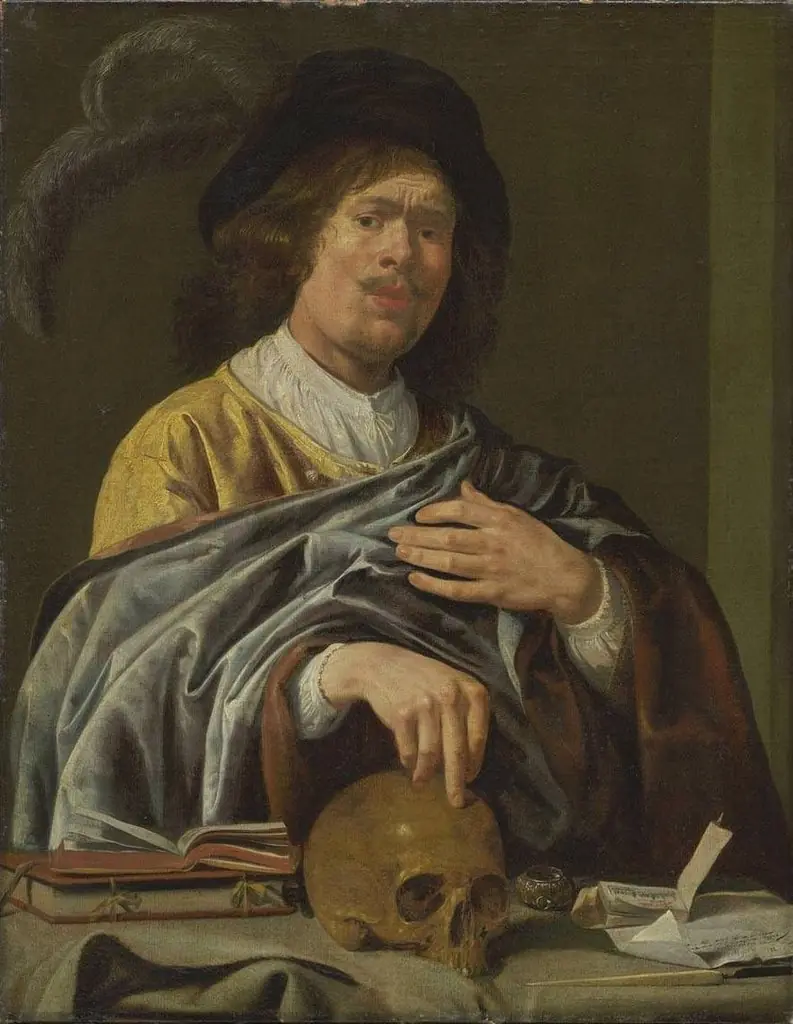
Vanitas Portrait of the Painter
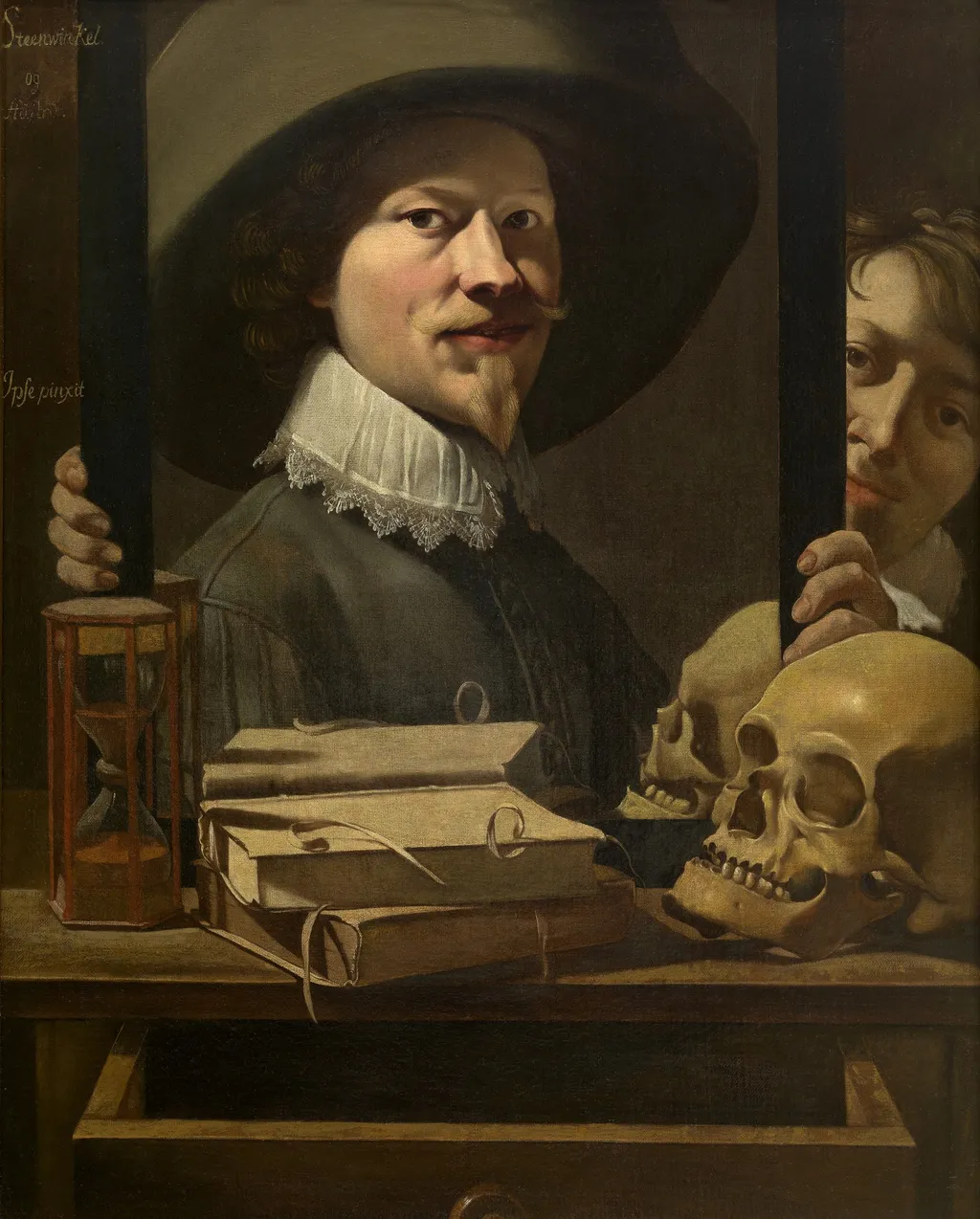
Vanitas Portrait of the Painter is an oil painting by the Dutch Golden Age artist Antonie van Steenwinckel. It dates from 1600 and is held in the collection of the Royal Museum of Fine Arts Antwerp.
About this work
Technique & Style
Its formal composition combines a self‑portrait with vanitas symbols, presenting the artist in a restrained palette that emphasizes texture and chiaroscuro.
The work is an oil painting executed on canvas, employing the conventional handling typical of early 17th‑century Flemish portraiture. Its formal composition combines a self‑portrait with vanitas symbols, presenting the artist in a restrained palette that emphasizes texture and chiaroscuro. The surface retains its original oil sheen, and the canvas remains taut without evidence of later transfer or lining.
History & Provenance
The painting Vanitas Portrait of the Painter by Antonie van Steenwinckel is held in the collection of the Royal Museum of Fine Arts Antwerp. The work, created in 1600, is executed in oil on canvas and measures 85 cm in height by 64 cm in width. While the sources confirm its current location and physical dimensions, no specific inventory or accession number is provided in the available records. Furthermore, the provided documentation does not contain details regarding the artwork's exhibition history.
Legacy
The painting's legacy rests on its role as an early example of vanitas symbolism within self-portraiture, a theme that resonated through later Dutch portraiture. Its composition influenced contemporaries who incorporated moralizing objects to underscore the transience of life, shaping the visual language of 17th‑century Flemish art. The work is cited in scholarly surveys of vanitas as a prototype for later moral allegories, underscoring its enduring reputation in art‑historical discourse.
Overview
Vanitas Portrait of the Painter is a self-portrait oil painting created by Antonie van Steenwinckel in 1600. The work is currently housed at the Royal Museum of Fine Arts Antwerp.
Subject & Meaning
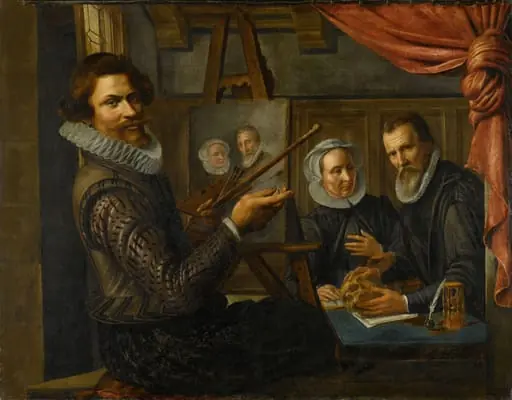
The painting depicts the artist himself, Antonie van Steenwinckel, seated at a desk with symbolic objects: a stack of books (representing knowledge or literary pursuits), a sand timer (signifying the passage of time), and a human skull (embodying mortality). These elements collectively convey the vanitas theme, a reminder of life's transience.
Context
The vanitas theme was common in 17th-century European art, particularly in the Netherlands, serving as a moral reminder of the ephemeral nature of human life and the futility of earthly pursuits.
Own this work as a print
Artist & collection
Artist
A Dutch Golden Age painter known for quiet still lifes and self-portraits, Antonie van Steenwinckel left a single haunting work behind: Vanitas Portrait of the Painter (1600–01).

 Bildnis eines Gelehrten
 Self-portrait with a Skull
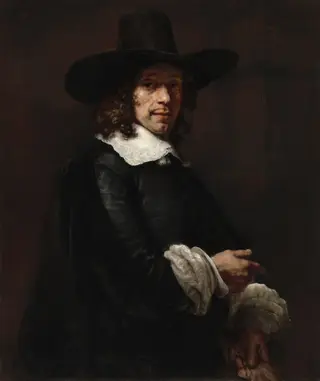 Portrait of a Gentleman with a Tall Hat and Gloves
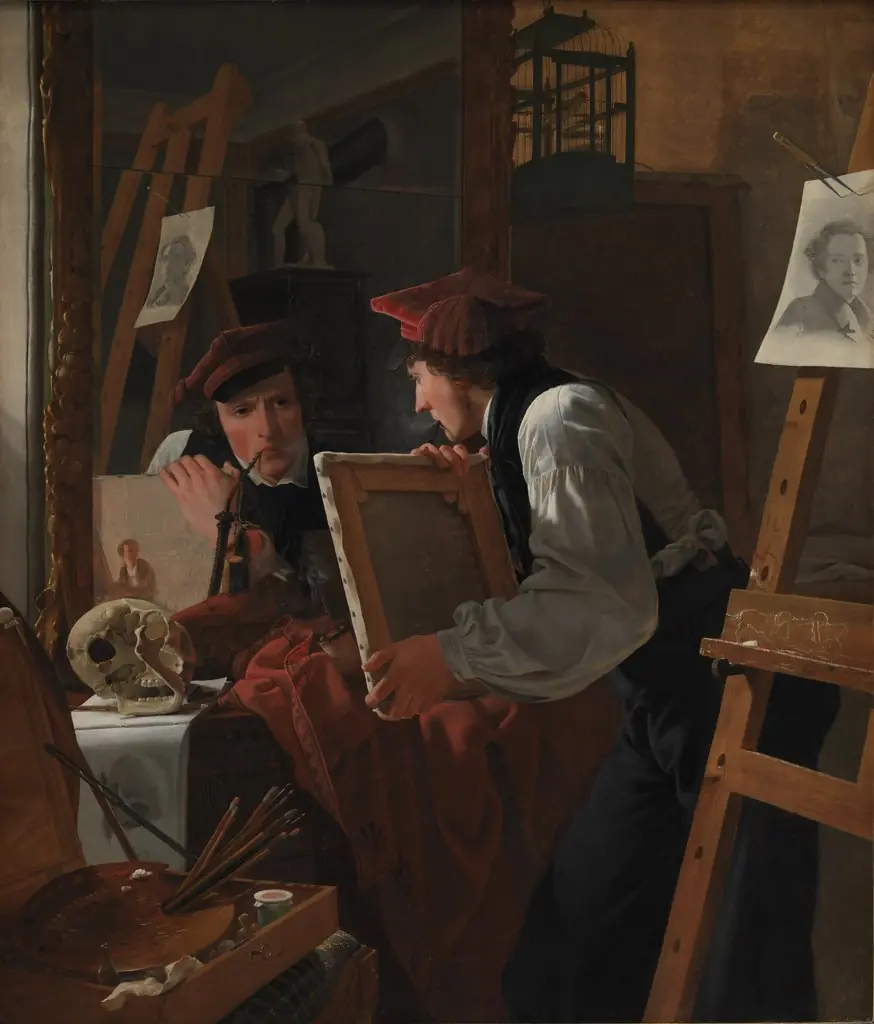 A Young Artist (Ditlev Blunck) Examining a Sketch in a Mirror
 A Young Artist (Ditlev Blunck) Examining a Sketch in a Mirror
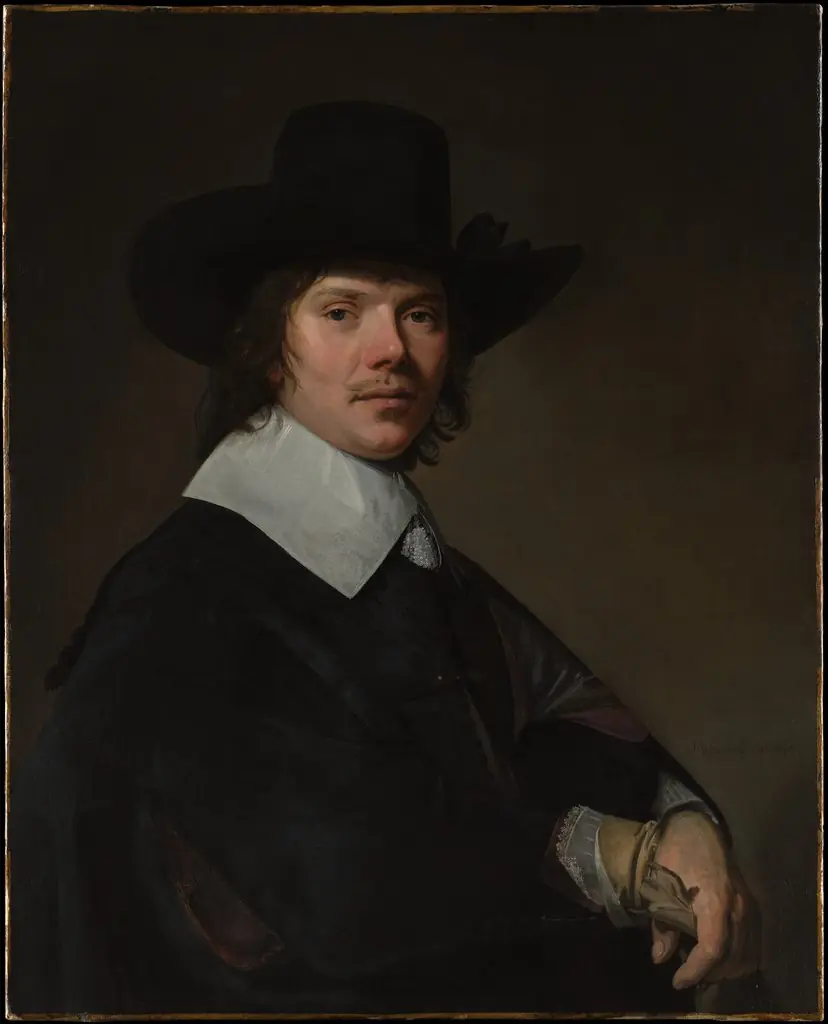 Portrait of a Man
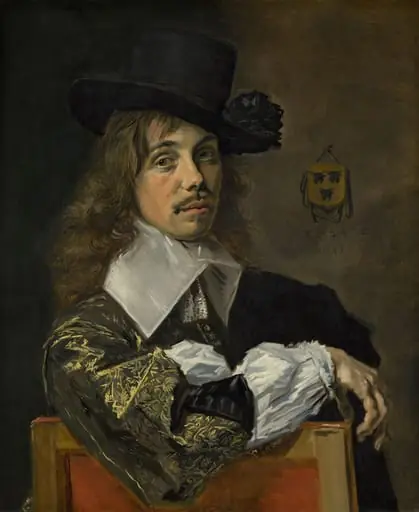 Willem Coymans
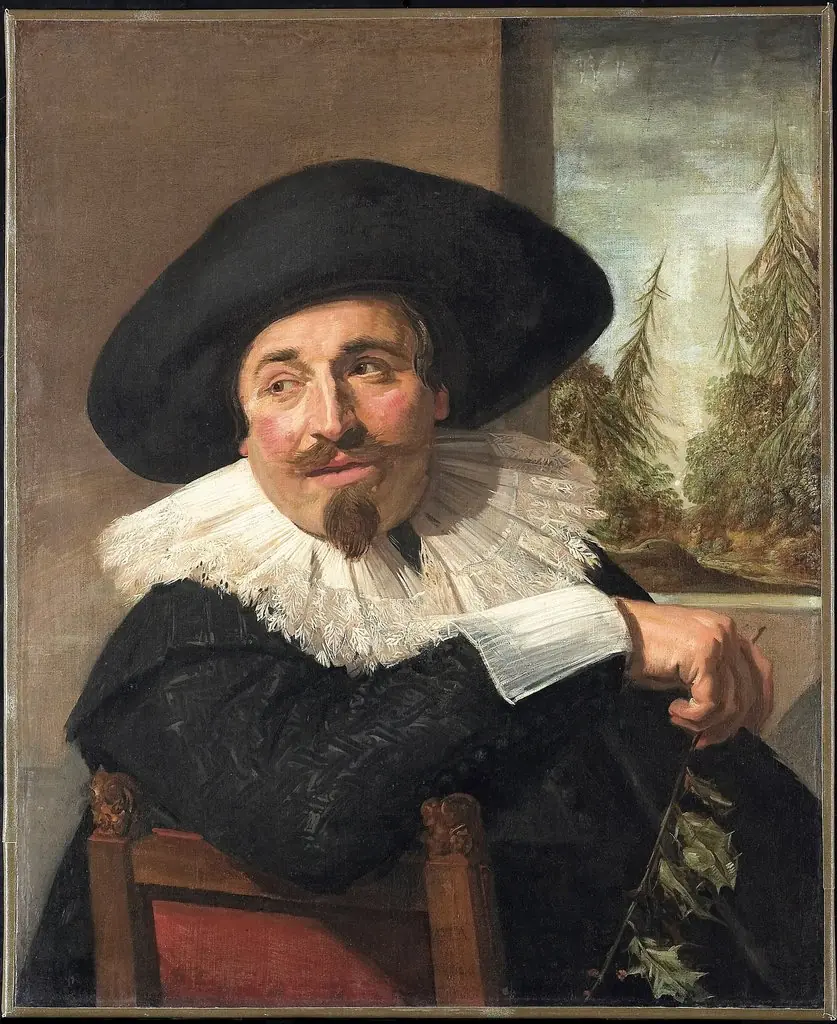 Portrait of Isaak Abrahamsz. Massa
 Untitled
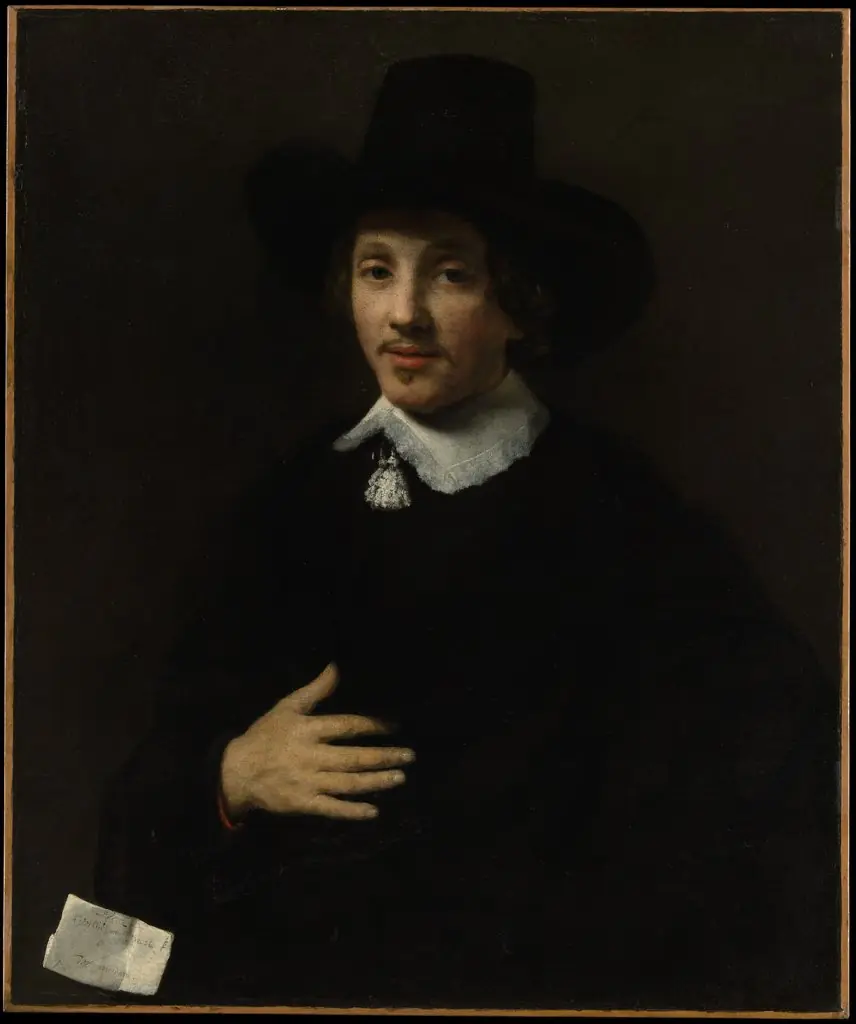 Portrait of a Man (Self-Portrait?)
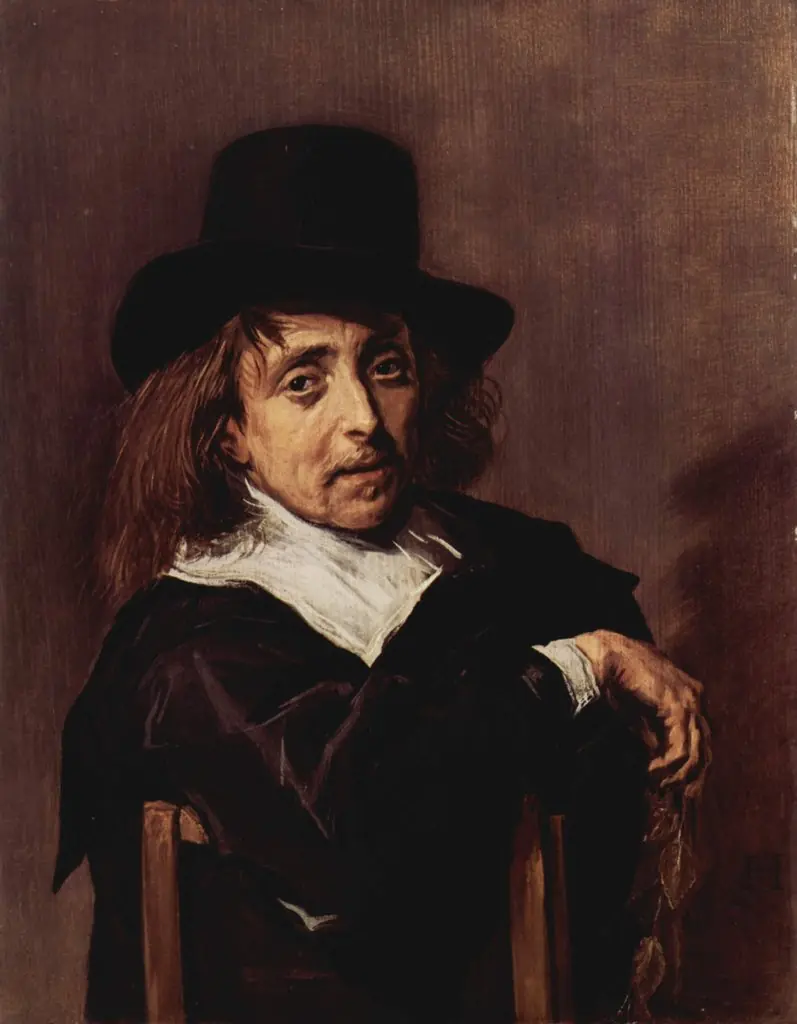 Portrait of a man
- Vanitas