Artwork
Portrait of a nobleman
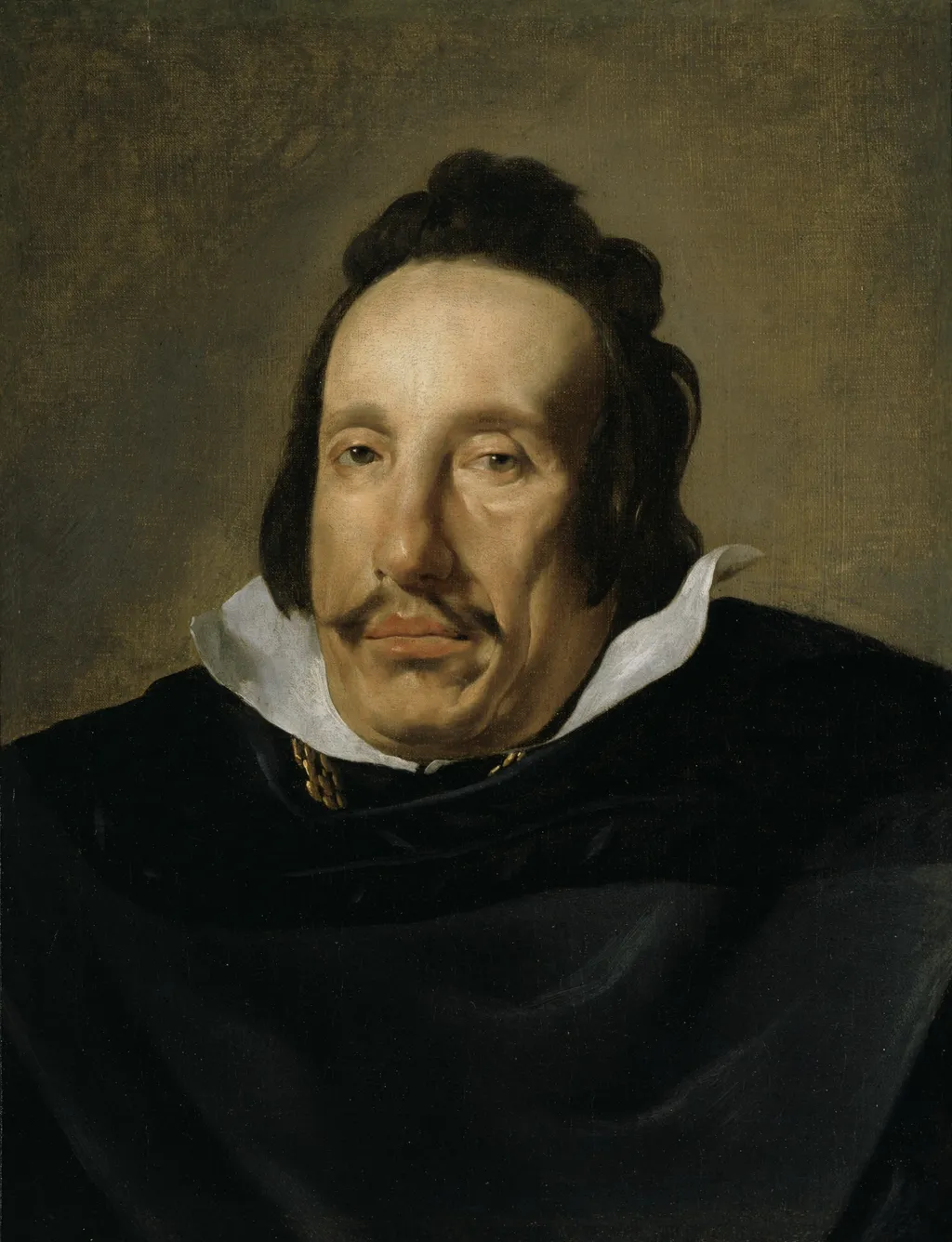
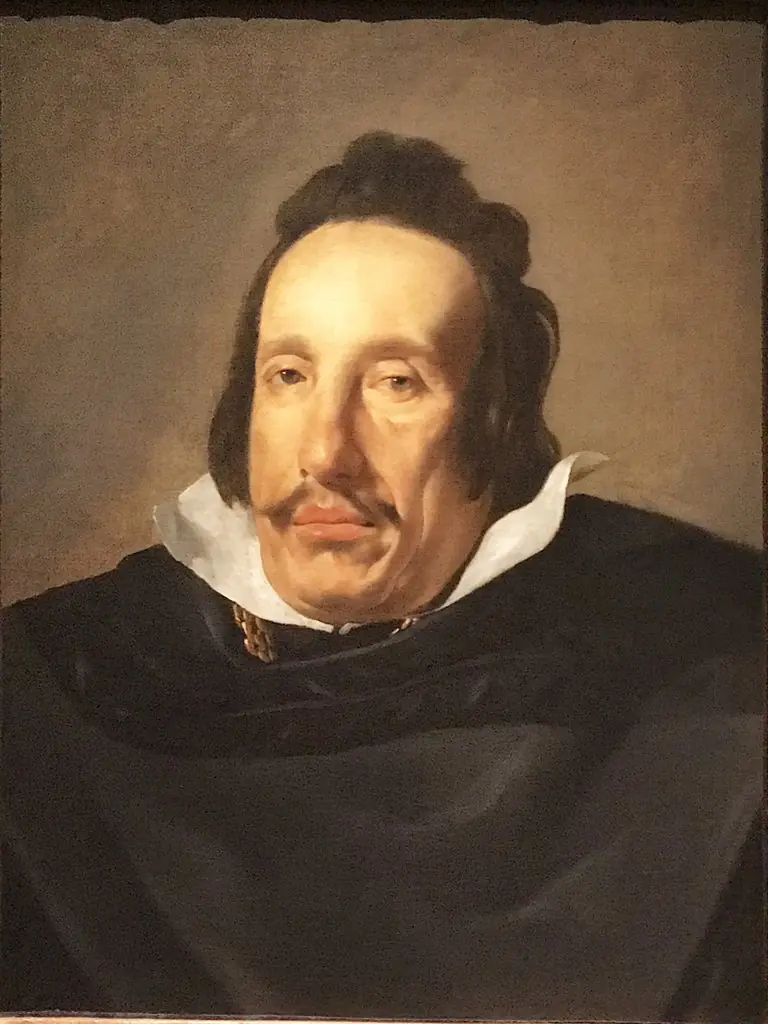
Portrait of a nobleman is an oil painting by the Spanish Baroque Tenebrist artist Diego Velázquez. It dates from 1623 and is held in the collection of the Detroit Institute of Arts.
About this work
Overview
Painted in 1623, this oil portrait by Diego Velázquez captures a nobleman in quiet dignity. Executed with precise brushwork, the work belongs to the early phase of the artist’s career, shortly after his arrival at the Spanish court. The painting is currently held in the collection of the Detroit Institute of Arts, where it remains a key example of Velázquez’s developing portraiture style.
Subject & Meaning
The sitter is identified as a member of the Spanish nobility, though his exact identity remains unconfirmed. His composed demeanor, formal attire, and direct gaze suggest status and self-possession. The absence of overt symbols of rank emphasizes character over heraldry, reflecting a shift toward psychological depth in portraiture during the early Baroque period.
Technique & Style
Velázquez employs chiaroscuro to model the face with subtle gradations of light and shadow, enhancing the three-dimensionality of the features. The dark garment and background isolate the subject, while the crisp rendering of the white collar and facial textures demonstrates his mastery of surface detail. Brushwork is restrained yet expressive, avoiding theatricality in favor of naturalism.
History & Provenance
The painting entered the Detroit Institute of Arts’ collection in the early 20th century, acquired through a private donation. Its earlier provenance is not fully documented, but its style and date align with Velázquez’s works produced after his first trip to Madrid, suggesting it may have been painted for a courtly patron during his formative years as a royal painter.
Context
Created during a period when Spanish portraiture was moving away from rigid formality, this work reflects Velázquez’s interest in capturing individual presence. Influenced by Italian realism and Venetian color, he adapted these elements to Spanish tastes, prioritizing psychological authenticity over idealization, a direction that would define his later court portraits.
Legacy
Though less famous than Velázquez’s royal portraits, this work exemplifies his early command of tone and texture. It influenced subsequent generations of Spanish and European painters who sought to convey inner life through restrained composition and nuanced lighting. Its presence in a major American museum underscores its role in shaping Western portraiture beyond Spain’s borders.
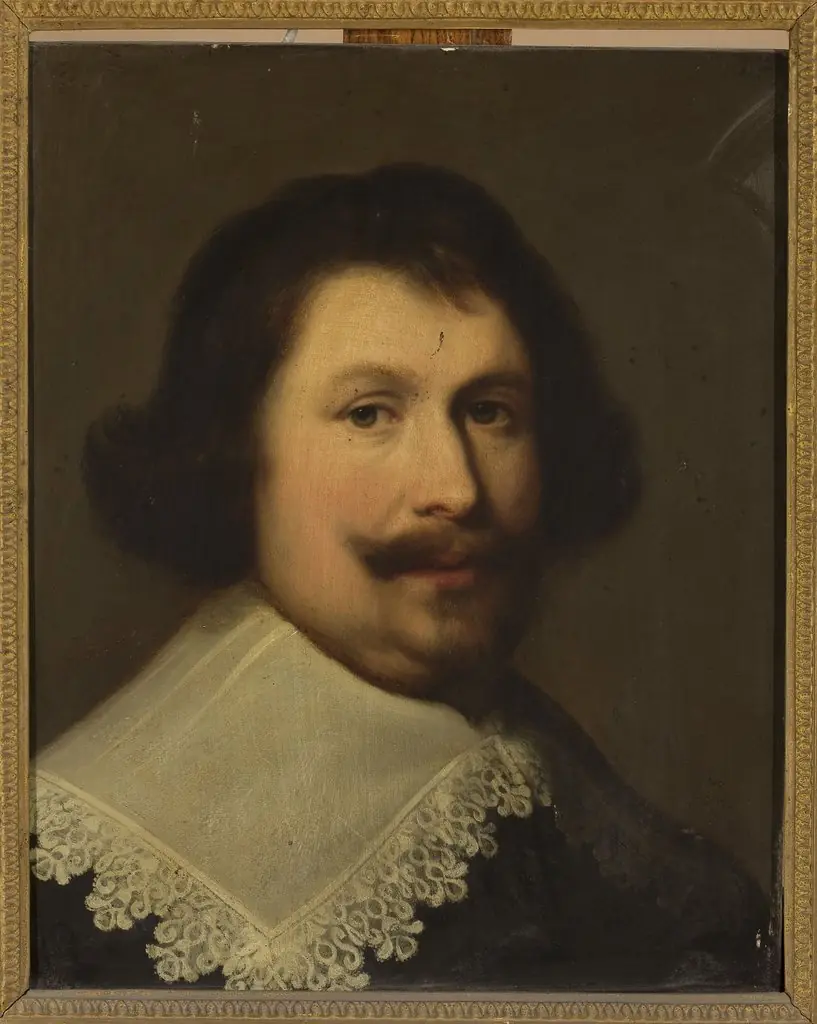
Own this work as a print
Artist & collection
Artist
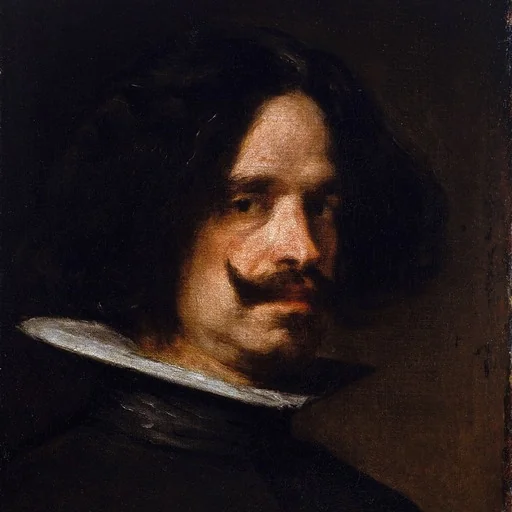
Diego Rodríguez de Silva y Velázquez was a Spanish Baroque painter, the leading artist in the court of King Philip IV of Spain and Portugal, and of the Spanish Golden Age.

 A Man
A Man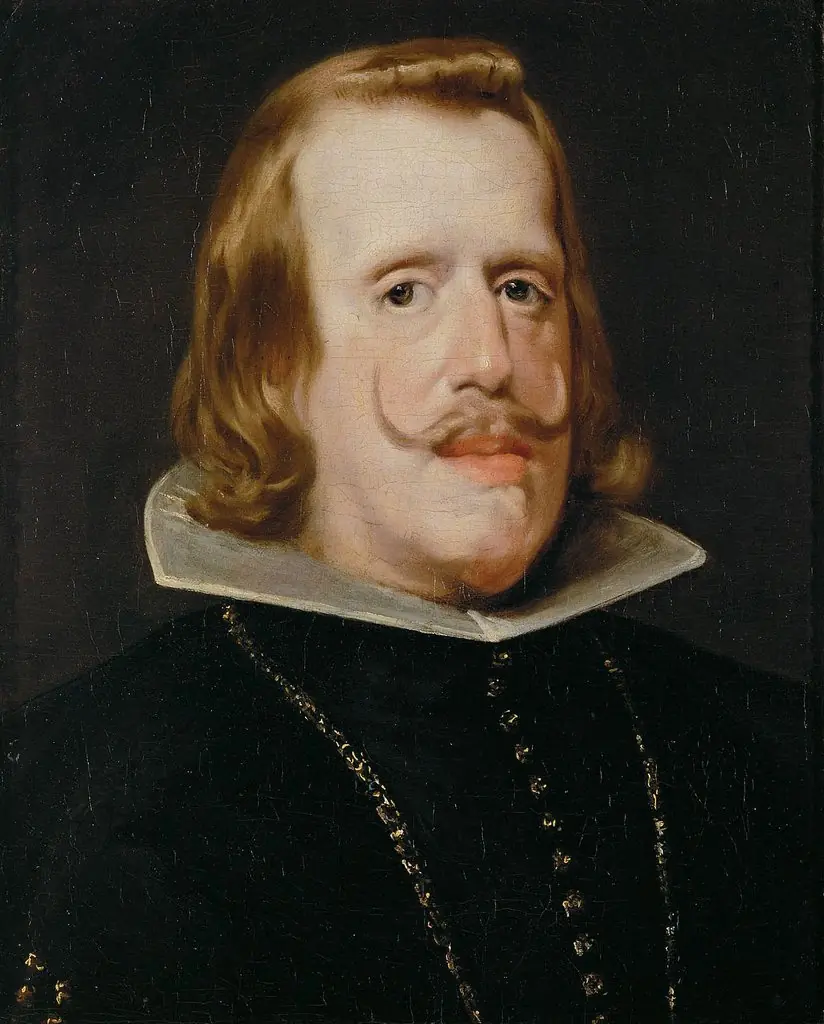 Portrait of King Philip IV of Spain
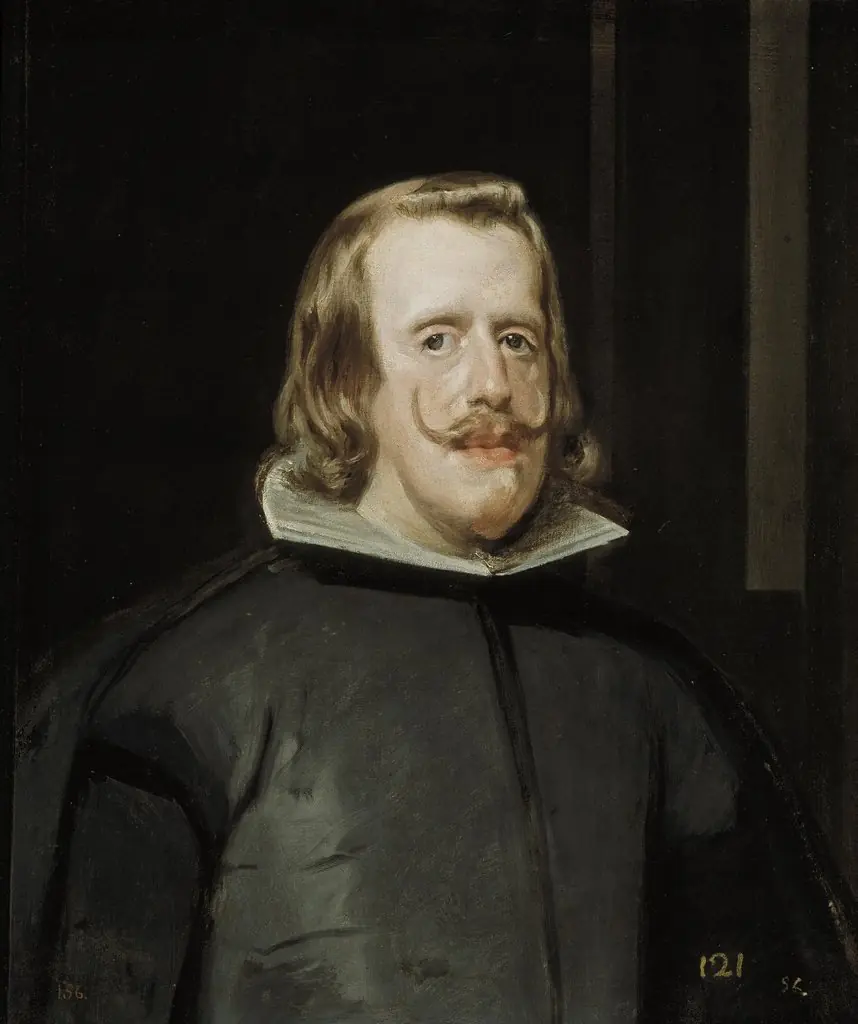 Philip IV in old age
 King Philip IV of Spain (1605 - 1665)
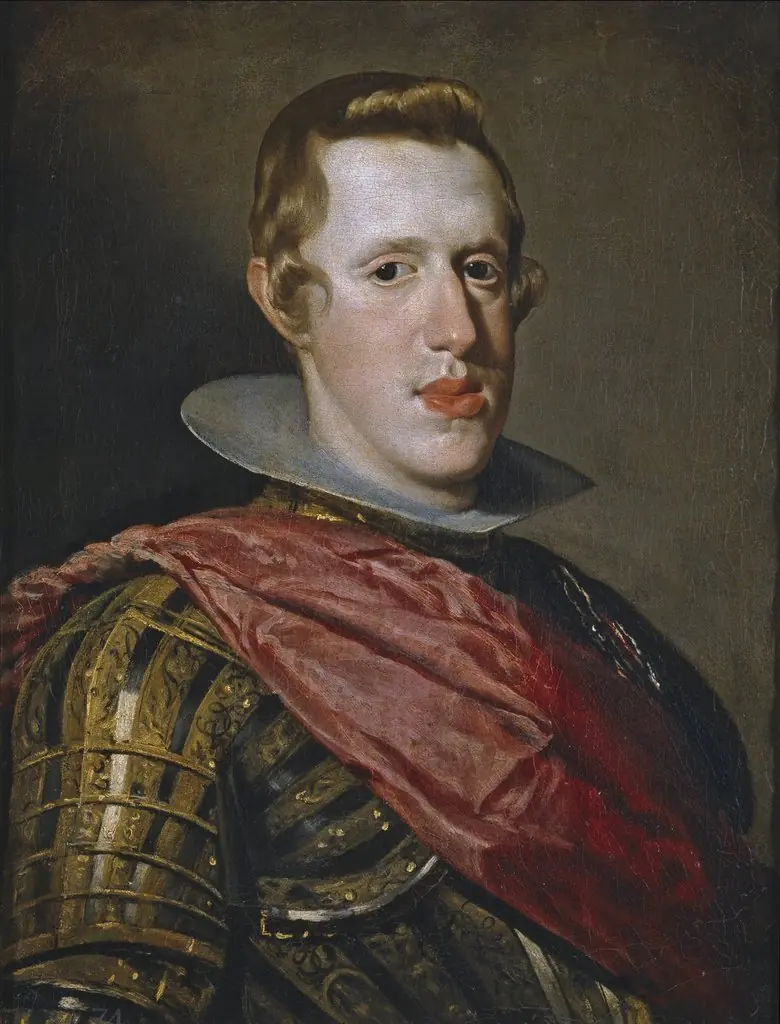 Portrait of Philip IV in Armour
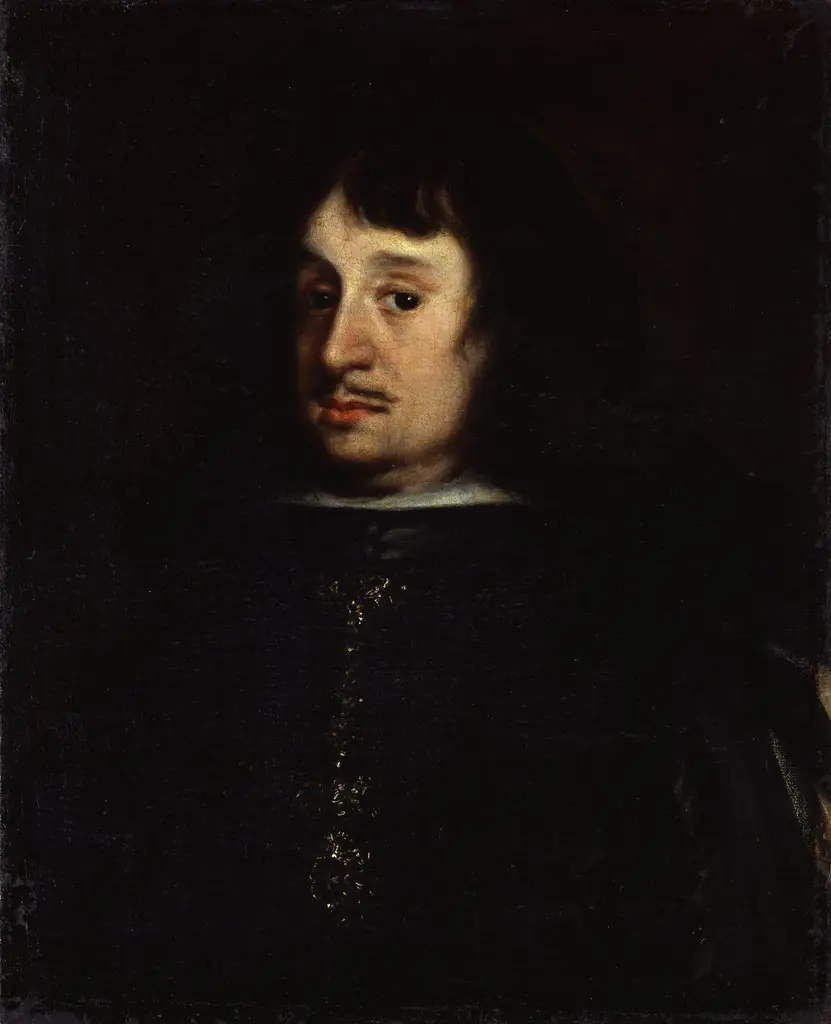 Don Juan José de Austria (1629-1679)
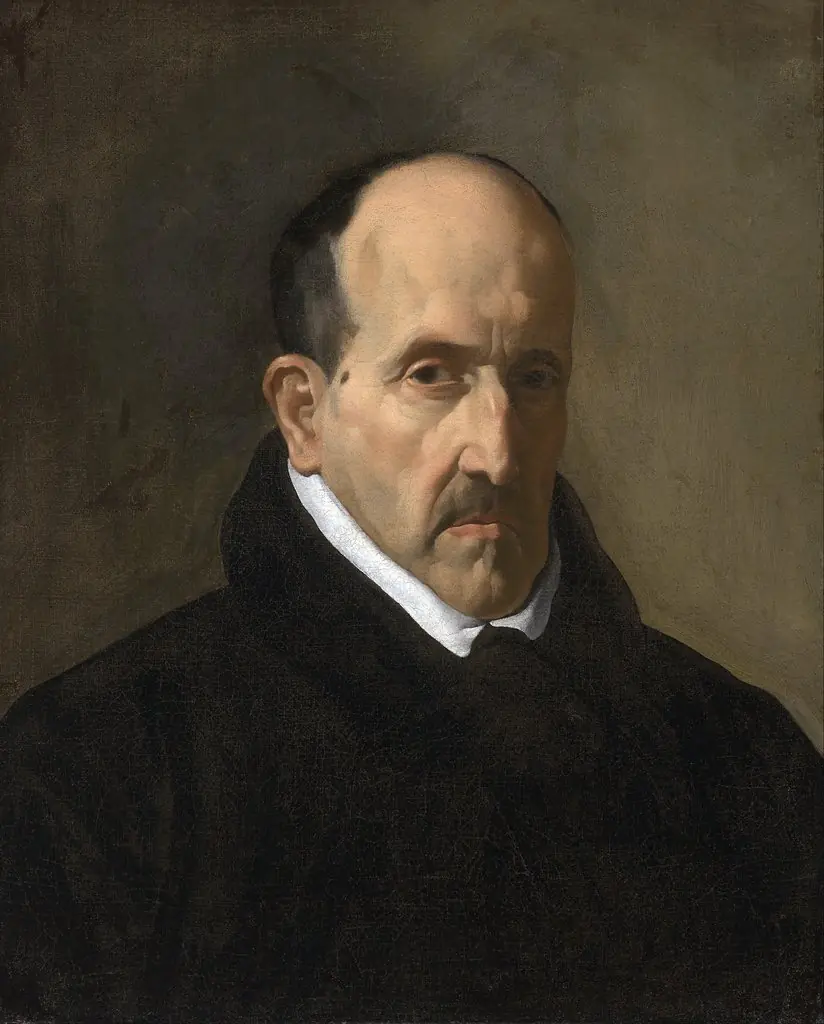 Portrait of Don Luis de Góngora
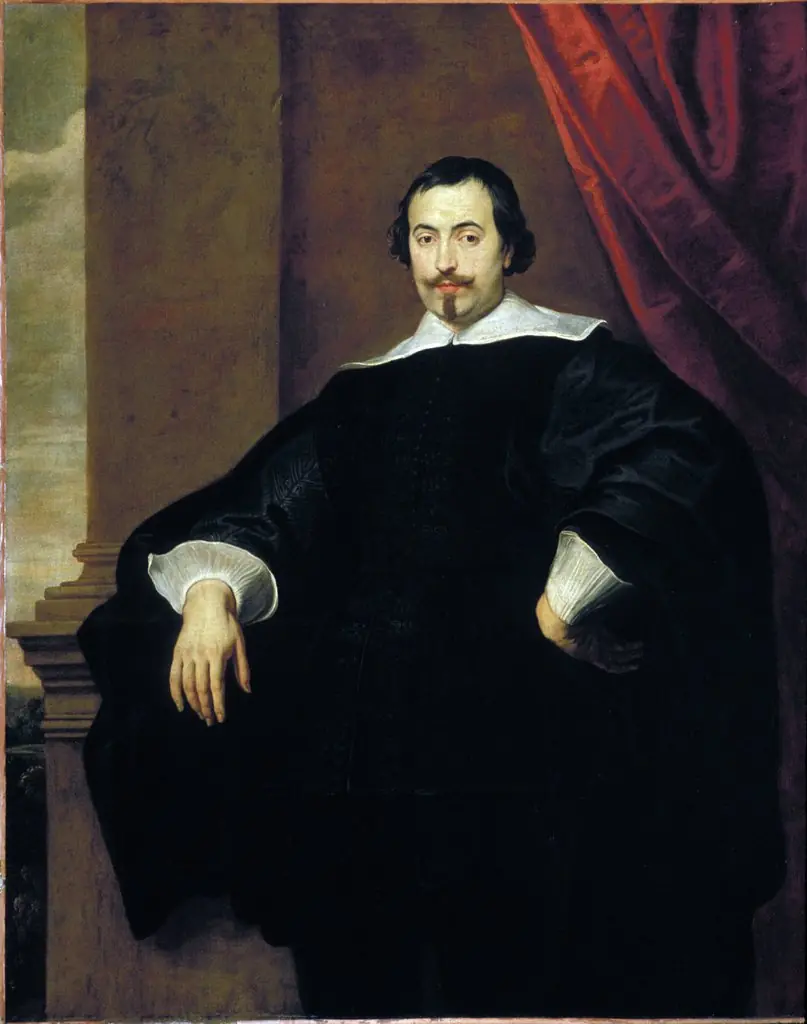 Portrait of a Man
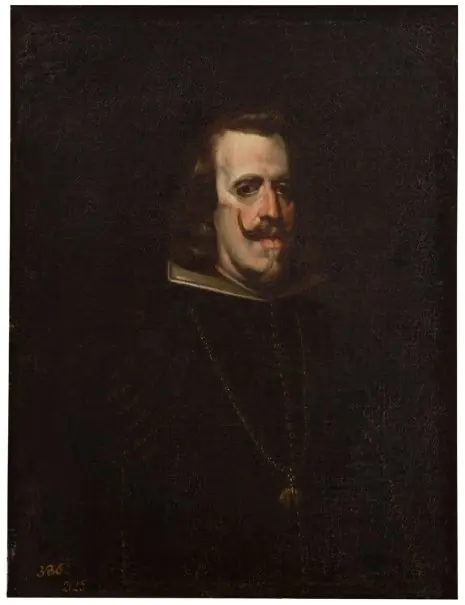 King Philip IV at half-length
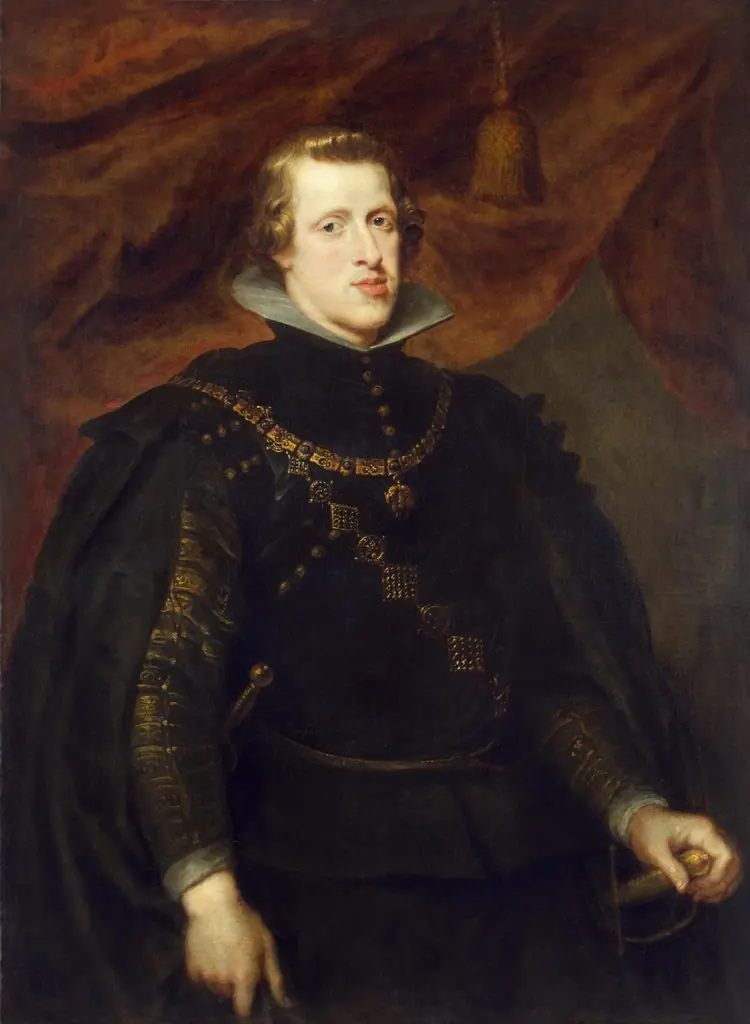 Portrait of Philip IV, King of Spain
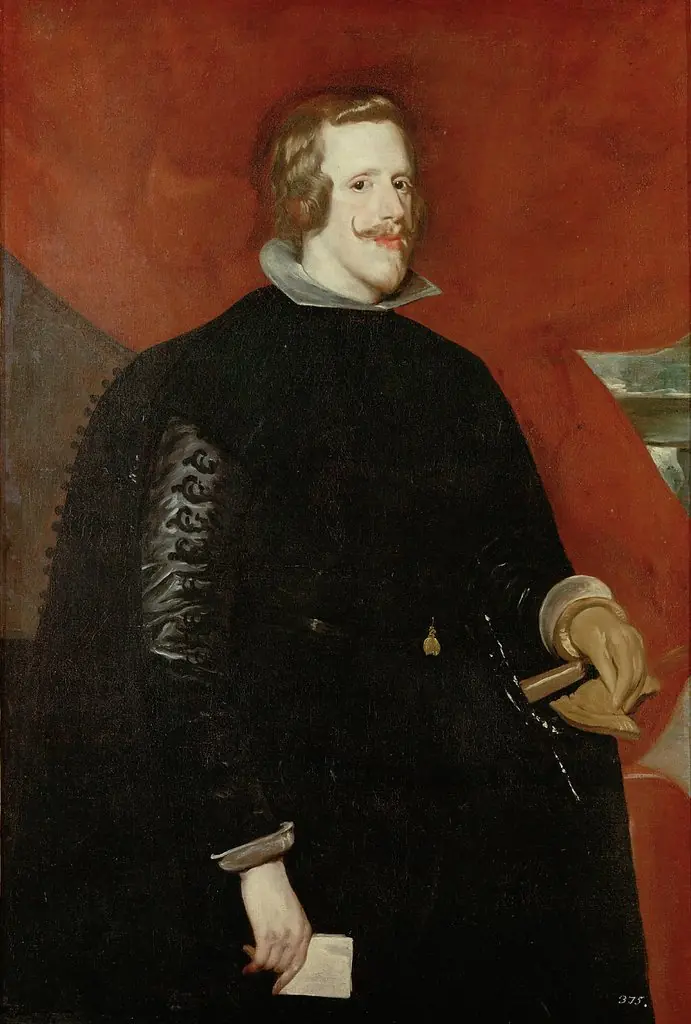 Portrait of Phillip IV of Spain, at three-quarter length
- Portrait of a nobleman