Artwork
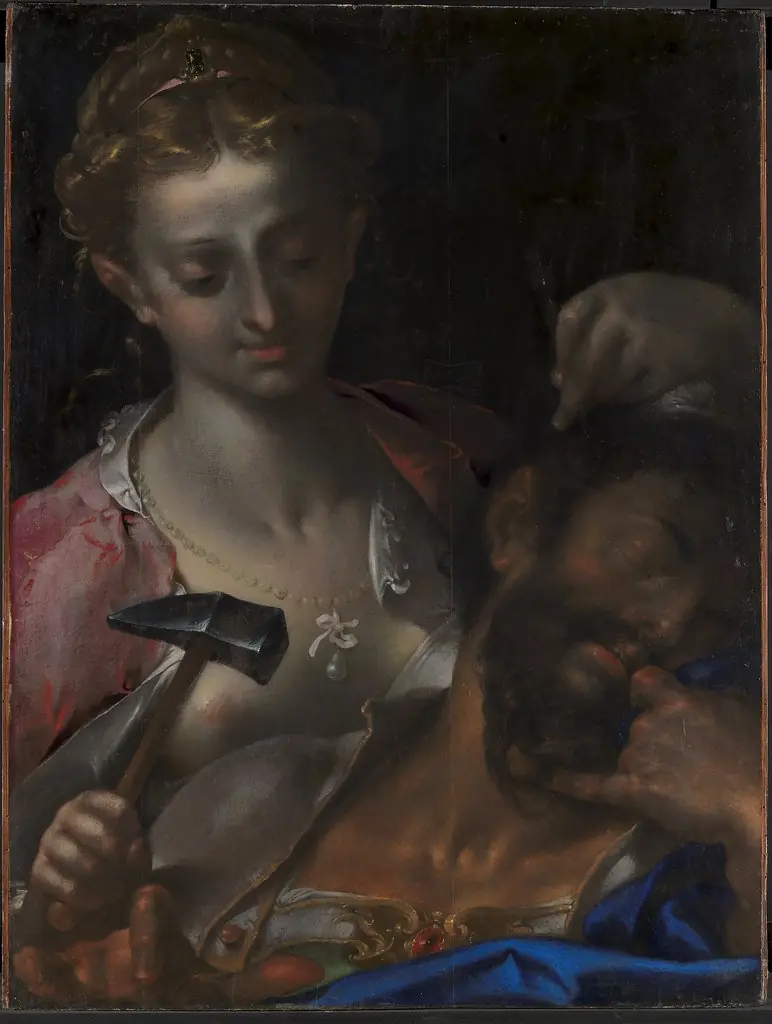
Venus in Vulcan's Forge
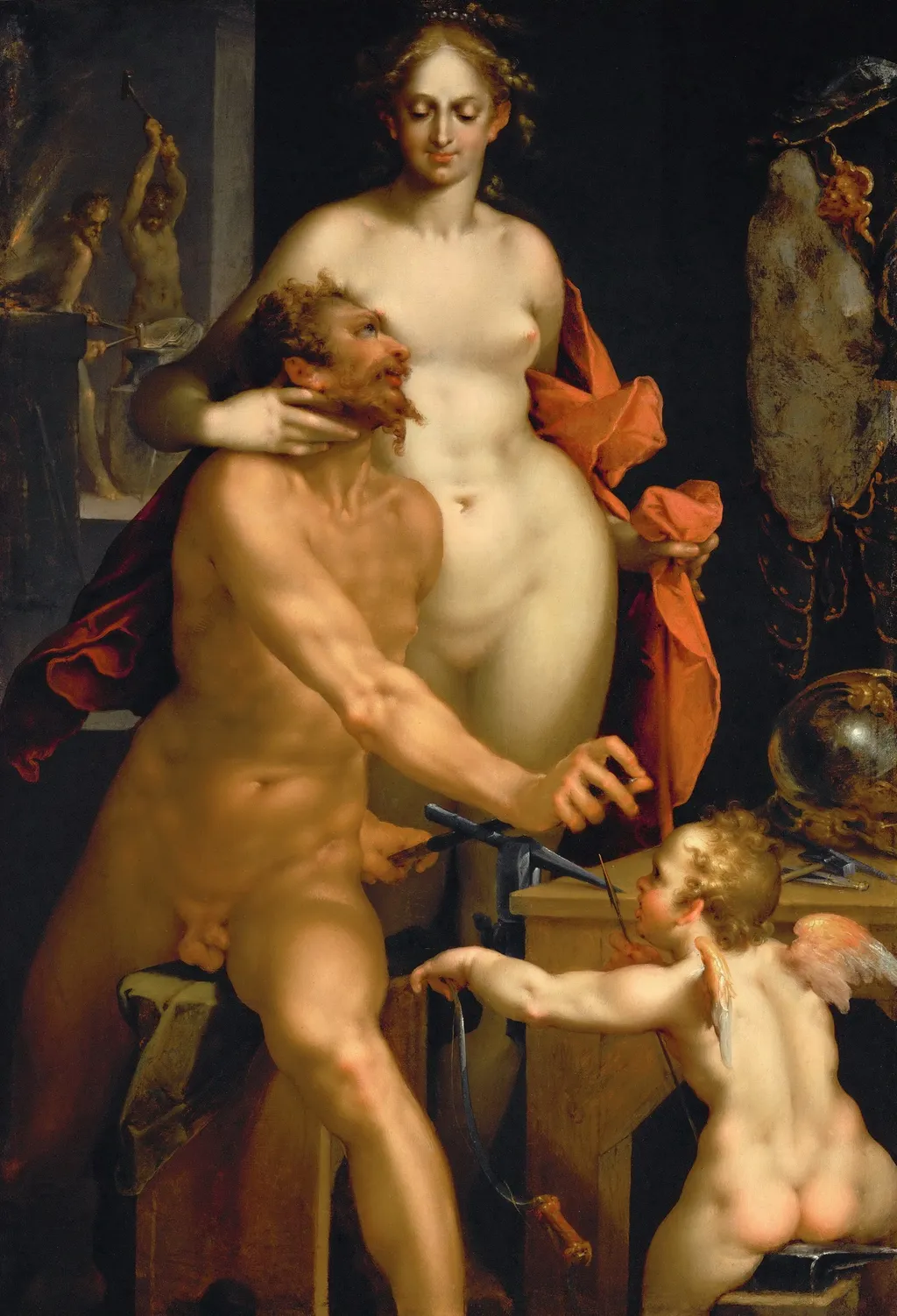
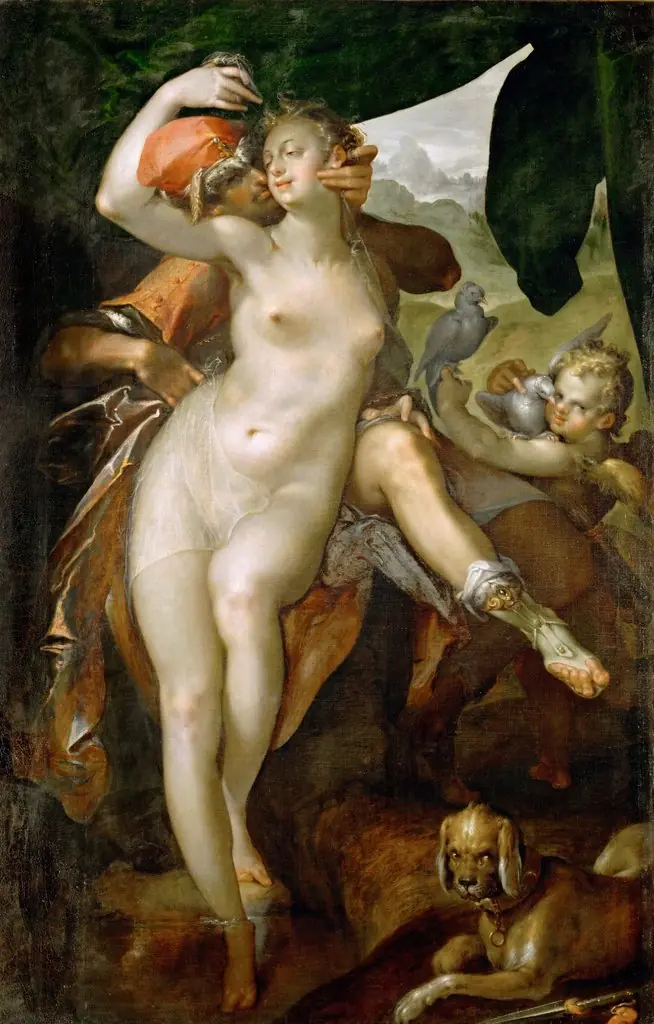
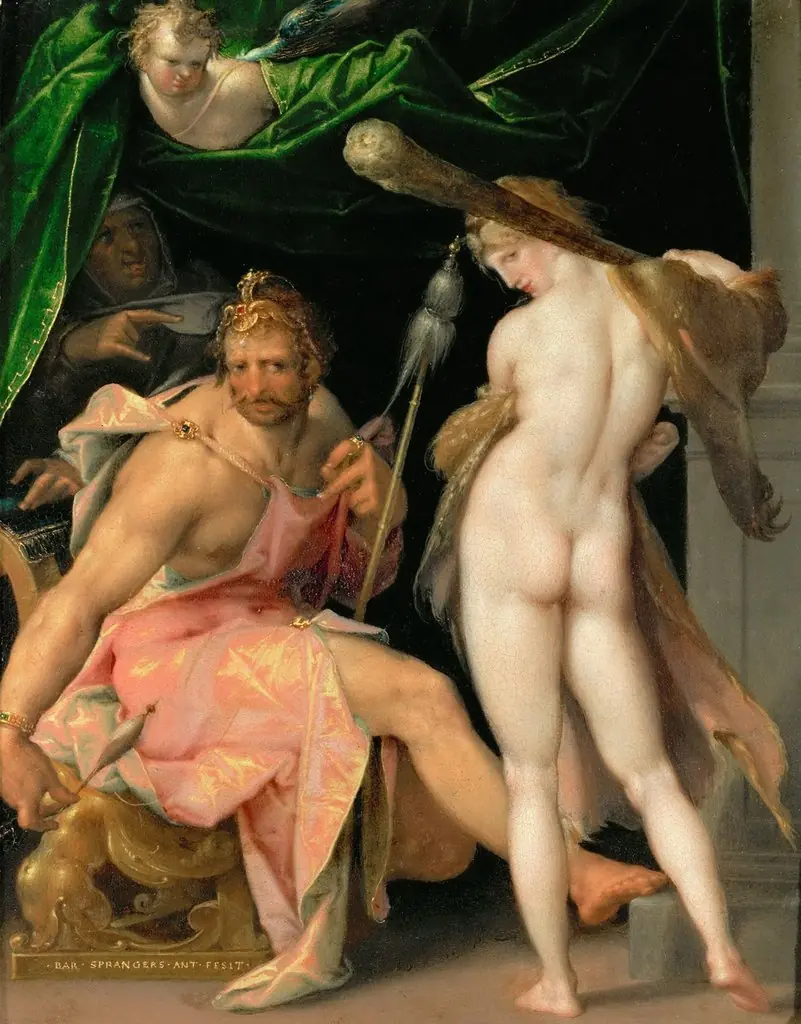
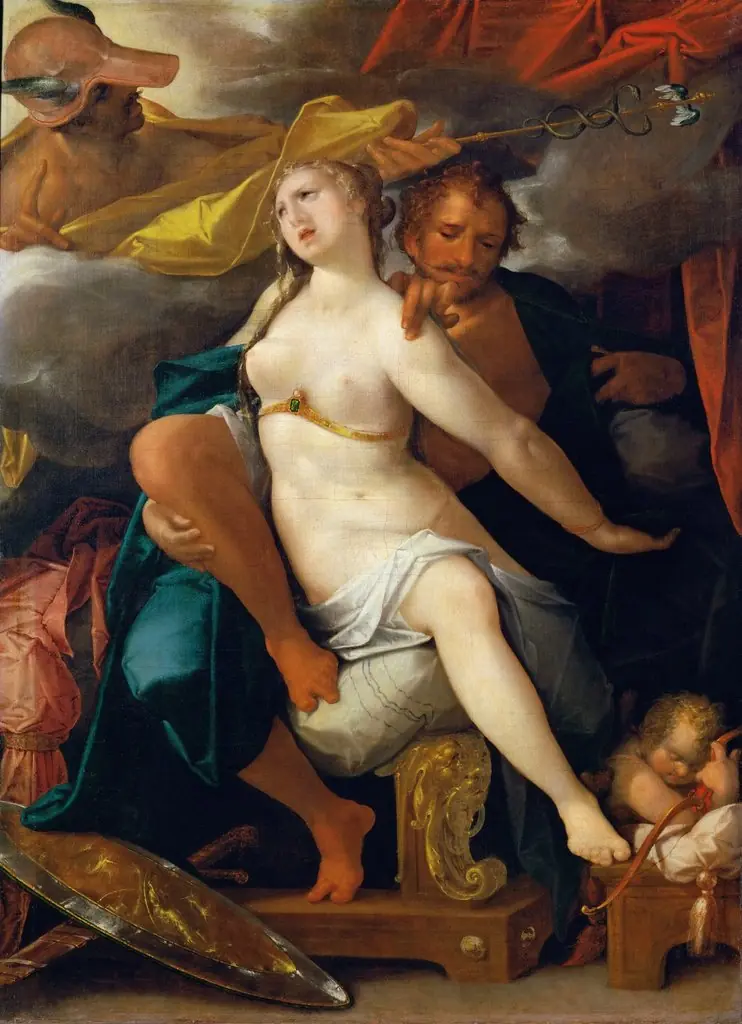
Venus in Vulcan's Forge is an oil painting by the Early Baroque Italian artist Bartholomeus Spranger. It dates from 1610 and is held in the collection of the Kunsthistorisches Museum.
About this work
Subject & Meaning
The iconography relies on the established narrative of the divine couple, presenting Venus in the domain of Vulcan to illustrate their relationship.
Bartholomeus Spranger's Venus in Vulcan's Forge is a mythological painting that centers on the classical deities Venus and Vulcan. The composition depicts the goddess of love alongside her husband, the god of fire and metalworking, within the setting of his forge. As a work of mythology, the piece utilizes these figures to explore themes of romantic union contrasted with industrial labor.
The iconography relies on the established narrative of the divine couple, presenting Venus in the domain of Vulcan to illustrate their relationship.
Technique & Style
Bartholomeus Spranger's Venus in Vulcan's Forge is executed in oil paint on a canvas support. Created in 1610, the work measures 140 cm in height and 95 cm in width. As a mythological painting, the piece depicts the central figures of Venus and Vulcan within the forge setting.
The medium and dimensions align with the artist's known practice of creating large-scale mythological narratives on canvas for courtly collections.
History & Provenance
Venus in Vulcan's Forge is an oil painting on canvas by Bartholomeus Spranger dated to 1610. The work is held in the collection of the Kunsthistorisches Museum, where it remains located. No further details regarding commission, intermediate ownership, or earlier provenance are documented in the available sources.
The painting measures 140 cm in height by 95 cm in width and depicts the mythological subject of Venus and Vulcan.
Overview
Bartholomeus Spranger’s oil painting Venus in Vulcan’s Forge was completed in 1610 while the Flemish artist served as a court painter for Emperor Rudolf II in Prague. The work presents a compact mythological tableau that brings together the Roman goddess Venus, the smith Vulcan, and a winged infant figure, arranged within a darkened setting that emphasizes the figures through strong contrasts of light and shadow.
Context
Spranger’s work exemplifies the cultural exchange between the Low Countries and Italy in the early seventeenth century. While rooted in the Flemish tradition of detailed rendering, the piece adopts Italian compositional vigor and mythological subject matter, illustrating how artists in Rudolf II’s court negotiated diverse artistic currents to produce a distinctive, hybrid visual language.
Own this work as a print
Artist & collection
Artist
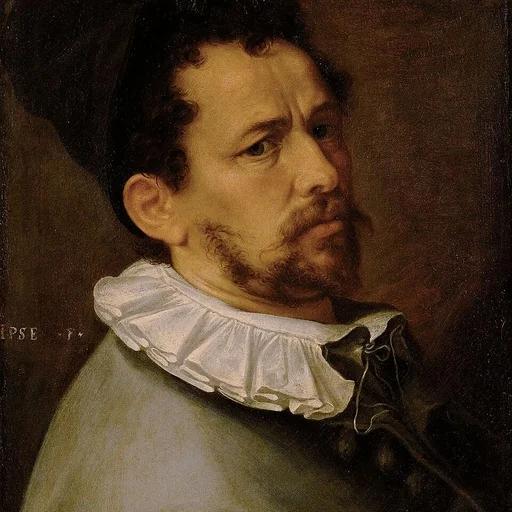
Bartholomeus Spranger or Bartholomaeus Spranger (21 March 1546 – 27 June 1611) was a Flemish painter, draughtsman, sculptor, and designer of prints.