Artwork
Perseus and Andromeda
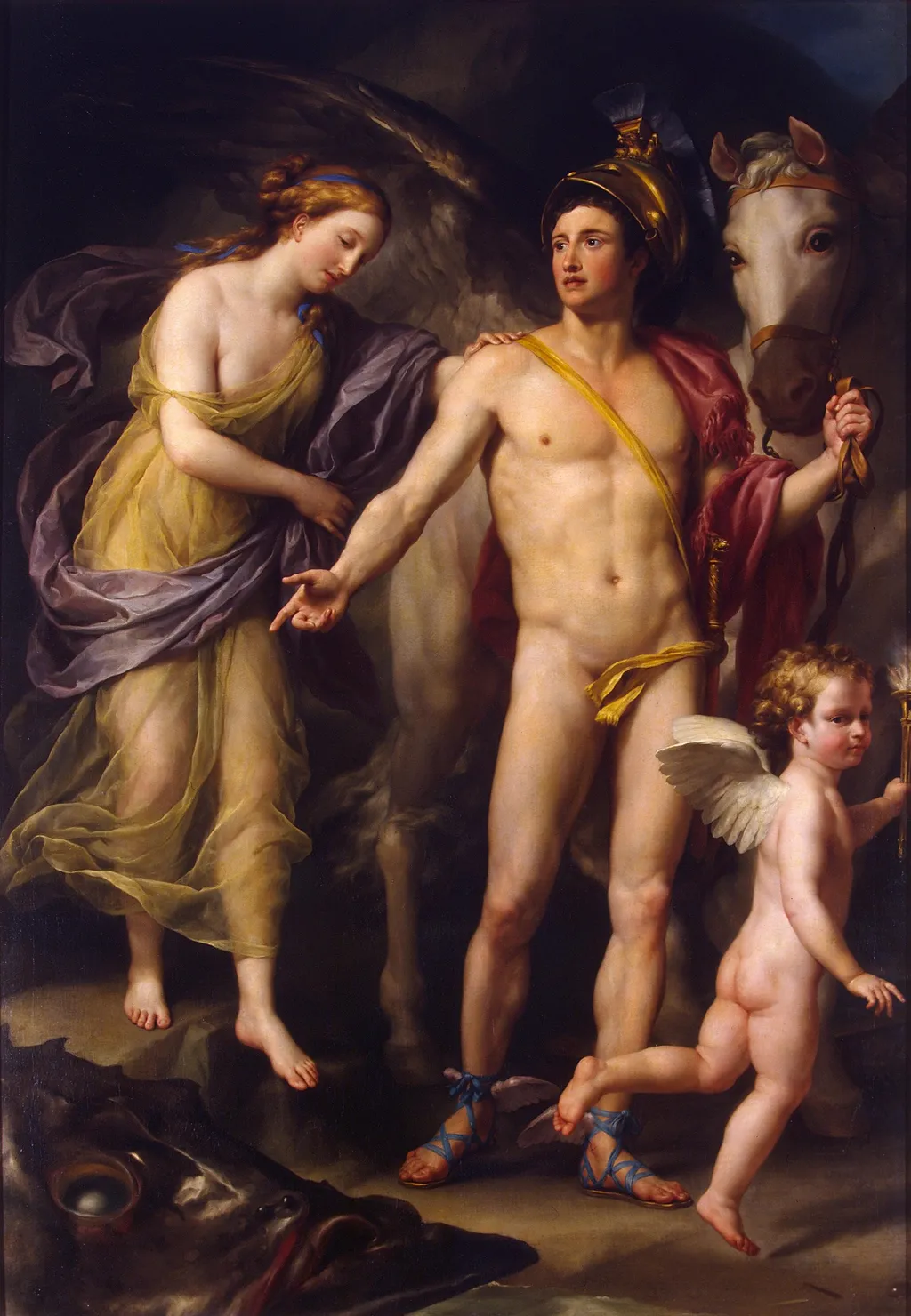
Perseus and Andromeda is an oil painting by the Neoclassicist artist Anton Raphael Mengs. It is held in the collection of the Hermitage Museum.
About this work
Subject & Meaning
Anton Raphael Mengs's 1778 canvas Perseus and Andromeda depicts the mythological encounter between the Greek hero Perseus and the princess Andromeda.
Anton Raphael Mengs's 1778 canvas Perseus and Andromeda depicts the mythological encounter between the Greek hero Perseus and the princess Andromeda. The work is classified as a mythological painting, and its main subject is explicitly identified as the pair of figures drawn from classical legend. According to the Wikidata record, the painting's depicted figures are Perseus and Andromeda, anchoring the iconography in the well-known narrative of the hero's rescue of the princess from a sea monster.
The genre classification as mythological painting reinforces that the work operates within the tradition of Greco-Roman subject matter rather than biblical, historical, or allegorical themes.
The painting was produced in Germany and is held in the collection of the Hermitage Museum, situating the mythological subject within an eighteenth-century European courtly and academic context where classical stories were favored subjects for history painting.
Technique & Style
The painting is executed in oil on canvas, a common support for large-scale mythological works in late 18th-century Europe. The canvas measures 227 centimeters in height by 153.5 centimeters in width, reflecting the grand scale typical of historical paintings of the period. Mengs applied oil paint with a smooth, blended surface characteristic of academic brushwork, emphasizing clarity of line and anatomical precision in the figures of Perseus and Andromeda.
The handling of light and drapery showcases a restrained, classical approach influenced by Italian Renaissance models, aligning with the neoclassical aesthetic prevalent in German art circles of the 1770s.
History & Provenance
The painting was created in 1778 as a mythological canvas by Anton Raphael Mengs, depicting the narrative of Perseus and Andromeda. It entered the Hermitage Museum's collection in Germany, where it remains on display, reflecting its provenance through the artist's hand and subsequent institutional acquisition.
Context
The painting was created by Anton Raphael Mengs in 1778 while he was active in Germany, reflecting his neoclassical interpretation of classical mythology within the broader movement toward archaeological precision and antiquarian scholarship.
It entered the Hermitage Museum collection, where it has been studied as part of the museum's significant holdings of mythological works and 18th-century European painting.
Scholars have examined the composition's adherence to classical narrative fidelity and its technical execution in oil on canvas, contextualizing it within Mengs' wider artistic project of synthesizing Renaissance ideals with Enlightenment-era empirical approaches to antiquity.
The work's placement in the Hermitage underscores its role in illustrating the institutional appreciation of mythological subjects during the late 18th century, particularly in German-influenced European art circles.
Legacy
Anton Raphael Mengs's 1778 mythological canvas depicting Perseus and Andromeda entered the Hermitage Museum's collection, where it has been recognized as a significant example of mythological painting. The work's composition and execution have contributed to scholarly discussions of 18th-century mythological subjects and its presence in a major museum collection underscores its historical importance. The painting's dimensions of 227 cm by 153.5 cm were recorded at the time of its creation in Germany, and its continued attribution to Mengs remains documented in museum records.
Overview
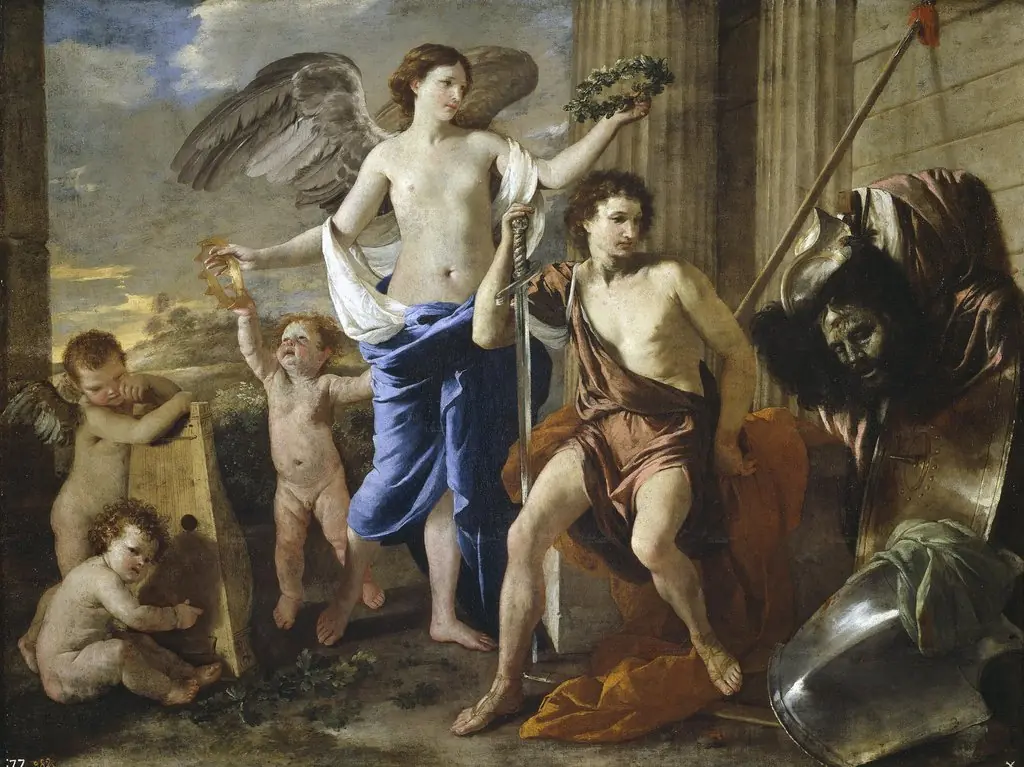
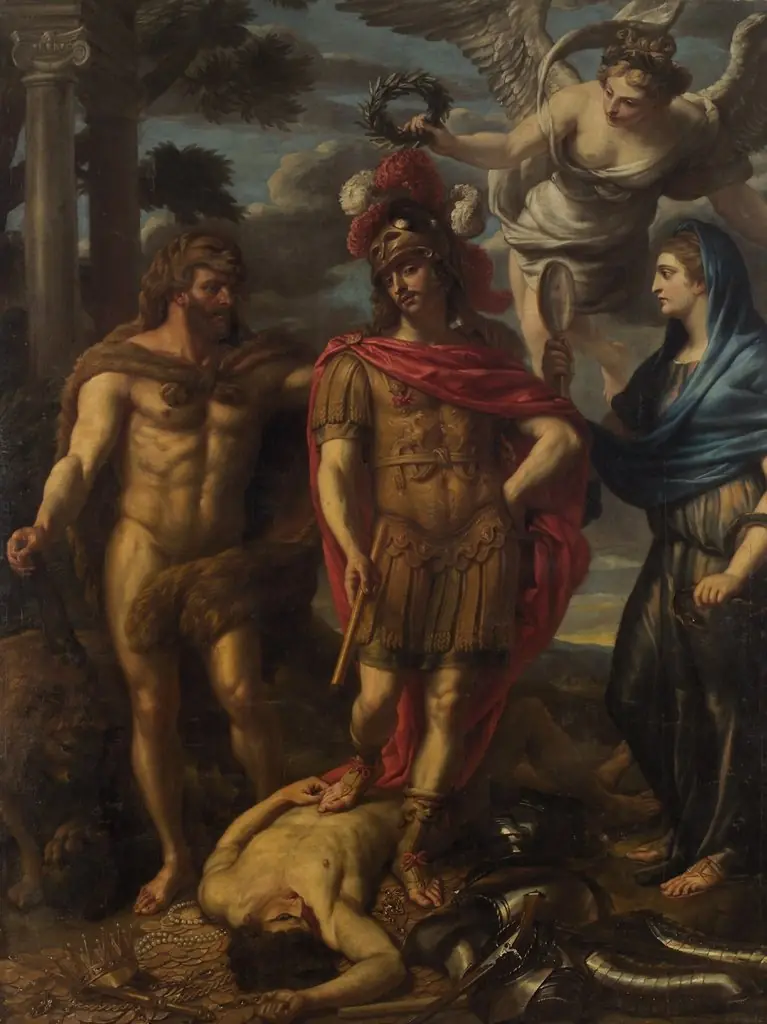
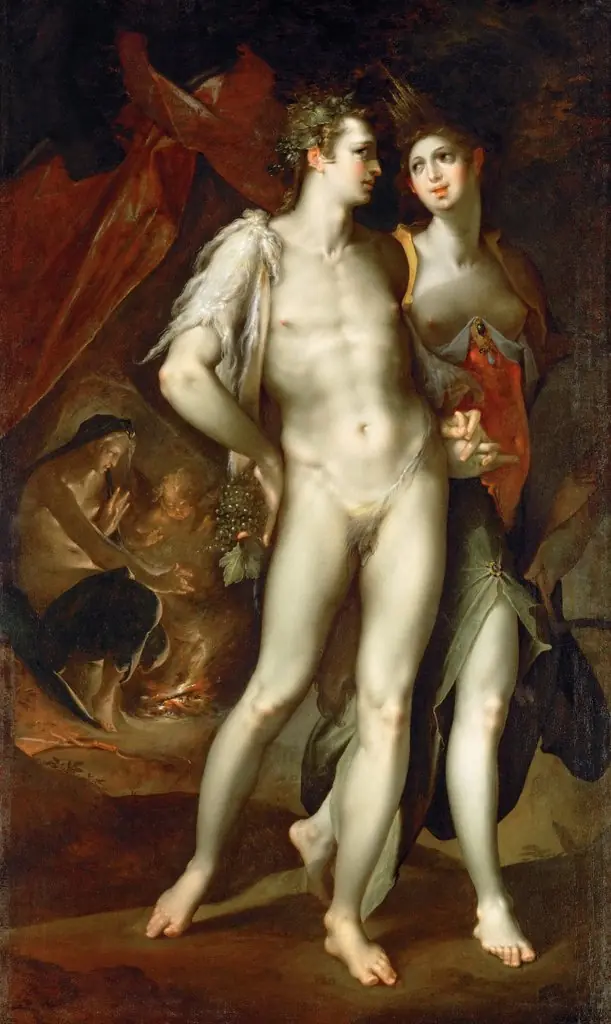
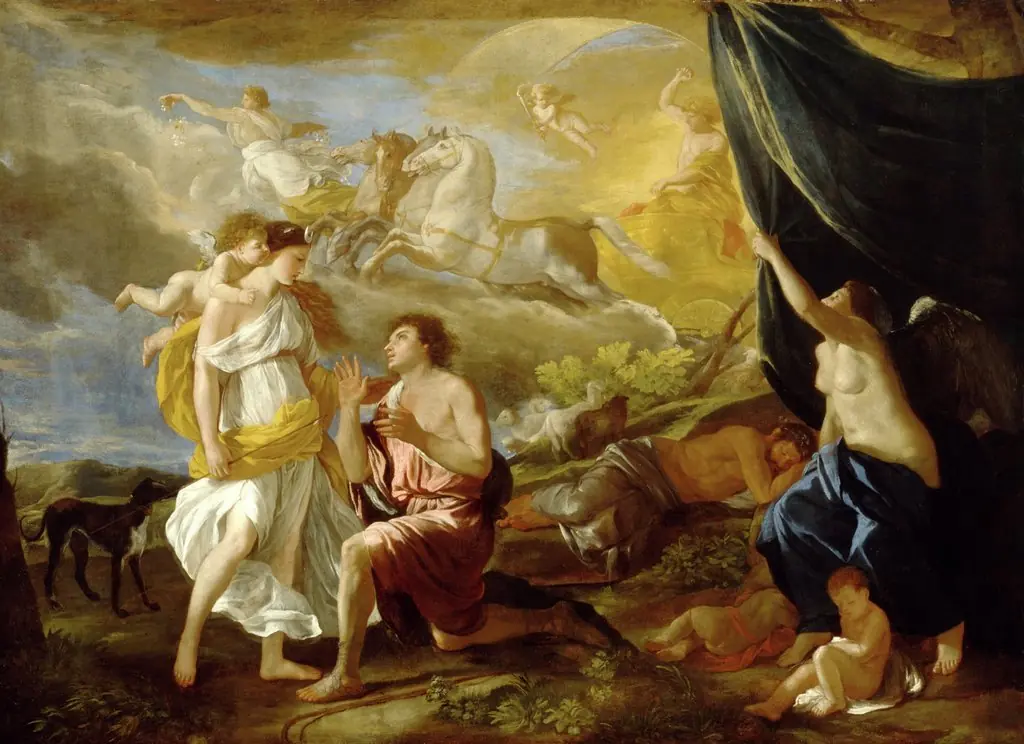
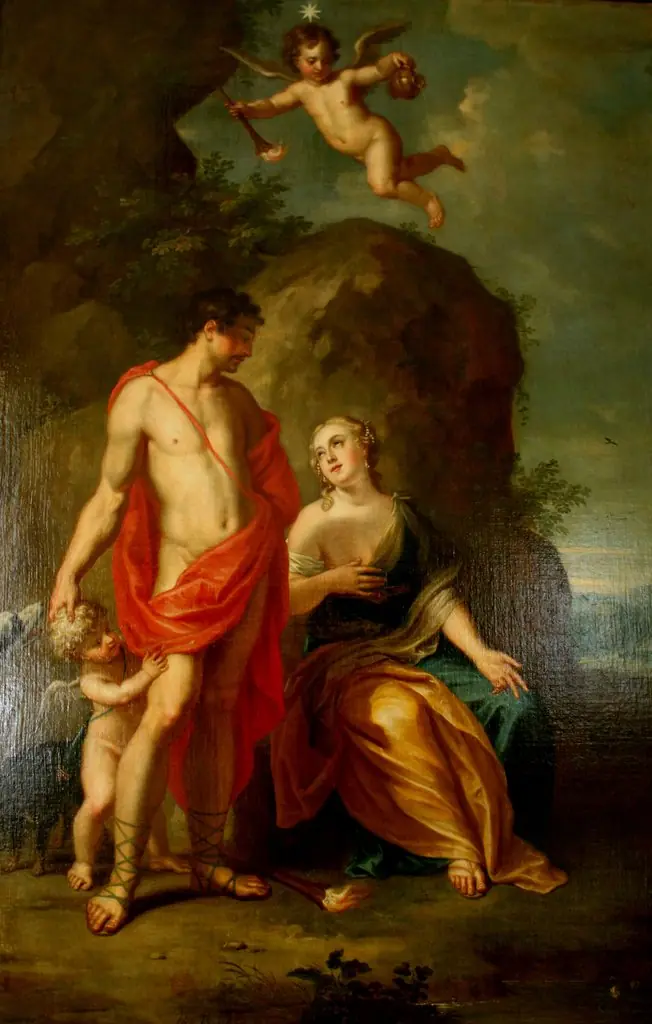
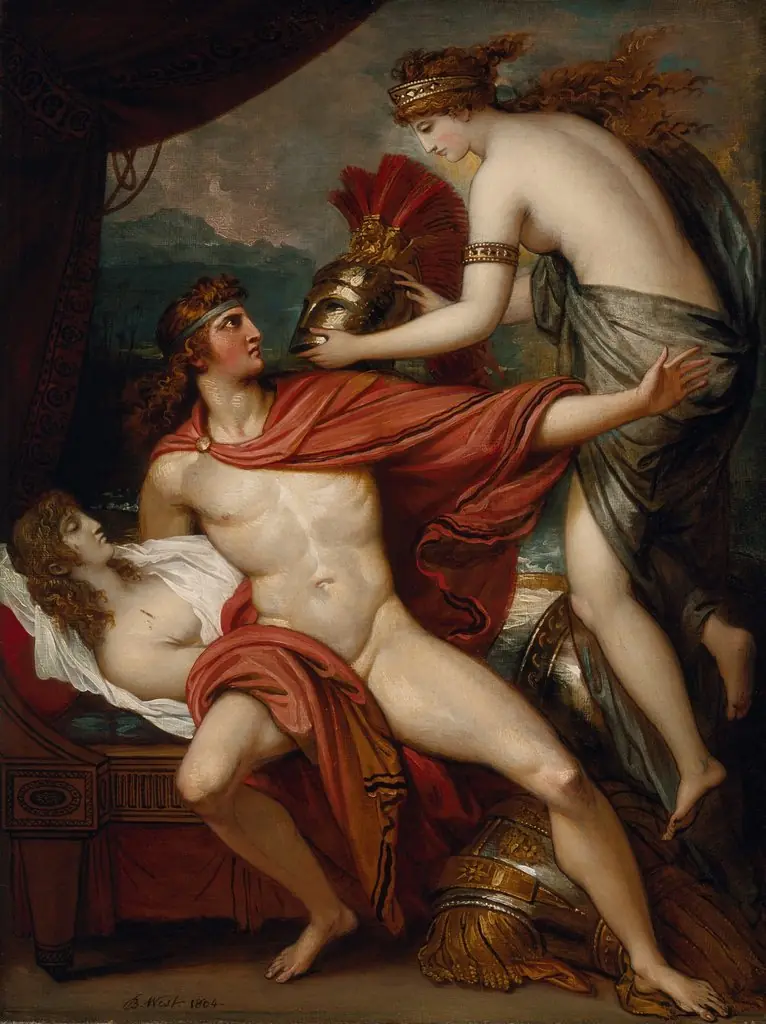
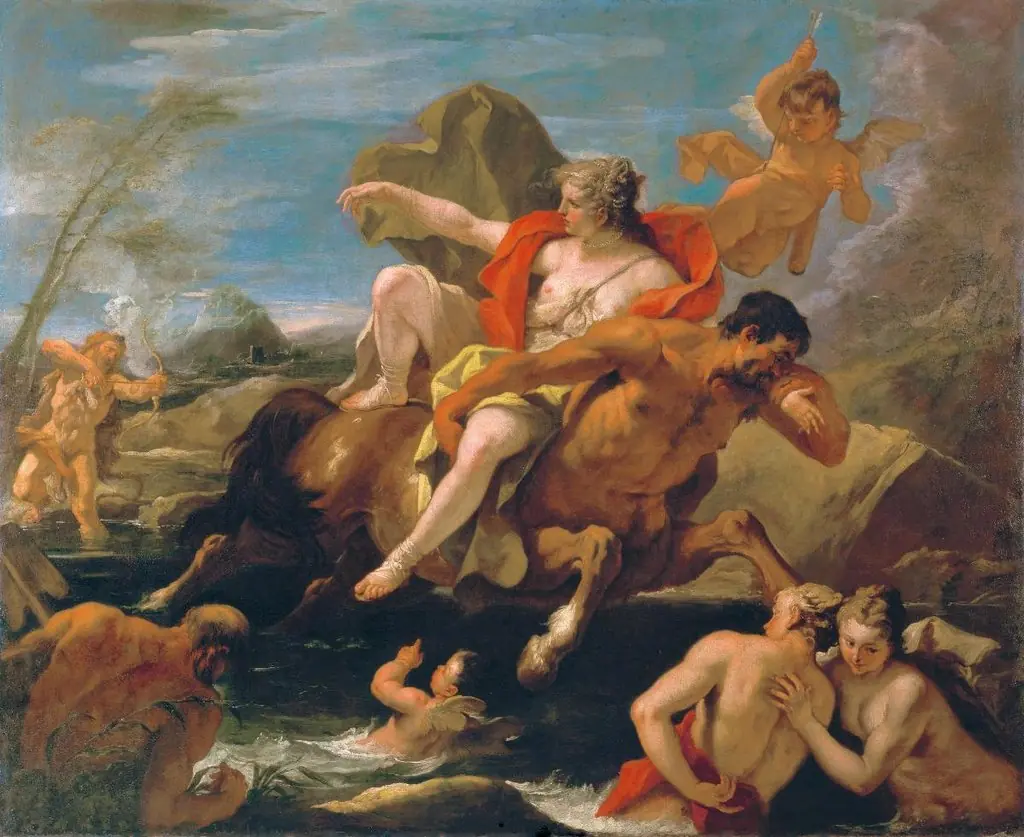
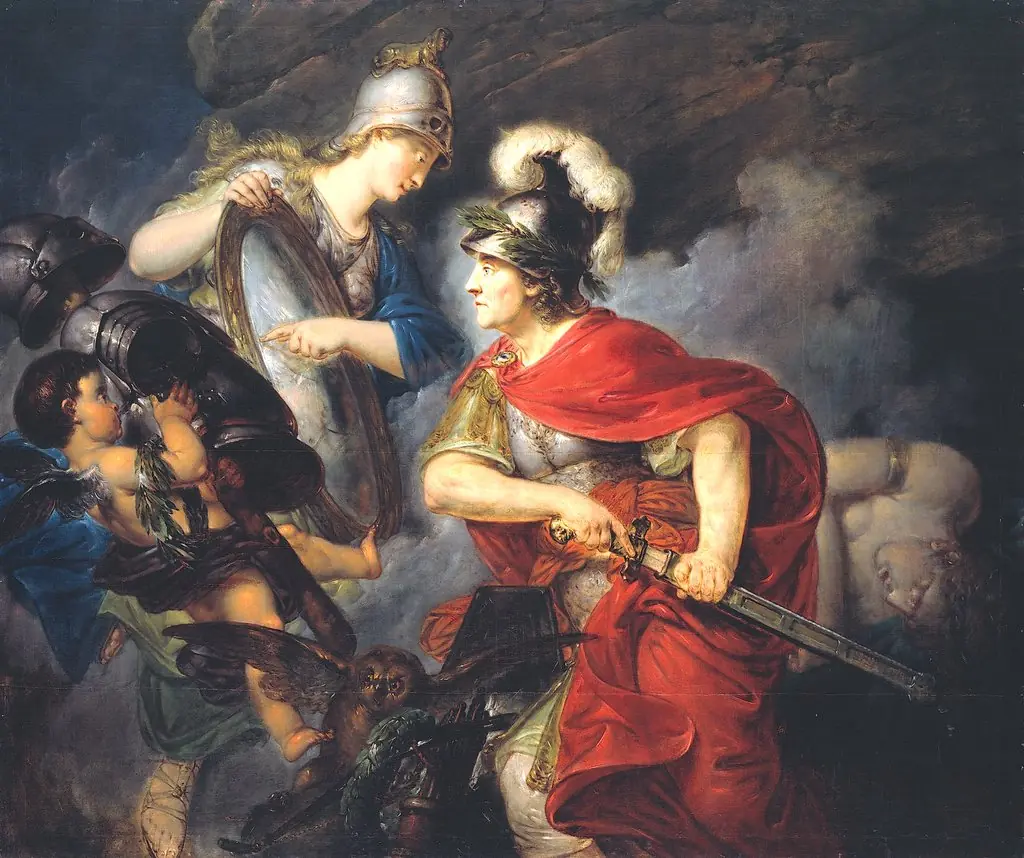
Anton Raphael Mengs’ canvas Perseus and Andromeda, executed in 1790, presents a dramatic moment from classical mythology. The composition centers on a nude male figure in a yellow drape, sword in hand, confronting a dark, storm‑filled seascape. To his left a robed woman reaches toward him, while a winged child bearing a shield and a Pegasus‑like horse occupy the right side, all set against a craggy shoreline.
Own this work as a print
Artist & collection