Subject
Putto
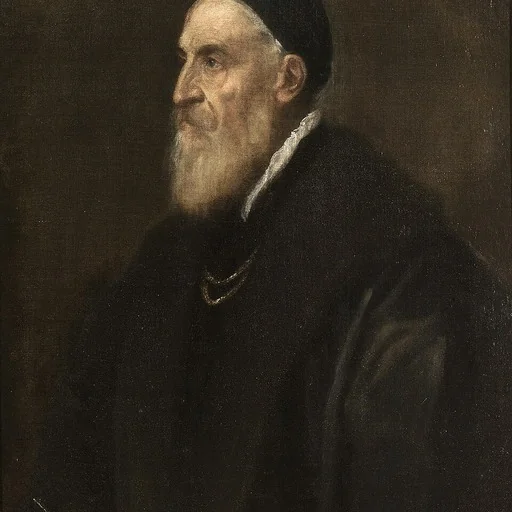
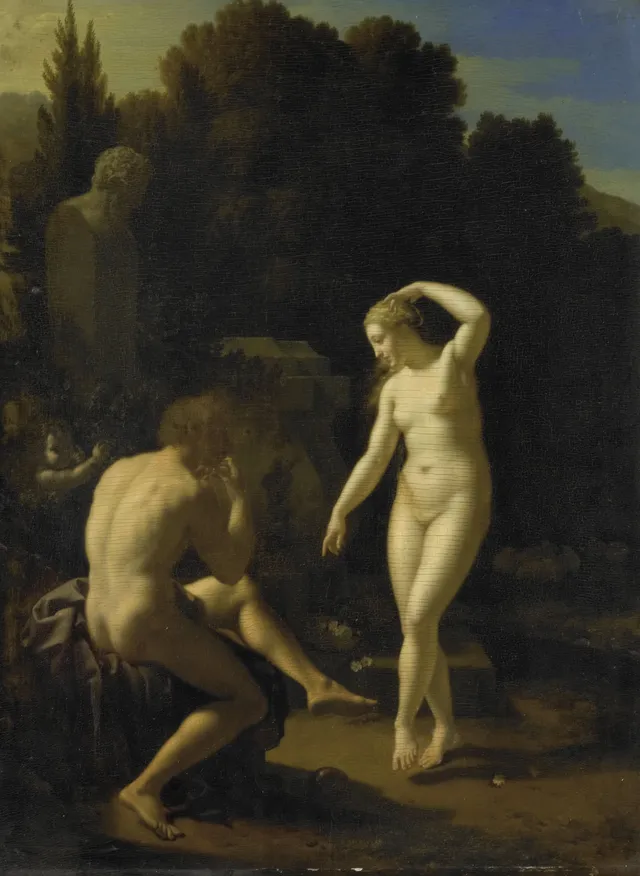
Putto is a subject in art. The gallery holds 200 works in this subject in art, including works by Titian, Paolo Veronese and Jean Honoré Fragonard.
A putto (Italian, plural putti) is a chubby male child, usually naked and very often winged, who populates the margins and skies of Western painting and sculpture. The form descends directly from classical antiquity, where it grew out of the Greek Eros and Roman Cupid (Amor), companion of Aphrodite or Venus, and from the Roman genius, a guardian spirit. By the sixth and fifth centuries BC the single god Eros had multiplied into the Erotes, a collective of winged love-gods; in the Hellenistic period these were increasingly shown as plump infants rather than slender youths. The word itself comes from the Latin putus, "boy." Such figures vanished from art during the Middle Ages, when Christianity banished the pagan Erotes, and returned only with the rediscovery of ancient sculpture between roughly 1250 and 1350.
The full revival belongs to the Florentine Quattrocento and is generally credited to Donatello in the 1420s, though earlier instances exist, such as the putti on Jacopo della Quercia's tomb of Ilaria del Carretto in Lucca. Donatello, studying ancient sarcophagi and Byzantine ivories, carved the dancing children of the Prato Cathedral pulpit (1428–1438, with Michelozzo) and the riotous Cantoria, or singing gallery, for Florence Cathedral (1433–1439). Often called spiritelli, or sprites, these figures were neither wholly sacred nor profane. Visually they are defined by soft rounded flesh, energetic movement, garlands, musical instruments, and frequently small wings; a putto bearing a bow and arrow becomes a Cupid, also called an amorino.
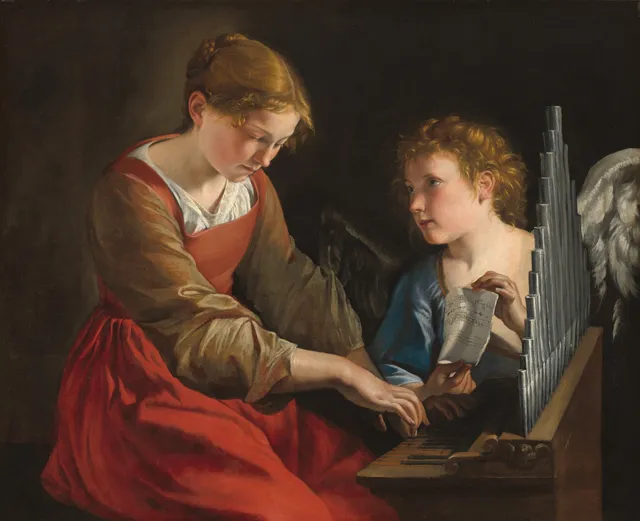
Flexible by nature, the putto served both mythology and religion. It swarms through Titian's Venus with a Mirror and Paolo Veronese's Venus and Mars, and reappears as a tender Cupid in Adriaen van der Werff's Cupid Kissing Venus and as the attendant child in Orazio Gentileschi's Saint Cecilia and an Angel. The single most famous example is the pair of wistful winged boys leaning at the foot of Raphael's Sistine Madonna, commissioned in 1512 and executed about 1513–1514, whose image has been endlessly reproduced.
In Baroque art the putto expanded to suggest the omnipresence of God, drifting across illusionistic ceilings, before softening into the decorative amorini of Rococo decoration. Though popularly conflated with the cherub—properly one of the most senior ranks of angel in Christian theology—the putto remains a distinct, largely ornamental creation, one of the most durable motifs to pass from antiquity through the Renaissance and Baroque into modern decorative art.
Key artists

Overview
A putto is a figure in art depicted as a chubby male child, usually naked and very often winged. The term derives from the Italian putto, from Latin putus meaning boy or child, and names one of the most enduring and adaptable motifs in Western visual culture. Putti appear across 422 works in the collection, ranging from mythological scenes to religious narratives and domestic subjects. Their chubby, infantile form serves both decorative and symbolic functions, shifting between sacred and secular contexts with remarkable fluidity. Though often called cherubs in religious art, putti are distinct from the senior angels of Christian theology; rather, they represent a visual category that absorbed classical, Christian, and ornamental traditions into a single recognizable type.
Iconography & meaning
The iconography of the putto is deliberately unfixed, making it difficult to distinguish putti from cupids, erotes, and various forms of angels. They carry no unique, immediately identifiable attributes, which allows them to accumulate multiple meanings within a single work or across different contexts. Common associations include romantic or erotic love through links to Aphrodite and Venus, heavenly presence, and broader concepts of peace, prosperity, mirth, and leisure. In Baroque art, the putto came to represent the omnipresence of God. When depicting Cupid or Amor, the putto may be called an amorino or amoretto. Some putti are blindfolded as a symbol for blind love. They frequently appear armed with bow and arrow, bearing flower garlands, or in the company of Venus. The form descends from several classical sources: the Greek Eros or Roman Cupid, the Roman genius as guardian spirit, and the Greek daimon as messenger spirit between human and divine realms. The winged child putto has also been interpreted as a Hellenistic synthesis of Greek Eros and the Egyptian child god Harpokrates.
Across movements & periods
Putti originated in the classical world, appearing on 2nd-century child sarcophagi as winged infants fighting, dancing, participating in bacchic rites, and playing sports. They then vanished during the Middle Ages before being revived in the Quattrocento, a revival generally credited to Donatello in Florence during the 1420s, with some earlier manifestations such as Jacopo della Quercia's tomb of Ilaria del Carretto in Lucca. Donatello infused the classical form with Christian meanings and placed putti in new contexts including musician angels. Some of his putti are older and less angelic, termed spiritelli or imps. The motif spread to the Netherlands and Germany by the turn of the 16th century, flourished in the Mannerist period and late Renaissance in France, and became ubiquitous in Baroque ceiling frescoes. In the 19th century, putti experienced another major revival, appearing in paintings by French academic painters, advertisements, and Gustave Dore's illustrations for Orlando Furioso.
Notable depictions
Among the most celebrated putti in art history are the two relaxed and curious putti at the foot of Raphael's Sistine Madonna, now in the Gemal[curator's note: source says Gemäldegalerie Alte Meister in Dresden]. These figures are among the most reproduced in Western art. Peter Paul Rubens, Frans Snyders, and Jan Wildens collaborated on The Fruit Garland, a renowned putto depiction in the Alten Pinakothek in Munich. Albrecht Durer created notable putti in his 1514 engraving Melencolia I, featuring a passive, melancholic putto, and in Die Hexe with four putti. The sculptor Joseph Anton Feuchtmayer of the Wessobrunner School created the famous Honigschlecker putto in the Wallfahrtskirche Birnau. Giuseppe Maria Mazza produced a rare exception in his Venetian relief Allegory of the Liberal Arts of Geometry, framing the scene with both a putto-boy and a putto-girl. The Manneken commandeered by Brussels in 1619 from Jerome Duquesnoy, represents a putto-like figure with surprising musculature beneath childish features.
Legacy
The putto's legacy extends far beyond fine art into popular culture, architectural ornament, and scientific illustration. In Baroque churches and palaces, particularly in and around Venice, hundreds of putti adorn altars, organs, railings, cornices, sculptures, and frescoes. The motif became so characteristic that the Oberschwabische Barockstrasse adopted a putte as its trademark. In scientific contexts, Johannes Hevelius incorporated eight putti into his lunar map, with pairs in each corner performing tasks such as holding information scrolls and practicing astronomy; notably, one wingless putto bends forward to support a colleague's telescope. Chérubin d'Orléans later emulated this approach in his own lunar maps. The putto also entered folk art and architectural decoration, appearing on church sablières in Brittany and Rococo epitaphs such as those on the Gesandtenfriedhof in Regensburg. The scholarly literature on putti remains limited, though Charles Dempsey's Inventing the Renaissance Putto stands as a key examination. Despite or perhaps because of their semantic flexibility, putti continue to embody the intersection of the sacred and the playful, the ancient and the ornamental, in visual culture.
Works
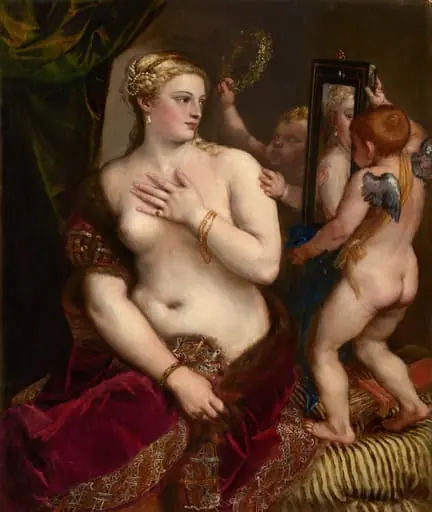 Venus with a Mirror
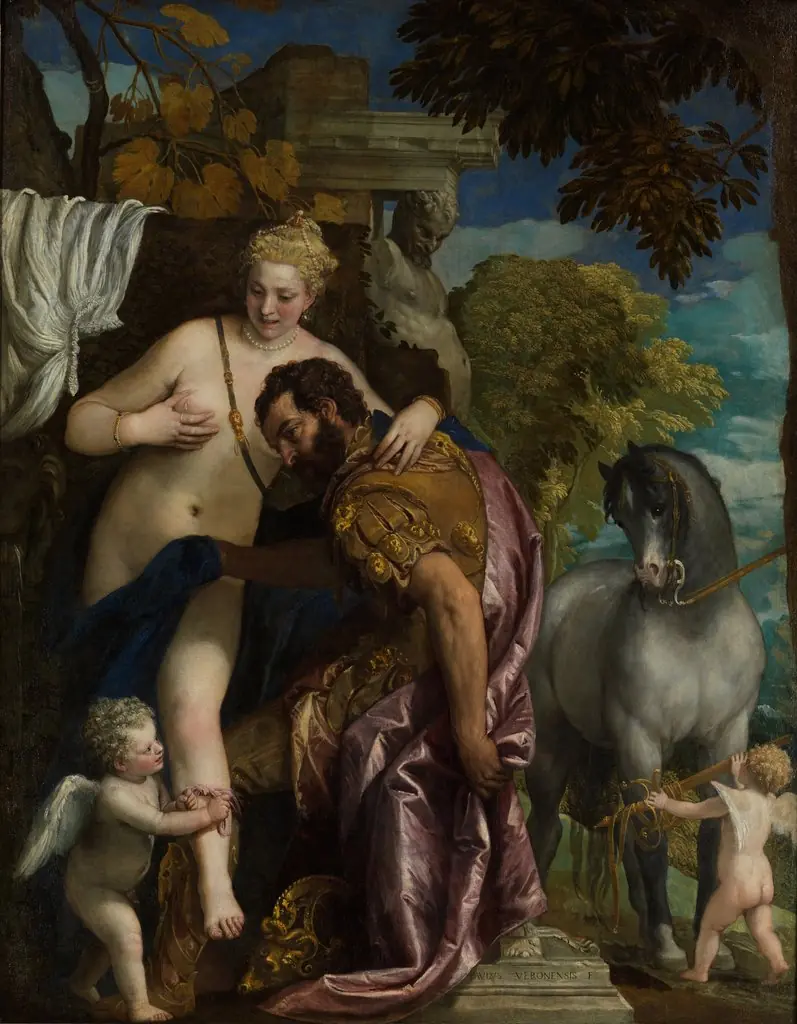 Venus and Mars
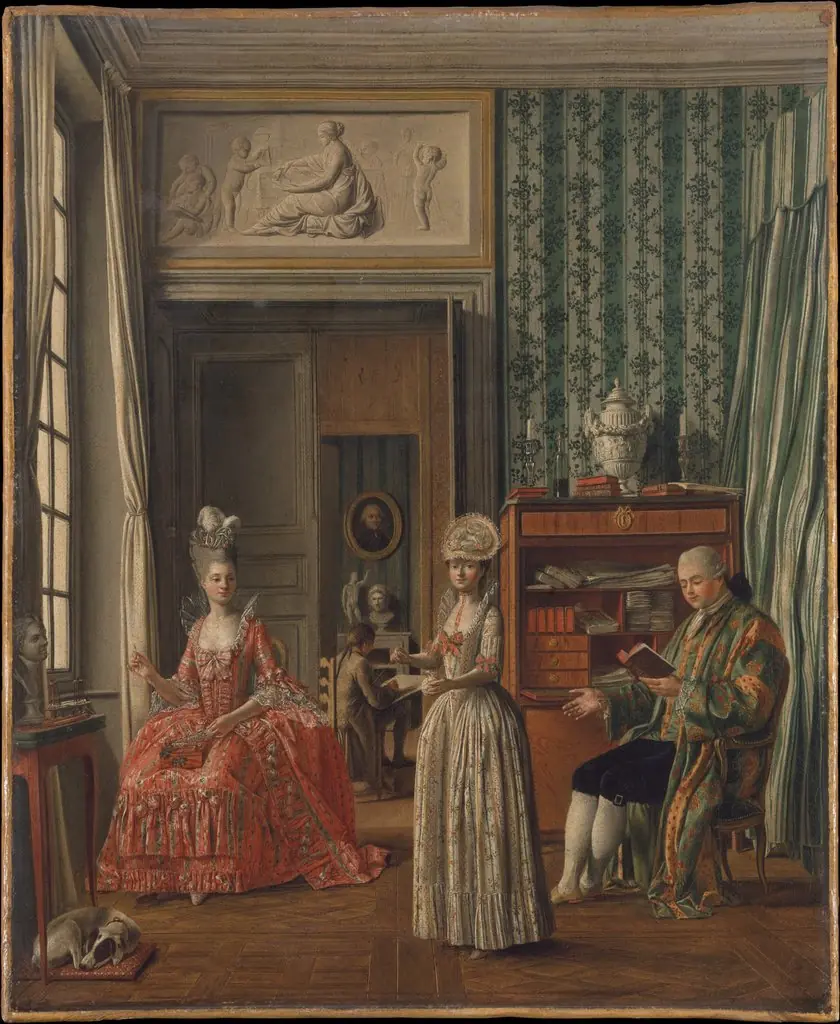 Domestic Scene
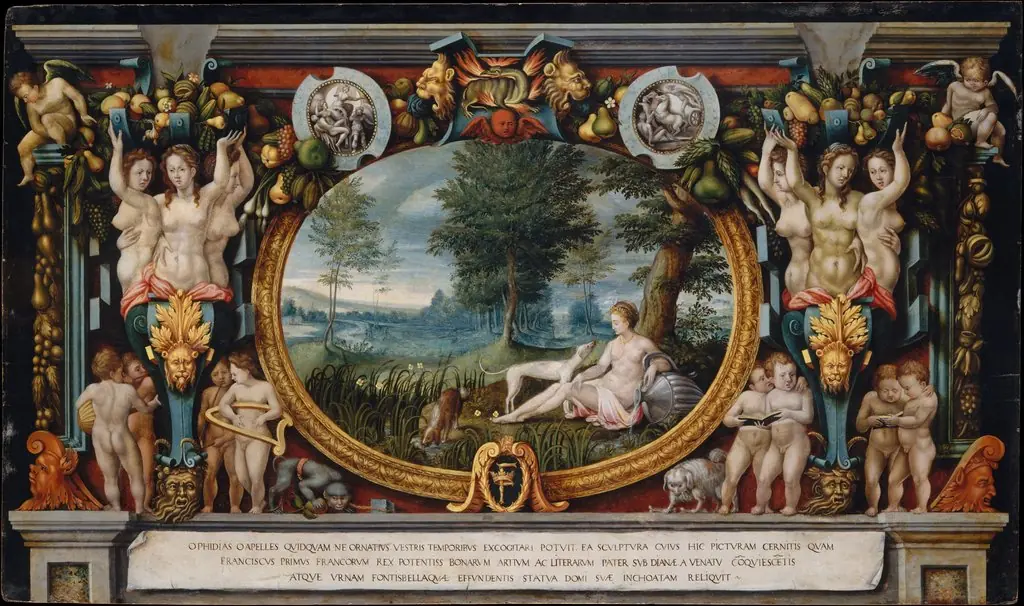 The Nymph of Fontainebleau
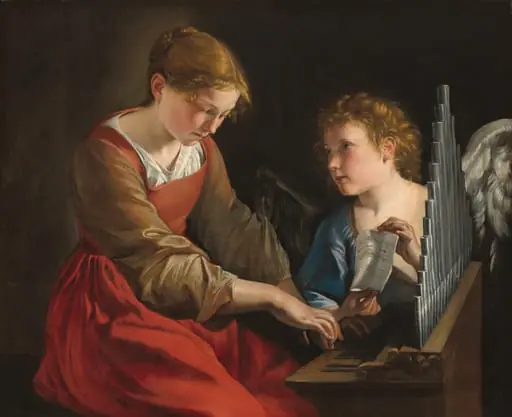 Saint Cecilia and an Angel
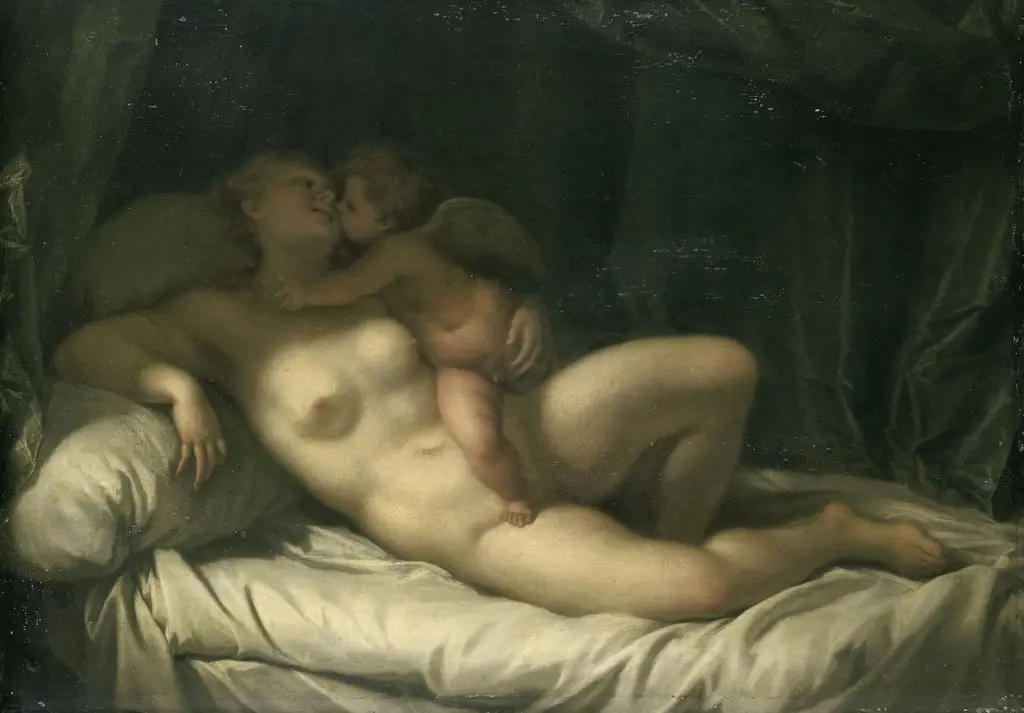 Cupid Kissing Venus (Venus Kissed by Amor)
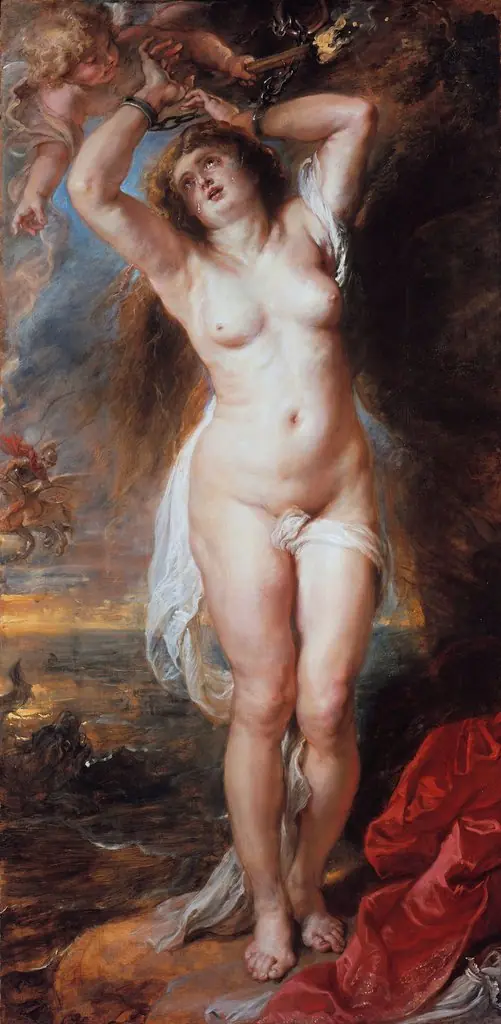 Perseus Freeing Andromeda
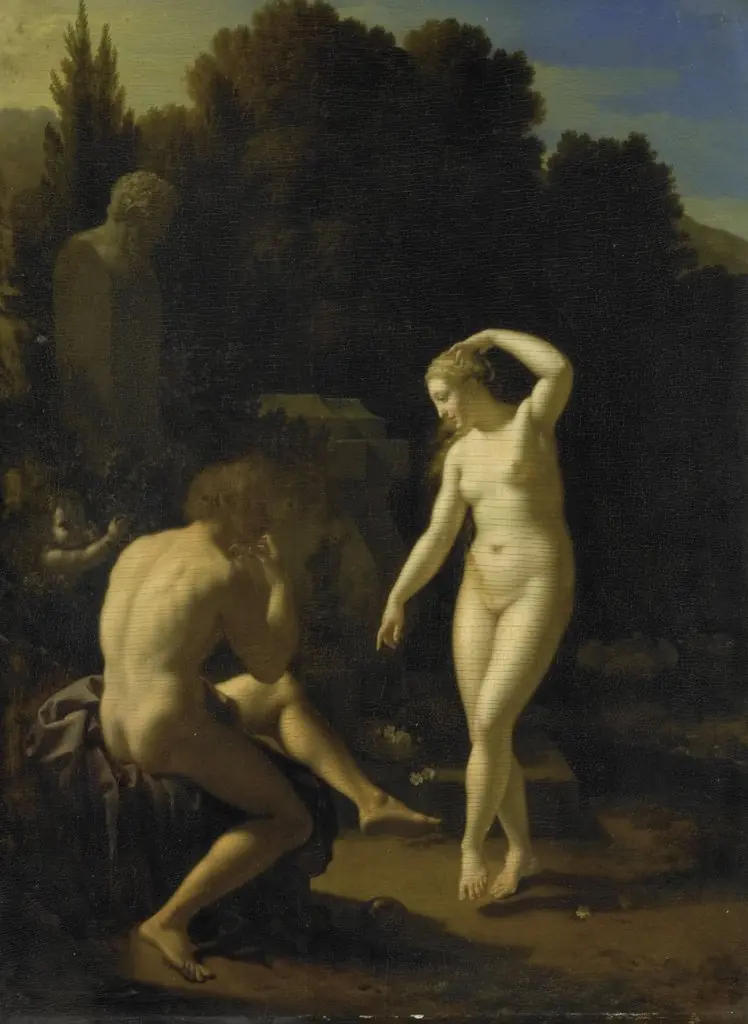 A Nymph Dancing to a Shepherd's Flute-Playing
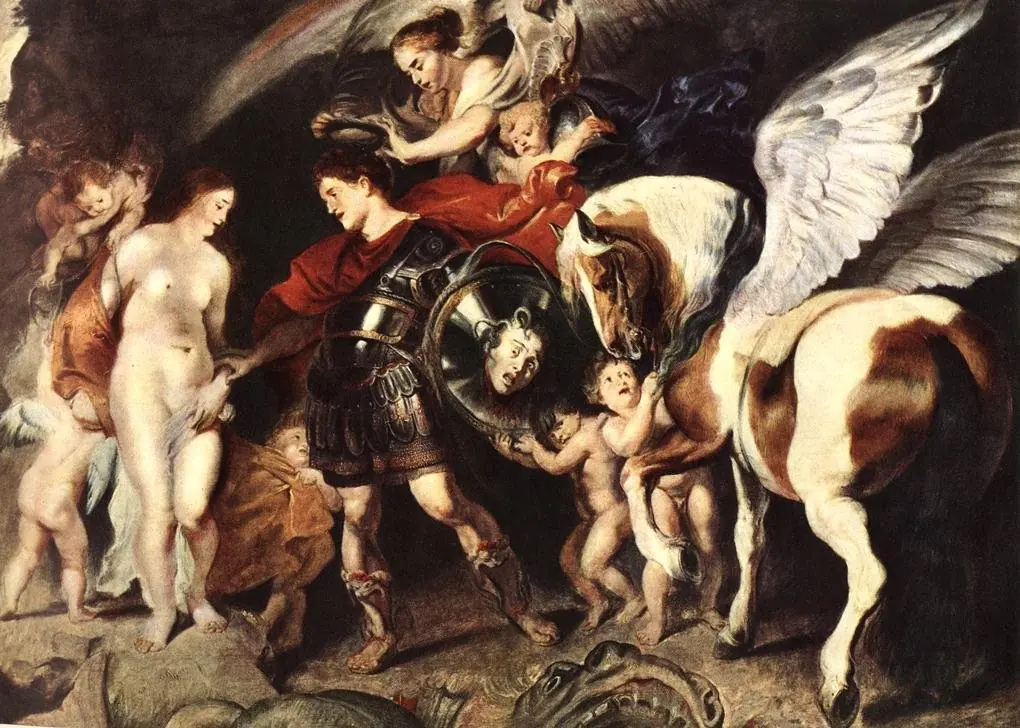 Perseus and Andromeda
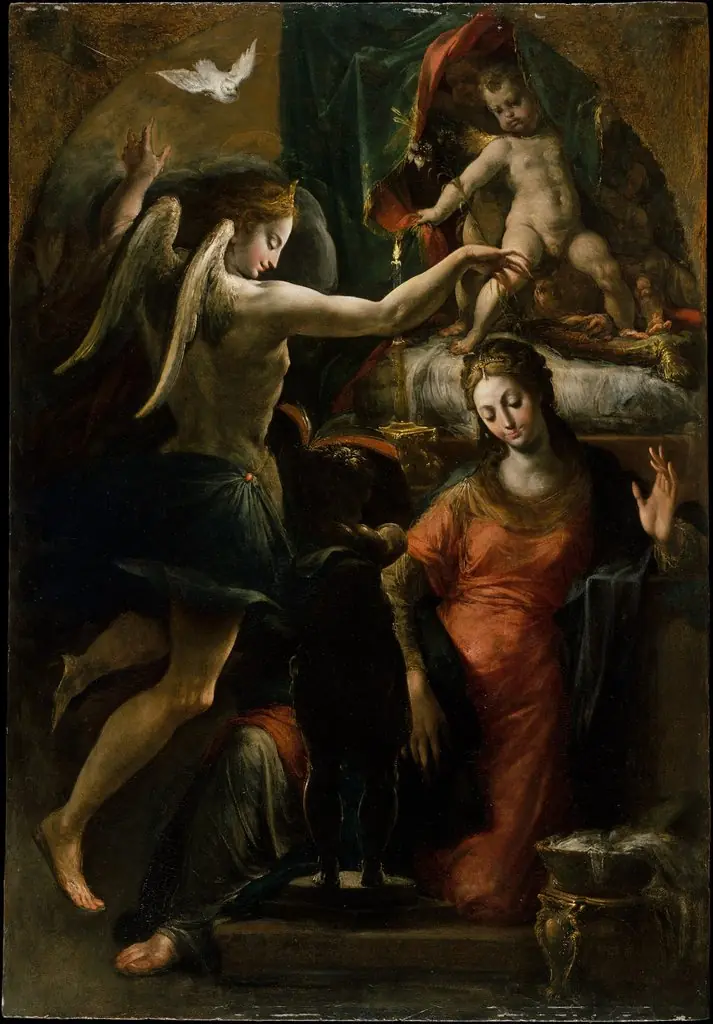 The Annunciation
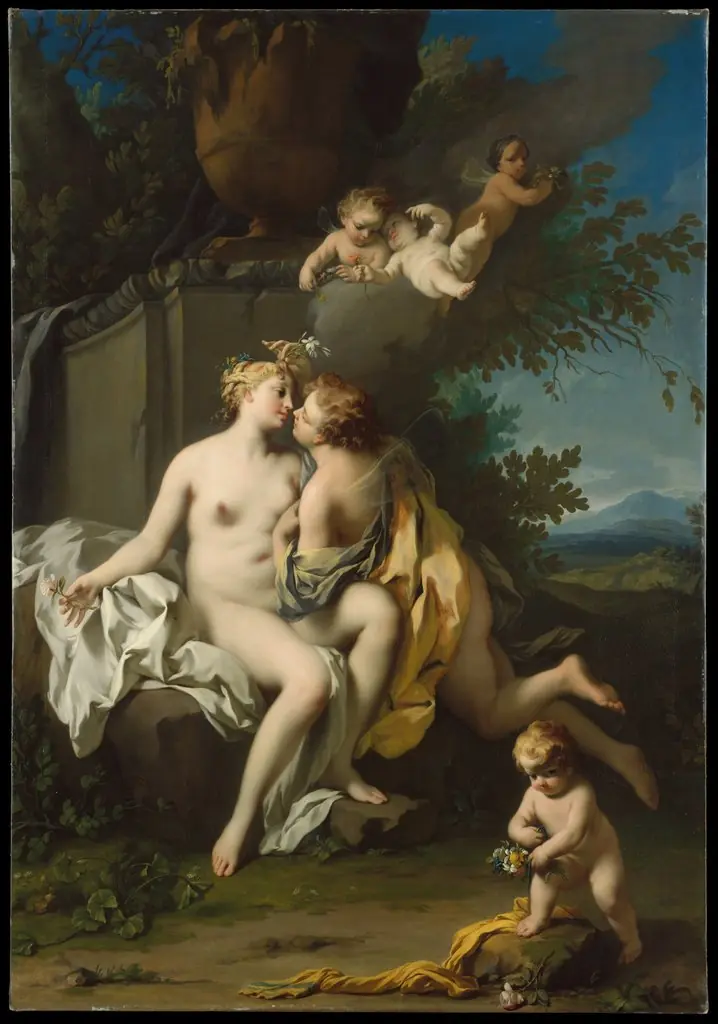 Flora and Zephyr
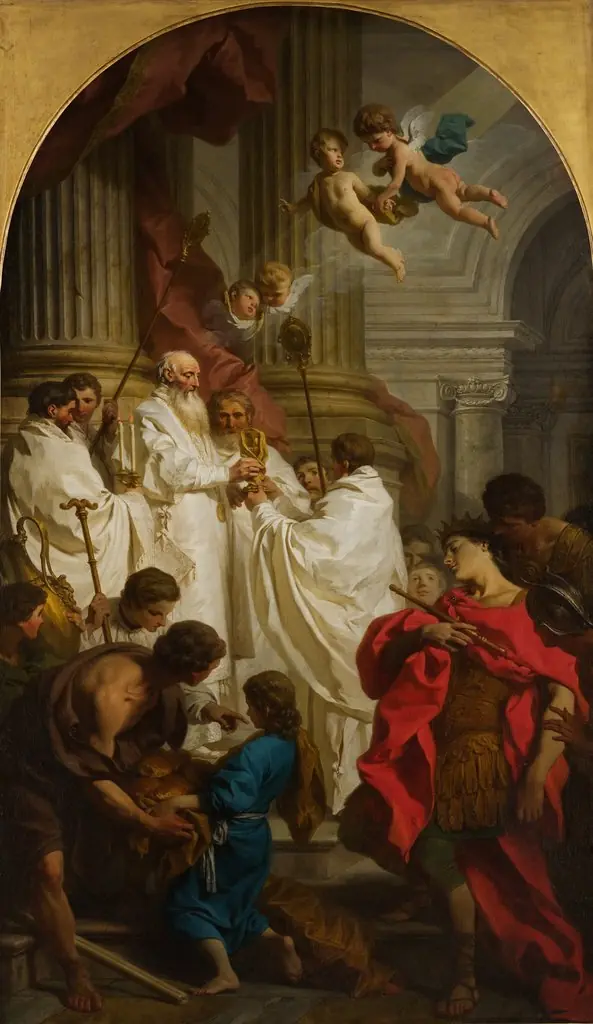 The Mass of Saint Basil
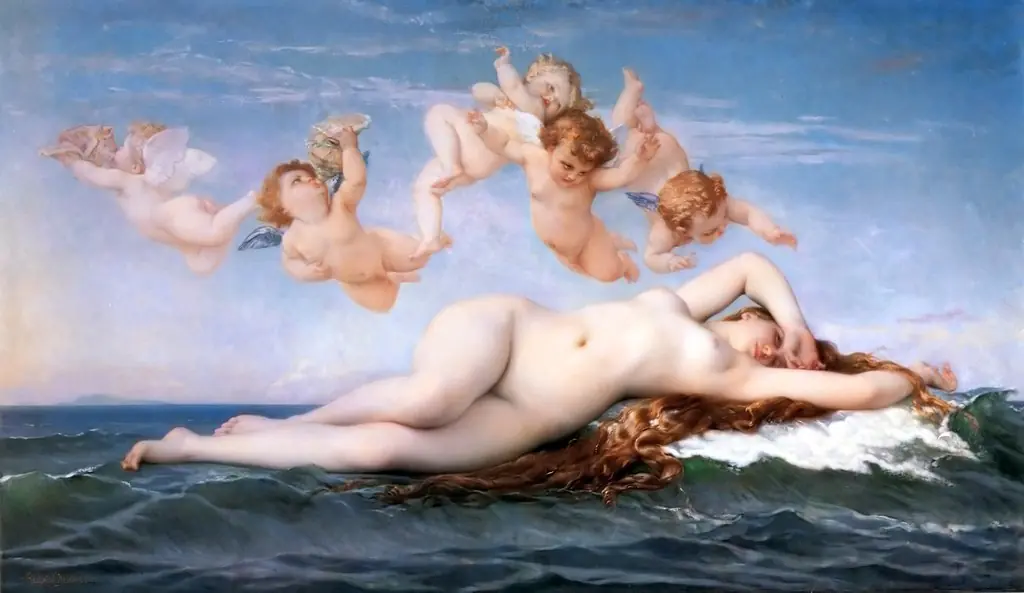 The Birth of Venus
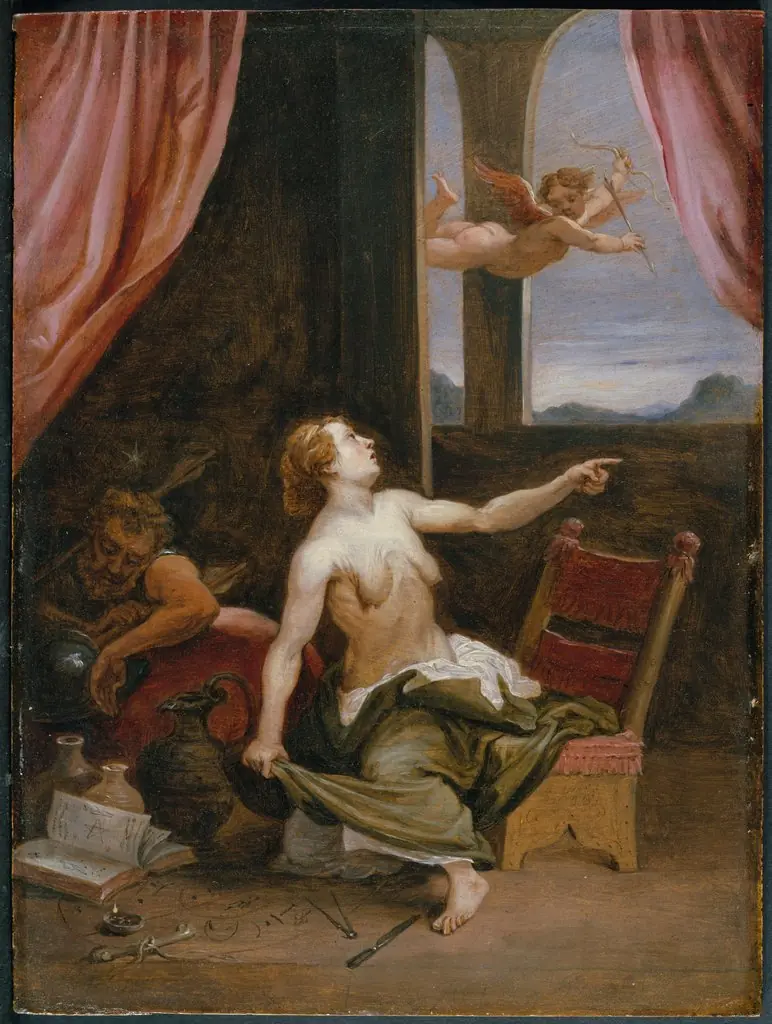 Old Age in Search of Youth
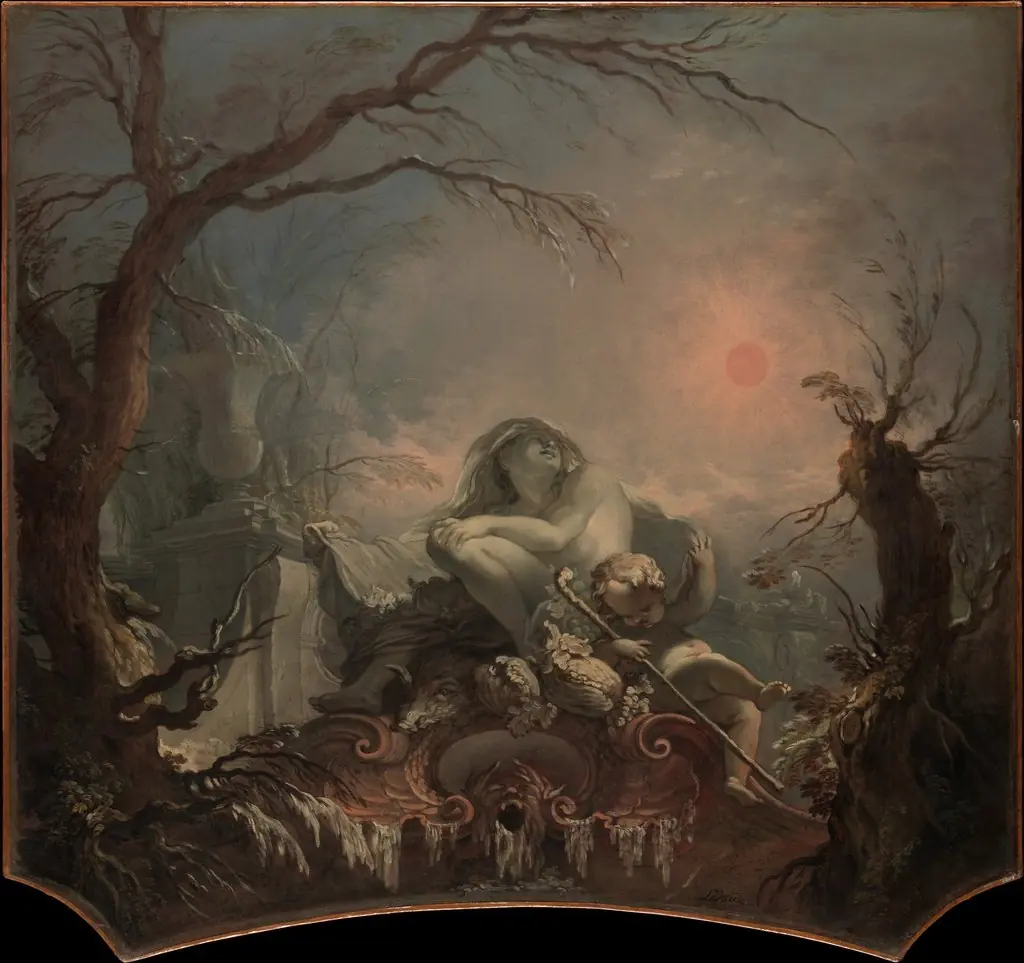 Allegory of Winter
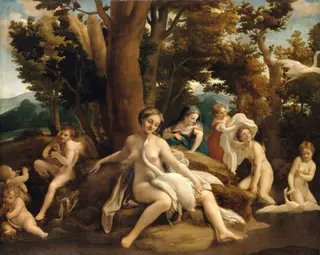 Leda and the Swan
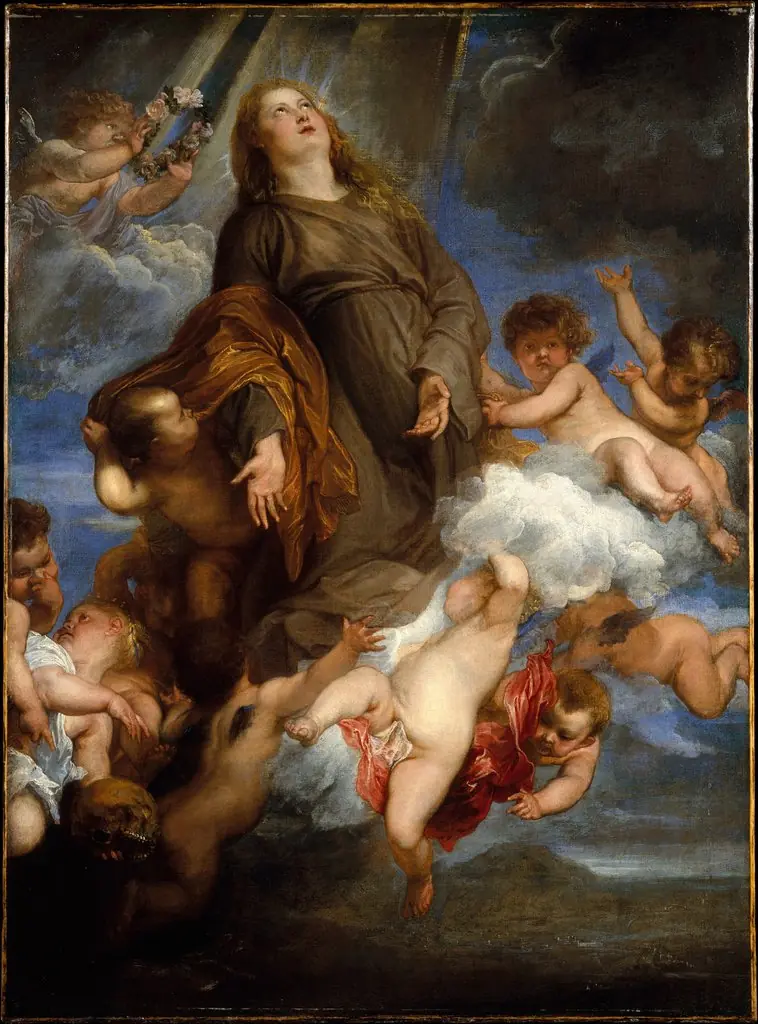 Saint Rosalie Interceding for the Plague-stricken of Palermo
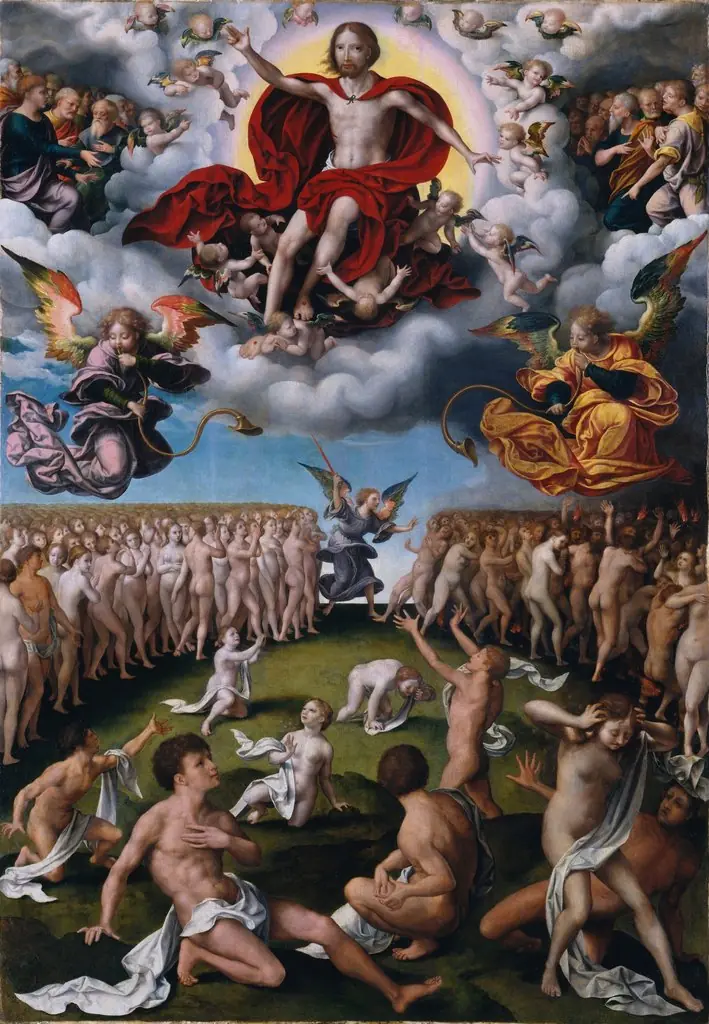 The Last Judgment
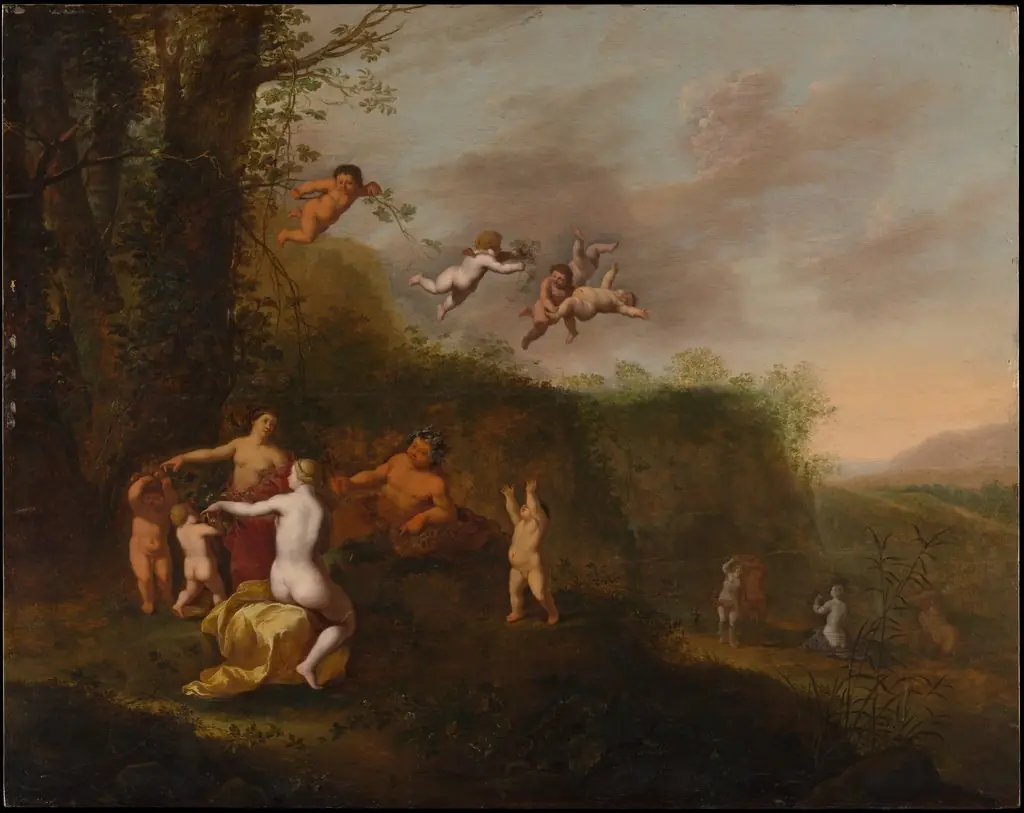 Bacchus and Nymphs in a Landscape
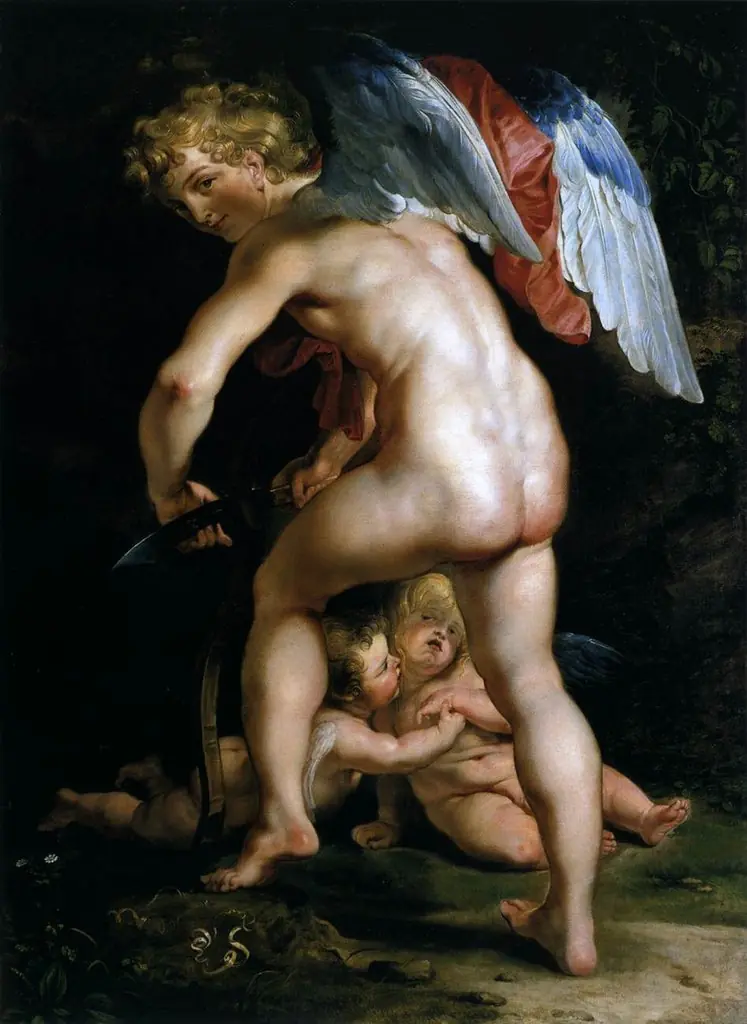 Cupid (Eros) Carves the Bow
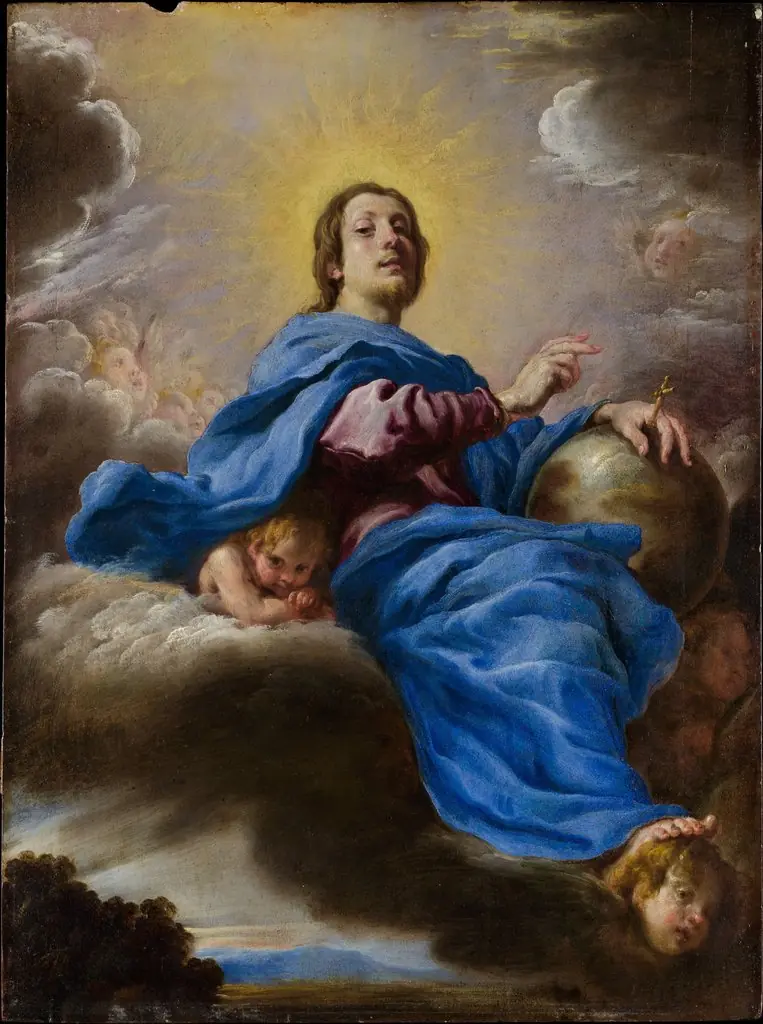 Salvator Mundi
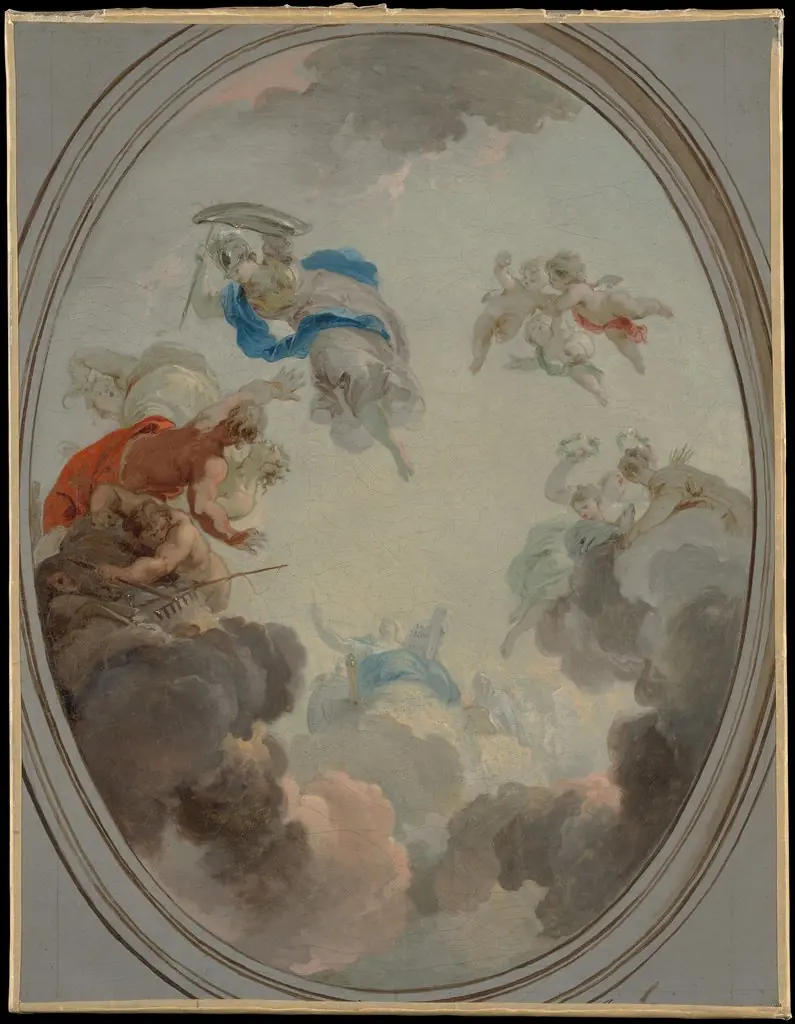 Allegory of Government: Wisdom Defeating Discord
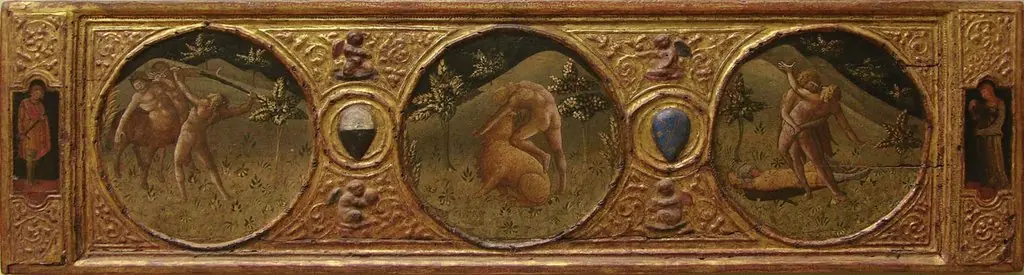 The Labors of Hercules
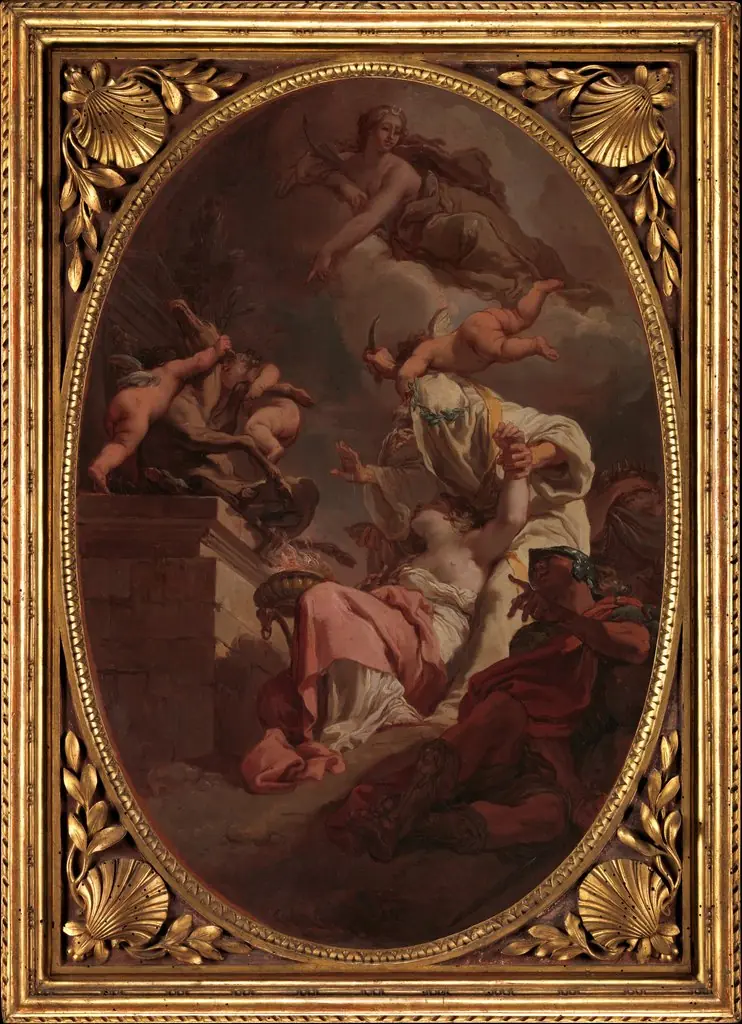 The Sacrifice of Iphigenia
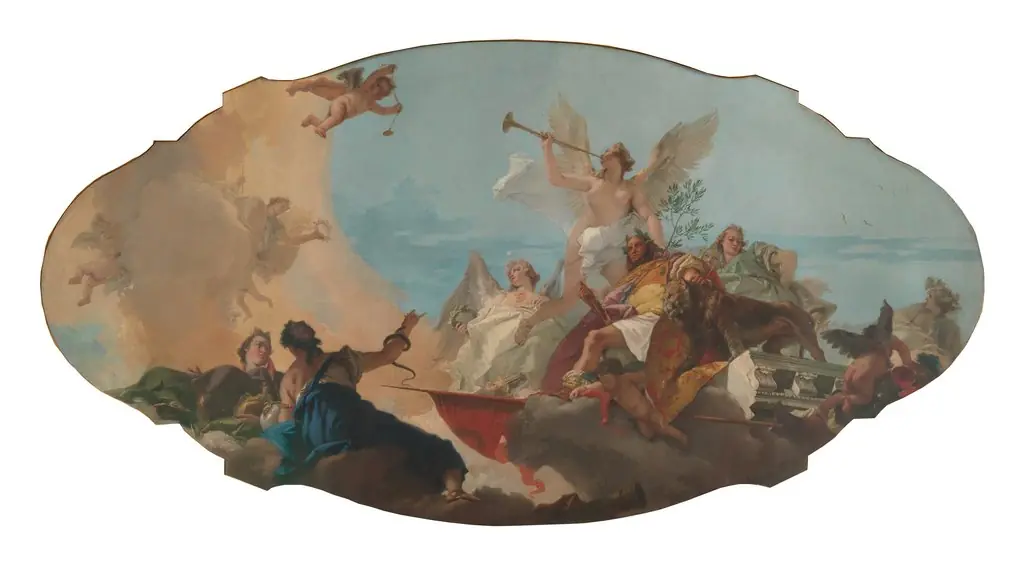 The Glorification of the Barbaro Family
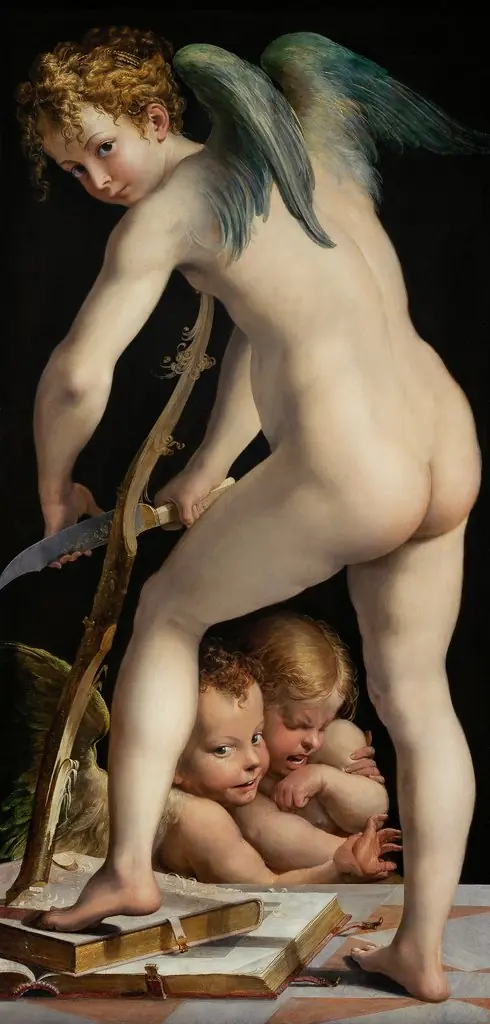 Cupid Making His Arch
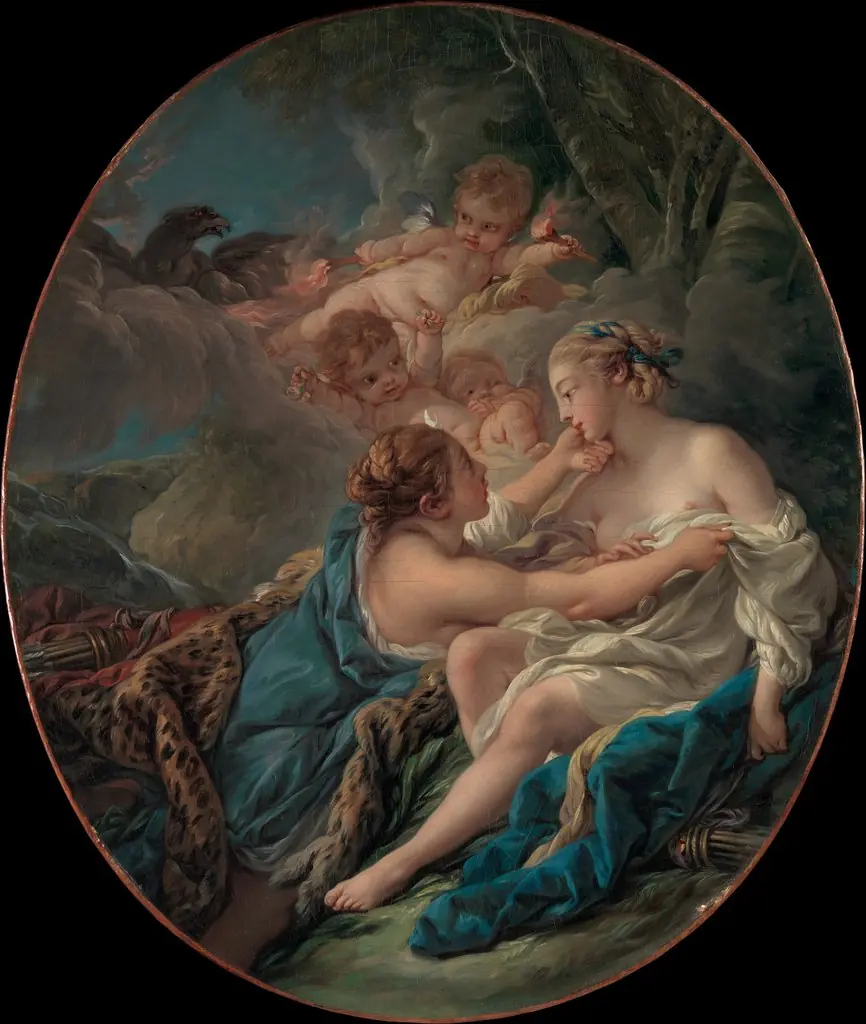 Jupiter, in the Guise of Diana, and Callisto
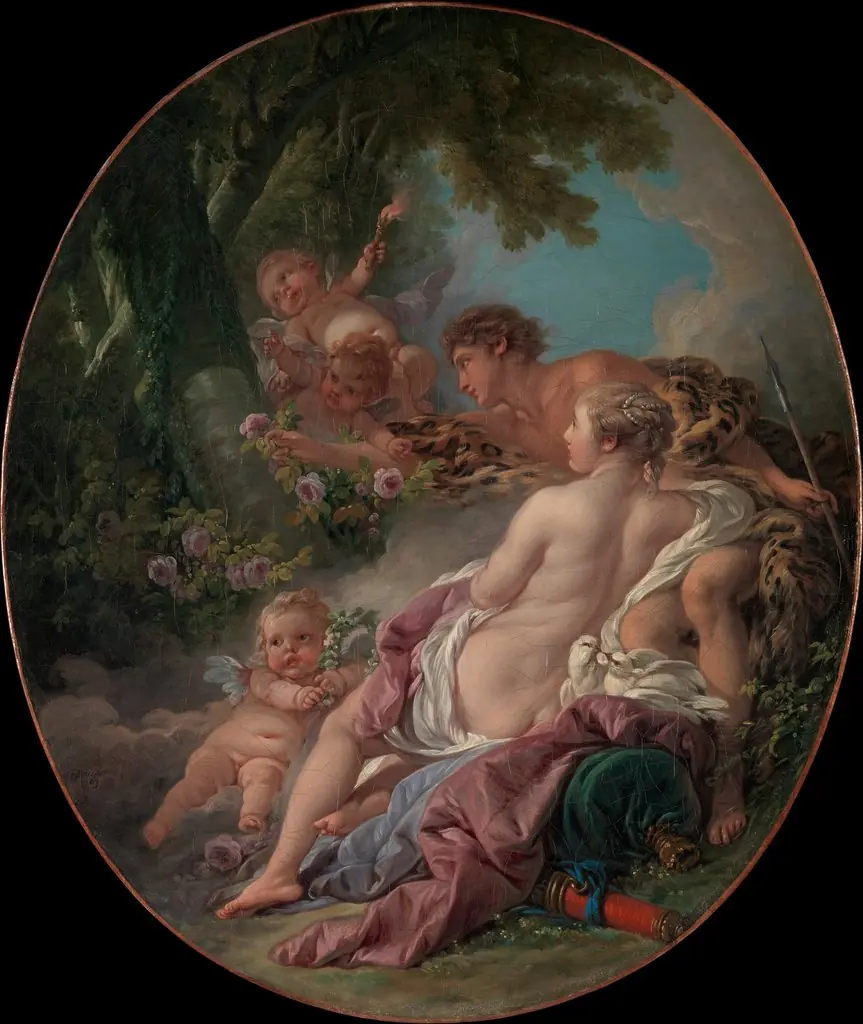 Angelica and Medoro
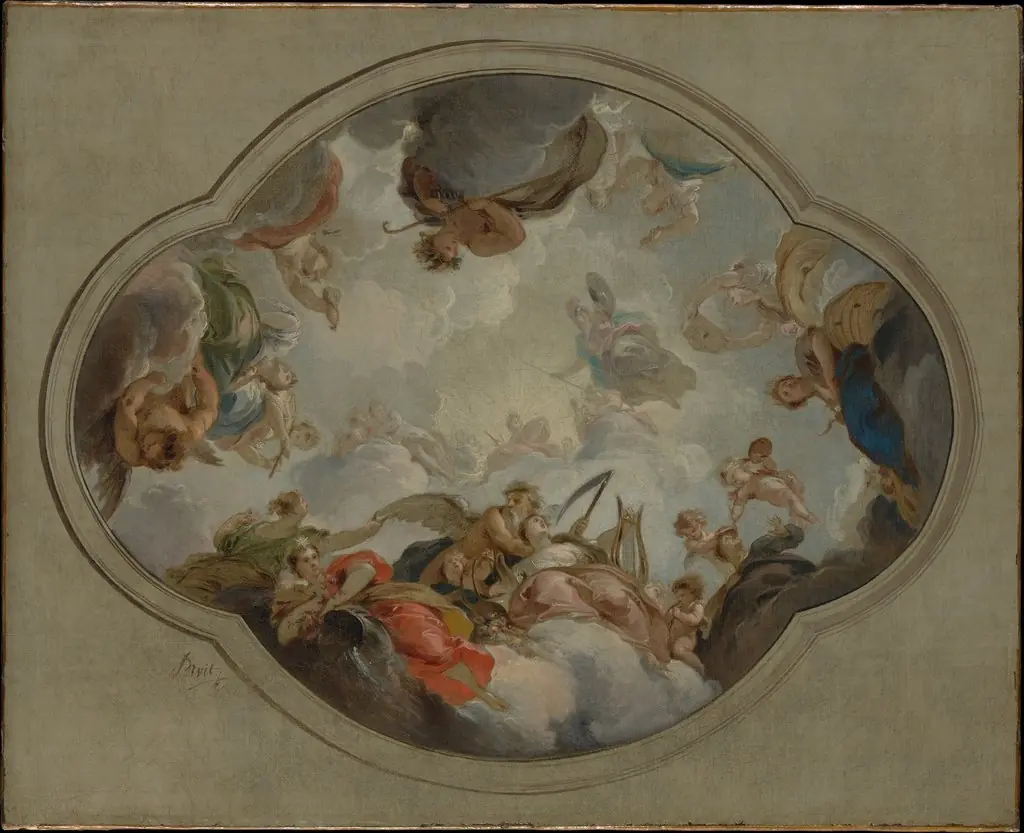 Allegory of the Arts
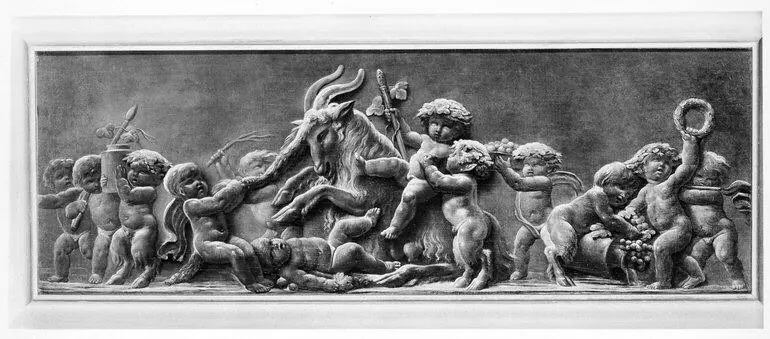 Infant Bacchanal
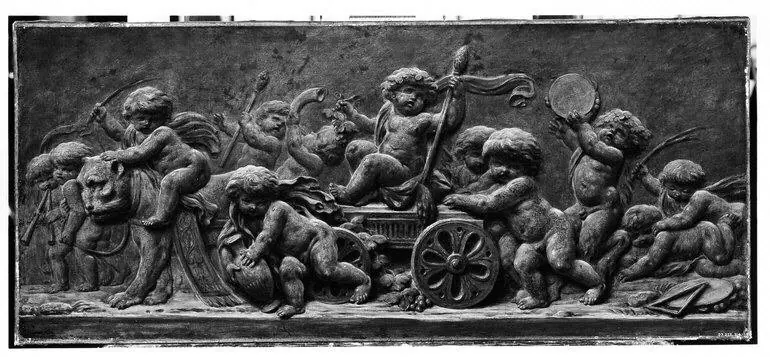 The Triumph of Bacchus
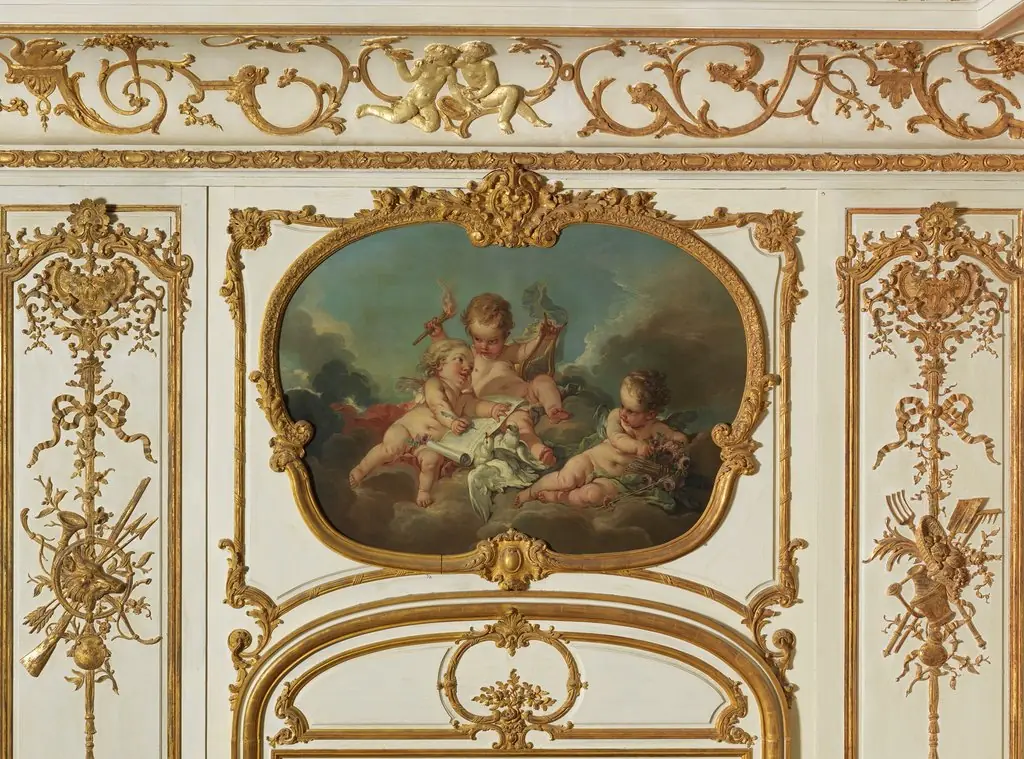 Allegory of Lyric Poetry
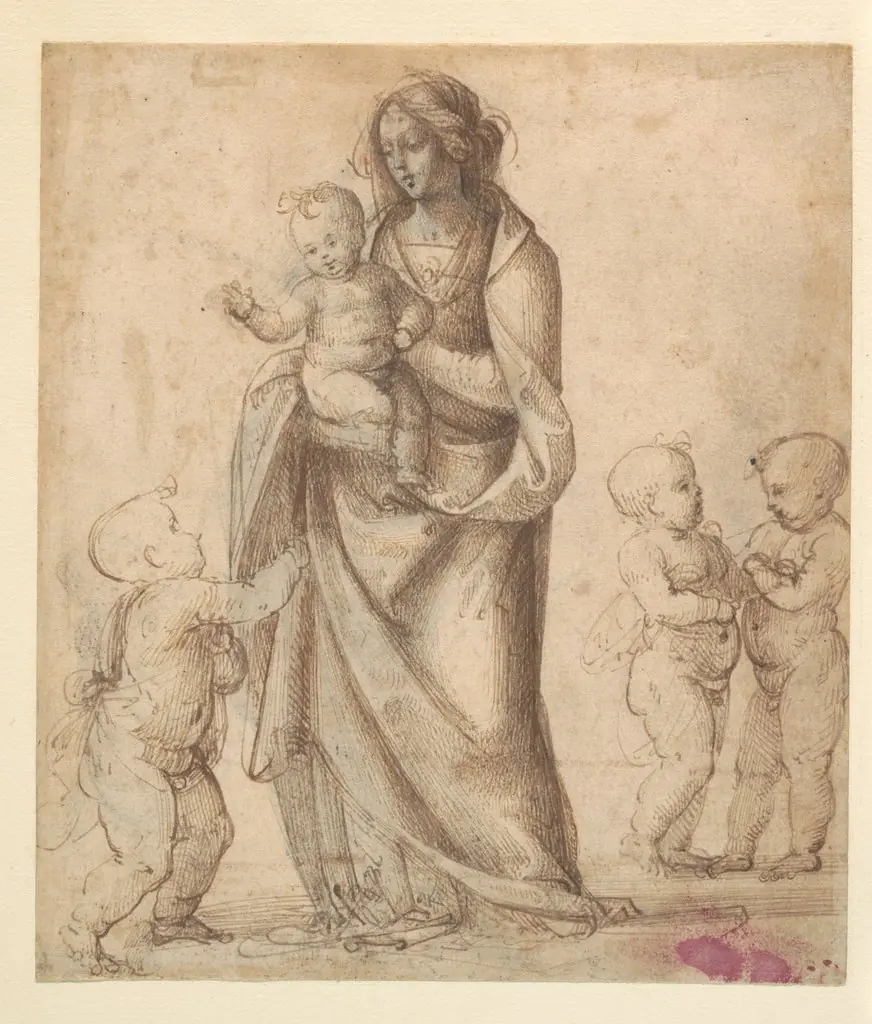 Madonna and Child with the Infant Saint John the Baptist and Two Putti (recto); Madonna and Child with the Infant Saint John the Baptist and a Putto (verso)
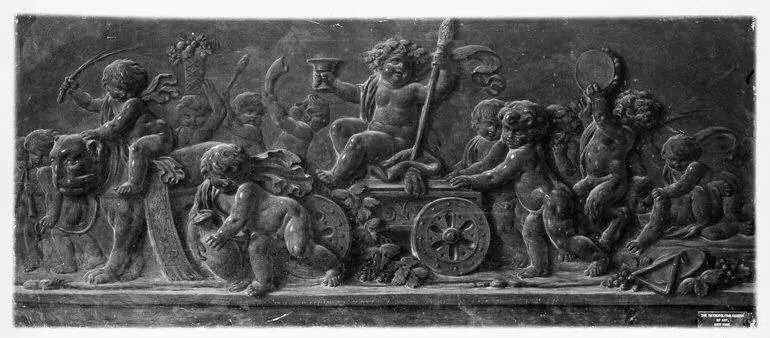 The Triumph of Bacchus
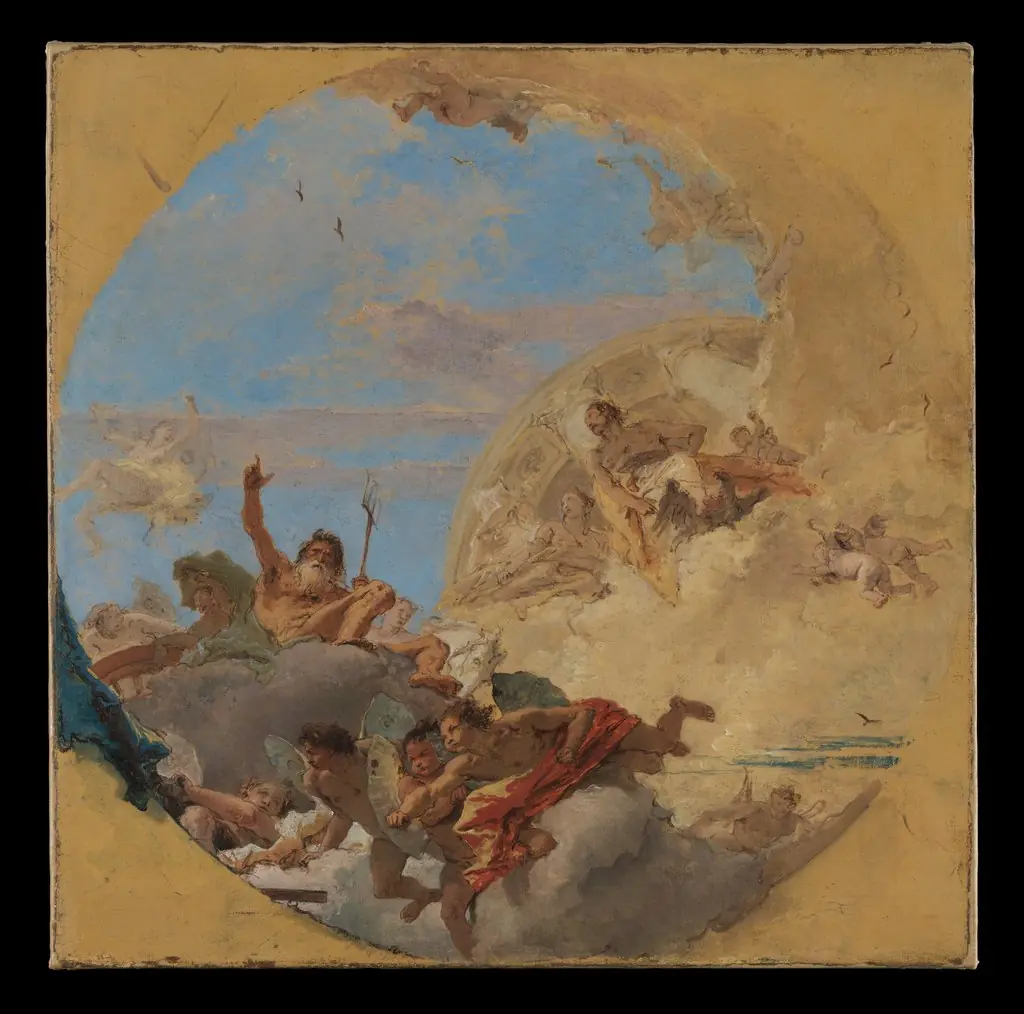 Neptune and the Winds
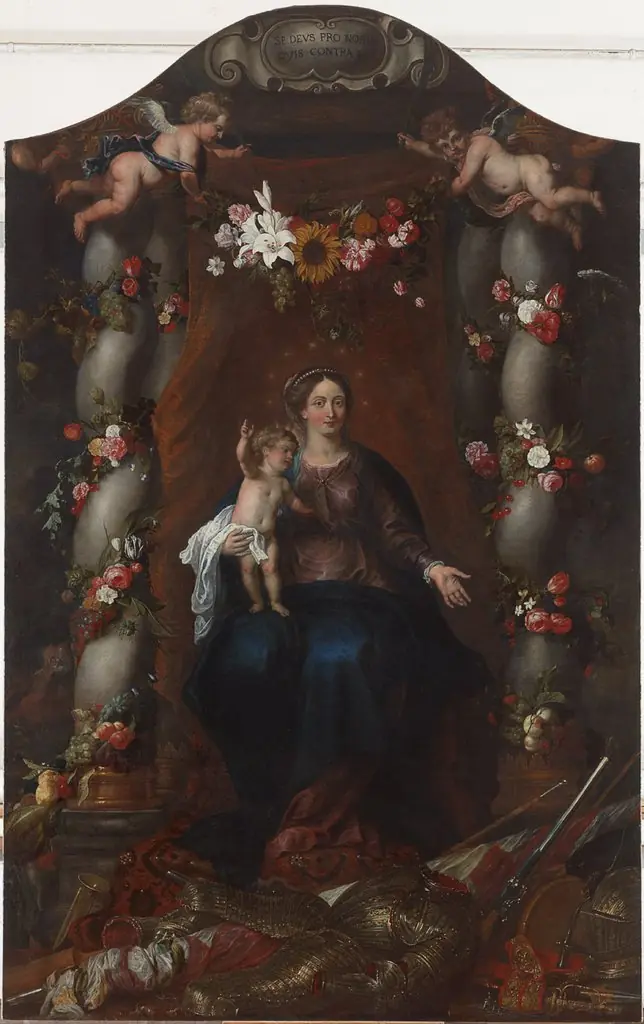 Madonna and Child Enthroned in a Fruit & Flower Garland
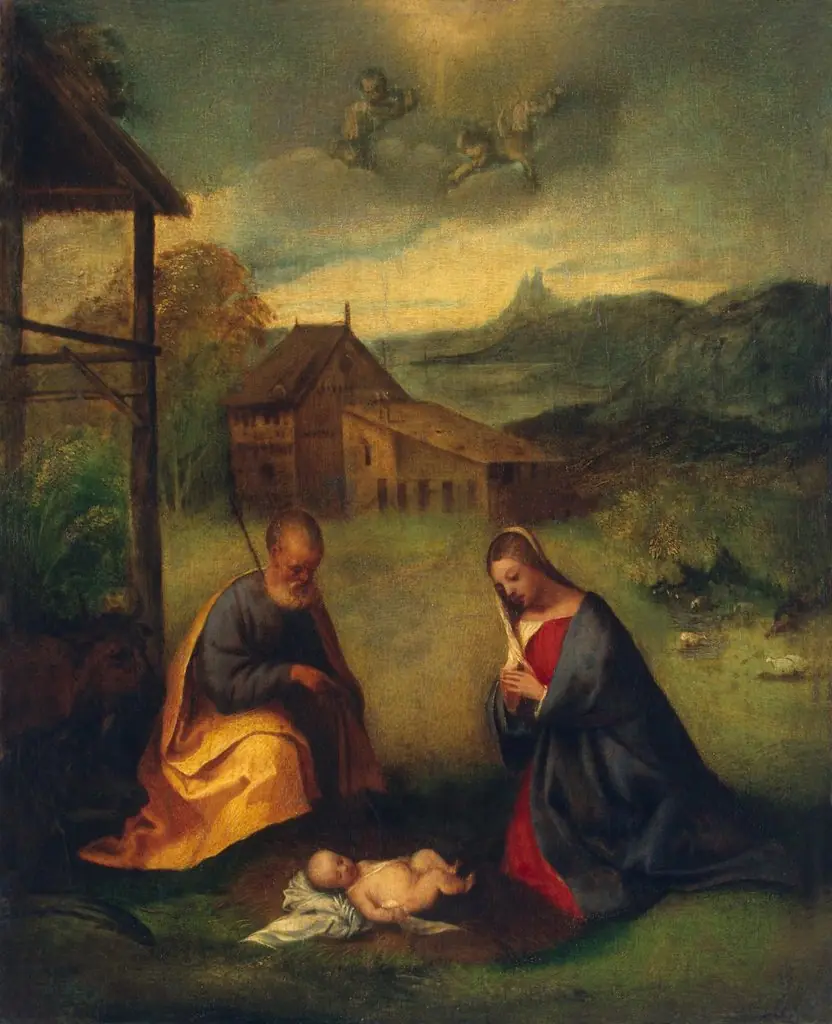 Adoration of the Christ Child
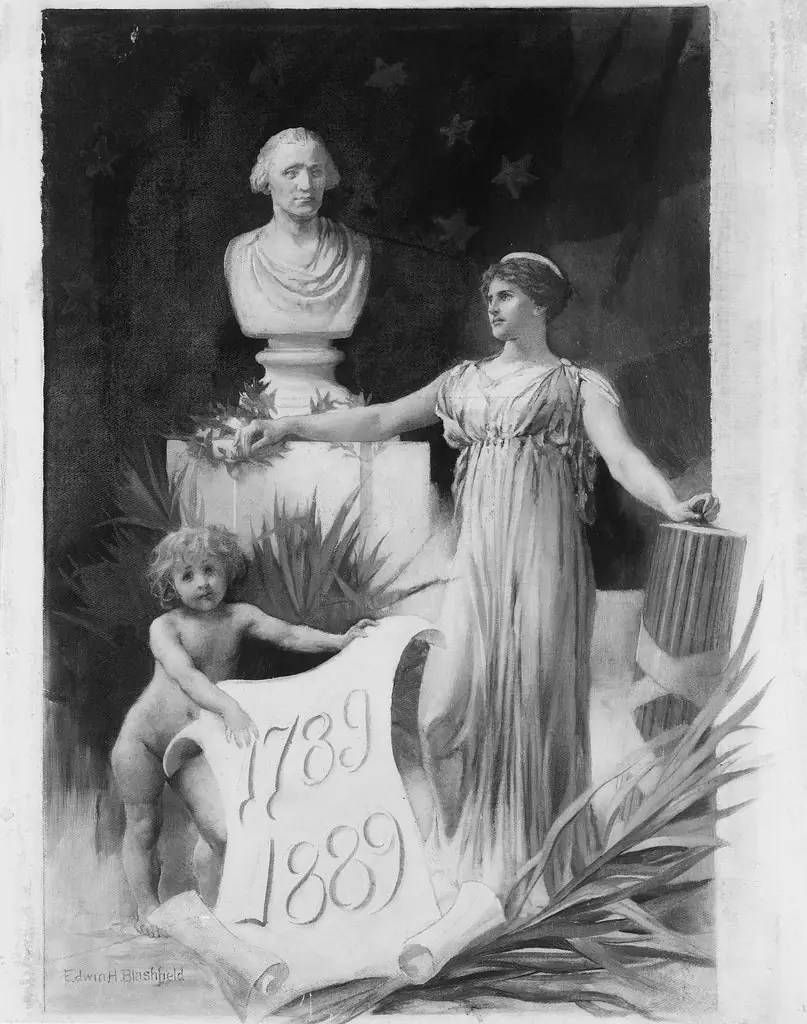 Design for the Washington Centennial Celebration, Souvenir
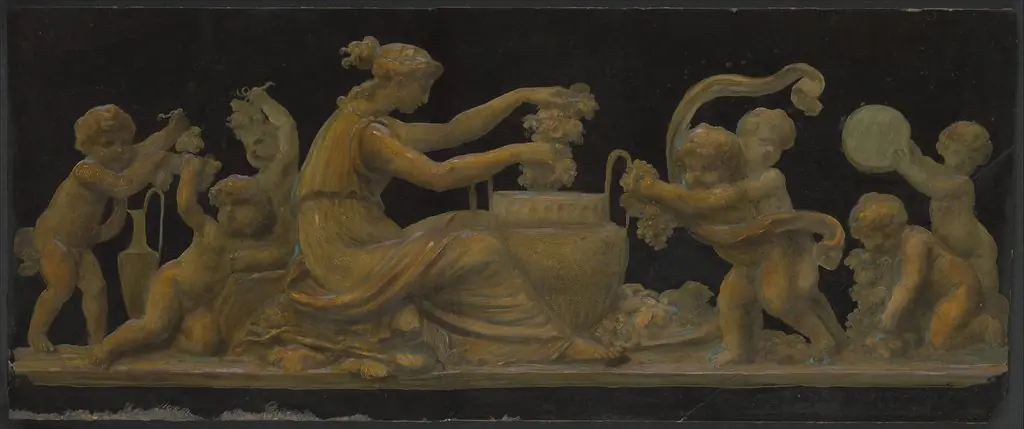 Nymph and Putti in a Vintage Scene; Nymph with a Wreath and Putti with Garlands of Flowers
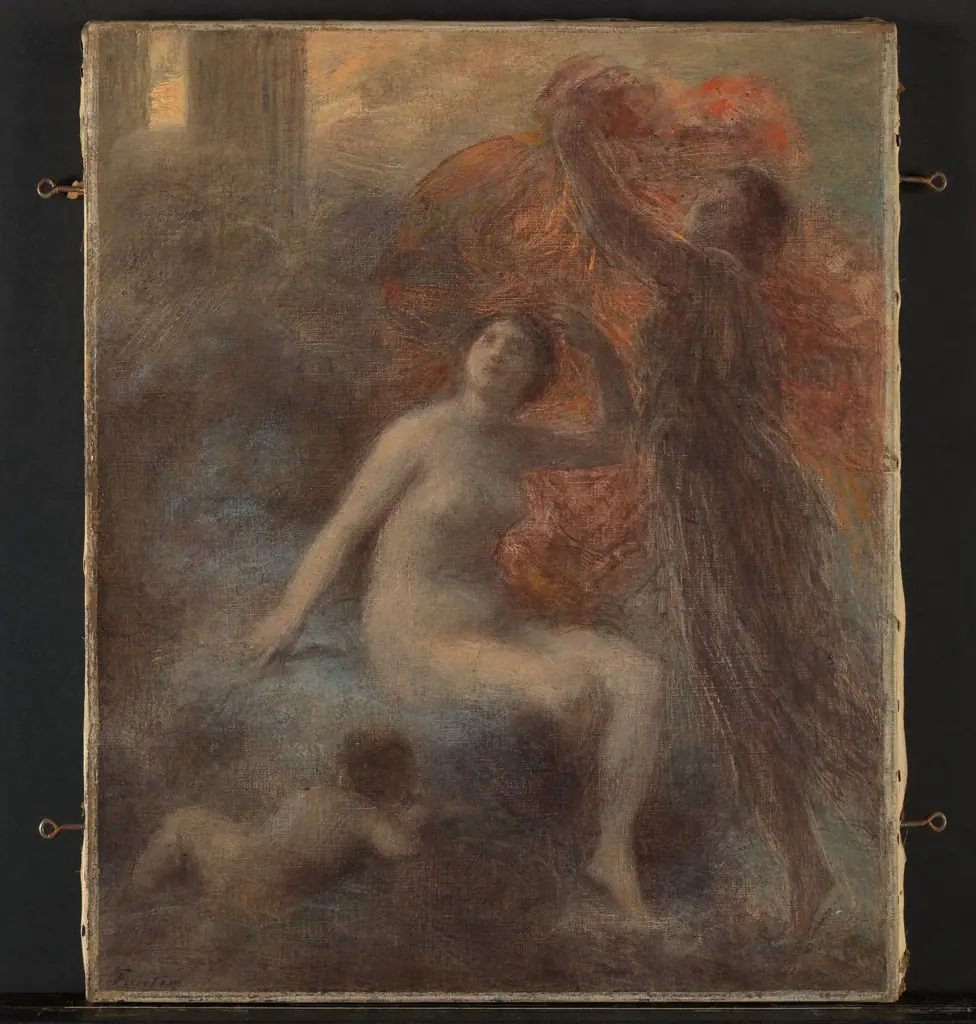 The Palace of Aurora
![The Rule of Bacchus [left panel]](https://artifactworldgallery.com/img/the-rule-of-bacchus-left-panel--5f2819b3a3b6a2cc-w320.webp) The Rule of Bacchus [left panel]
The Rule of Bacchus [left panel]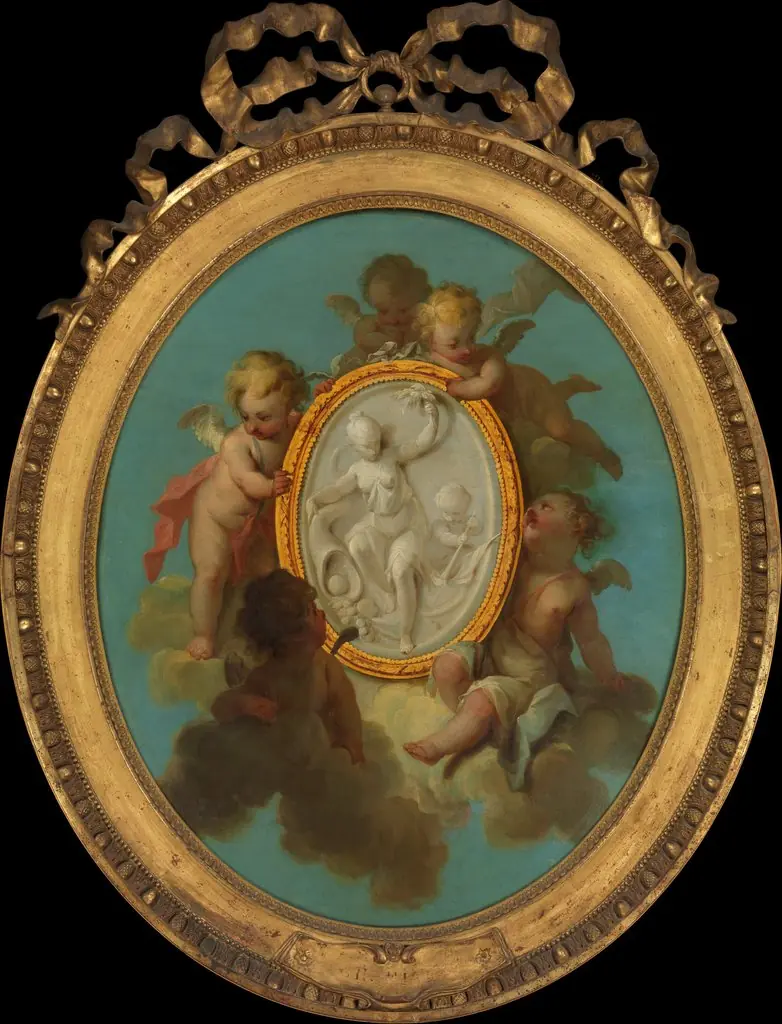 Putti with a Medallion
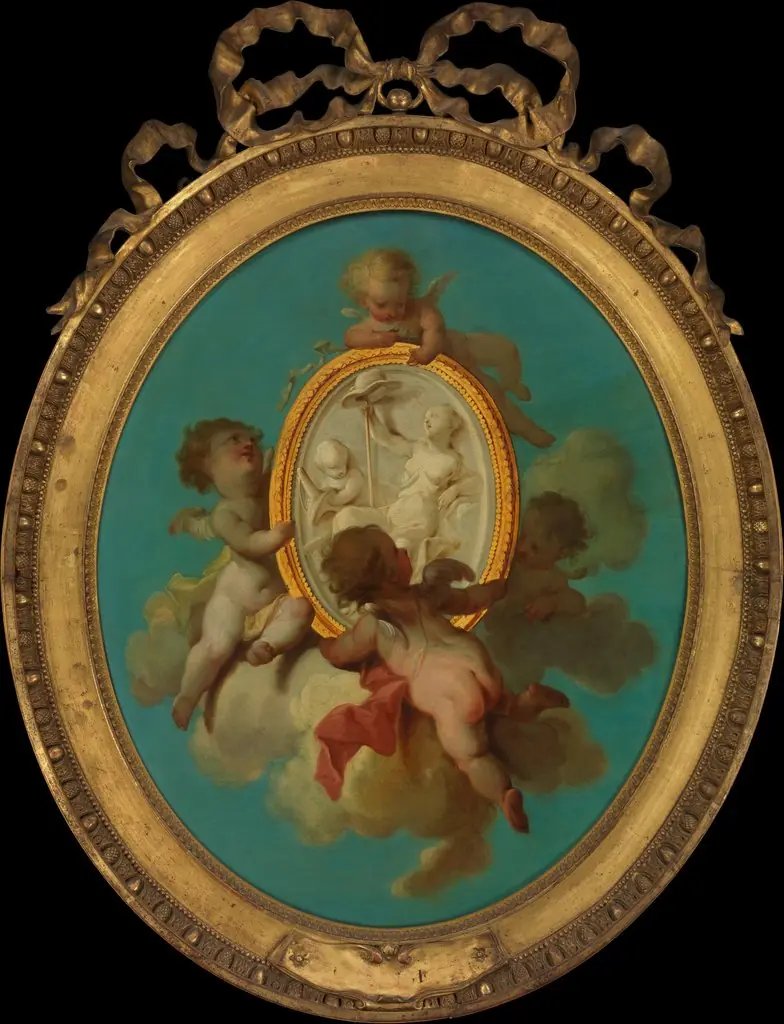 Putti with a Medallion
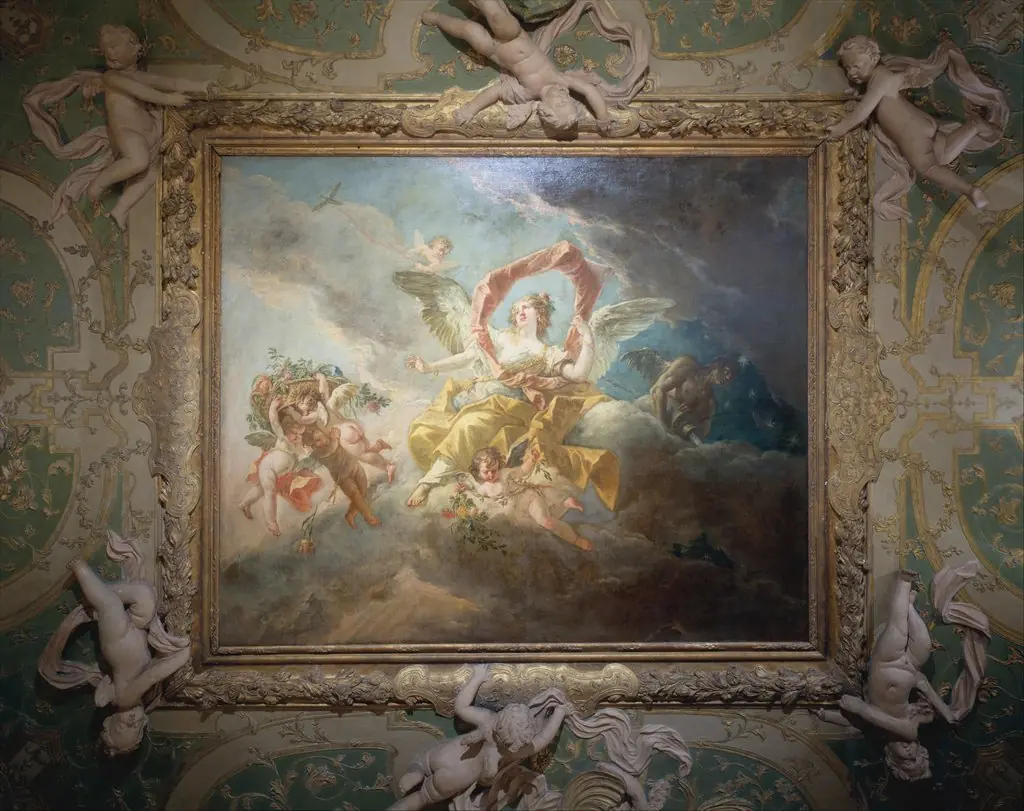 Dawn
Dawn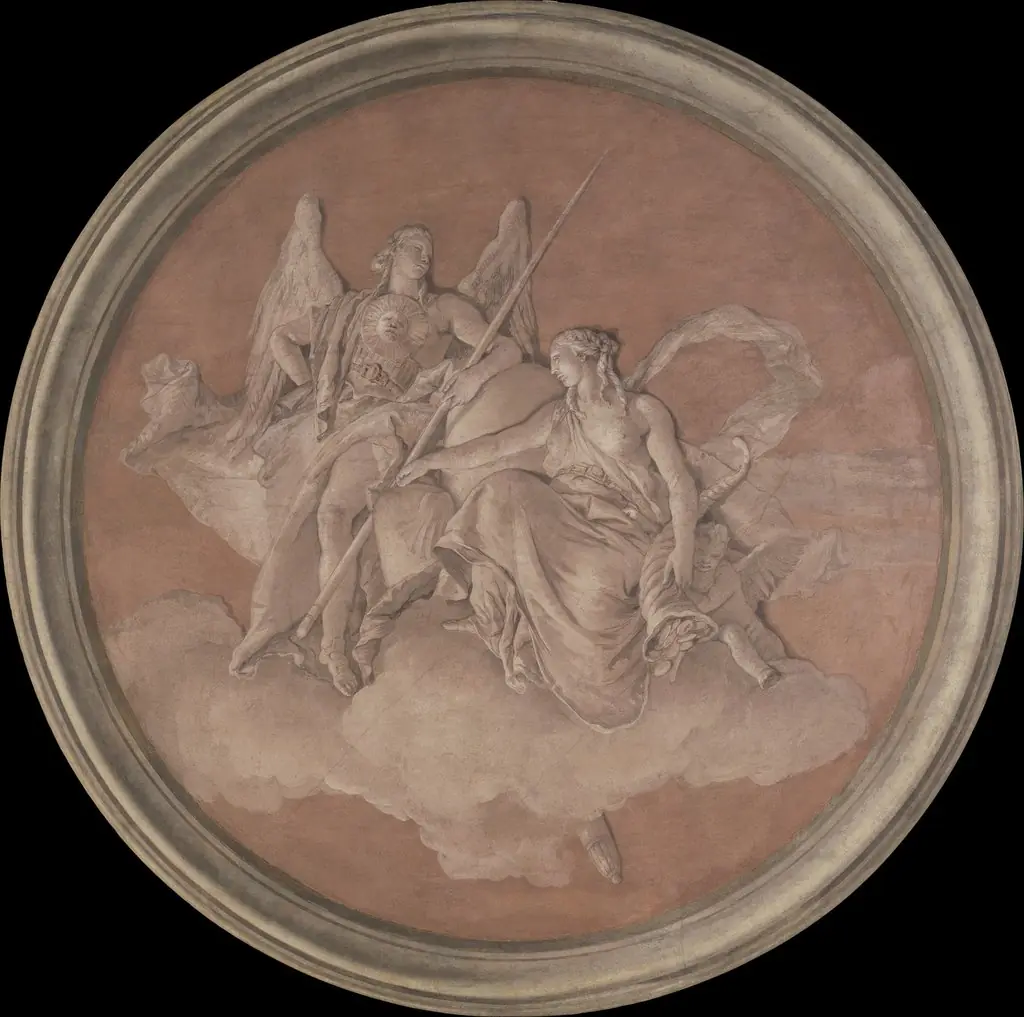 Virtue and Abundance
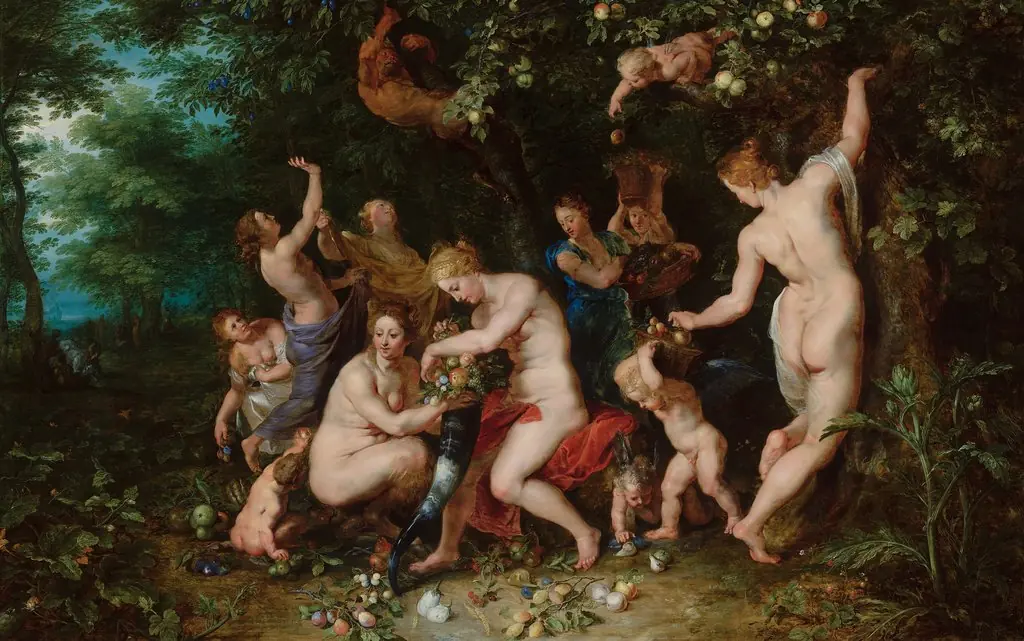 Nymphs filling the horn of plenty
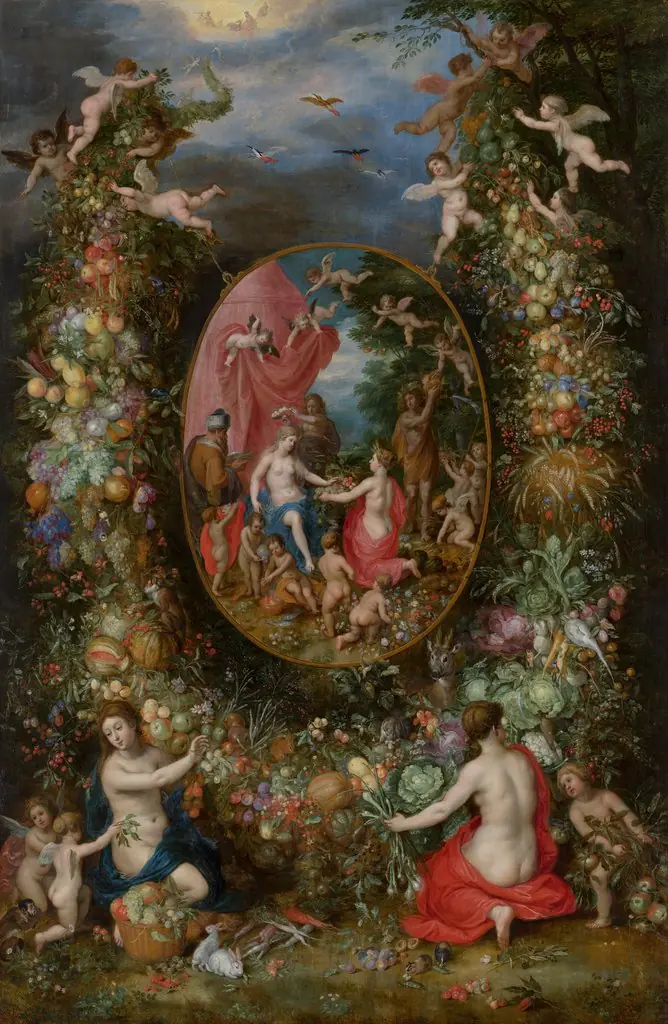 Garland of Flowers around an Allegory of Farming
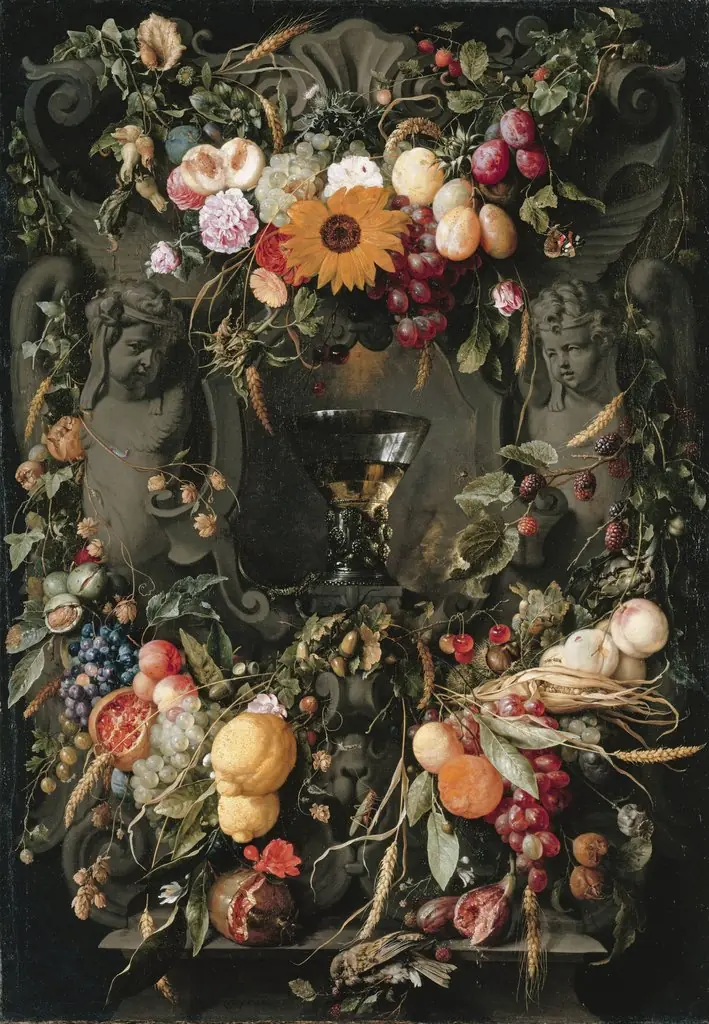 Cartouche with fruit and flowers and wine glass
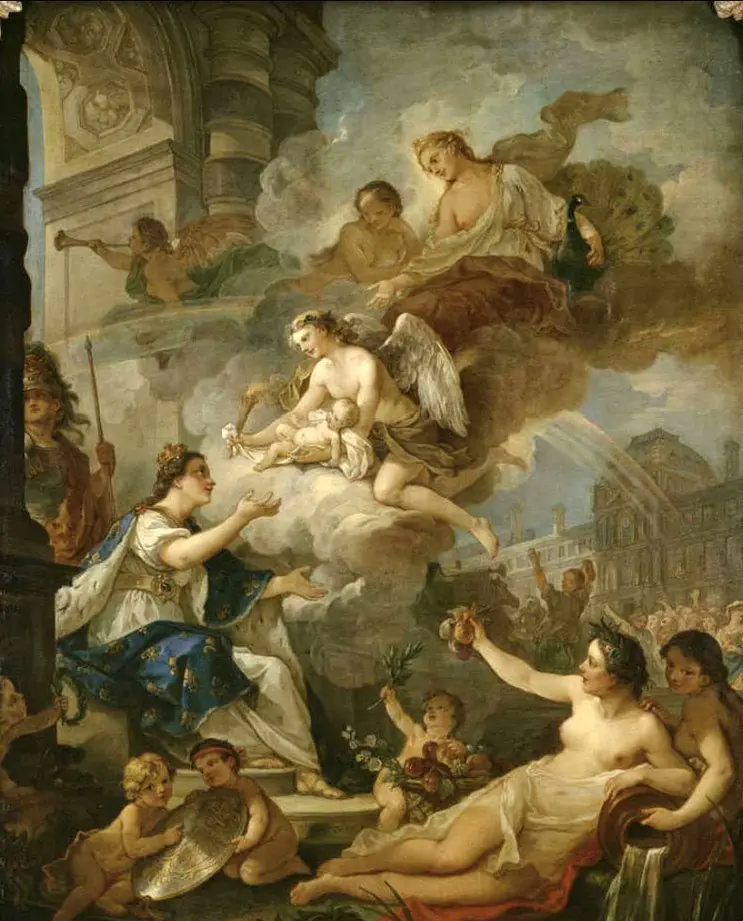 Allegory of the Birth of Marie-Zéphyrine of France, daughter of Louis of France
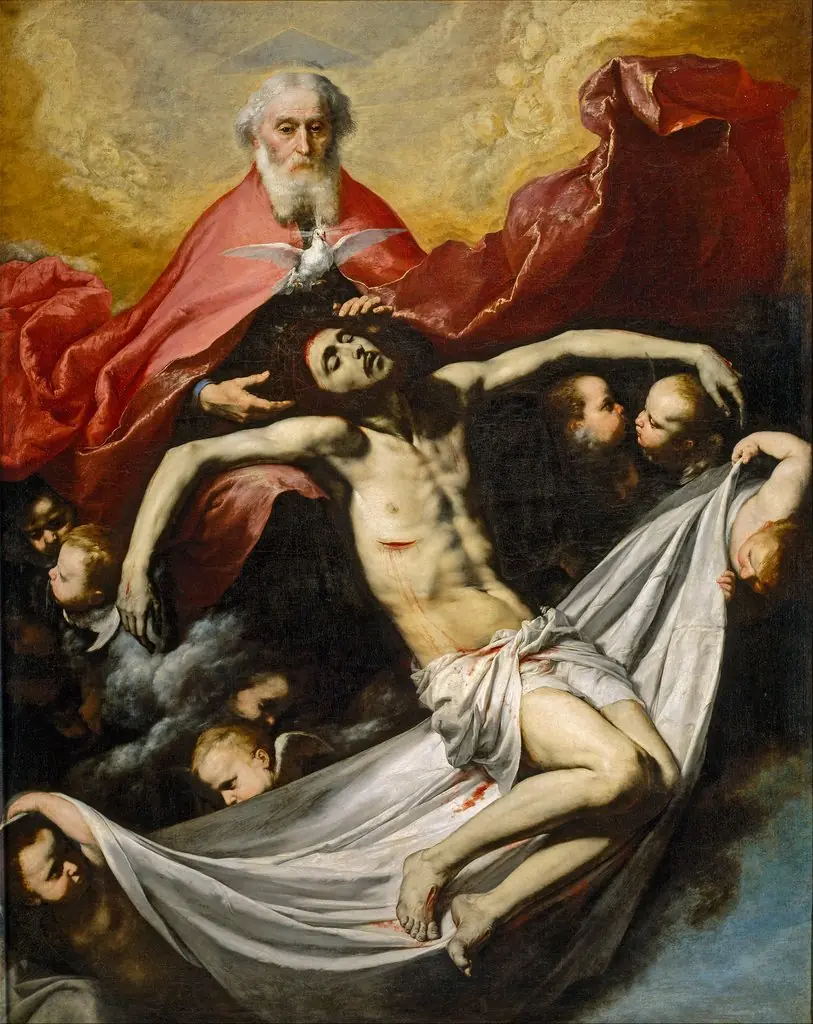 The Trinity
 Fleuron for the Title Pages
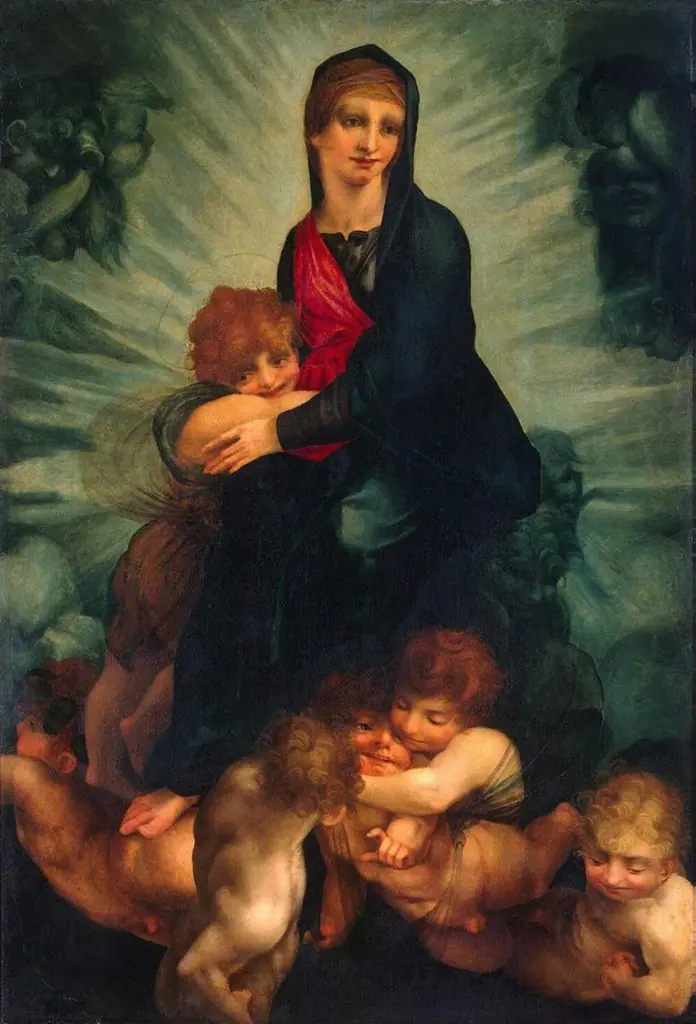 Madonna and Child with Cherubs
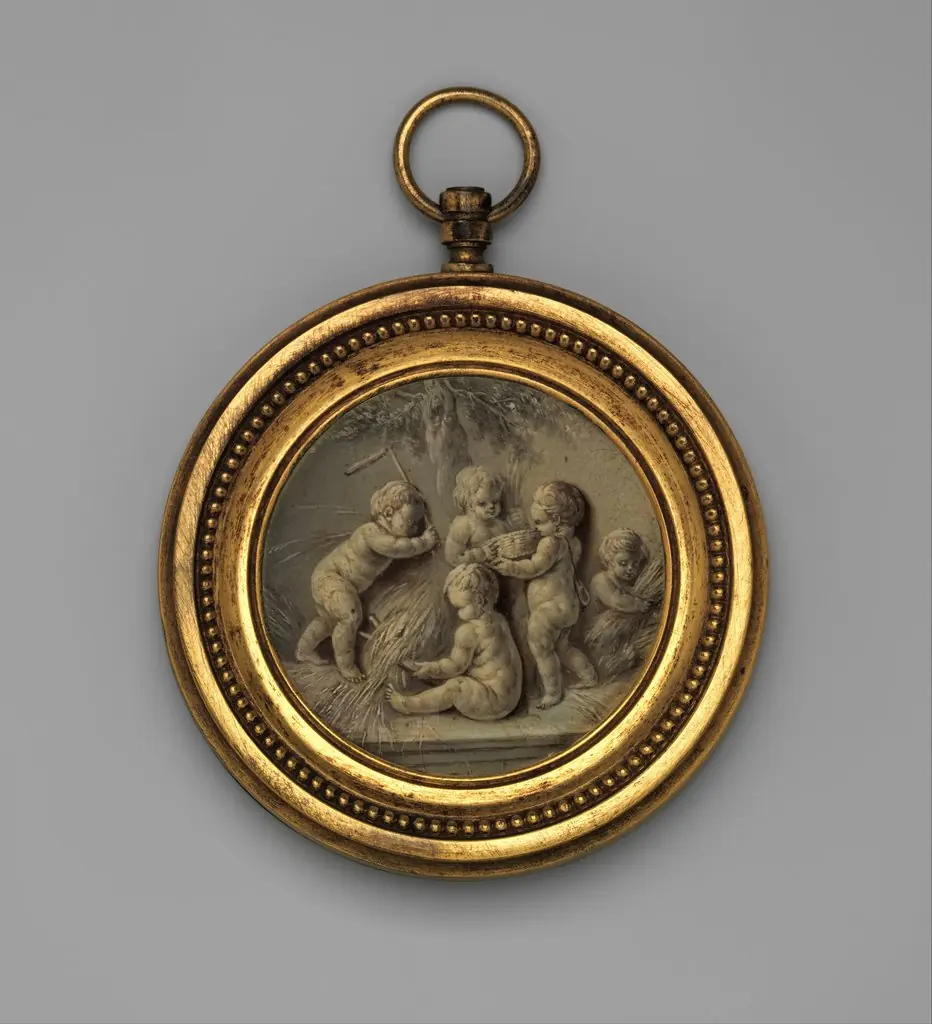 Putti Harvesting Wheat
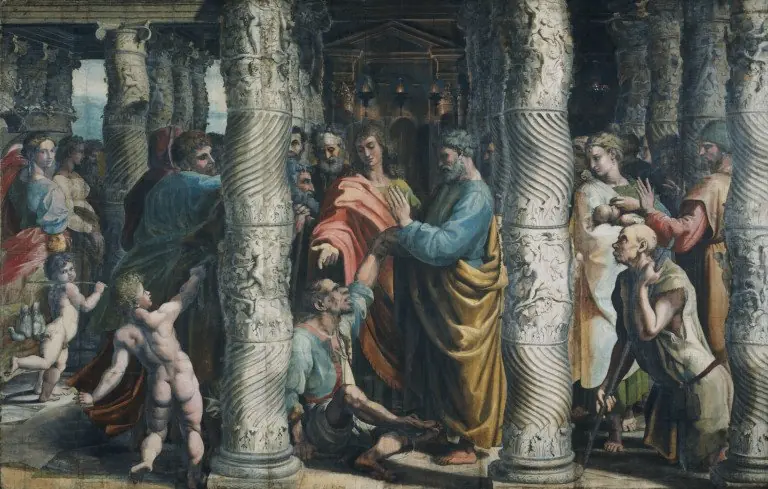 The Healing of the Lame Man
![Putto with Arms of Jacques Coëne [reverse]](https://artifactworldgallery.com/img/bernard-van-orley--putto-with-arms-of-jacques-coene-reverse--841c6ba9c9e9862d-w320.webp) Putto with Arms of Jacques Coëne [reverse]
Putto with Arms of Jacques Coëne [reverse]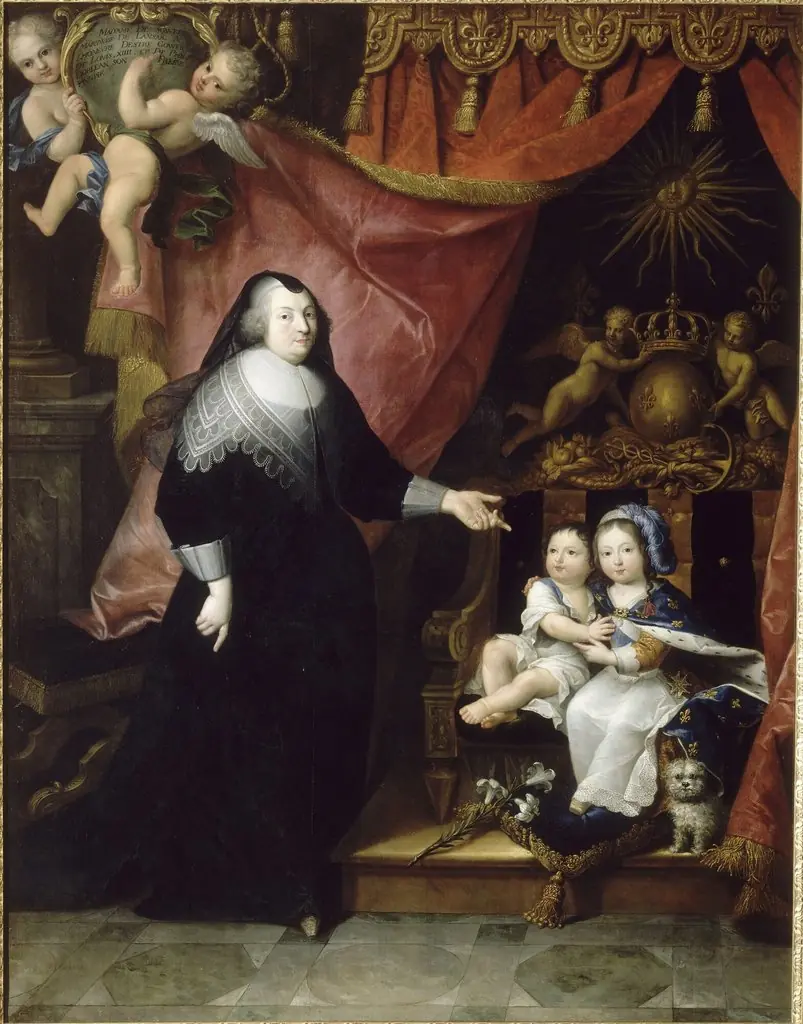 The young Louis XIV with his brother Philippe and his governess Françoise de Souvré, marquise de Lansac
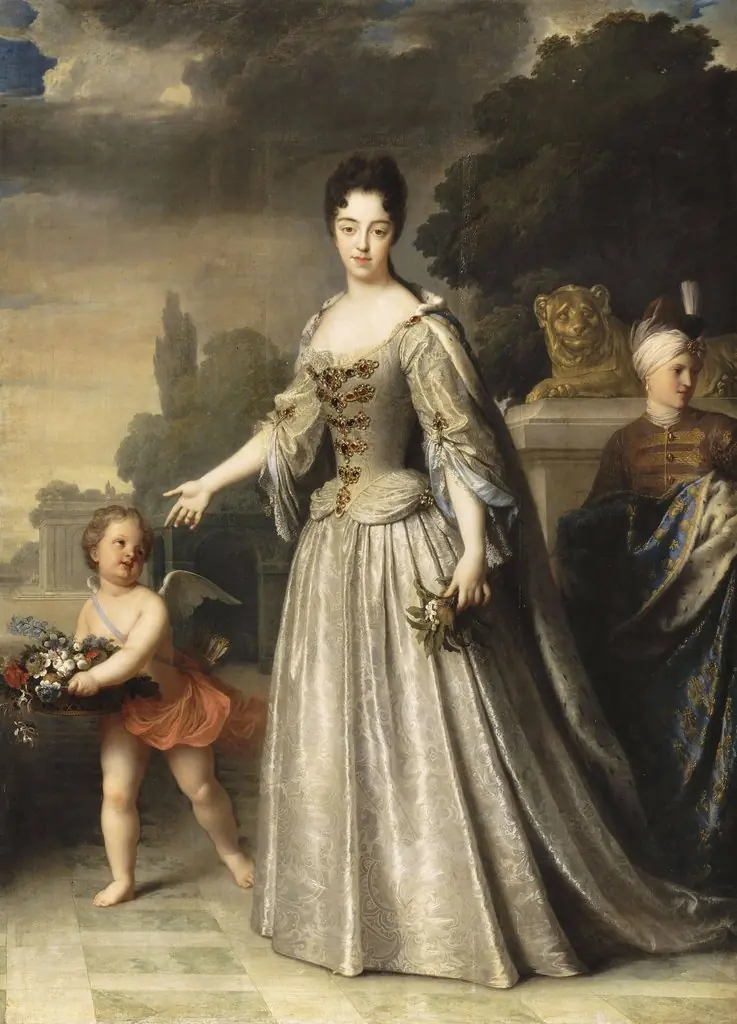 Portrait of Marie Adélaïde of Savoy, Duchess of Burgundy
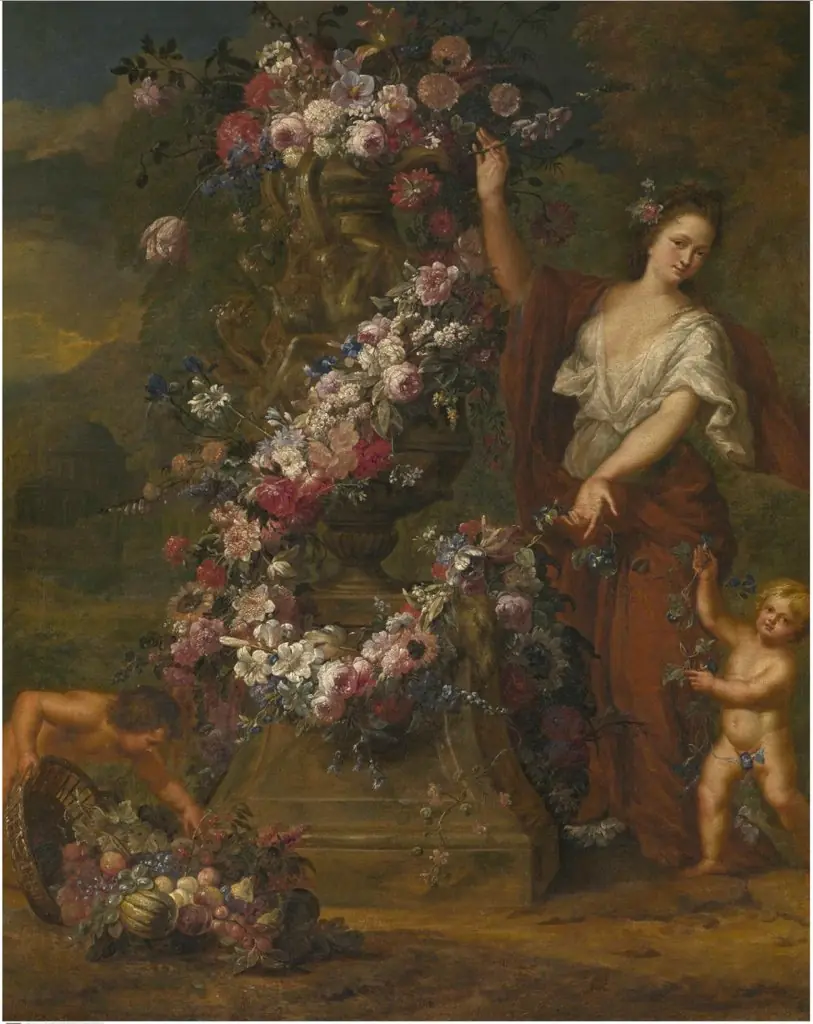 Allegorical Figure with Flowers
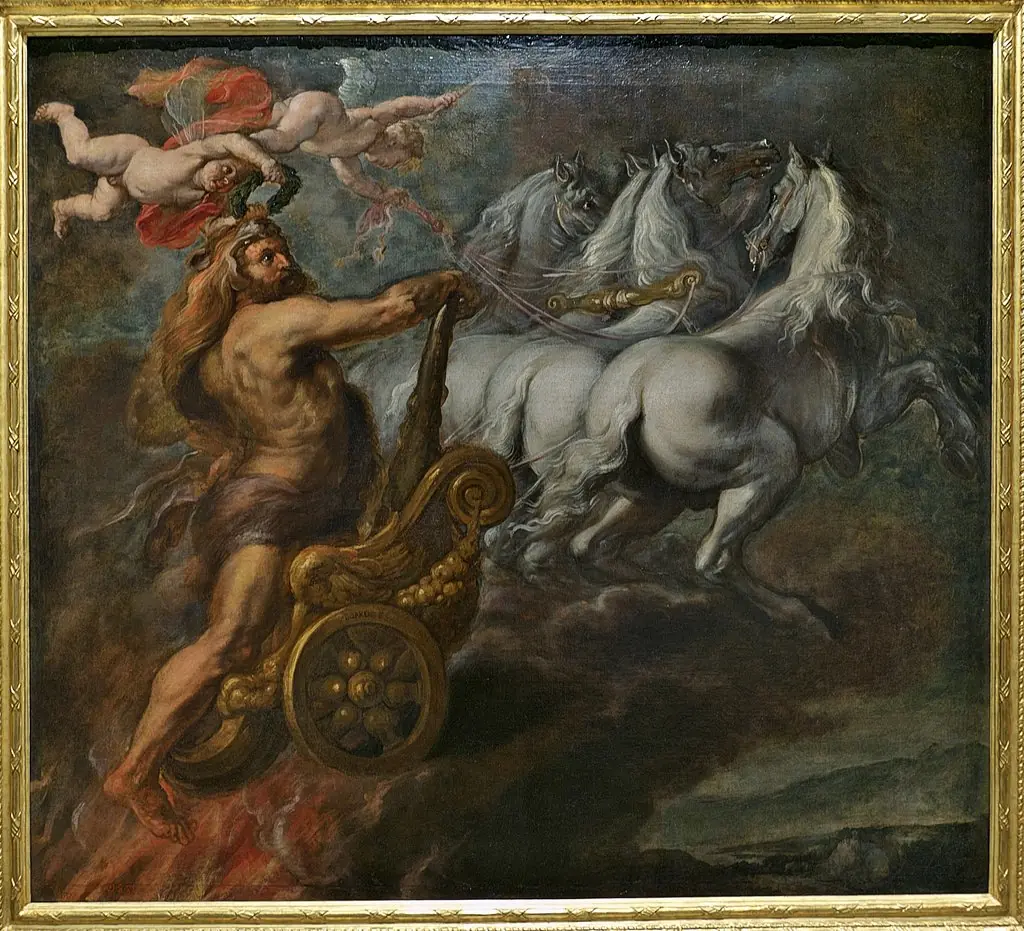 The Apotheosis of Hercules
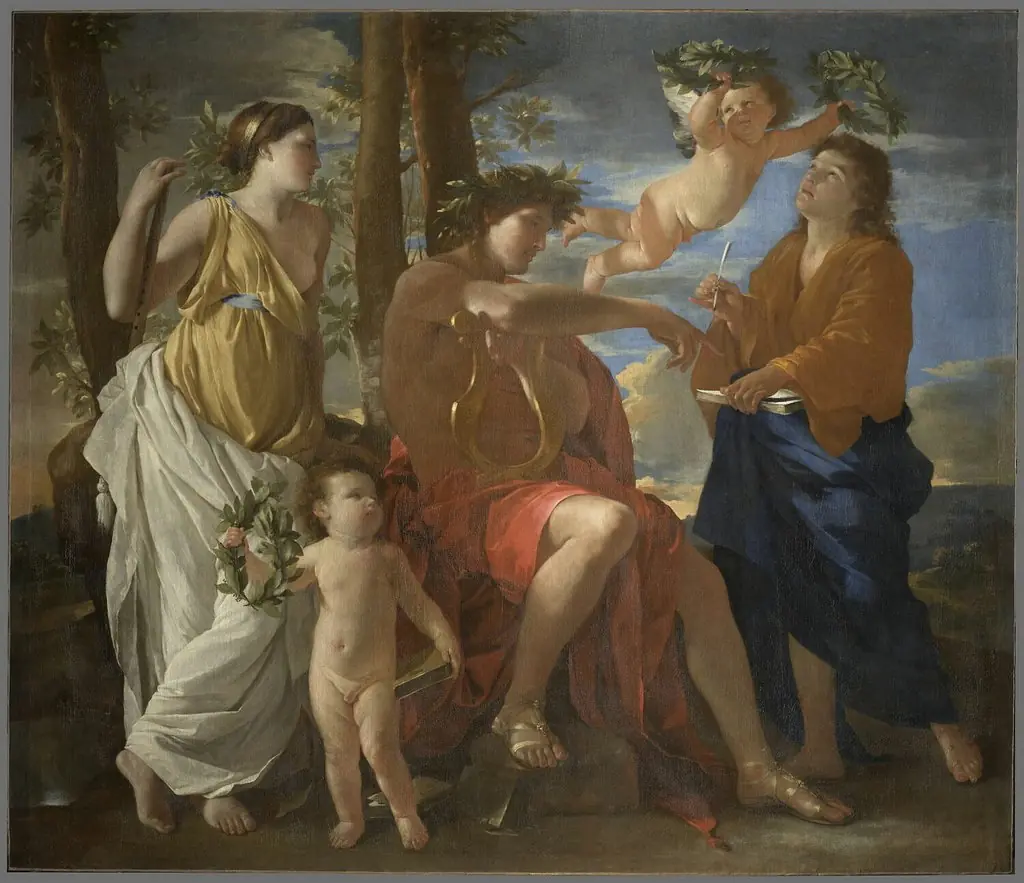 The Inspiration of the Poet
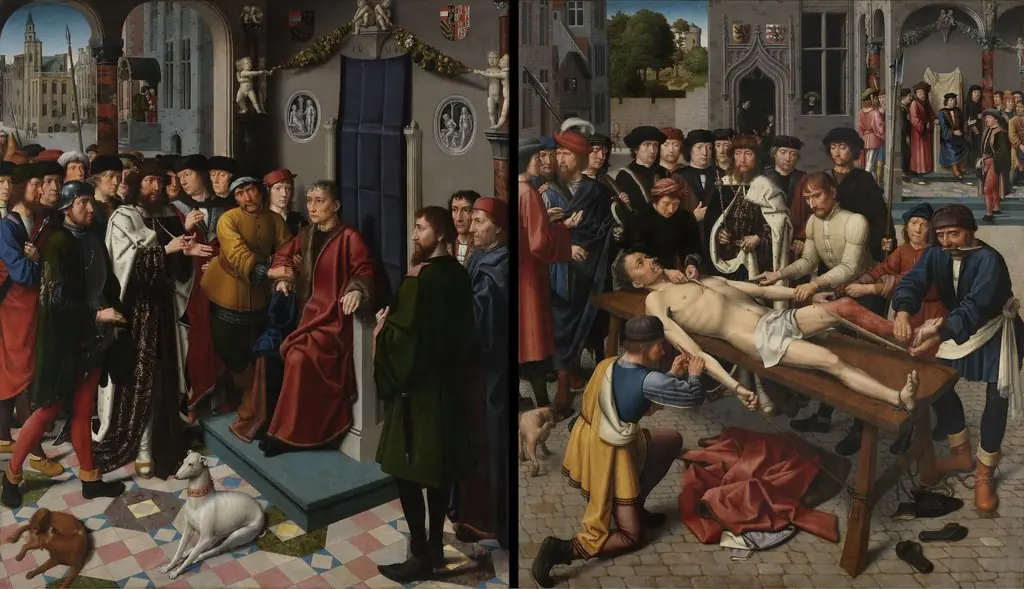 Judgement of Cambyses
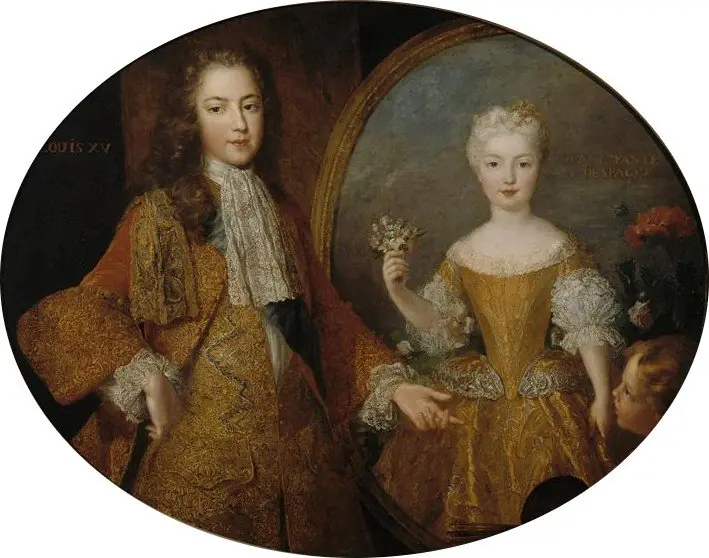 Louis XV and the Infanta Marie-Anne-Victoire
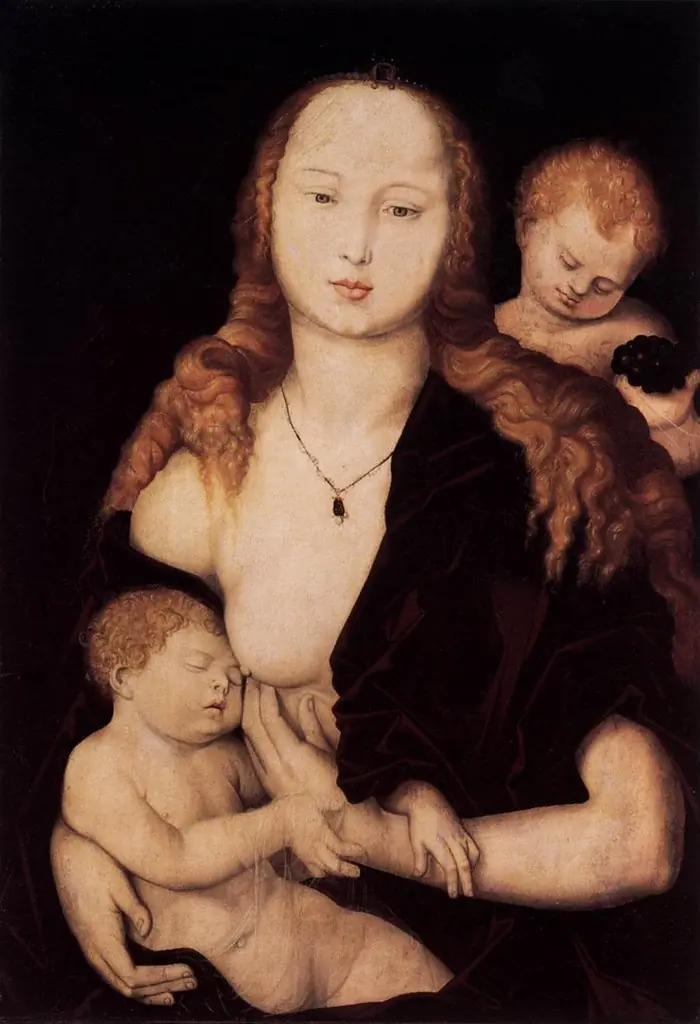 Mary with the Christ-child and an angel
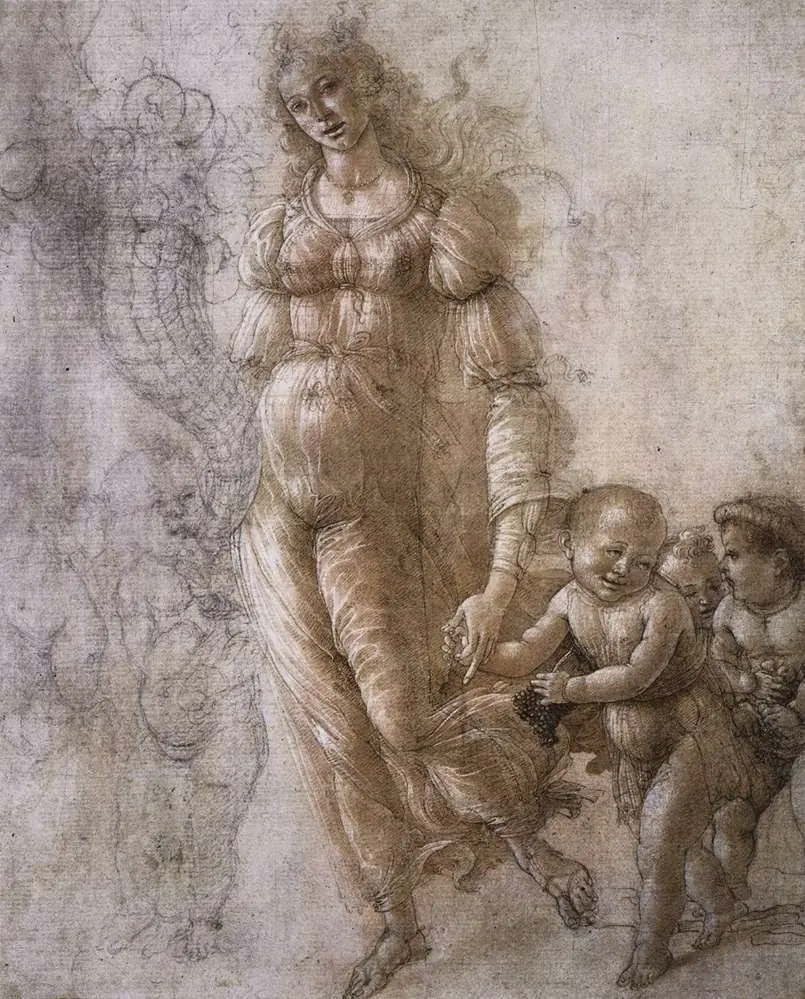 Allegory of Abundance
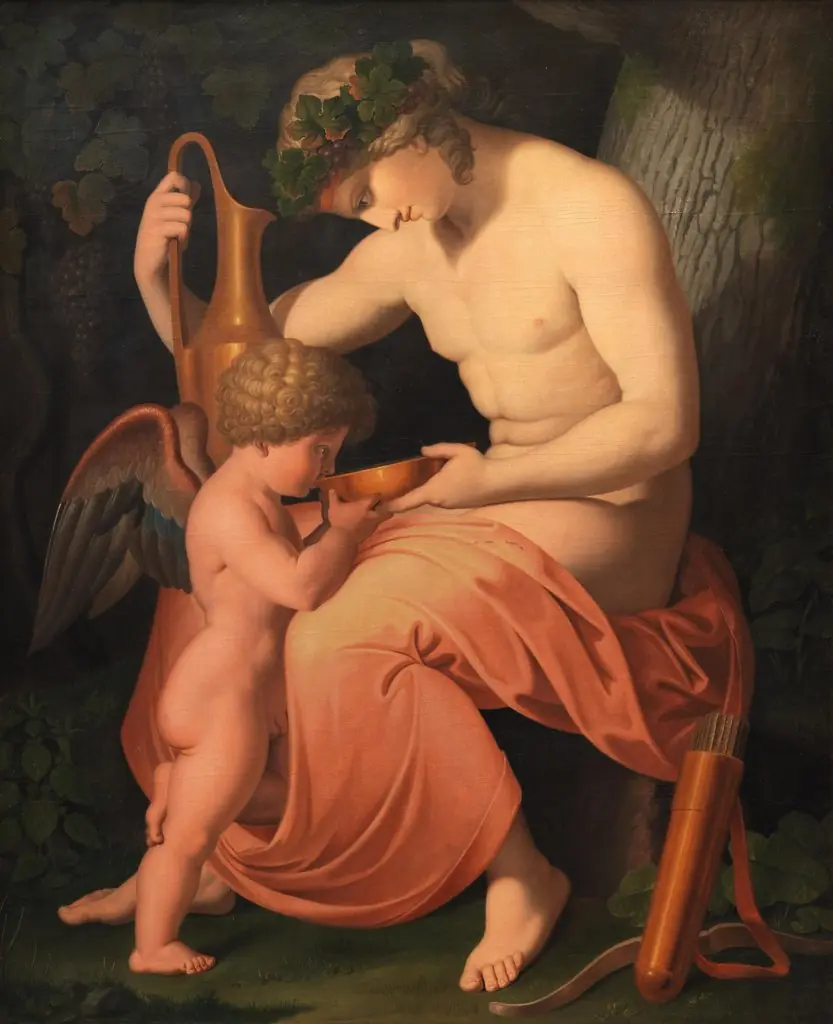 Bacchus and Cupid
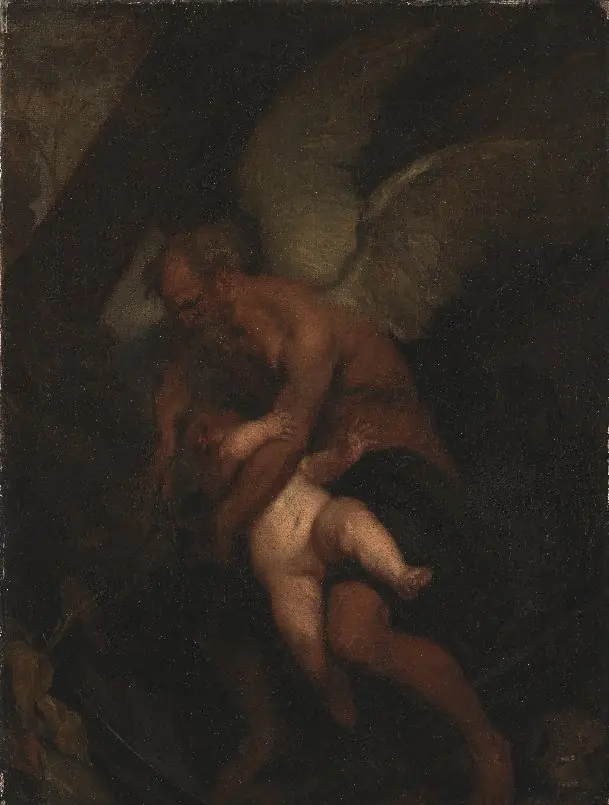 Time Clipping Cupid's Wings
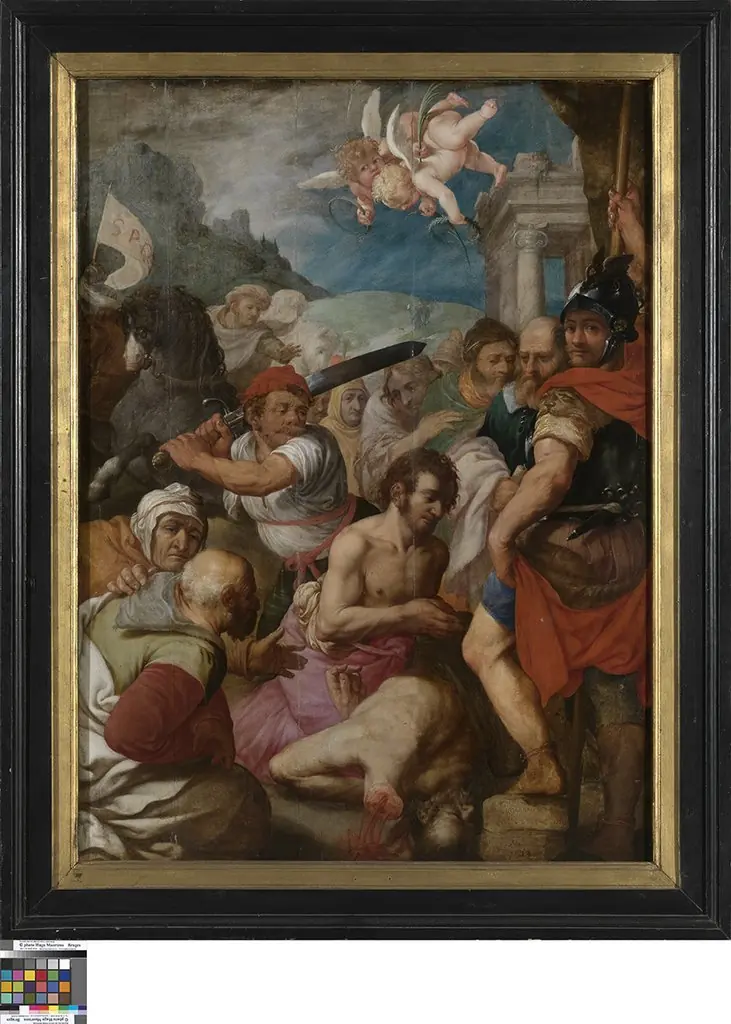 The Martyrdom of the Saints Crispin and Crispinian
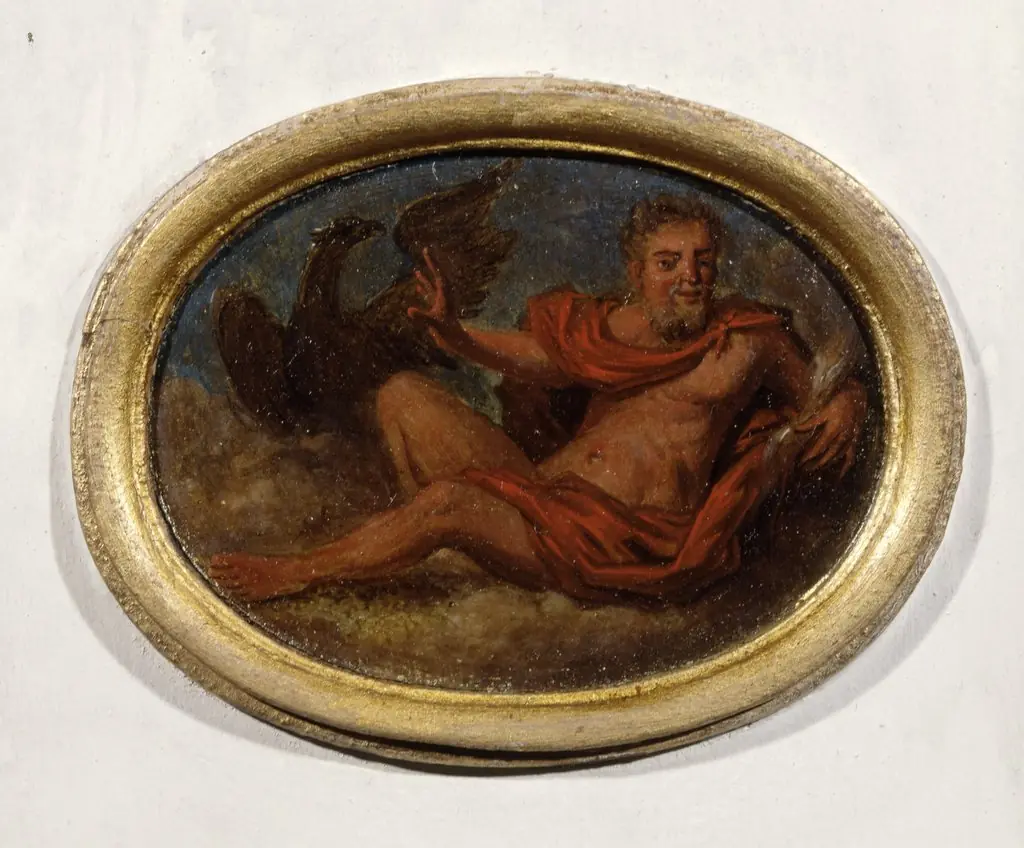 Jupiter
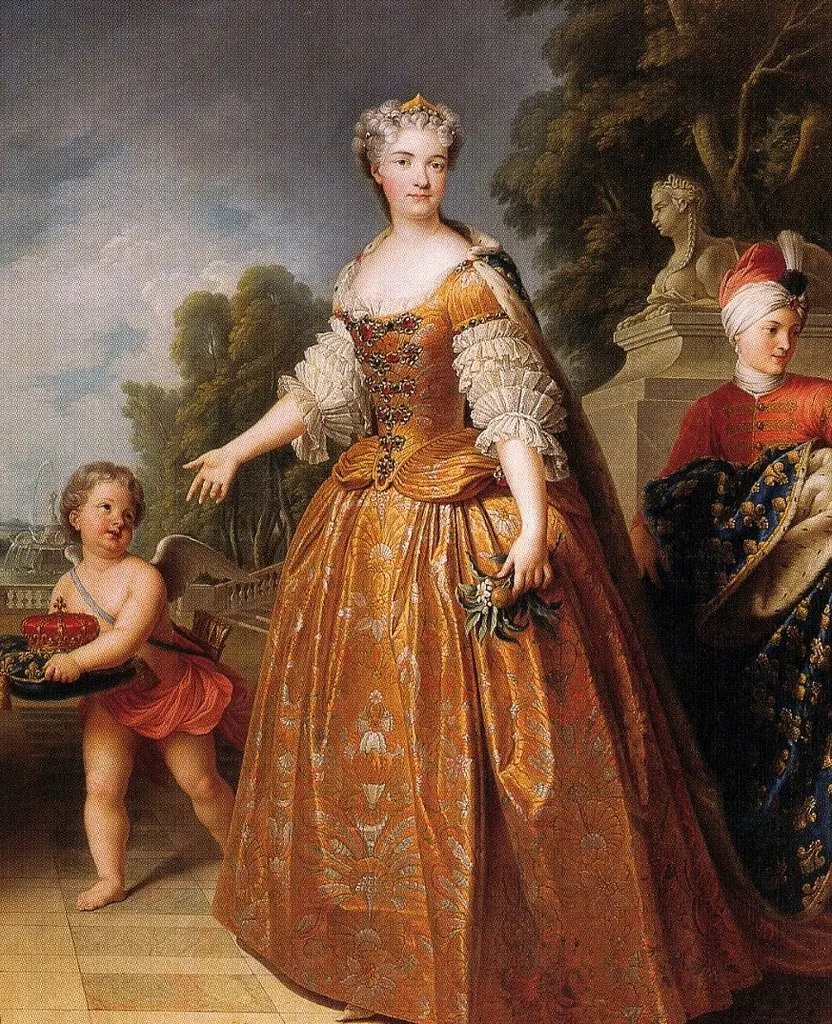 Marie Leszczyńska with page boy and putti
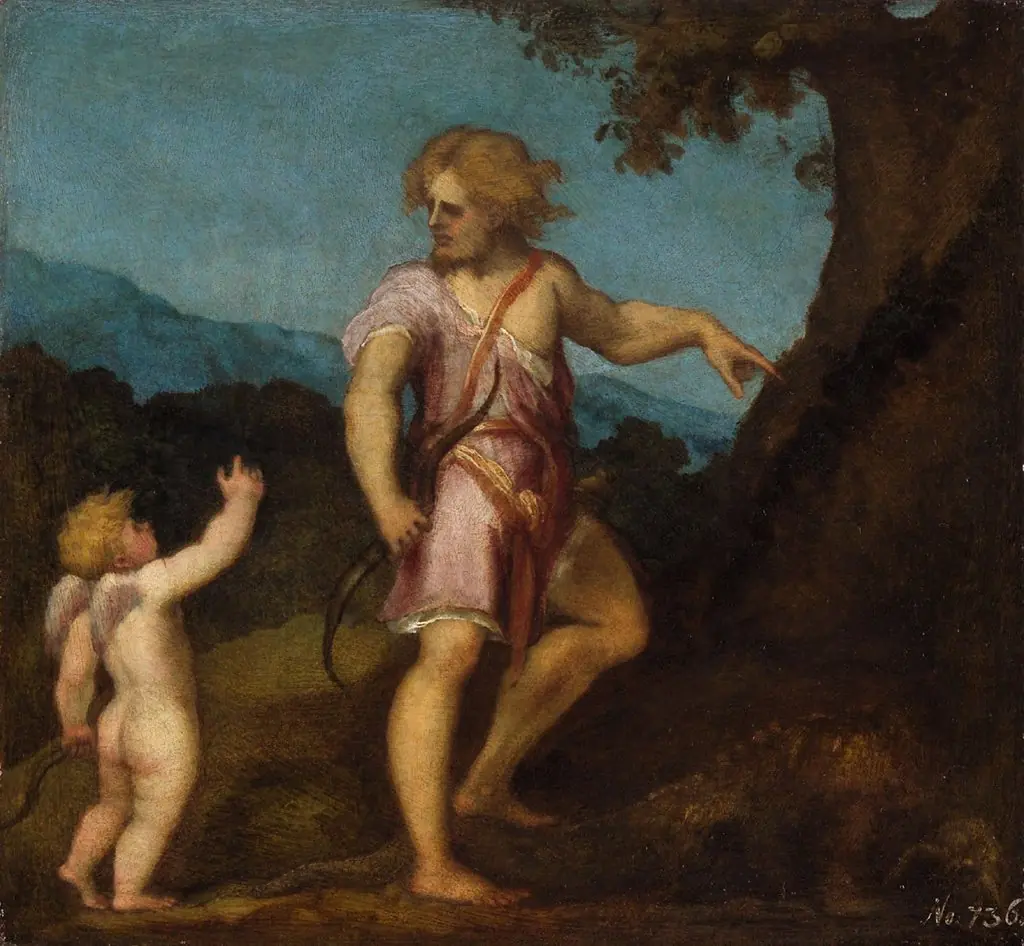 Apollo and Eros
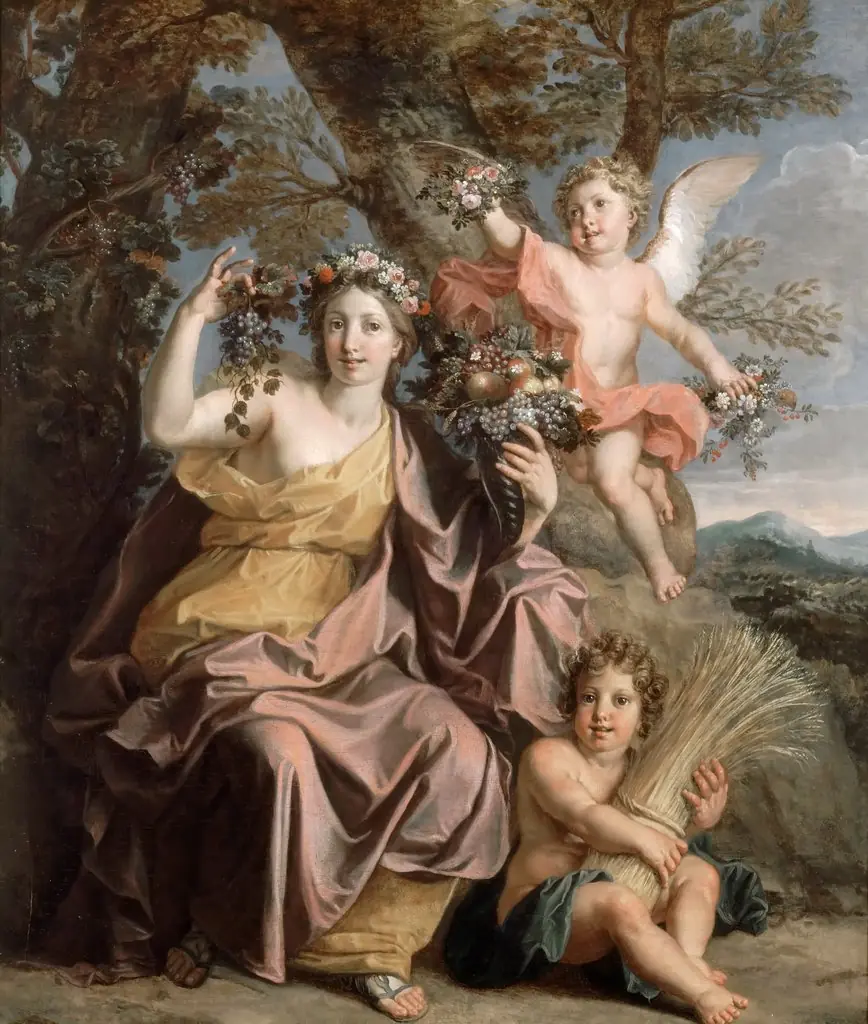 Abundance
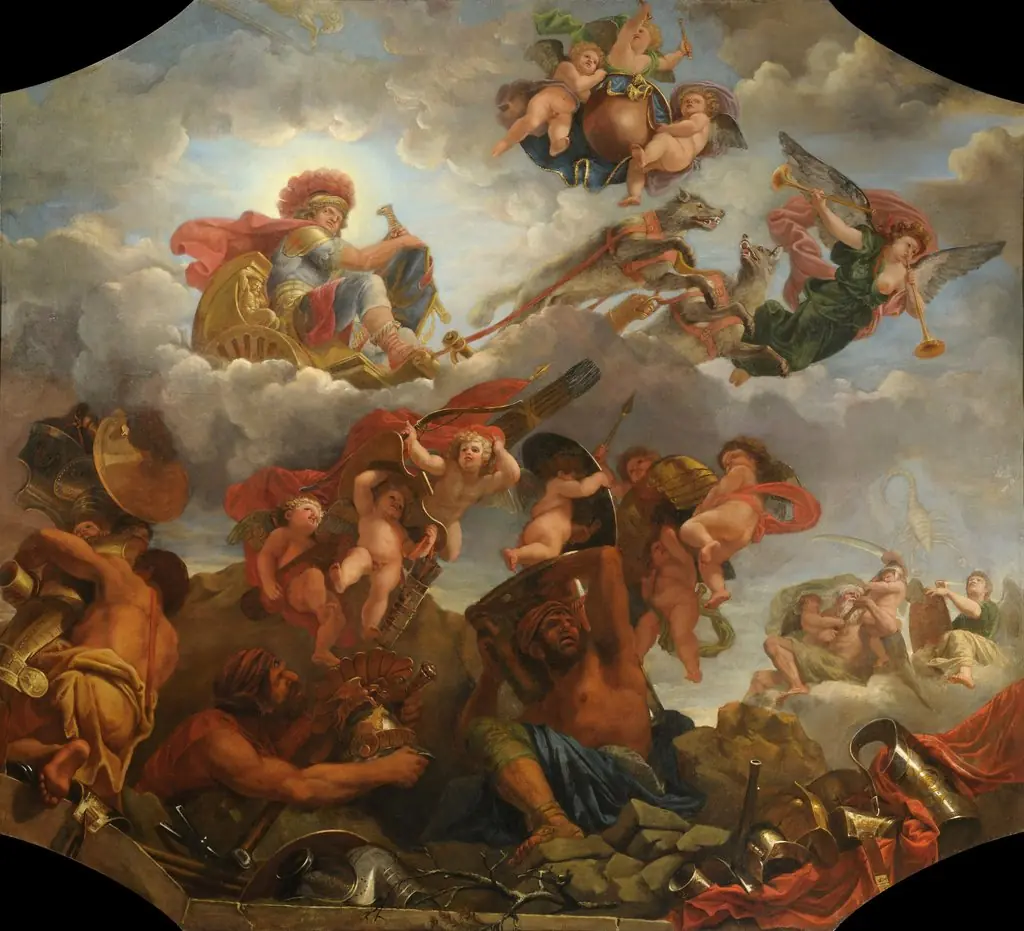 Mars on his chariot pulled by wolves
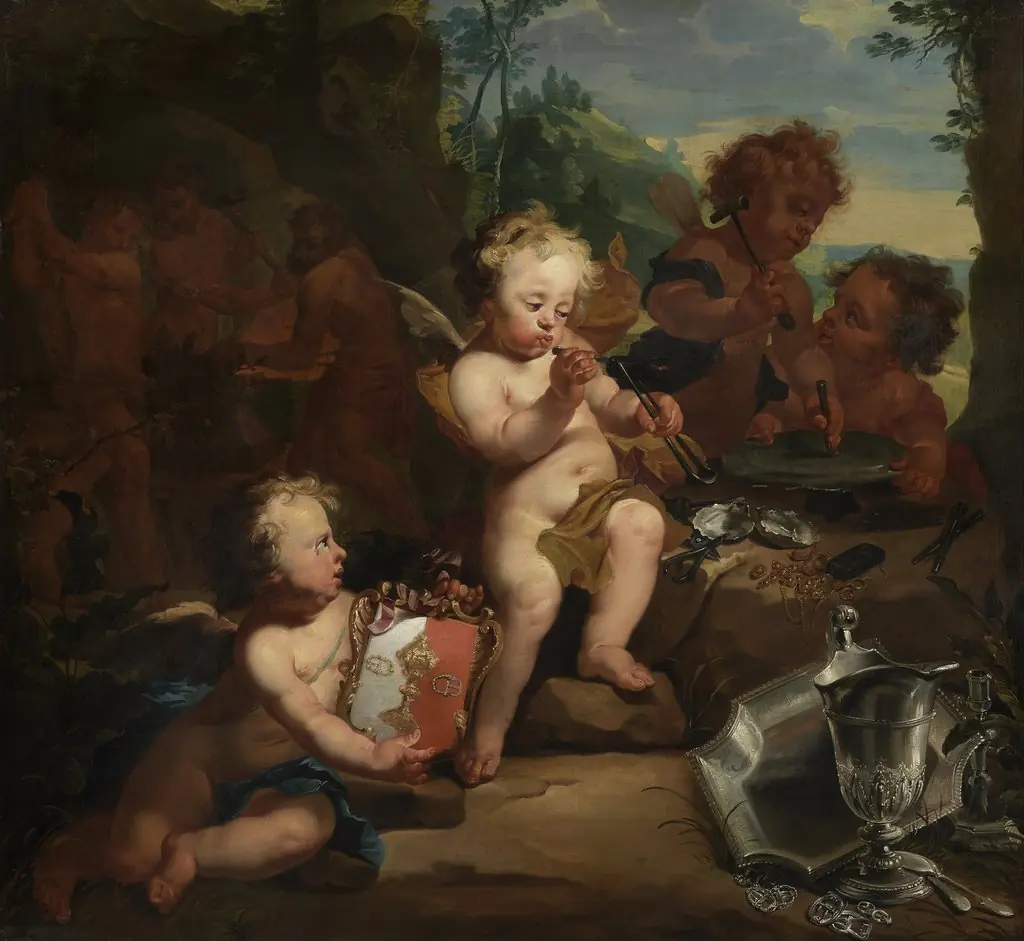 Allegory of the silversmith's trade
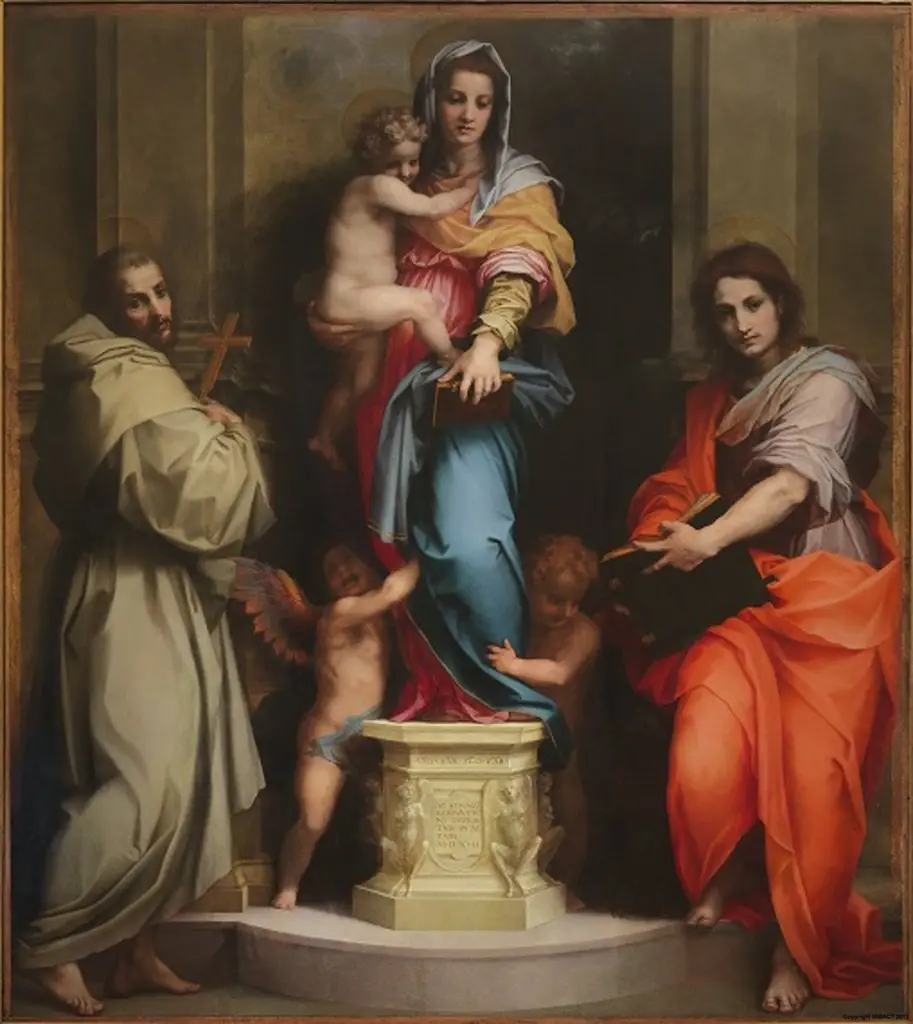 Madonna of the Harpies
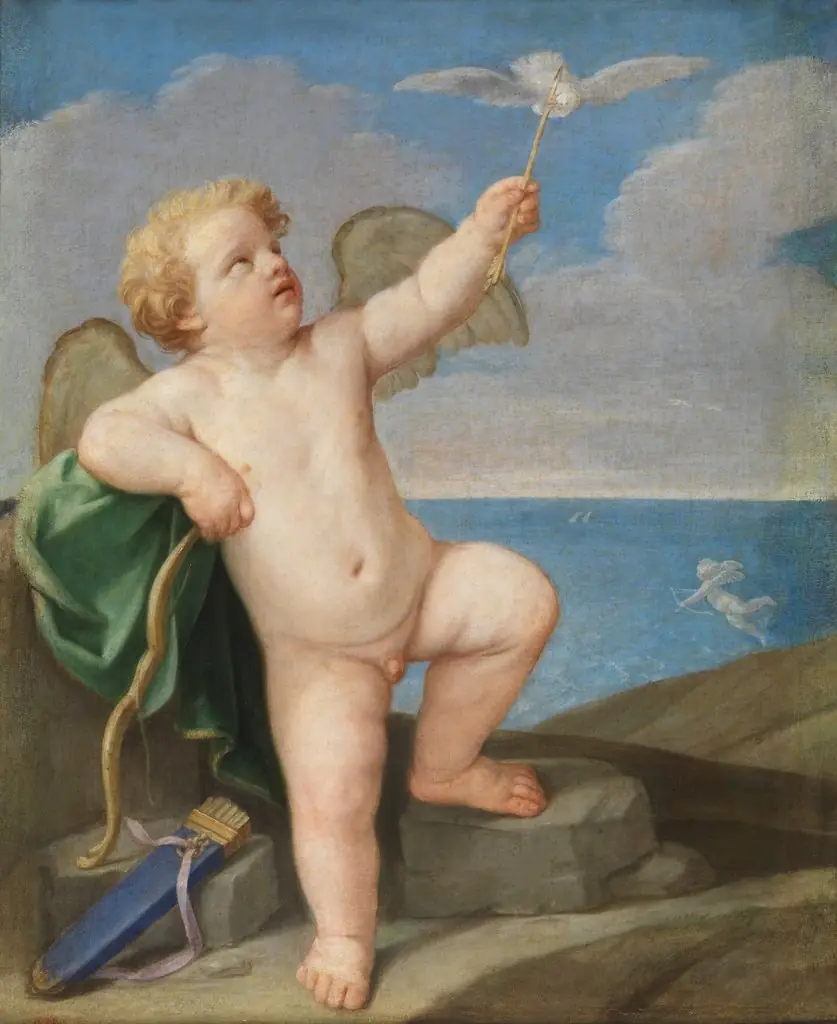 Cupid
Cupid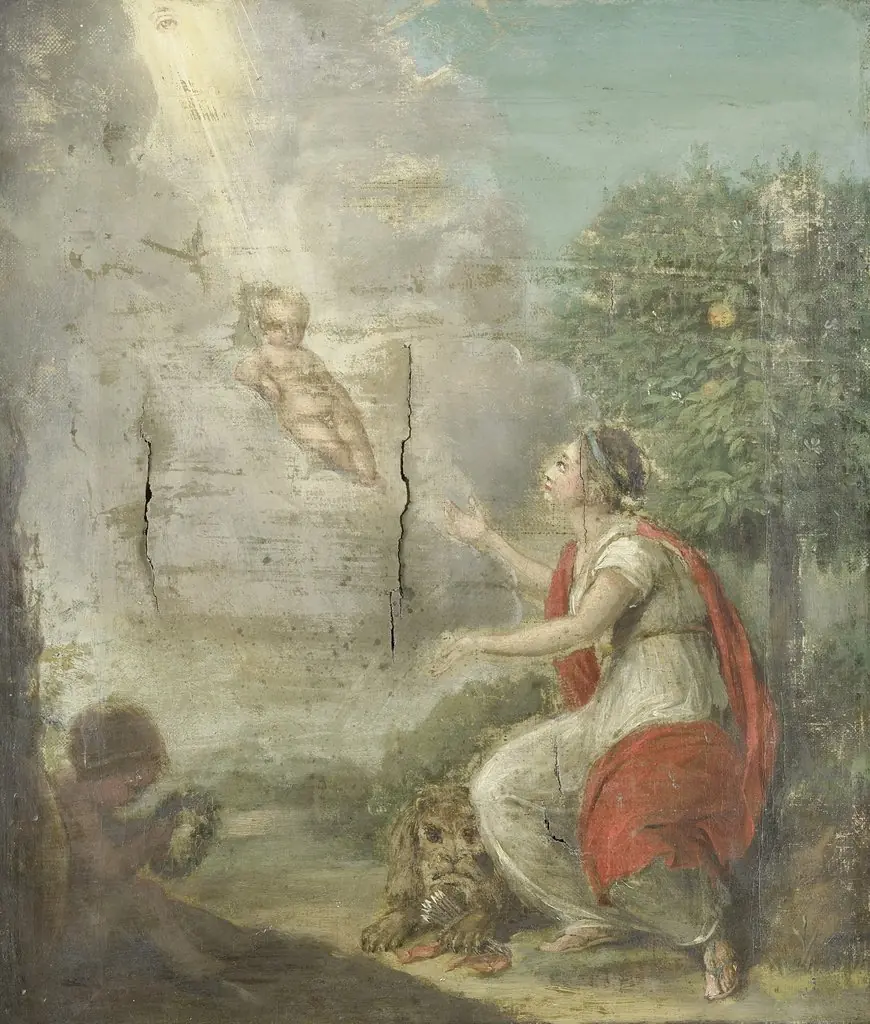 Allegorical Representation of the Birth of William Frederick, Prince of Orange-Nassau, later King William I
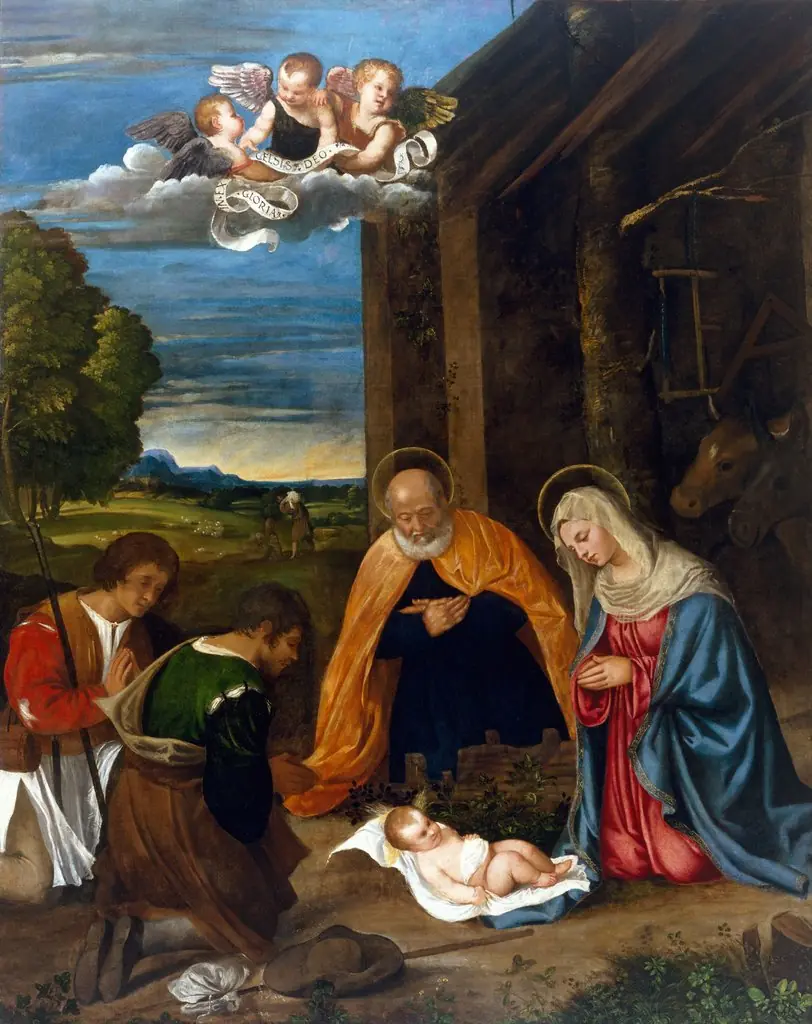 The Nativity with Shepherds
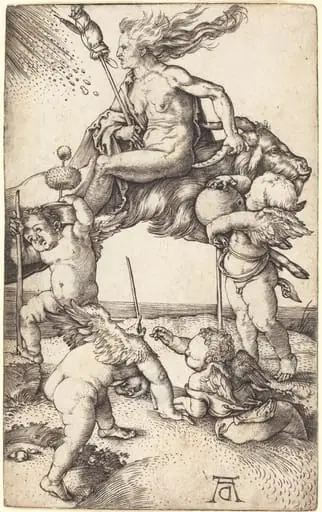 Witch Riding on a Goat
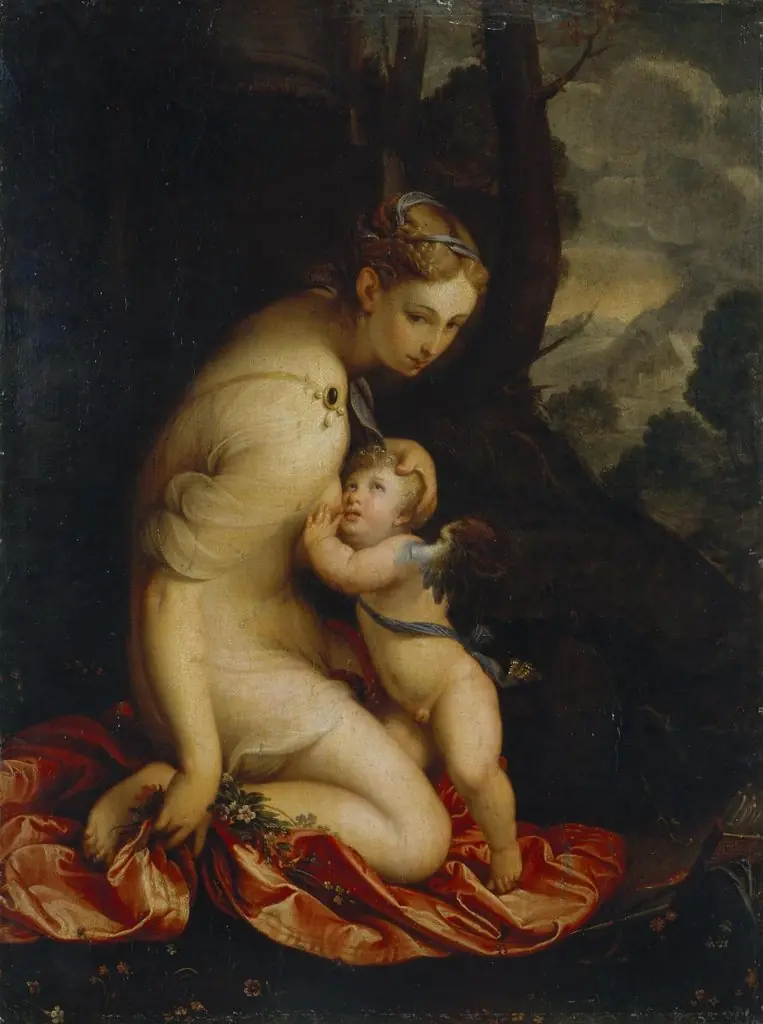 Venus Sucking Cupid
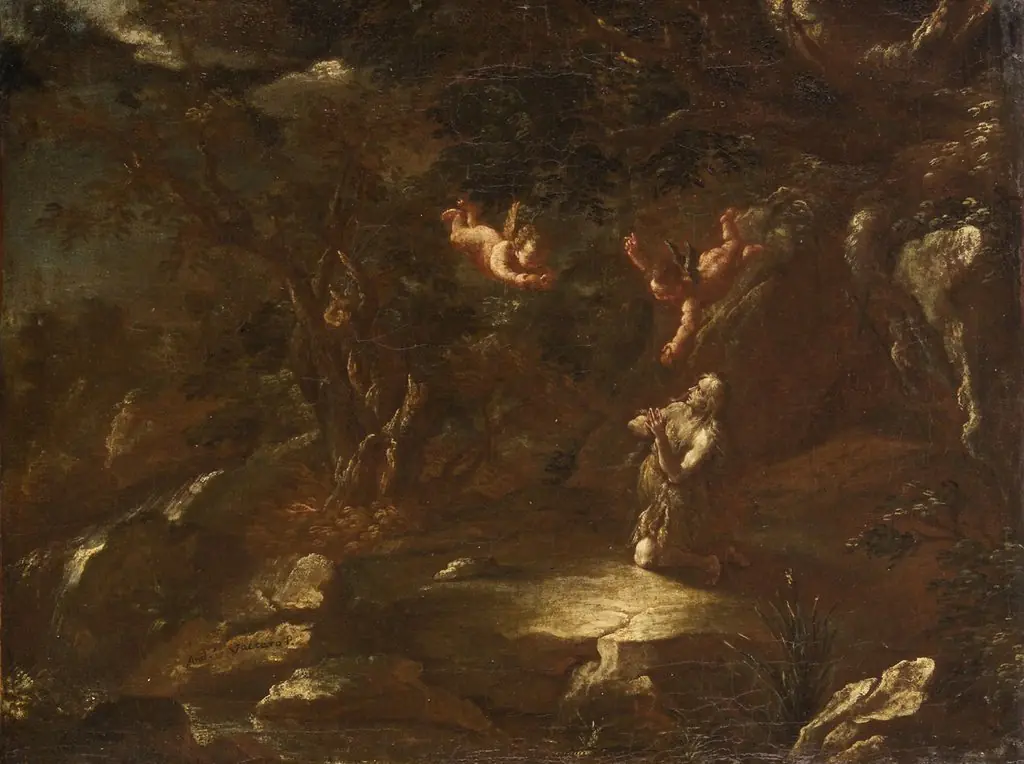 Hl. Maria Aegyptiaca
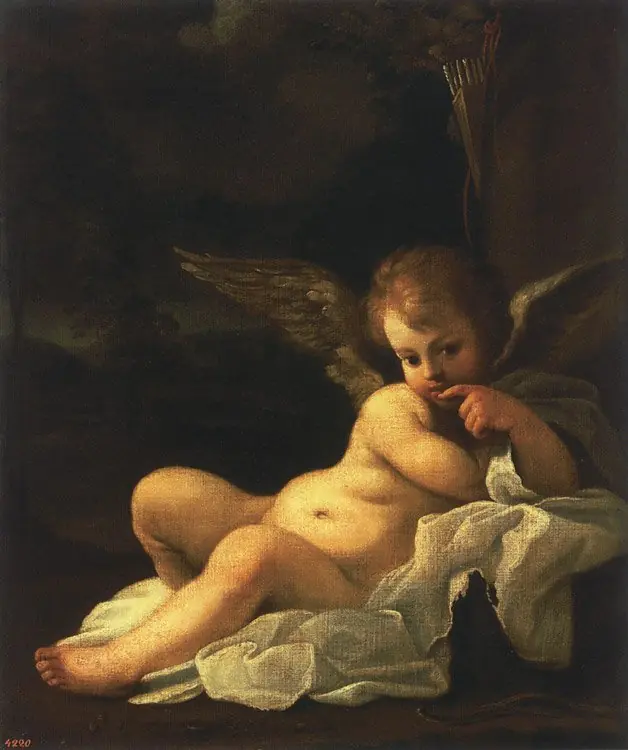 Cupid in a Landscape
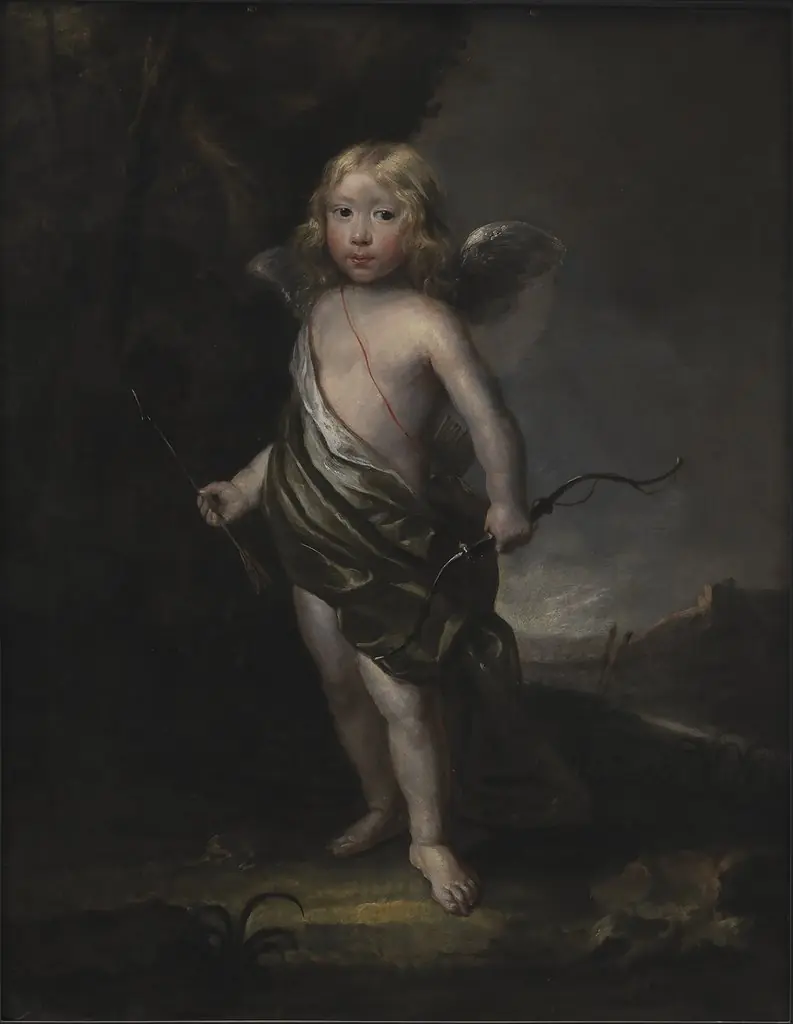 Portrait of a Noble Boy in Cupid's Costume
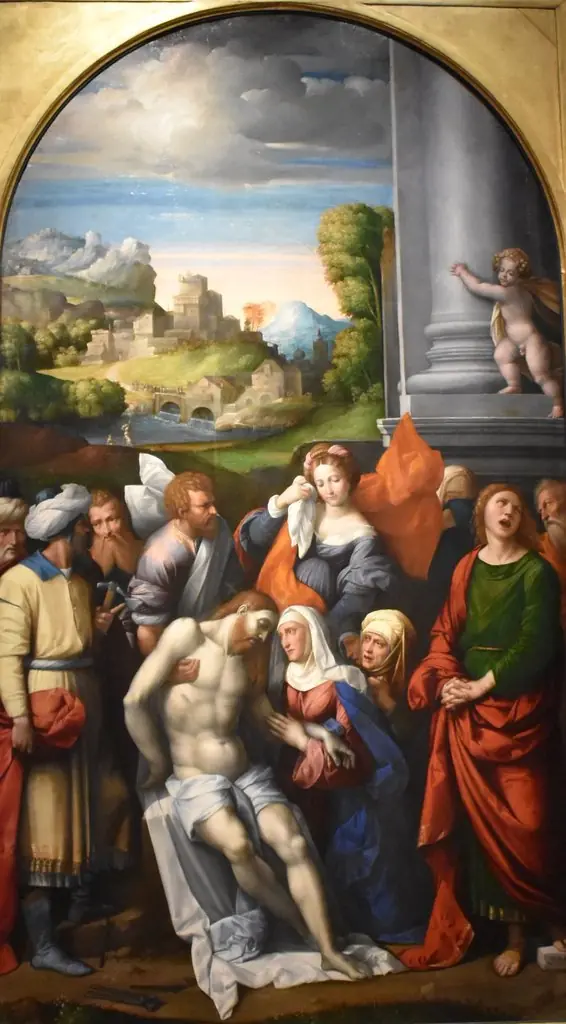 Lamentation over the Dead Christ
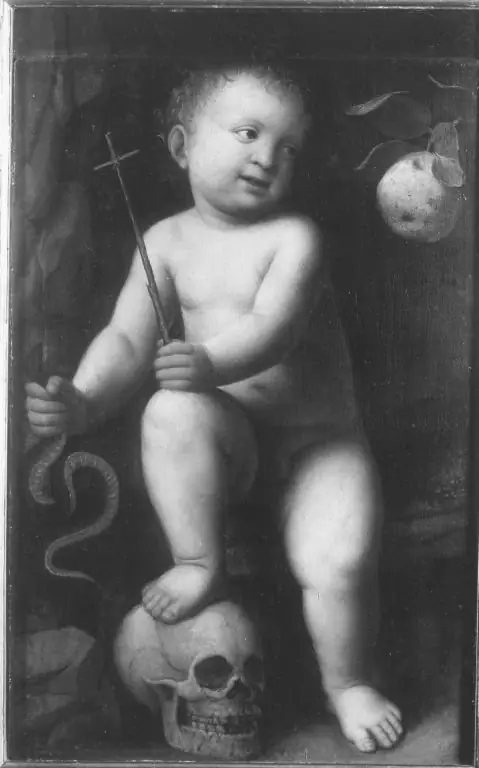 Jesuskind (Nachfolger)
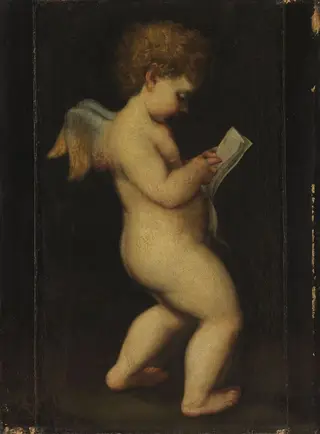 Lesender Amor (Nachfolger)
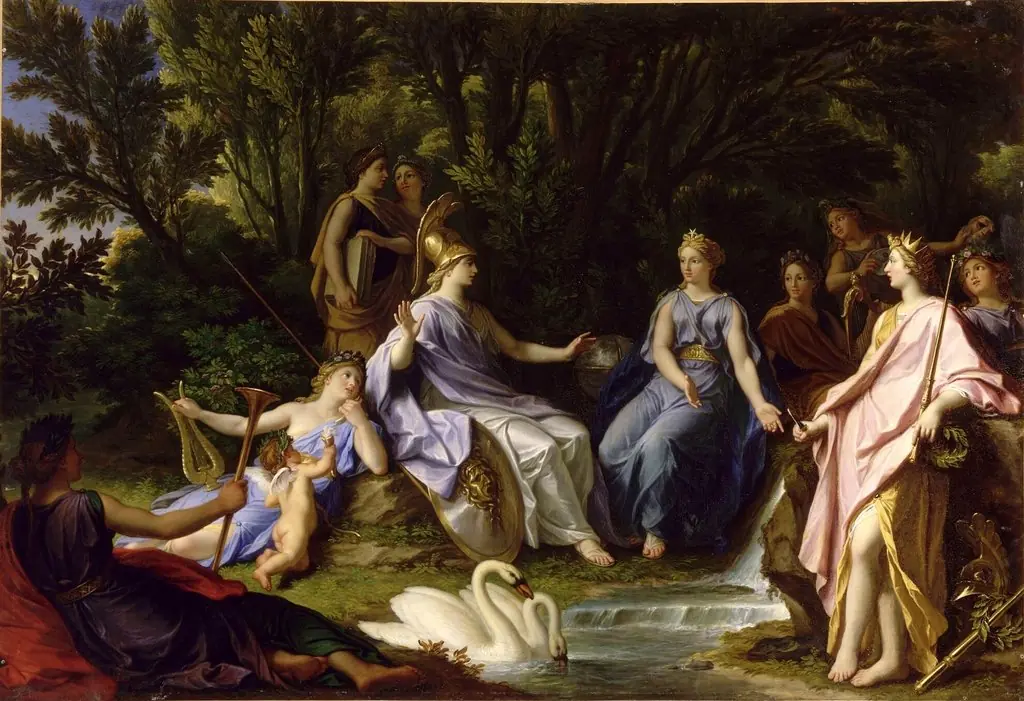 Story of Minerva - The Muses Showing Minerva Hippocrene Waters of the River that Brings Out Pegasus
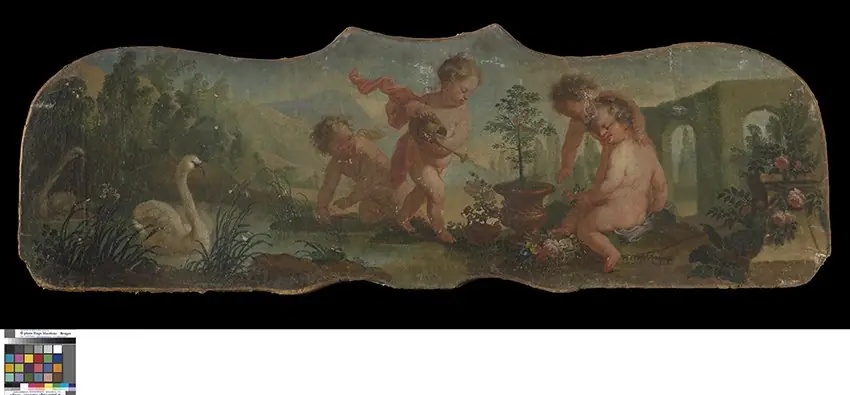 Vier elementen: Water en Aarde
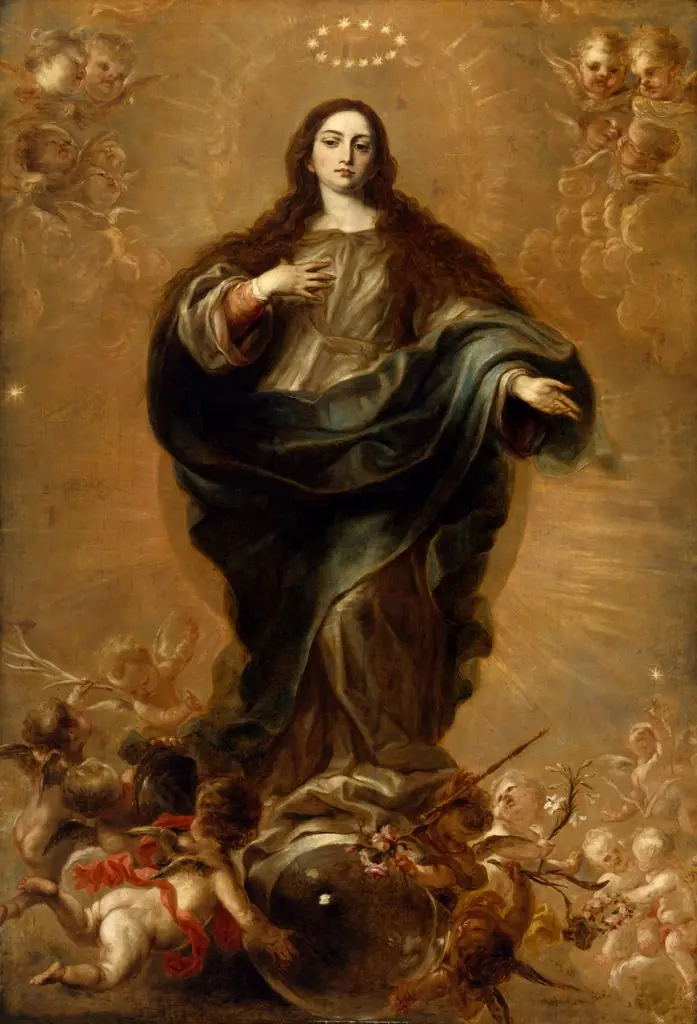 The Immaculate Conception
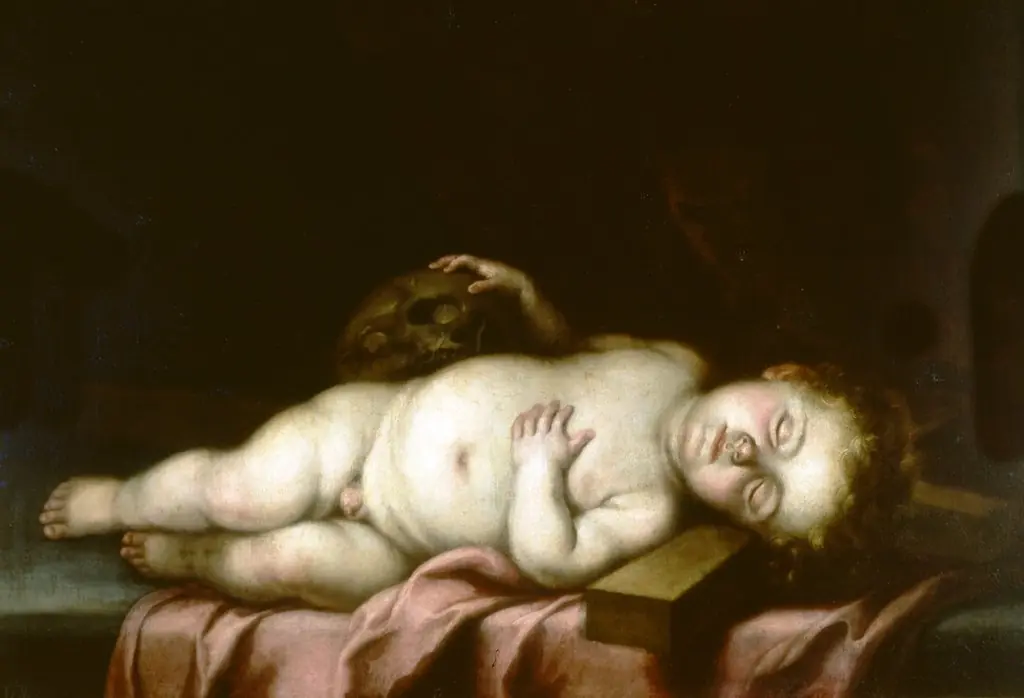 El Niño Jesús dormido sobre la Cruz
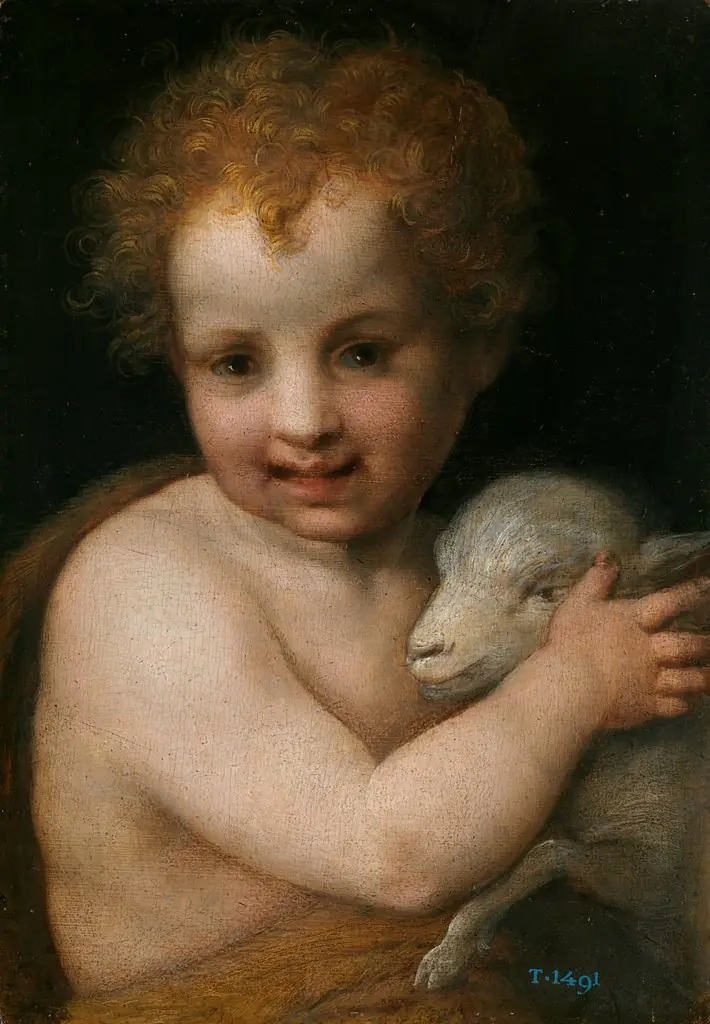 Saint John the Baptist with the Lamb
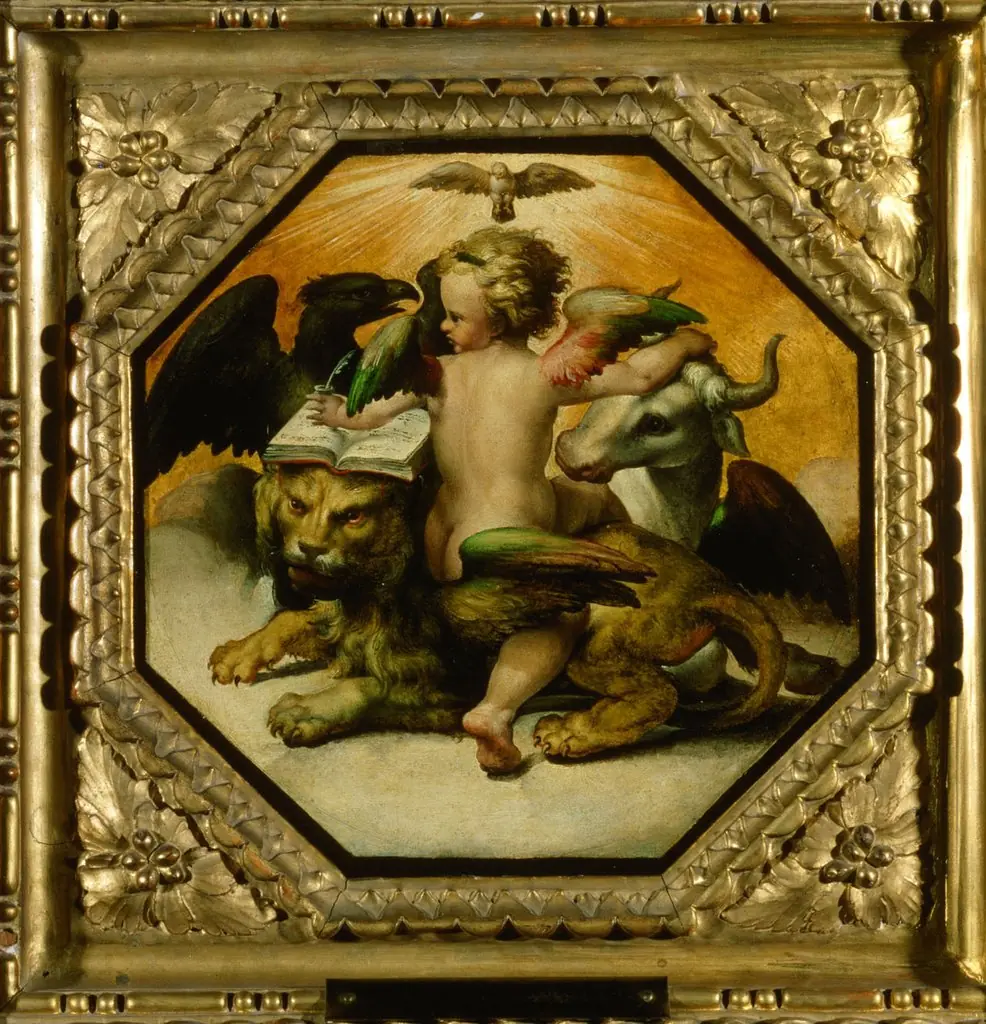 Evangelist symbols
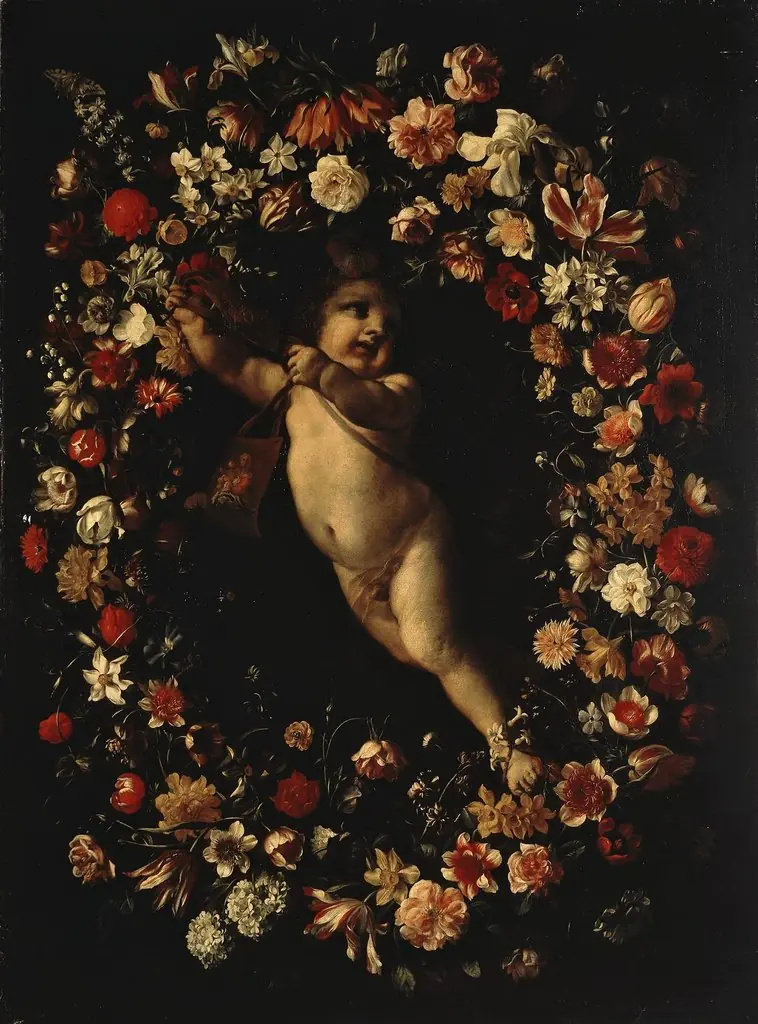 Angel Framed with a Wreath of Flowers
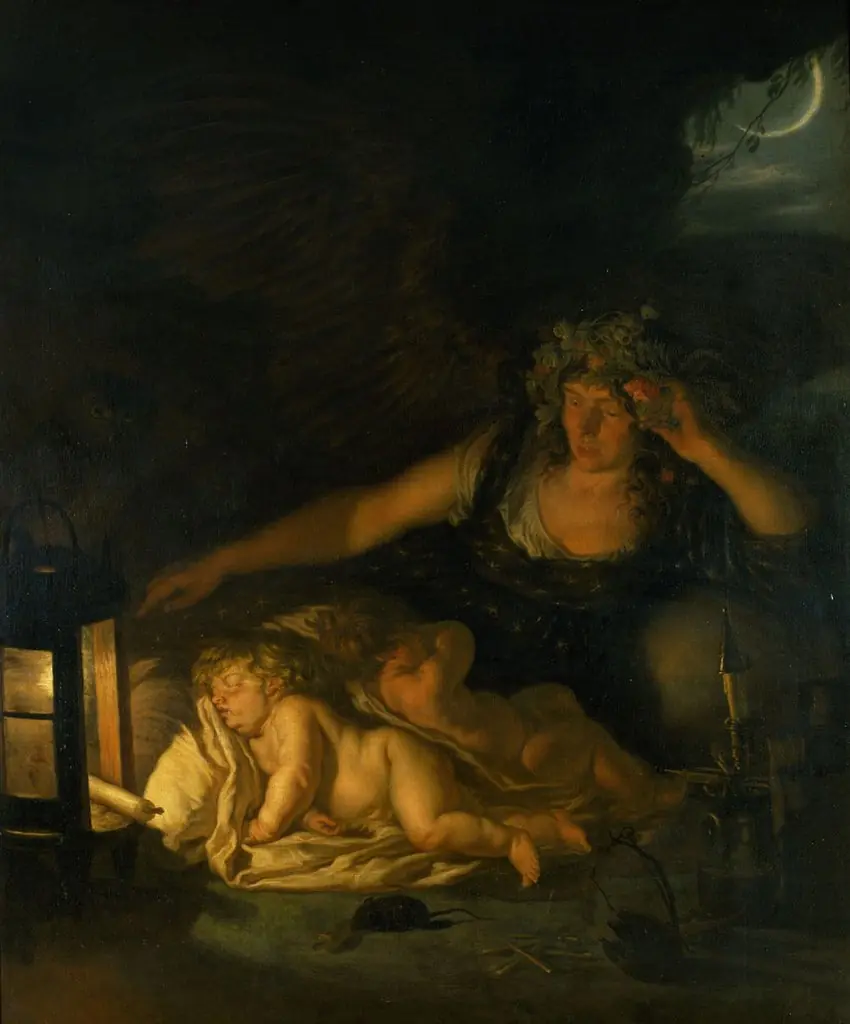 Allegory of night
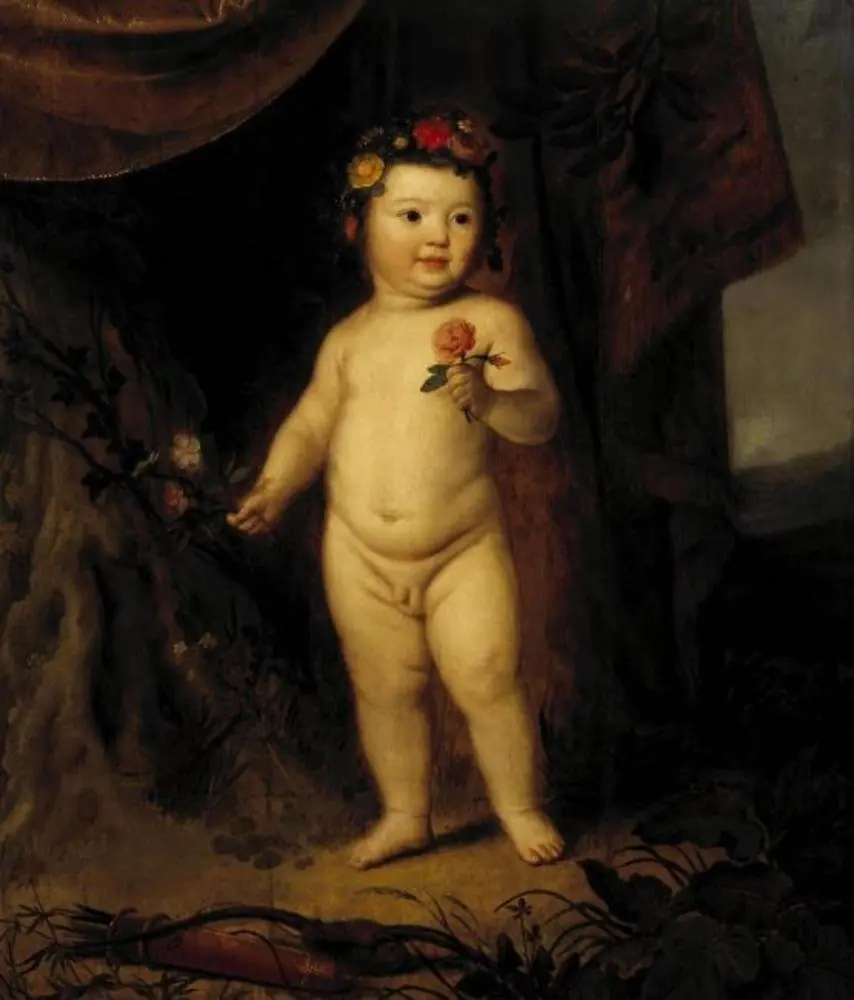 Portrait of a Child as Cupid
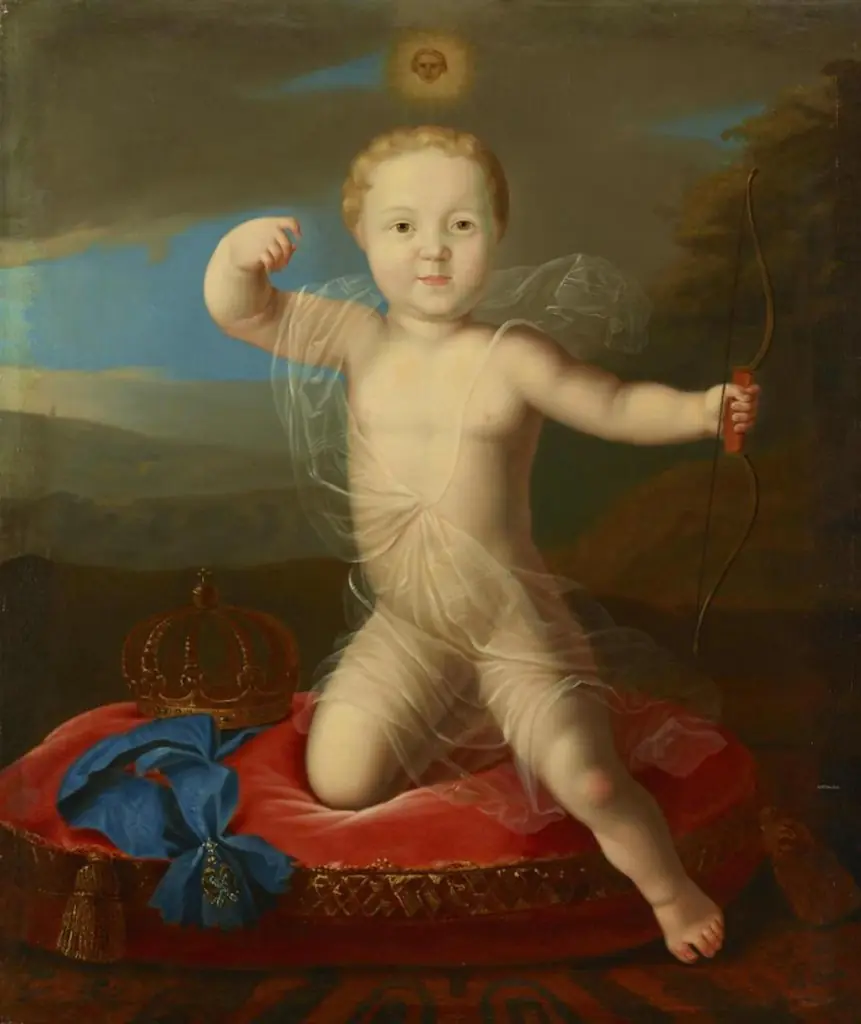 Portrait of Tsarevich Piotr Petrovich as a Child
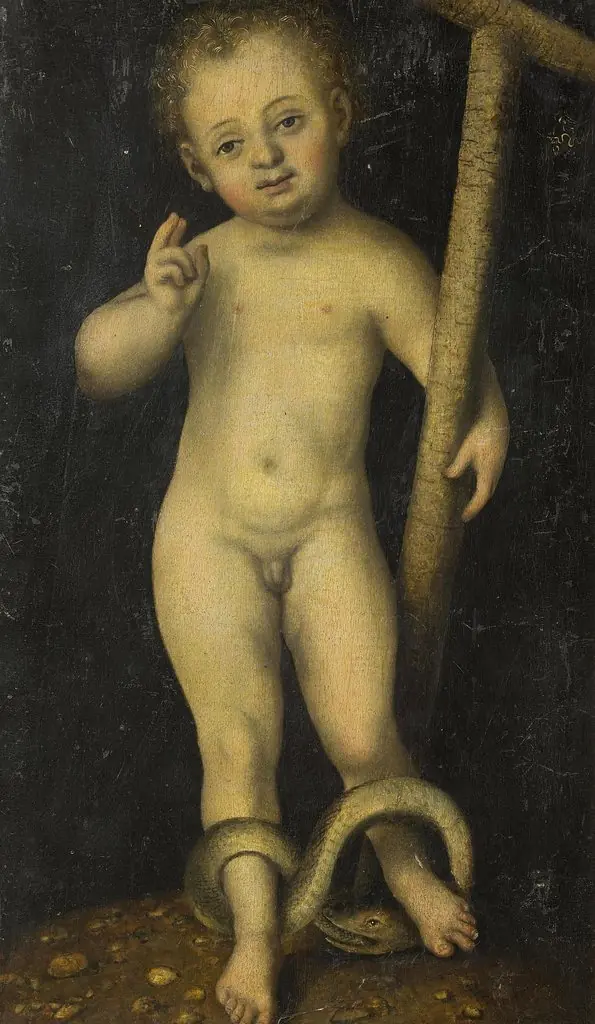 Infant Christ
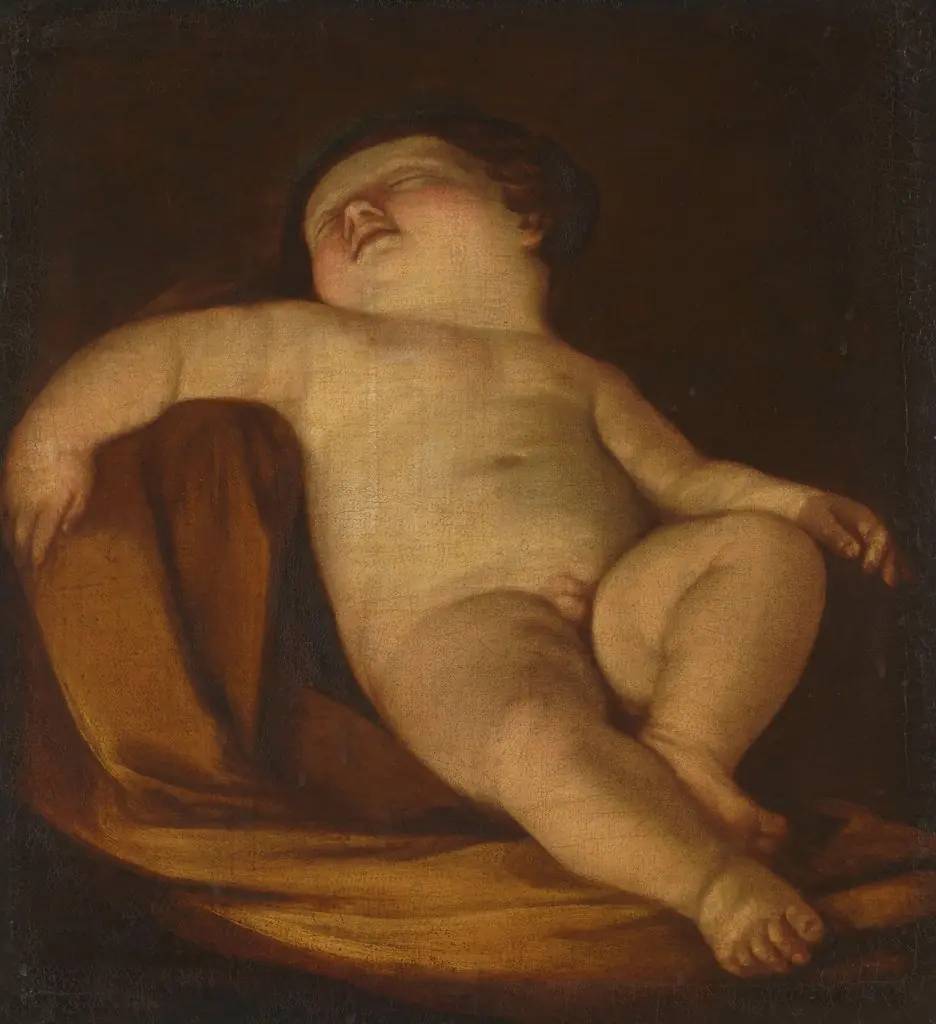 Sleeping Putto
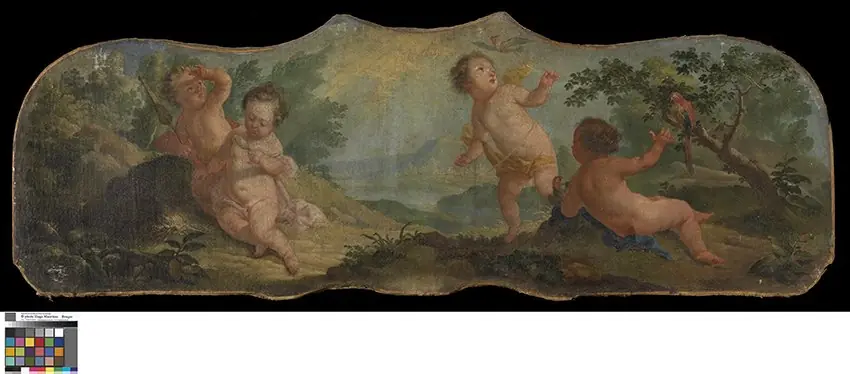 Vier elementen: Vuur en Lucht
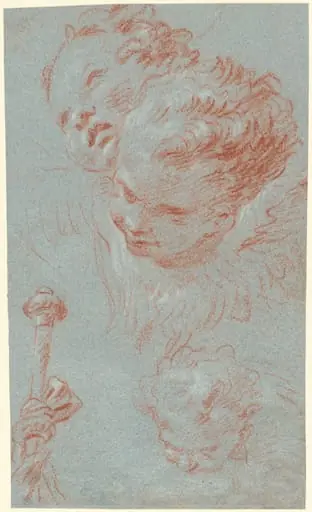 Three Cherubs and a Beribboned Staff
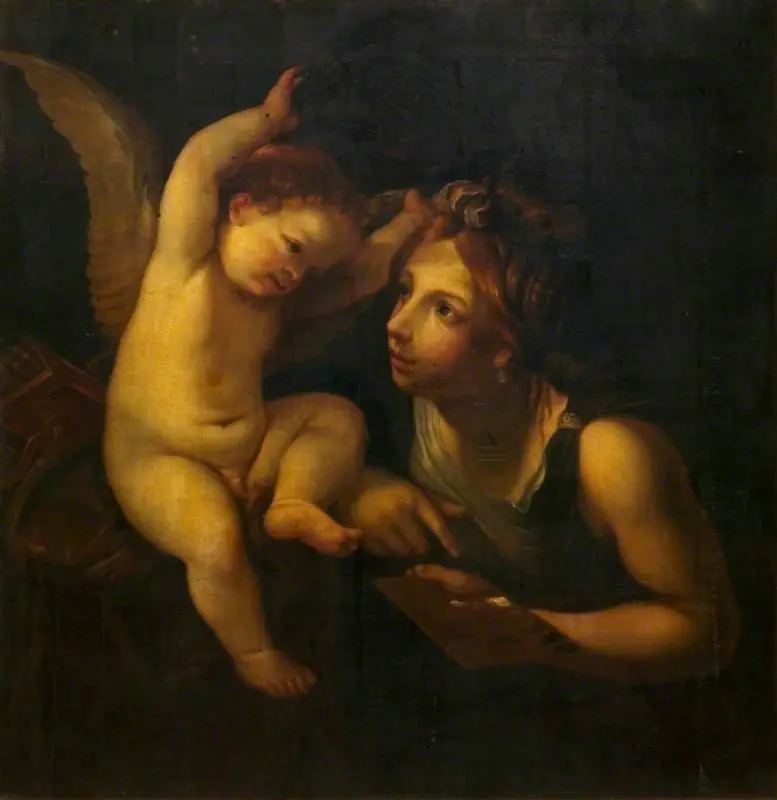 An Allegory of Painting
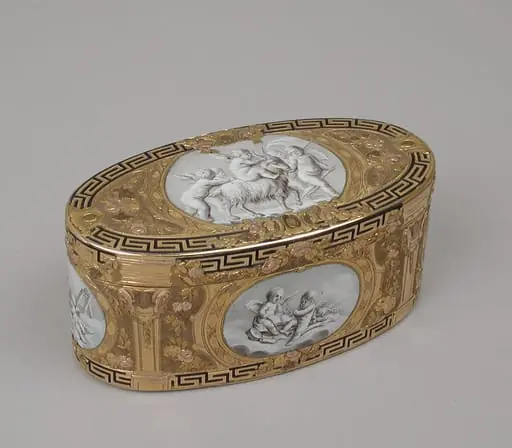 Snuffbox
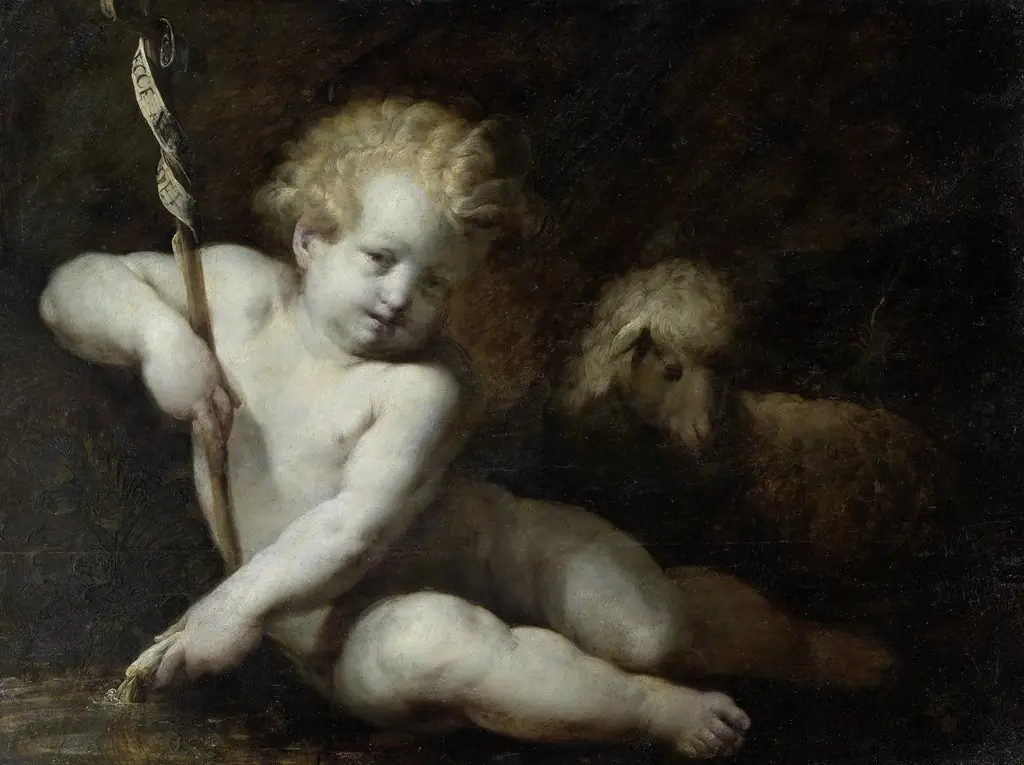 Young St. John
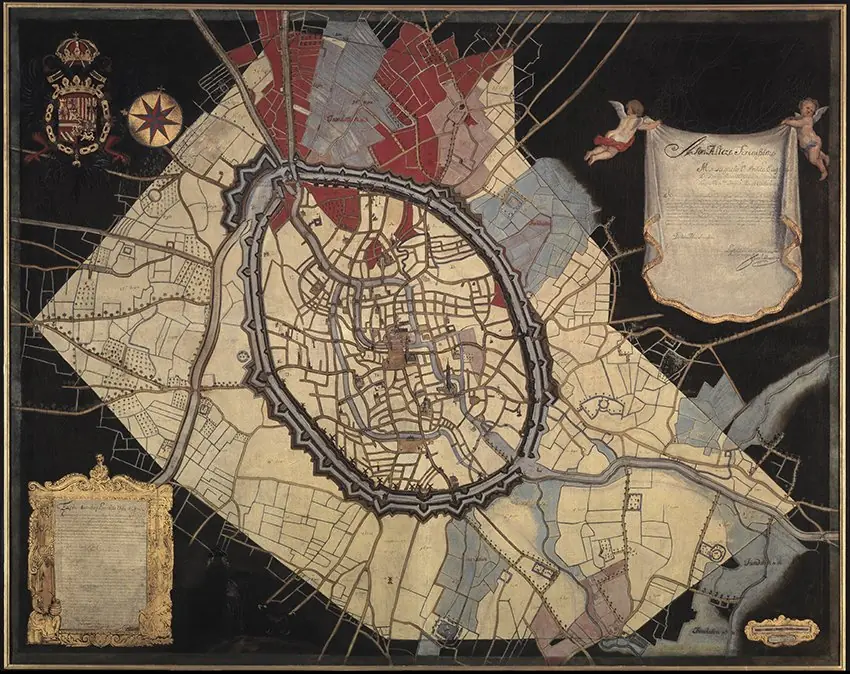 Kaart van Brugge en de waterwegen
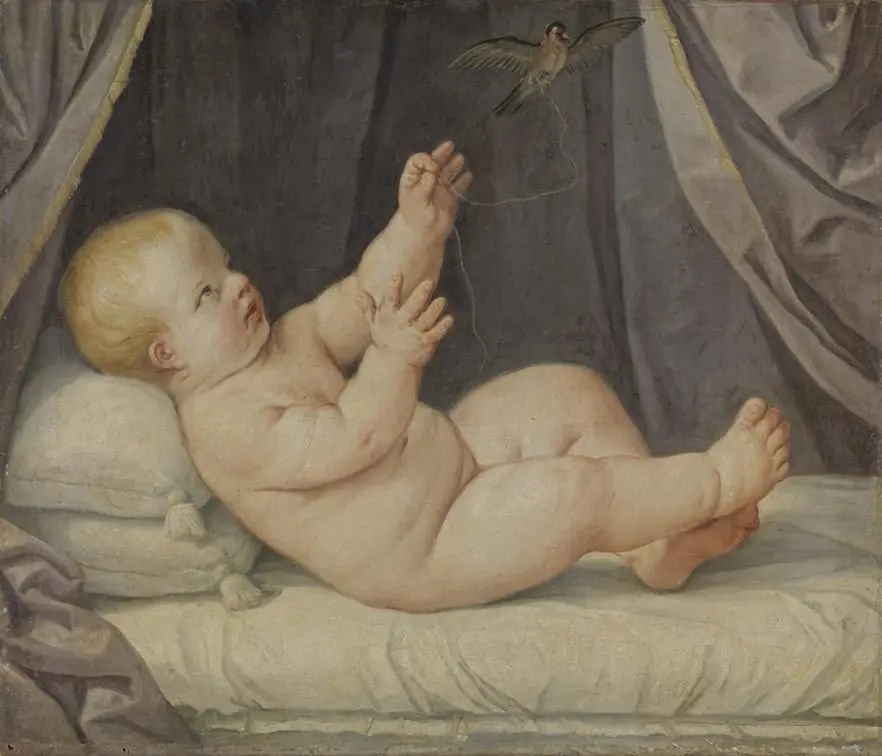 Kind mit Stieglitz
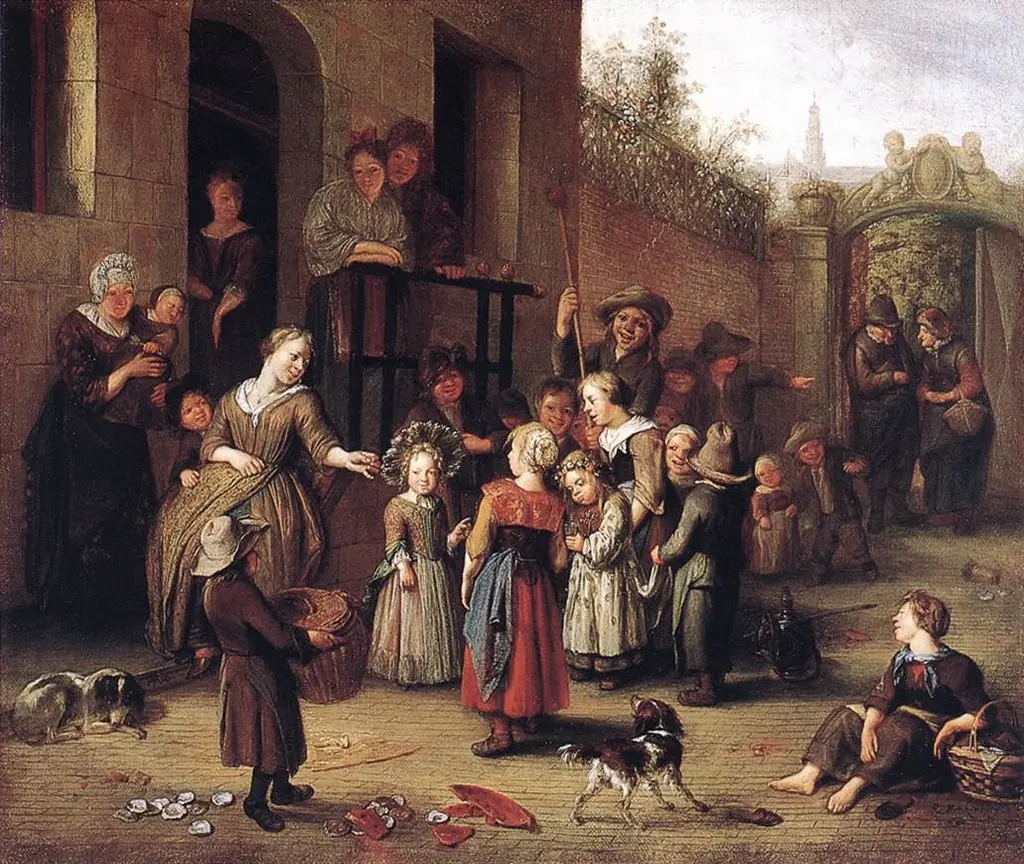 May Queen Festival (or The Flower-Feast of Whitesuntide, or Pentecost)
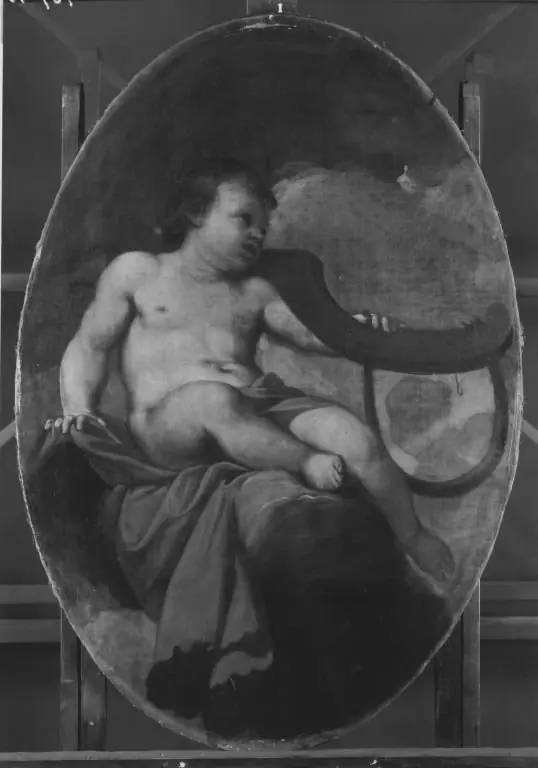 Genius mit Joch
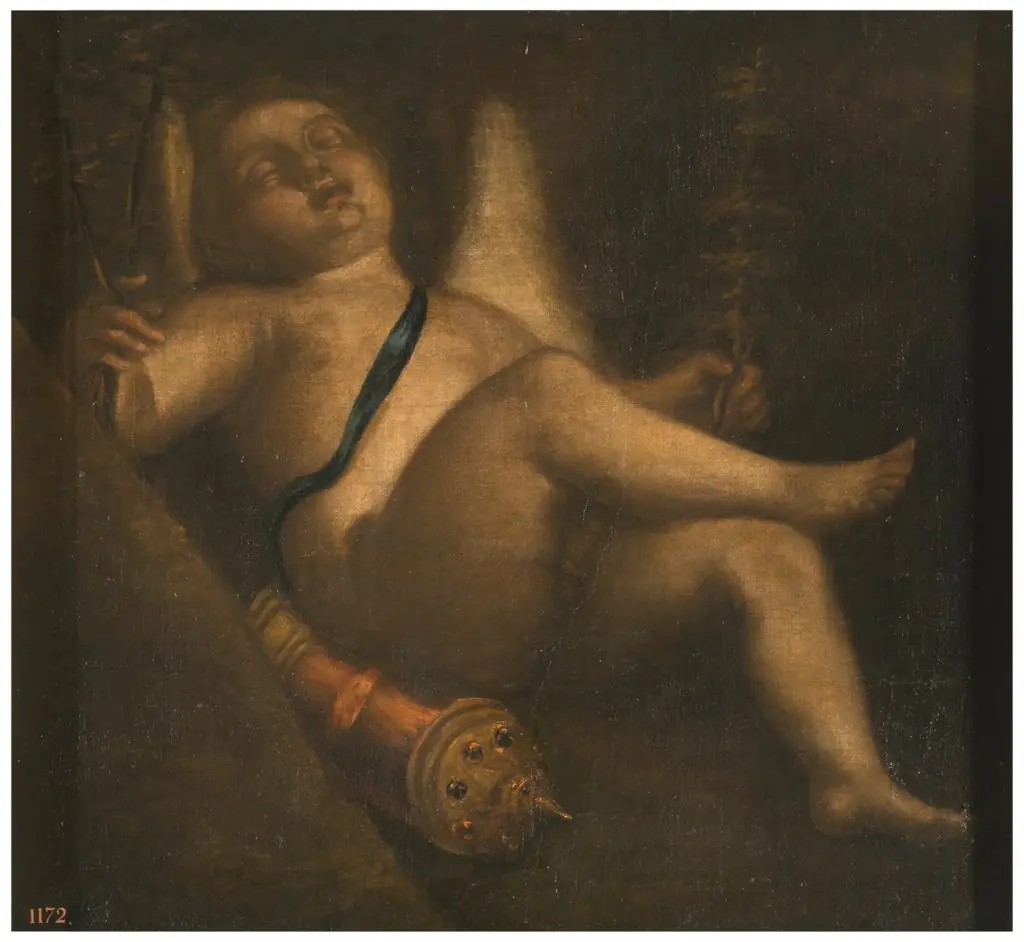 El Amor dormido
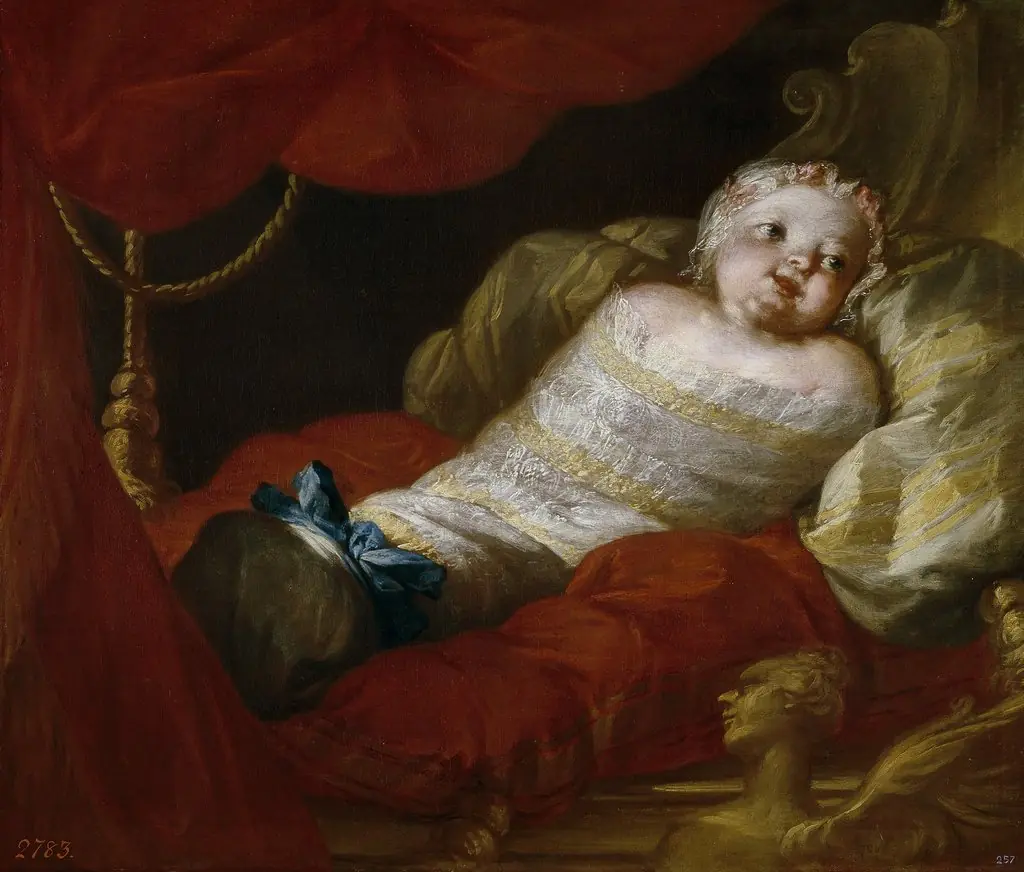 La infanta Isabel de Borbón y Sajonia princesa de Nápoles
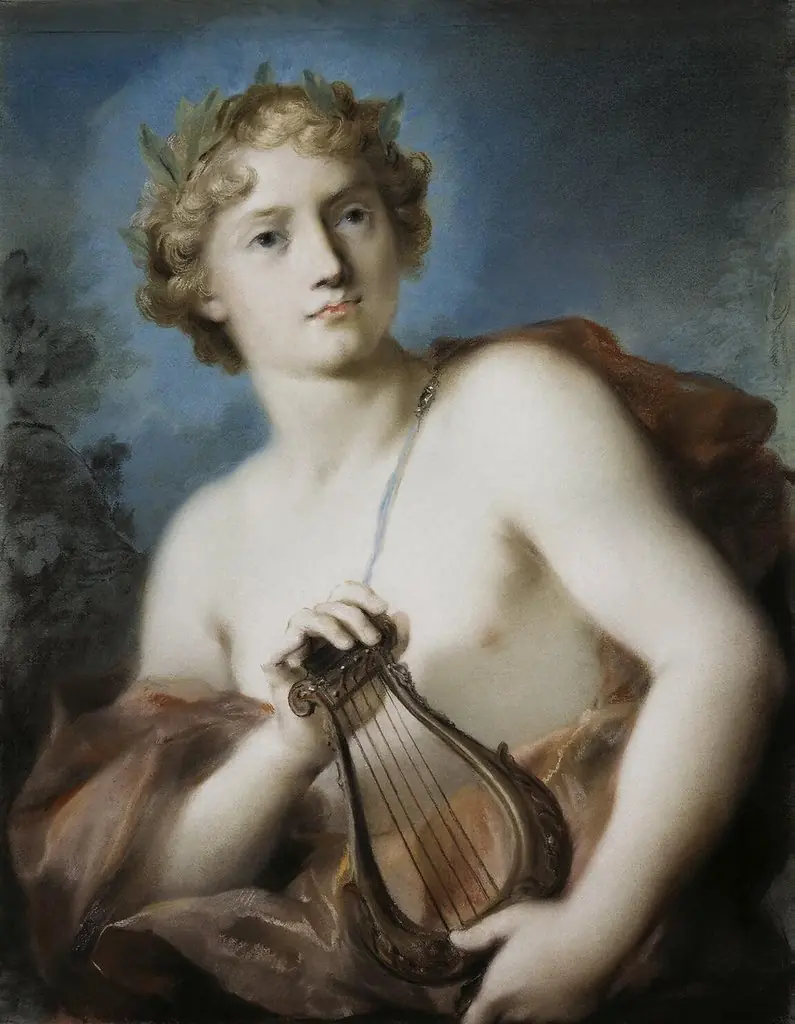 Apollo
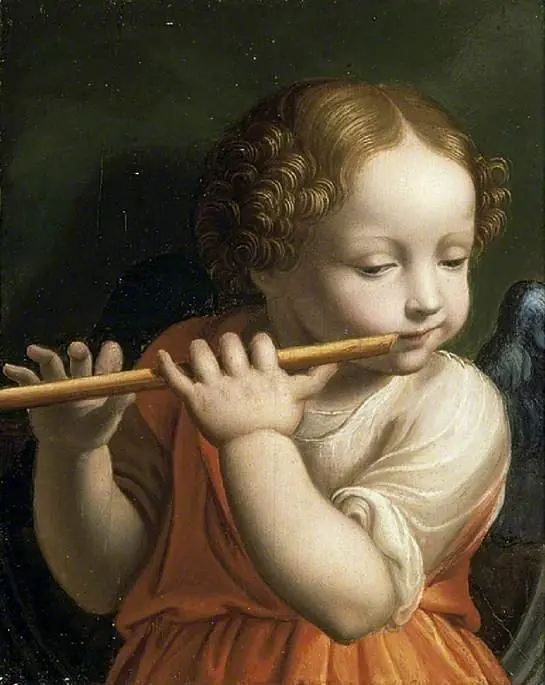 Child Angel playing a flute
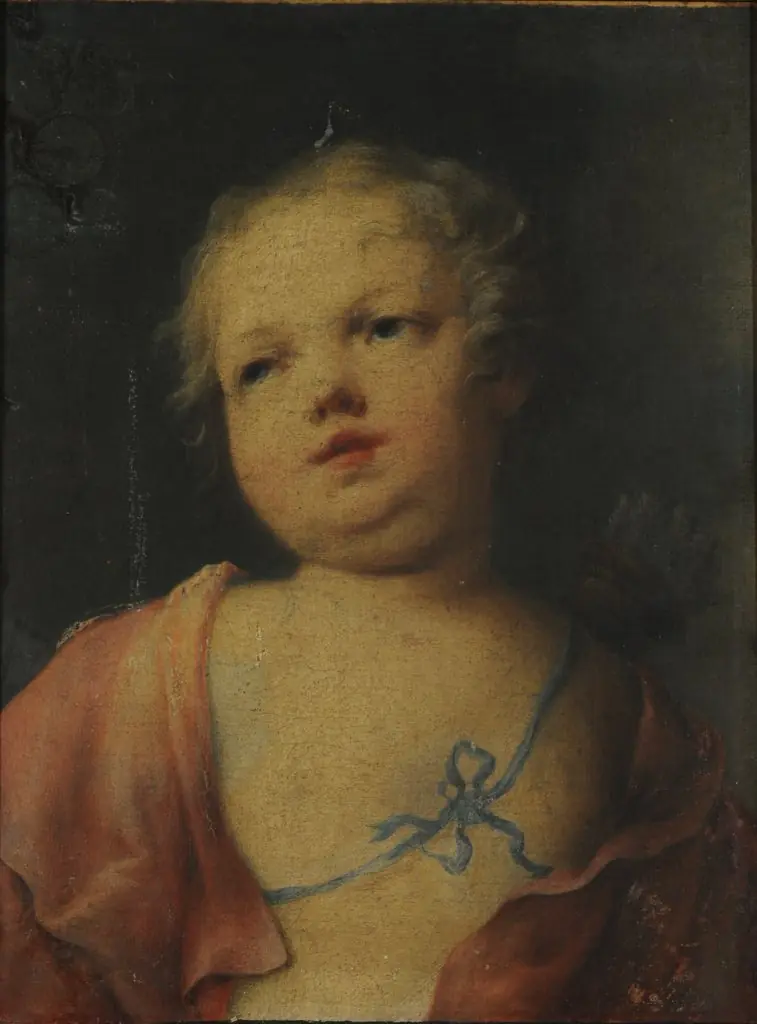 Cupido
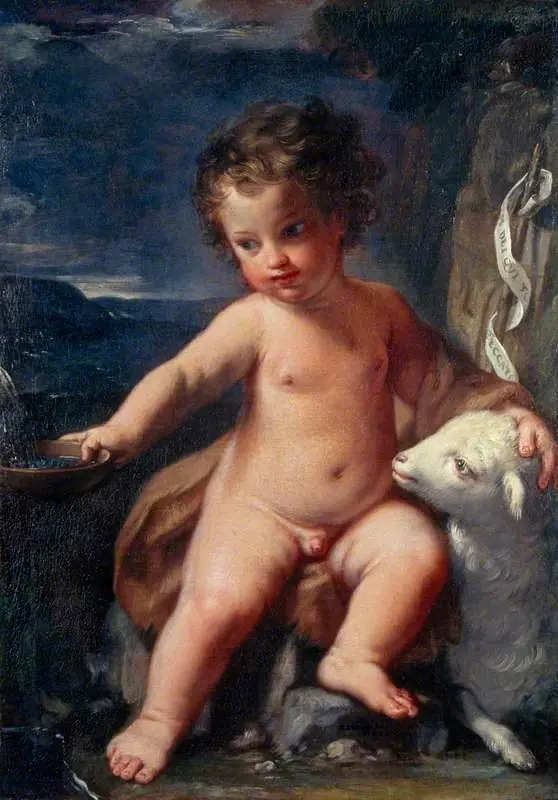 The Infant Saint John the Baptist in the Wilderness
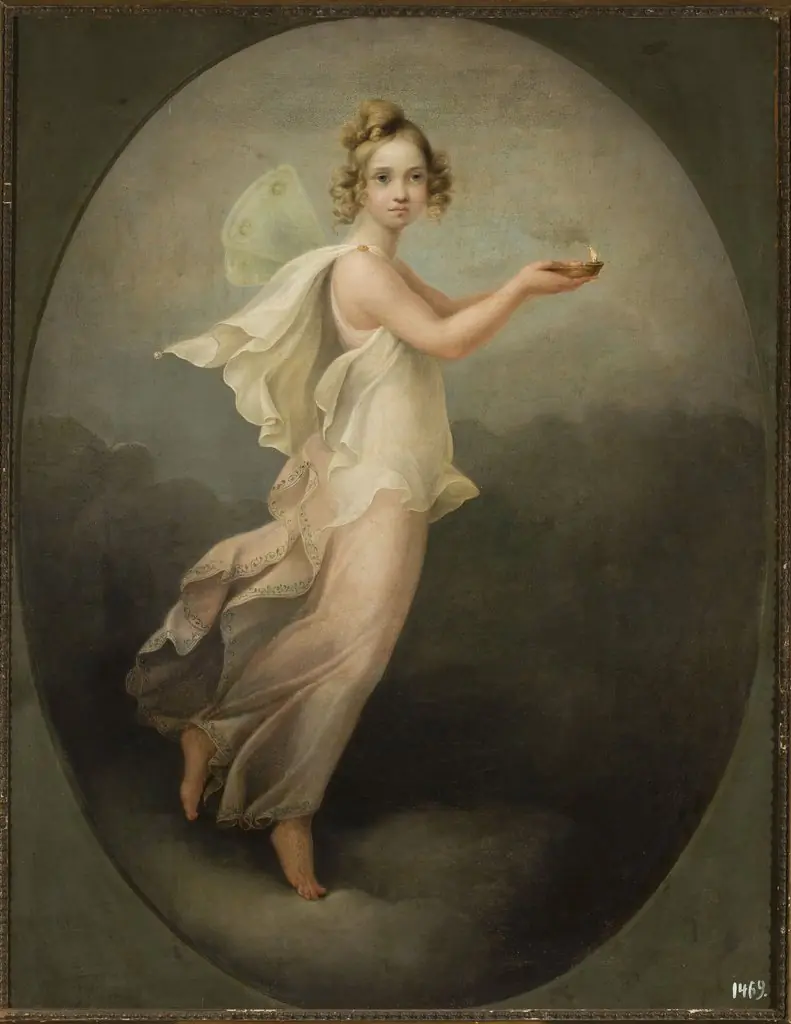 Psyche
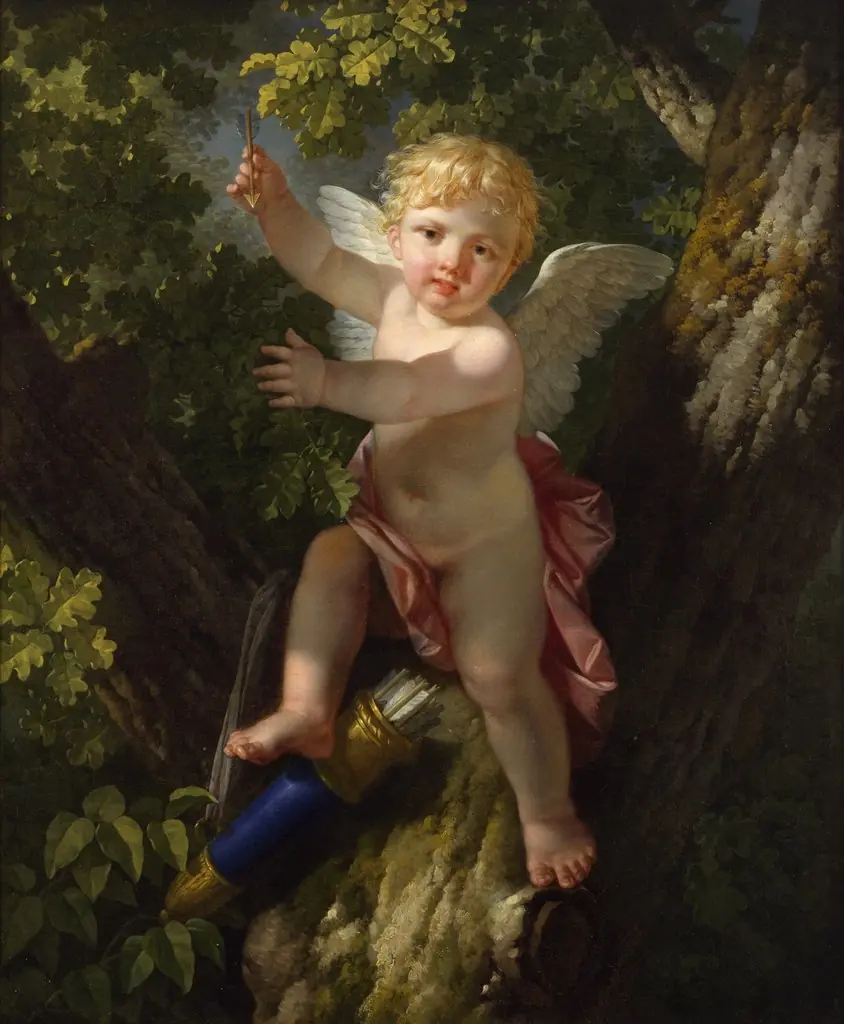 Cupid in a Tree
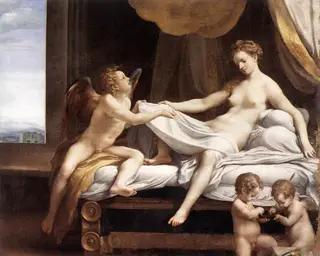 Danaë
Danaë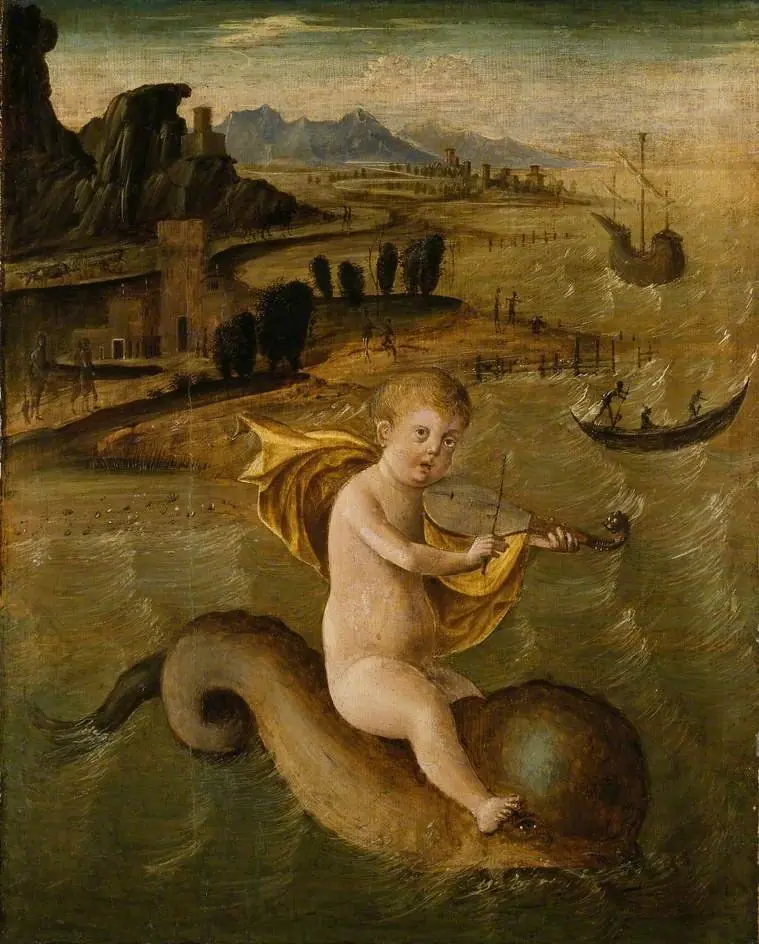 Arion riding on a Dolphin
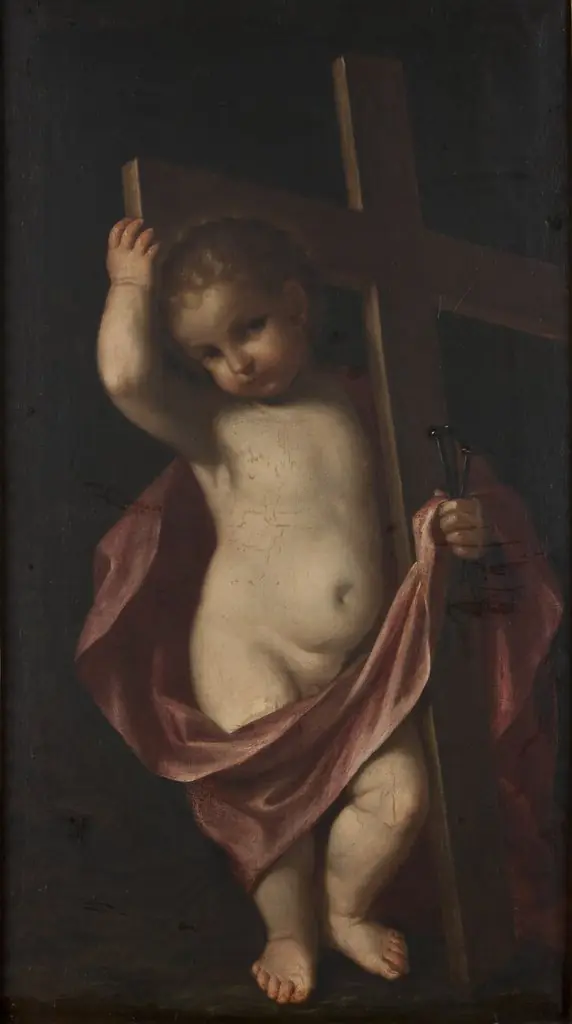 The Christ Child Holding the Cross
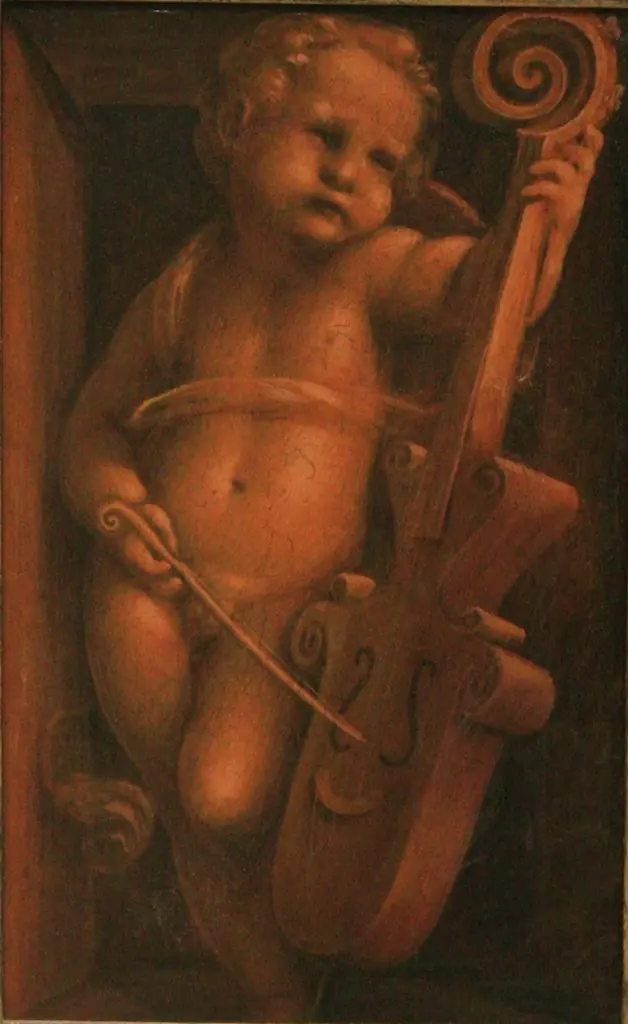 Child with a Viol
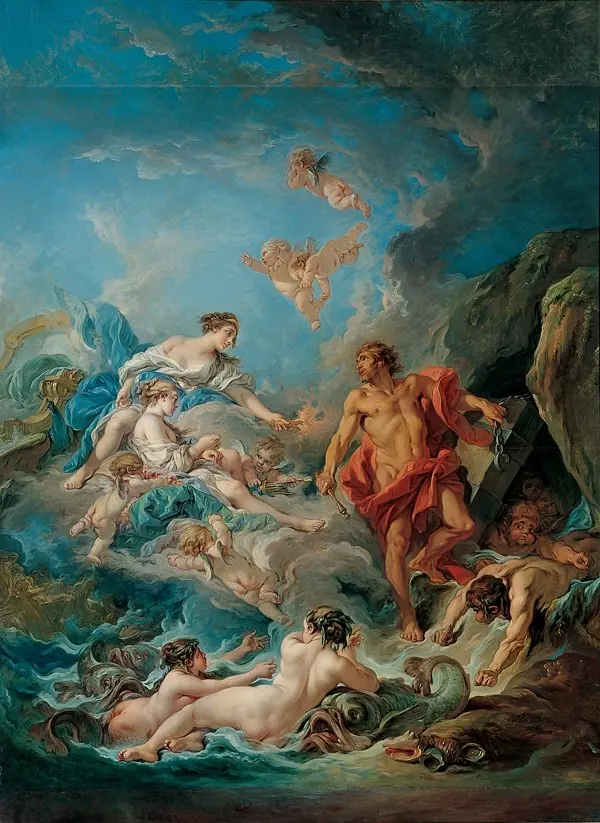 Juno Asking Aeolus to Release the Winds
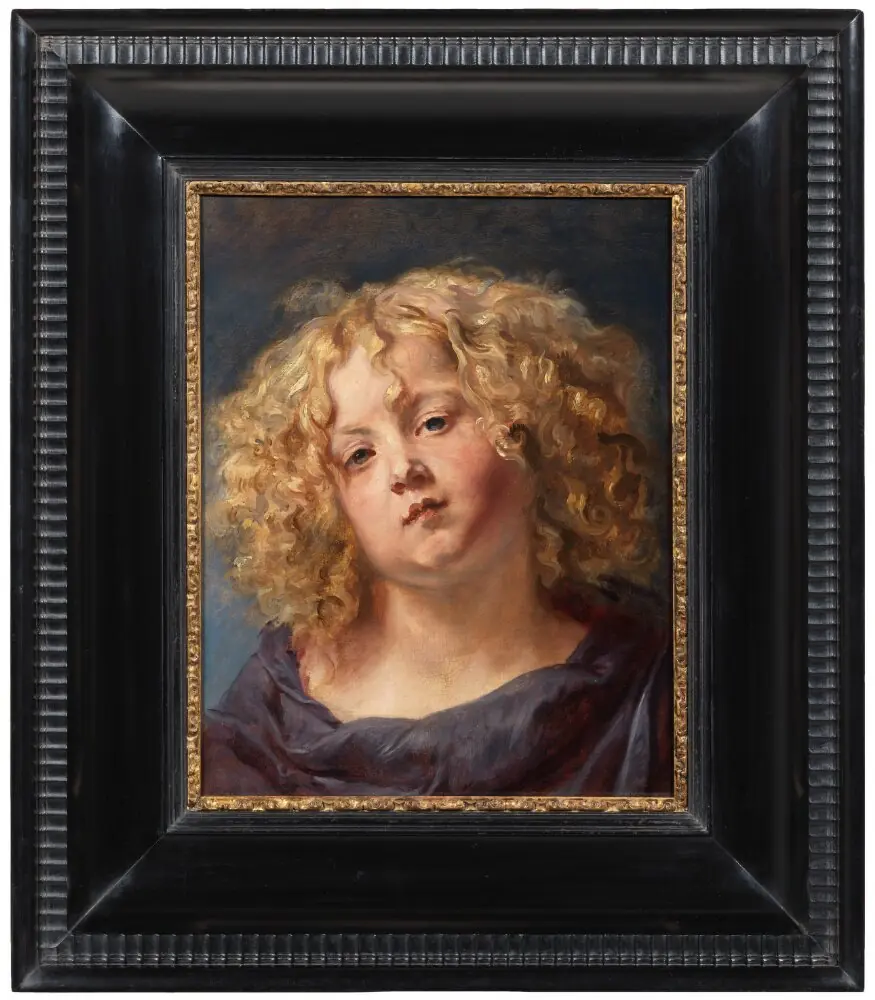 Study of a Boy's Head
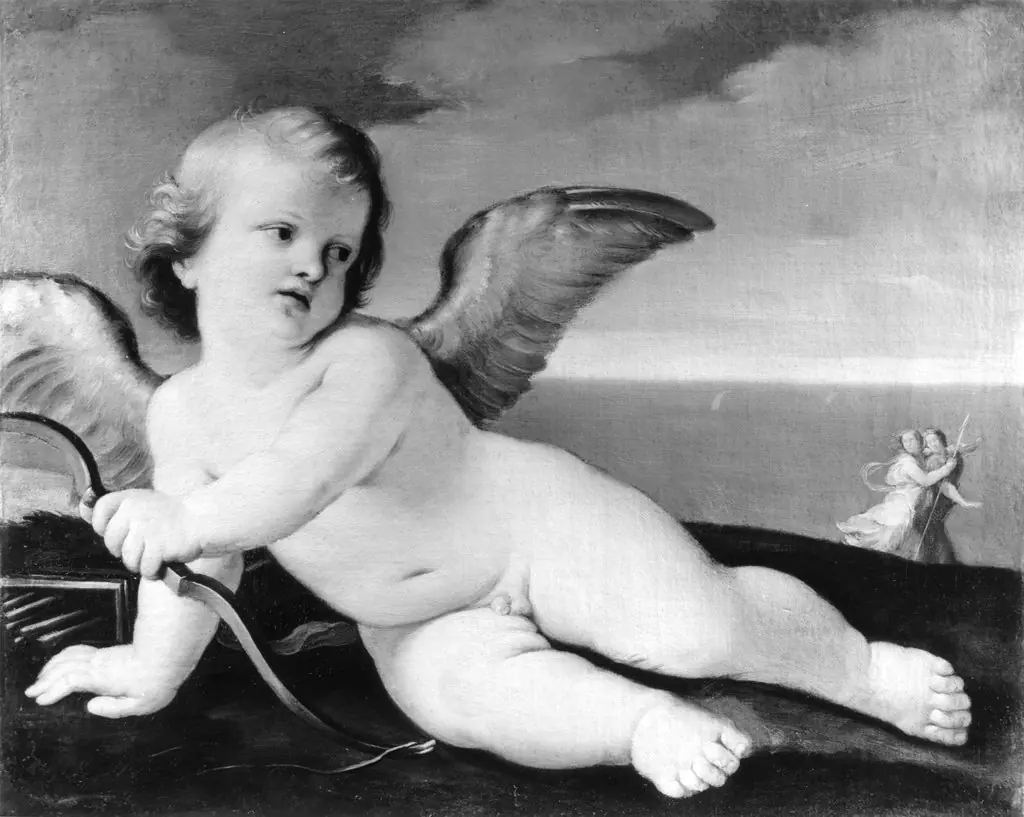 Cupid with a Bow
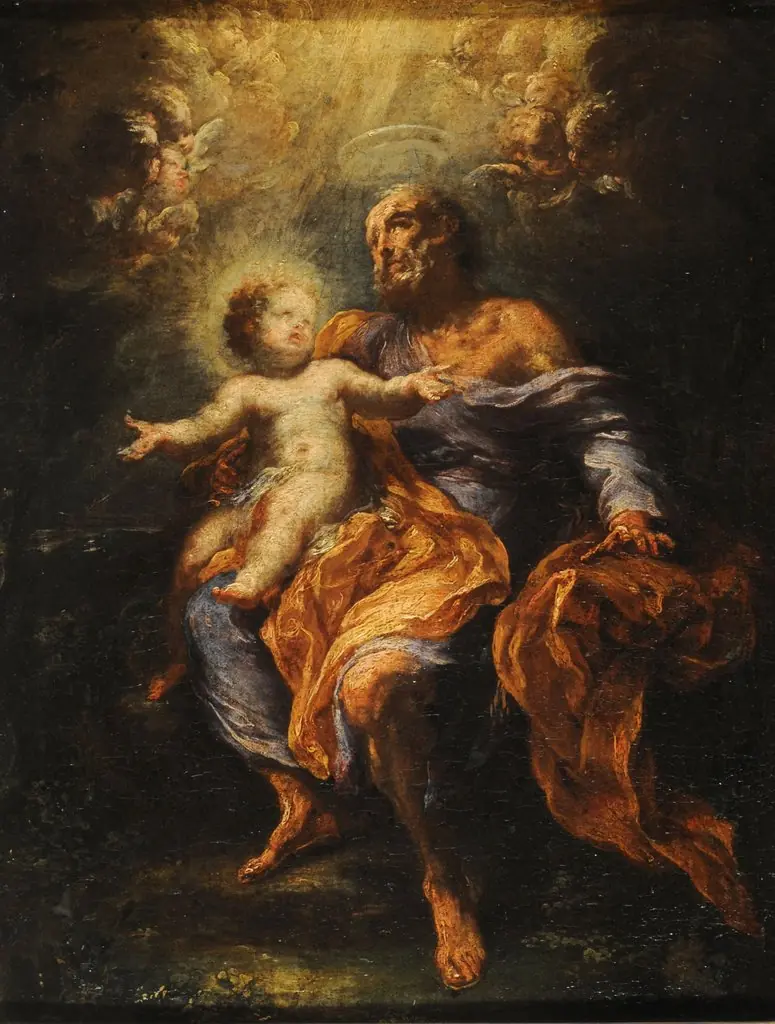 Glorification of St. Joseph
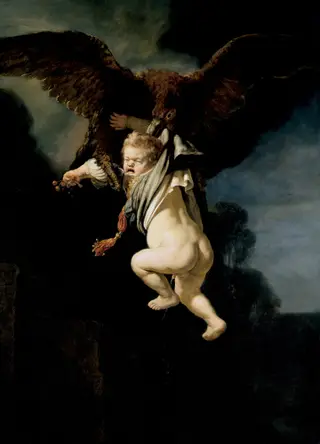 The Rape of Ganymede
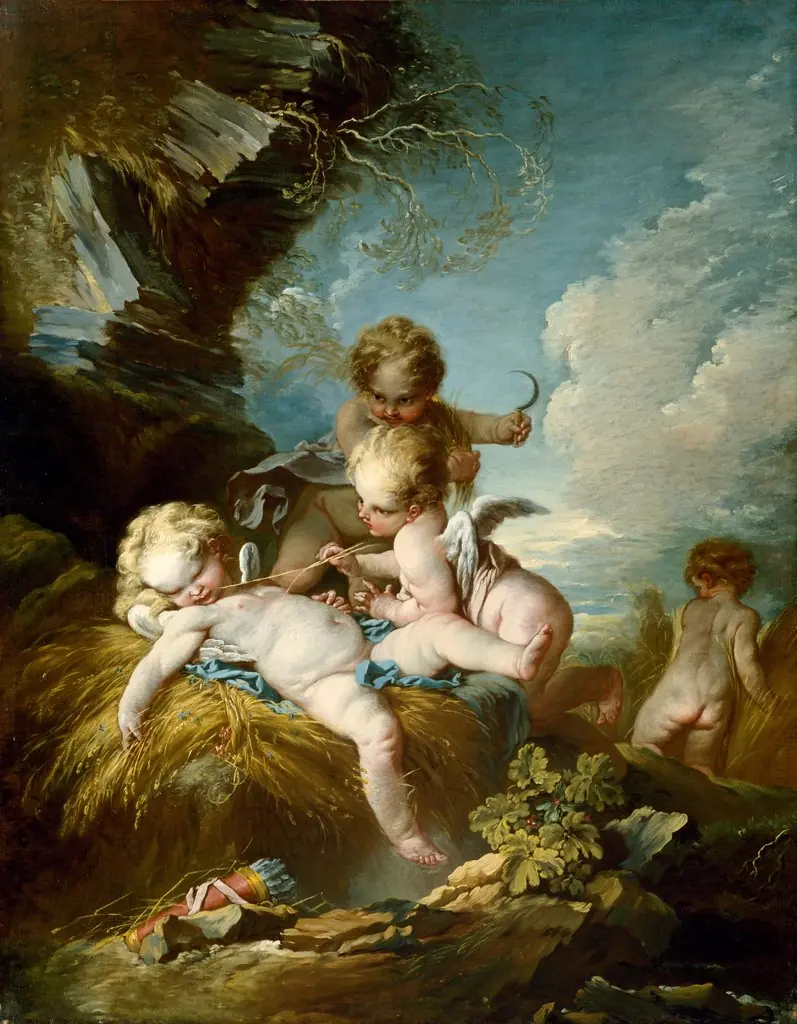 The Cherub Harvesters
![Baby [verso]](https://artifactworldgallery.com/img/baldassare-franceschini--baby-verso--070e4d9e6f984e17-w320.webp) Baby [verso]
Baby [verso] Study of a Young Boy
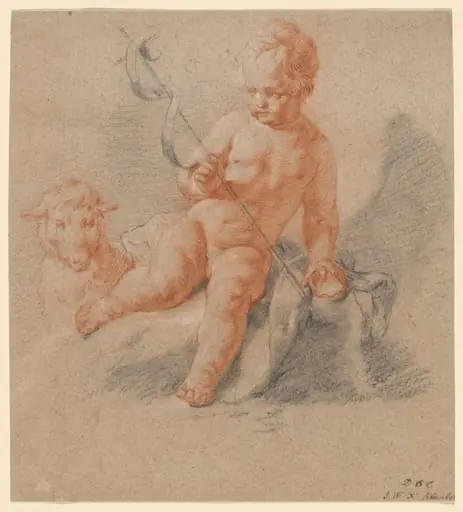 Saint John the Baptist as an Infant
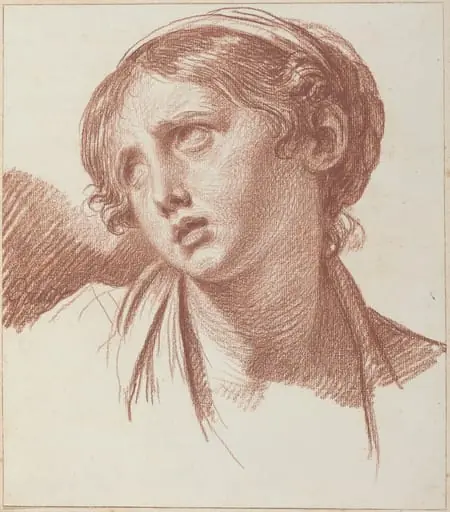 A Young Girl Looking Upward
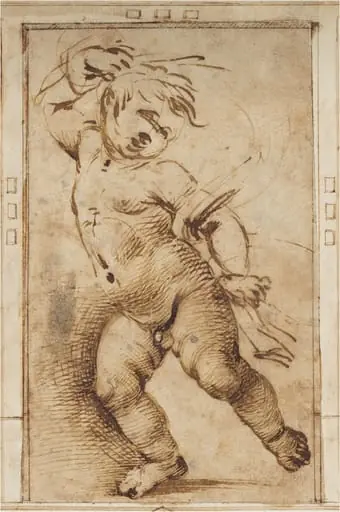 Dancing Putto Holding a Drapery
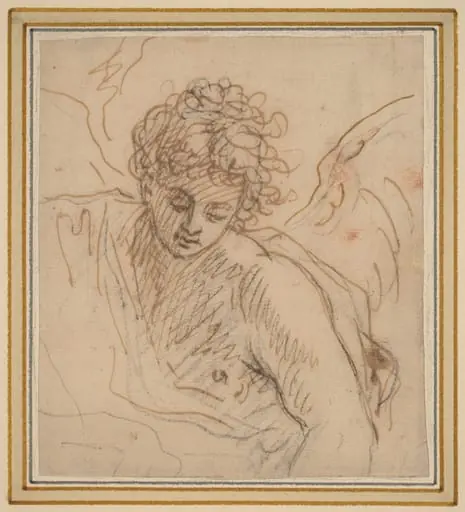 An Angel
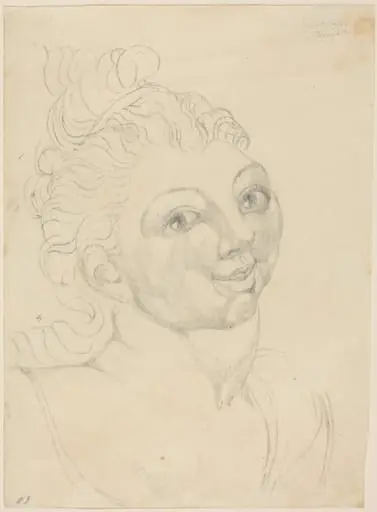 Wat Tyler's Daughter
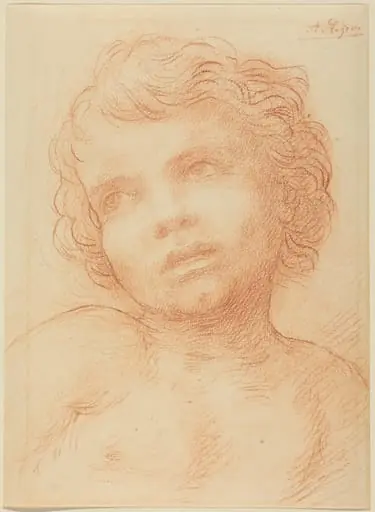 Head of a Child
![A Man Seen from Behind [recto]](https://artifactworldgallery.com/img/taddeo-zuccaro--a-man-seen-from-behind-recto--aa5baa2752dbdfca-w320.webp) A Man Seen from Behind [recto]
A Man Seen from Behind [recto]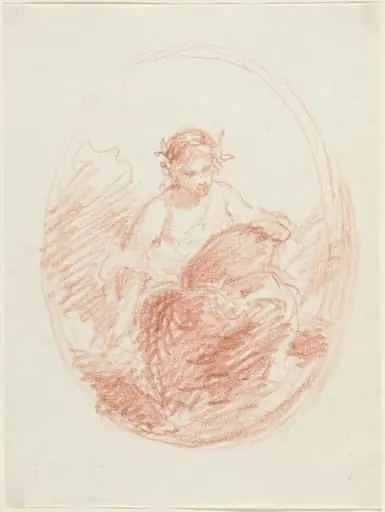 Allegorical Figure
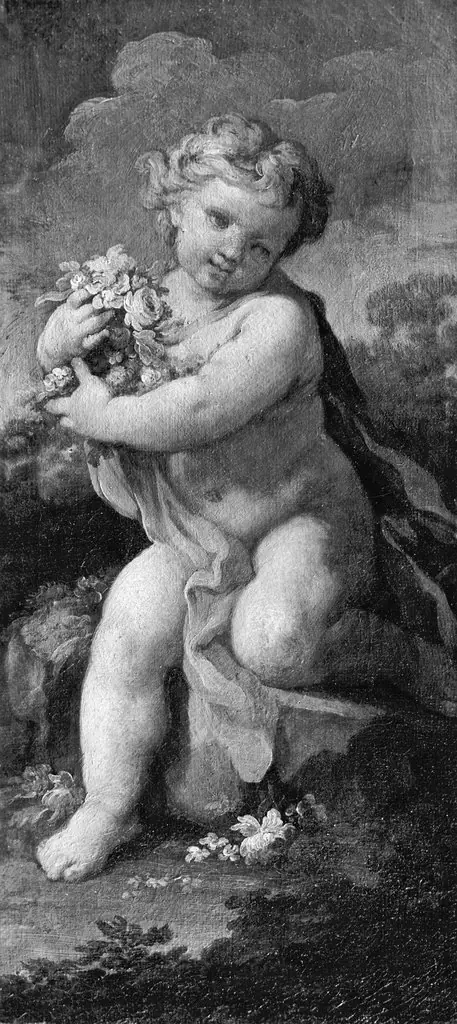 Allegory of Spring
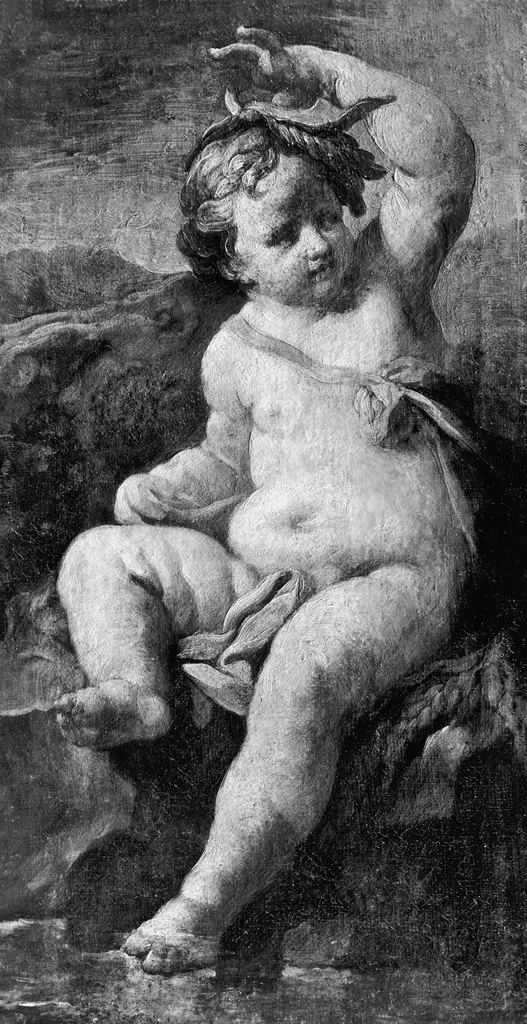 Allegory of Summer
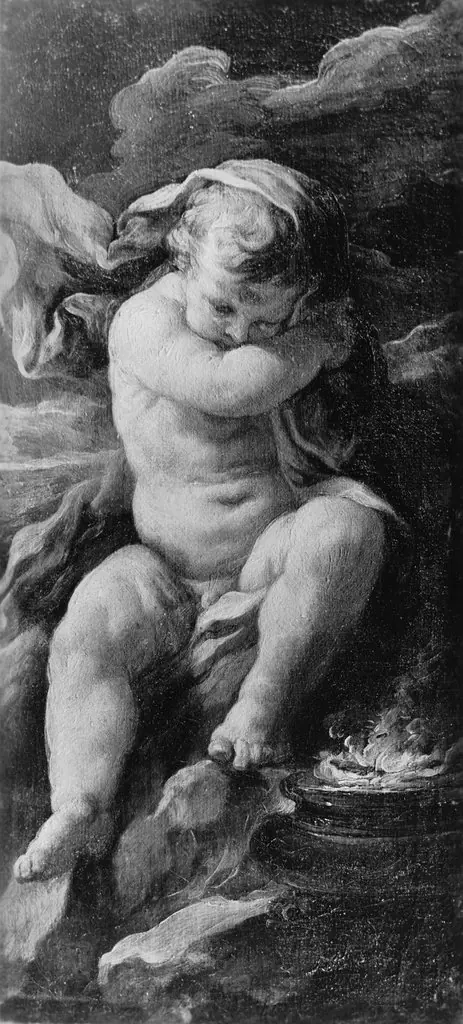 Allegory of Winter
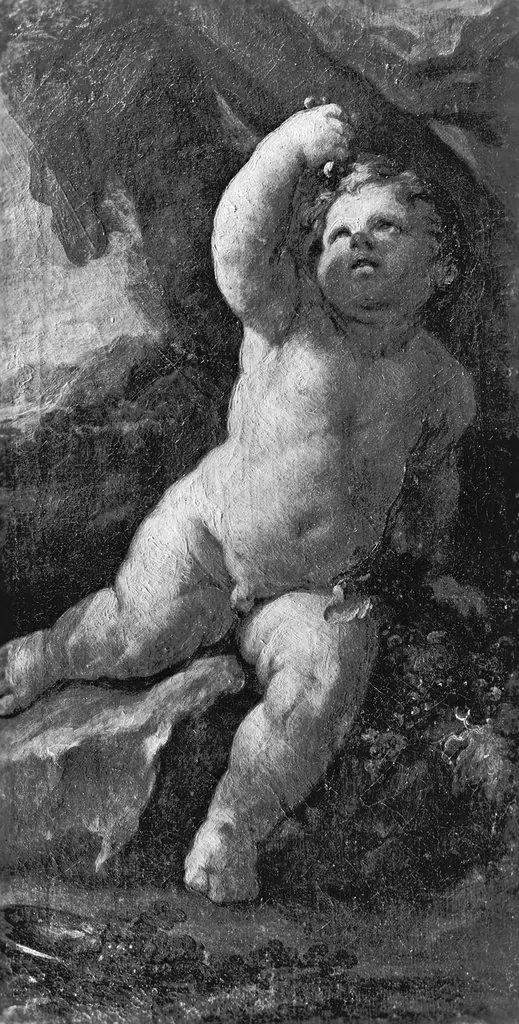 Allegory of Autumn
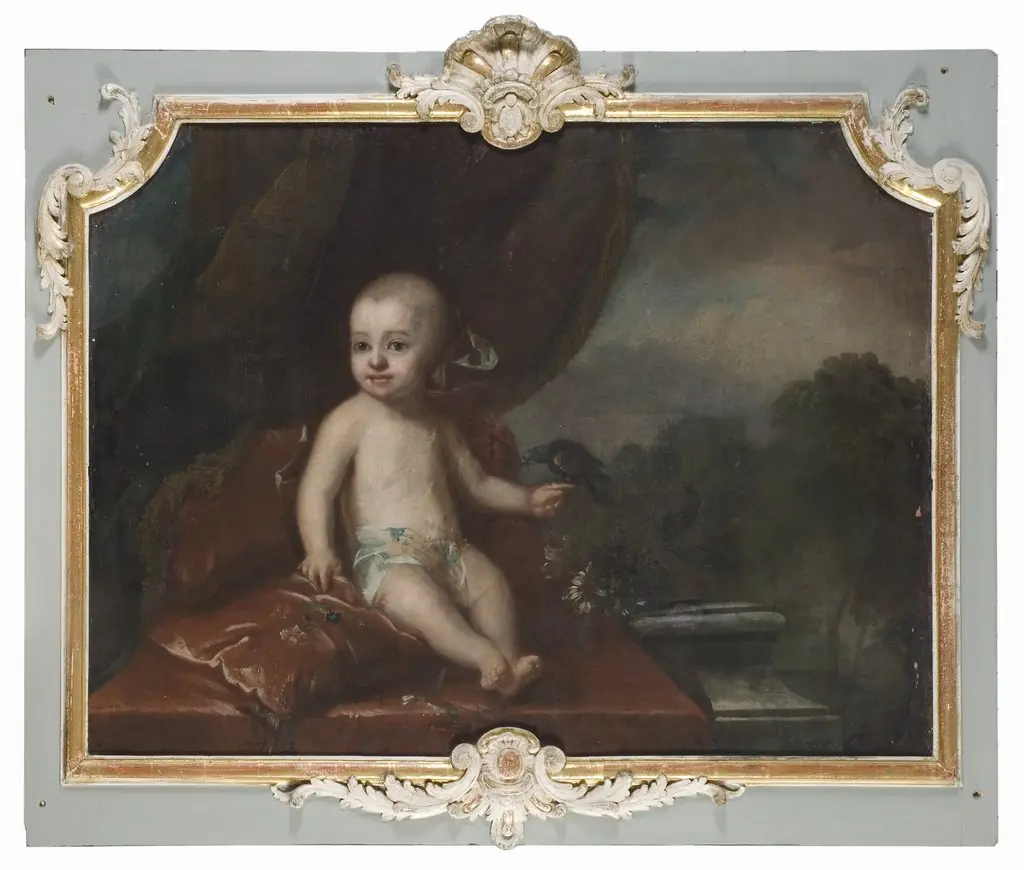 Okänd gosse
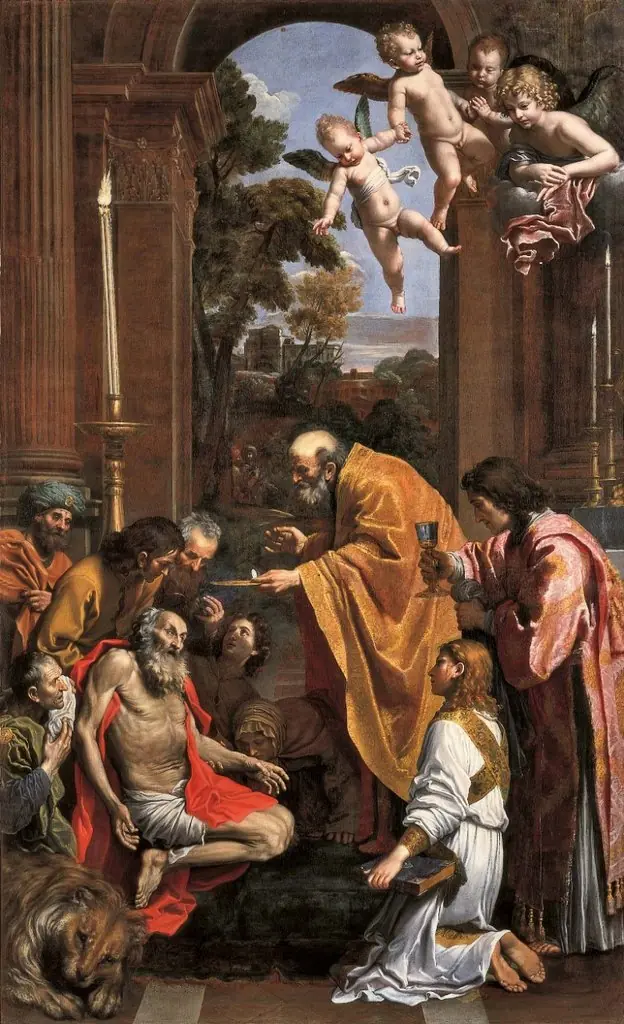 Communion of Saint Jerome
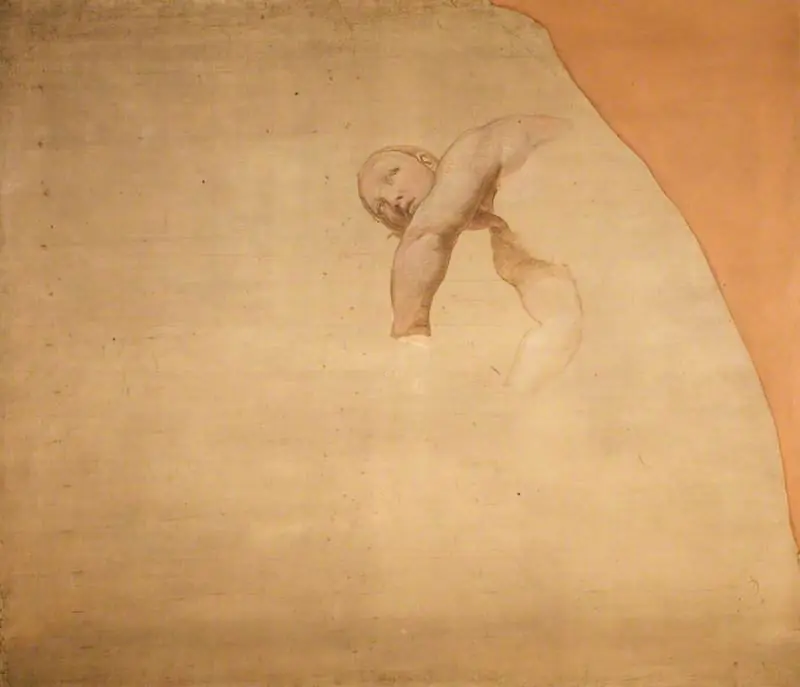 Head and Arms of a Figure (cartoon for the southwest angle of the ceiling cove, dining room, Dorchester House)
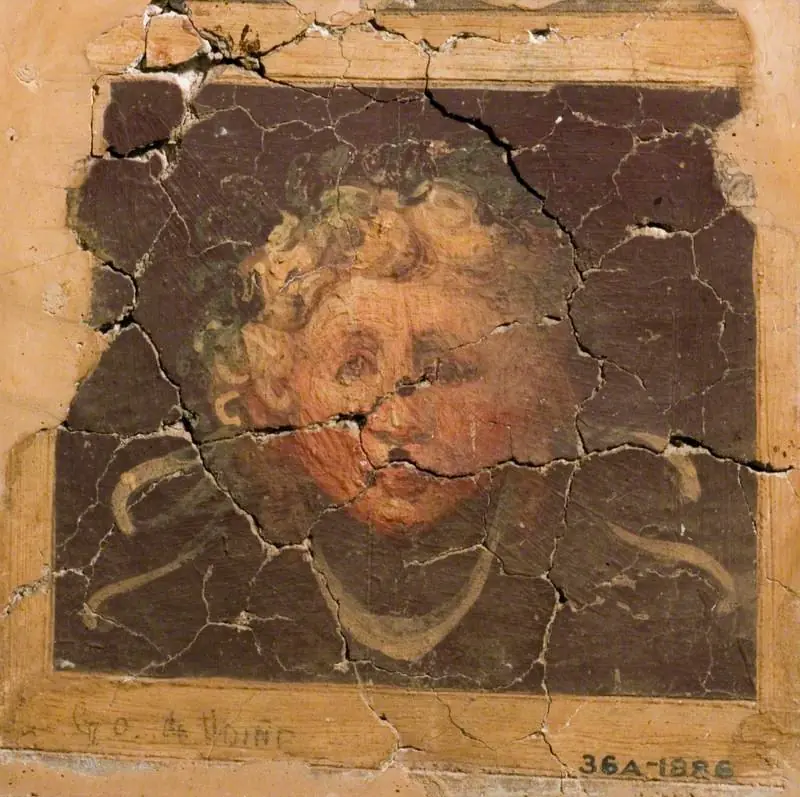 Female Head Framed by a Pattern of Ribbons (fragment of a wall decoration)
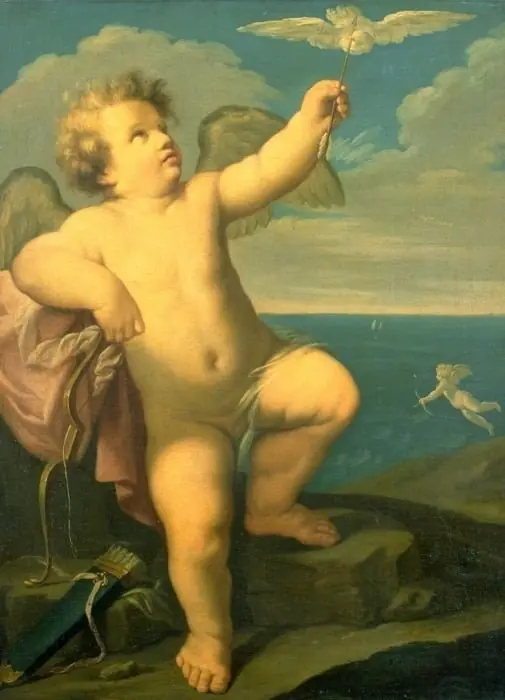 Cupido mit Pfeil und Bogen
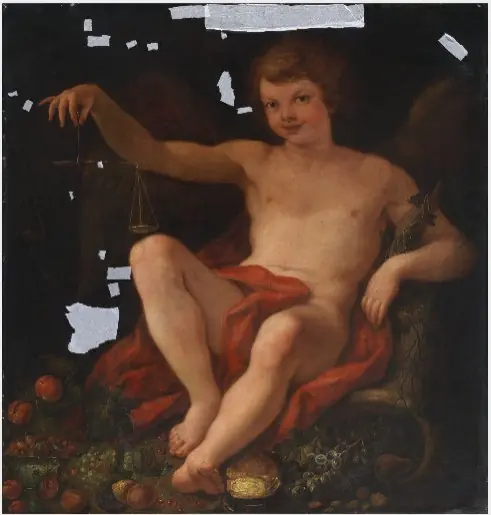 The Zodiacal Month of September
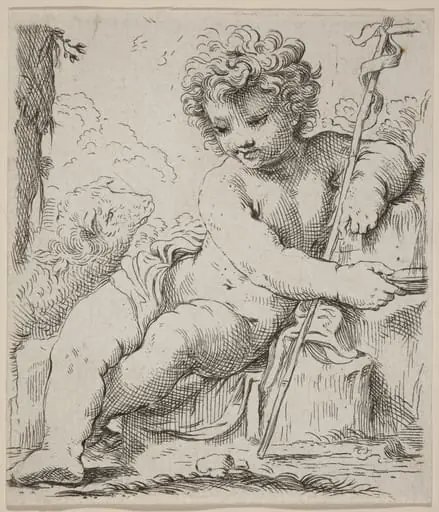 The Infant Saint John
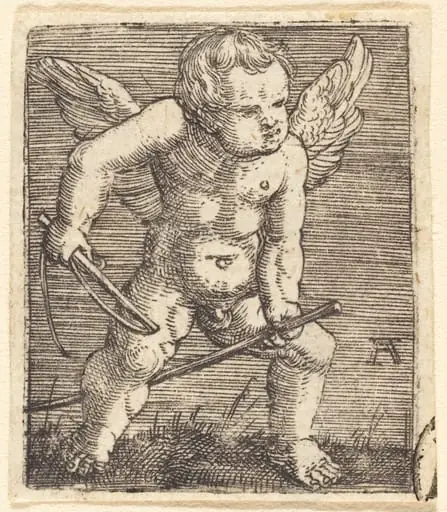 Putto Riding a Hobby Horse
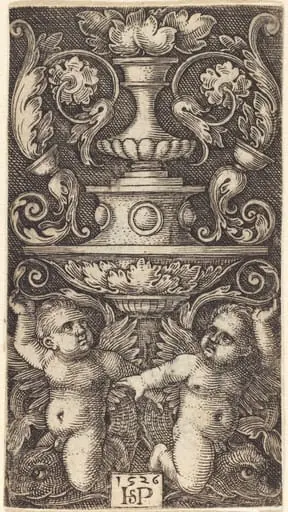 Double Cup with Two Genii Riding on Dolphins
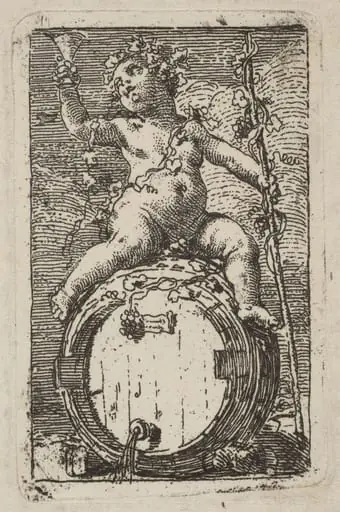 The Infant Bacchus Astride a Wine Barrel
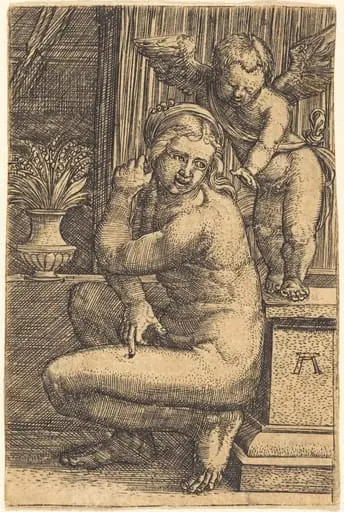 Crouching Venus
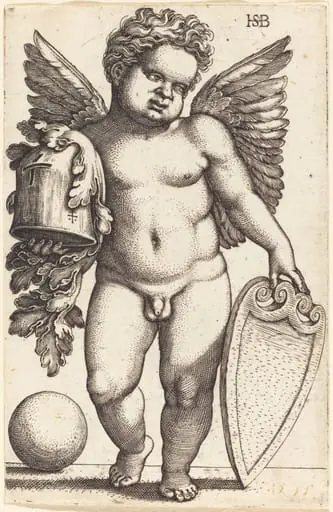 Male Genius Holding a Coat of Arms
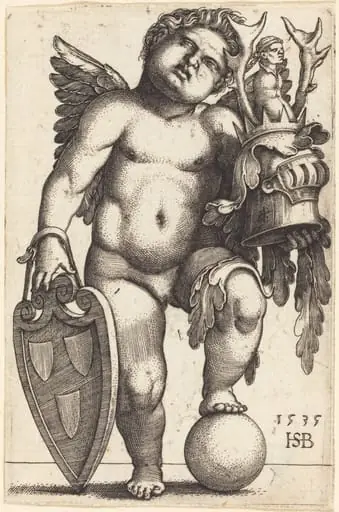 Female Genius Holding a Coat of Arms
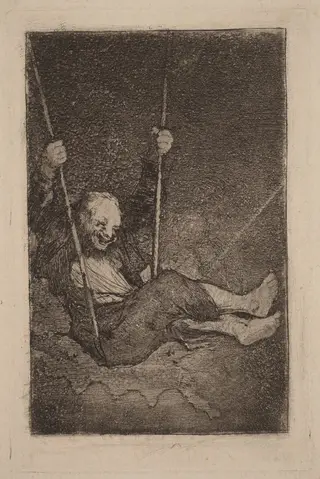 Old Man on a Swing
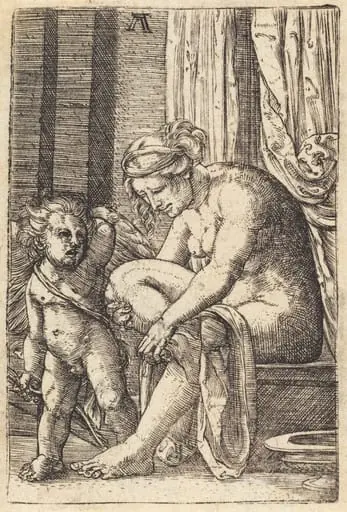 Venus after the Bath
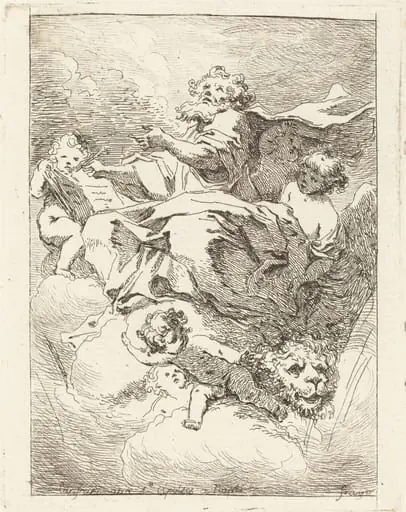 Saint Mark
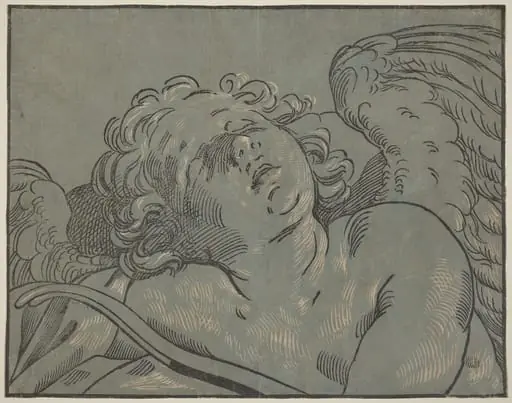 Cupid Asleep
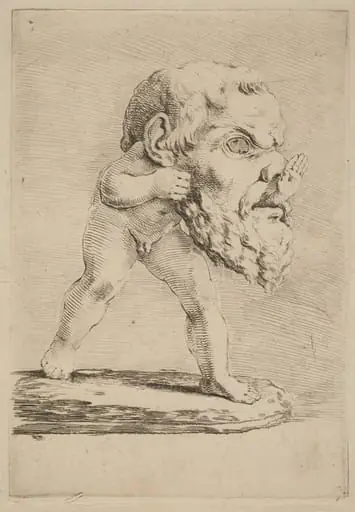 Child Wearing a Mask
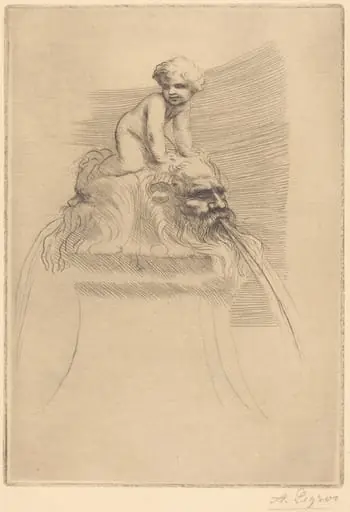 Small Fountain, Child Playing on the Grotesques (Petite fontaine, enfant qui joue surdes masques)
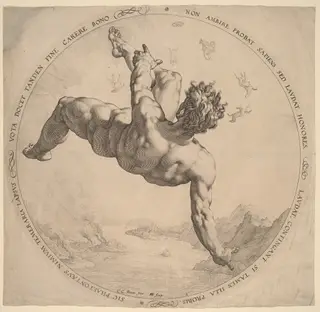 Phaeton
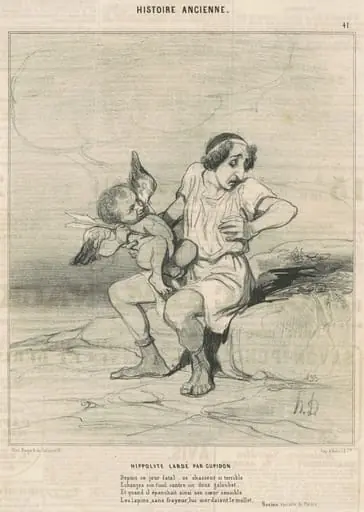 Hippolyte lardé par Cupidon
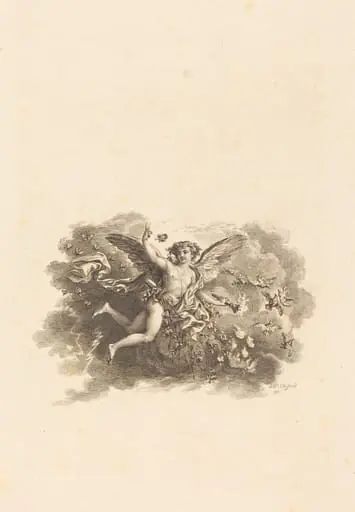 Fleuron for the Title Pages
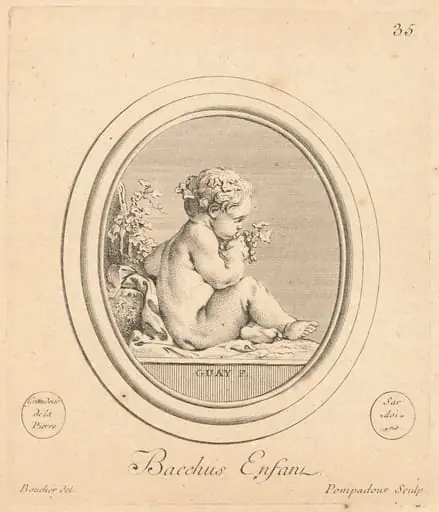 Bacchus enfant
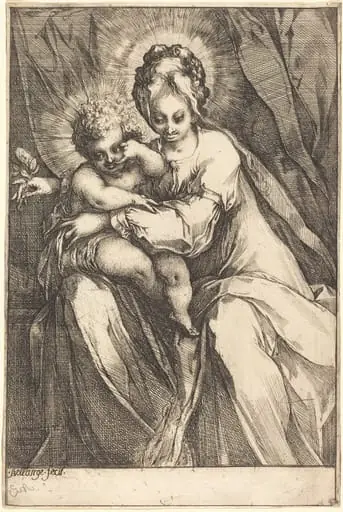 The Virgin and Child with a Rose
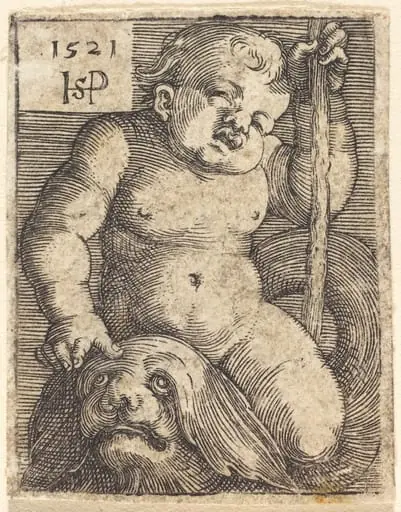 Genius on a Dolphin
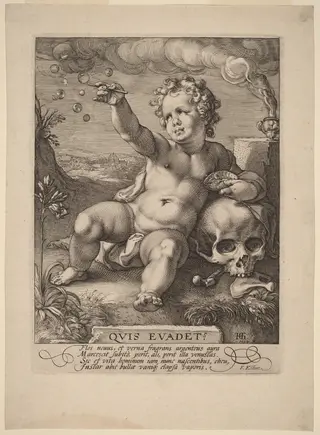 Allegory of Transience ("Homo Bulla")
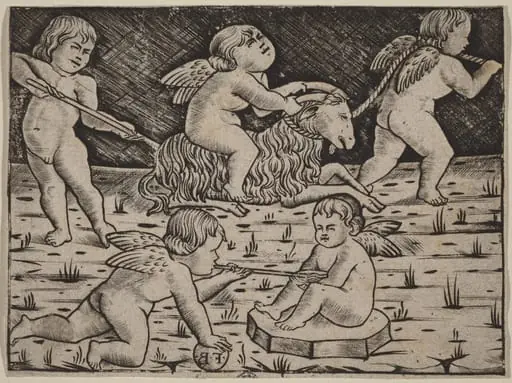 Five Cupids Playing
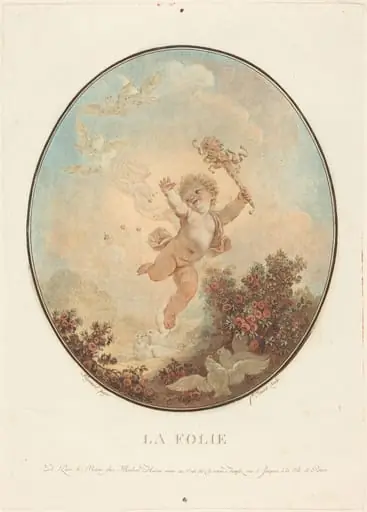 La folie
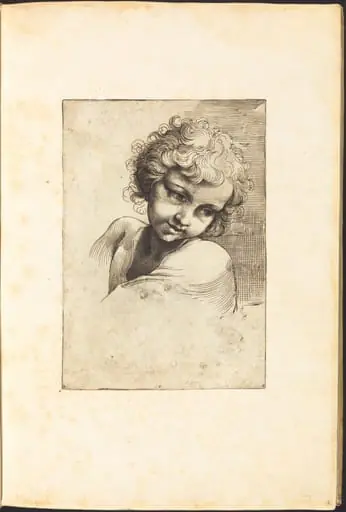 Print from Drawing Book
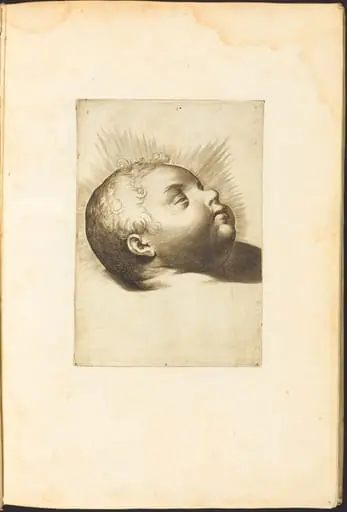 Print from Drawing Book
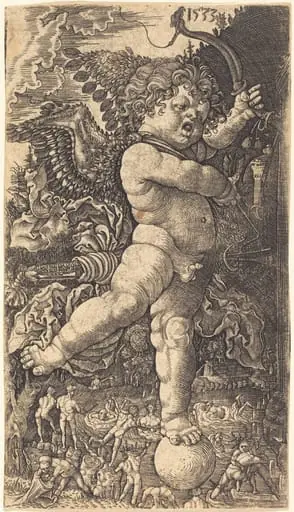 Cupid Balancing on a Globe
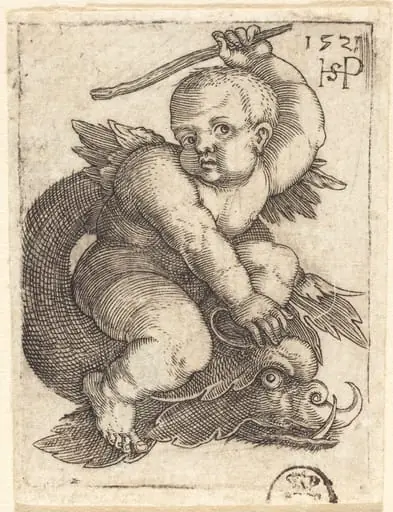 Genius on a Dolphin, Riding to the Right
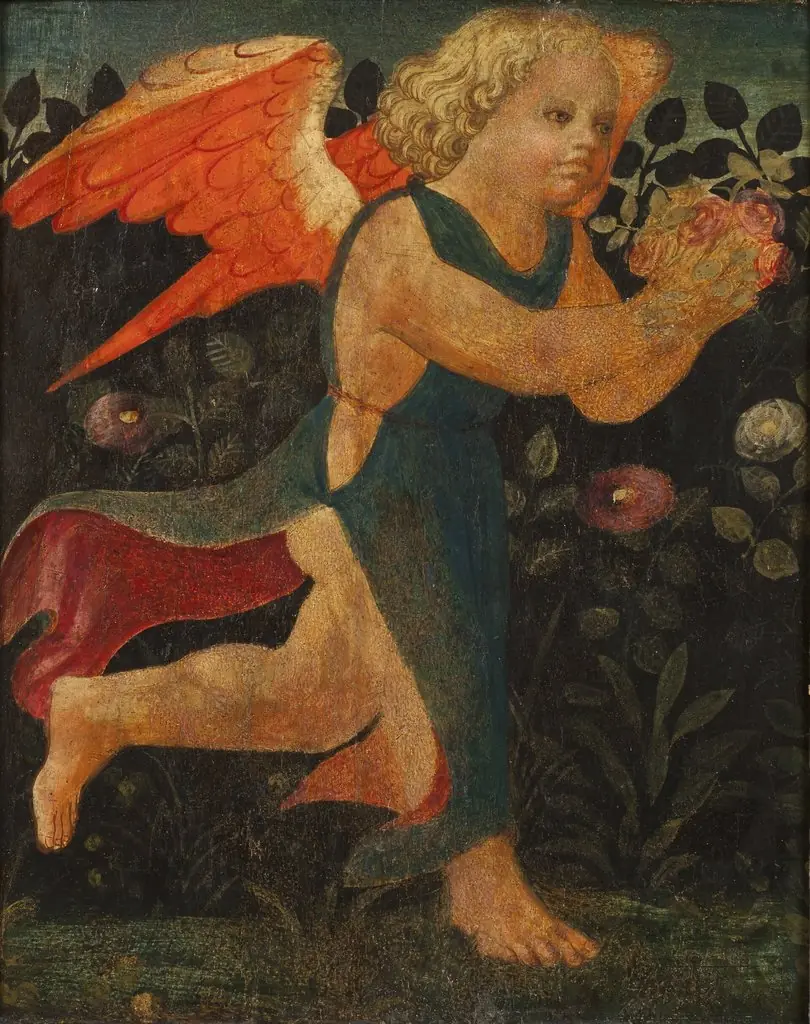 Putto in front of a Hedge of Roses
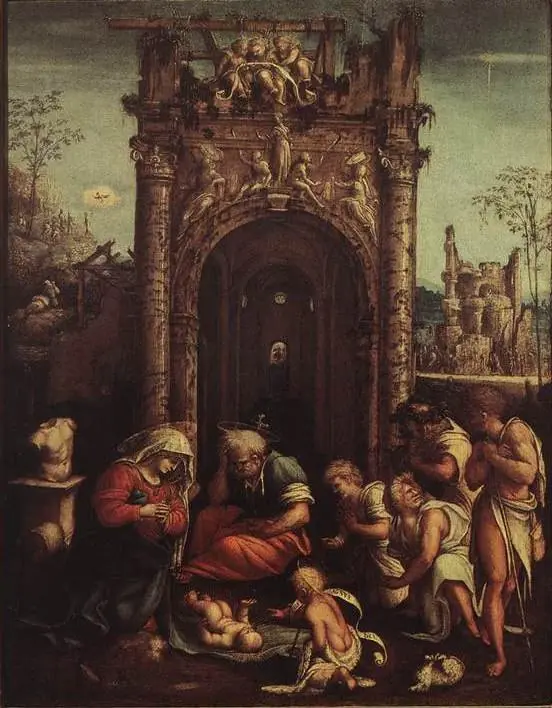 The Adoration of the Shepherds
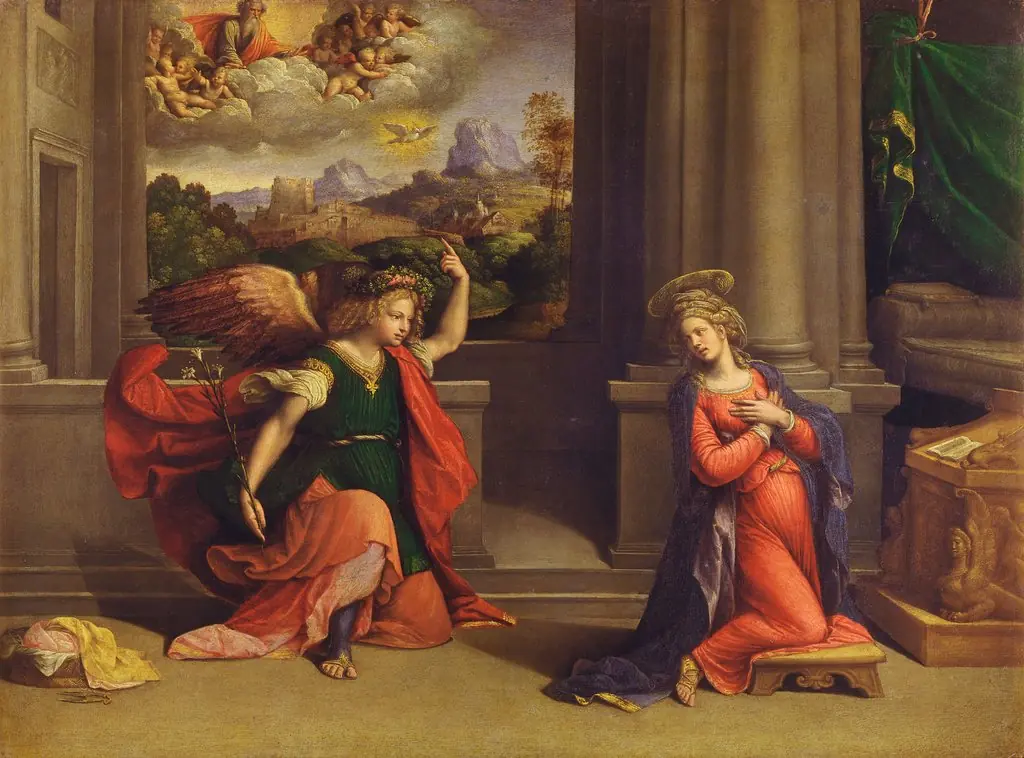 Annunciation
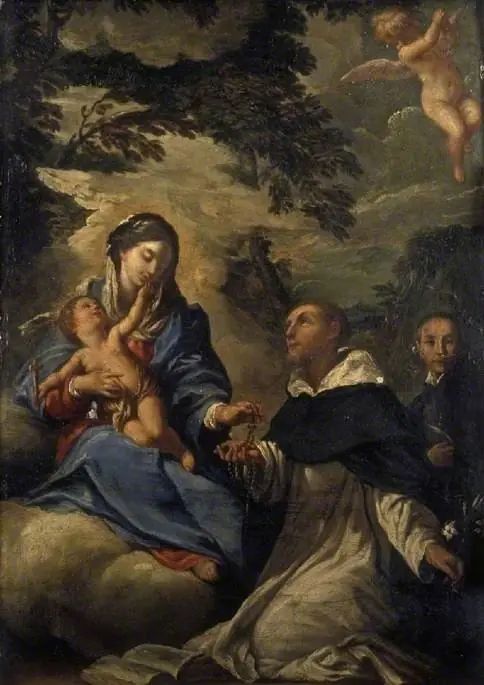 Saint Dominic Receiving the Rosary from the Virgin Mary
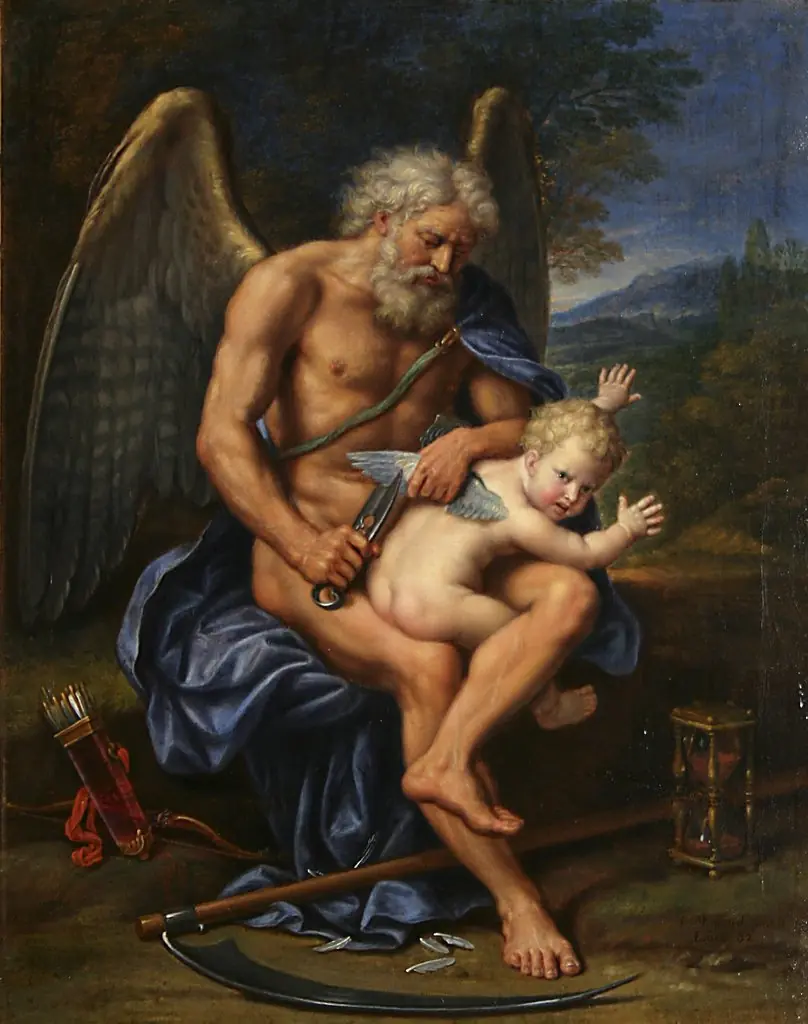 Time Clipping Cupid's Wings
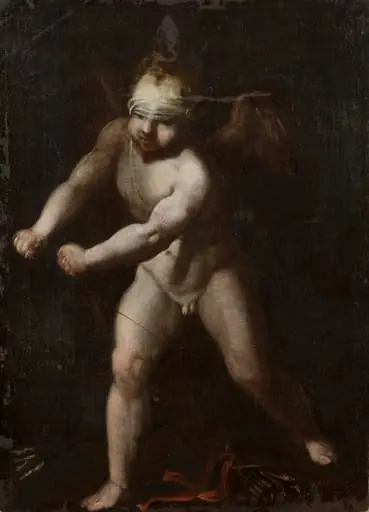 Amor încordându-și arcul
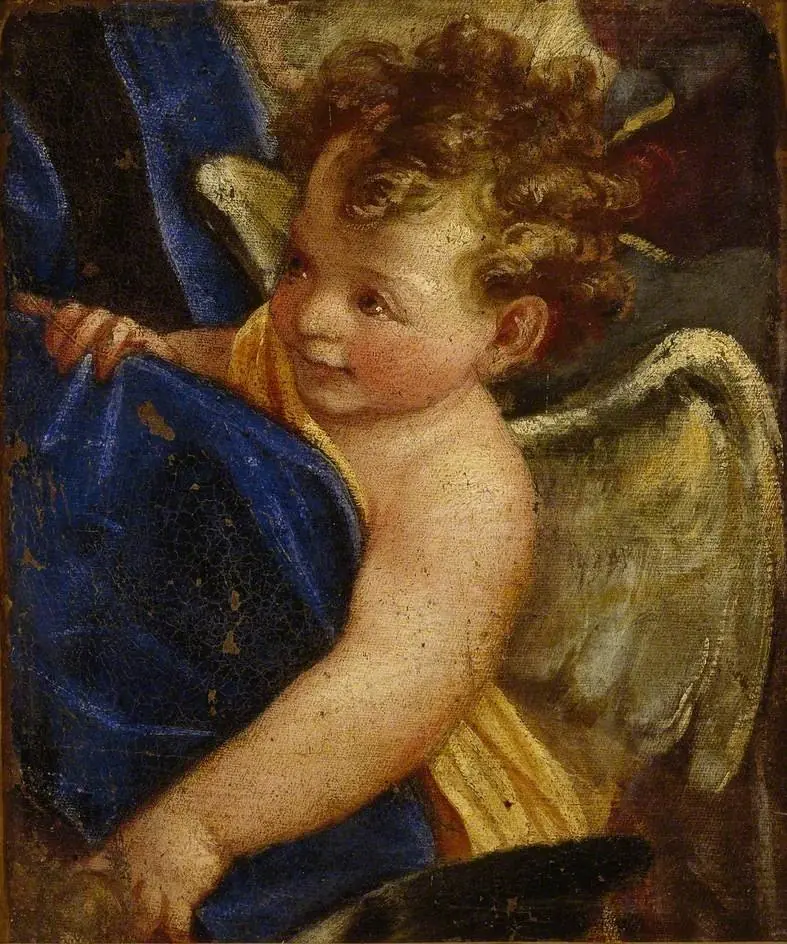 A Child Angel
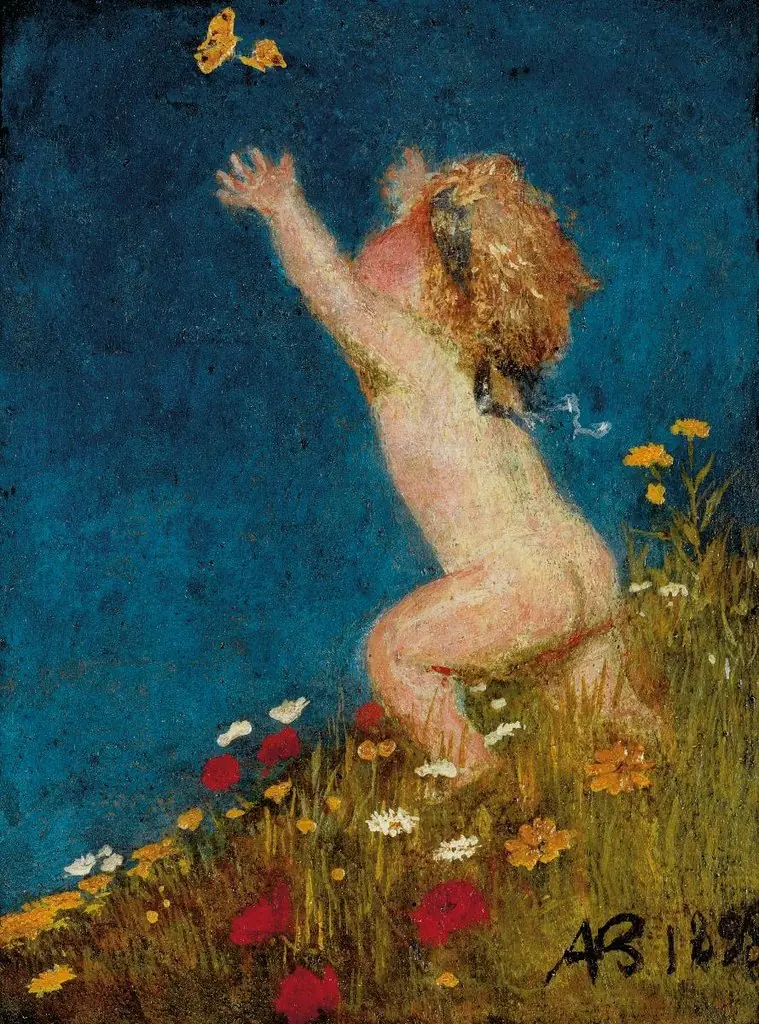 Putto und Schmetterling
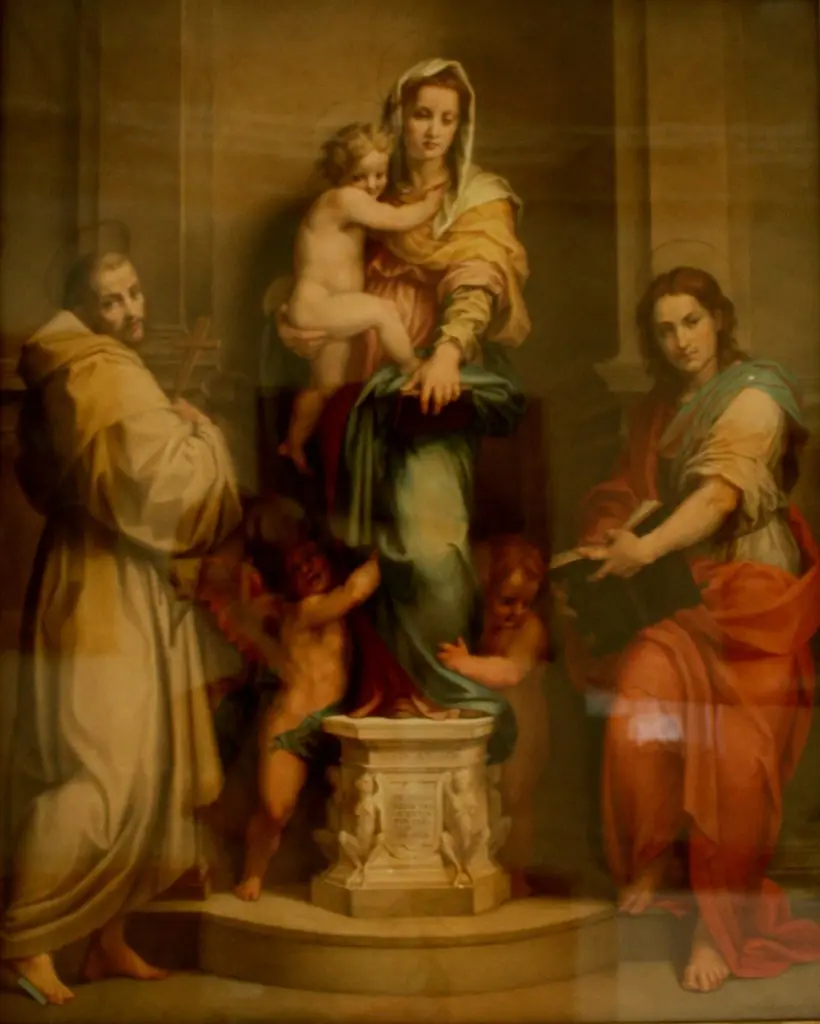 Madonna of the Harpies
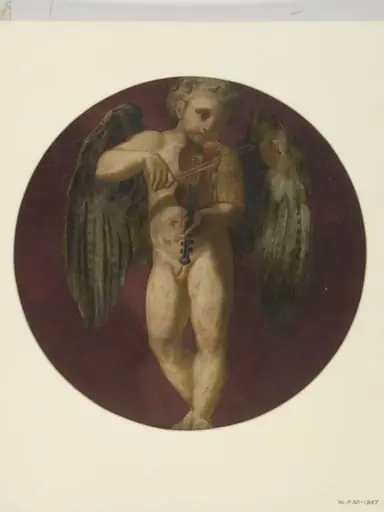 Painted Roundel
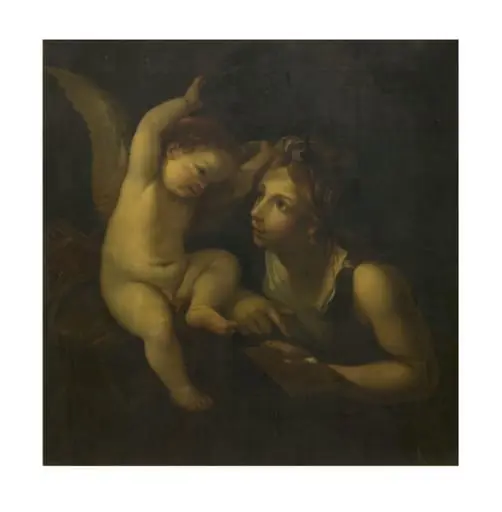 An Allegory of Painting
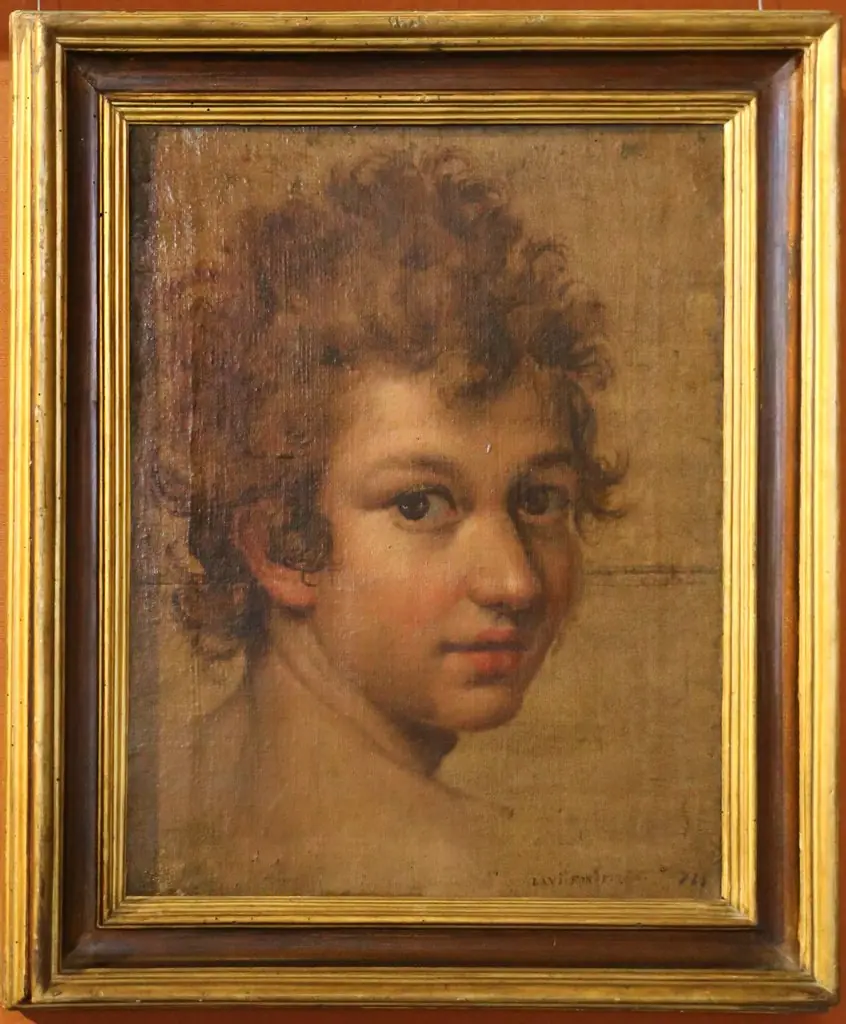 Portrait of a Youth (Lavinia Fontana, Galleria Borghese)
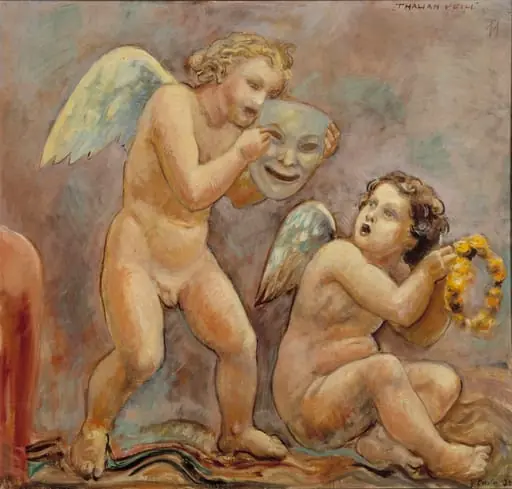 Thalian peili, Kansallisteatterin kattomaalauksen luonnos, yksityiskohta
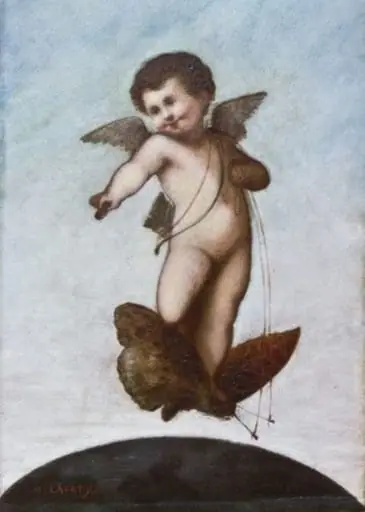 Amoraș
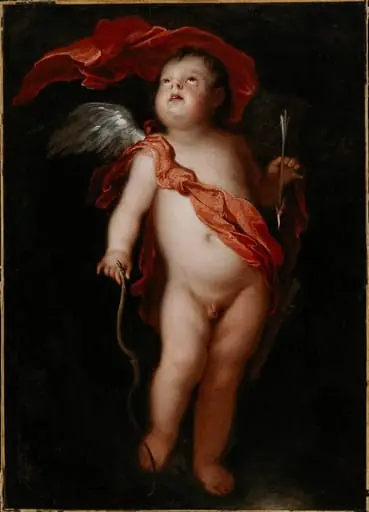 Amor jousineen
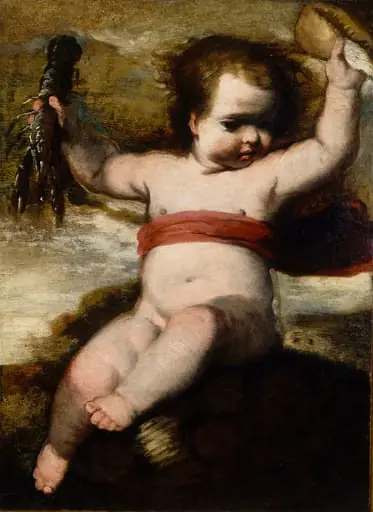 Meren allegoria
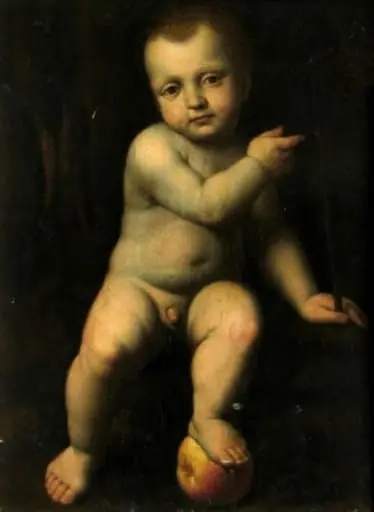 Salvator mundi (în registrul inventar: Micul Isus)
 Cap de înger
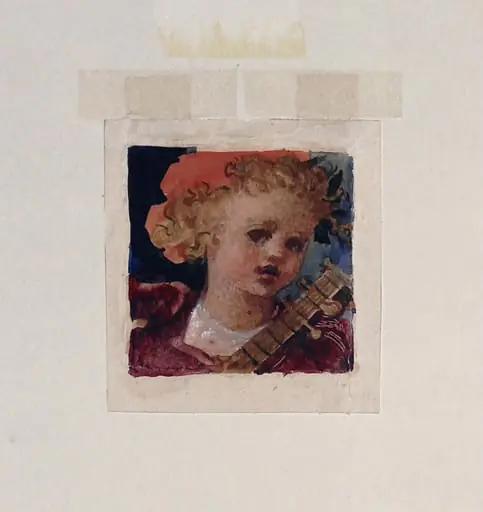 Head of a child
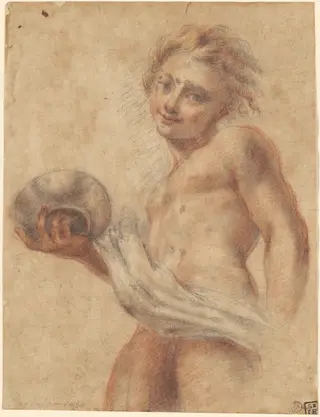 Youth Holding a Dish
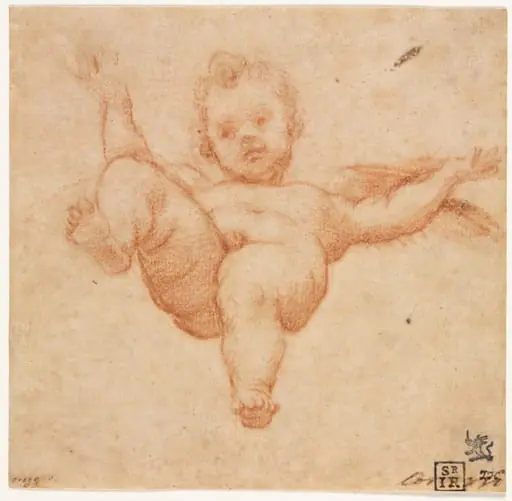 Flying Cupid
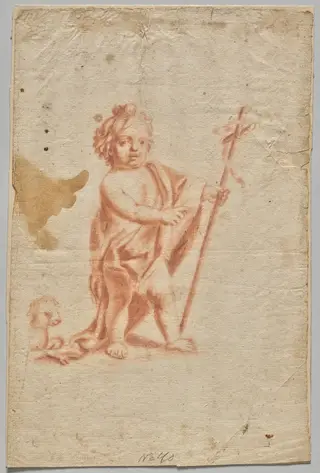 The Infant St. John the Baptist
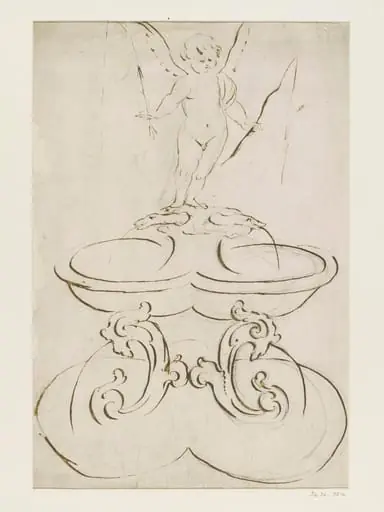 Drawing of a fountain
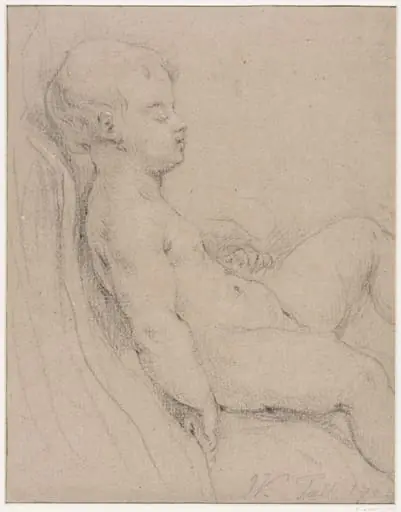 Nude boy seated ; profile
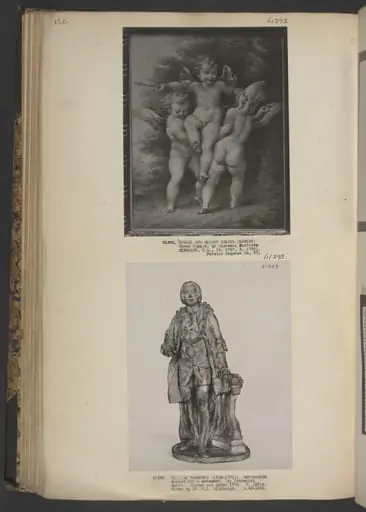 Three Cupids
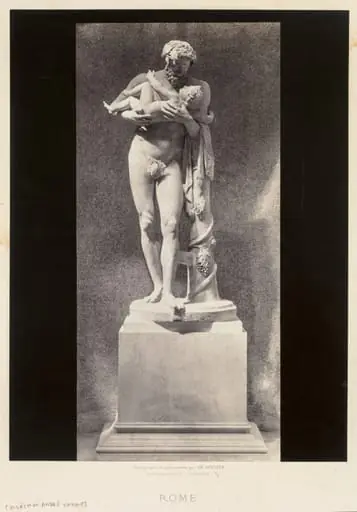 Silenus Holding the Child Dionysus, Louvre Museum, Paris
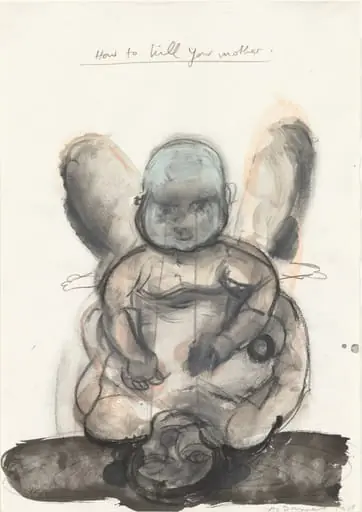 Untitled
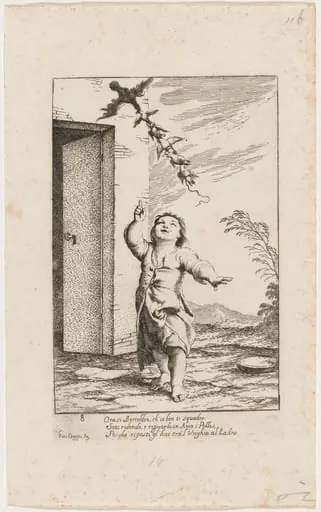 Bertoldino with the Birds Carried Away By the Kite
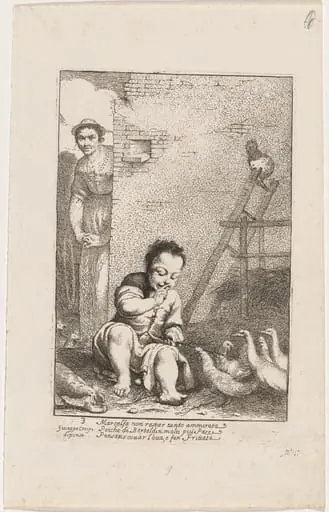 Marcolfa Sees Bertoldino Hatching Eggs
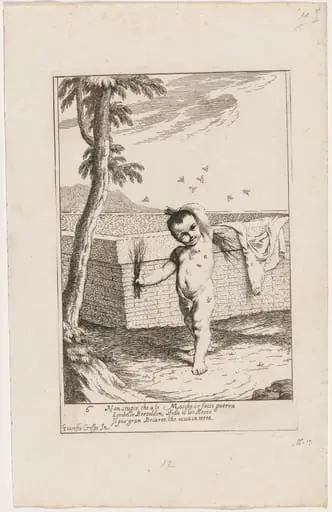 Bertoldino Whipping Himself to Kill Flies
Frequently asked questions
What is Putto?
Putto is a subject in art. A putto (Italian: ; plural putti ) is a figure in a work of art depicted as a chubby male child, usually naked and very often winged.
How many Putto works does Artifact World Gallery have?
Artifact World Gallery holds 200 public-domain Putto works, all free to view and download.
Who are the key Putto artists?
Key Putto artists in the collection include Titian, Paolo Veronese and Jean Honoré Fragonard.
Where can I see Putto works?
Putto works in the collection are held by National Gallery of Art, Victoria and Albert Museum and Metropolitan Museum of Art.