Artwork
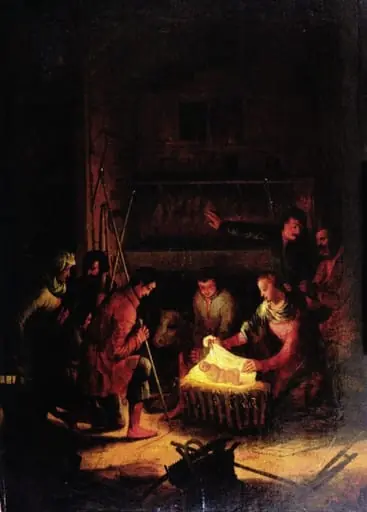
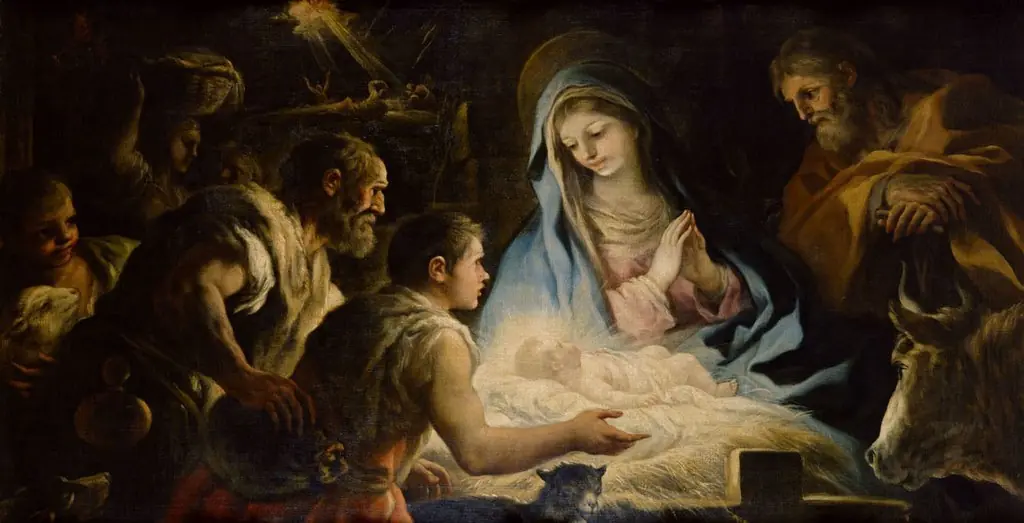
Adoration of the Shepherds
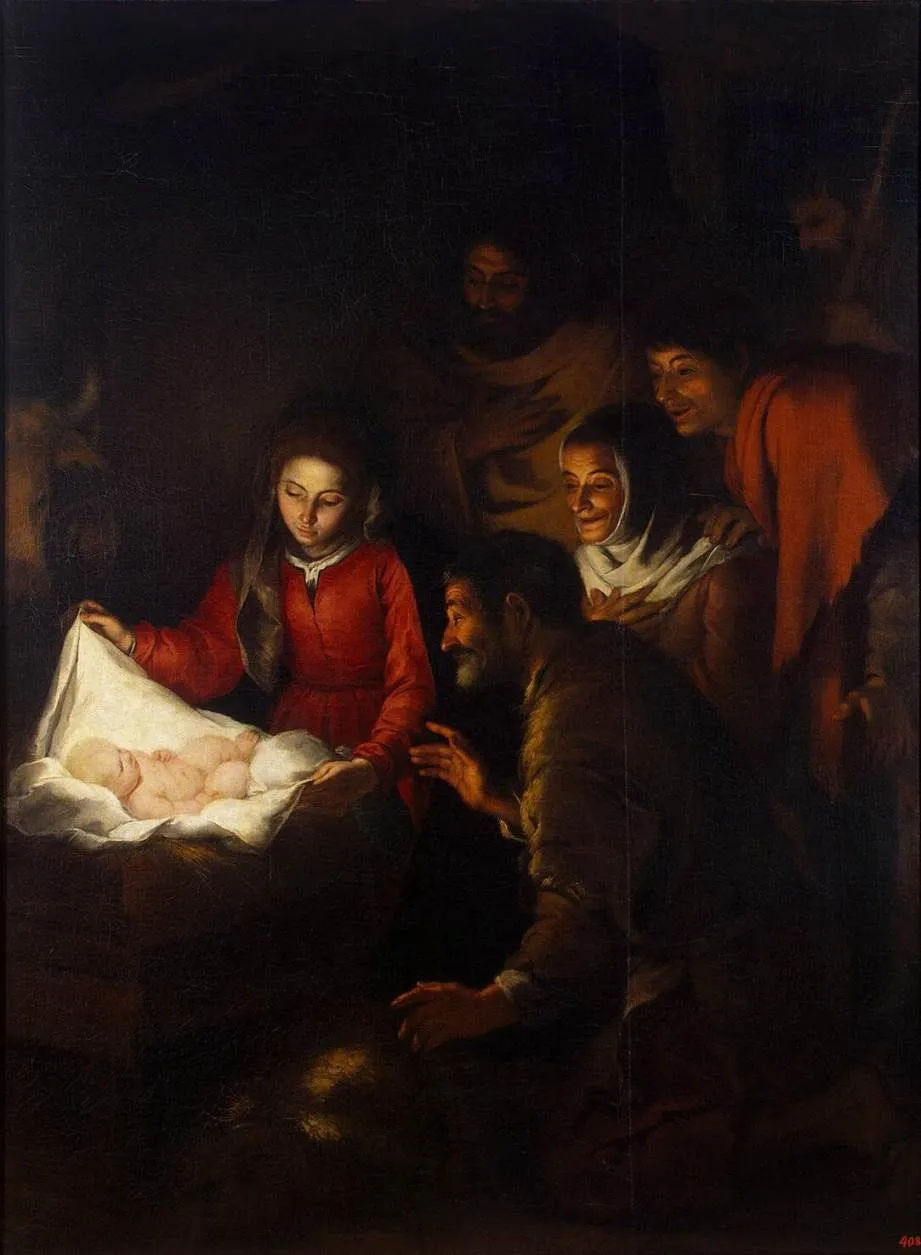
Adoration of the Shepherds is an oil painting by the Early Baroque Italian artist Bartolomé Esteban Murillo. It dates from 1650 and is held in the collection of the Hermitage Museum.
About this work
Overview
The Adoration of the Shepherds is an oil on canvas painting by the Spanish Baroque artist Bartolomé Esteban Murillo, dated to circa 1650.
The Adoration of the Shepherds is an oil on canvas painting by the Spanish Baroque artist Bartolomé Esteban Murillo, dated to circa 1650. Measuring 187 by 228 centimeters, the work depicts the biblical Nativity scene with a tightly cropped, intimate composition of six figures gathered around the Christ Child. The painting is held in the collection of the Museo del Prado in Madrid, where it is catalogued among the museum's significant holdings of Spanish Golden Age painting. Murillo produced at least one other version of this same subject, attesting to the theme's importance in his oeuvre. The work exemplifies the artist's ability to combine devotional intensity with accessible human emotion, making it a pivotal example of Spanish Baroque religious art and a cornerstone of Murillo's early mature period.
Technique & Style
Murillo executed the work in oil on canvas, employing sophisticated techniques of layering and glazing to achieve luminous effects. The palette is dominated by deep browns and blacks, with strong accents of red and the brilliant white of the cloth and infant creating dramatic focal points. A single concentrated light source from the left illuminates the baby, casting dramatic shadows and creating stark chiaroscuro that is characteristic of Baroque painting. The brushwork varies across the surface: smooth and refined in the faces and hands, with thicker, more atmospheric handling in the darks. The composition is tightly cropped and intimate, with figures pressing close to the picture plane, creating immediate engagement with the viewer. A vertical seam or crack runs through the right portion of the canvas, and a small red number appears in the lower right corner, likely an inventory mark from a later period. The overall effect is one of warmth, emotional immediacy, and spiritual intensity.
History & Provenance
The painting's provenance is documented in Spanish royal collections from at least the late eighteenth century. Antonio Ponz recorded it in his 1794 Viage de España, and it appeared in the Palacio Nuevo de Madrid inventory of the same year. Following the death of Ferdinand VII, it was listed in the 1834 museum inventory as number 145. The work has been extensively published in scholarly literature, with significant catalogue entries by Francisco Javier Sánchez Cantón (1972), Juan Antonio Gaya Nuño (1978), Diego Angulo Íñiguez (1981), and Manuela Mena (1982, 1982), among many others. It was exhibited at the Royal Academy of Arts in London in 1982 as part of the Bartolomé Esteban Murillo (1617-1682) exhibition, and featured in the De Greco à Picasso exhibition in Madrid in 1987. The painting is now held by the Museo Nacional del Prado, Madrid, as part of the Royal Collection.
Context
Murillo was a leading figure of the Spanish Baroque, active in Seville during the city's period of artistic flourishing in the mid-seventeenth century. The Catholic Church played a dominant role in commissioning religious art during this era, and Murillo's work responded to the spiritual needs of a society shaped by Counter-Reformation devotion. His interpretation of the Adoration of the Shepherds reflects the Spanish Baroque emphasis on emotional engagement and accessibility in religious imagery. Scholars have consistently positioned this work within Murillo's early mature period, noting its combination of naturalistic observation with idealized beauty. The painting has been discussed in the context of Murillo's broader exploration of the theme, including his later version of the same subject, and within surveys of Spanish Golden Age painting from August L. Mayer's 1928 Historia de la Pintura Española to more recent scholarship by Enrique Valdivieso and Alfonso E. Pérez Sánchez.
Legacy
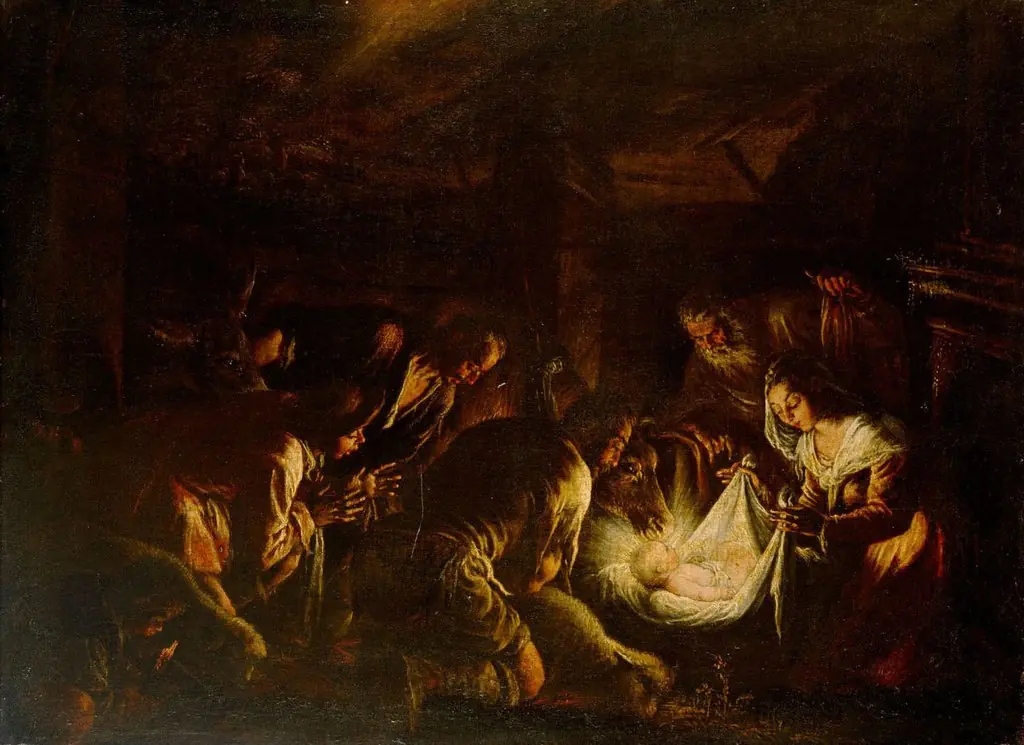
The Adoration of the Shepherds remains one of Murillo's most significant and frequently cited religious compositions, demonstrating the emotional depth and technical mastery that established his reputation both in Spain and internationally. The work has influenced subsequent generations of artists and continues to serve as a reference point for studies of Baroque Nativity imagery. Its presence in the Prado ensures its visibility within one of the world's most important collections of European painting. The painting's sustained scholarly attention, from early catalogues by Ponz through modern critical studies, reflects its enduring importance for understanding Murillo's development and the broader currents of Spanish Baroque art. The work's emphasis on humble figures as witnesses to the divine, rendered with warmth and immediacy, has contributed to its lasting resonance as an image of accessible faith.
Artist & collection
Artist
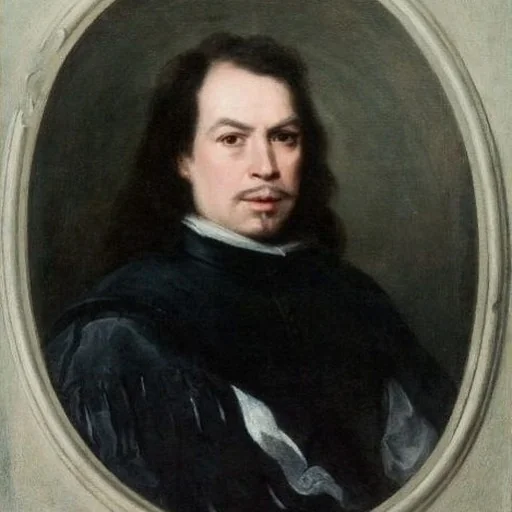
Bartolomé Esteban Murillo ( mure-IL-oh, m(y)uu-REE-oh, Spanish:; late December 1617, baptised 1 January 1618 – 3 April 1682) was a Spanish Baroque painter.

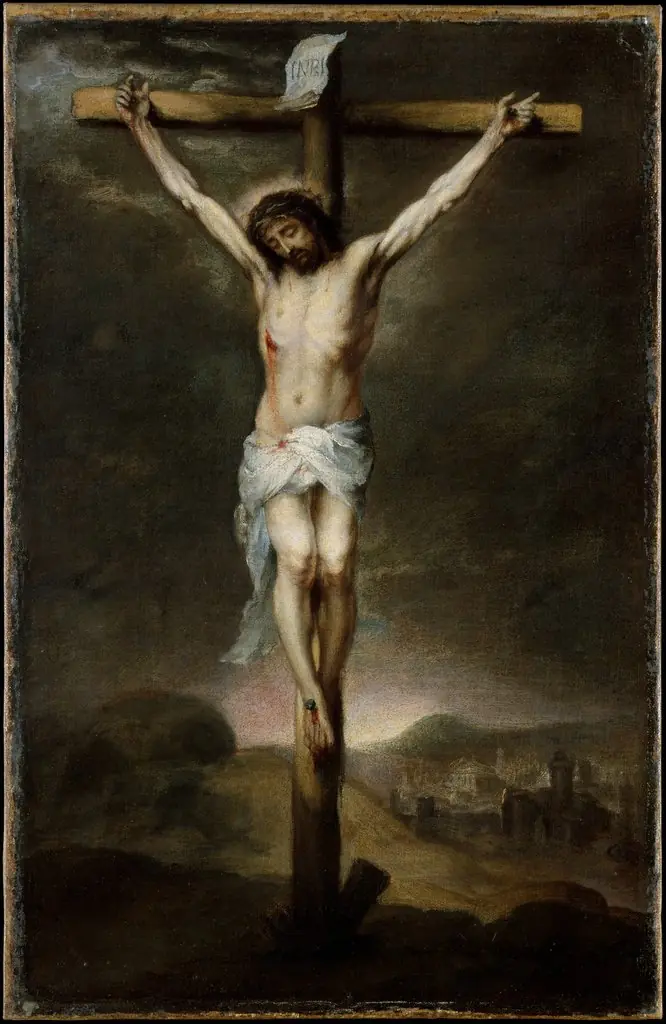
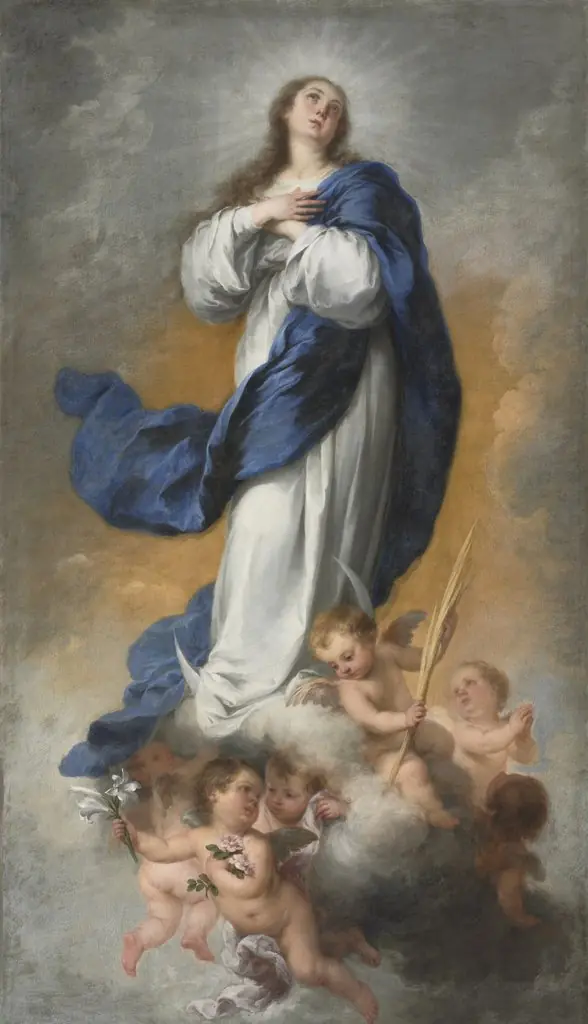
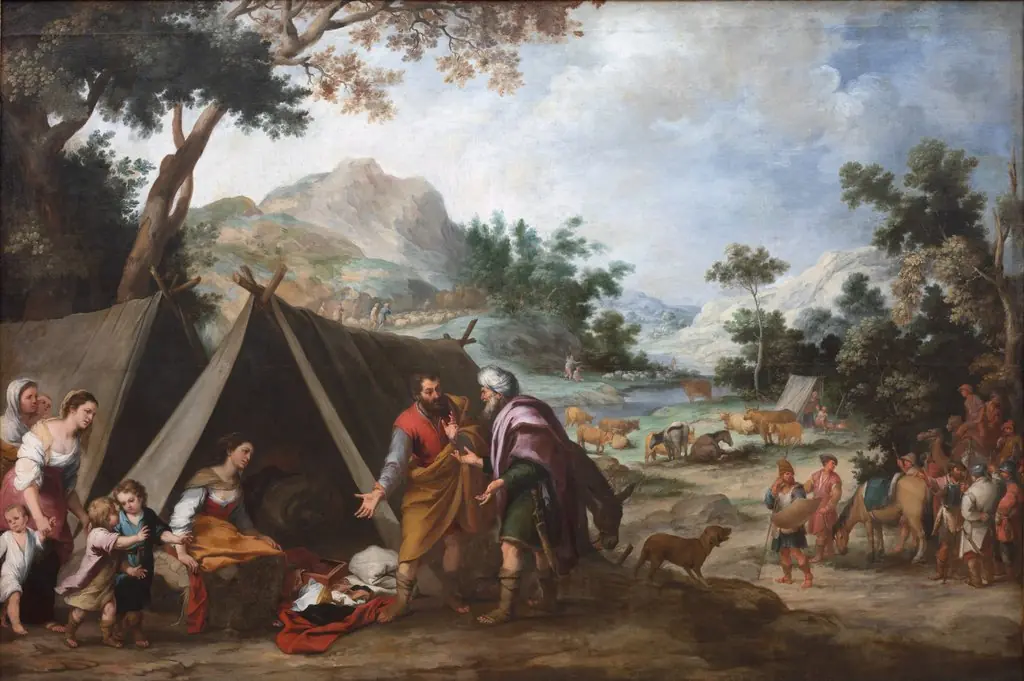
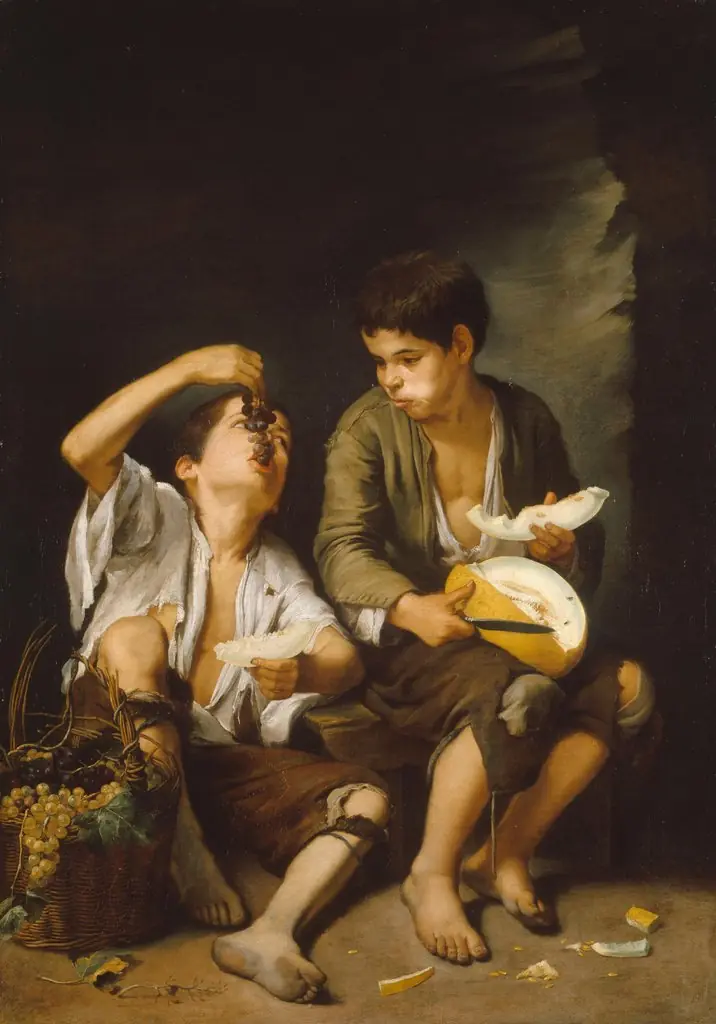
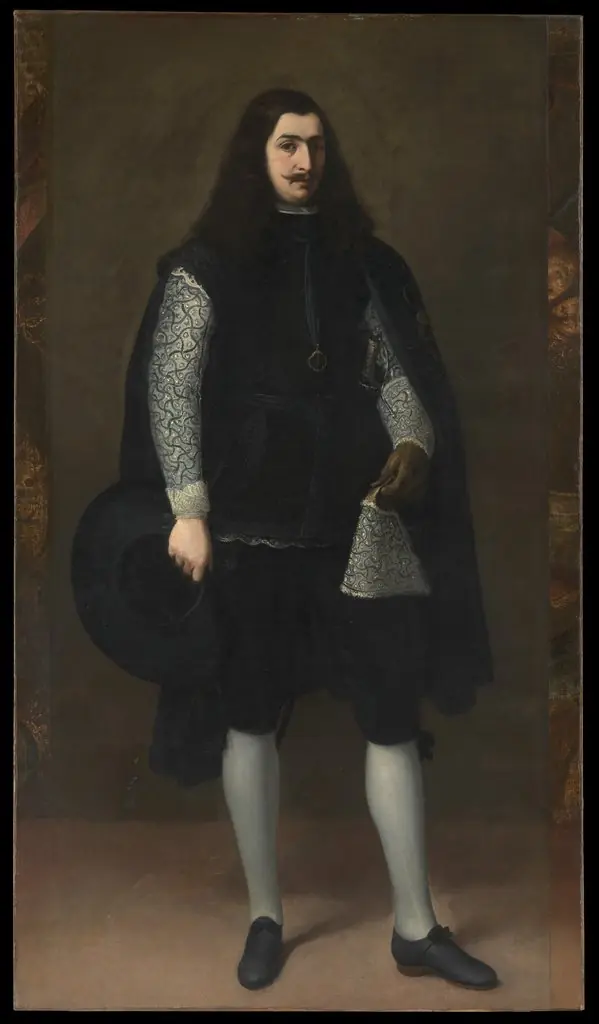
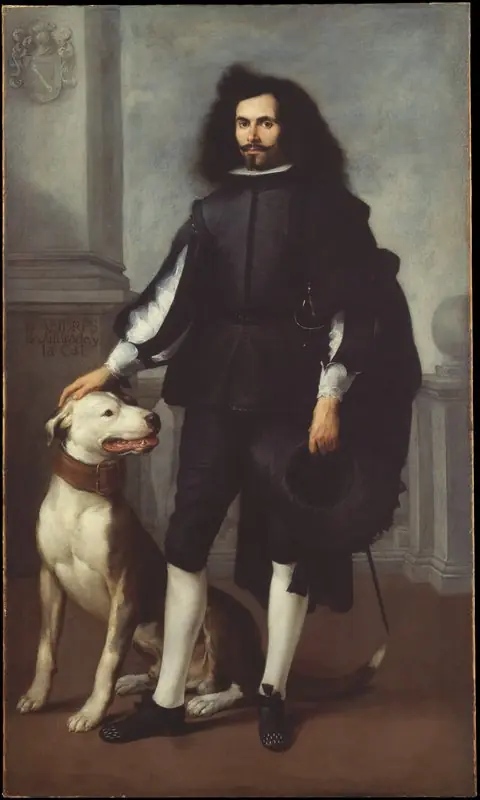
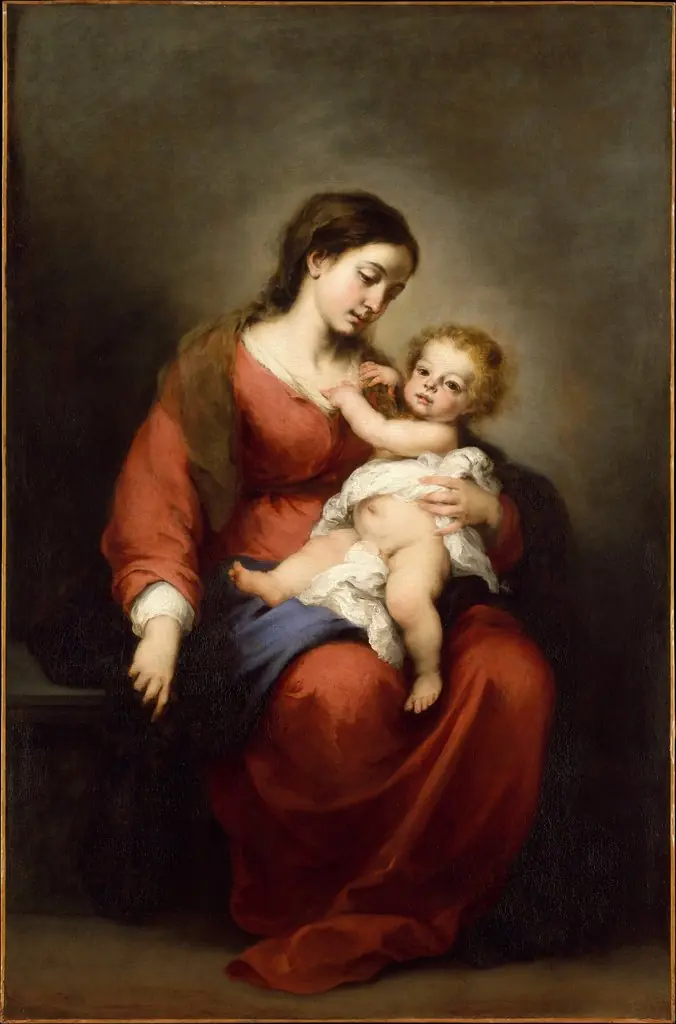
- Adoration of the Shepherds
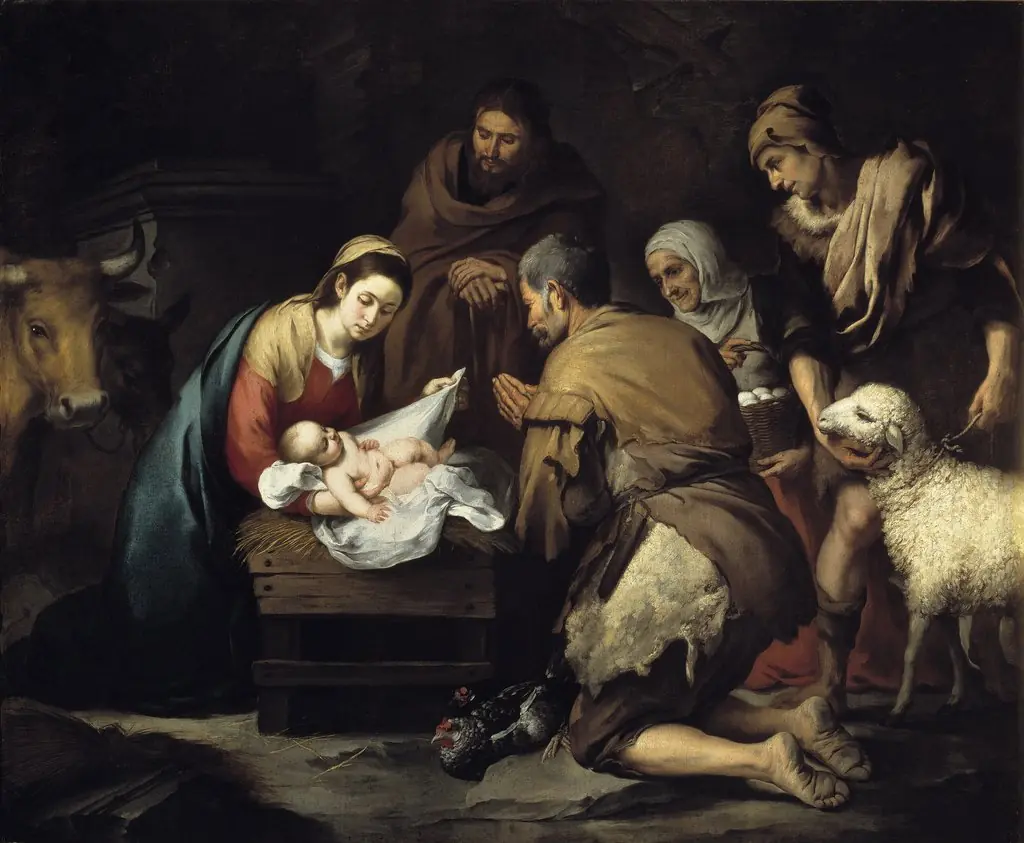 Adoration of the Shepherds
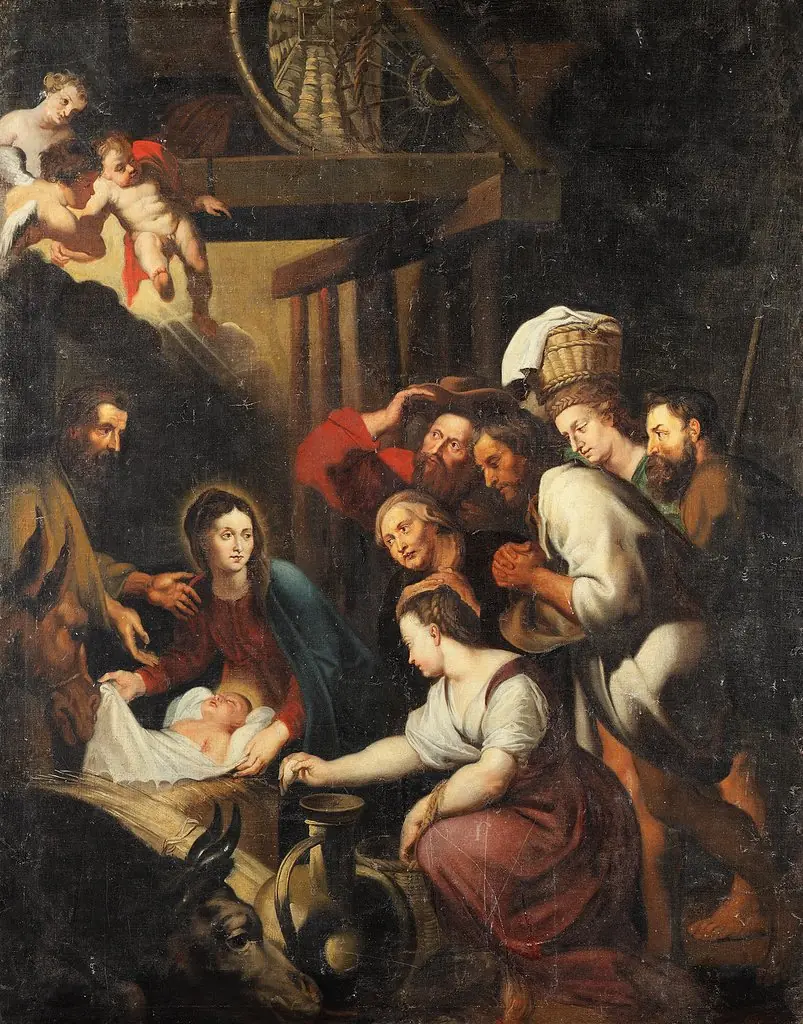 Adoration of the Shepherds
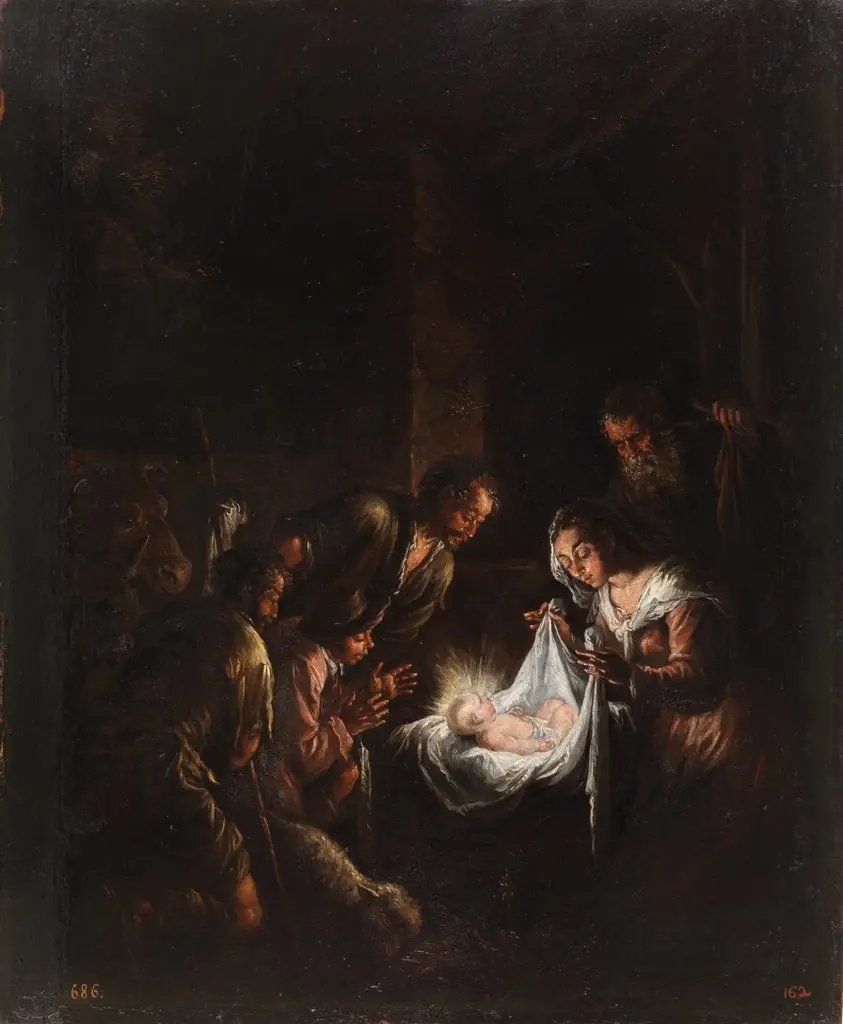 Adoration of the Shepherds
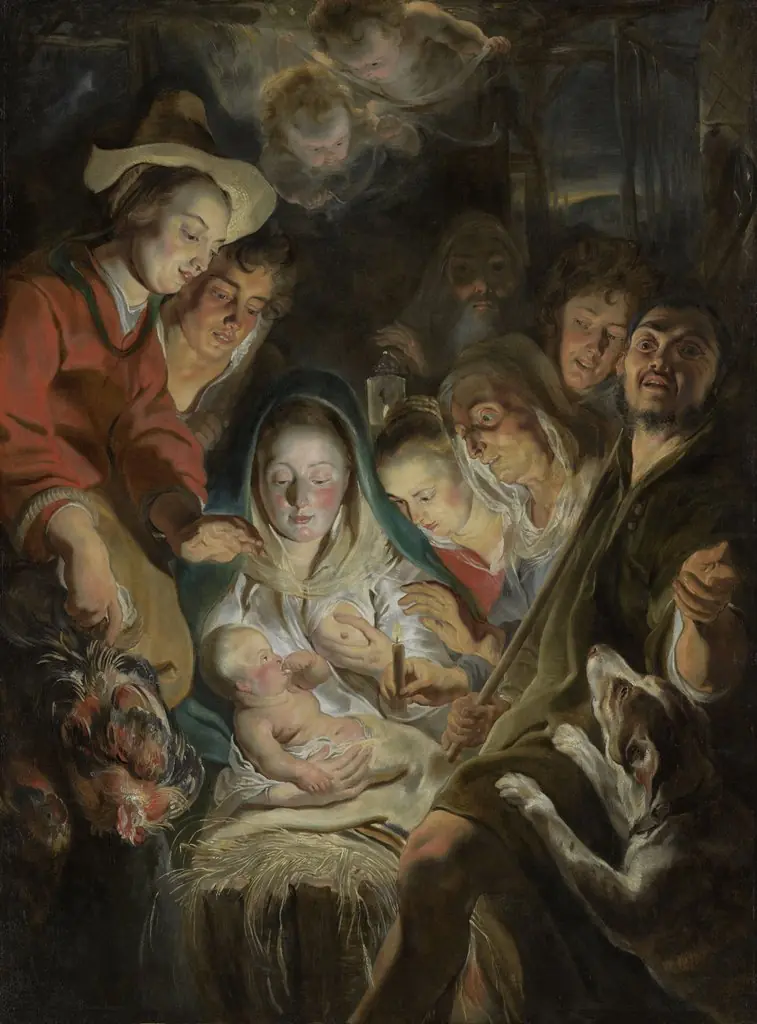 Adoration of the Shepherds
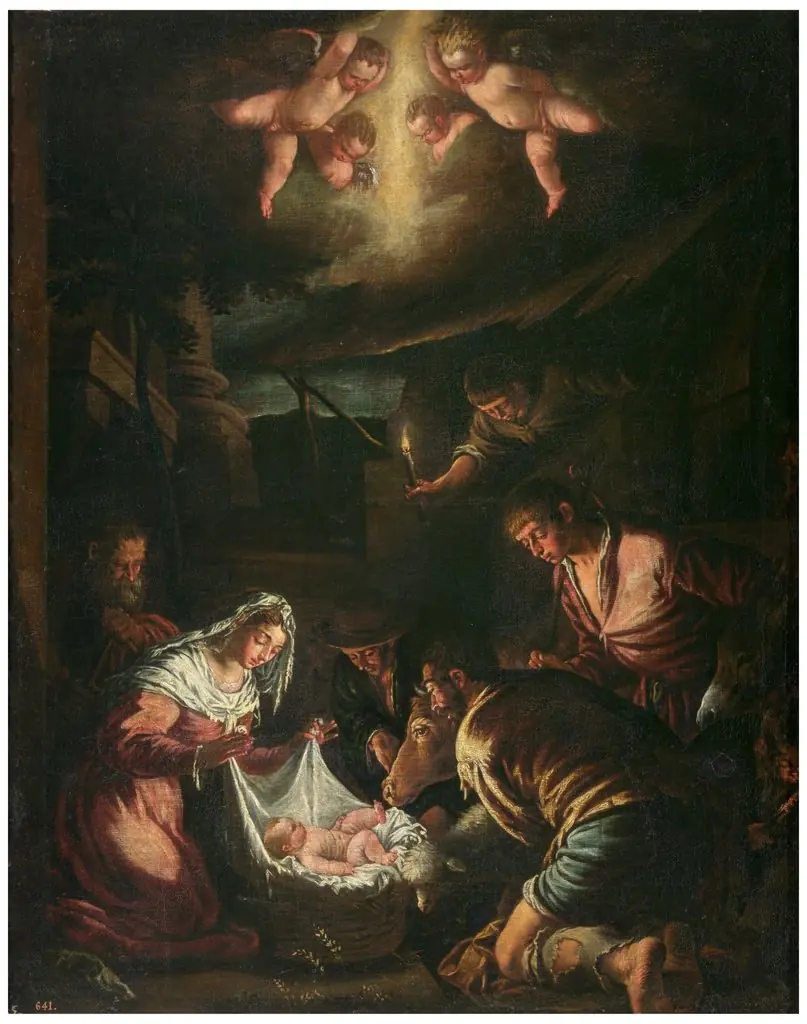 Adoration of the Shepherds
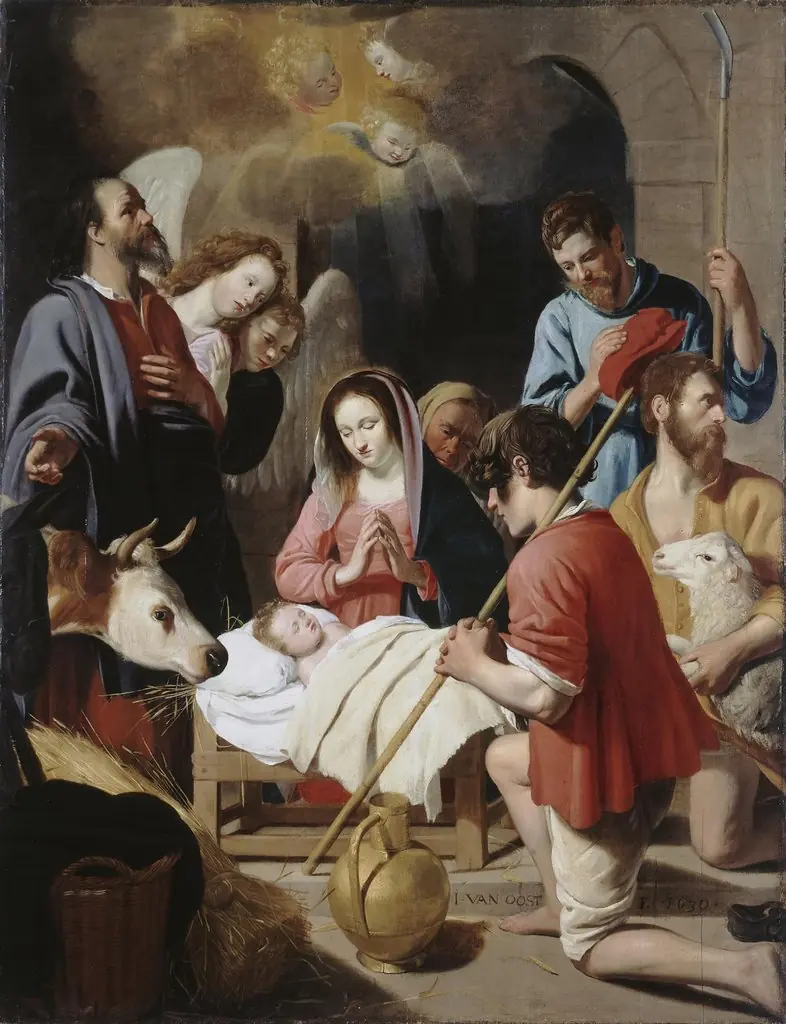 Adoration of the Shepherds
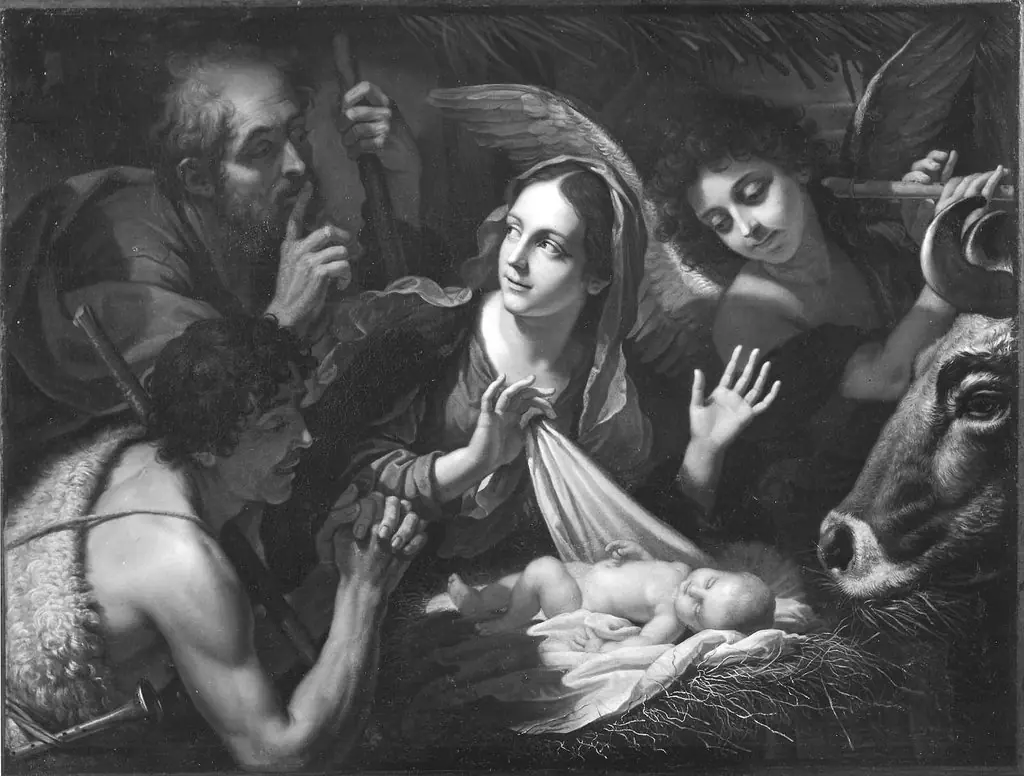 Adoration of the Shepherds
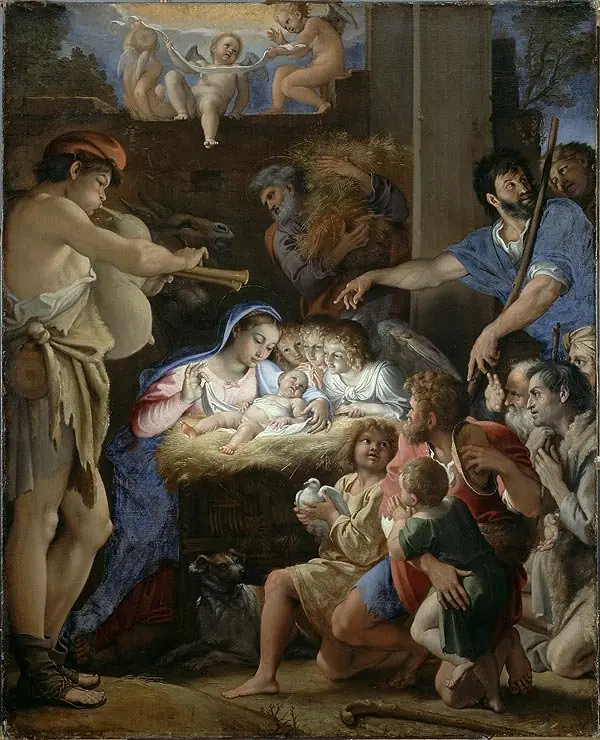 Adoration of the Shepherds
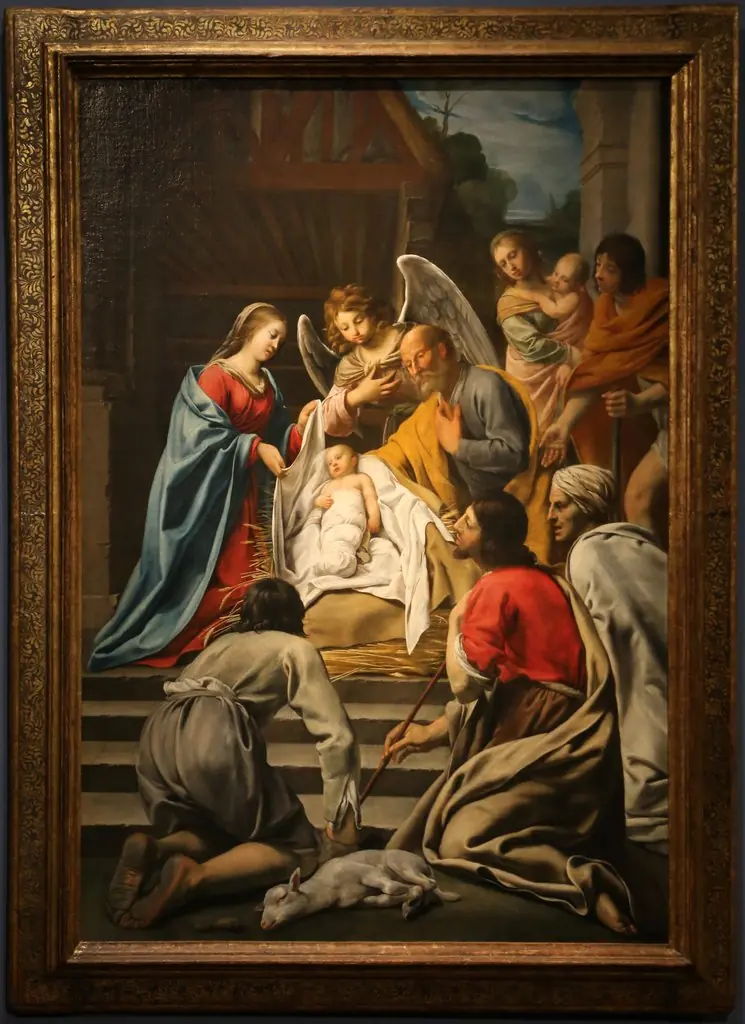 Adoration of the Shepherds
 Profesorul Vasile Filip
 Adoration of the Shepherds (1696)