Artwork
Death of the Inquisitor Pedro de Arbues
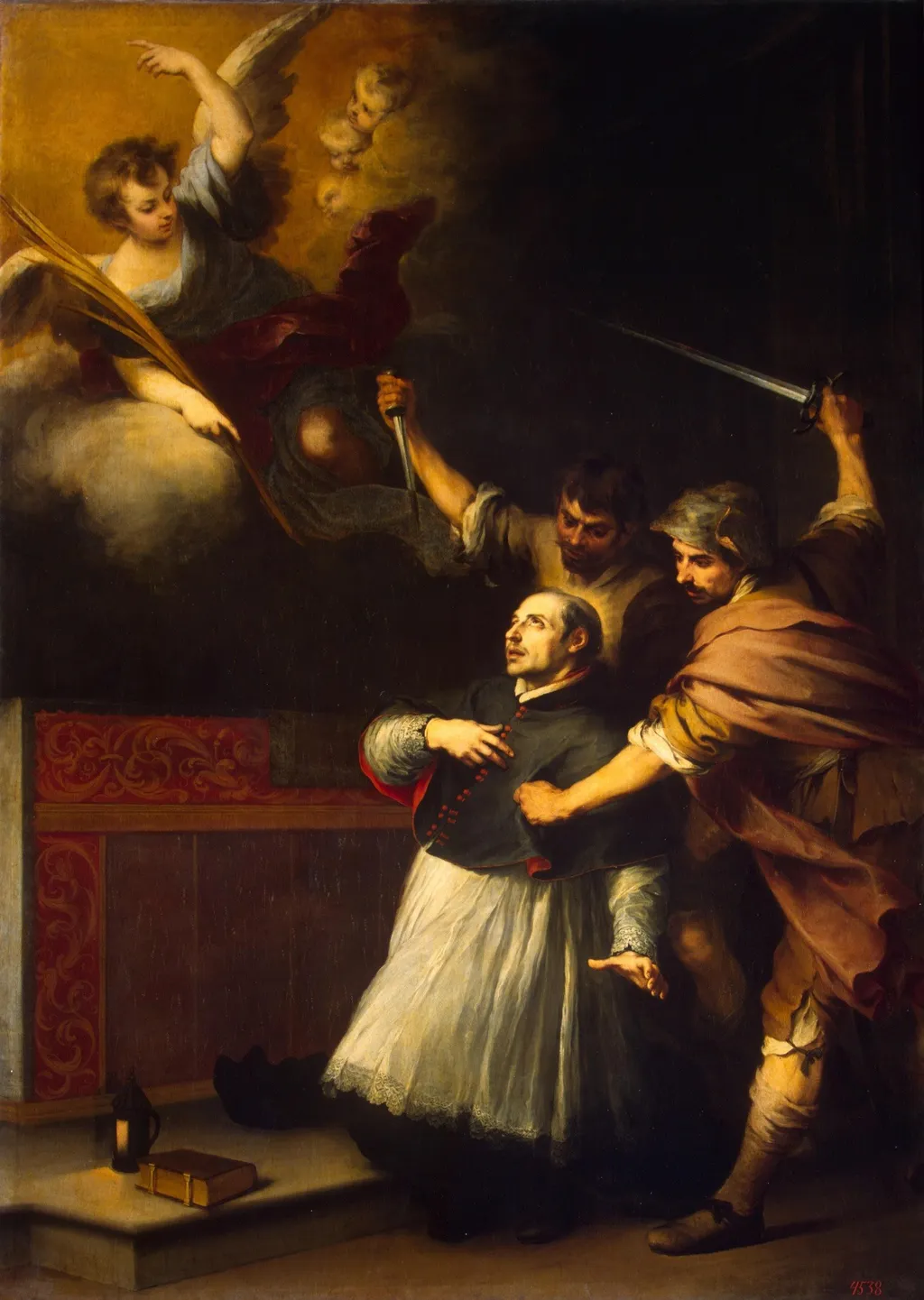
Death of the Inquisitor Pedro de Arbues is an oil painting by the Spanish Baroque Tenebrist artist Bartolomé Esteban Murillo. It dates from 1664 and is held in the collection of the Hermitage Museum.
About this work
Overview
The composition captures the moment of the inquisitor’s murder within a dimly lit interior, emphasizing drama through stark contrasts of light and shadow.
Bartolomé Esteban Murillo’s 1664 oil painting, Death of the Inquisitor Pedro de Arbues, presents a violent episode from the Spanish Inquisition. Executed in the tenebrist vein of the Spanish Baroque, the work is part of the State Hermitage Museum’s collection. The composition captures the moment of the inquisitor’s murder within a dimly lit interior, emphasizing drama through stark contrasts of light and shadow.
Subject & Meaning
The canvas records the assassination of Pedro de Arbués, a high‑ranking inquisitor whose death in 1485 became a symbol of resistance against the Inquisition’s authority. Murillo places the victim in a black robe and white skirt, surrounded by his assailants, while an ethereal angel and a child bearing a cross hover above, suggesting divine witness or moral judgment on the act.
Technique & Style
Murillo employs tenebrism, a chiaroscuro technique that plunges most of the scene into darkness while a focused beam illuminates the central figures. The sharp delineation of faces and the glint of the sword create a tactile immediacy. The limited palette of muted earth tones punctuated by the red‑gold pattern near the floor heightens the tension and guides the viewer’s eye toward the confrontation.
History & Provenance
Created in 1664, the painting remained in Spain before entering the State Hermitage Museum’s holdings, where it is displayed among other Baroque works. Its acquisition reflects the 19th‑century Russian interest in Western European art, particularly in pieces that illustrate dramatic historical narratives.
Context
Murillo, renowned for both devotional images and genre scenes, often blended religious symbolism with contemporary events. By choosing the murder of an inquisitor, a subject fraught with political and theological implications, he aligns the work with the broader Counter‑Reformation agenda, using visual drama to reinforce moral and ecclesiastical messages prevalent in 17th‑century Spain.
Own this work as a print
Artist & collection
Artist
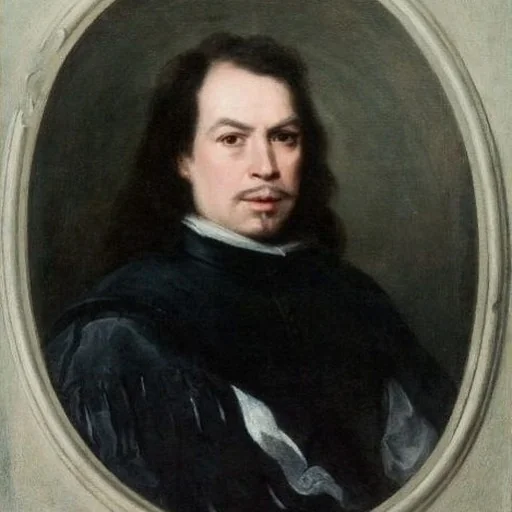
Bartolomé Esteban Murillo ( mure-IL-oh, m(y)uu-REE-oh, Spanish:; late December 1617, baptised 1 January 1618 – 3 April 1682) was a Spanish Baroque painter.

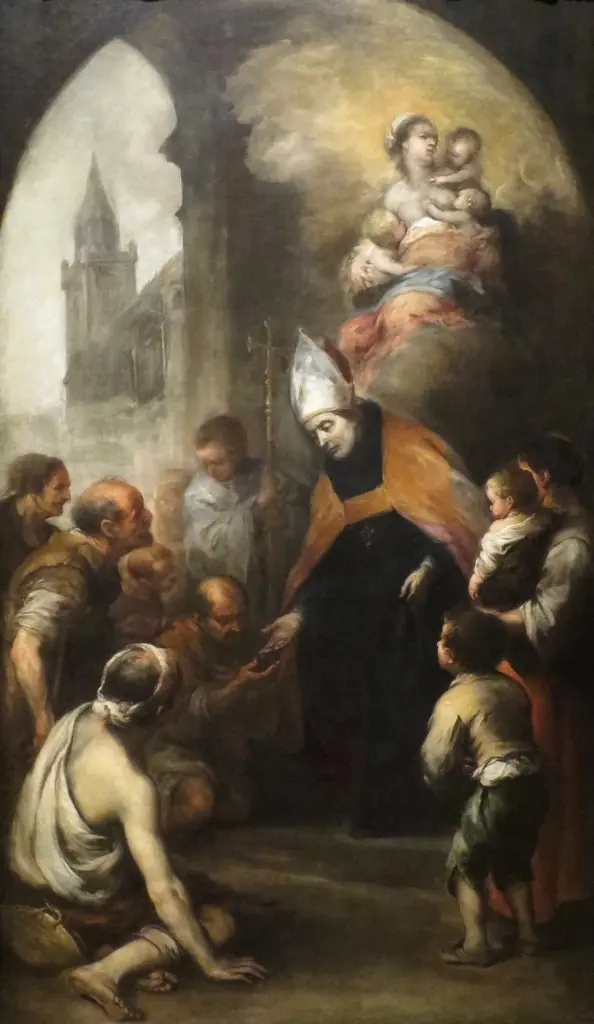
- Saint Thomas of Villanueva Giving Alms to the Poor
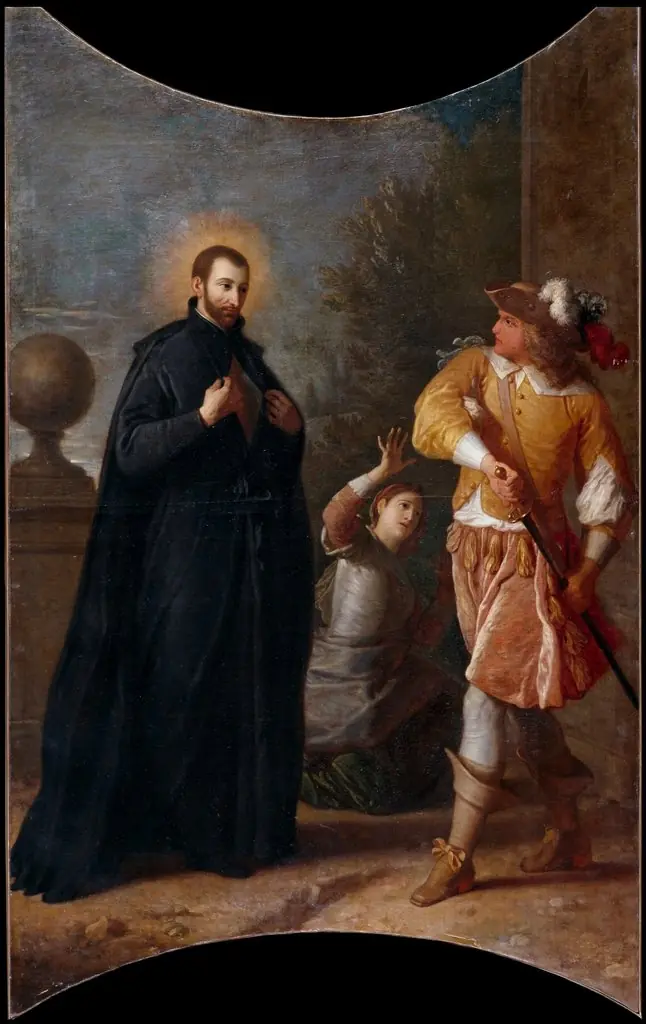 Milagro de san Francisco de Regis
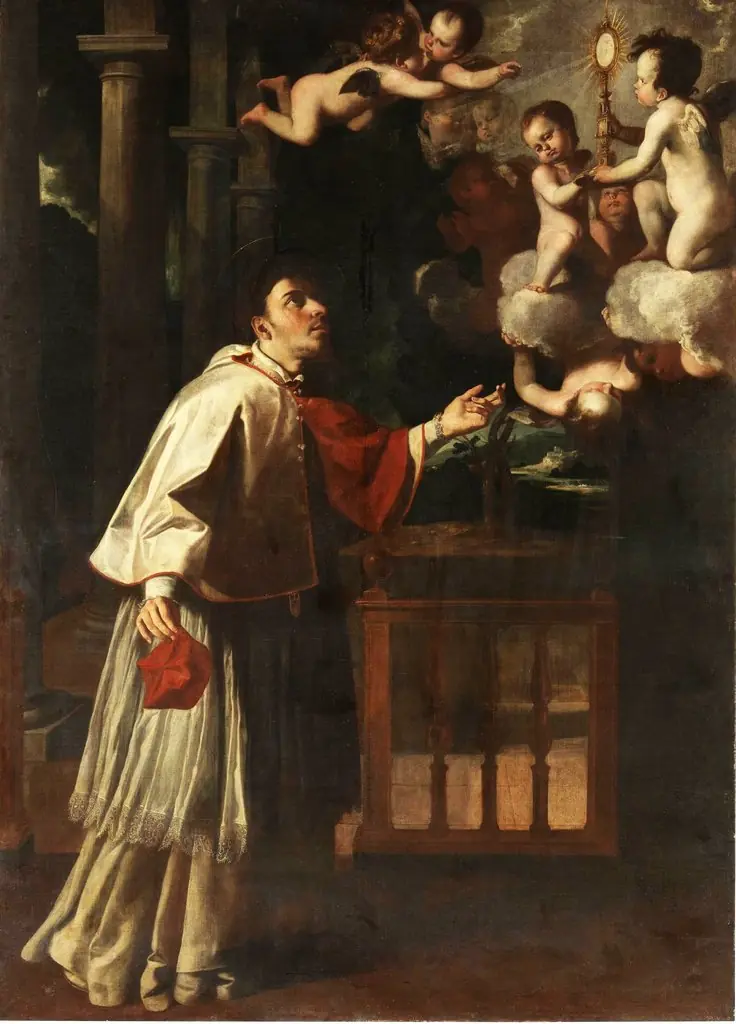 St. Raymond Nonnatus
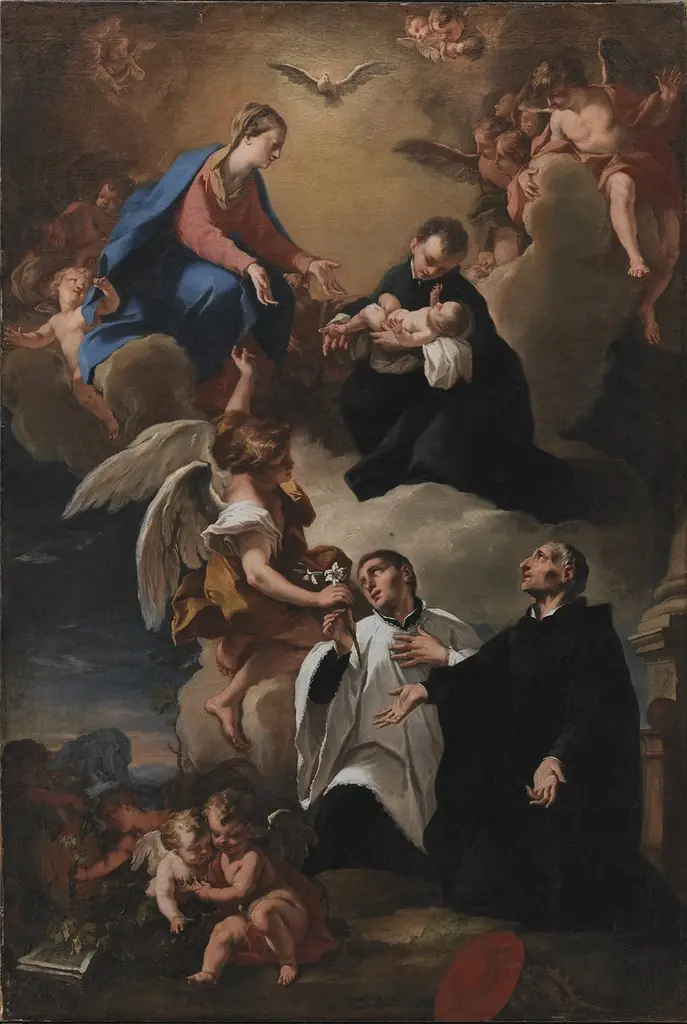 The Holy Ghost, Angels and the Virgin with Saints Mark, Stanislau Kostka (Holding the Child), Aloysius Gonzaga and Francesco Borgia
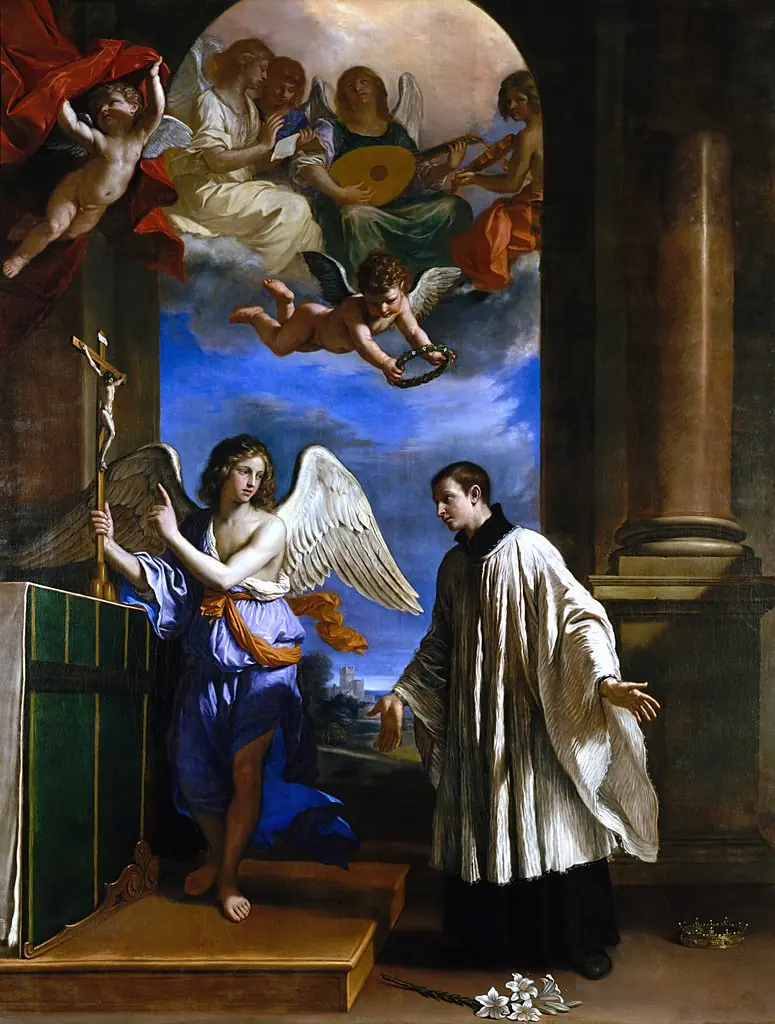 The Vocation of Saint Aloysius (Luigi) Gonzaga
 The Holy Ghost, Angels and the Virgin with Saints Mark, Stanislau Kostka (Holding the Child), Aloysius Gonzaga and Francesco Borgia
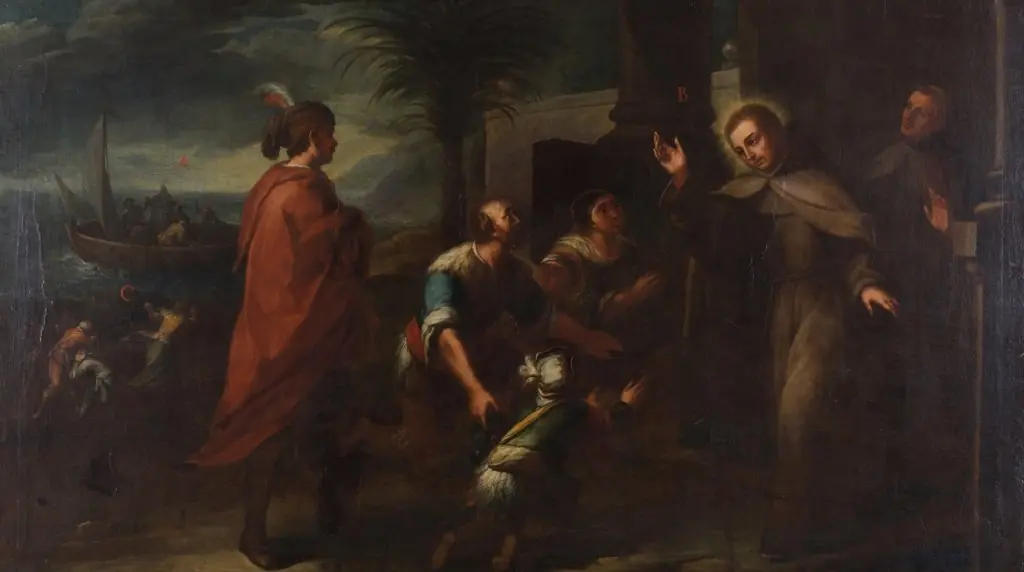 San Diego de Alcalá en las islas Canarias
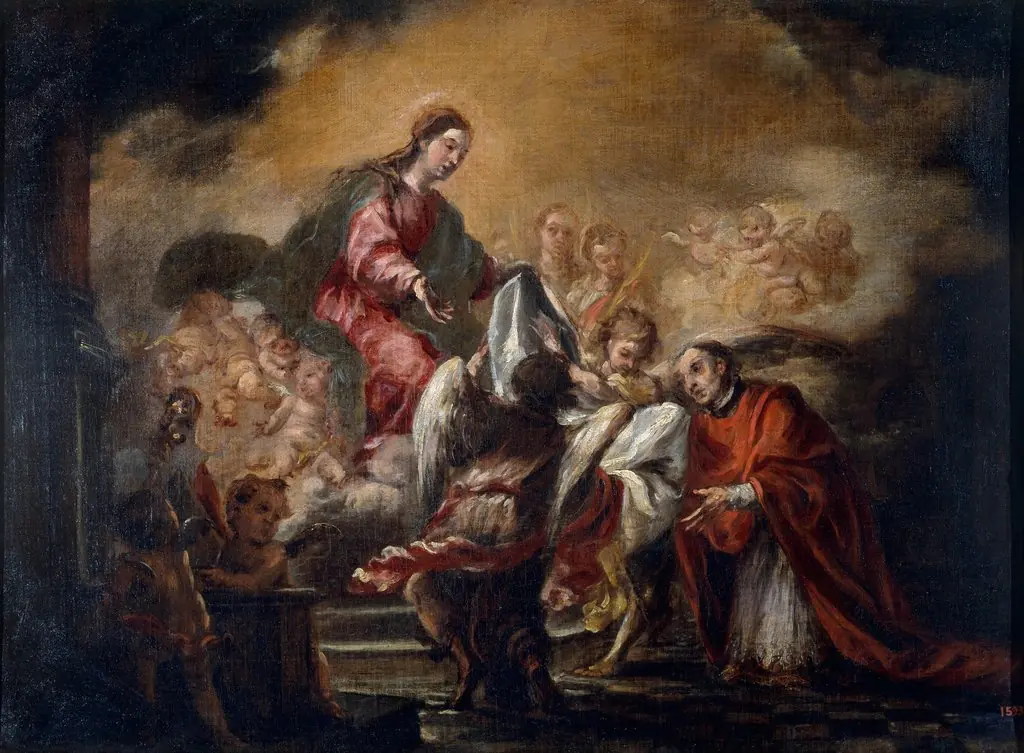 Imposition of the Chasuble on Saint Ildephonsus
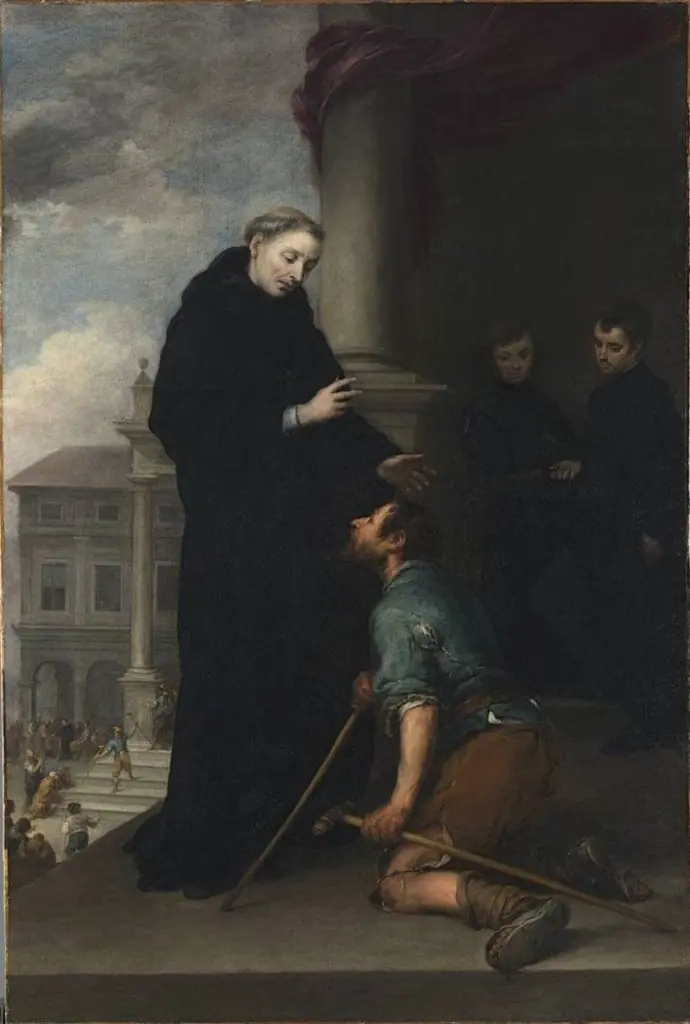 Thomas of Villanova heals the sick
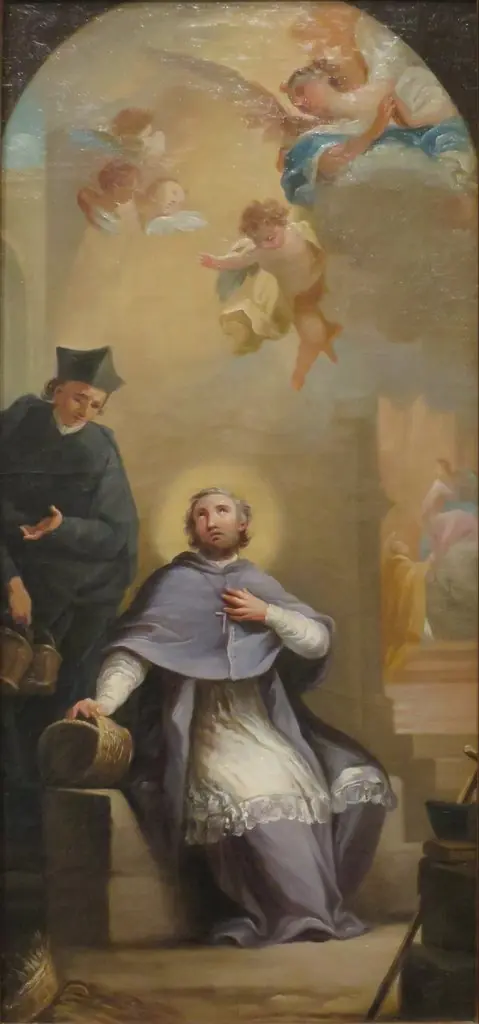 Study for an Altarpiece
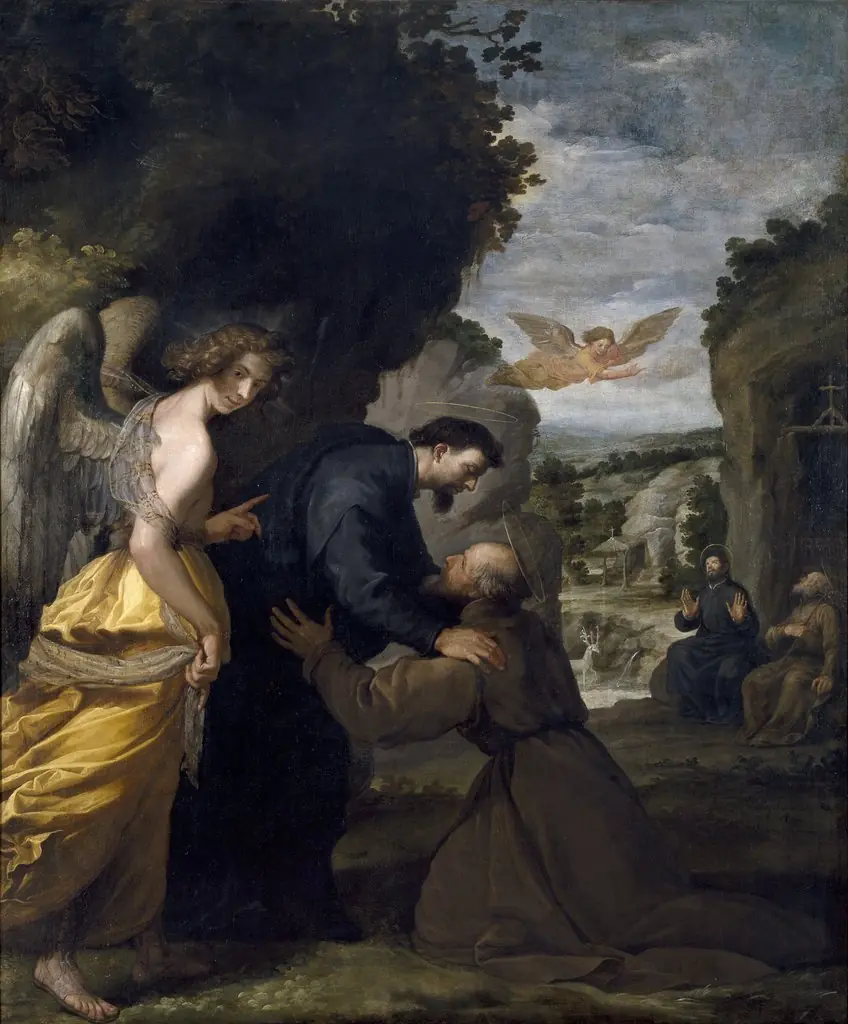 Encuentro de San Juan de Mata y San Félix de Valois
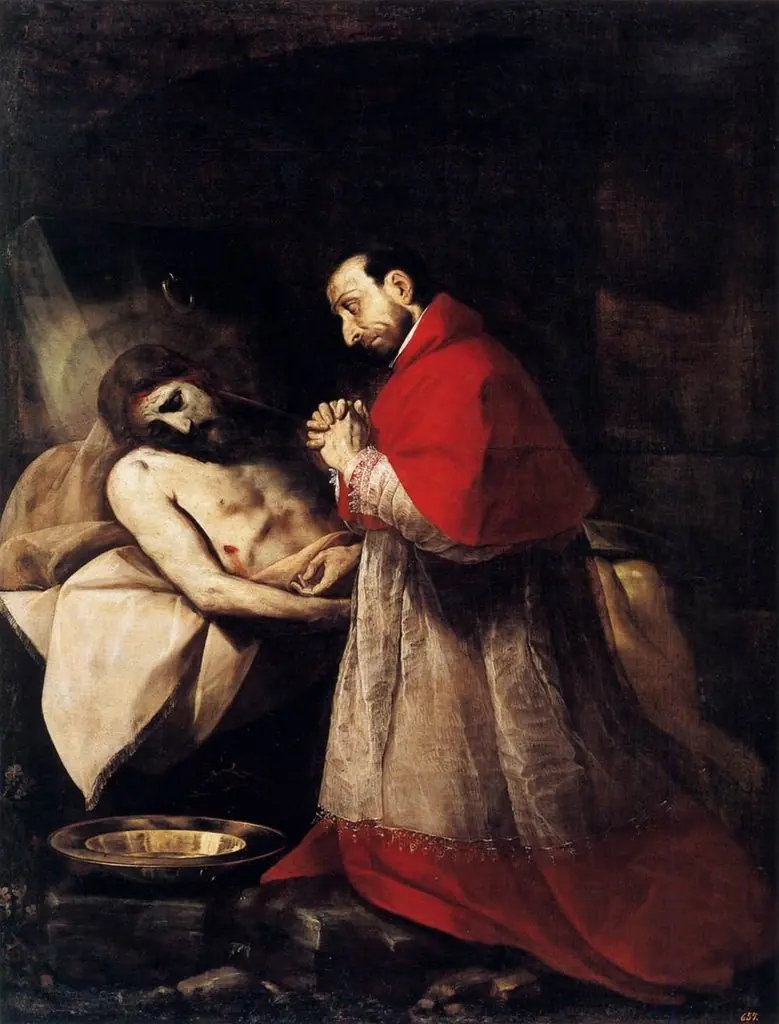 St Carlo Borromeo Adoring Christ