Artwork
Girl Knitting
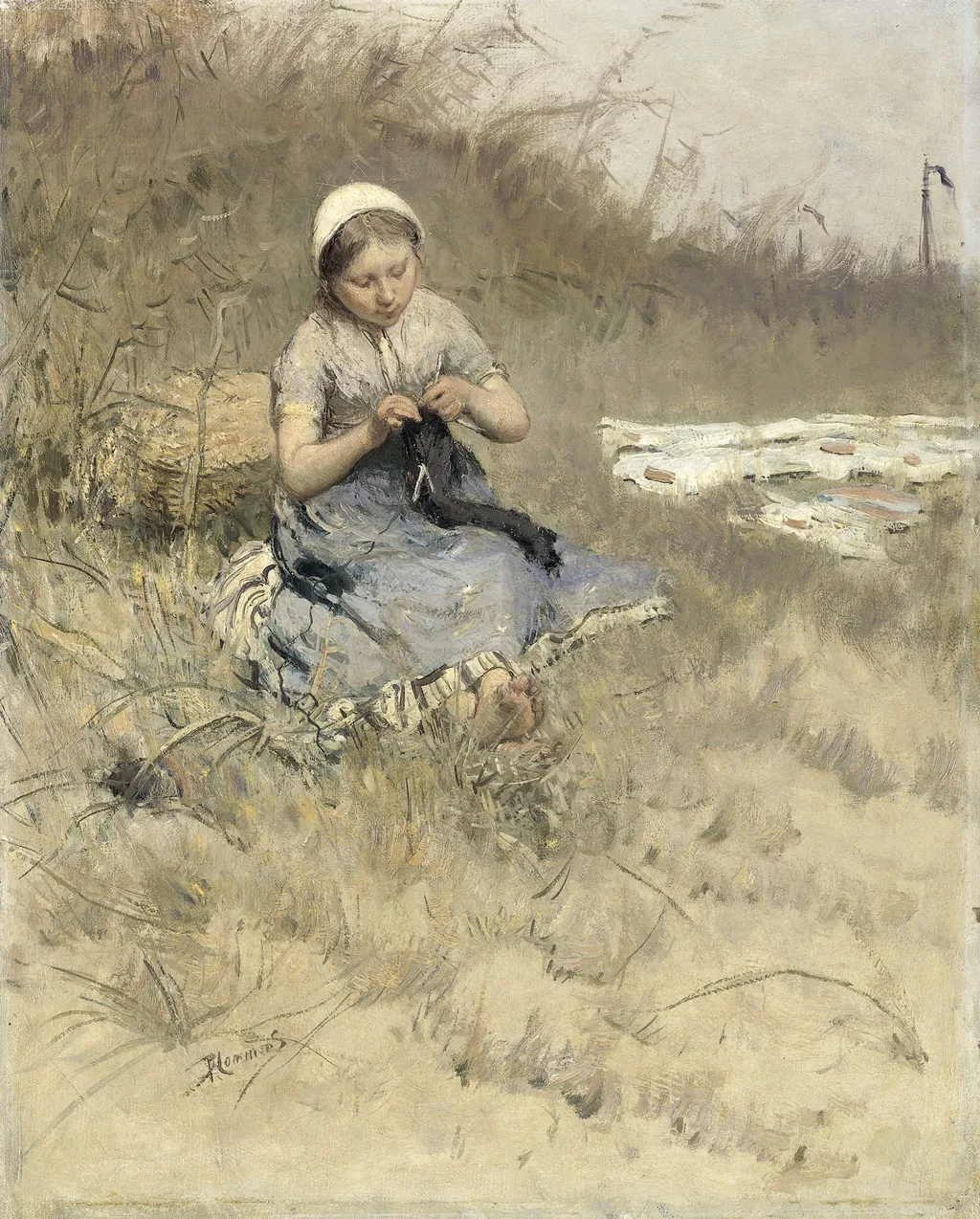
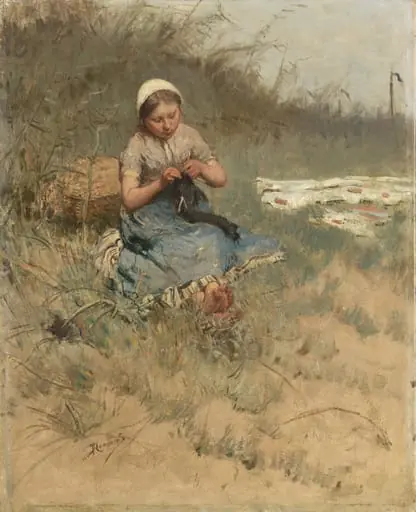
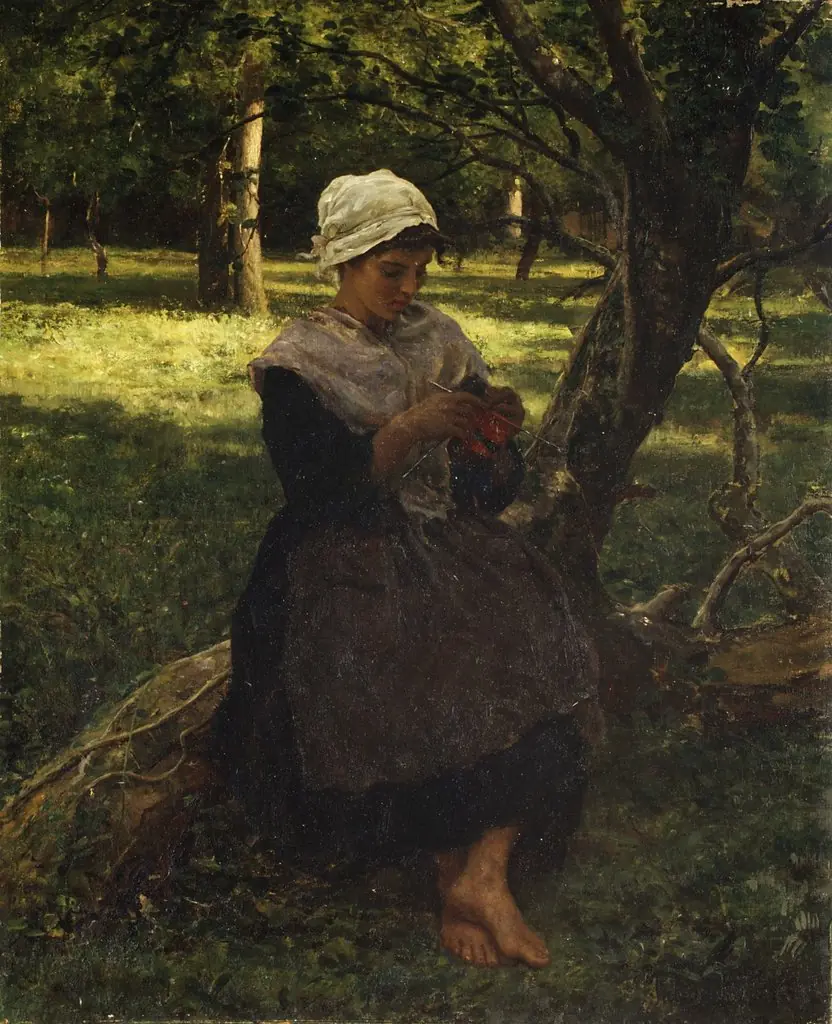
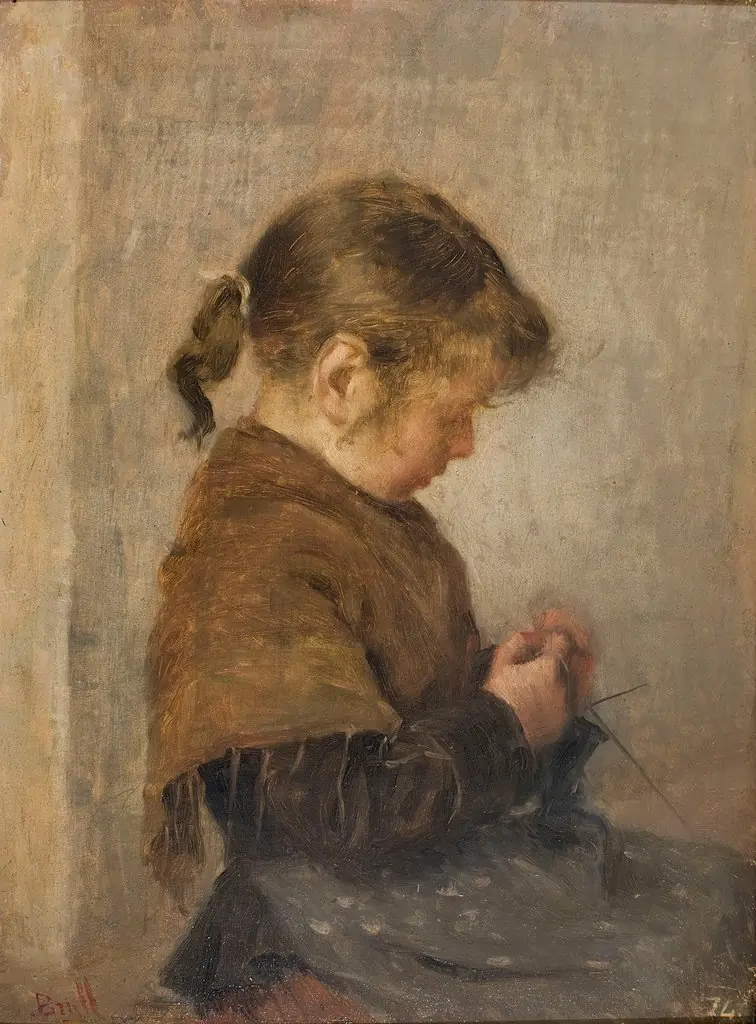
Girl Knitting is an oil painting by the Impressionist artist Bernard Blommers. It dates from 1893 and is held in the collection of the Rijksmuseum.
About this work
History & Provenance
The work was created in 1885 by Bernard Blommers. It is recorded as Girl Knitting in the artist’s oeuvre and is dated to that year in both institutional documentation and catalogue entries. The painting entered the collection of the Rijksmuseum, Amsterdam, where it remains held today. No documented commission or earlier ownership chain is recorded in available sources.
Legacy
Its inclusion in the museum's holdings underscores its significance in the study of Dutch artistic traditions and domestic life in the late 19th century.
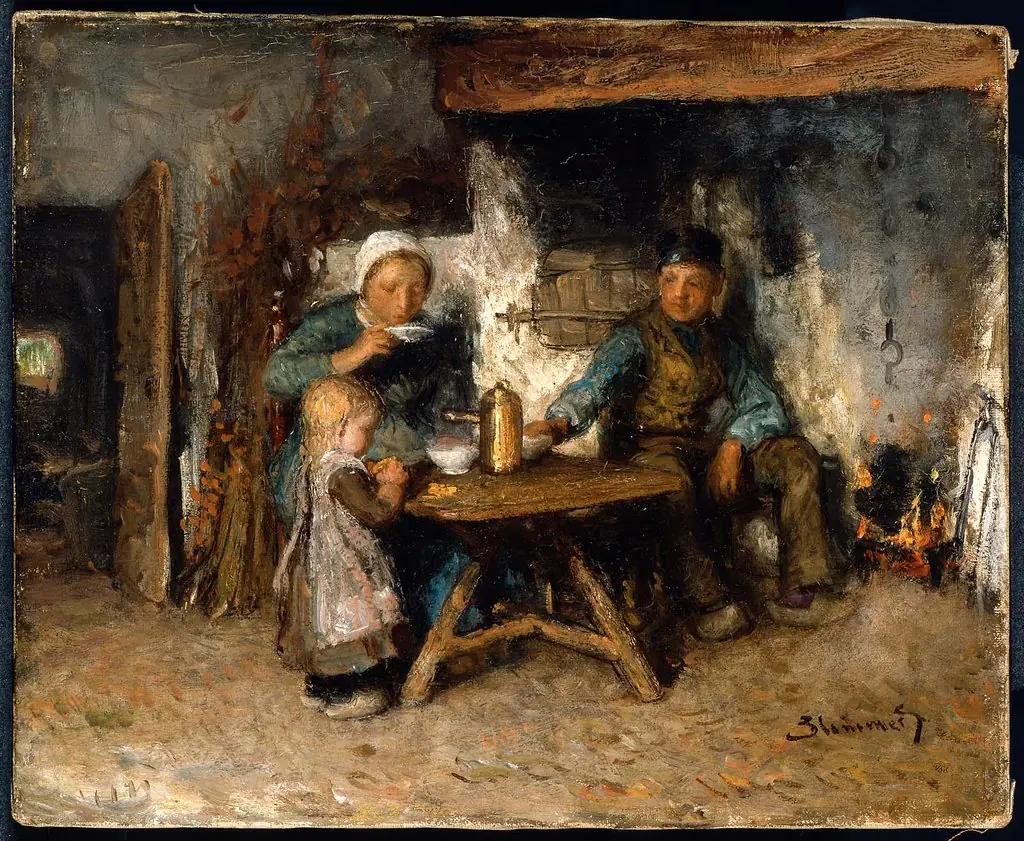
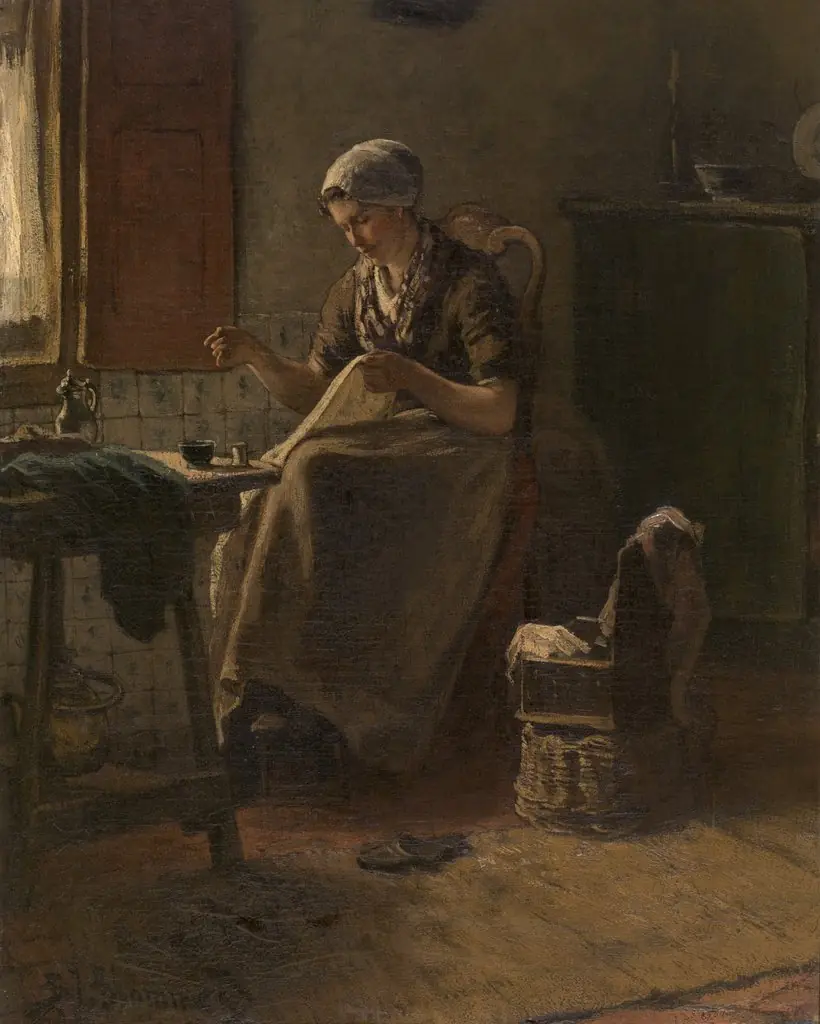
Later assessments of Girl Knitting highlight its role within Bernard Blommers' oeuvre as a representative example of 19th-century Dutch genre painting, particularly noted for its domestic interior scene and subtle handling of light. The work is part of the Rijksmuseum collection in Amsterdam, where it is recognized as a landscape painting created in oil on canvas in 1885, measuring 51 by 40.5 centimeters. Its inclusion in the museum's holdings underscores its significance in the study of Dutch artistic traditions and domestic life in the late 19th century. The painting's provenance and physical characteristics are documented in authoritative art historical records and museum catalogues.
Overview
Bernard Blommers’ 1893 oil painting Girl Knitting shows a young woman seated outdoors, absorbed in her work. The composition places her in a modest landscape of tall grass and a low fence, rendered with brisk, textured brushstrokes that give the scene a tactile immediacy. The work belongs to the Rijksmuseum’s permanent collection in Amsterdam.
Subject & Meaning
The central figure, a girl wearing a white cap and a loose dress, is captured in a moment of domestic activity, knitting. Her focused posture and the careful movement of her hands convey a quiet concentration, emphasizing the value of everyday labor and the serenity found in simple, routine tasks.
Technique & Style
Blommers applies paint in thick, impasto strokes, especially in the grassy foreground, creating a near‑tactile surface that suggests movement and wind. The overall handling of light and color reflects an Impressionist interest in fleeting atmosphere, while the loose handling marks a later shift from his earlier, more detailed genre work.
Context
Blommers, a member of the Hague School, was known for scenes of fishermen and coastal life. By the 1890s he began to explore broader domestic subjects, integrating the softer, light‑focused approach of Impressionism while retaining a distinctly Dutch sensibility rooted in everyday rural settings.
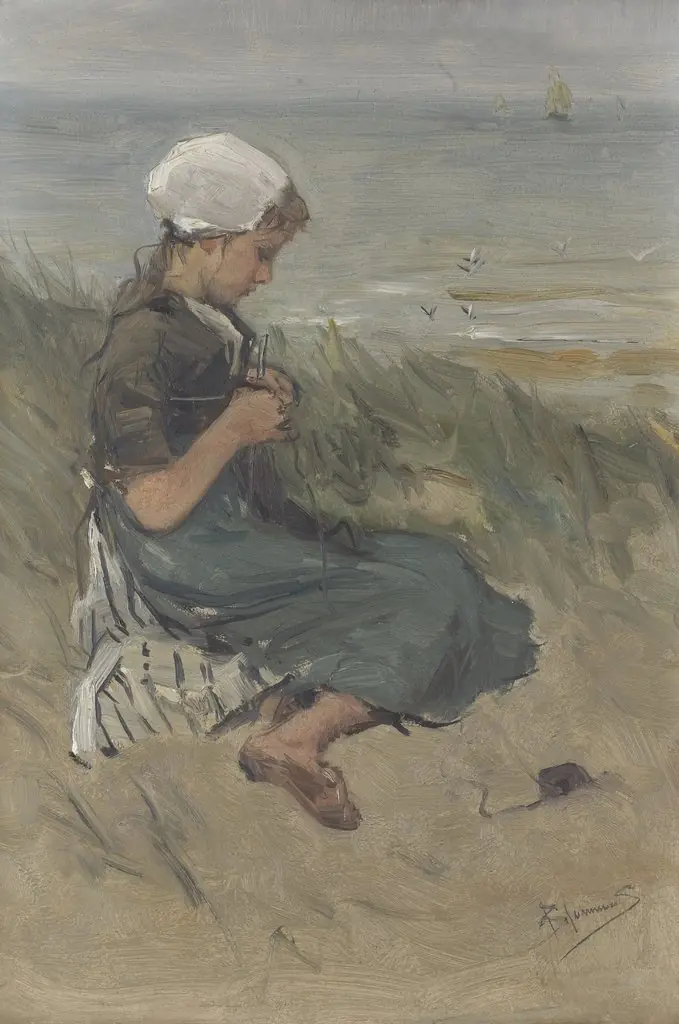
Own this work as a print
Artist & collection
Artist
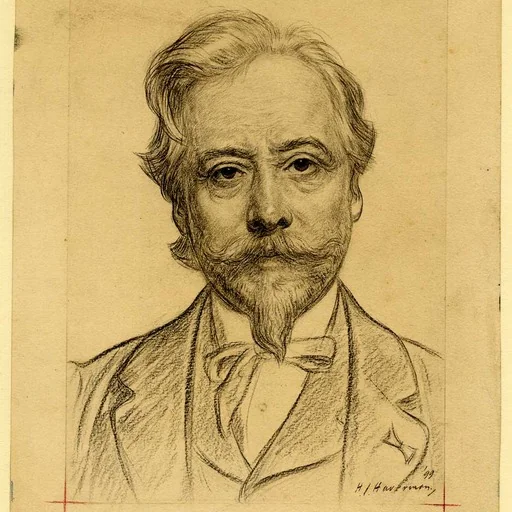
Bernardus Johannes (Bernard) Blommers (30 January 1845 in The Hague – 12 December 1914 in The Hague) was a Dutch etcher and painter of the Hague School.