Artwork
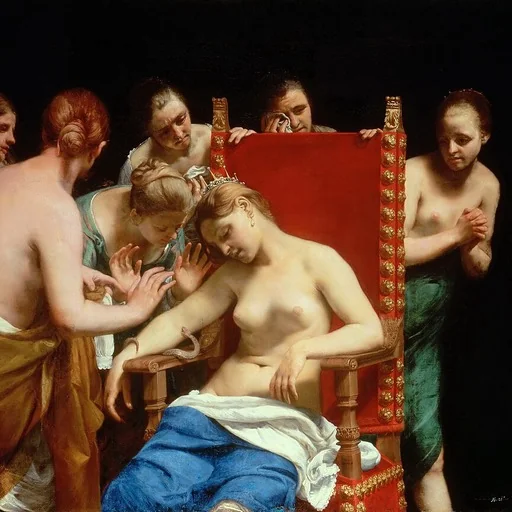
Moartea Cleopatrei
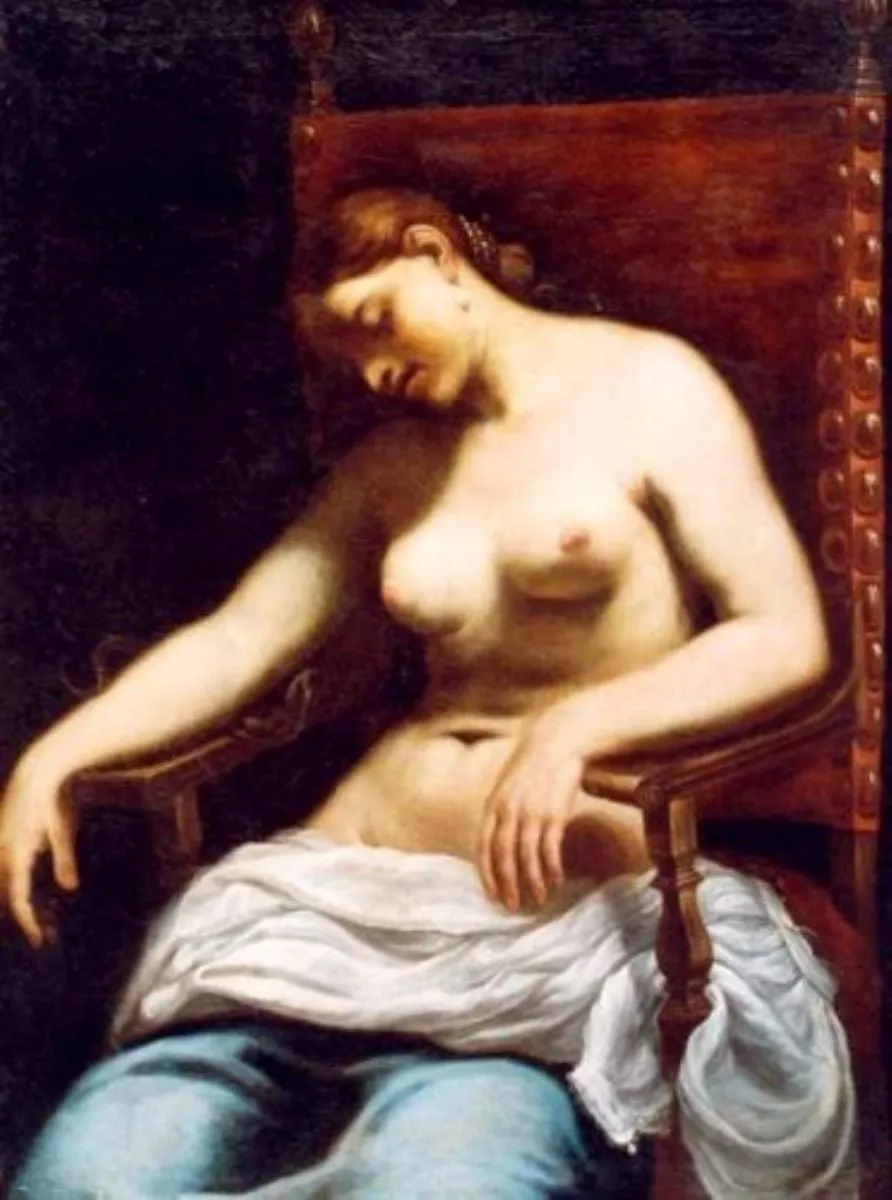
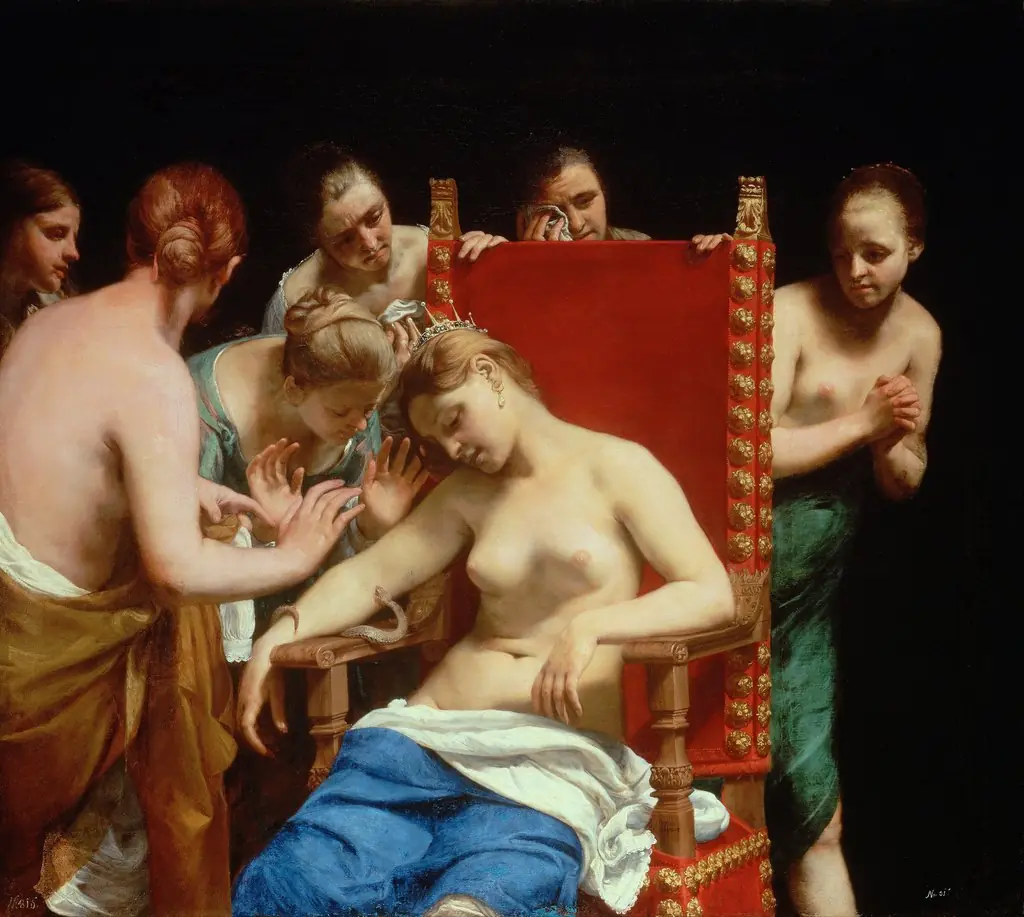
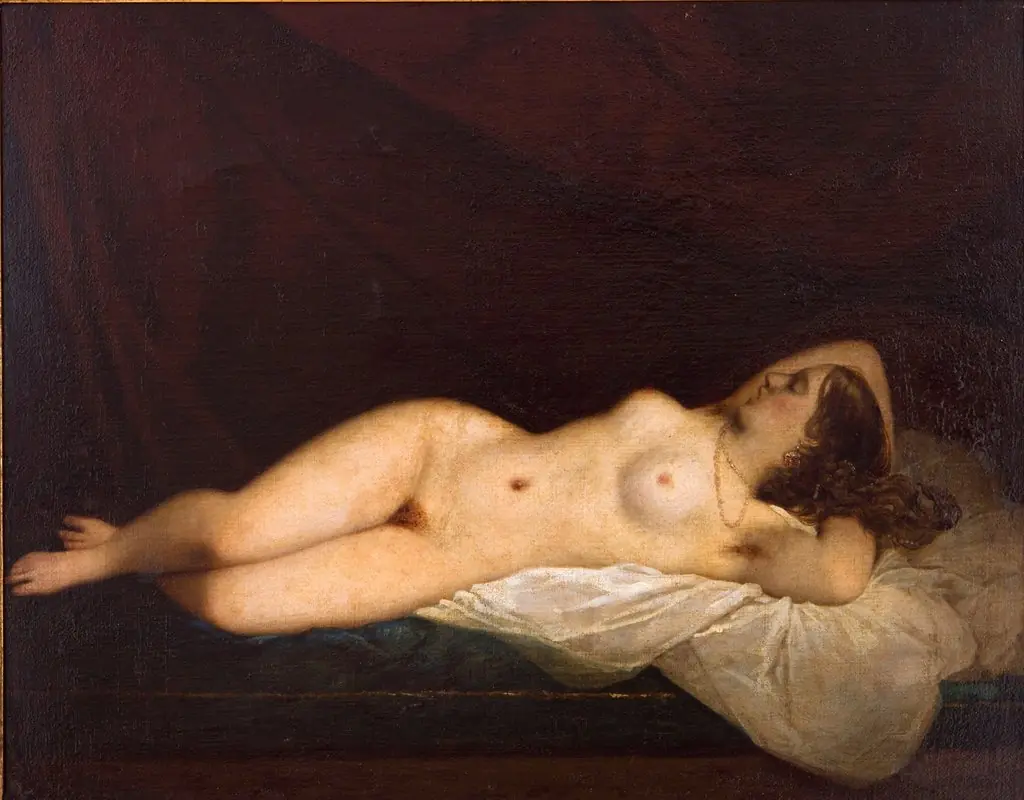
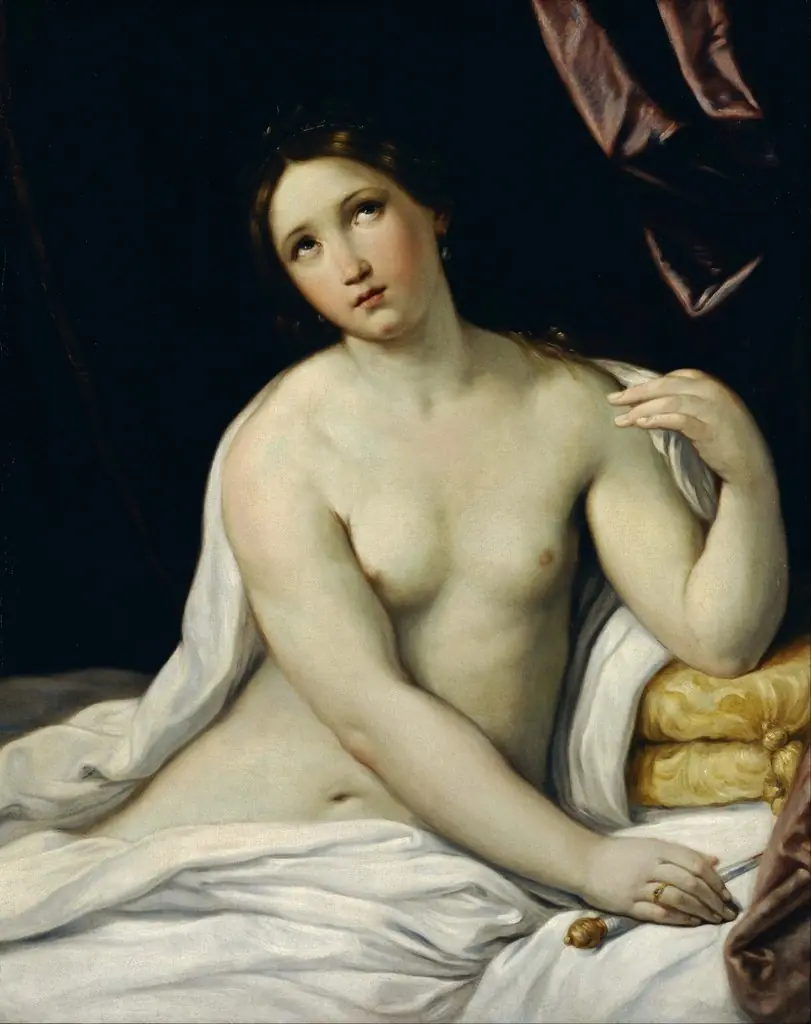
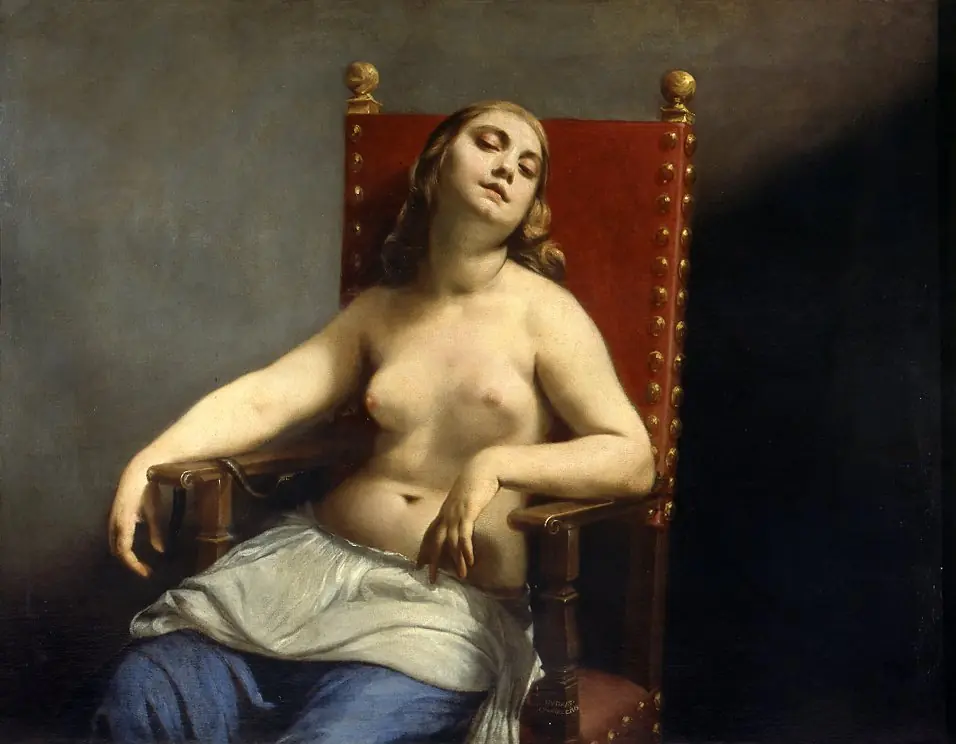
Moartea Cleopatrei is an unspecified painting by Guido Cagnacci. It dates from 1650 and is held in the collection of the Brukenthal National Museum.
About this work
Overview
Cagnacci, associated with the Bolognese tradition, favored emotionally charged scenes illuminated by strong contrasts of light and shadow.
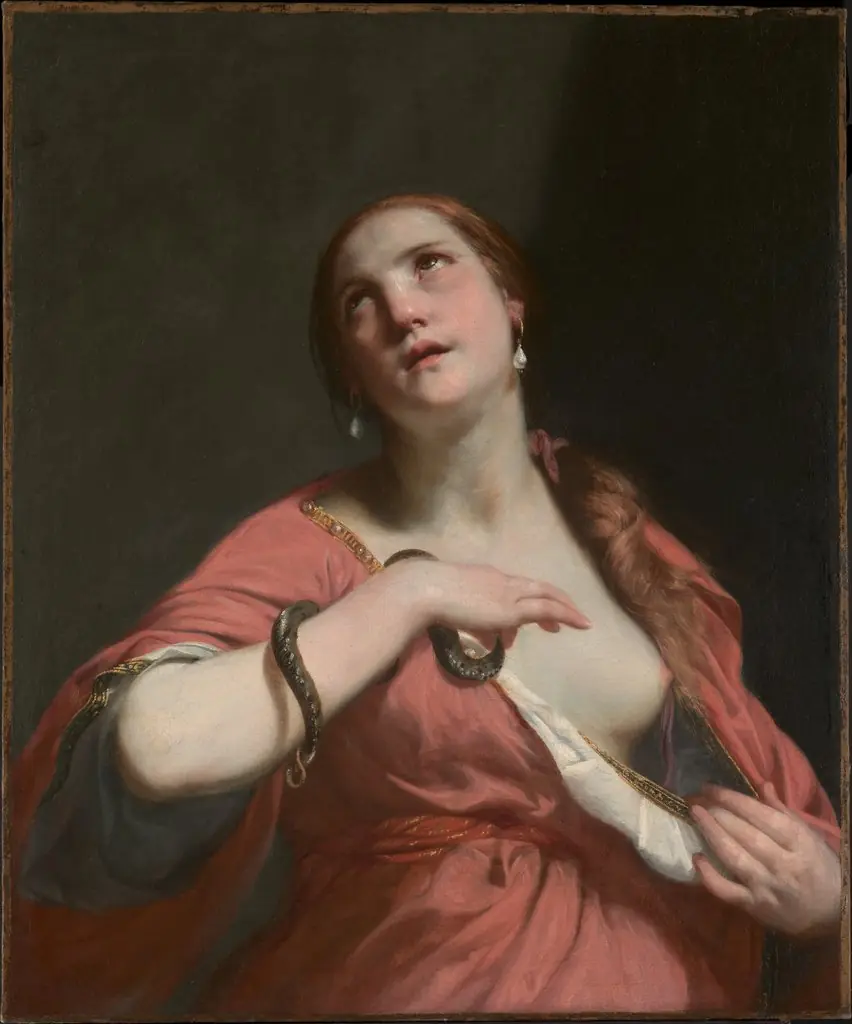
Painted circa 1650 by Guido Cagnacci, an Italian artist from Santarcangelo di Romagna, this work portrays the death of Cleopatra. Cagnacci, associated with the Bolognese tradition, favored emotionally charged scenes illuminated by strong contrasts of light and shadow. The composition centers on the Egyptian queen in a moment of quiet resignation, rendered with a focus on physical presence and atmospheric depth rather than narrative drama.
Subject & Meaning
The painting captures Cleopatra at the moment of her passing, not in agony but in stillness. Her reclining posture and downcast gaze suggest contemplation rather than struggle. The absence of snakes or overt symbols of suicide shifts emphasis to her humanity and inner state.
This interpretation reflects a Baroque interest in psychological nuance, transforming a mythic death into an intimate, solitary experience.
Technique & Style
Cagnacci employs chiaroscuro to model the queen’s form with sculptural precision, using warm light to highlight her skin against a deep, receding shadow. The pale drape across her lap contrasts subtly with the glow of her body, enhancing volume without overt realism. Brushwork remains smooth, avoiding texture to preserve the ethereal quality of the figure, a hallmark of his mature style influenced by Caravaggio’s lighting but softened by Bolognese refinement.
History & Provenance
The painting’s early ownership is undocumented, but it likely entered private collections in Italy during the mid-17th century. It remained relatively obscure until the 19th century, when interest in Baroque genre scenes revived. Its current location and acquisition history are not widely published, suggesting it has been held in private or institutional hands with limited public exposure.
Context
In mid-17th-century Italy, depictions of Cleopatra were popular among patrons drawn to exotic narratives and moral allegories. Cagnacci’s version diverges from theatrical portrayals common in Rome or Venice, favoring introspection over spectacle. His focus on sensuality and emotional stillness aligns with broader trends in northern Italian painting that prioritized psychological depth over historical accuracy.
Legacy
Though not widely reproduced or studied in mainstream art history, the painting exemplifies Cagnacci’s distinctive synthesis of Caravaggesque lighting and Bolognese elegance. It stands as a quiet counterpoint to more dramatic interpretations of Cleopatra’s death, offering a restrained, humanized vision that influenced later 18th-century approaches to mythological portraiture in private collections.
Artist & collection
Artist
Guido Cagnacci (Italian:; 13 January 1601 – 1663) was an Italian Baroque painter originally from Santarcangelo di Romagna.