Artwork
The Aranjuez Immaculate Conception
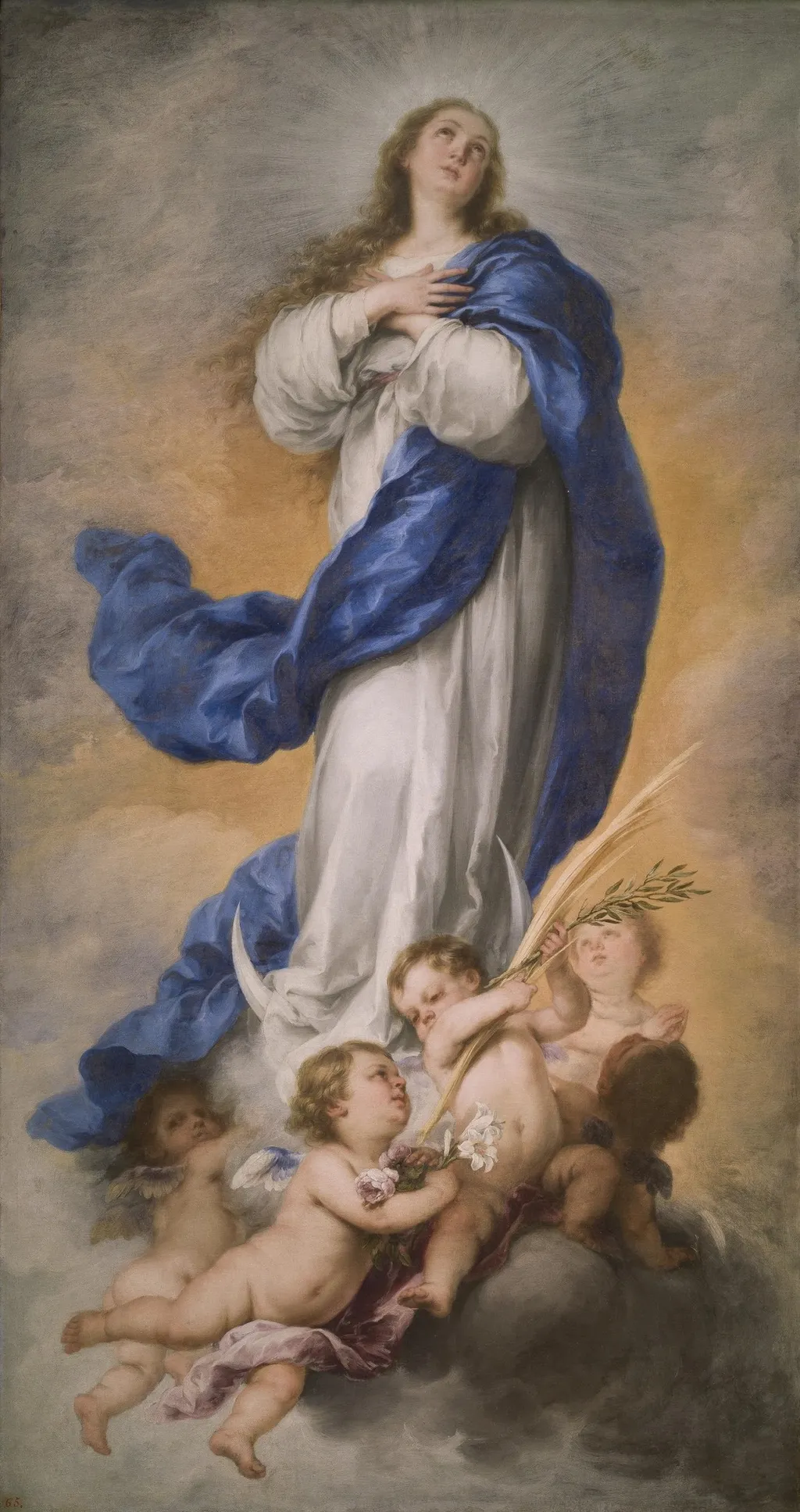
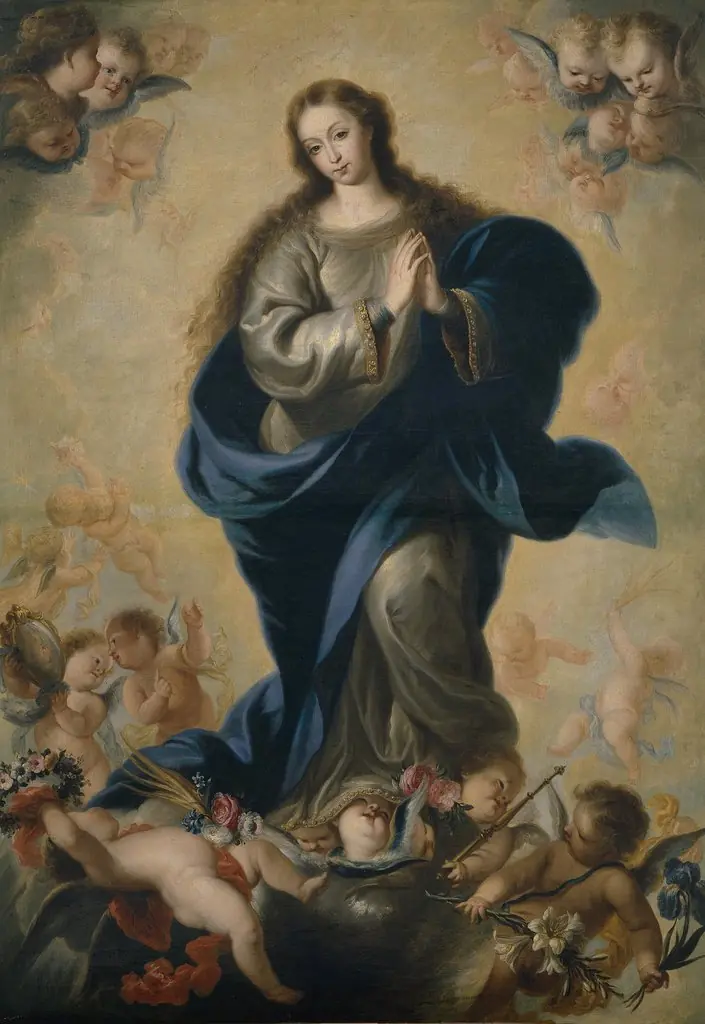
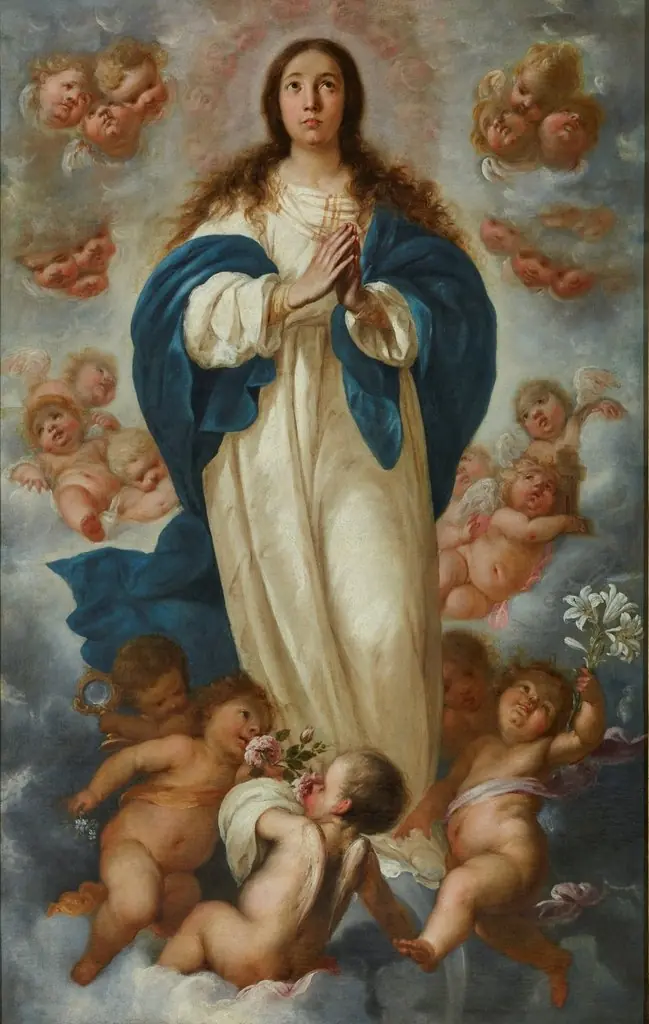
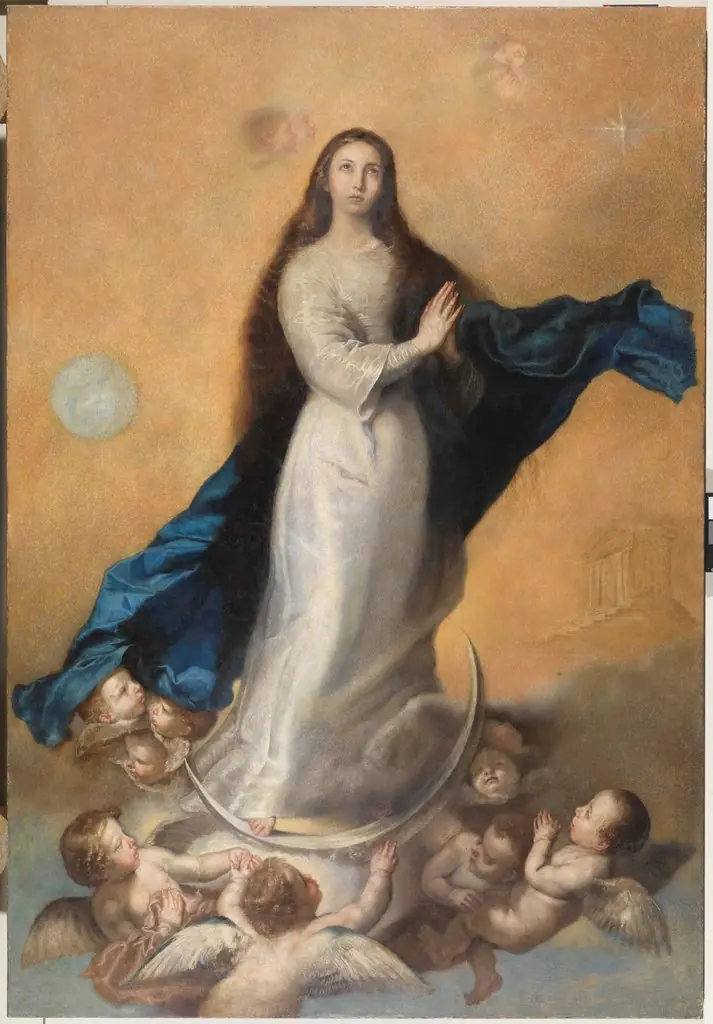
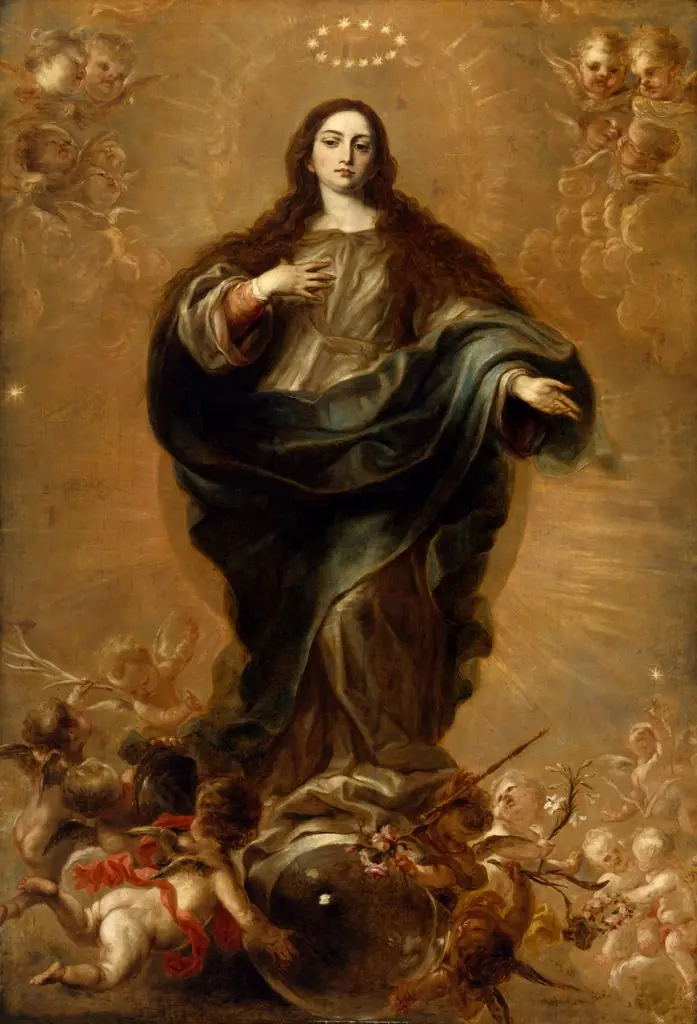
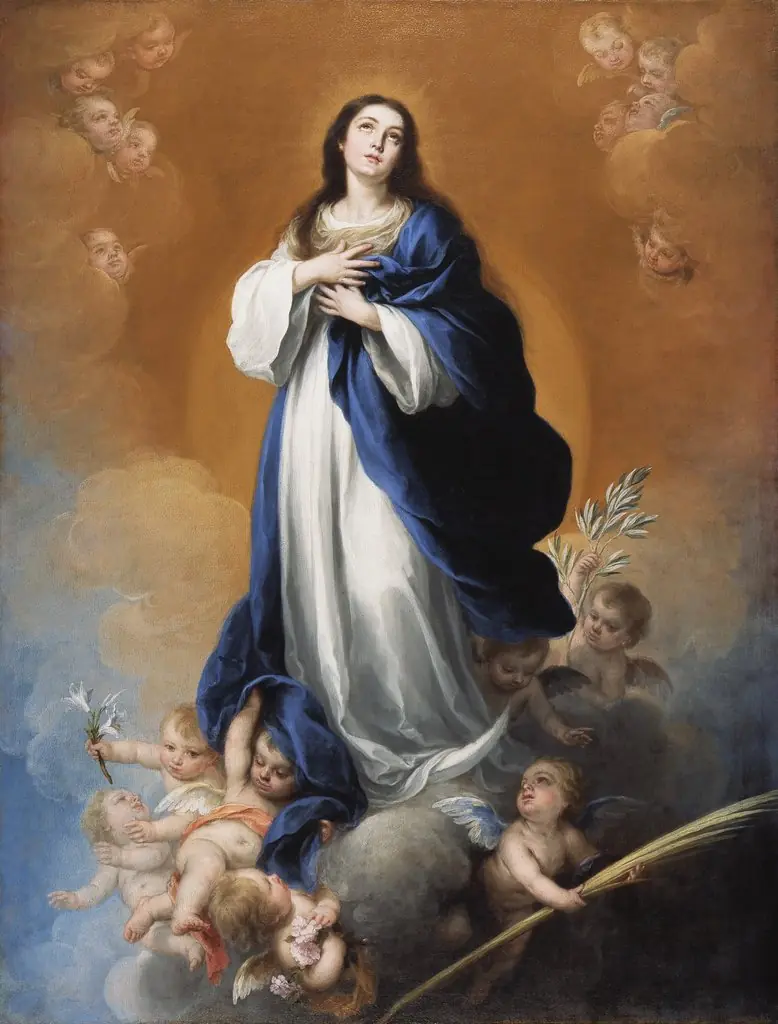
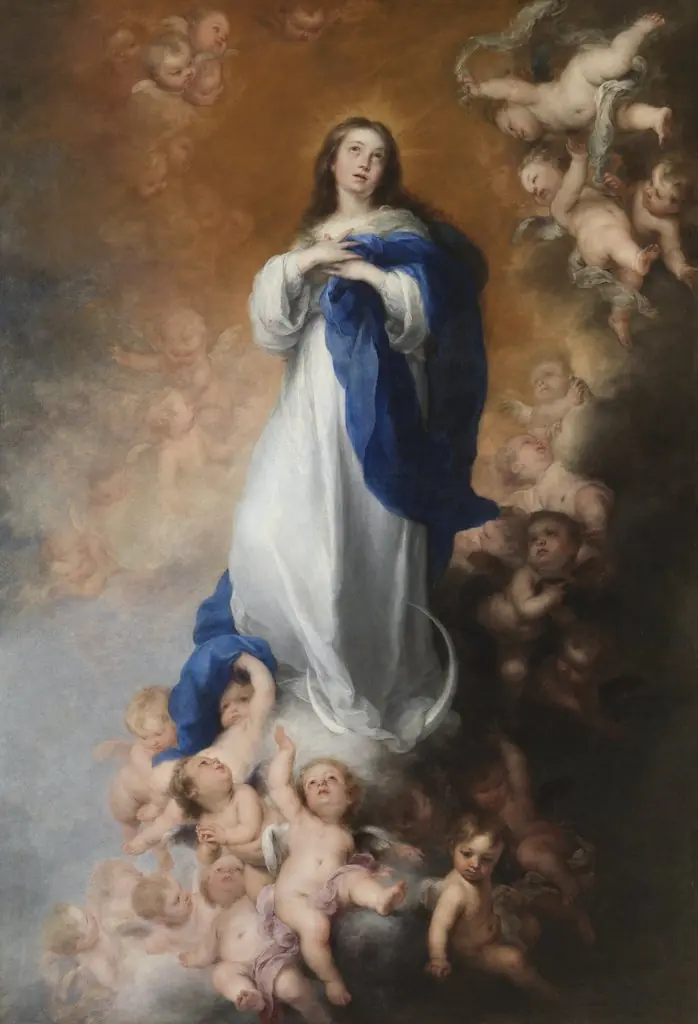
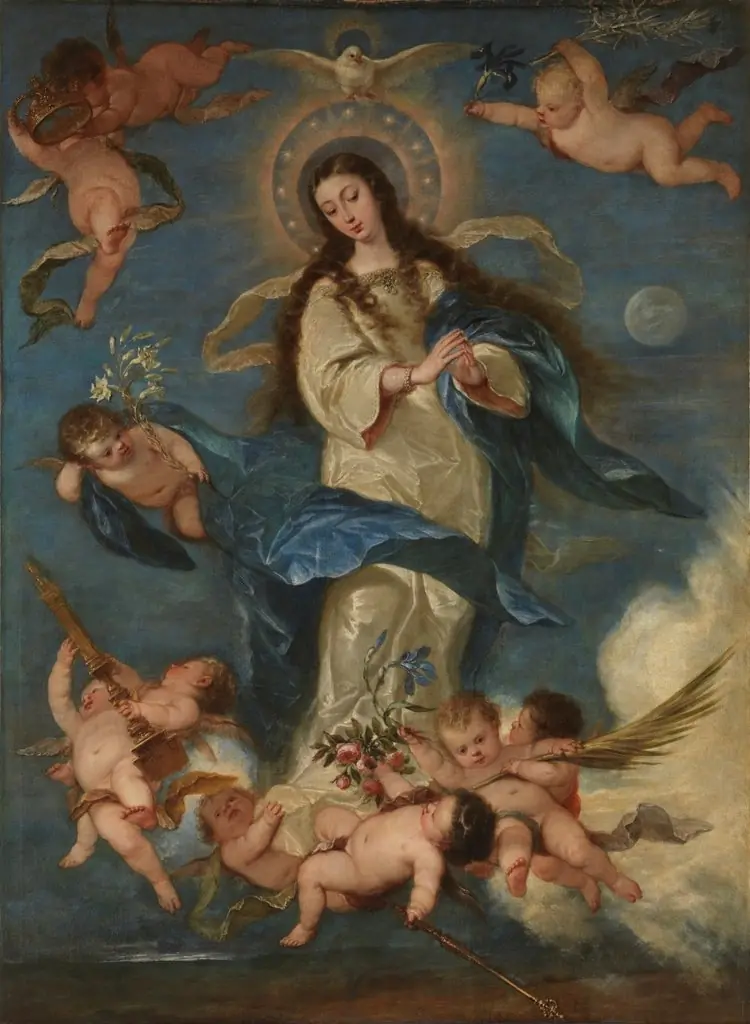
The Aranjuez Immaculate Conception is an oil painting by the High Baroque Italian artist Bartolomé Esteban Murillo. It dates from 1675 and is held in the collection of the Museo del Prado. Created around 1675, this oil painting on canvas depicts the Immaculate Conception, a subject frequently rendered in Spanish Baroque art.
About this work
This is a religious painting on canvas by Murillo from around 1675. It shows a common scene in Spanish art: the Virgin Mary as a young woman surrounded by light and angels.
The work first shows up in 1818 in a royal chapel near Madrid. Later it moved to the queen’s rooms. Now it hangs in the Prado Museum.
See more works by Bartolomé Esteban Murillo.
Overview
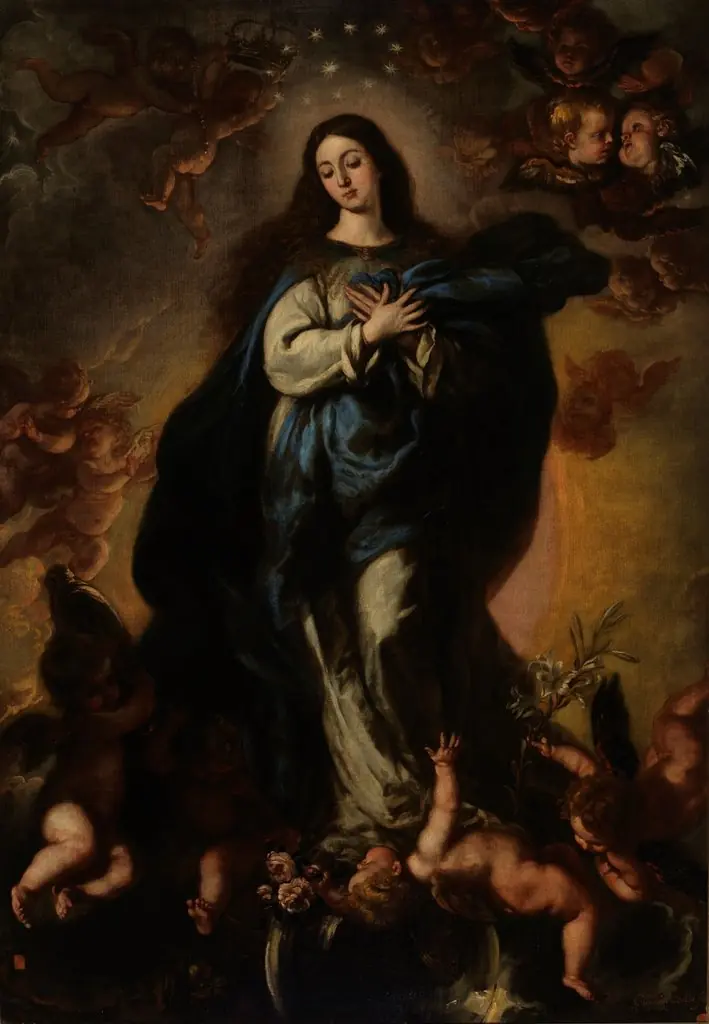
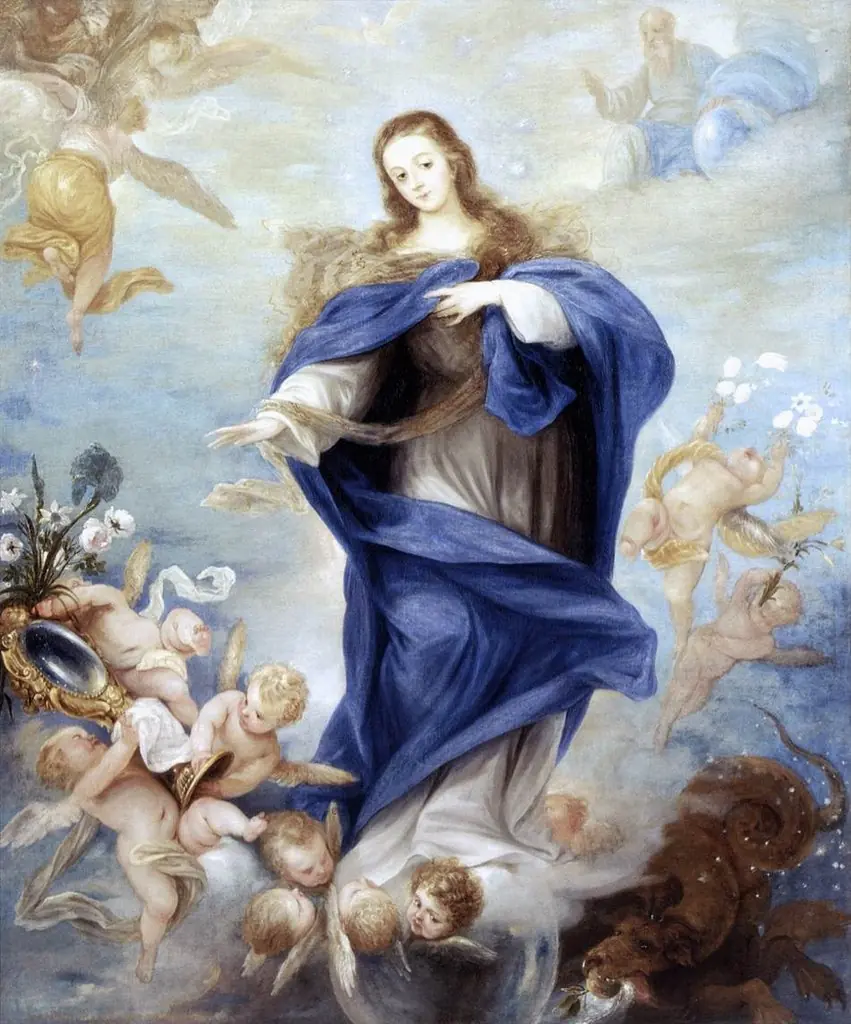
Created around 1675, this oil painting on canvas depicts the Immaculate Conception, a subject frequently rendered in Spanish Baroque art. The composition centers on a youthful Virgin Mary enveloped in radiant light, surrounded by a host of angels. The work exemplifies Murillo’s gentle, devotional approach to religious themes, combining serene figures with a luminous atmosphere.
Subject & Meaning
The image presents the Virgin Mary as the Immaculate Conception, a doctrine asserting her sinless birth. She is shown as a youthful, ethereal figure, her white robes and crown of stars symbolizing purity and divine favor. The surrounding angels, often holding lilies or roses, reinforce themes of innocence and heavenly intercession, inviting contemplation of Marian devotion.
Technique & Style
Murillo employs a soft, diffused palette typical of his later period, allowing light to suffuse the scene and create a sense of spiritual radiance. The brushwork is fluid, rendering delicate drapery and the delicate features of the angels with subtle gradations. The composition balances a central figure with a dynamic, yet harmonious, arrangement of surrounding celestial beings.
History & Provenance
The painting first enters documented history in 1818, recorded in the royal chapel of San Antonio within the Palacio de Aranjuez near Madrid, from which its title derives. By 1827 it had been transferred to the queen’s private apartments in the same palace. In the mid‑19th century it entered the national collection and is now displayed in the Prado Museum.
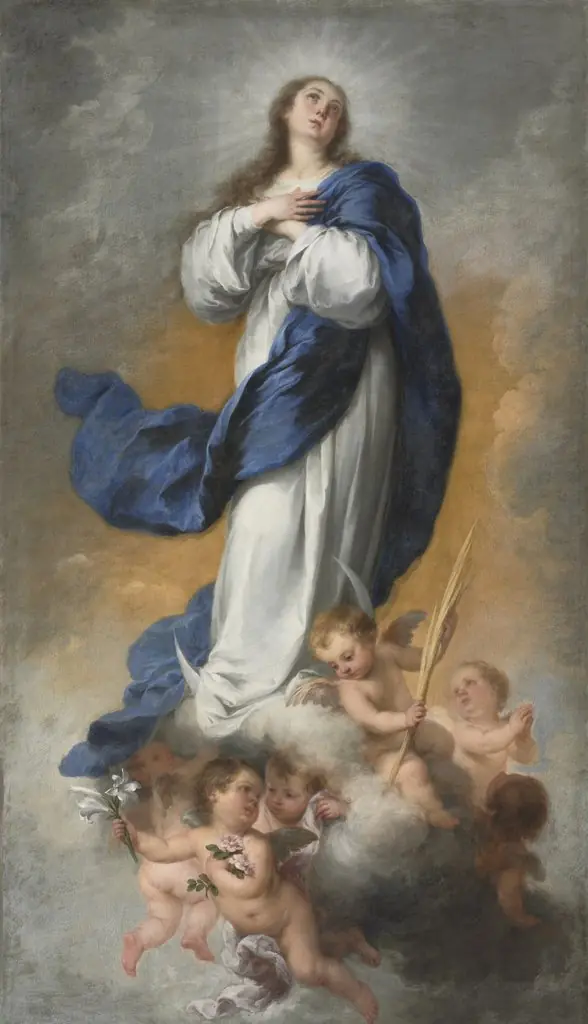
Artist & collection
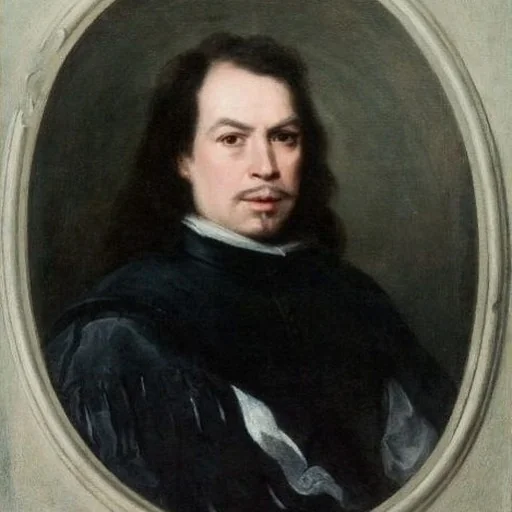
Artist
Bartolomé Esteban Murillo ( mure-IL-oh, m(y)uu-REE-oh, Spanish:; late December 1617, baptised 1 January 1618 – 3 April 1682) was a Spanish Baroque painter.