Artwork
La Salle Received in the Village of the Cenis Indians. May 6, 1686
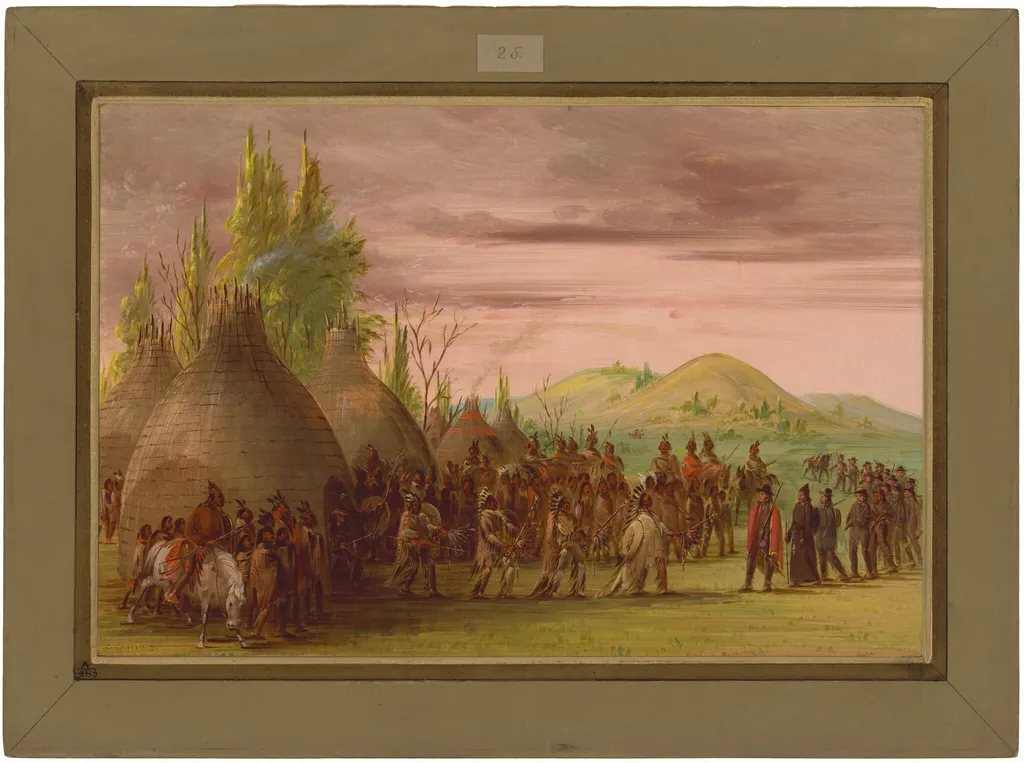
La Salle Received in the Village of the Cenis Indians. May 6, 1686 is an oil painting by the Romanticist artist George Catlin. It dates from 1848 and is held in the collection of the National Gallery of Art.
- Inscription
- Inscribed:lower left: G. Catlin p.
About this work
Overview
The work is currently held in the collection of the National Gallery of Art in Washington, D.
La Salle Received in the Village of the Cenis Indians. May 6, 1686 is a history painting by George Catlin, created between 1847 and 1848. Executed in oil on canvas, the artwork measures 37.6 by 56.4 cm. The painting belongs to Catlin's later body of work known as the Cartoon Collection and depicts the 17th-century encounter between the French explorer Rene-Robert Cavelier, Sieur de La Salle, and the Cenis people. The work is currently held in the collection of the National Gallery of Art in Washington, D.C., under accession number 1965.16.340.
Subject & Meaning
The painting illustrates the reception of La Salle and his companions by the Cenis Indians on May 6, 1686, an event Catlin described in his 1871 exhibition catalog as a meeting of great hospitality. The composition arranges the encounter as a horizontal convergence of two groups on a flat plane. A dense crowd of Indigenous people, adorned in feathered headdresses and carrying staffs or weapons, processes from the left alongside large conical huts. From the right, a smaller group of European men in dark coats approaches, with La Salle distinguished by a prominent red cloak. The scene emphasizes the visual and material contrasts between the two parties, framing the encounter as an imbalanced power dynamic where the European figures emerge as dominant forces against the communal Indigenous gathering.
Technique & Style
Catlin rendered the scene with smooth, descriptive brushwork, paying careful attention to costume details and landscape elements. The composition features a broad landscape under a wide sky filled with pink, lavender, and gray clouds, suggesting the diffused light of dawn or dusk. The palette combines earthy browns and greens in the landscape with soft pastel tones in the sky. The painting functions within the visual tropes of Western romantic history painting, utilizing a carefully orchestrated theatricality. Catlin meticulously details the physiognomy and attire of each figure, contrasting the natural materials of the Indigenous dwellings and garments with the crisp, manufactured linen and structured coats of the European colonizers. The painting is signed lower left as G. Catlin p. and is mounted within a wide olive-green border featuring a numbered plaque reading 25 at the top center.
History & Provenance
Created as part of Catlin's Cartoon Collection, the painting remained with the artist until his death in 1872. It then passed by descent to his three daughters, Clara Gregory Catlin, Louise Catlin Kinney, and Elizabeth Wing Catlin. In 1912, the American Museum of Natural History in New York purchased the surviving works of the Cartoon Collection from Elizabeth Wing Catlin. When the museum deaccessioned the collection, Paul Mellon acquired more than 300 of these paintings through Kennedy Galleries in 1959. Mellon subsequently gifted 351 works, including this painting, to the National Gallery of Art in 1965. The work has been exhibited widely, including displays in St. Louis, Peoria, Fort Worth, Nashville, Corpus Christi, Phoenix, and Buffalo, focusing on themes of western expansion and La Salle's voyages.
Context
During the mid-19th century, George Catlin produced two major collections of Native American portraits, genre scenes, and western landscapes. His first collection, the Indian Gallery, comprised over 500 works from the 1830s and largely resides at the Smithsonian American Art Museum. The second, the Cartoon Collection, numbered over 600 works created during the 1850s and 1860s. This painting belongs to the latter group, which Catlin exhibited in New York in 1871 alongside a published catalog. As a history painting, the work engages with the theme of United States westward expansion, interpreting a 17th-century historical event through the aesthetic and ideological frameworks of the 19th century. The catalog entry for this specific work was listed as Cart. No. 445.
Own this work as a print
Artist & collection

Artist
George Catlin ( KAT-lin; July 26, 1796 – December 23, 1872) was an American lawyer, painter, author, and traveler, who specialized in portraits of Native Americans in the American frontier.

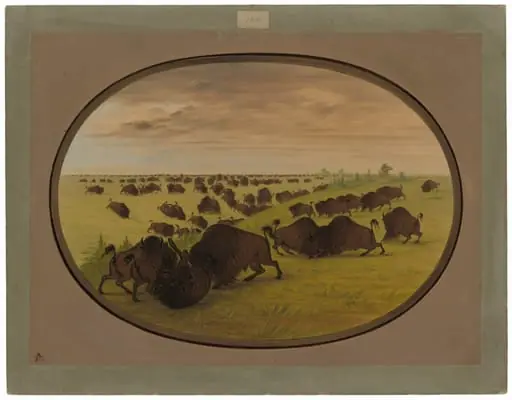 Bulls Fighting
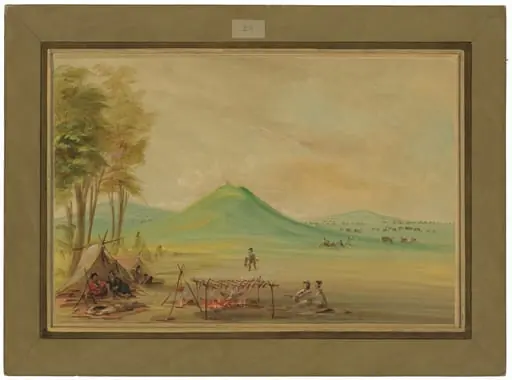 Expedition Encamped on a Texas Prairie. April 1686
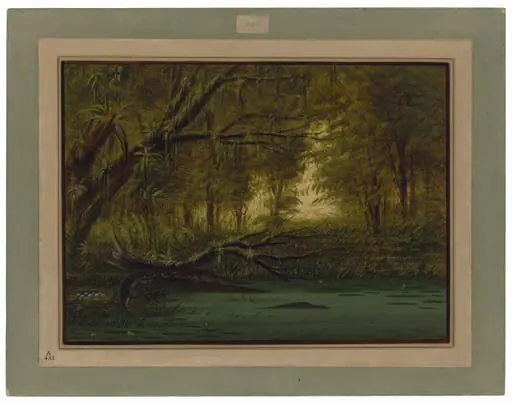 An Alligator's Nest
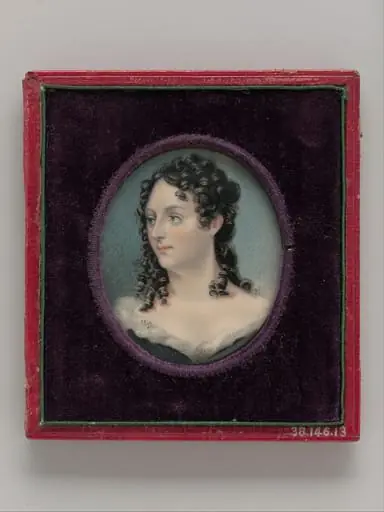 Mrs. George Catlin (Clara Bartlet Gregory)
- Chief of the Taensa Indians Receiving La Salle. March 20, 1682
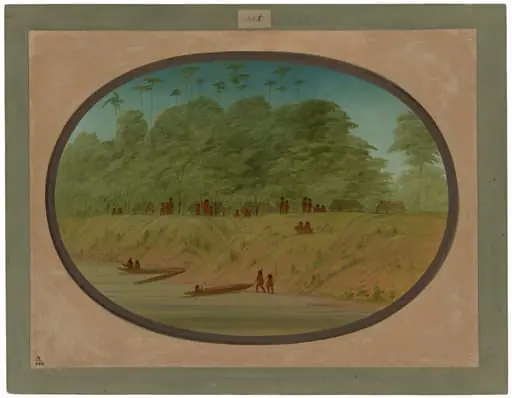 A Small Village - Payaguas Indians
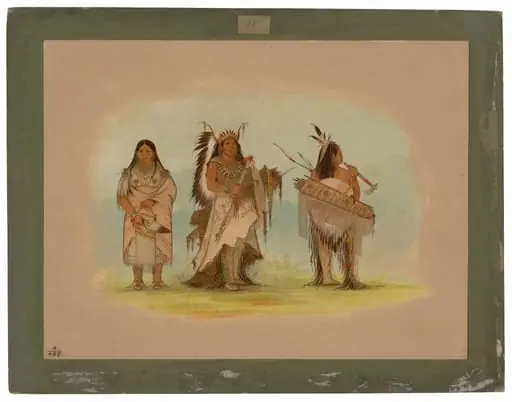 Omaha Chief, His Wife, and a Warrior
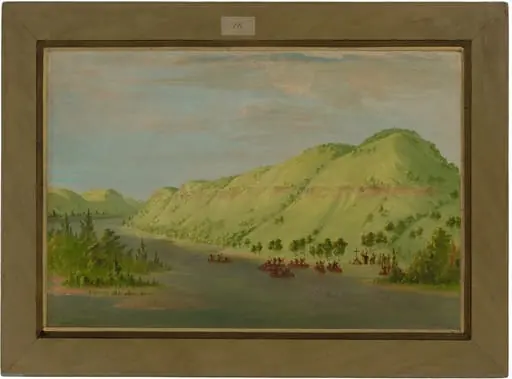 Father Hennepin Leaving the Mississippi to Join La Salle. May 8, 1680
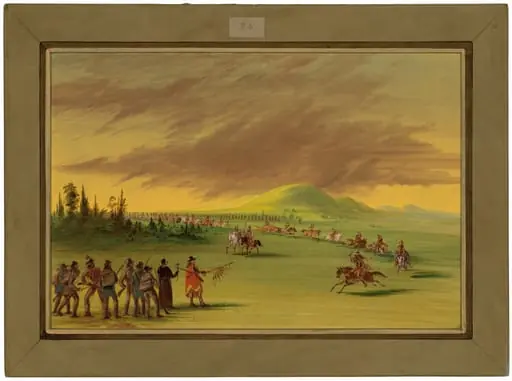 La Salle Meets a War Party of Cenis Indians on a Texas Prairie. April 25, 1686
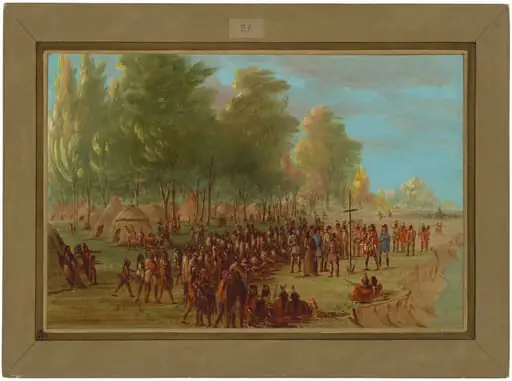 La Salle Erecting a Cross and Taking Possession of the Land. March 25, 1682
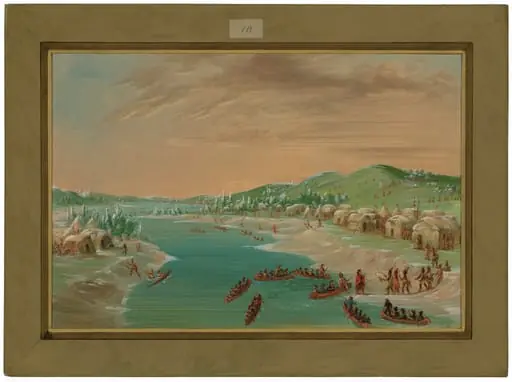 La Salle and Party Arrive at the Village of the Illinois. January 1, 1680
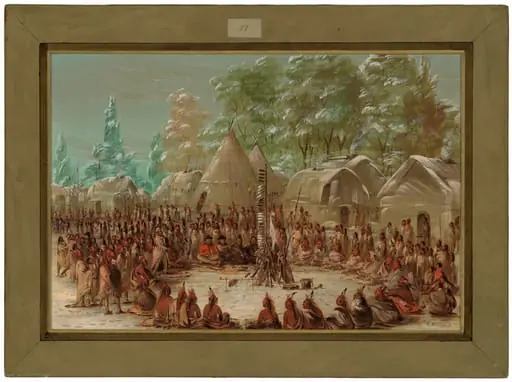 La Salle's Party Feasted in the Illinois Village. January 2, 1680
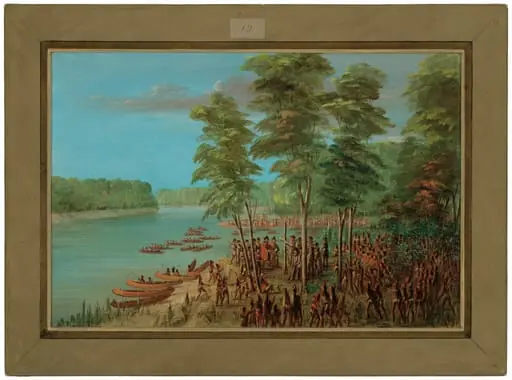 La Salle Taking Possession of the Land at the Mouth of the Arkansas. March 10, 1682
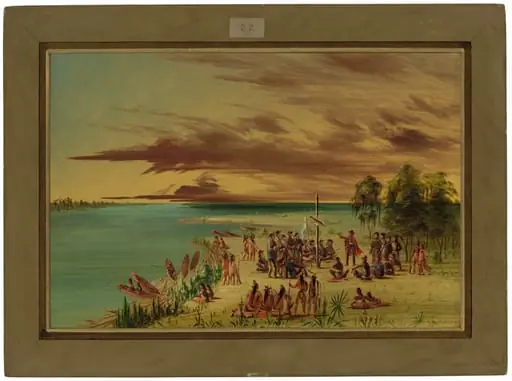 La Salle Claiming Louisiana for France. April 9, 1682
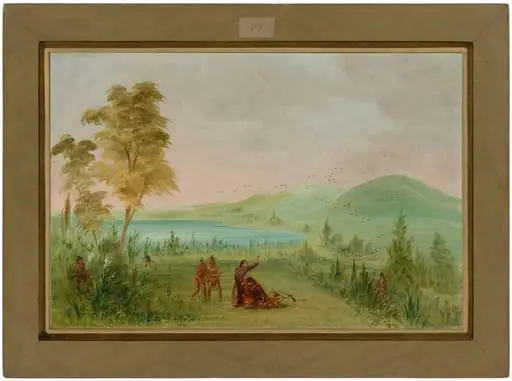 La Salle Assassinated by Duhaut. May 19, 1686