Artwork
Monkey Preaching to Turkeys
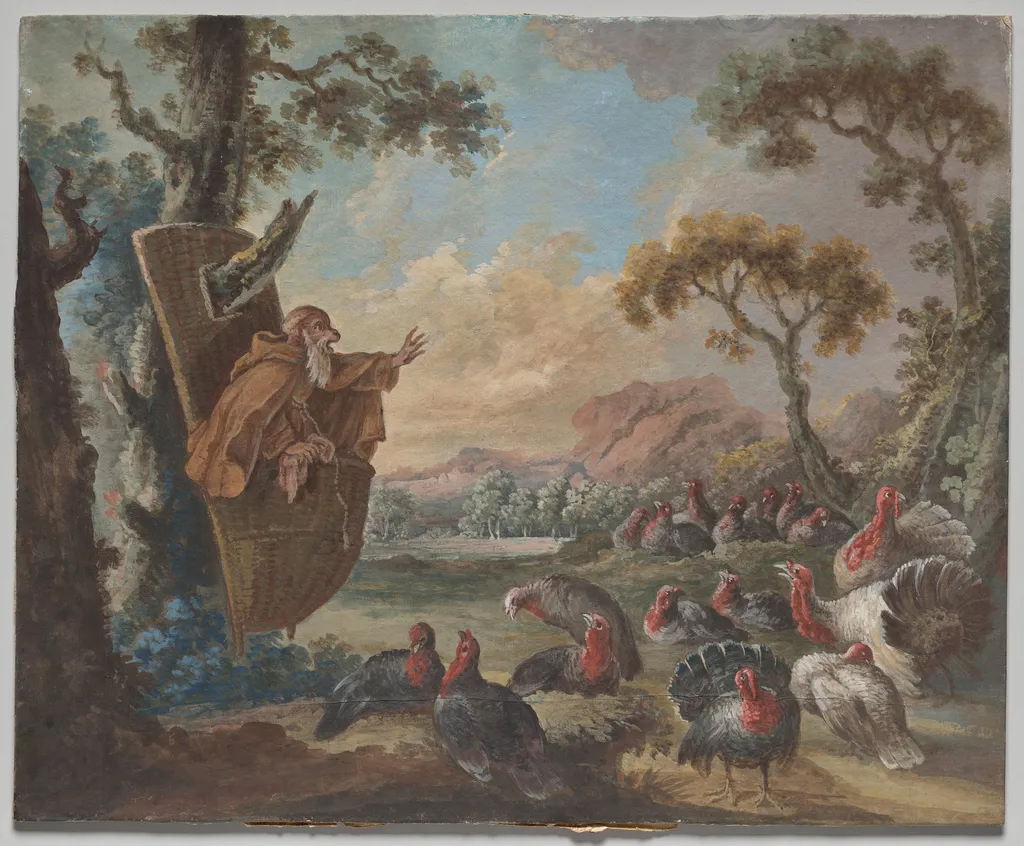
Monkey Preaching to Turkeys is a drawing by the Romanticist artist Christophe Huet. It is held in the collection of the Cleveland Museum of Art.
- Accession no.
- 2017.215
- Credit line
- Bequest of Muriel Butkin
About this work
Overview
This drawing belongs to the singerie tradition, a 17th- to 18th-century European genre in which monkeys imitate human customs to critique social behavior.
This drawing belongs to the singerie tradition, a 17th- to 18th-century European genre in which monkeys imitate human customs to critique social behavior. Here, a monkey dressed as a monk delivers a sermon to a group of turkeys from a suspended wicker basket. The scene is neither naturalistic nor whimsical but deliberately absurd, using animal mimicry to expose human folly through irony and visual satire.
Subject & Meaning
The monkey, clad in monastic robes and holding a scroll, assumes the role of a religious authority, while the turkeys, commonly associated with gullibility in European iconography, listen with unquestioning attention. The image suggests a commentary on blind faith and the manipulation of the gullible by figures in positions of perceived moral or intellectual superiority. The turkeys’ passive posture underscores their vulnerability to deception.
Technique & Style
Executed in fine ink or pencil, the drawing emphasizes precise linework and subtle tonal contrasts to define form and texture. The monkey’s costume is rendered with attention to fabric folds and clerical detail, while the turkeys are rendered with loose, expressive strokes that convey their flocking behavior. The composition centers the preacher in a suspended basket, creating a theatrical stage that heightens the satirical effect.
History & Provenance
Singerie drawings like this were popular in France and the Low Countries during the Baroque period, often commissioned by collectors interested in witty, subversive imagery. While the exact origin of this piece is undocumented, its style aligns with works by artists such as Jean-Baptiste Oudry or the studio of Jean-Baptiste Huet, who specialized in animal satire for aristocratic patrons.
Context
In early modern Europe, monkeys were frequently used in art to represent human vices, greed, vanity, or hypocrisy, because of their perceived mimicry of human actions. Religious satire was particularly potent in an era of institutional skepticism. This drawing reflects broader cultural anxieties about authority, education, and the ease with which populations could be misled by performative piety.
Legacy
The drawing contributes to a sustained artistic tradition that used animal allegory to question social hierarchies. While singerie fell from favor in the 19th century, its influence persisted in political cartoons and satirical illustration. This work remains a quiet example of how visual humor could serve as a vehicle for subtle social critique without overt confrontation.
Own this work as a print
Artist & collection


- A turkey and a rooster
 Ducks Resting in Sunshine
 Orlando Furioso
 St. Francis of Assisi Receiving the Stigmata
 The Call to Order
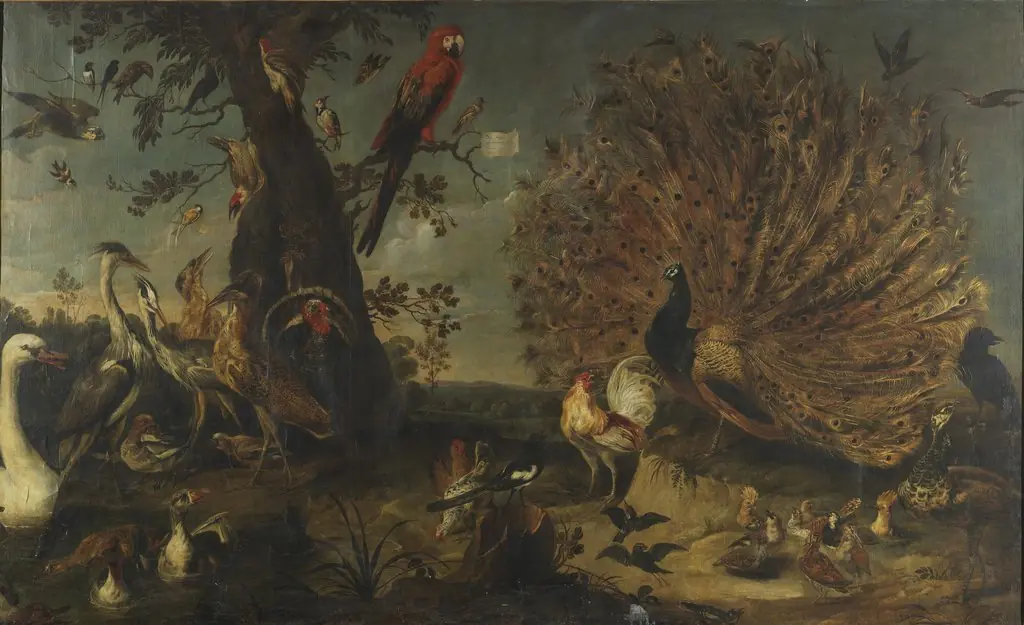 Concierto de aves
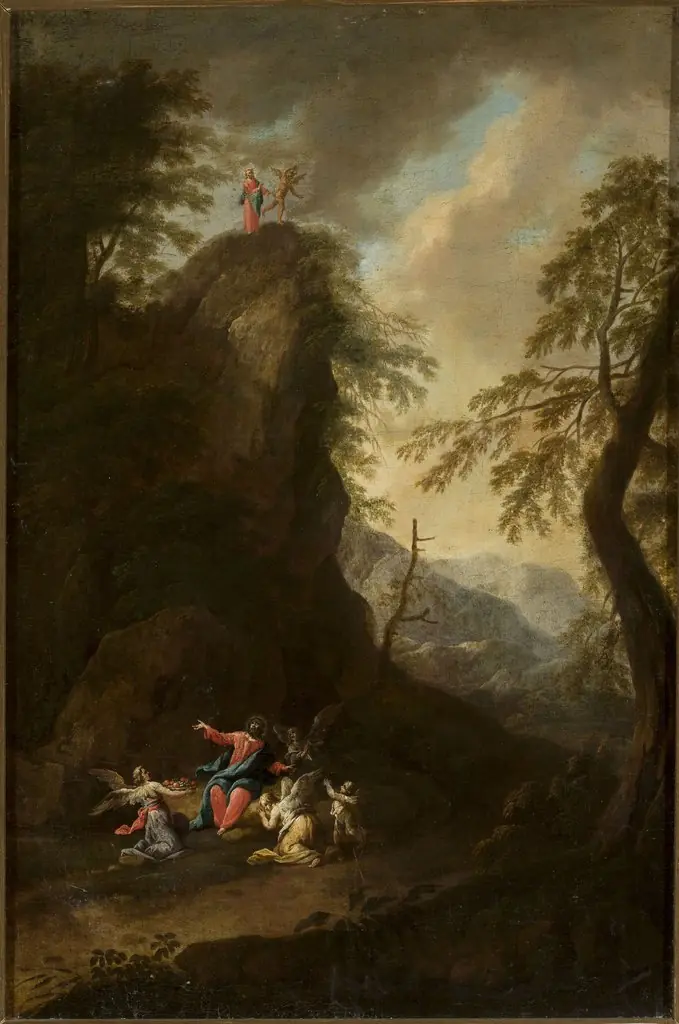 Temptation of Christ and attending angels
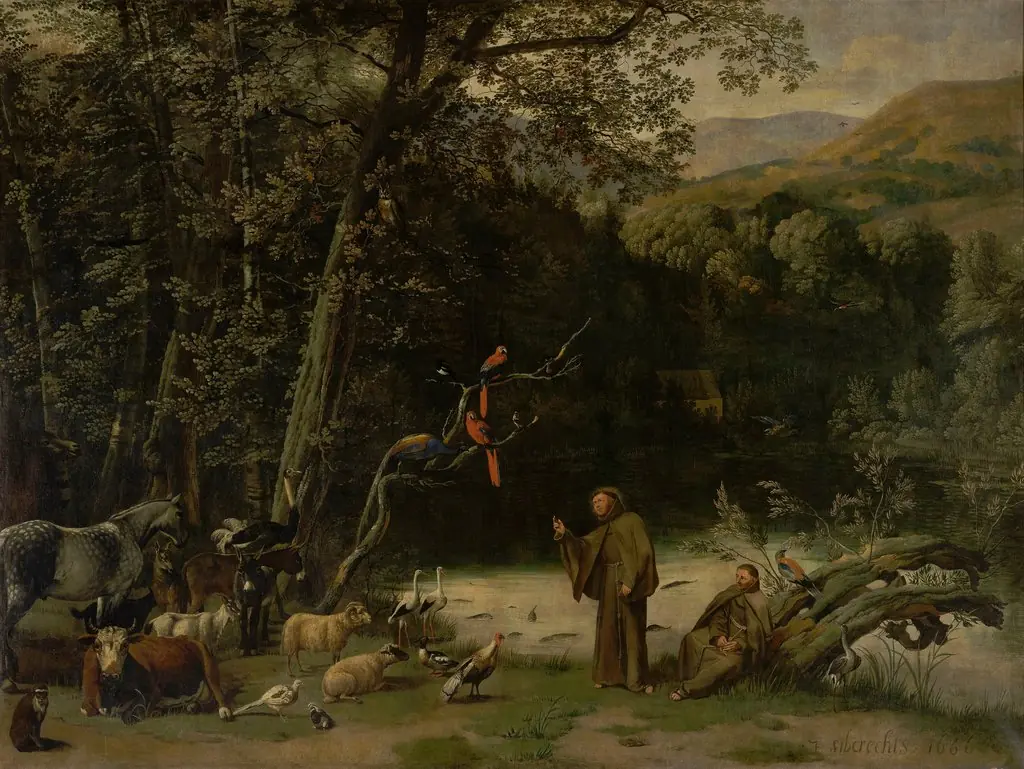 Saint Francis of Assisi Preaching to the Animals
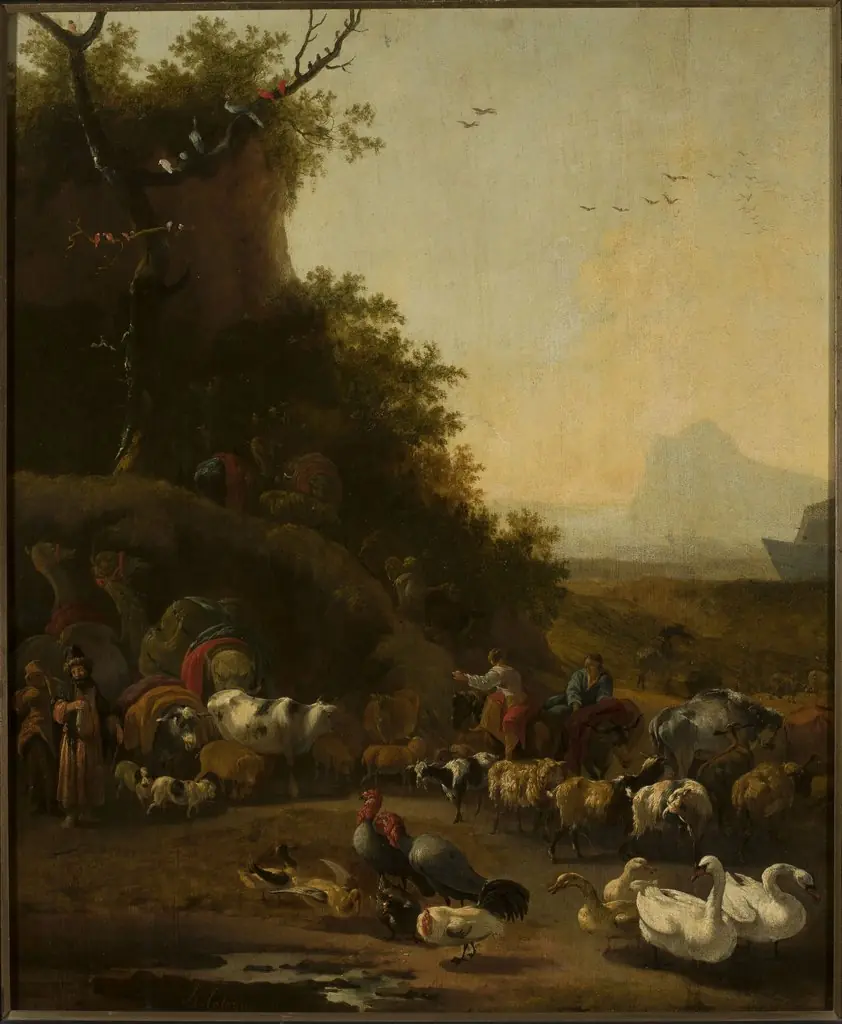 Noah’s family and animals in front of the ark (Genesis 7:1-3)
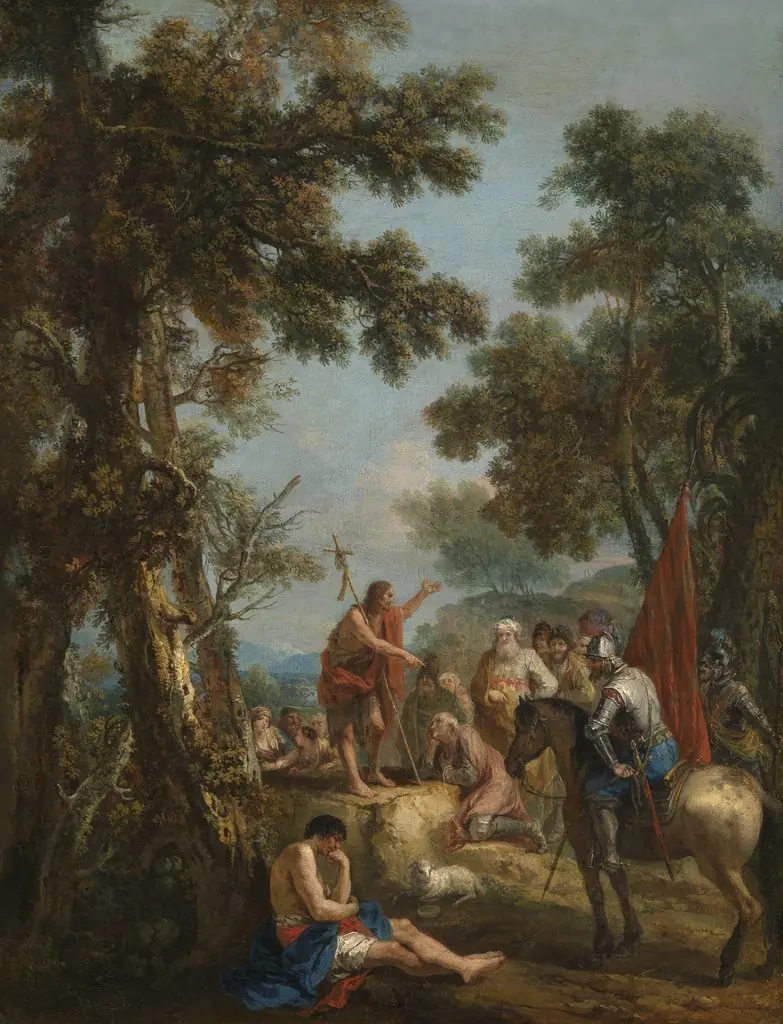 John the Baptist Preaching
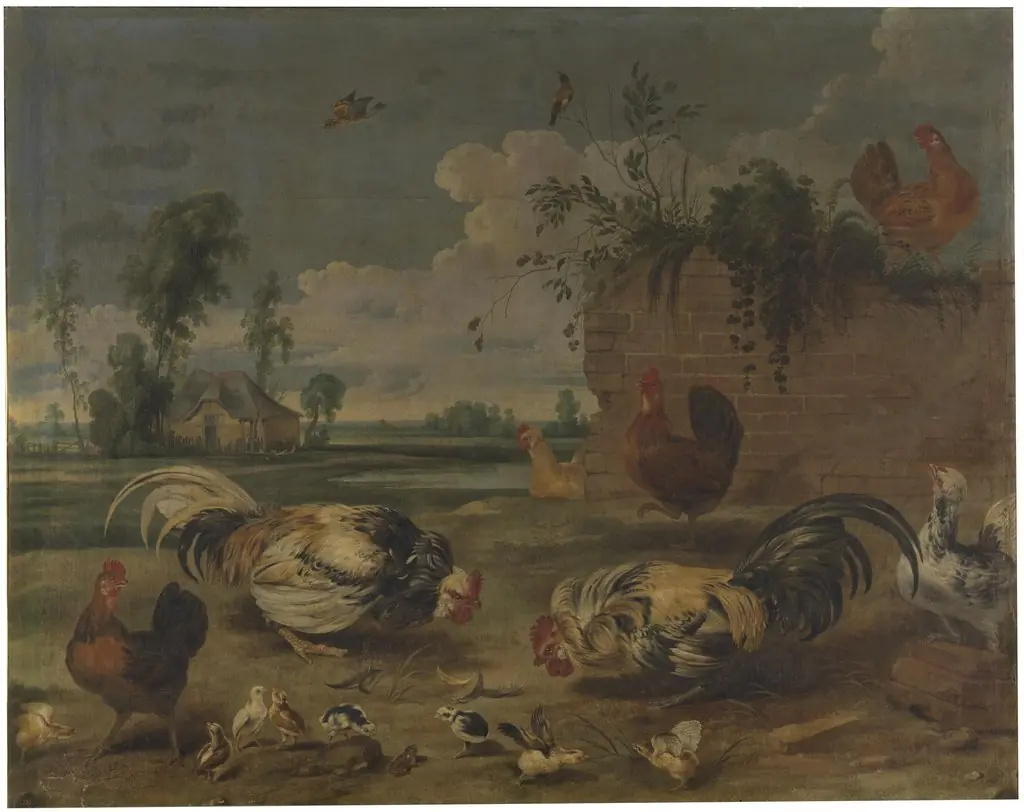 Lucha de gallos
 Bird-Catching by a Decoy with a Whistle and Net (Decorative painting for a supper-box at Vauxhall Gardens, London)