Artwork
Falaise et Porte d'Amont, effet du matin
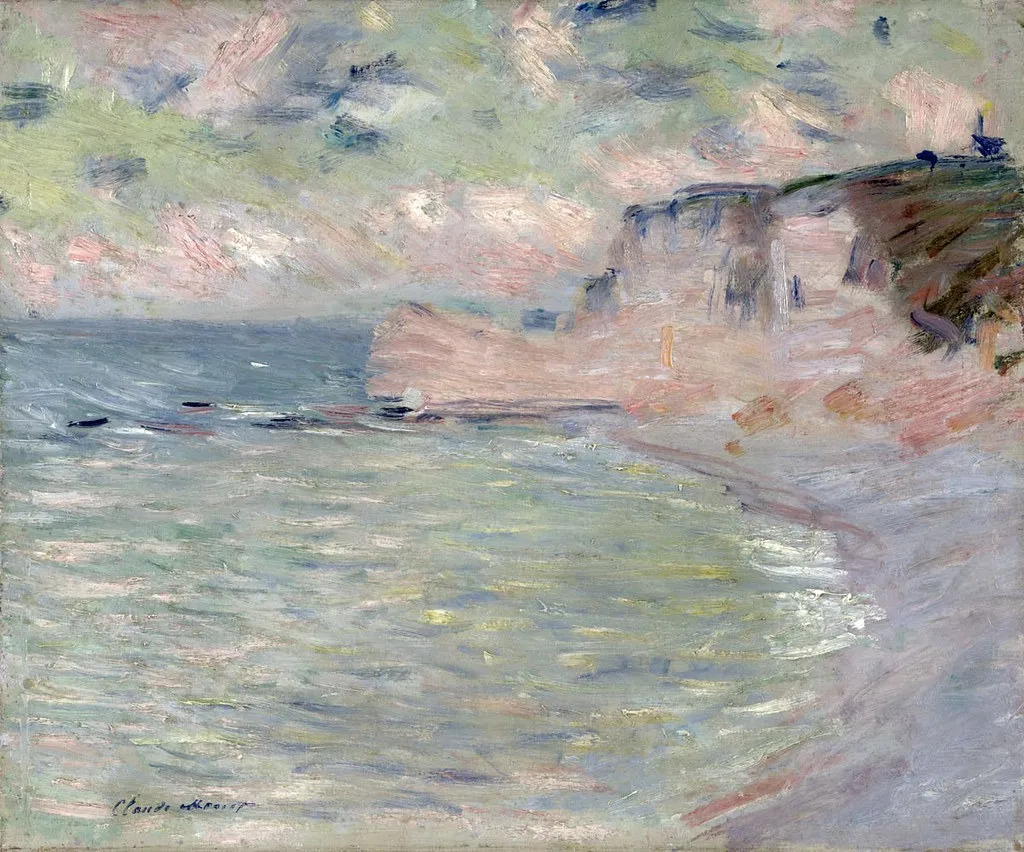
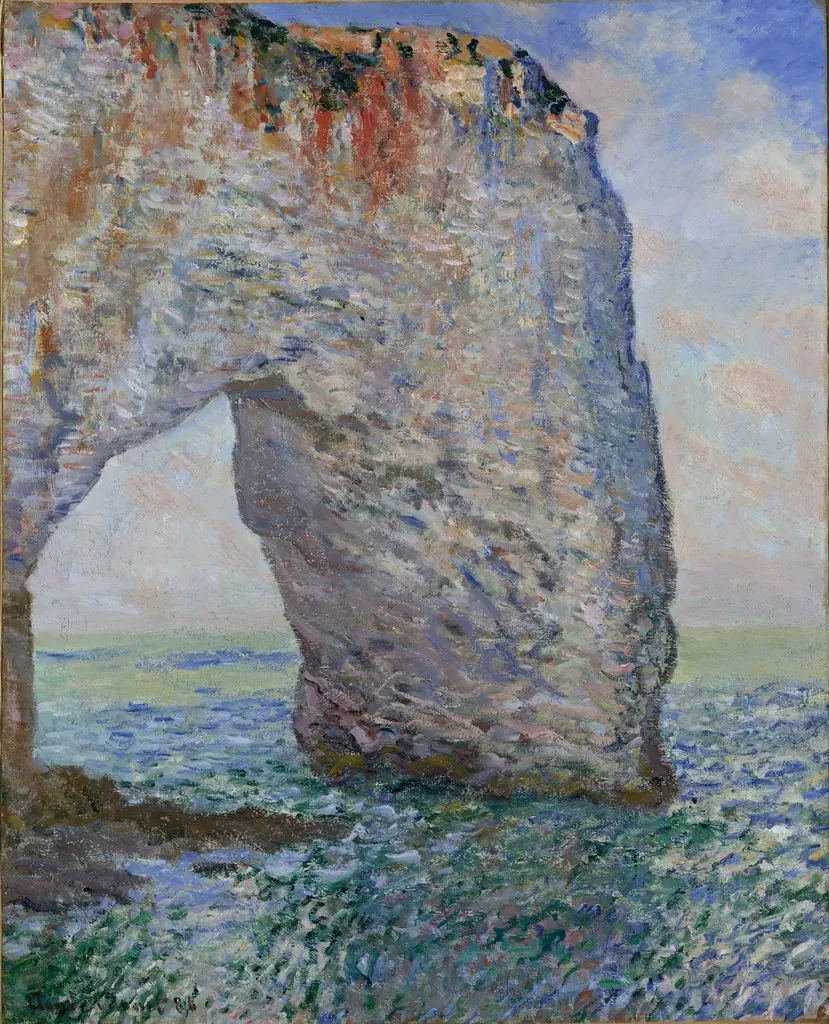
Falaise et Porte d'Amont, effet du matin is an oil painting by the Impressionist artist Claude Monet. It dates from 1893 and is held in the collection of the Musée Marmottan Monet.
About this work
Overview
Painted in 1893, Falaise et Porte d'Amont, effet du matin is an oil work by Claude Monet depicting a coastal scene near the Normandy town of Étretat.
Painted in 1893, Falaise et Porte d'Amont, effet du matin is an oil work by Claude Monet depicting a coastal scene near the Normandy town of Étretat. It captures the quiet transition of morning light across rock formations and sea. The painting is part of the Musée Marmottan Monet’s collection, where it remains as one of many studies Monet made of this dramatic coastline during the 1880s and 1890s.
Subject & Meaning
The painting portrays the natural arch known as Porte d'Amont, a limestone formation rising from the English Channel. Monet focuses on the interplay of land, sea, and sky at daybreak, emphasizing atmospheric conditions over narrative. The stillness of the waves and the soft horizon suggest a moment suspended in time, reflecting his interest in transient natural phenomena rather than symbolic content.
Technique & Style
Monet applied thin, broken brushstrokes to convey shifting light and texture. The cliff’s surface is rendered in muted earth tones with flecks of green, while the sea and sky blend through layered washes of blue, pink, and pale yellow. His method avoids sharp outlines, instead using color modulation to suggest form and depth, characteristic of his mature Impressionist approach.
History & Provenance
Created during one of Monet’s extended stays in Étretat, the painting was likely completed en plein air. It remained in the artist’s personal collection until his death in 1926, after which it passed to his son Michel. The Musée Marmottan Monet acquired it in 1966 as part of a larger bequest of the artist’s works, securing its place in a dedicated institutional archive.
Context
Monet painted multiple versions of Étretat’s cliffs between 1883 and 1893, drawn to their geological forms and changing light. This period followed his financial stability and preceded his focus on water lilies. His series approach, repeating subjects under varying conditions, reflected a scientific curiosity about perception, aligning with broader late 19th-century interests in optics and sensory experience.
Legacy
Though less widely exhibited than his water lily series, Falaise et Porte d'Amont exemplifies Monet’s sustained engagement with coastal landscapes. It contributes to the understanding of how he translated fleeting moments into structured compositions. The painting continues to inform studies of Impressionist technique and the artist’s evolving relationship with nature as subject and medium.
Artist & collection
Artist
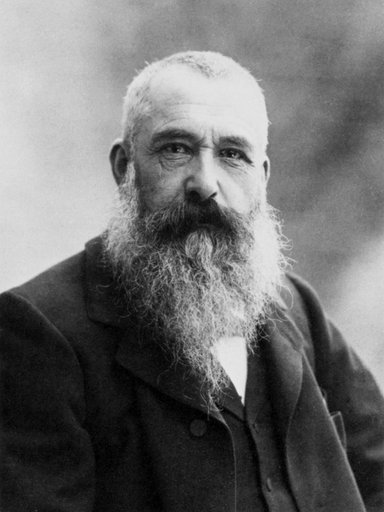
Oscar-Claude Monet was a French painter and founder of Impressionism who is seen as a key precursor to modernism, especially in his attempts to paint nature as he perceived it.


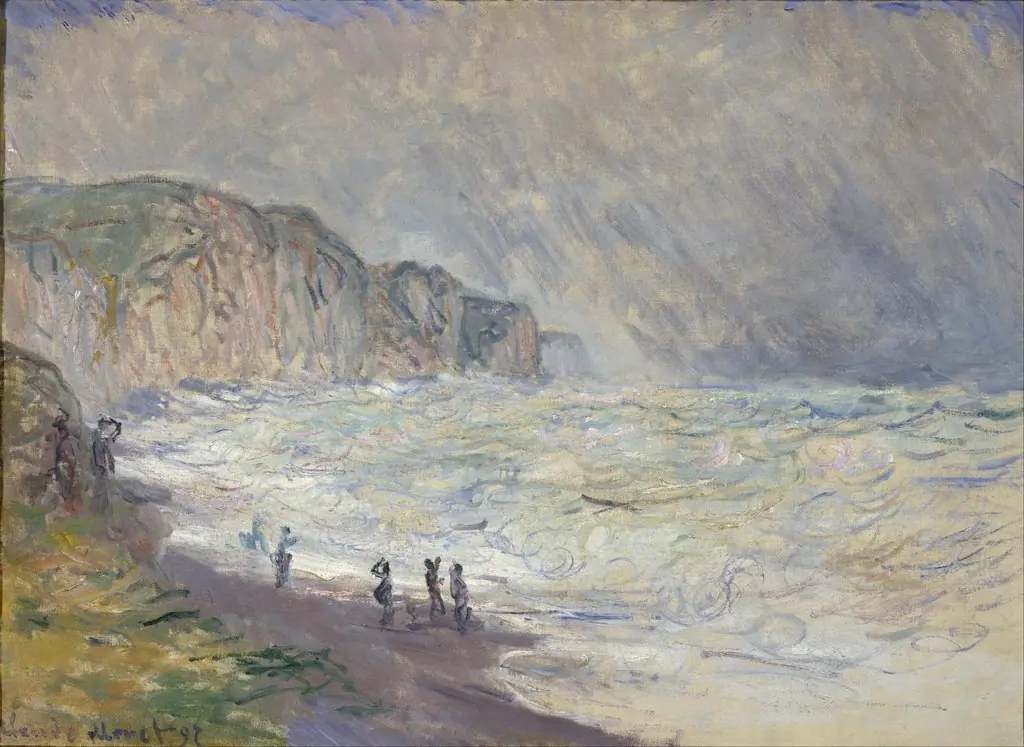
- Heavy Sea at Pourville
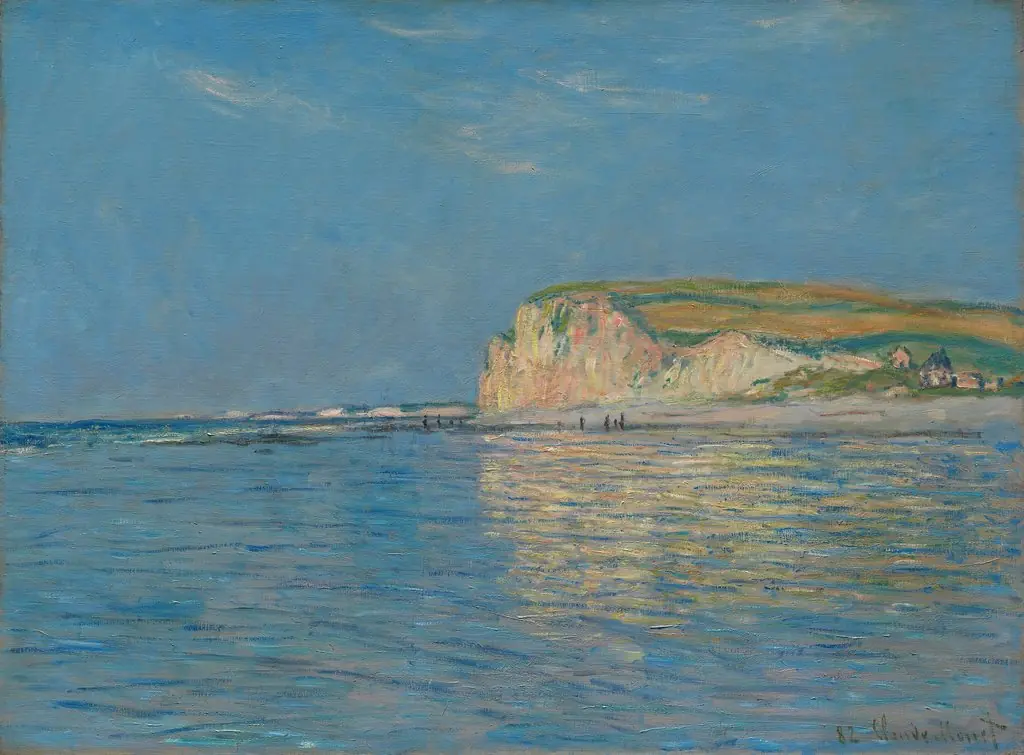 Low Tide at Pourville, near Dieppe, 1882
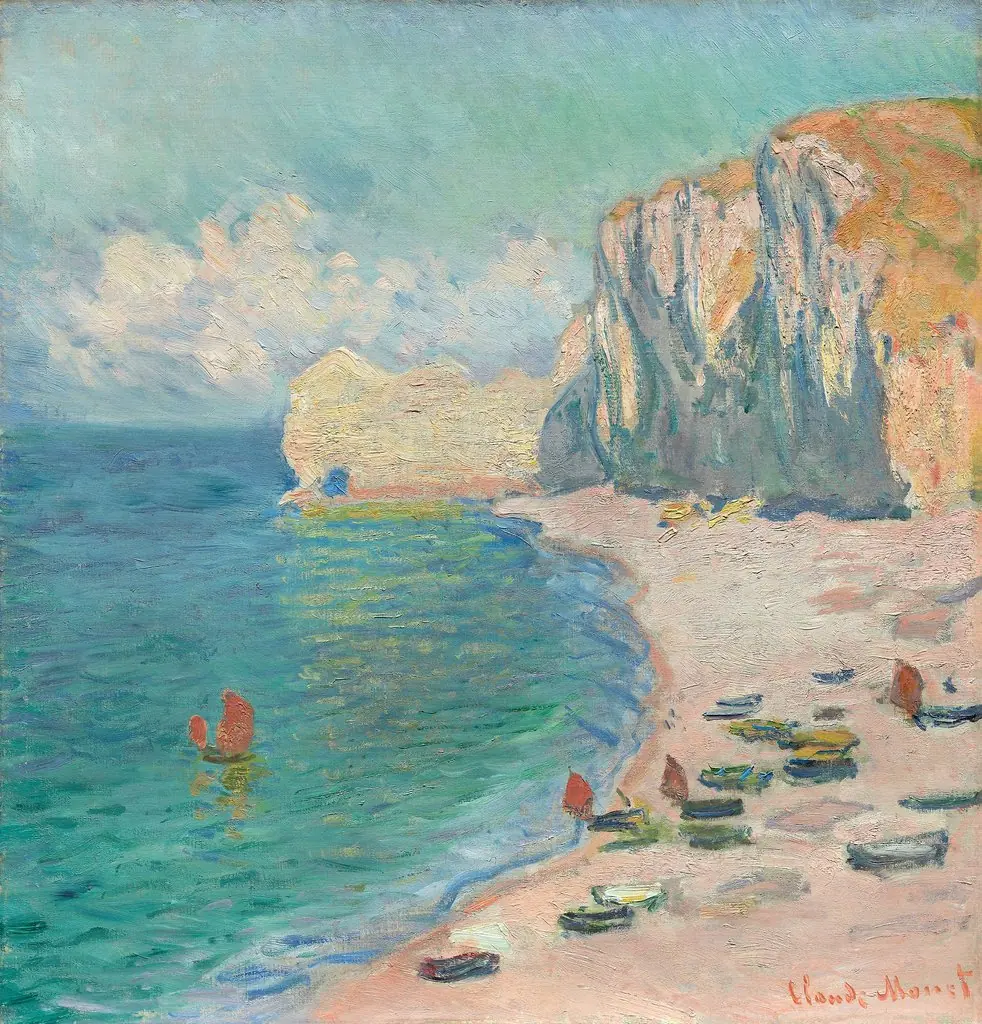 Étretat: The Beach and the Falaise d'Amont
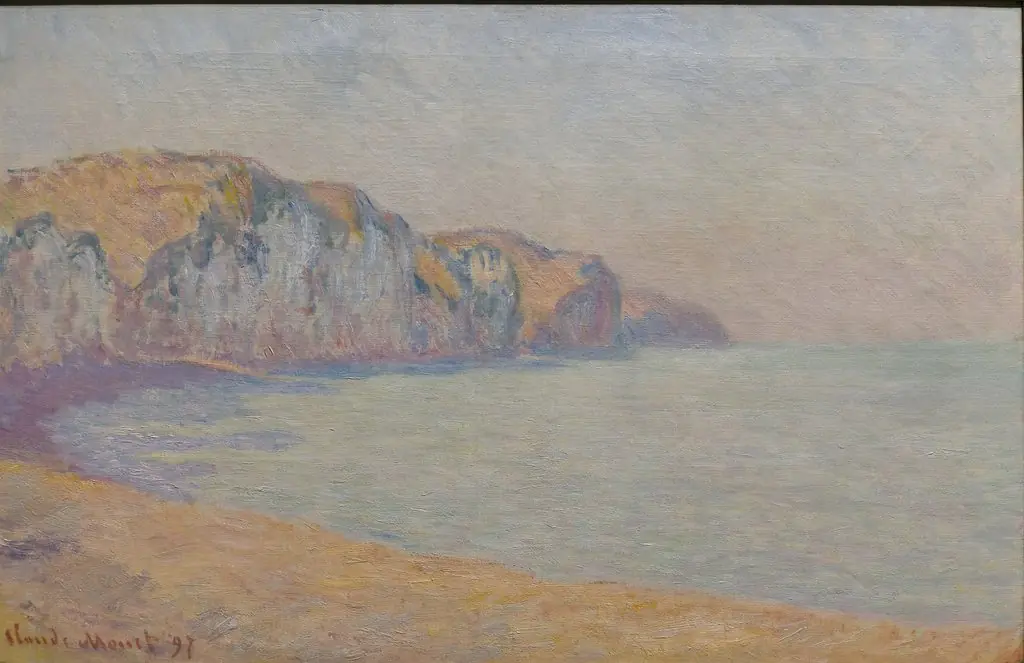 A Cliff at Pourville in the Morning
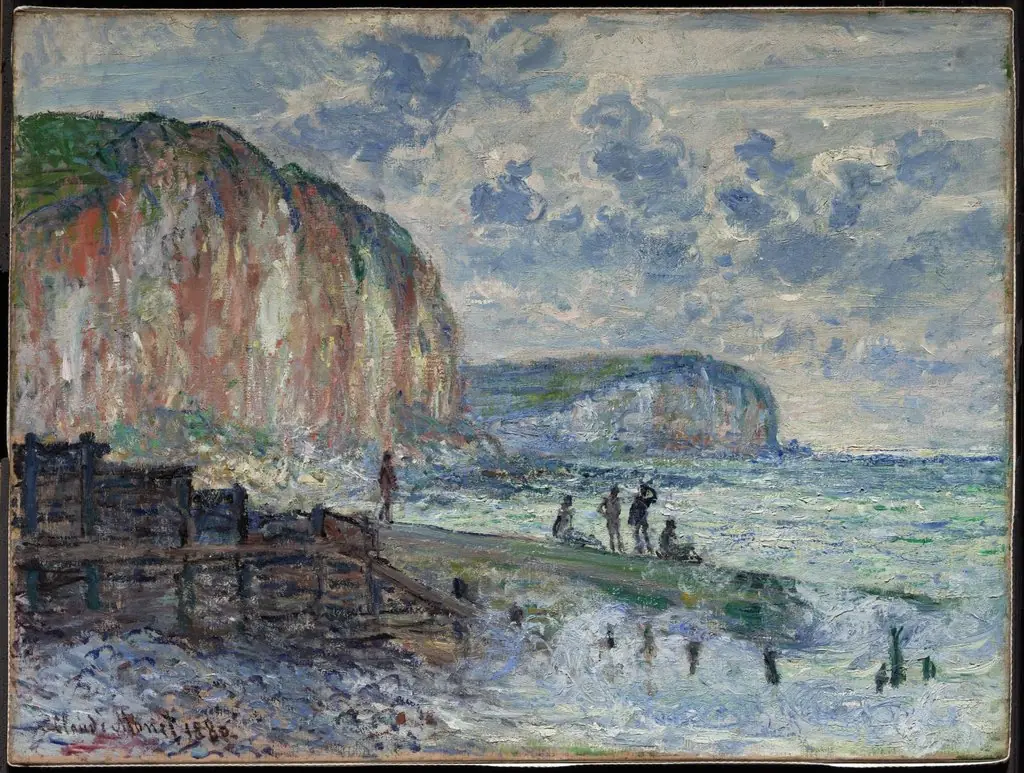 Cliffs of the Petites Dalles
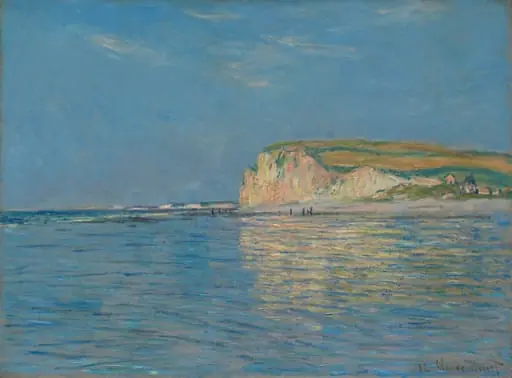 Low Tide at Pourville, near Dieppe, 1882
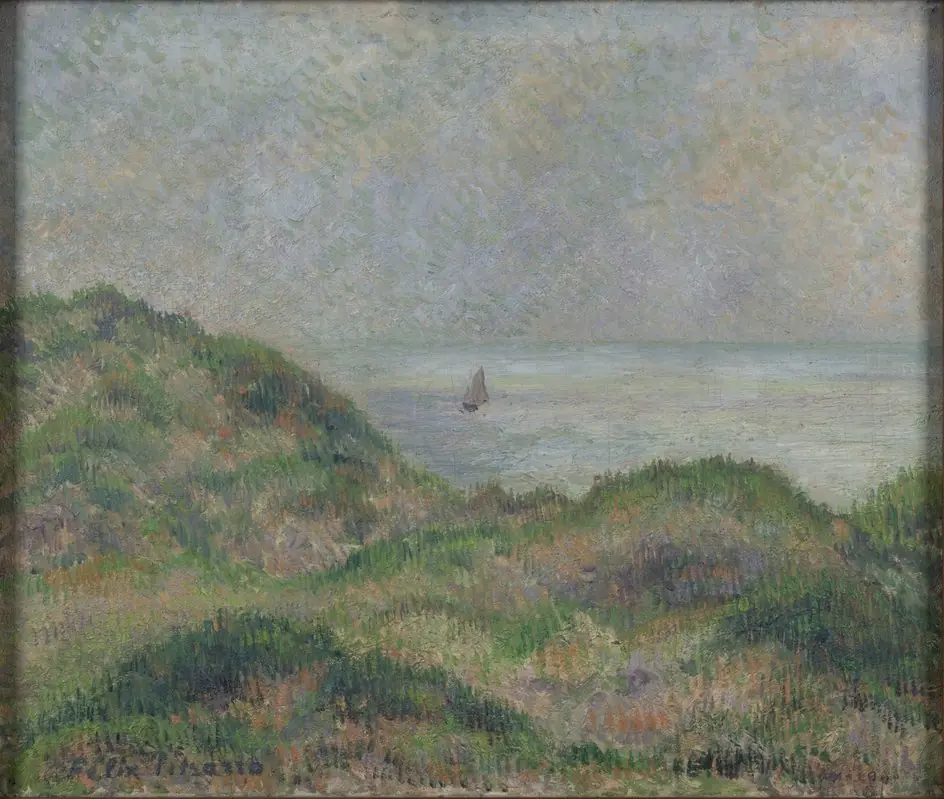 Sand Dunes at Knokke
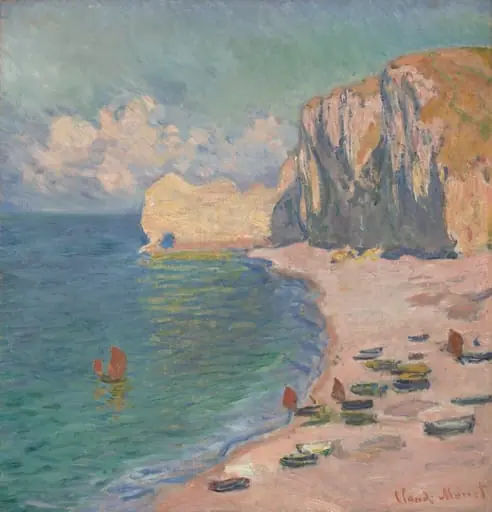 Étretat: The Beach and the Falaise d'Amont
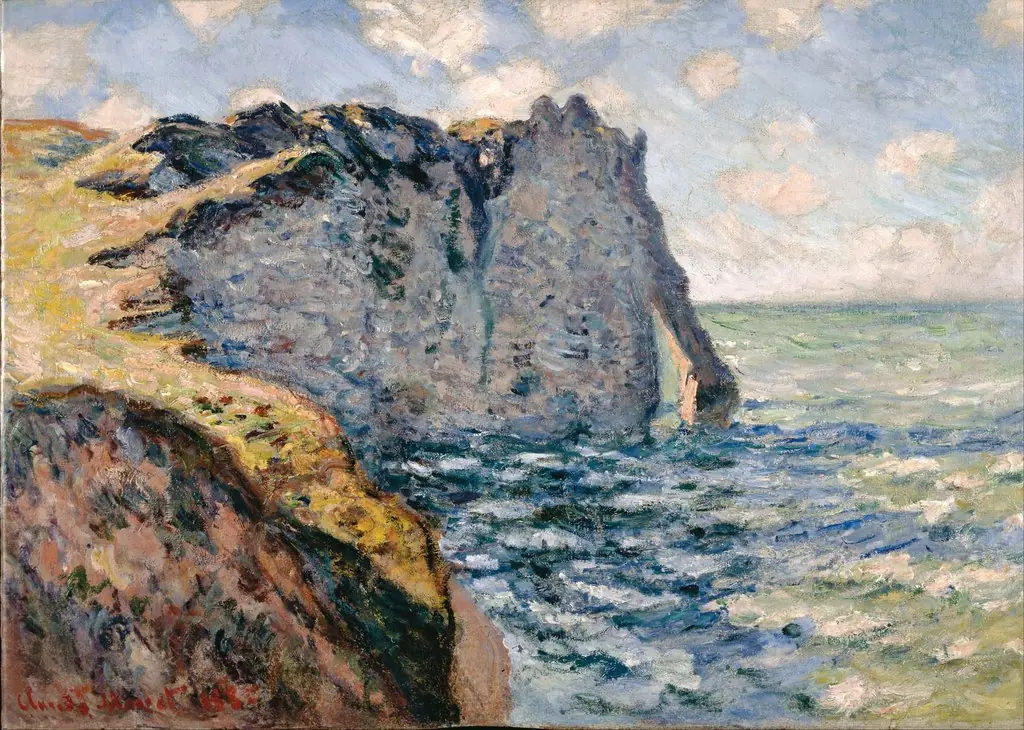 The Cliff of Aval, Etrétat
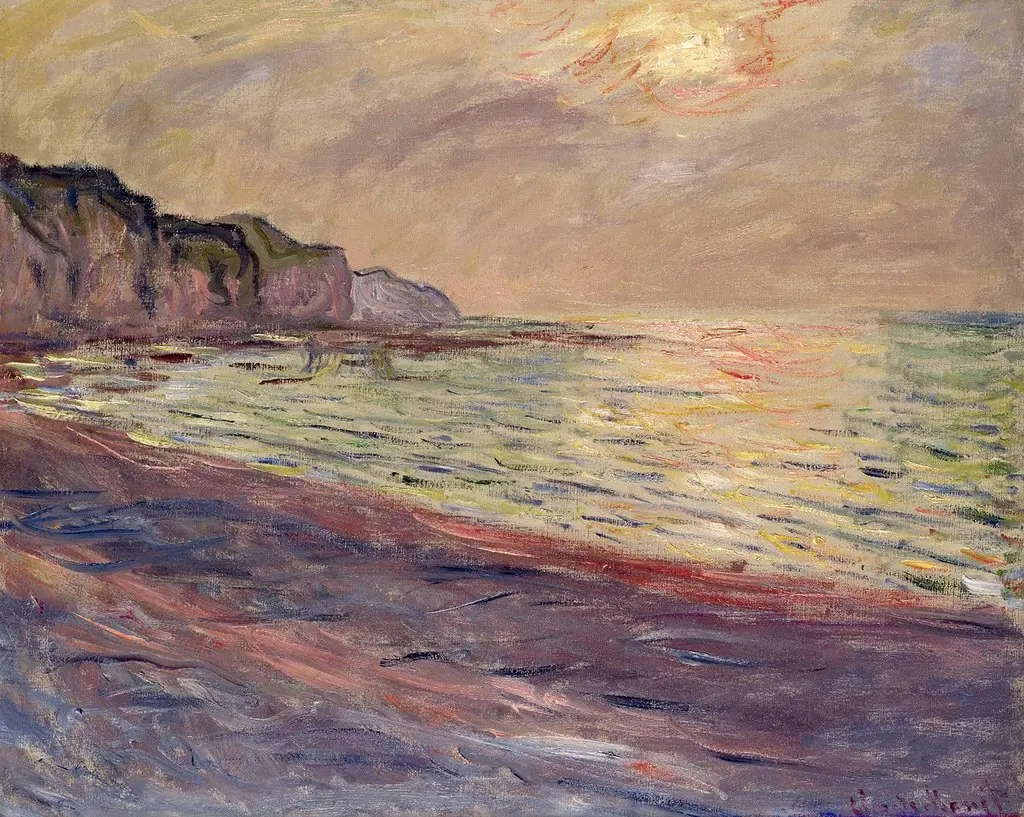 Beach in Pourville, setting sun.
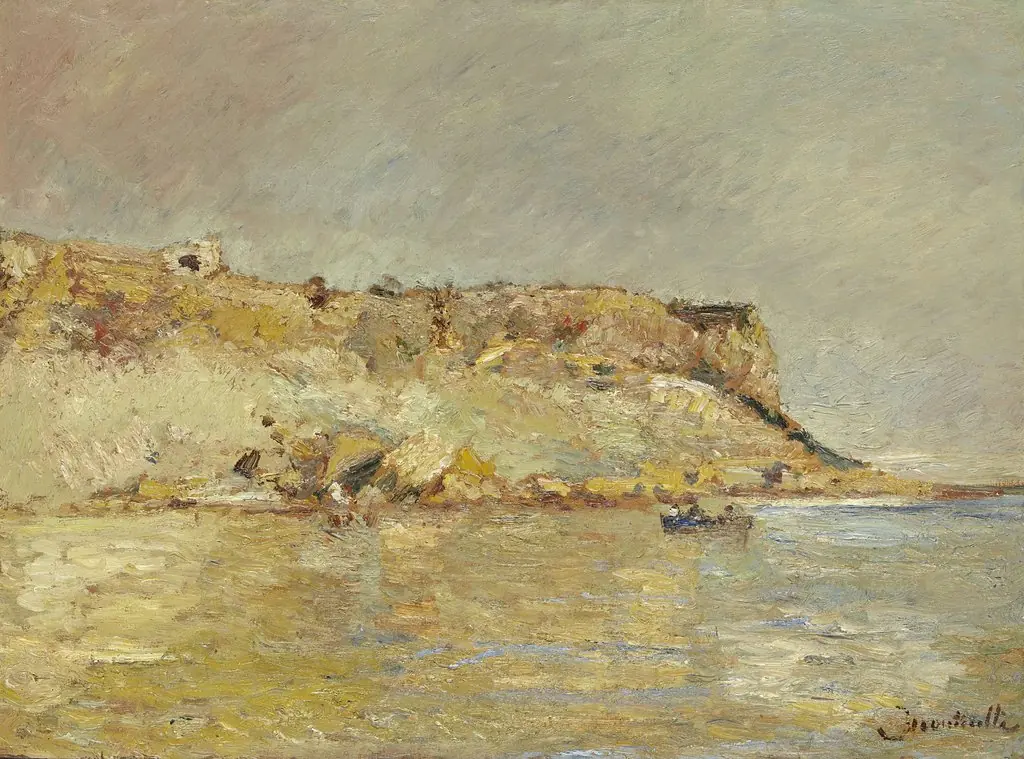 Kustgebergte
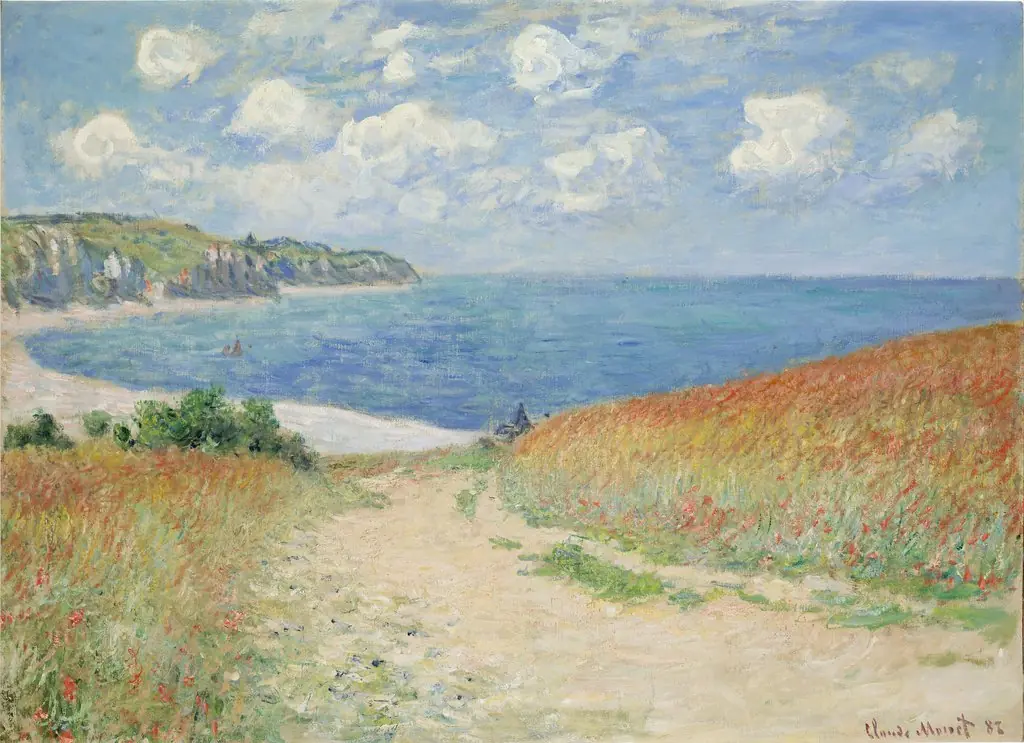 Path in the Wheat at Pourville