Artwork
On the Bank of the Seine, Bennecourt
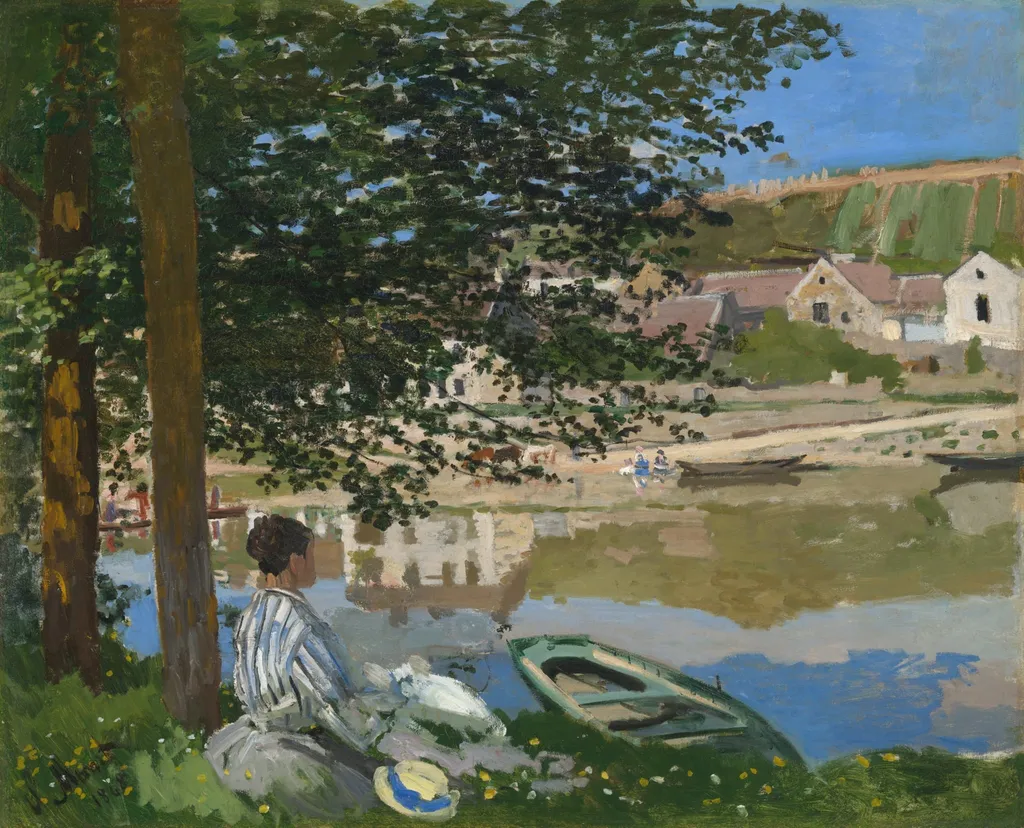
On the Bank of the Seine, Bennecourt is an oil painting by the Impressionist artist Claude Monet. It dates from 1868 and is held in the collection of the Art Institute of Chicago.
- Accession no.
- 81539
- Credit line
- Potter Palmer Collection
About this work
Overview
On the Bank of the Seine, Bennecourt is an oil-on-canvas painting by Claude Monet, depicting a serene riverside scene with a central female figure.
Subject & Meaning
The subject is Camille Doncieux, Monet's future wife, seated on a Seine River island near Bennecourt, gazing toward the hamlet of Gloton. Initial layers of the painting (pentimenti) reveal a previously depicted child, likely their infant Jean, which was later altered.
Technique & Style
The work exhibits characteristic Impressionist traits, though specific technical nuances beyond the visible pentimenti are not highlighted in available information.
History & Provenance
Created during Monet's brief stay in Gloton, a rural retreat recommended by Émile Zola for its affordability and proximity to Paris, this painting is the sole surviving work from this period.
Context
Gloton's appeal as a quiet, affordable escape near Paris aligns with the desires of many late 19th-century artists seeking inspiration in simpler, rural settings.
Legacy
While not singular in style for its time, the painting's significance lies in its rarity as a surviving piece from Monet's Gloton period and its personal subject matter.
Own this work as a print
Artist & collection
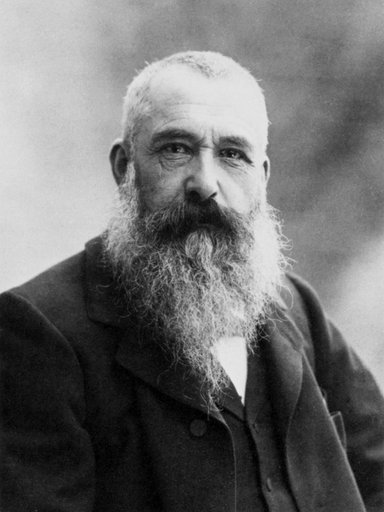
Artist
Oscar-Claude Monet was a French painter and founder of Impressionism who is seen as a key precursor to modernism, especially in his attempts to paint nature as he perceived it.