Artwork
Stonehenge
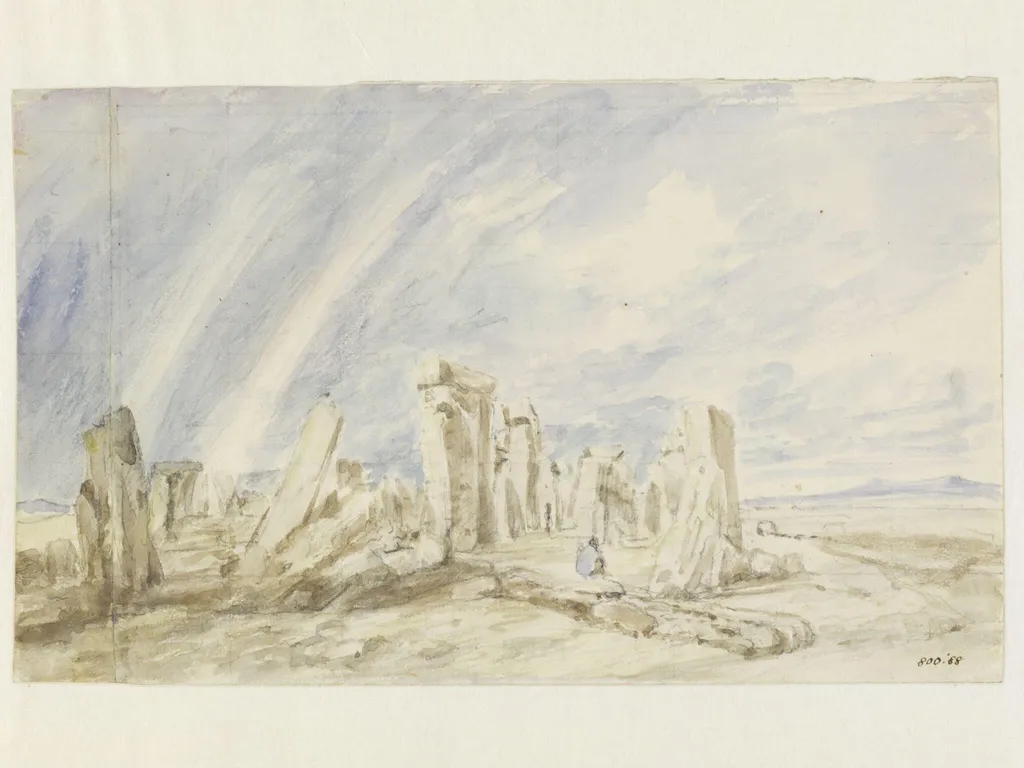
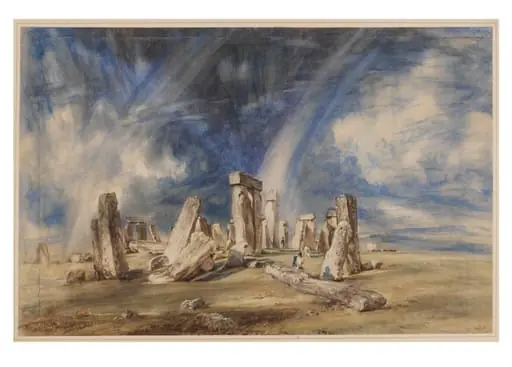
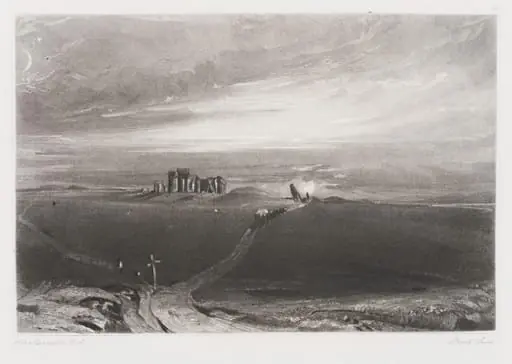
Stonehenge is a watercolor work on paper by the Romanticist artist John Constable. It dates from 1836 and is held in the collection of the Victoria and Albert Museum.
About this work
Overview
John Constable’s 1836 watercolour presents the prehistoric monument of Stonehenge set within a gently rolling landscape. The composition centers the iconic stone circle, framed by distant hills beneath a sky heavy with clouds, creating a tranquil yet evocative scene that reflects the artist’s late‑career focus on atmospheric effects.
Subject & Meaning
The work captures Stonehenge not merely as an archaeological site but as a symbol of timelessness within the English countryside. By placing the ancient stones amid natural surroundings, Constable suggests a dialogue between human history and the enduring landscape, a theme resonant with Romantic interest in the sublime and the past.
Technique & Style
Executed in watercolour, the piece employs delicate washes that soften the stone forms while preserving their mass. Subtle gradations of light and shadow render the stones’ texture, and a muted palette of earth tones and cloud‑gray hues conveys a dreamlike atmosphere, characteristic of Constable’s mature handling of tone and weather.
History & Provenance
First exhibited at the Royal Academy in 1836, the watercolour formed part of Constable’s final series of works, created alongside his concluding lectures on landscape painting. After his death in 1837, the piece was shown posthumously with other late works such as Arundel Mill and Castle, underscoring its place in his concluding artistic output.
Own this work as a print
Artist & collection
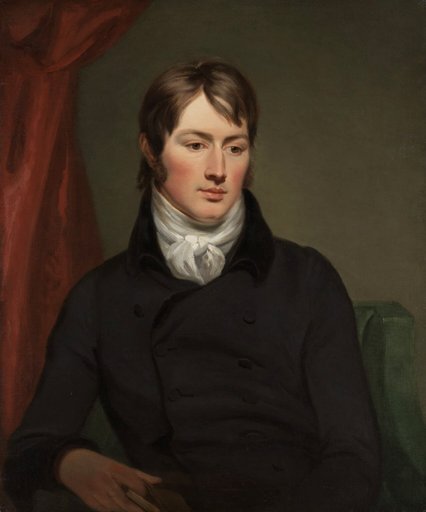
Artist
John Constable was an English landscape painter in the Romantic tradition. Born in Suffolk, he is known principally for revolutionising the genre of landscape painting with his pictures of Dedham Vale, the area on the…