Artwork
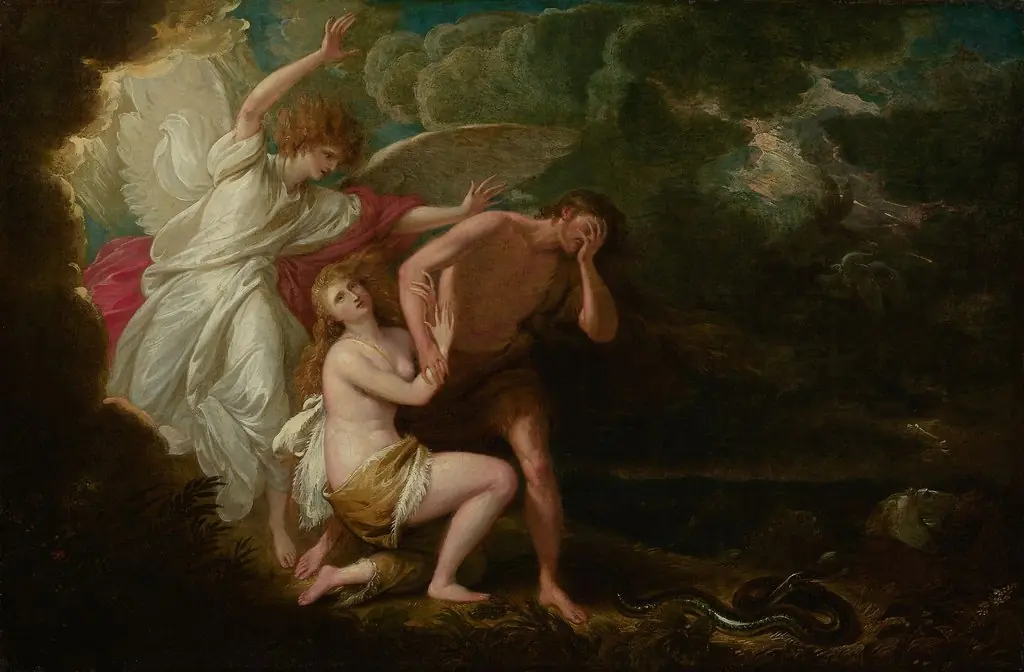
De verdrijving uit het paradijs
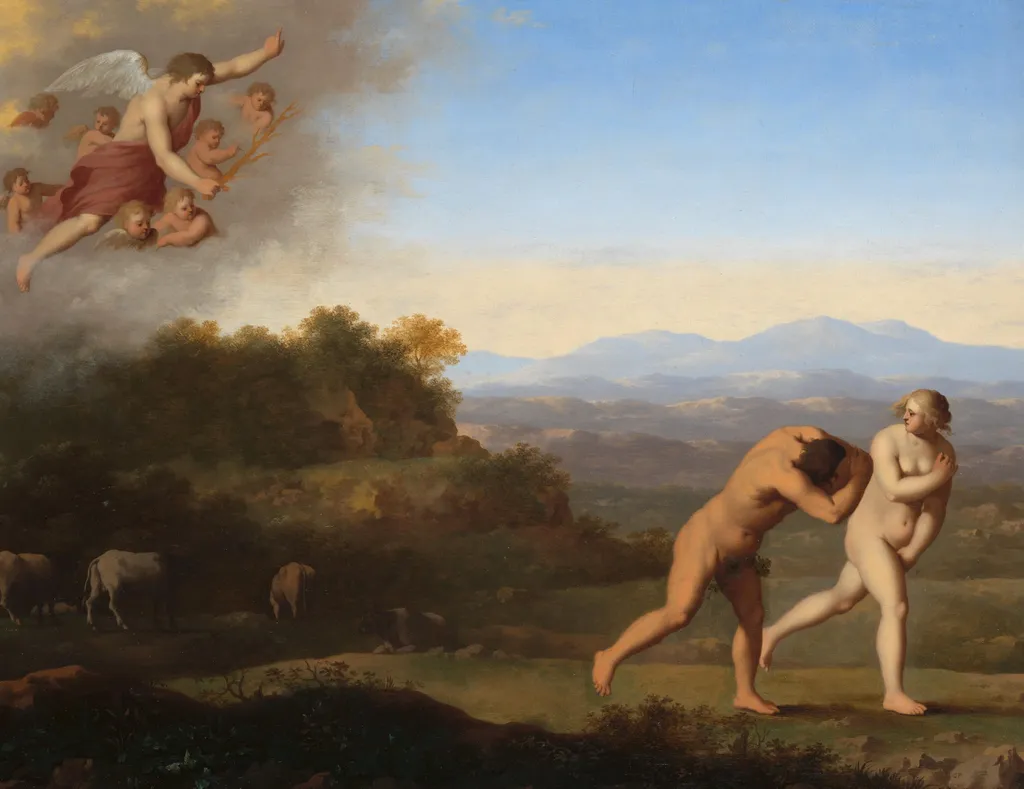
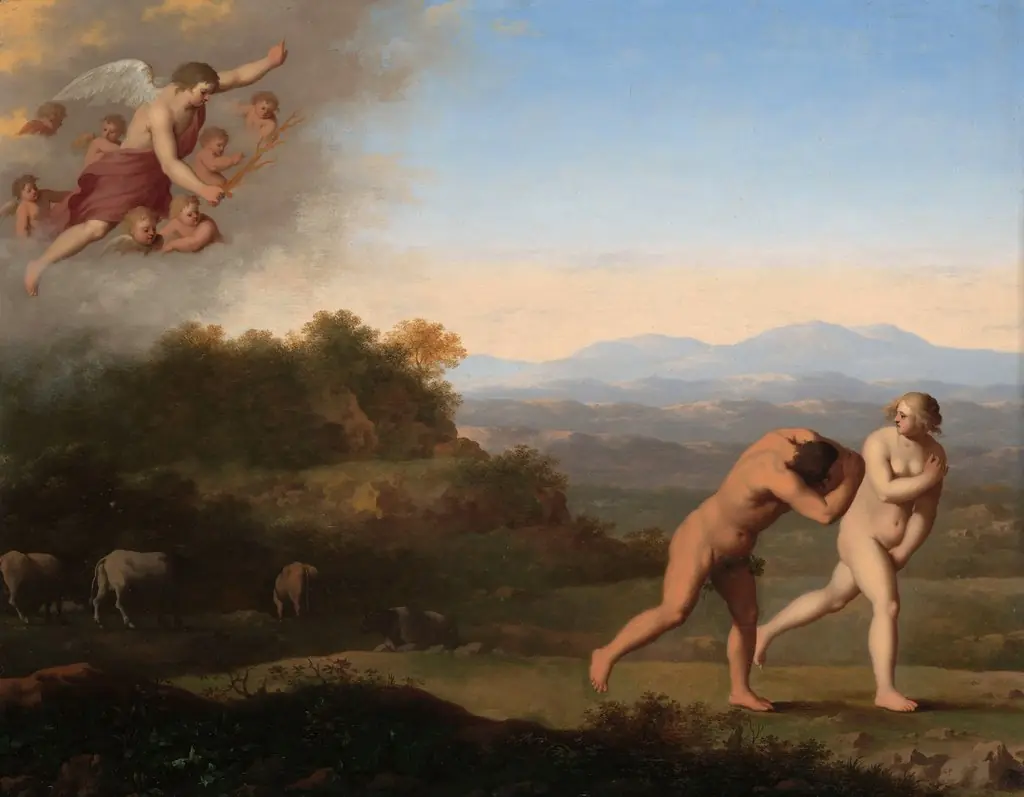
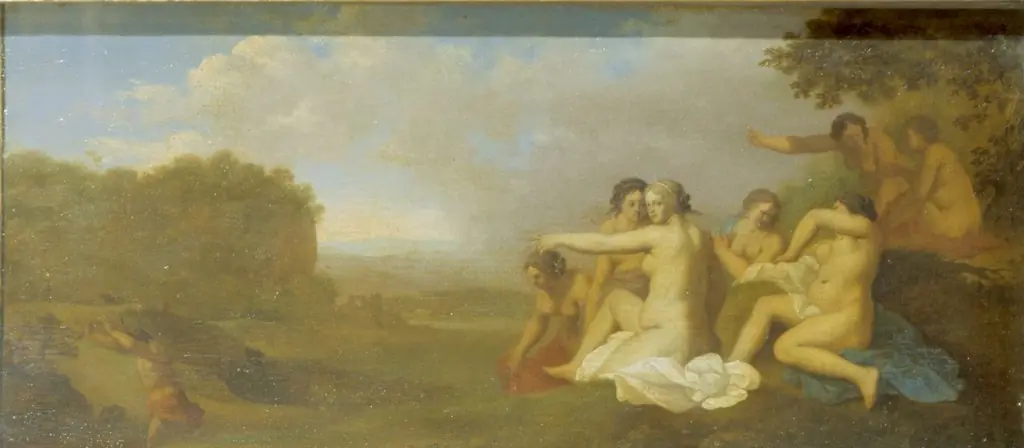
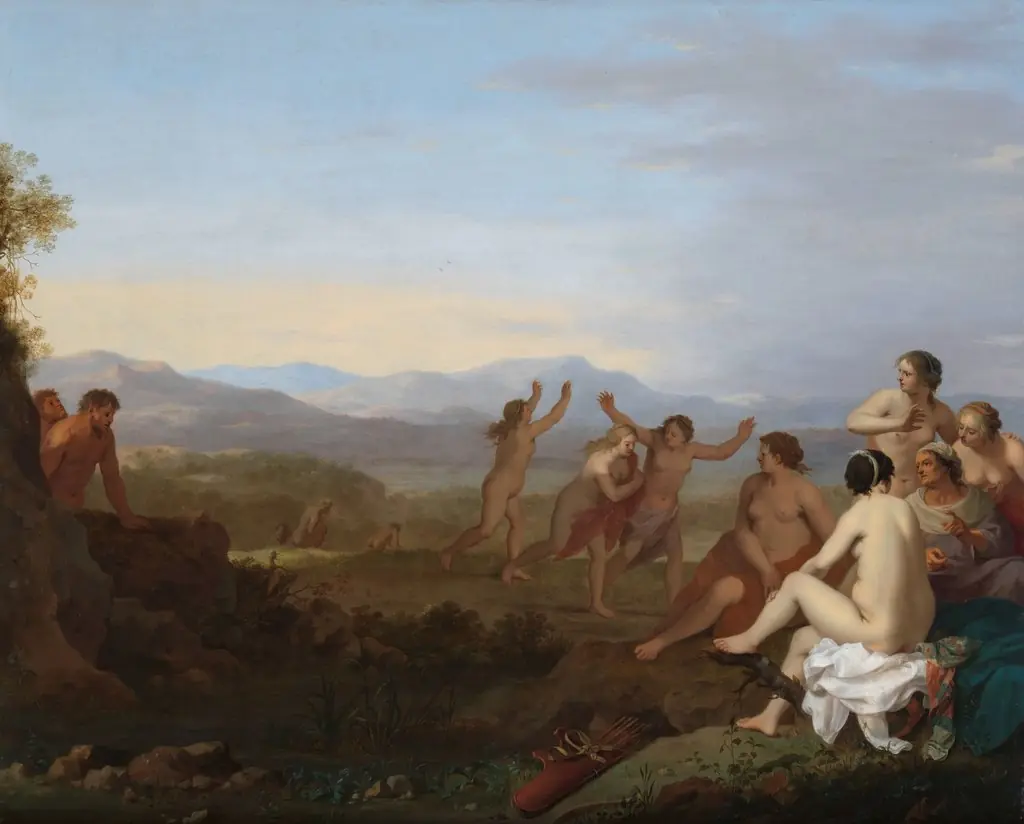
De verdrijving uit het paradijs is an unspecified painting by the Baroque artist Cornelius van Poelenburgh. It dates from 1646 and is held in the collection of the Rijksmuseum.
About this work
Technique & Style
Stylistically, his work belongs to the Baroque movement and is defined by Italianate landscapes featuring biblical, mythological, or literary subjects.
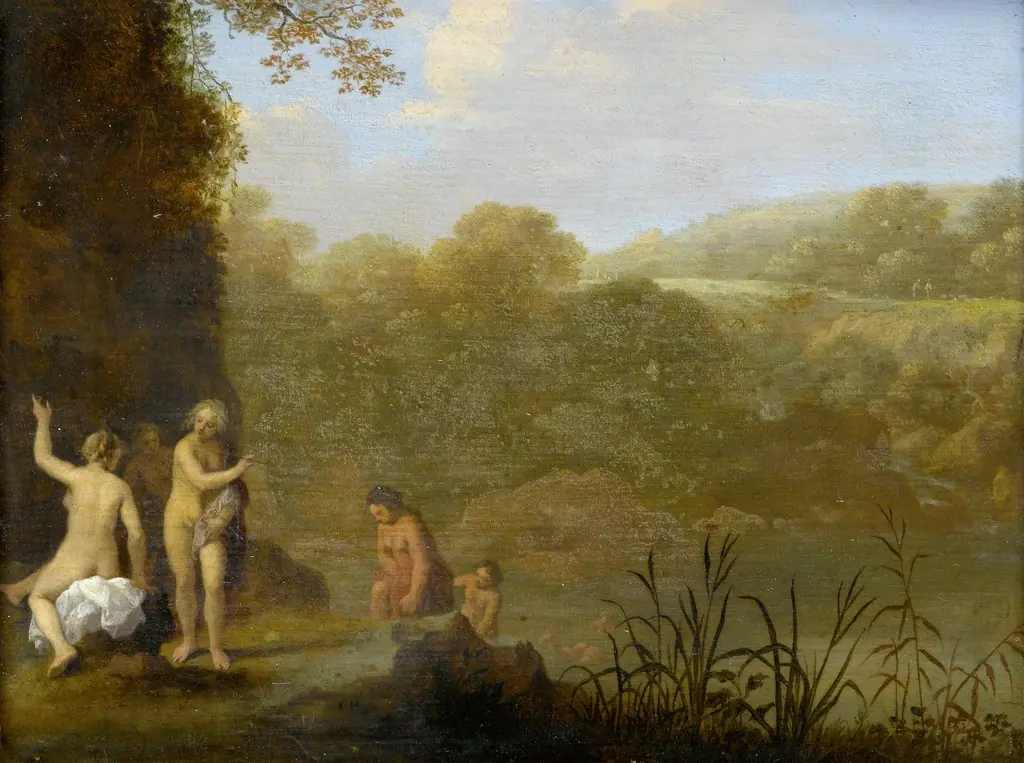
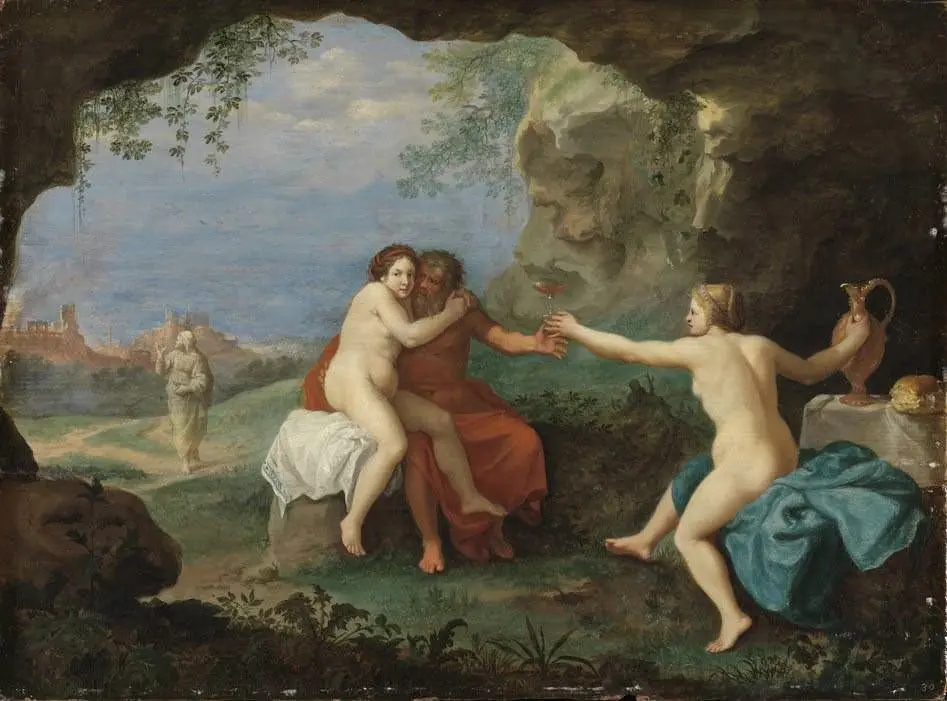
Cornelis van Poelenburch’s practice centers on small-scale, refined cabinet paintings executed on panel or copper supports. Stylistically, his work belongs to the Baroque movement and is defined by Italianate landscapes featuring biblical, mythological, or literary subjects. These arcadian scenes are typically populated with small, often nude figures situated among classical ruins, all illuminated by a clear, limpid light.
His early style is so closely aligned with that of Bartholomeus Breenbergh that their paintings can be difficult to distinguish. Characterized by a smooth, clean handling of paint, his canvases and panels were highly sought after, and his approach proved influential on subsequent generations of Dutch italianisants.
History & Provenance
Cornelis van Poelenburch painted De verdrijving uit het paradijs after circa 1646. No specific records of the work's commission, early owners, or subsequent ownership chain are provided in the available sources. The broader context of the artist's career during this period places him in Utrecht, where he had returned following his employment by Charles I of England, and where he held leadership positions in the local Guild of Saint Luke in the late 1640s and 1650s.
Context
Cornelis van Poelenburch is recognized as a leading figure of the first generation of Dutch Italianate landscape painters, credited with introducing a more naturalistic approach to the genre during his time in Rome. His small-scale cabinet pieces, characterized by smooth execution and arcadian themes populated with mythological or biblical figures, achieved significant contemporary success. This acclaim is evidenced by major commissions from patrons such as the Medici court and King Charles I of England, as well as acquisitions by Peter Paul Rubens and the Stadtholder Frederick Henry.
Art historically, Poelenburch's style shows clear influences from Adam Elsheimer and Paul Bril, while his own work subsequently impacted contemporaries like Bartholomeus Breenbergh and later artists including Nicolaes Berchem and Jan Both. His reputation remained high through the 18th century due to the refined quality of his paintings on copper and panel, securing his presence in numerous prominent museum collections today.
Legacy
Cornelis van Poelenburch's influence on later landscape painting is evident in his role as a foundational figure of the Dutch Italianate movement. His small-scale mythological and biblical landscapes, characterized by classical ruins and luminous light, directly shaped the work of Claude Lorrain and later artists such as Jan Both, Nicolaes Berchem, and Herman van Swanevelt. His technique of integrating figures into idealized Italianate scenery became a model for 17th- and 18th-century landscape painting.
The RKD and multiple museum collections document his legacy, including works held by the National Gallery, London, and the Louvre. His reputation as a master of the genre was cemented through his pupils, including Daniël Vertangen and Jan van Haensbergen, and his inclusion in major collections across Europe.
Overview
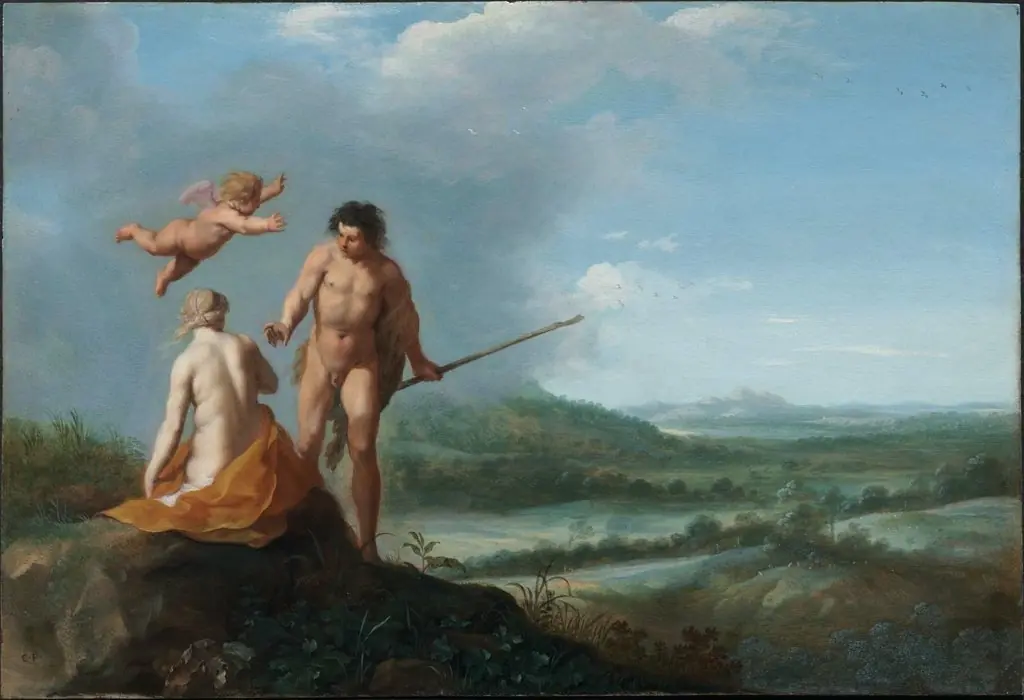
The work entitled De verdrijving uit het paradijs depicts the biblical expulsion of Adam and Eve from the Garden of Eden. An angel brandishing a flaming sword drives the pair from a verdant sanctuary into a stark, rocky terrain, their bodies contorted in a mixture of fear and shame.
Subject & Meaning
The composition visualises the moment of divine punishment after the first humans eat the forbidden fruit. The angel’s fiery blade symbolizes the barrier between the celestial and the mortal, while the couple’s retreat into a barren landscape underscores the loss of innocence and the onset of human suffering.
Own this work as a print
Artist & collection
Artist
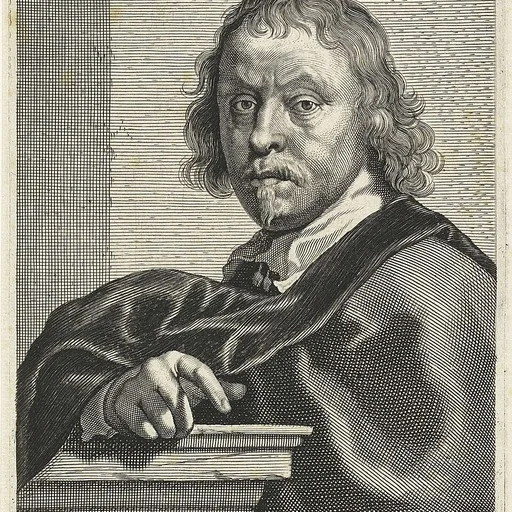
Cornelis van Poelenburgh or Cornelis van Poelenburch (1594 – 12 August 1667), was a Dutch landscape painter and draughtsman.