Artwork
Juan Francisco Pimentel, conde de Benavente
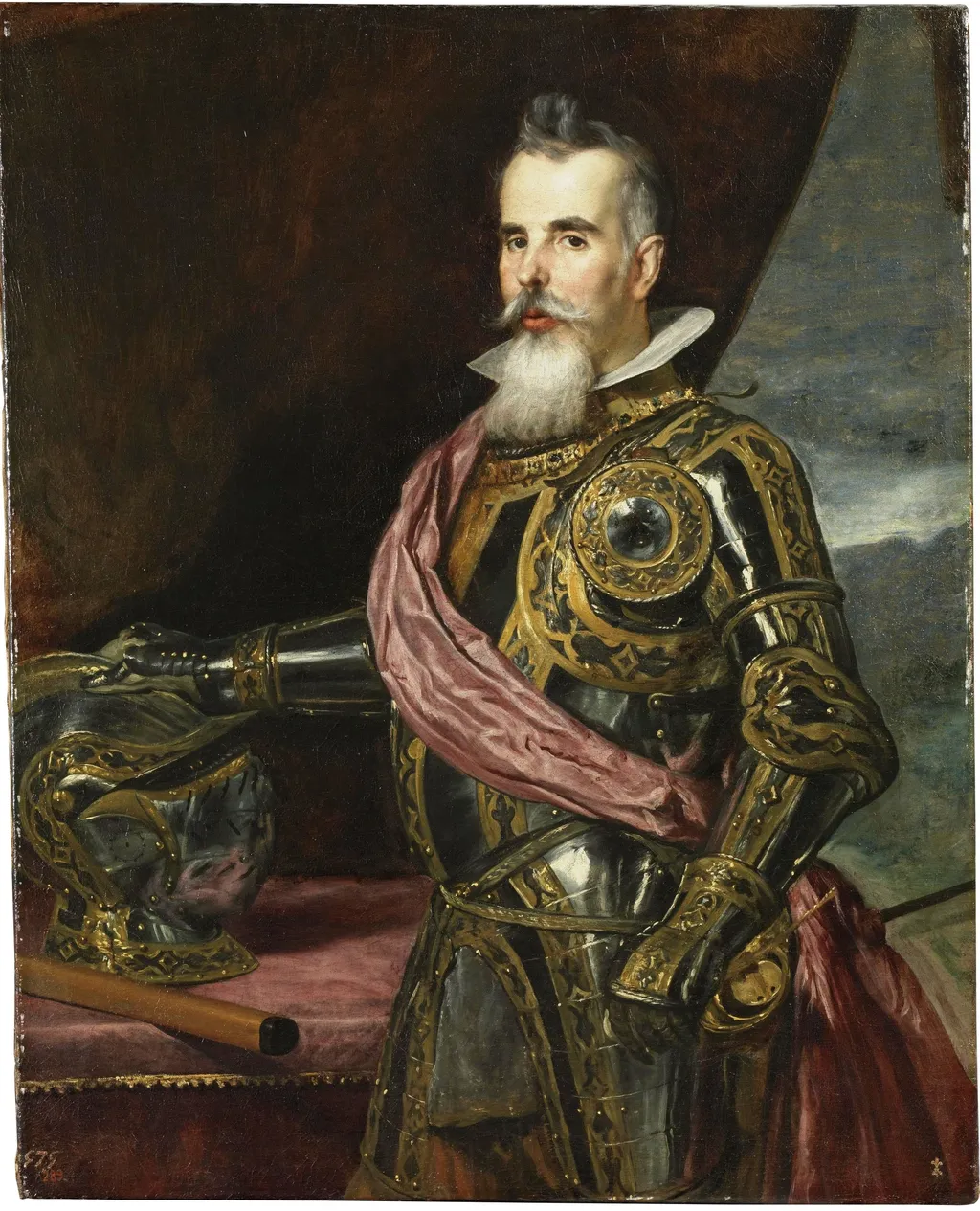
Juan Francisco Pimentel, conde de Benavente is an oil painting by the Early Baroque Italian artist Diego Velázquez. It dates from 1648 and is held in the collection of the Museo del Prado.
About this work
Subject & Meaning
He wears damasked golden armor crossed by a crimson sash that signals his status as a general and holder of the Order of the Golden Fleece.
The painting shows Juan Francisco Pimentel, the seventh Duke of Benavente, in a richly detailed portrait. He wears damasked golden armor crossed by a crimson sash that signals his status as a general and holder of the Order of the Golden Fleece. His gaze meets the viewer directly while his right gloved hand rests on a helmet placed on a table beside a military baton, and his left hand supports the hilt of a sword.
These elements together convey his military authority and noble lineage within the Spanish Habsburg court. The work thus functions as a visual statement of aristocratic prestige and the political symbolism of honor associated with the Golden Fleece, reflecting the subject’s role in contemporary power structures.
Technique & Style
Executed in oil on canvas, the portrait measures 109 by 88 cm. Technical analysis conducted at the Museo del Prado indicates that the handling of the paint aligns more closely with methods used in Velázquez's workshop during the early 1630s rather than the stylistic evolution expected by 1648. This discrepancy between the technique and the date suggested by the subject's insignia has led scholars to question the work's attribution to the master himself.
Stylistically, the composition features the sitter turned slightly to the right while engaging the viewer with a direct gaze. The figure is clad in gold-damascened armor crossed by a crimson sash, signifying his rank as a general and member of the Order of the Golden Fleece. His gloved right hand rests on a helmet placed upon a table alongside a military baton, while his left hand grips the pommel of his sword.
History & Provenance
The portrait, traditionally dated to 1648 based on the subject's receipt of the Order of the Golden Fleece that year, has faced significant scholarly debate regarding its creation history. Technical analysis conducted at the Museo del Prado suggests the painting technique aligns more closely with Velázquez's workshop practices from the early 1630s rather than the late 1640s. Consequently, prominent art historians such as José López-Rey and Jonathan Brown have rejected the attribution to Diego Velázquez himself.
Despite these challenges to authorship and dating, the work has been part of the Prado's collection since the museum's founding in 1819. Prior to this public acquisition, the painting was held in the royal collections of Ferdinand VII, Elisabeth Farnese, and Charles III of Spain.
The portrait is held in the collection of the Museo del Prado in Madrid, where it has been located since the museum's foundation in 1819. While traditionally dated to 1648 based on the subject's receipt of the Order of the Golden Fleece depicted in the armor, technical analysis conducted by the museum suggests the painting technique aligns more closely with works from Velázquez's workshop in the early 1630s. Consequently, some scholars, including José López-Rey and Jonathan Brown, have rejected the attribution to Velázquez himself.
The work was included in the exhibition catalog for the 1990 Velázquez retrospective at the Museo del Prado.
Context
Although traditionally dated to 1648 based on the sitter's receipt of the Order of the Golden Fleece depicted in the armor, the painting's attribution to Diego Velázquez has been significantly challenged by modern scholarship. Prominent experts José López-Rey and Jonathan Brown have rejected Velázquez's authorship. Technical analysis conducted by the Museo del Prado supports this skepticism, indicating that the brushwork and materials align more closely with workshop practices from the early 1630s rather than the artist's late style.
Consequently, the work is currently classified as attributed to Velázquez, highlighting a discrepancy between the historical iconography and the physical evidence of its creation. This debate situates the portrait within broader discussions regarding the output of Velázquez's studio and the difficulties in distinguishing the master's hand from his assistants during this period.
Overview
Diego Velázquez painted this oil portrait in 1648, depicting Juan Francisco Pimentel, the 7th Duke of Benavente. The subject is presented in elaborate armor, reflecting his noble status and military associations. This work is a significant example of Velázquez's portraiture from the mid-17th century, capturing the dignity and presence of a prominent figure of the Spanish court. It is currently housed in the Museo del Prado.
Own this work as a print
Artist & collection
Artist
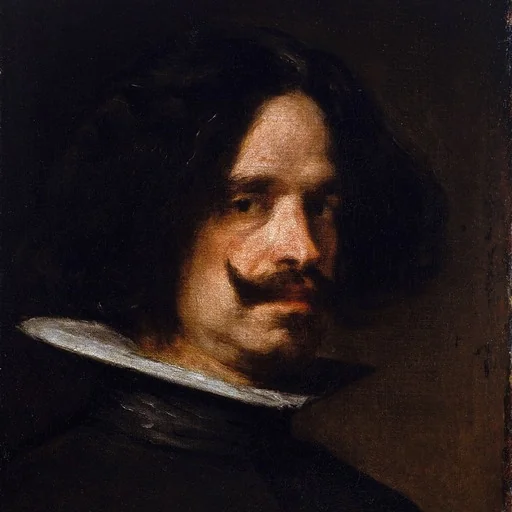
Diego Rodríguez de Silva y Velázquez was a Spanish Baroque painter, the leading artist in the court of King Philip IV of Spain and Portugal, and of the Spanish Golden Age.


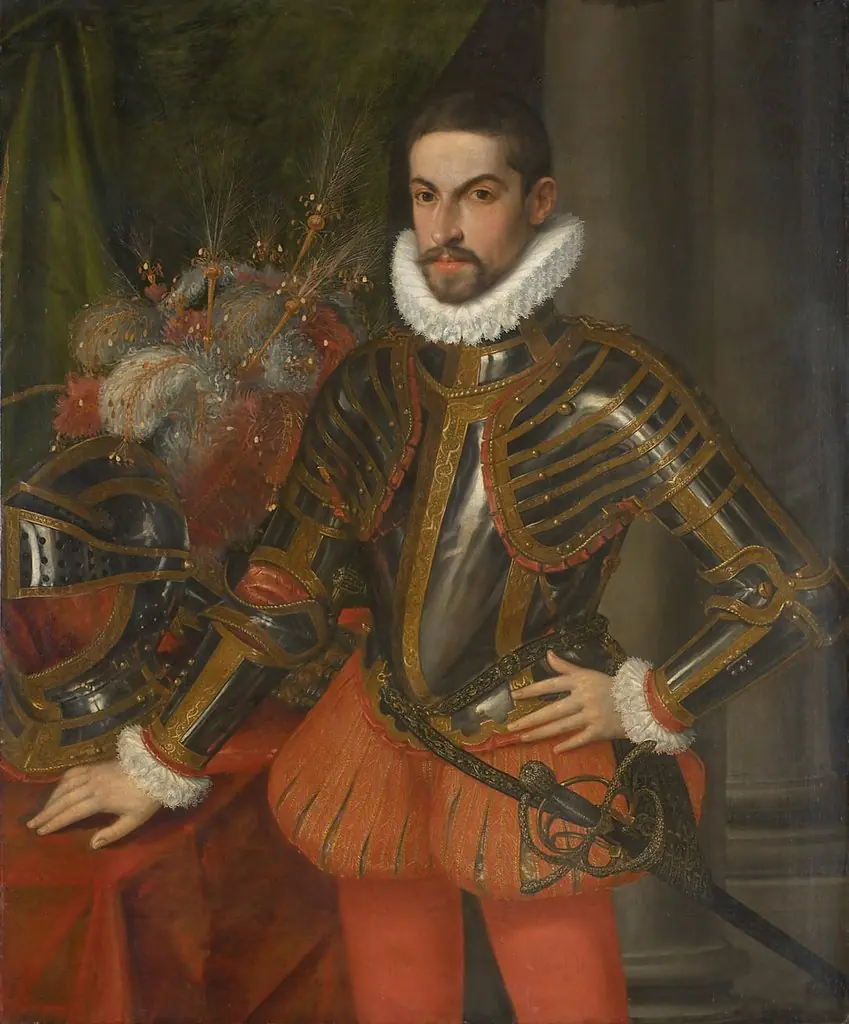
- Erzherzog Maximilian III. (1558-1618) im Harnisch, Kniestück
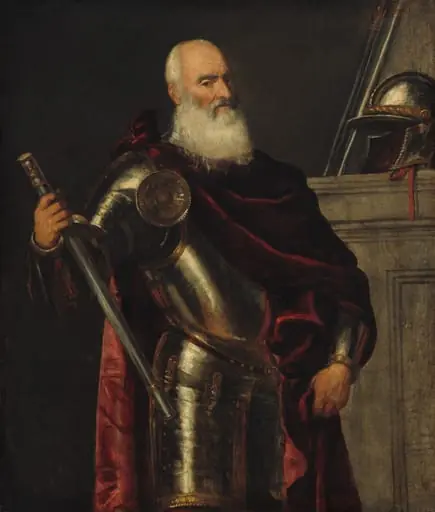 Vincenzo Cappello
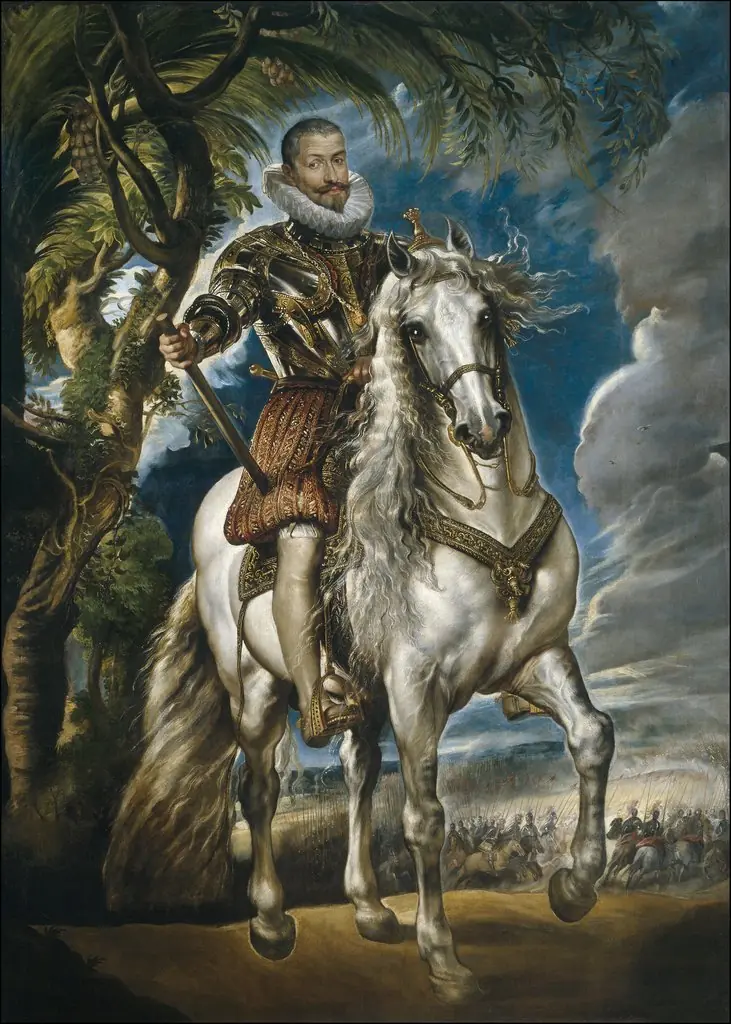 Equestrian Portrait of the Duke of Lerma
 Portrait of Agostino Barbarigo
 Portrait of Agostino Barbarigo
 Portrait of Francesco Maria II della Rovere
 Portrait of a Man in Armor
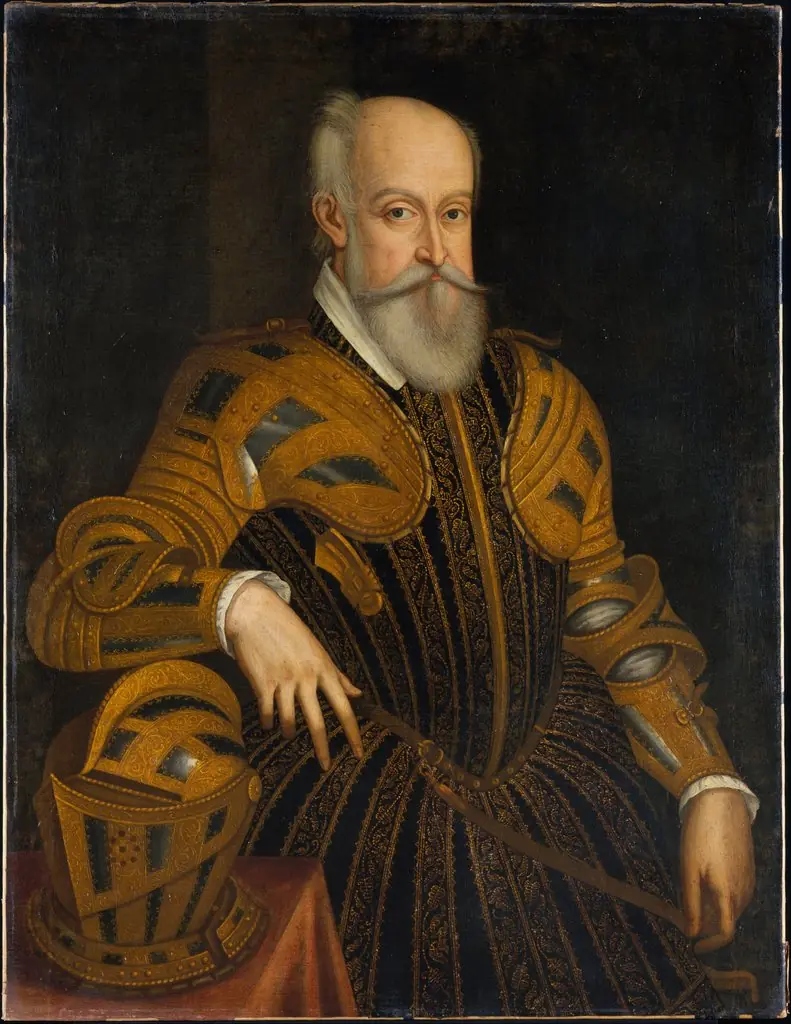 Alfonso II d'Este (1533–1597), Duke of Ferrara
 Agostino Barbarigo
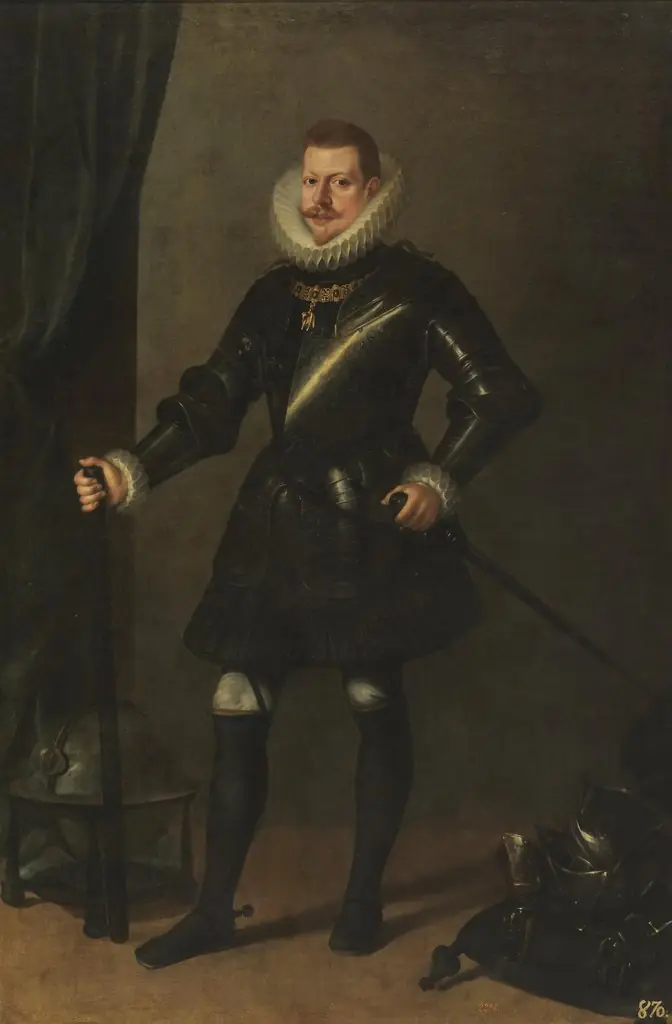 Philip III in Armour
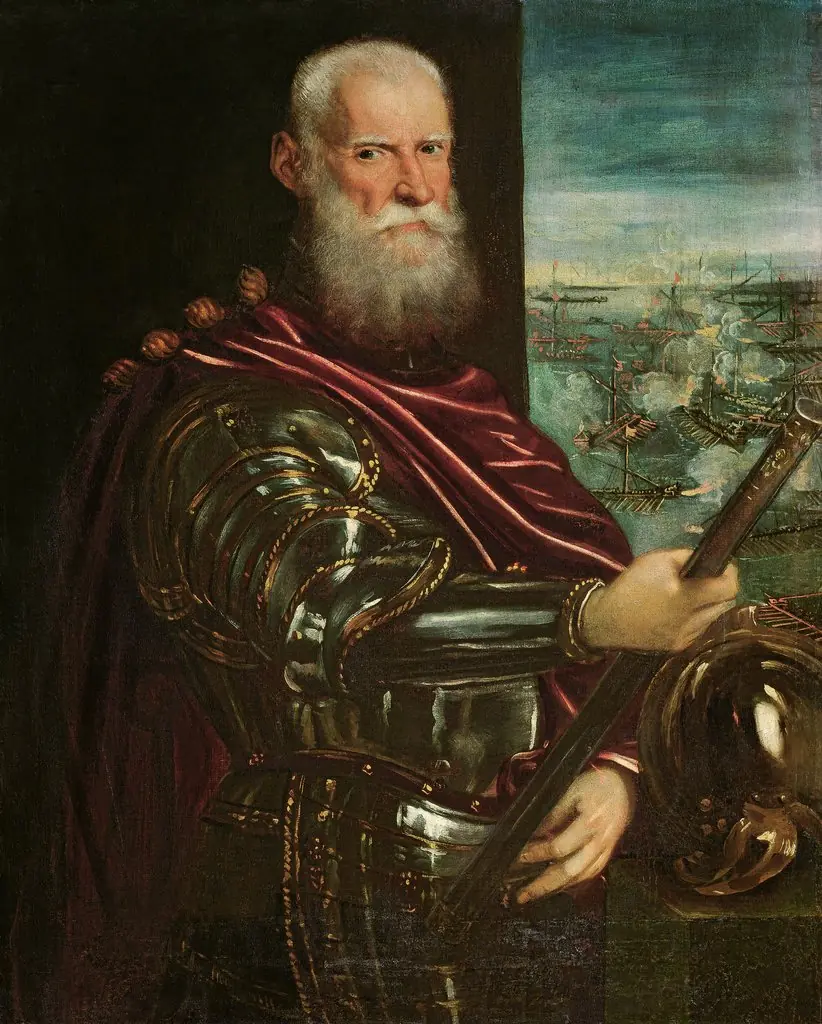 Portrait of the Doge Sebastiano Venier
 Bildnis eines Malteserritters