Artwork
Maria Anna, Queen of Spain
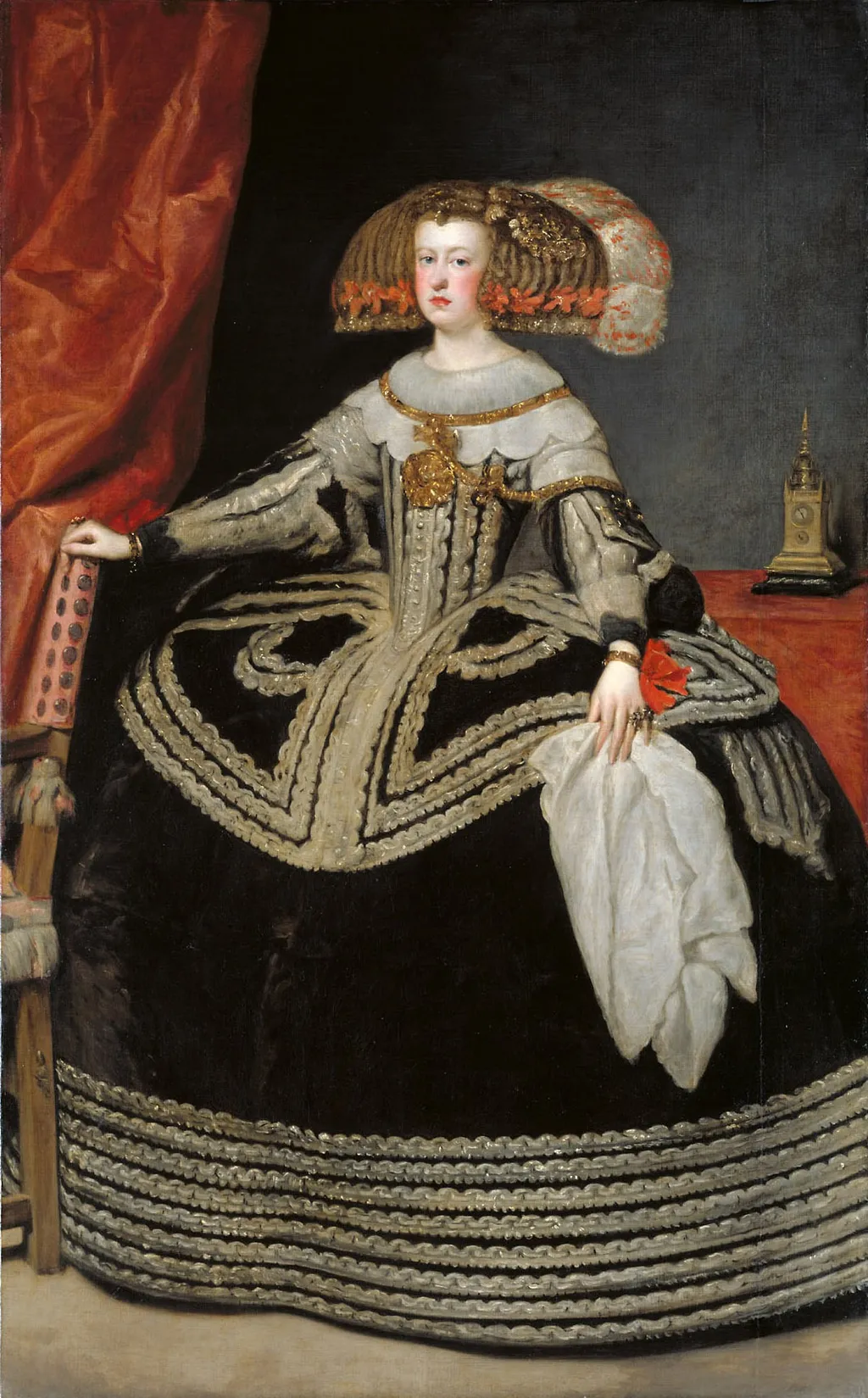
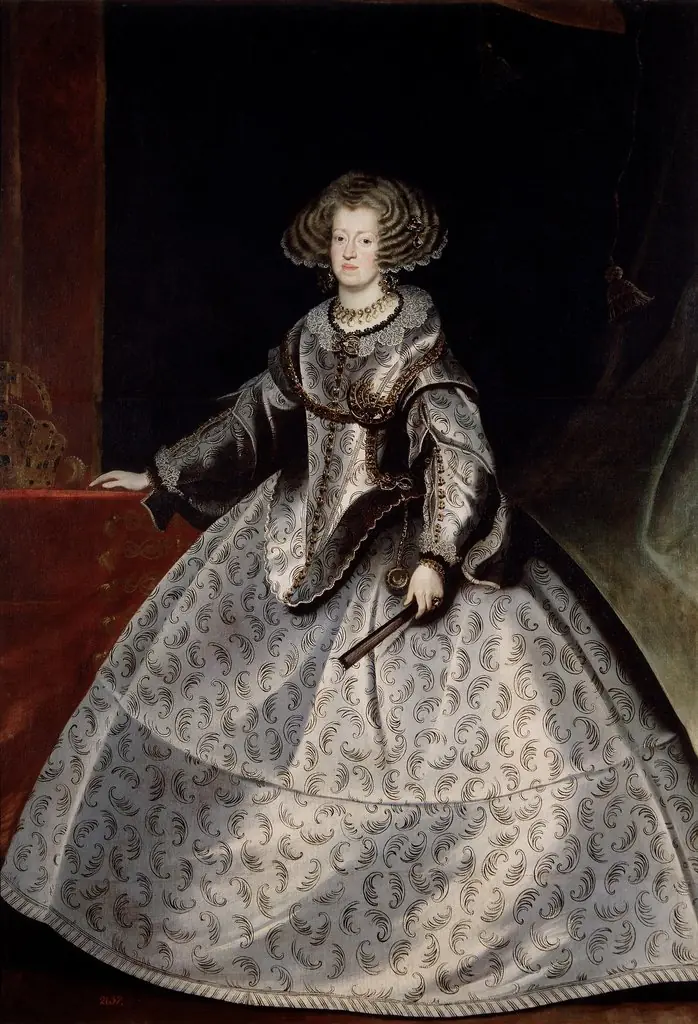
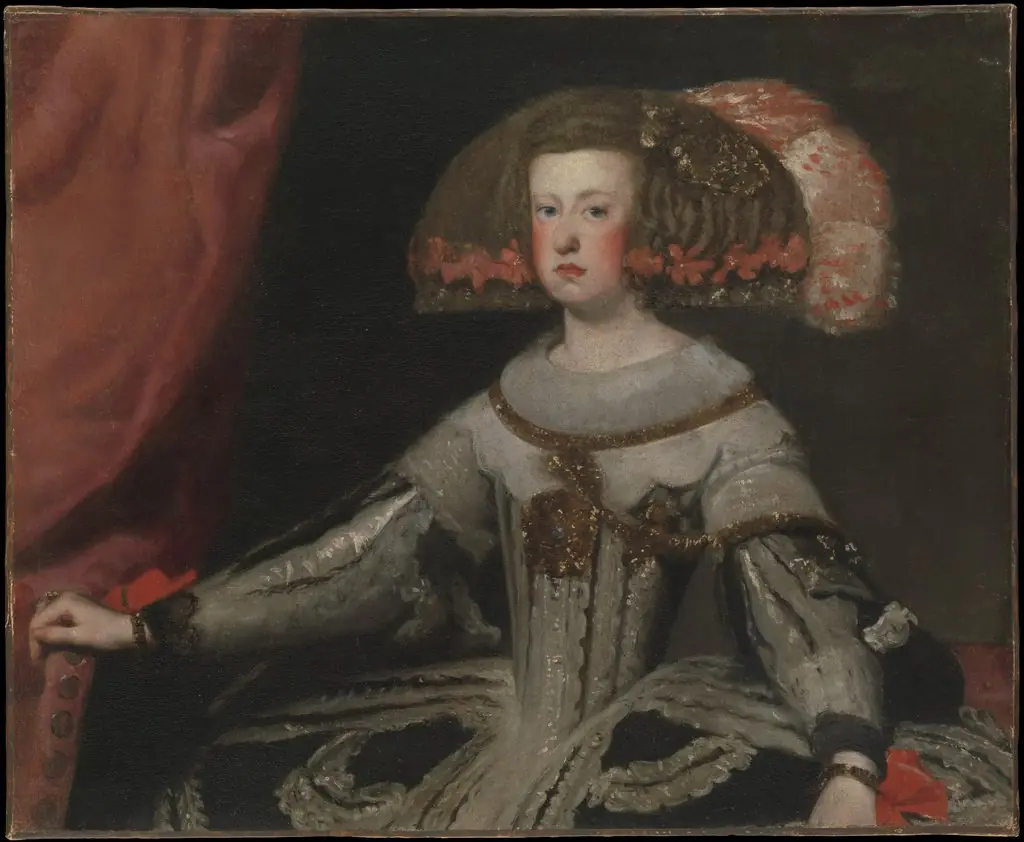
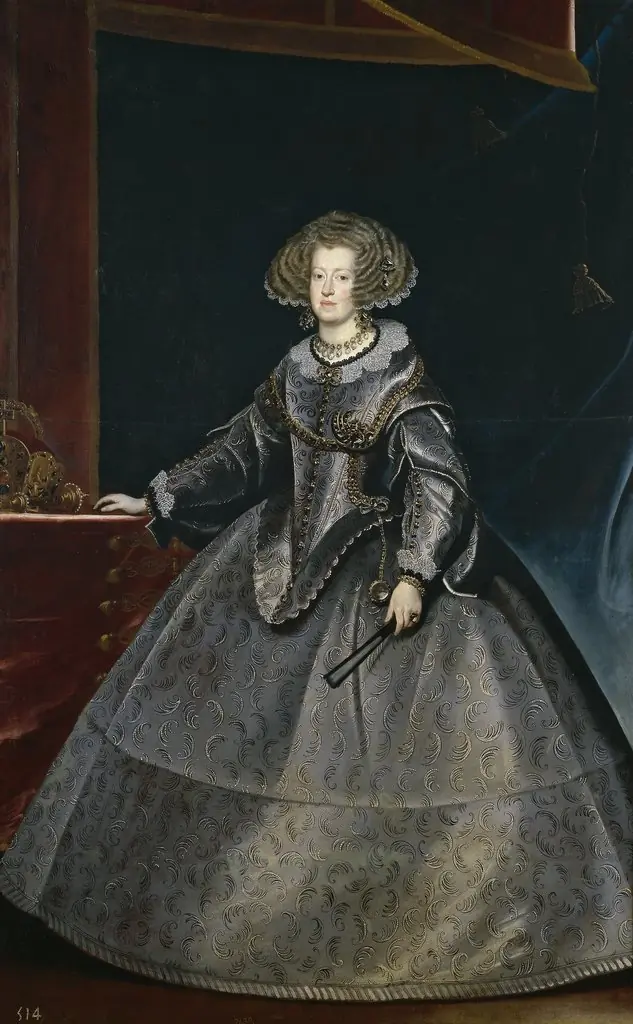
Maria Anna, Queen of Spain is an oil painting by the Early Baroque Italian artist Diego Velázquez. It dates from 1652 and is held in the collection of the Kunsthistorisches Museum.
About this work
Subject & Meaning
As a royal portrait from the Spanish court, the image functions to document the queen's likeness and assert her status within the Habsburg dynasty.
The work is a formal portrait depicting Mariana of Austria, who served as Queen of Spain. Created in 1652 by Diego Velázquez and his workshop, the painting presents the monarch as the central and sole subject. As a royal portrait from the Spanish court, the image functions to document the queen's likeness and assert her status within the Habsburg dynasty. The composition focuses entirely on her figure, establishing her identity and role as queen without narrative embellishment.
Technique & Style
Executed in 1652, this portrait utilizes oil paint applied to a canvas support. The work measures 204 cm in height and 126.5 cm in width, presenting a formal depiction of the subject. While attributed to Diego Velázquez, the piece is also recognized as a product of his workshop, suggesting a collaborative approach to its creation.
The painting functions as a standard portrait within the artist's oeuvre, focusing on the representation of Mariana of Austria.
History & Provenance
The painting was created in 1652 as a portrait of Mariana of Austria, commissioned by the Habsburg court to depict the queen consort of Spain. Velázquez painted the work while serving as court painter, and it entered the collection of the Kunsthistorisches Museum shortly after its completion, where it remains displayed today.
The work measures 204 cm in height and 126.5 cm in width, executed in oil on canvas. It belongs to the portrait genre and reflects the artistic practice of the Spanish Baroque period. The attribution to Diego Velázquez and his workshop is documented in museum records and scholarly catalogues.
Provenance traces a continuous ownership from the royal Spanish court to the imperial collection of the Kunsthistorisches Museum in Vienna, establishing an unbroken chain of custody since its creation.
The painting is held in the collection of the Kunsthistorisches Museum, as recorded in its institutional and Wikidata records.
No specific inventory or accession number is documented in the available sources. Likewise, no exhibition history is recorded for the work beyond its current placement at the museum.
Overview
This portrait of Maria Anna, Queen of Spain, is a work by Diego Velázquez, executed in oil paint. Created in 1652, it is now held at the Kunsthistorisches Museum.
Context
The portrait was likely intended to showcase the queen's status and wealth, reflecting the conventions of royal portraiture during this period.
Artist & collection
Artist
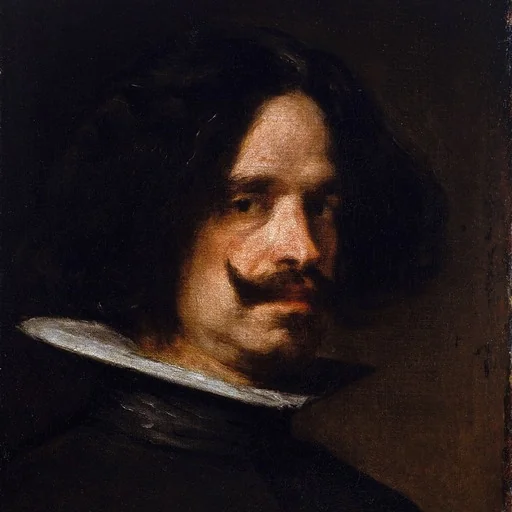
Diego Rodríguez de Silva y Velázquez was a Spanish Baroque painter, the leading artist in the court of King Philip IV of Spain and Portugal, and of the Spanish Golden Age.