Artwork
Portrait of Juan Martínez Montañés
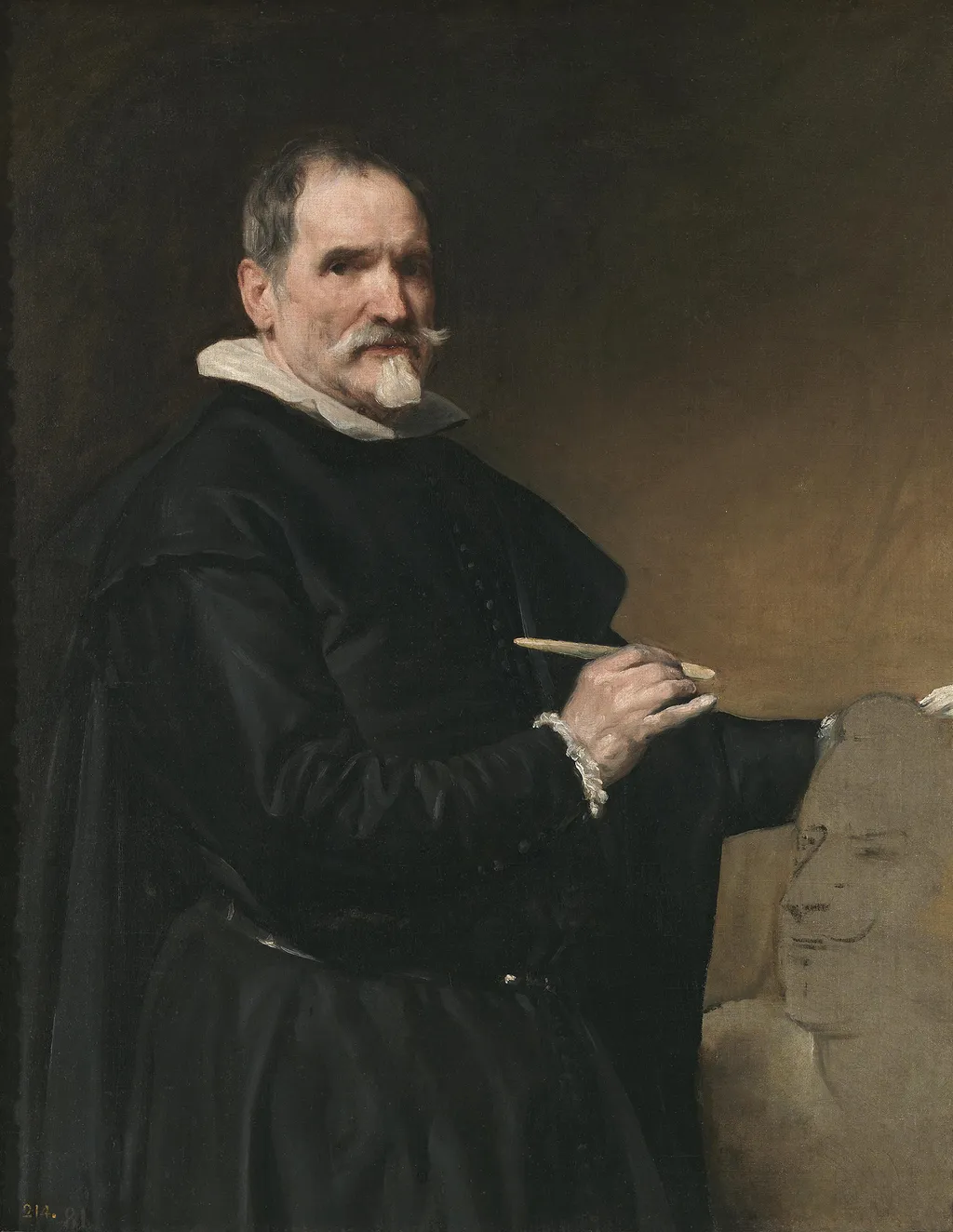
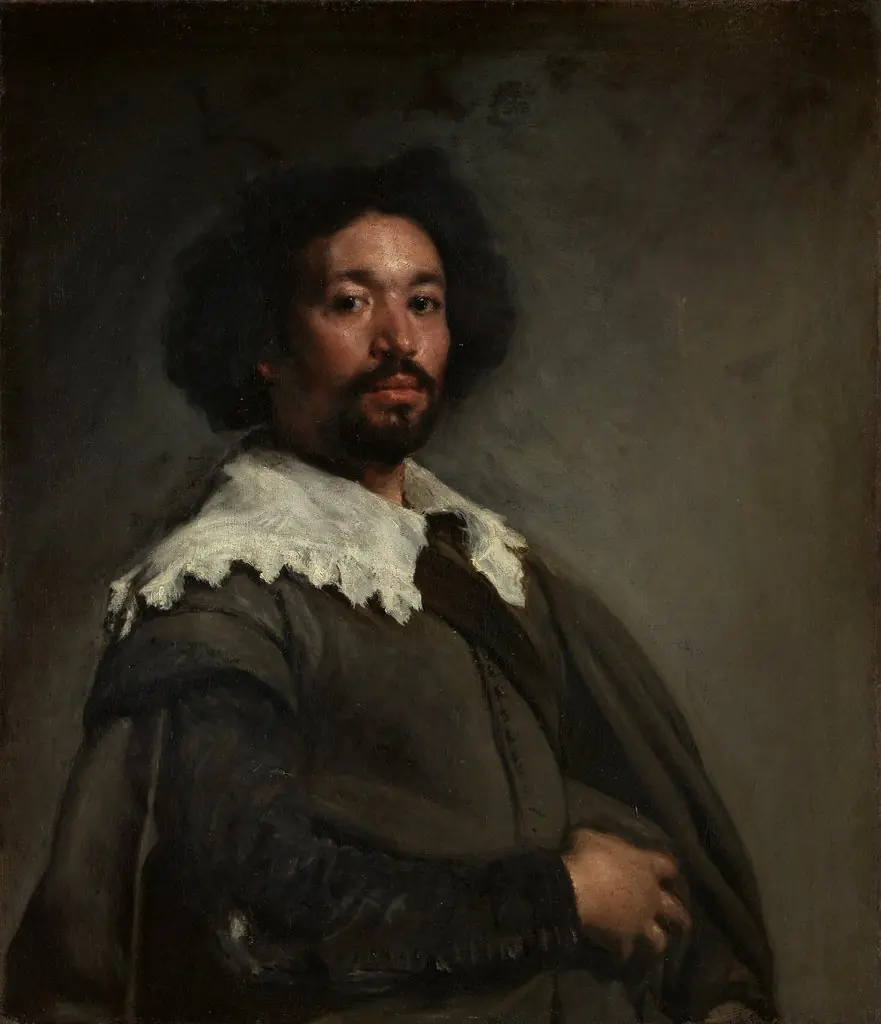
Portrait of Juan Martínez Montañés is an oil painting by the Early Baroque Italian artist Diego Velázquez. It dates from 1635 and is held in the collection of the Museo del Prado.
About this work
This painting is a portrait of Juan Martínez Montañés. It's an oil paint work by Diego Velázquez.
The portrait was created in 1635 and was part of the Spanish royal collection. It's now held at the Museo del Prado, where many important artworks are preserved.
To learn more about the style and techniques used in this portrait, look up the technique of chiaroscuro.
Subject & Meaning
Velázquez captures the artist at work, shaping the royal bust with a modeling tool, yet leaves the king's head merely as an outline.
The painting depicts the Sevillian sculptor Juan Martínez Montañés, though some scholars have proposed the subject might be Alonso Cano based on a later visit to Madrid. The prevailing identification places the sitting during Montañés's 1635–1636 stay in the capital, where he created a clay bust of King Philip IV to serve as a model for Pietro Tacca's bronze equestrian statue.
Velázquez captures the artist at work, shaping the royal bust with a modeling tool, yet leaves the king's head merely as an outline. The composition directs focus to the sculptor's animated hand and face, emphasizing the act of creation. By clothing the subject in formal black attire with a white collar and cuffs, Velázquez elevates Montañés's status from that of a mere craftsman to a nobleman, reflecting the changing social perception of artists in seventeenth-century Spain.
Technique & Style
Executed in oil on canvas, this unfinished portrait measures 109 cm by 88 cm. Velázquez employed fluid, distinct brushstrokes with meticulous care across most of the composition, particularly in the rendering of the subject's formal black silk cape, doublet, and white ruffled collar and cuffs. The artist concentrated light and visual interest on the sculptor's face and his active hand shaping a clay bust with a modeling tool. In contrast to the polished finish of the figure, the clay bust of the king remains a mere outline or sketch, reflecting the work's incomplete state. This selective finish elevates the subject's status while capturing a moment of artistic creation.
History & Provenance
Painted by Diego Velázquez between 1635 and 1636, the work depicts the sculptor Juan Martínez Martínez Montañés during his visit to Madrid. The portrait was created while Montañés was commissioned to fashion a clay bust of King Philip IV, which served as a modello for the Florentine sculptor Pietro Tacca to produce a bronze equestrian statue. Most art historians date the painting to the period between June 1635 and January 1636, coinciding with Montañés' stay at the royal court, though some have suggested the subject might be Alonso Cano.
The painting remains unfinished, showing the sculptor shaping the clay bust with a stick. Historically, the work entered the Spanish royal collection and is currently held by the Museo del Prado in Madrid.
The painting is held in the collection of the Museo del Prado, Madrid.
It is inventoried as oil on canvas, 109 cm × 88 cm, accessioned to the Prado’s holdings where it is displayed in Hall 012.
Its exhibition history includes inclusion in the 2023 exhibition “Velázquez, The Golden Century: The Age of Velázquez.”
Context
Scholarly consensus identifies the sitter as Juan Martínez Montañés, though some historians have proposed Alonso Cano as an alternative subject. The work is situated within the context of Montañés's 1635 visit to Madrid to create a clay modello of Philip IV for Pietro Tacca's bronze equestrian statue. Velázquez, then 36, depicted the 67-year-old sculptor to elevate his social standing from craftsman to nobleman, dressing him in formal black attire with white cuffs.
This portrayal reflects the professional relationship between the two artists, furthered by their shared connection to Francisco Pacheco, who had previously polychromed Montañés's sculptures. The portrait remains unfinished, with the king's bust rendered only as an outline, yet it is noted for the dynamic rendering of the sculptor's hand and the fluid execution of the garments.
Overview
Diego Velázquez’s portrait of the Spanish sculptor Juan Martínez Montañés dates to around 1635. Executed in oil on canvas, the work remains unfinished, revealing the artist’s process through visible underdrawing and incomplete modeling. Today the painting belongs to the collection of the Museo del Prado in Madrid, where it is displayed among other works from the 17th‑century Spanish court.
Own this work as a print
Artist & collection
Artist
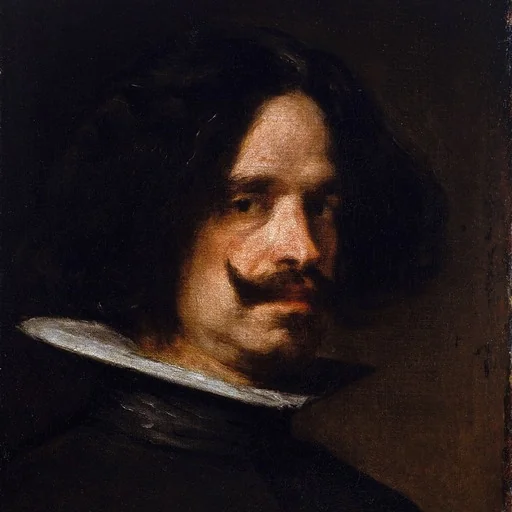
Diego Rodríguez de Silva y Velázquez was a Spanish Baroque painter, the leading artist in the court of King Philip IV of Spain and Portugal, and of the Spanish Golden Age.

- Portrait of an Actor
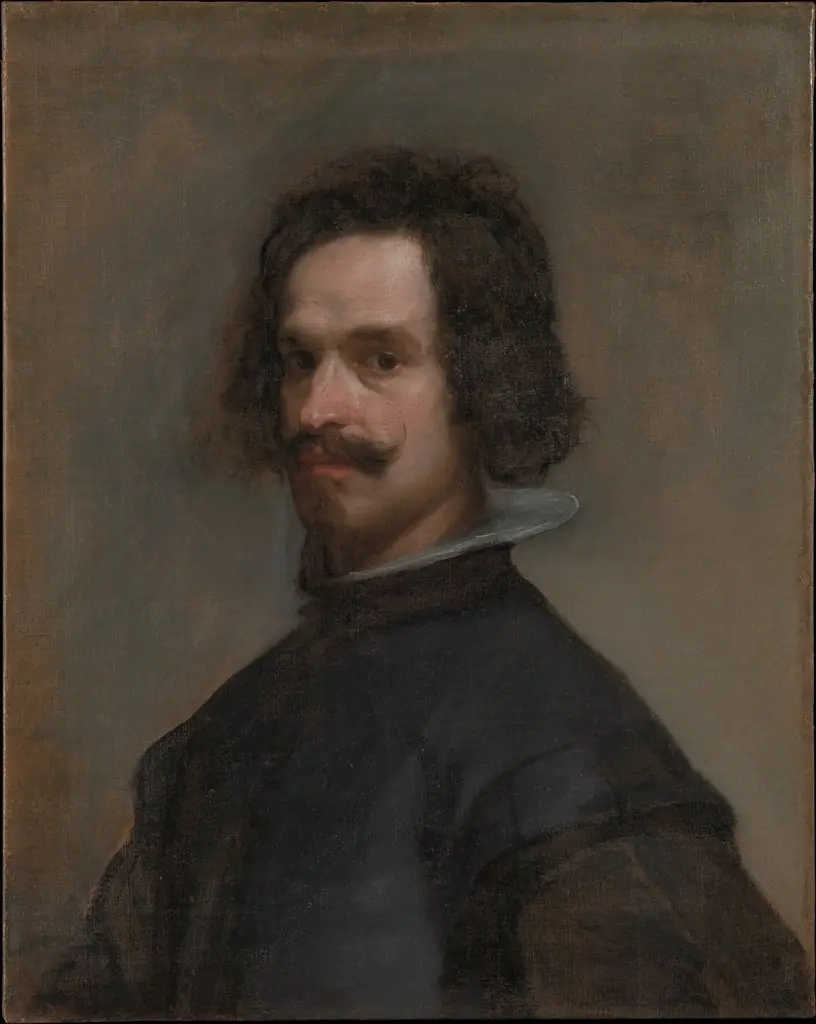 Portrait of a Man
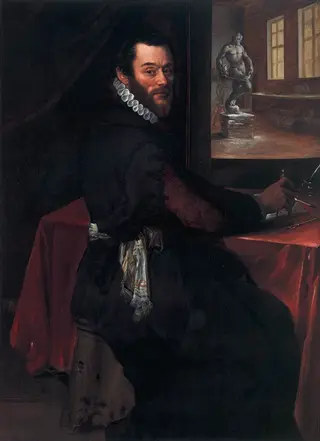 Portrait of Giambologna in his Studio
 Untitled
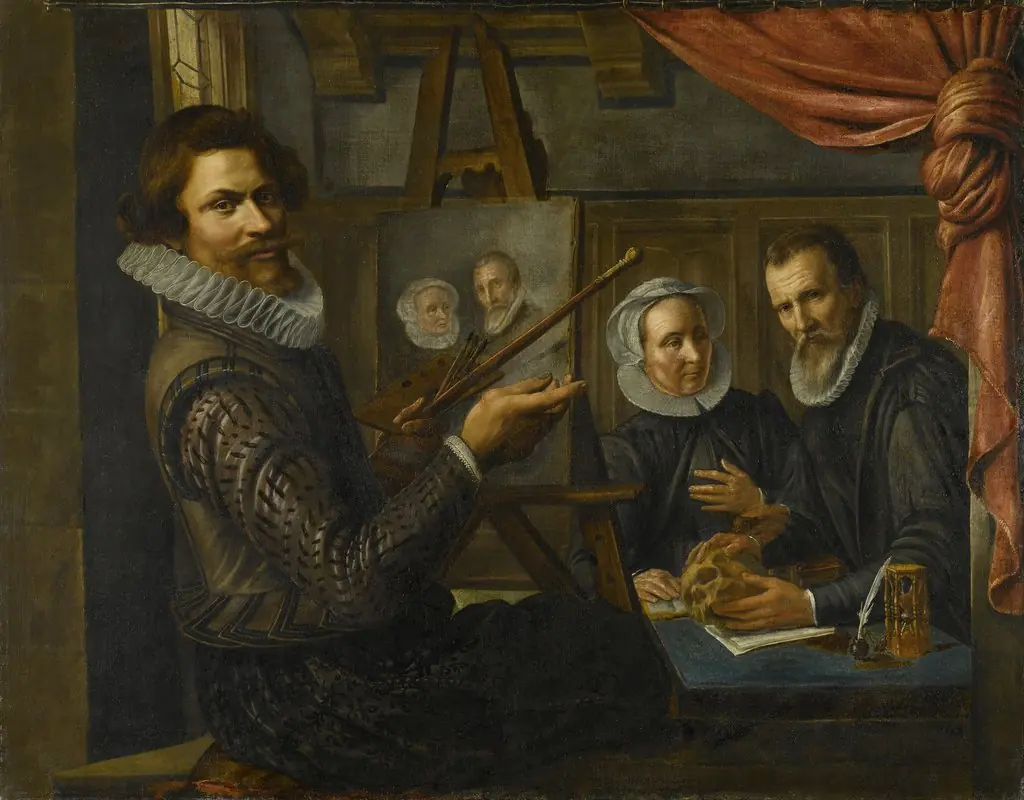 The painter in his studio painting the portrait of a couple
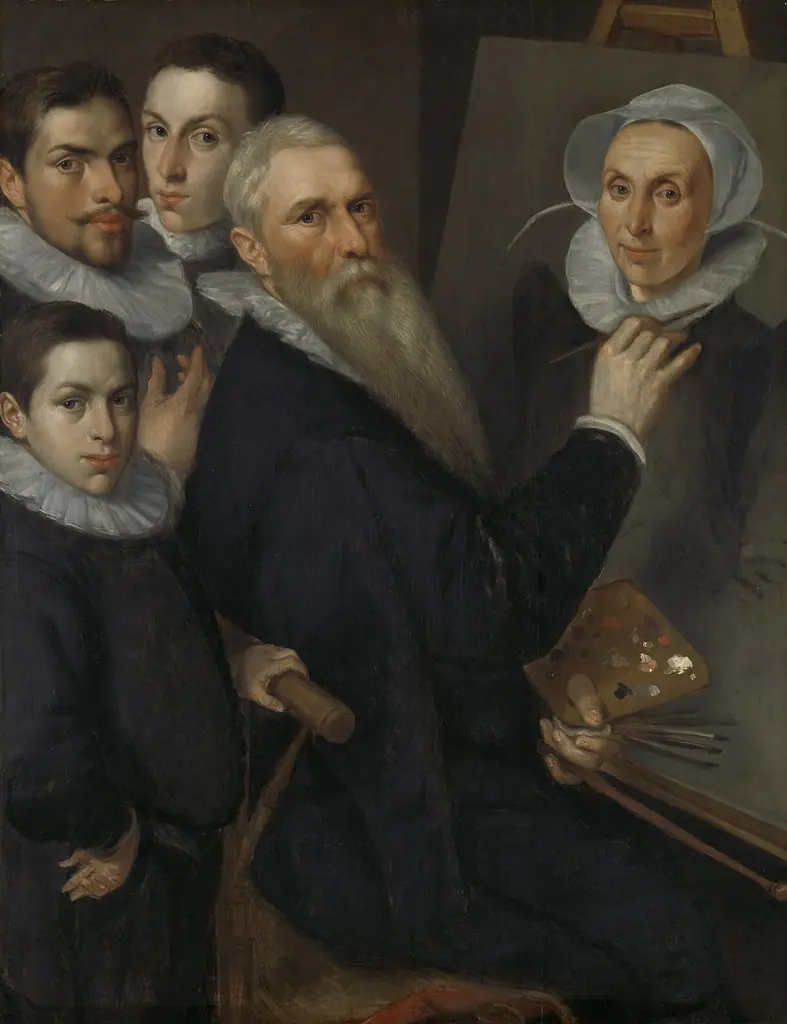 Self Portrait of the Painter with his Family
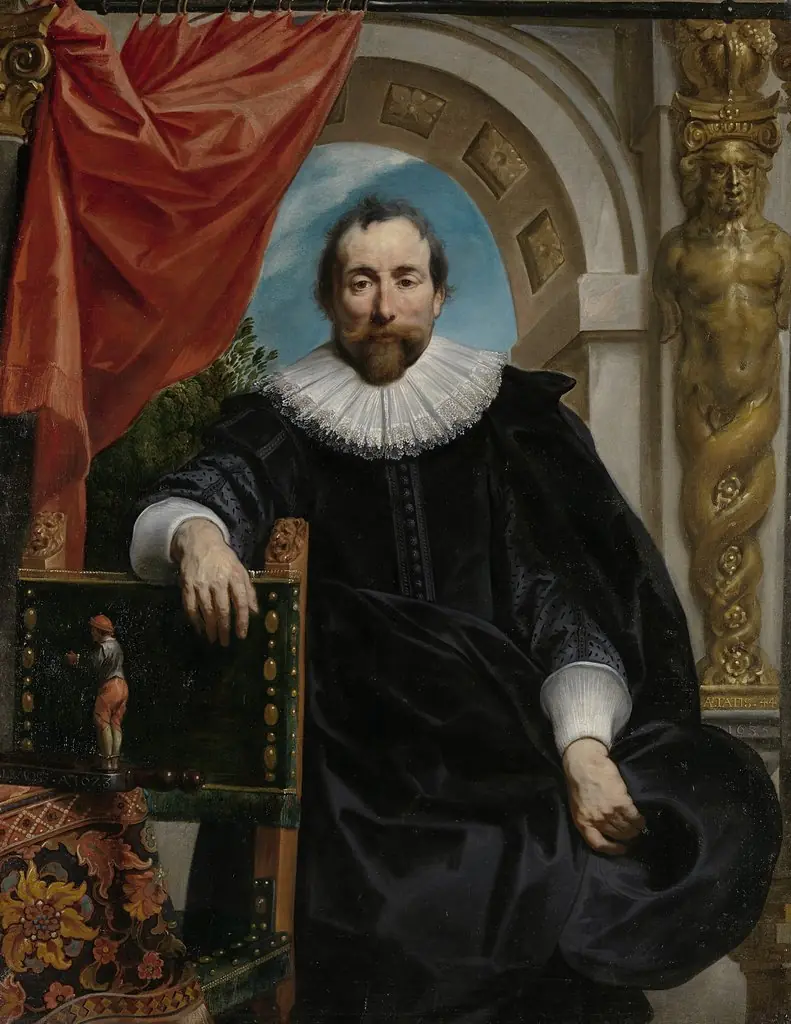 Portrait of Rogier Le Witer (1591-1678), Merchant in Antwerp
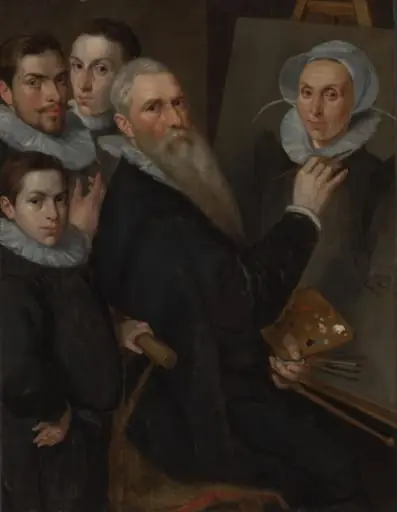 Self-portrait of the Painter with his Family, Jacob Willemsz Delff i (ca. 1540/45-1601)
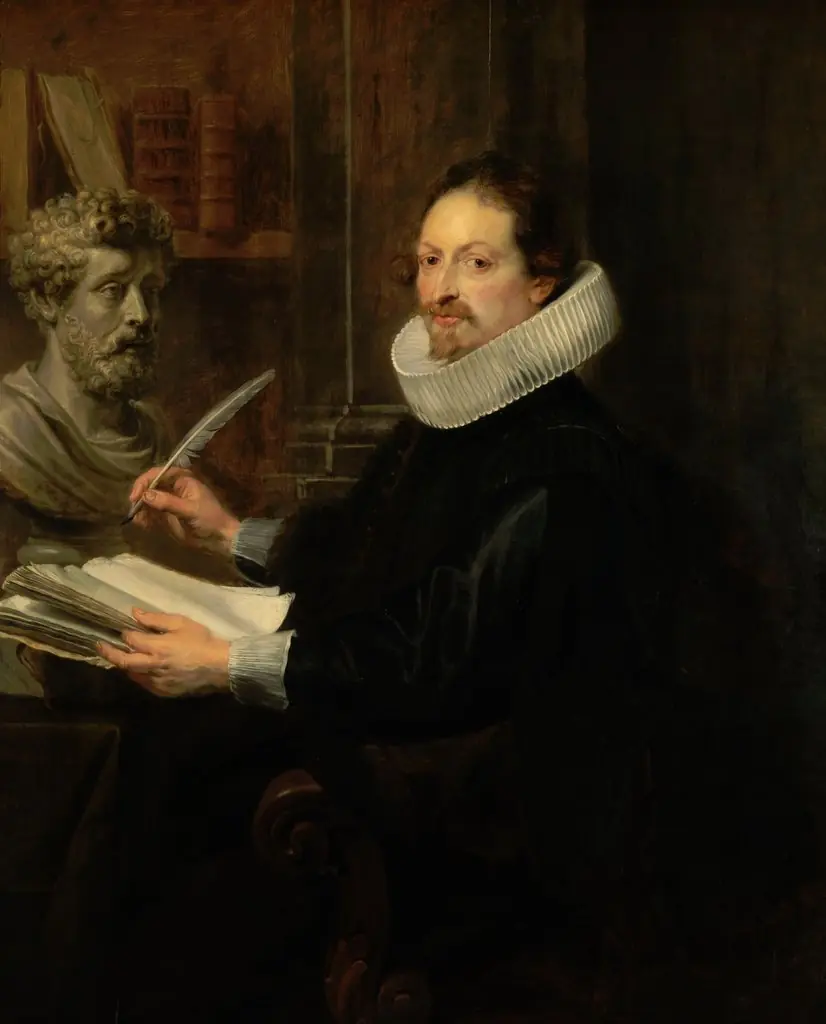 Joannes Gaspard Gevartius, (1593-1666)
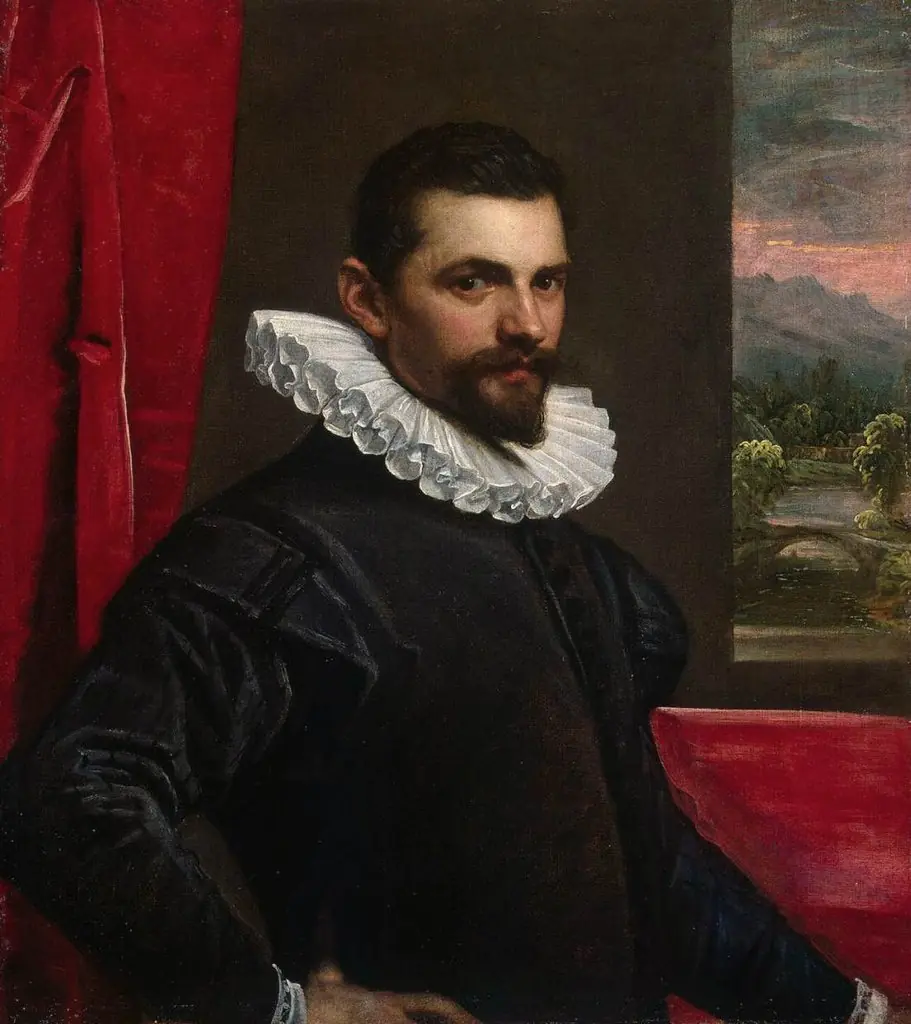 Portrait of a Man (Francesco Bassano?)
 Portrait of the Jester Calabazas
 Portrait of a 60-year-old Man