Artwork
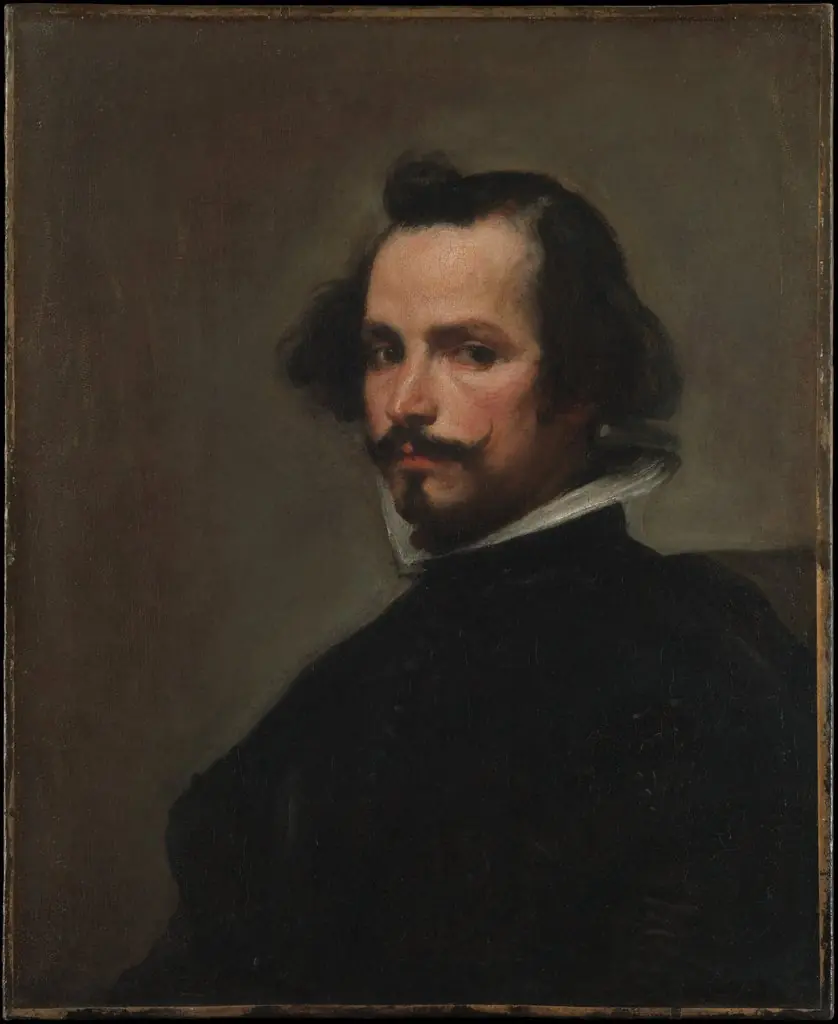
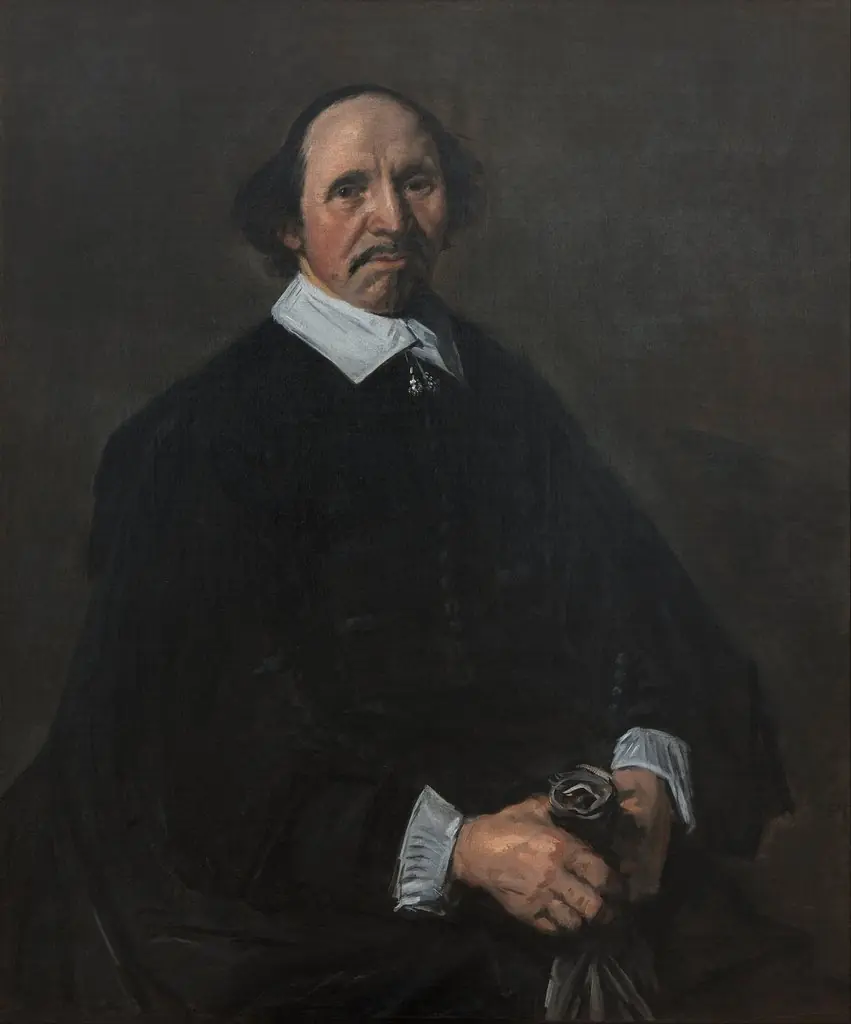
Portrait of a Man
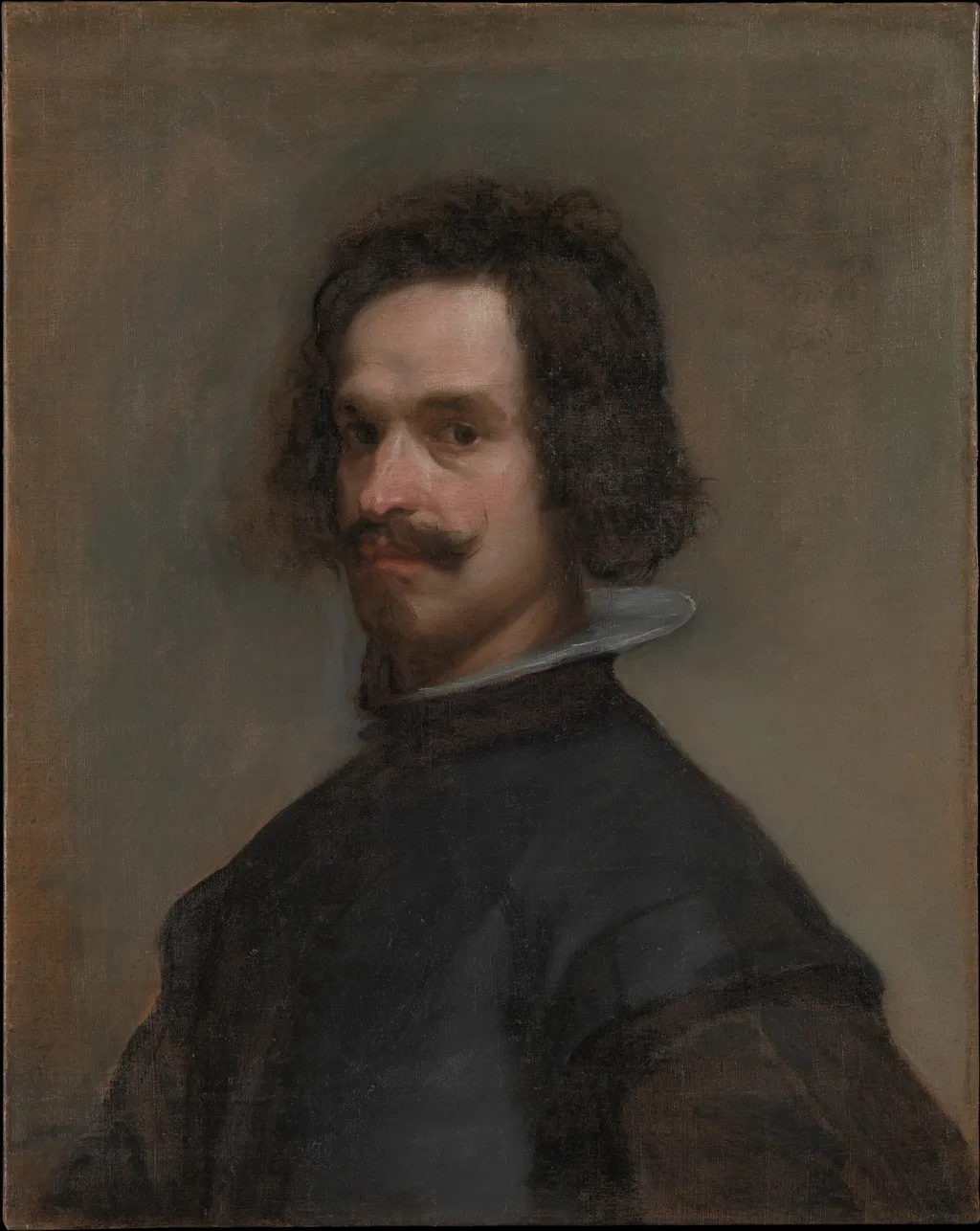
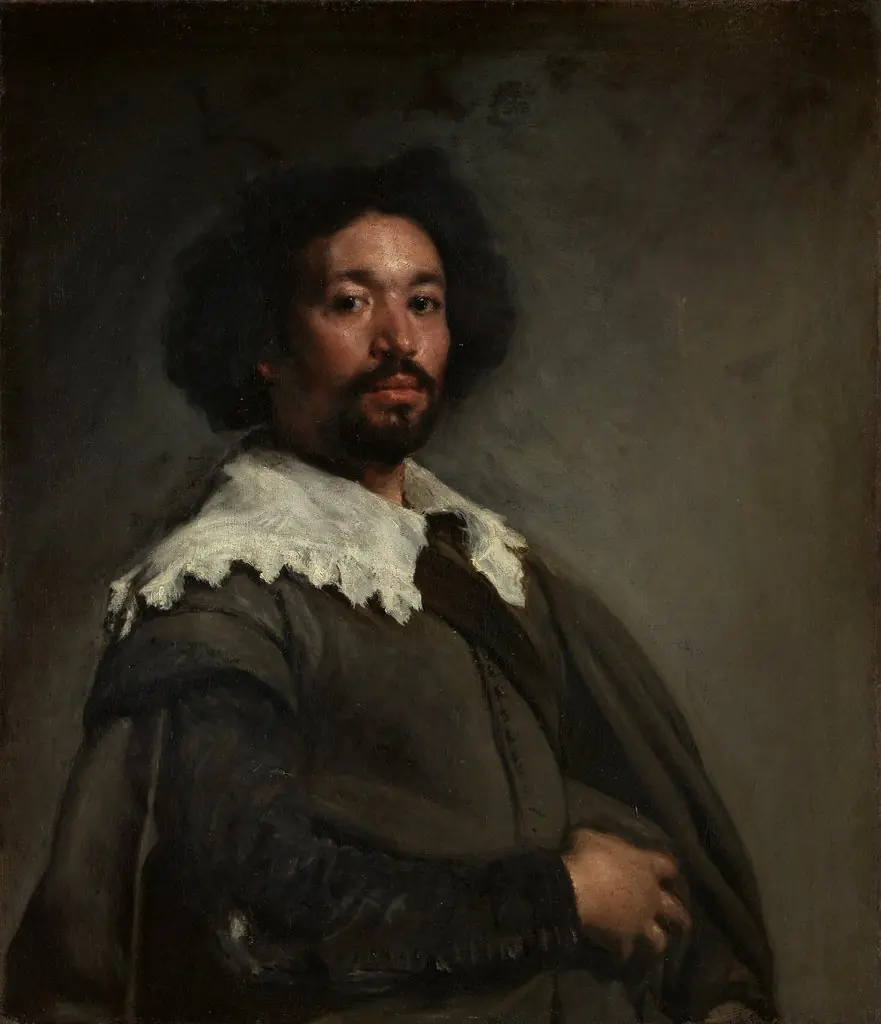
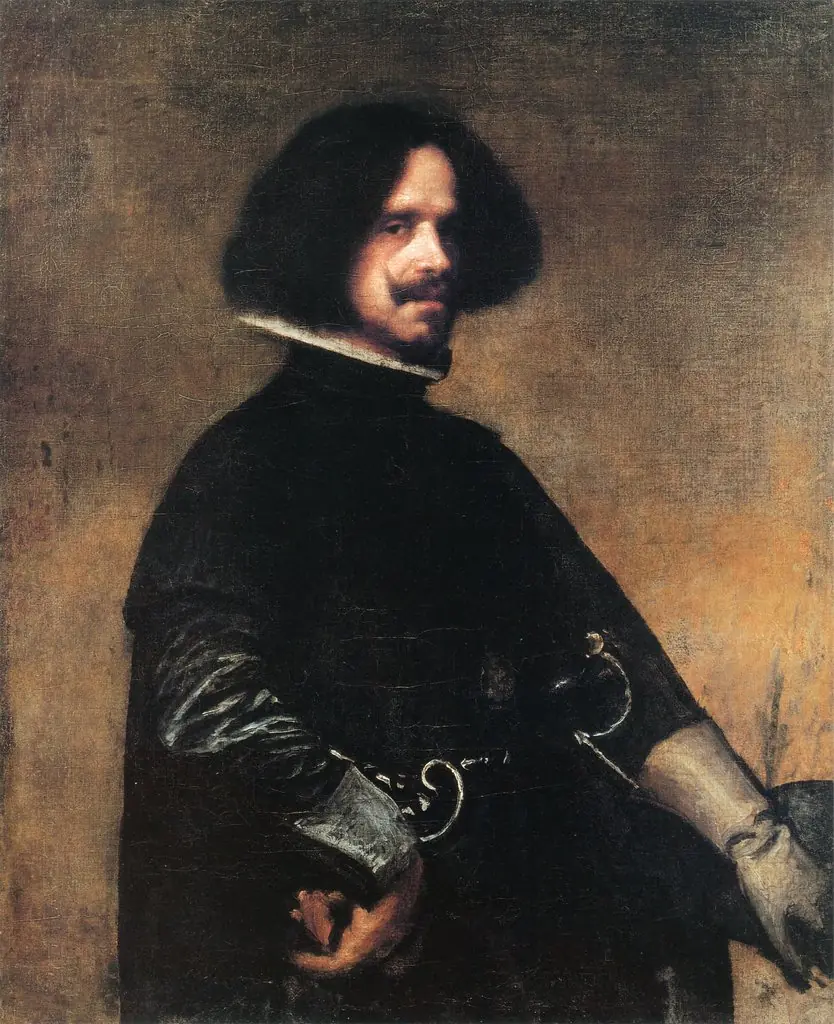
Portrait of a Man is an oil painting by the Spanish Baroque Tenebrist artist Diego Velázquez. It dates from 1630 and is held in the collection of the Metropolitan Museum of Art.
About this work
For years scholars debated who had painted it, but in 2009 experts re‑attributed the work to Velázquez.
Portrait of a Man is an oil painting by the Spanish master Diego Velázquez, dated around 1630. The canvas measures about 68.6 by 55.2 centimeters and the frame comes from Northern Spain.
For years scholars debated who had painted it, but in 2009 experts re‑attributed the work to Velázquez. It is executed in oil paint, a typical medium for the period. The painting now sits in a major New York collection.
You might also check out the museum: The Metropolitan Museum of Art.
Subject & Meaning
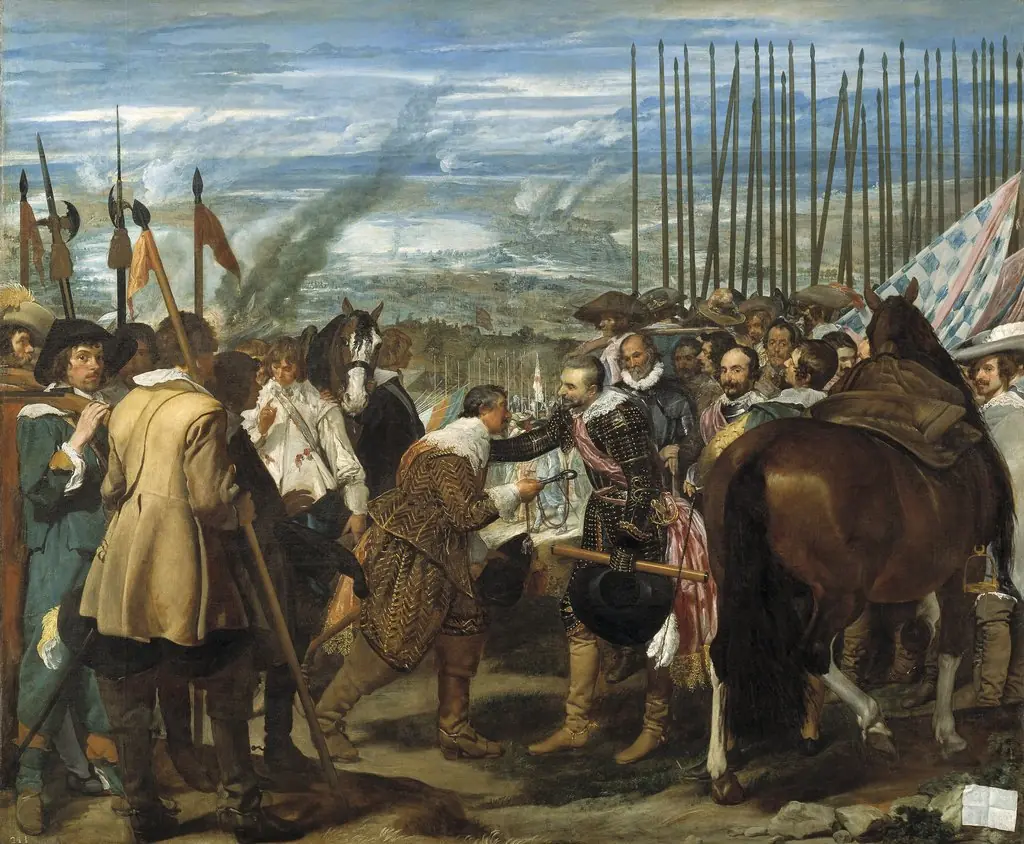
The painting shows an unidentified man rendered in oil with Velázquez’s characteristic informal brushwork, painted from life circa 1630–1635. The sitter’s pose and facial features closely resemble the figure at the far right of Velázquez’s Surrender of Breda, leading scholars to consider whether the portrait is a self‑representation of the artist, although some argue this is unlikely. A recent proposal identifies the sitter as the playwright Calderón de la Barca.
The work’s ambiguous identity and direct, unidealized handling invite readings of the painting as a study of individual presence rather than a formal commemorative portrait.
Technique & Style
Executed in oil on canvas around 1630–35, the portrait measures 68.6 × 55.2 cm. Its handling is informal, aligning with Velázquez’s practice of painting directly from life with fluid brushwork. A 2009 cleaning by Michael Gallagher removed discolored varnish, revealing obscured gray tones and fine, previously hidden details of execution that supported the reattribution to Velázquez. The surface shows muted, restrained coloration typical of the period, with delicate transitions in the modeling of the face and a restrained yet lively touch in the handling of hair and costume.
The painting’s condition after cleaning revealed no major losses and a largely intact layer structure, though abrasion in the dark passages suggests past over-cleaning.
History & Provenance
Painted on canvas between 1630 and 1635, this oil portrait was long subject to attribution disputes before being re-confirmed as a work by Diego Velázquez in 2009. The provenance chain begins with Count Johann Ludwig von Wallmoden-Gimborn, the illegitimate son of George II of Great Britain. It subsequently passed to dealer Joseph Duveen, who sold it to collector Jules Bache in 1926 for $1.125 million, believing it to be an authentic Velázquez.
Bache bequeathed the work to the Metropolitan Museum of Art in 1949. Following cleanings in 1953 and 1965, the museum concurred in 1979 that the piece was likely a workshop product. However, a 2009 conservation treatment by Michael Gallagher removed discolored varnish, revealing fine brushwork and correct tonal values that led scholars to restore the full attribution to Velázquez.
Portrait of a Man is held by the Metropolitan Museum of Art in New York City. Its provenance traces from Count Johann Ludwig, Reichsgraf von Wallmoden-Gimborn, the illegitimate son of George II of Great Britain, to the dealer Joseph Duveen, who sold it to Jules Bache in 1926 for $1.125 million. Bache bequeathed the painting to the Metropolitan Museum in 1949.
The work was cleaned and restored in 1953 and again in 1965, and following a 2009 cleaning by conservator Michael Gallagher the museum restored the traditional attribution to Velázquez. The painting has been featured in the Metropolitan Museum's exhibition catalogs "Velázquez" and "Velázquez Rediscovered," the latter focused specifically on this work.
Context
Scholarly debate long surrounded Portrait of a Man’s attribution, but conservation in 2009 decisively restored its status as an autograph work by Velázquez. Jonathan Brown characterized the reattribution as a revelation after decades of murky varnish and workshop doubts; he noted the painting had been “under [his] nose all [his] life.” The portrait’s informal handling aligns with Velázquez’s mature practice, and its resemblance to a right-hand figure in Surrender of Breda (1634–35) fueled recurring speculation that both works depict self-representations.
The painting’s subsequent exhibition and cataloguing in Velázquez Rediscovered at the Metropolitan Museum cemented its place in the artist’s oeuvre of the early 1630s, a transitional moment when Velázquez consolidated his courtly style in Madrid.
Legacy
The painting’s legacy was decisively reset in 2009 when conservation cleaning removed discolored varnish and revealed passages of Velázquez’s distinctive brushwork, prompting the Metropolitan Museum to restore its traditional attribution. Art historian Jonathan Brown characterized the re-emergence of the work as a revelatory discovery, comparing it to Cinderella’s transformation. The portrait’s informal handling and possible links to Velázquez’s Self-Portrait in Surrender of Breda fueled scholarly debate, but the 2009 restoration confirmed its status as an autograph work rather than a studio variant.
Once marginalized as workshop production, the picture now stands as a touchstone in Velázquez studies and a key example of his early portrait style.
Overview
This oil painting, titled Portrait of a Man, is attributed to the Spanish artist Diego Velázquez, created around the 1630s. Measuring 68.6 by 55.2 centimeters, the work depicts an unidentified male figure. It is currently housed in the collection of the Metropolitan Museum of Art in New York City. The painting's frame, notable for its origin in Northern Spain, complements the artwork's historical context.
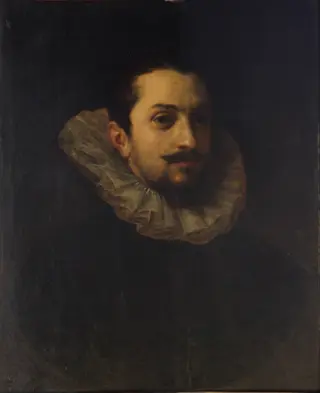
Own this work as a print
Artist & collection
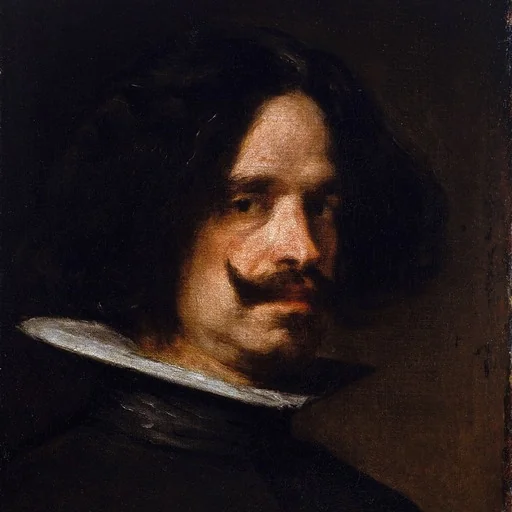
Artist
Diego Rodríguez de Silva y Velázquez was a Spanish Baroque painter, the leading artist in the court of King Philip IV of Spain and Portugal, and of the Spanish Golden Age.

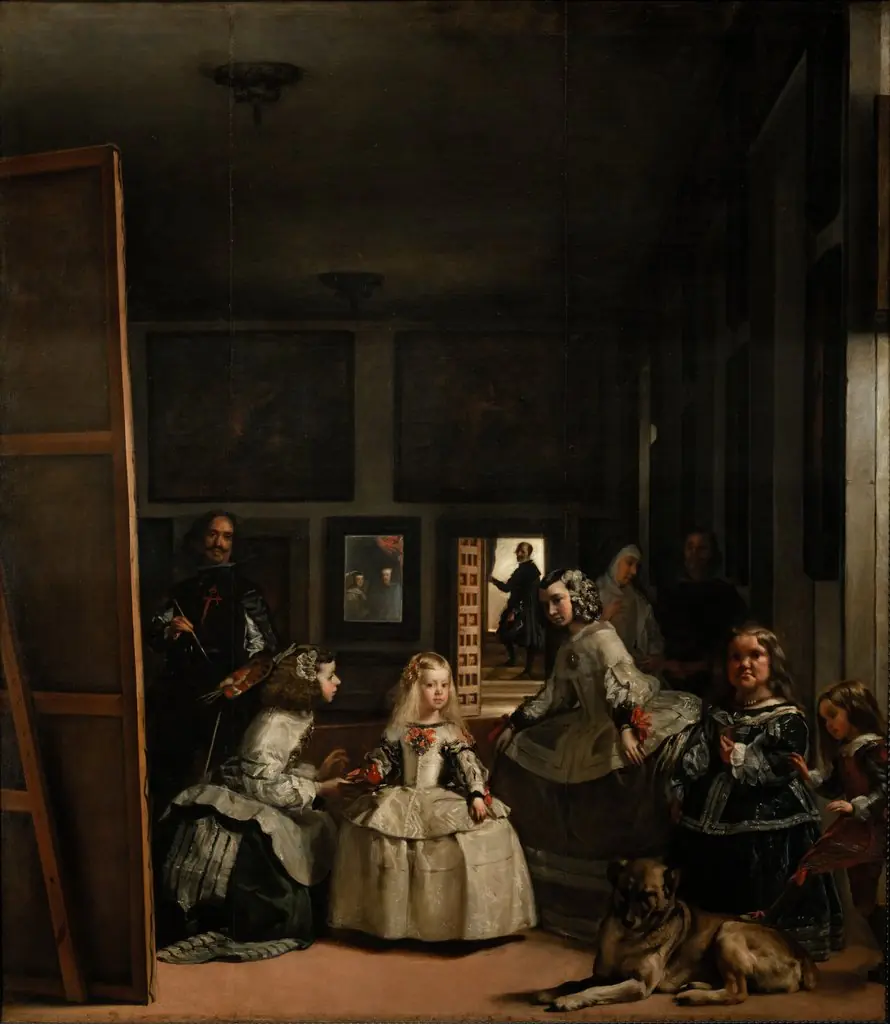
- Portrait of a man
 Self-portrait
 Portrait of a Man
 Portrait of Pieter Soutman
 Portrait of Michel le Blon (1587-1657). Agent of Queen Christina of Sweden, goldsmith and engraver
 Portrait of Michel Le Blon (1587-1656)
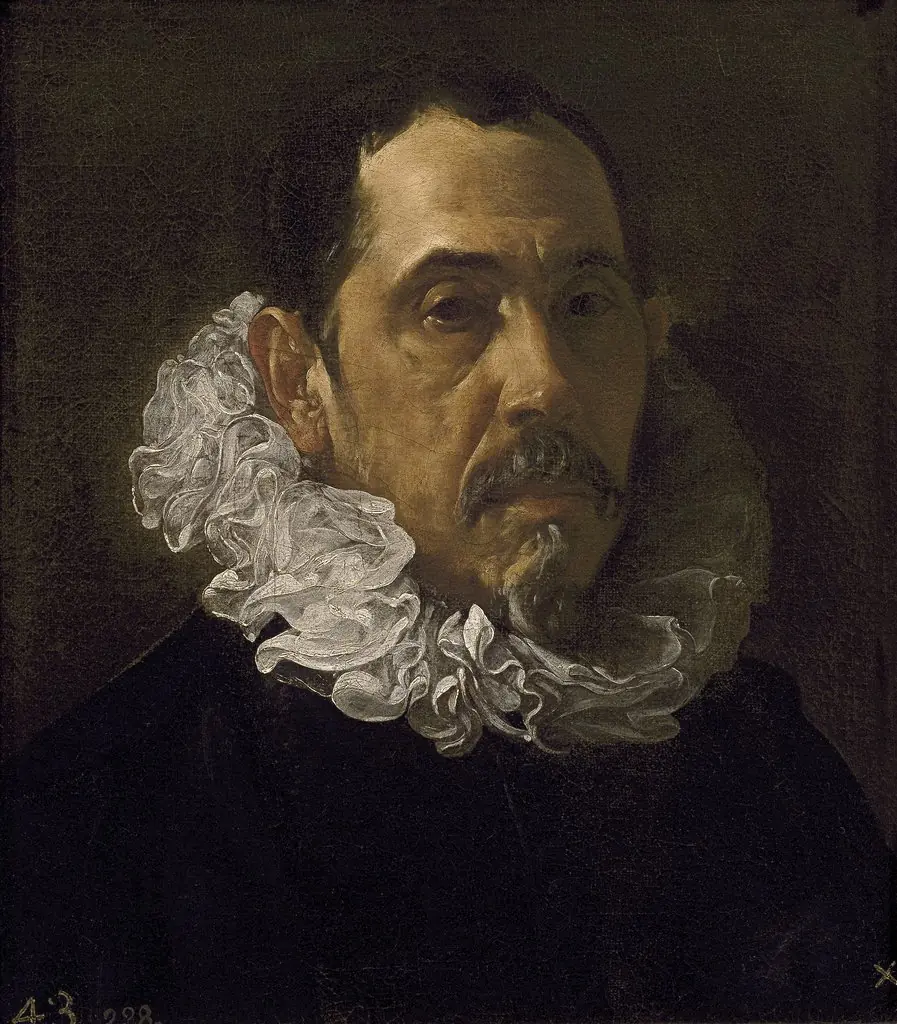 Francisco Pacheco
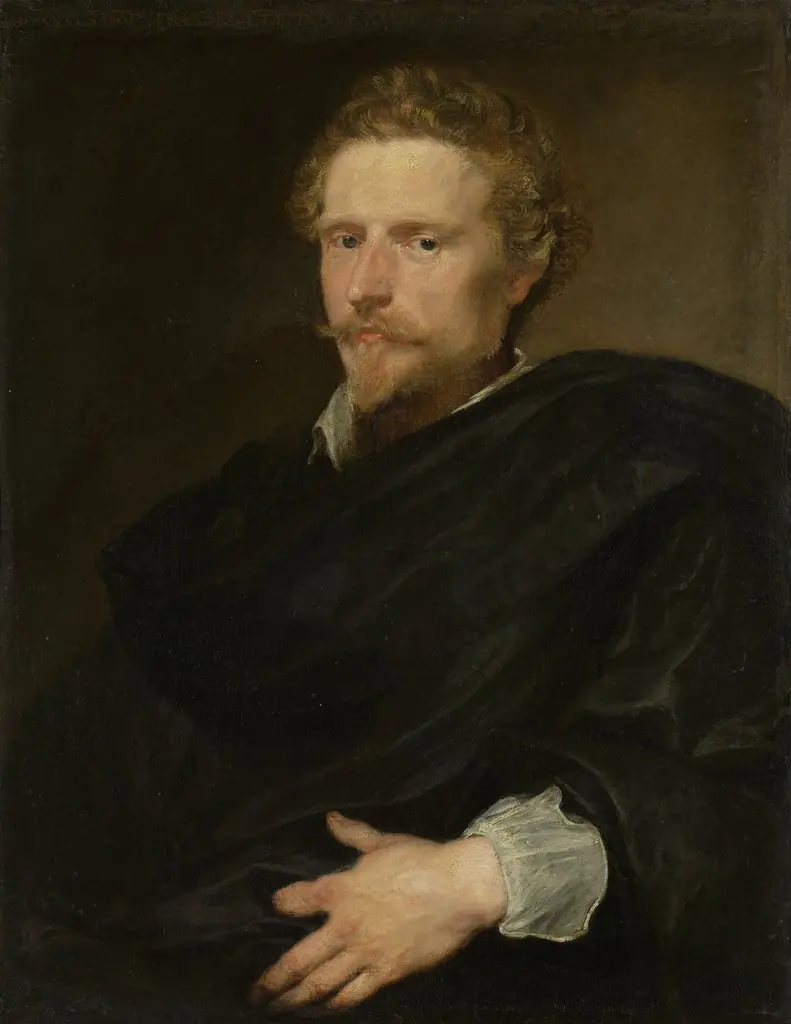 Johannes Baptista Franck (ca. 1599-1663)
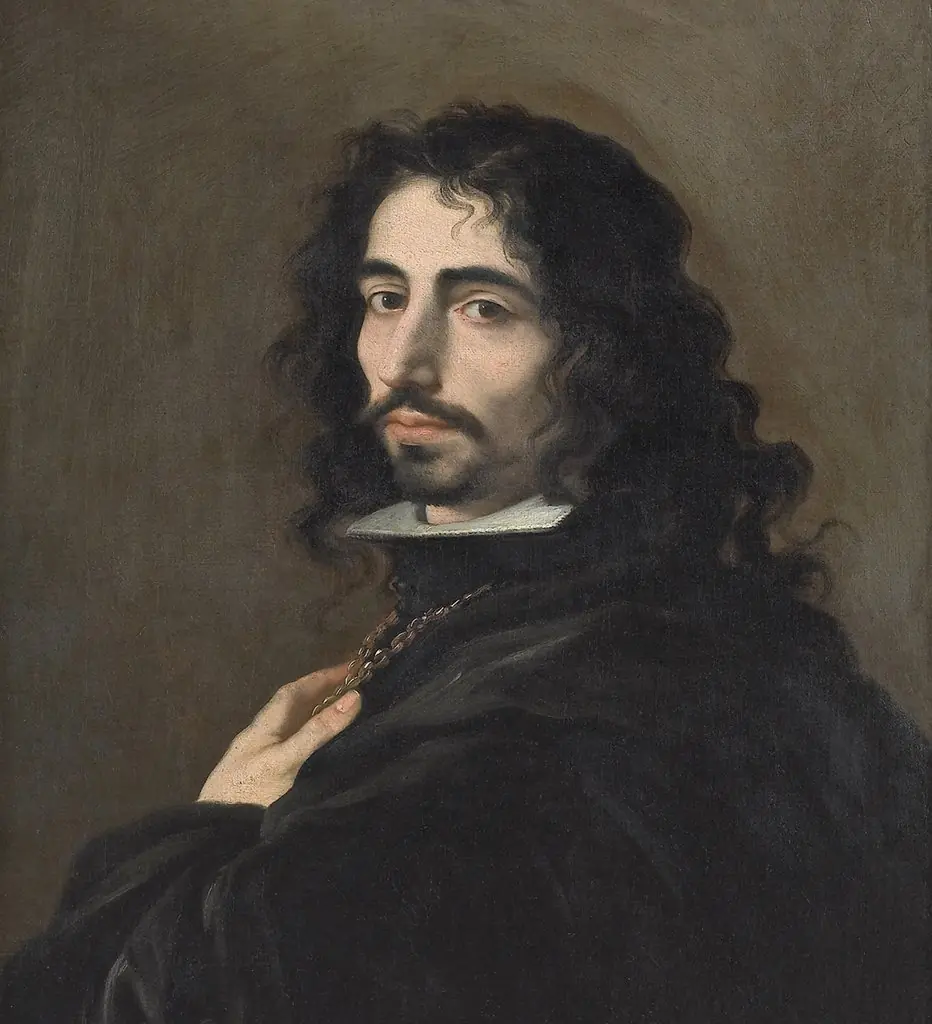 Self-portrait
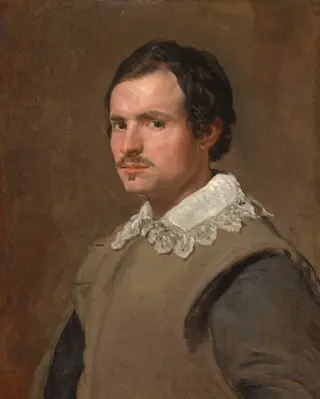 Portrait of a Young Man
 Portrait of a man