Artwork
Composition with Figure
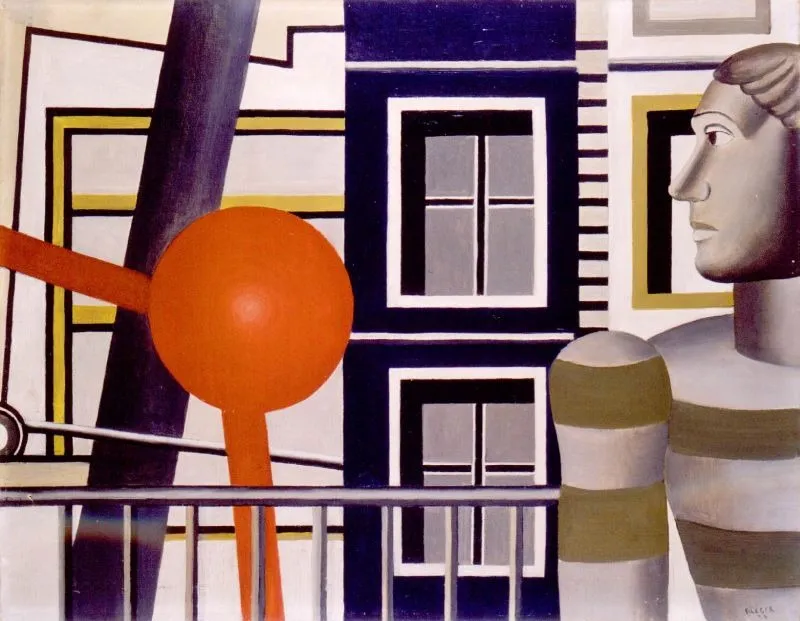
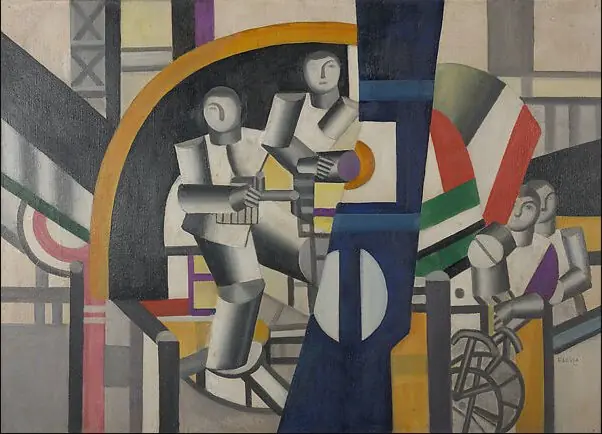
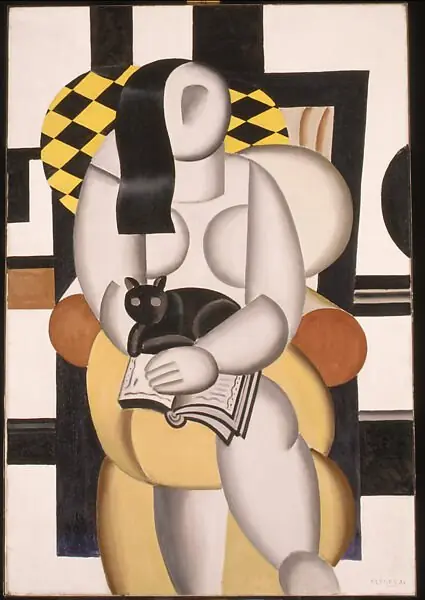
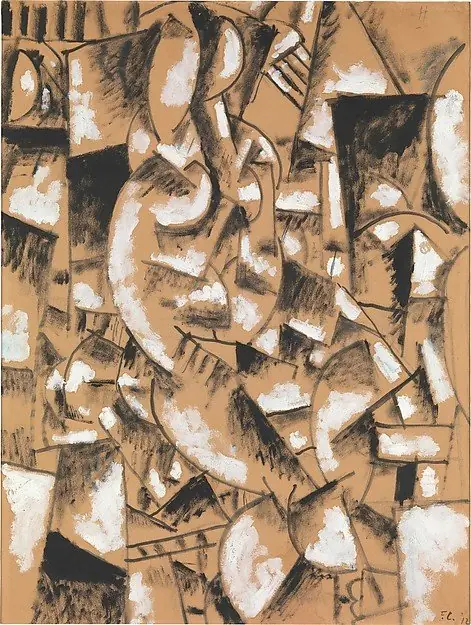
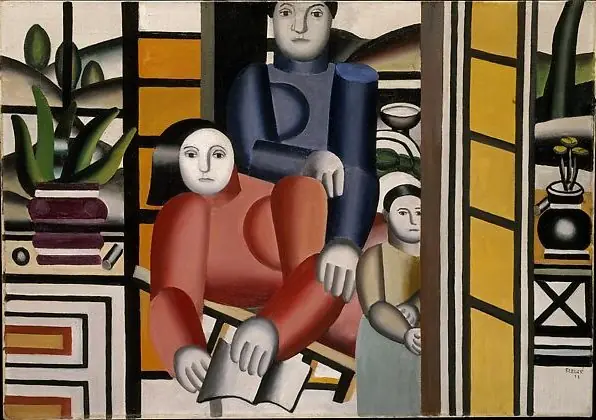
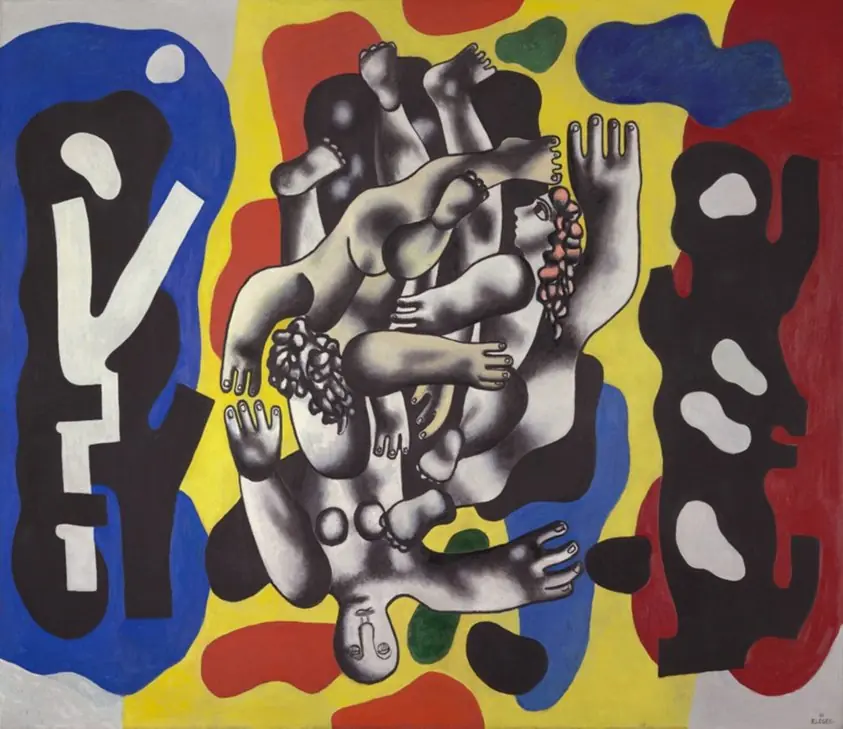
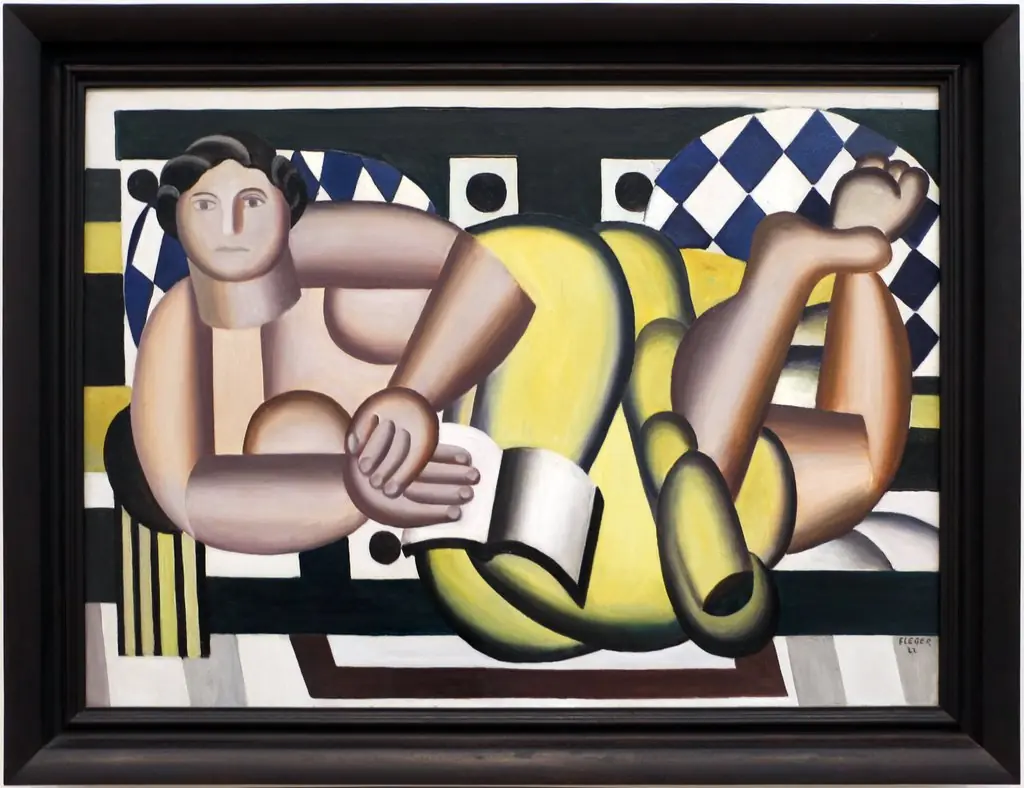
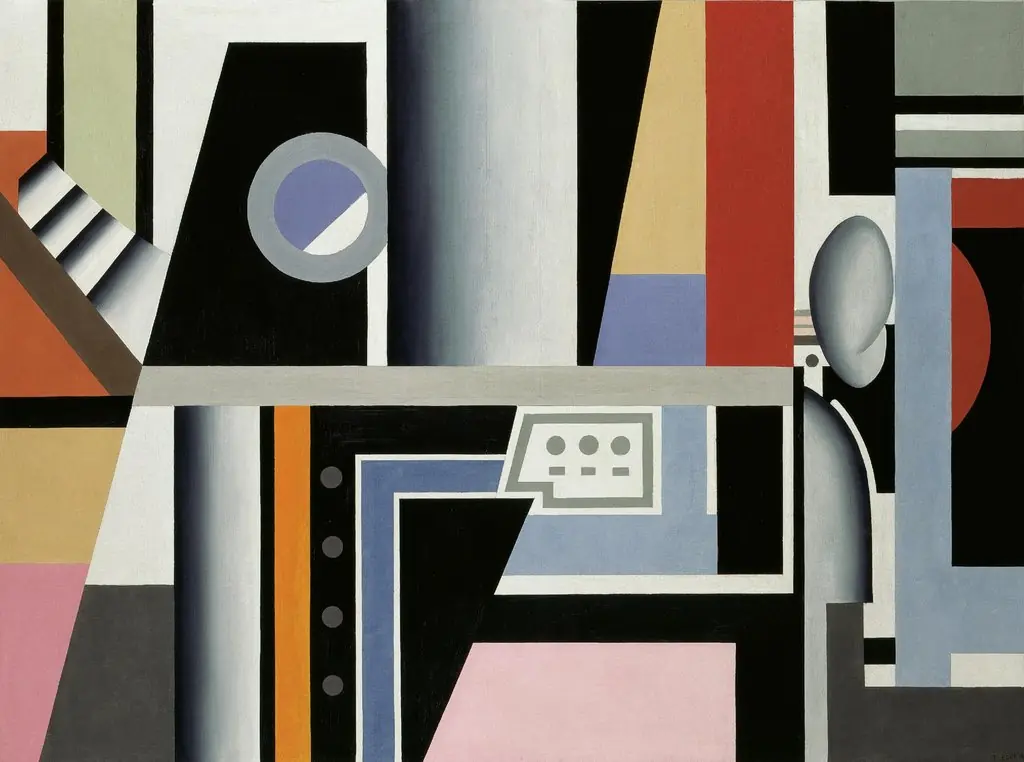
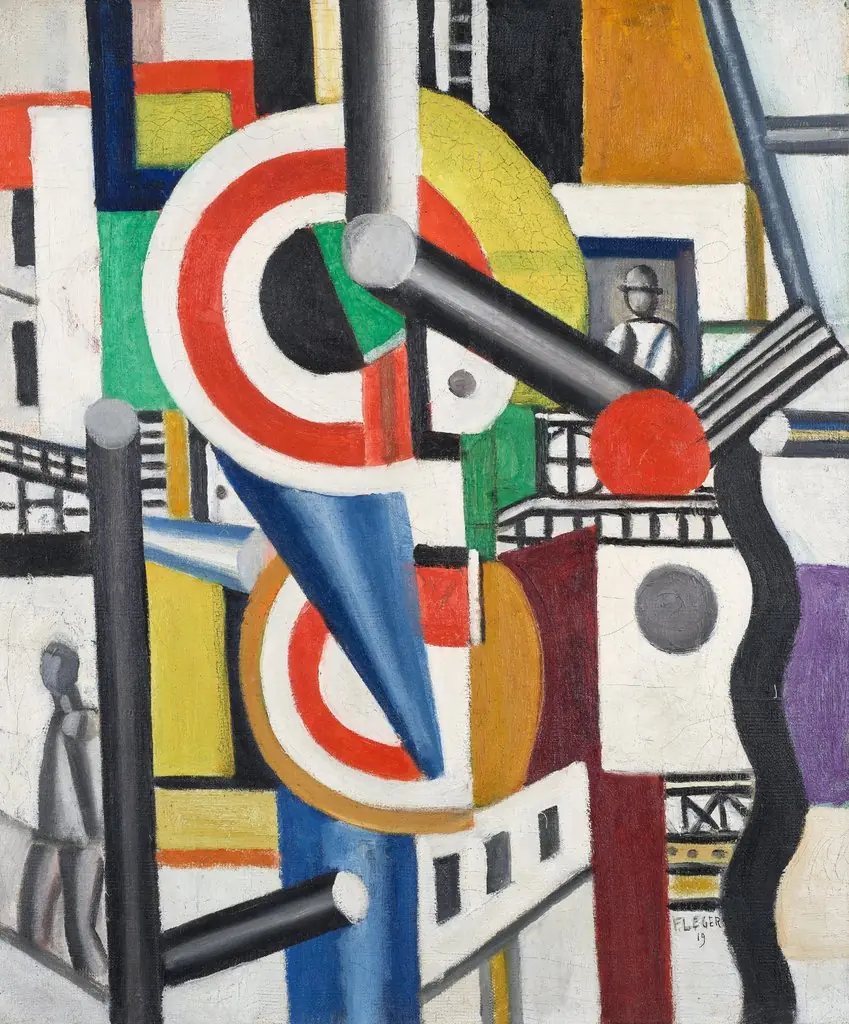
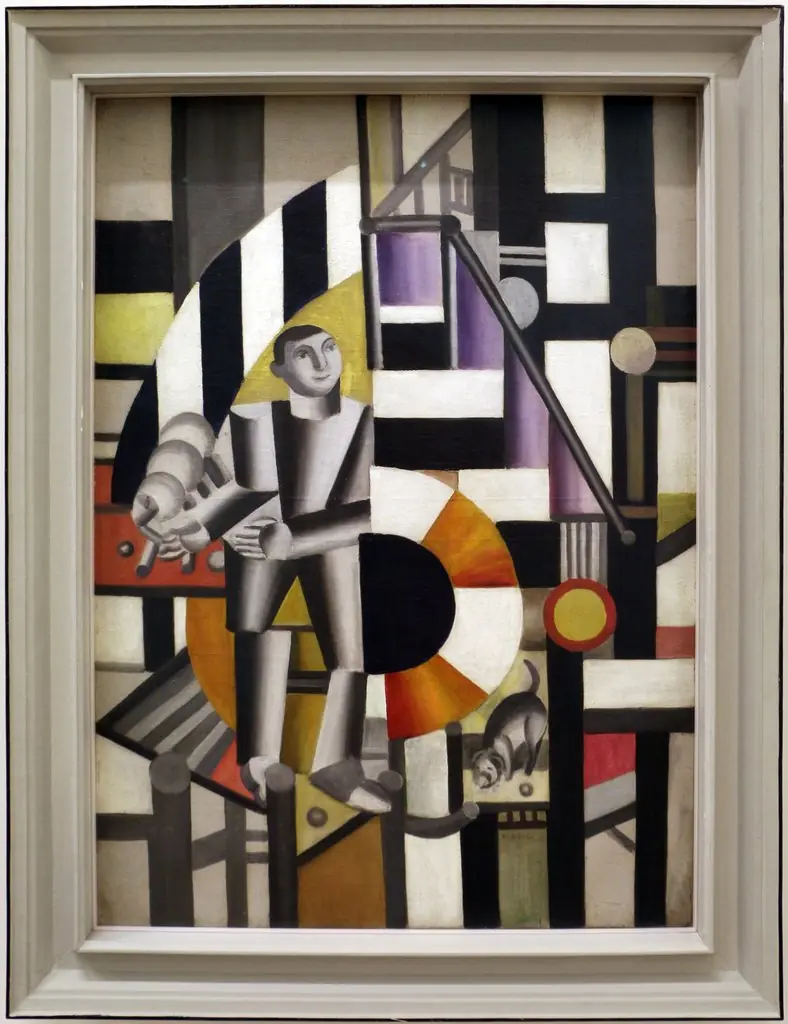
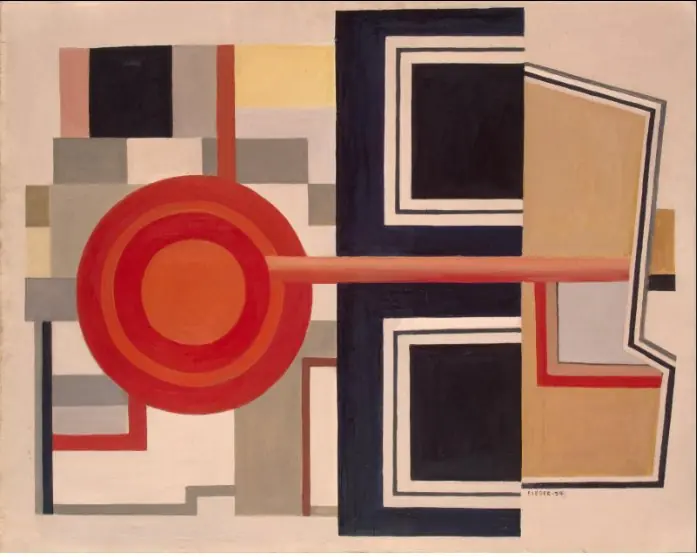
Composition with Figure is an oil painting by the Cubism Synthetic artist Fernand Léger. It dates from 1924 and is held in the collection of the Israel Museum.
About this work
Overview
It depicts a solitary human figure in front of an architectural structure, rendered through a distinctive interplay of simplified geometry and textured detail.
Painted in 1924, Composition with Figure is an oil work by Fernand Léger that merges figurative representation with abstract form. It depicts a solitary human figure in front of an architectural structure, rendered through a distinctive interplay of simplified geometry and textured detail. The painting resides in the collection of the Israel Museum, reflecting Léger’s ongoing exploration of modern life through visual structure.
Subject & Meaning
The central figure, dressed in a striped shirt and rendered with minimal facial detail, appears detached and anonymous, suggesting a commentary on individuality within industrial society. Behind it, a building with defined windows and a door evokes urban environments. Abstract shapes surrounding the scene introduce a sense of mechanical rhythm, implying the integration of human presence within a structured, modern world.
Technique & Style
Léger employs bold outlines and flat planes of color to define the figure, reducing it to essential geometric forms. In contrast, the building and background feature more varied textures and subtle tonal shifts, creating visual tension between abstraction and representation. The palette is restrained yet vivid, emphasizing clarity and structure over emotional expression, characteristic of Léger’s post-war aesthetic.
History & Provenance
Created in 1924 during Léger’s period of heightened interest in mechanical forms and urban themes, the painting entered the Israel Museum’s collection through documented acquisition. Its provenance traces back to the artist’s studio and early 20th-century European collectors, reflecting its recognition within modernist circles soon after its completion.
Context
This work emerged during a time when European artists were redefining representation in response to industrialization and wartime trauma. Léger, influenced by Cubism and machine aesthetics, sought to depict modern existence through clarity and order. Composition with Figure aligns with contemporaneous efforts to reconcile the human form with the geometry of the built environment.
Legacy
The painting exemplifies Léger’s lasting contribution to modern art: a visual language that balances figuration with abstraction, emotion with structure. While not widely exhibited, it remains a representative example of his mature style, influencing later generations interested in the intersection of the human figure and mechanized space.
Artist & collection
Artist
Joseph Fernand Henri Léger was a French painter, sculptor, and filmmaker. In his early works he created a personal form of cubism which he gradually modified into a more figurative, populist style. His boldly simplified…