Artwork
Still Life
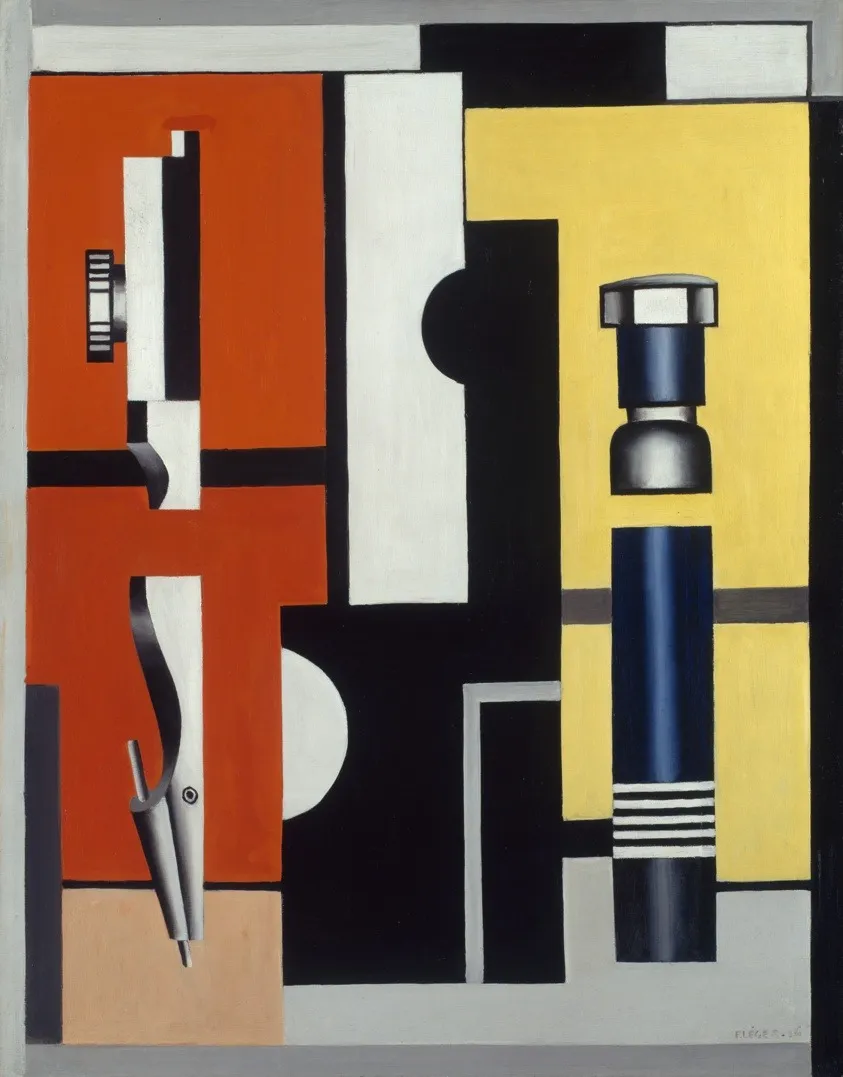
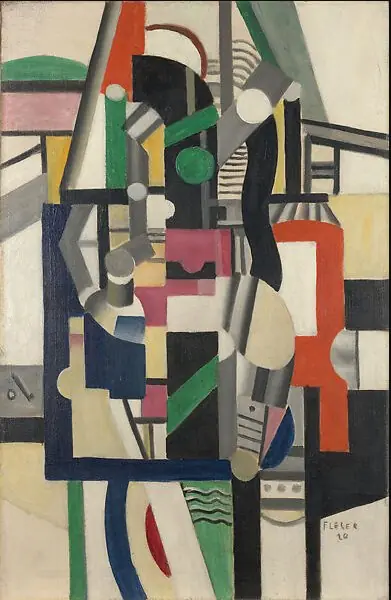
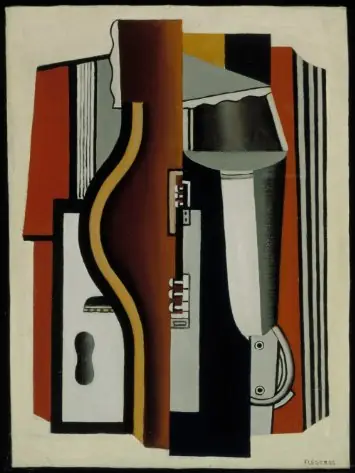
Still Life is an oil painting by the Cubism Synthetic artist Fernand Léger. It dates from 1926 and is held in the collection of the Art Institute of Chicago.
About this work
Overview
Painted in 1926, Still Life is an oil on canvas work by Fernand Léger that transforms ordinary domestic items into geometric forms. The composition emphasizes abstraction through simplified shapes and high-contrast hues. Held by the Art Institute of Chicago, the painting reflects Léger’s interest in modern industrial aesthetics and the visual language of mechanical objects.
Subject & Meaning
The focus shifts from representation to the relationships between form, color, and space, inviting contemplation of the modern world’s visual rhythms.
The painting depicts common household elements, pipes, a shelf, and an unidentified object, rendered without narrative or emotional context. Léger strips these items of their utilitarian function, presenting them as formal elements in a structured arrangement. The focus shifts from representation to the relationships between form, color, and space, inviting contemplation of the modern world’s visual rhythms.
Technique & Style
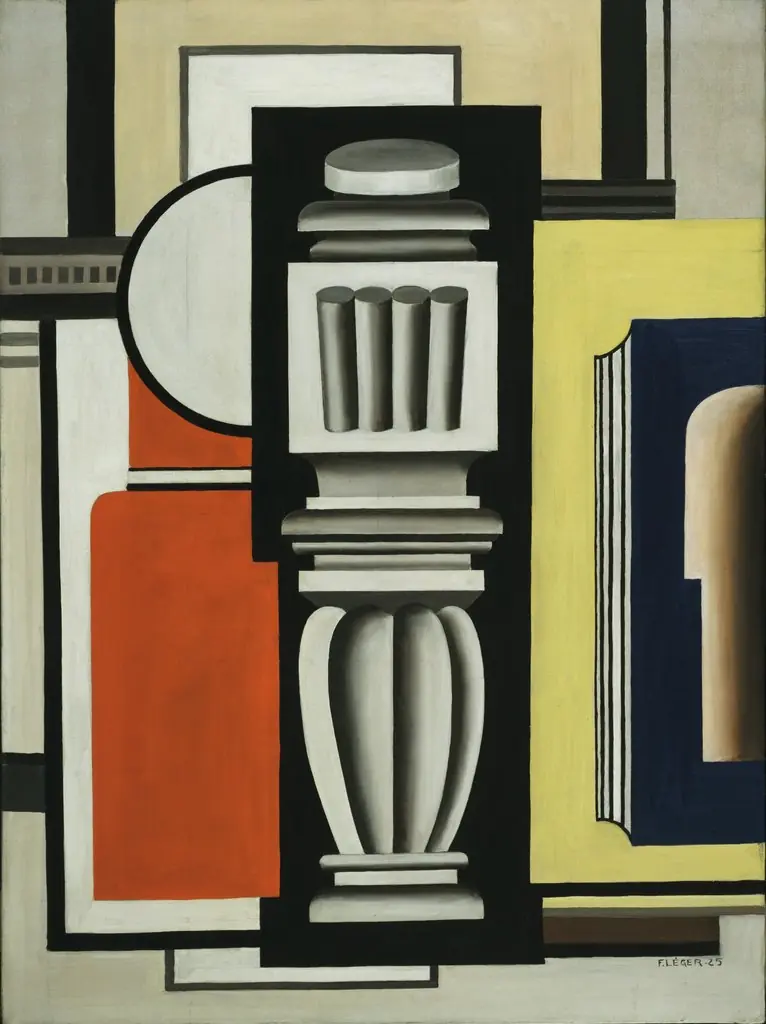
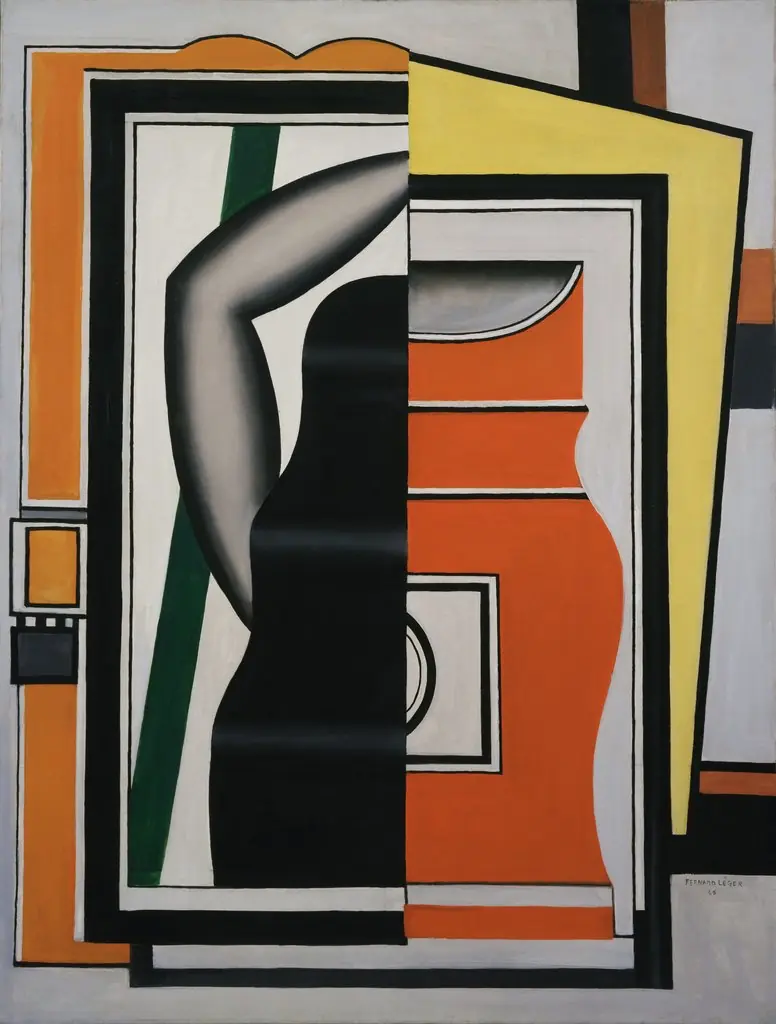
Léger employs flat planes of unmodulated color, predominantly red, black, white, and yellow, separated by sharp outlines. Forms are reduced to cylinders, circles, and rectangles, echoing machine parts and architectural elements. Brushwork is deliberate and even, avoiding texture or gesture. This method, aligned with his mechanical aesthetic, prioritizes clarity and visual impact over naturalism.
History & Provenance
Created during Léger’s mature period, the painting emerged after his experiences in World War I and his engagement with Cubism and industrial design. It entered the Art Institute of Chicago’s collection in the mid-20th century, where it has remained as part of their modernist holdings. Its acquisition reflects the institution’s early commitment to European avant-garde movements.
Context
In the 1920s, Léger sought to reconcile modern life with art, drawing inspiration from urban environments and mechanical culture. Still Life aligns with contemporaneous trends in Purism and Constructivism, which favored order, clarity, and the aestheticization of industrial forms. The work responds to a society increasingly shaped by technology, elevating the mundane into structured visual harmony.
Legacy
Still Life exemplifies Léger’s enduring influence on 20th-century abstraction. His fusion of everyday objects with geometric precision paved the way for later movements, including Pop Art and Minimalism. The painting remains a touchstone for discussions on how modernity reshapes perception, offering a quiet but persistent vision of the machine age’s visual grammar.
Artist & collection
Artist
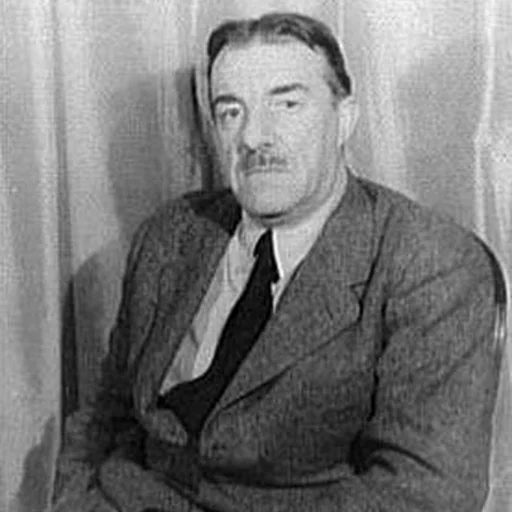
Joseph Fernand Henri Léger was a French painter, sculptor, and filmmaker. In his early works he created a personal form of cubism which he gradually modified into a more figurative, populist style. His boldly simplified…