Artwork
The Seeds and Fruits of English Poetry
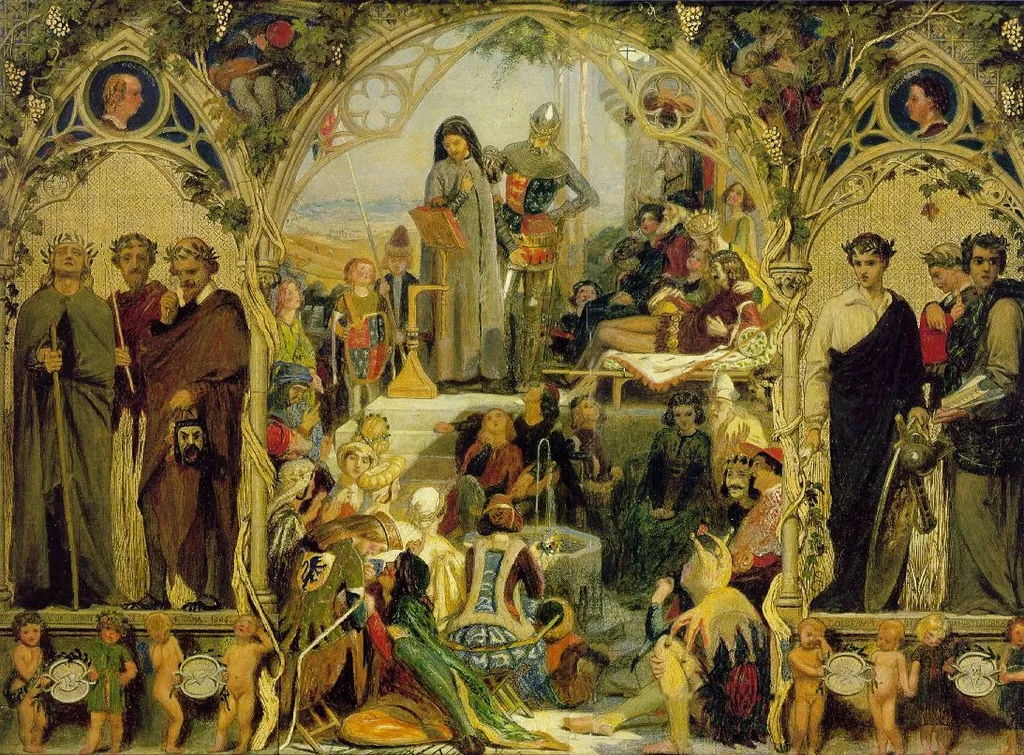
The Seeds and Fruits of English Poetry is an oil painting by the Pre-Raphaelite artist Ford Madox Brown. It dates from 1849 and is held in the collection of the Ashmolean Museum.
About this work
The painting is called The Seeds and Fruits of English Poetry. It was created by Ford Madox Brown in 1849. You can find it at the Ashmolean Museum, which might have more information about the artist and the painting.
The Ashmolean Museum is a good place to learn about this artwork and its context. To learn more about similar art, look up the artist: Ford Madox Brown.
Overview
Ford Madox Brown’s oil painting The Seeds and Fruits of English Poetry was executed in 1849. The work belongs to the early phase of the Pre‑Raphaelite movement and is presently part of the Ashmolean Museum’s collection in Oxford. It exemplifies Brown’s interest in moral and historical themes, rendered with the meticulous detail that characterises his early career.
Subject & Meaning
The composition presents an allegorical celebration of English poetic tradition, juxtaposing figures that symbolize the origins and achievements of the nation’s literary heritage. By arranging these personifications in a narrative tableau, Brown underscores the continuity between the formative influences of early poets and the flourishing of later, more celebrated voices.
Technique & Style
Executed in oil on canvas, the painting displays the Pre‑Raphaelite emphasis on precise draftsmanship and vivid coloration. Brown employs a tight, almost photographic rendering of textures, fabric, foliage, and objects, while arranging the scene in a layered, narrative structure that guides the viewer’s eye across the allegorical elements.
History & Provenance
Created during Brown’s formative years, the painting predates his later, larger projects such as Work (1852–1865) and the Manchester Town Hall murals. After changing hands through private collections, it entered the Ashmolean Museum, where it remains on display as part of the museum’s holdings of 19th‑century British art.
Context
The work emerged at a time when a group of young artists sought to revive the sincerity and detail of early Renaissance painting, rejecting the academic conventions of the Royal Academy. Brown’s participation in this circle placed him among the forerunners of the Pre‑Raphaelites, whose collaborative ethos and literary interests shaped the visual language of the period.
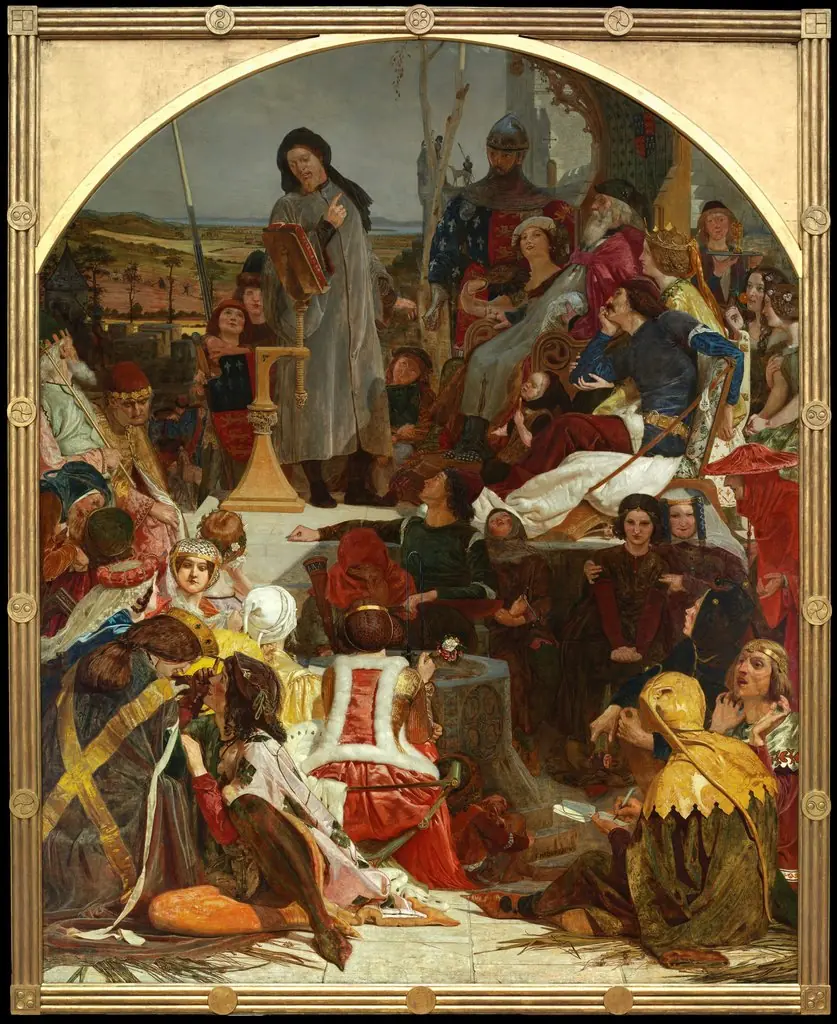
Artist & collection
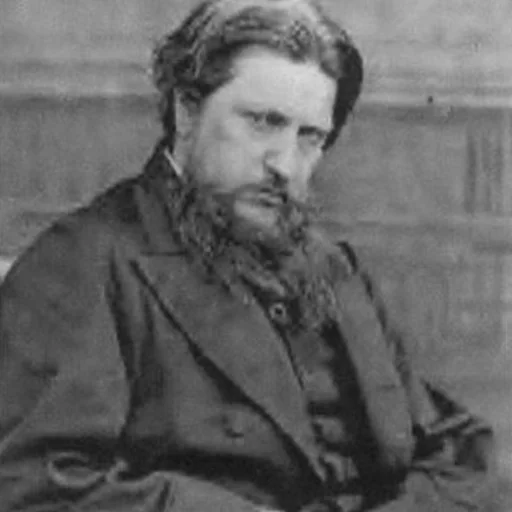
Artist
Ford Madox Brown (16 April 1821 – 6 October 1893) was a British painter of moral and historical subjects, notable for his distinctively graphic and often Hogarthian version of the Pre-Raphaelite style.

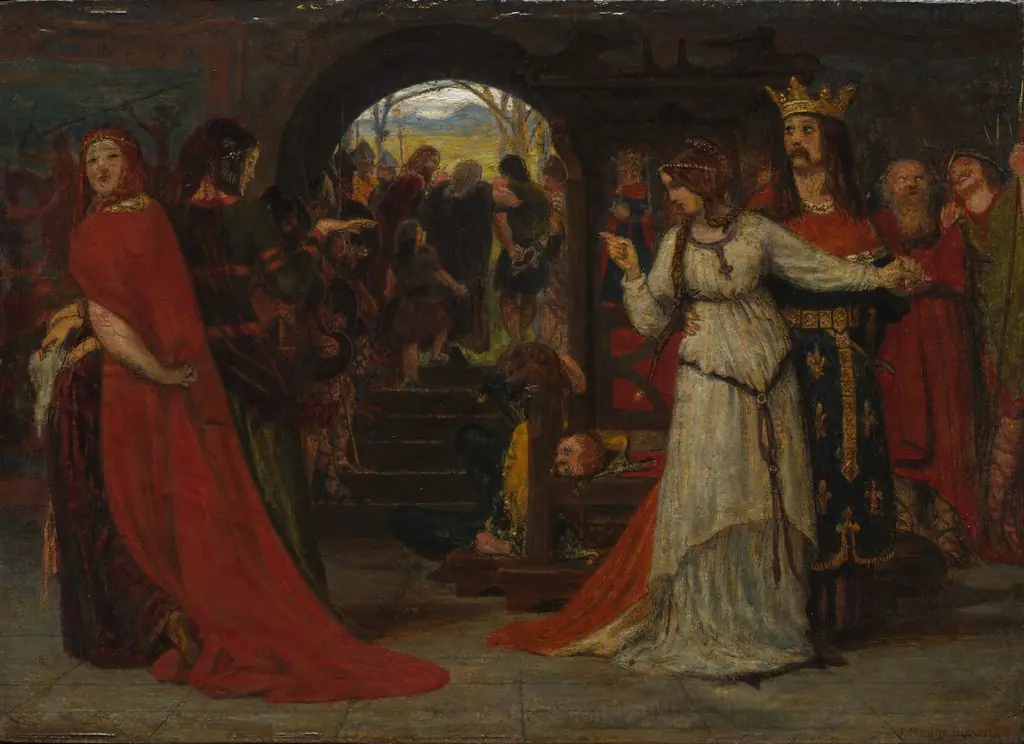
![The Virgin Swooning [recto], by Ford Madox Brown](https://artifactworldgallery.com/img/ford-madox-brown--the-virgin-swooning-recto--474c0d247da3d304-w320.webp)
![Two Drapery Studies [verso], by Ford Madox Brown](https://artifactworldgallery.com/img/ford-madox-brown--two-drapery-studies-verso--ed4e964fa4716ed7-w320.webp)
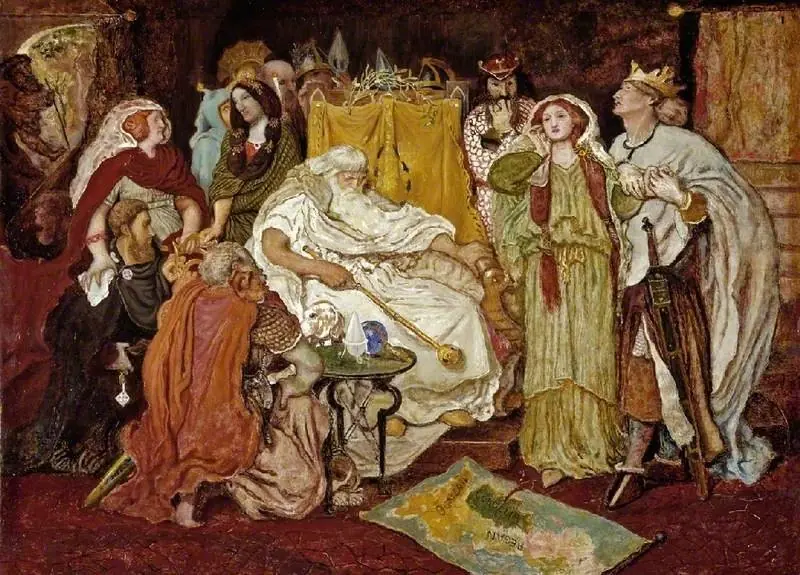
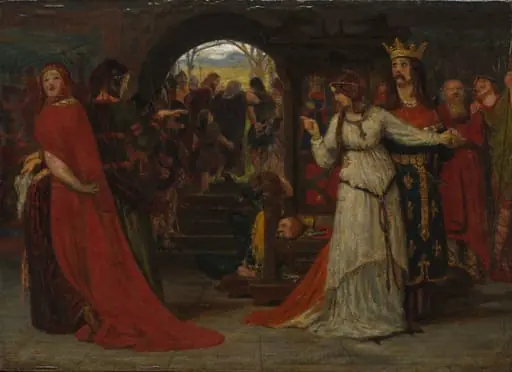 Cordelia Parting from her Sisters
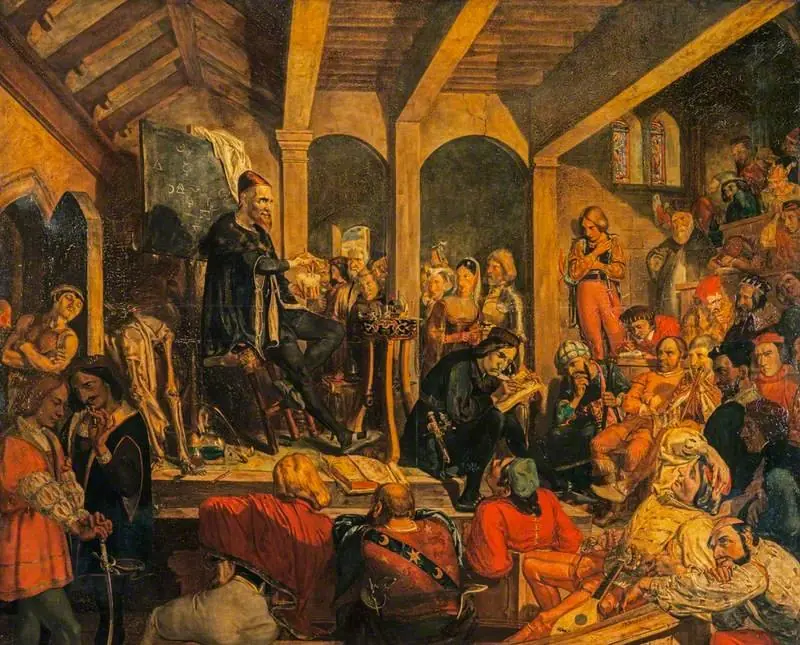 Alchemystical Adept (Paracelsus) Lecturing on the Elixir Vitae
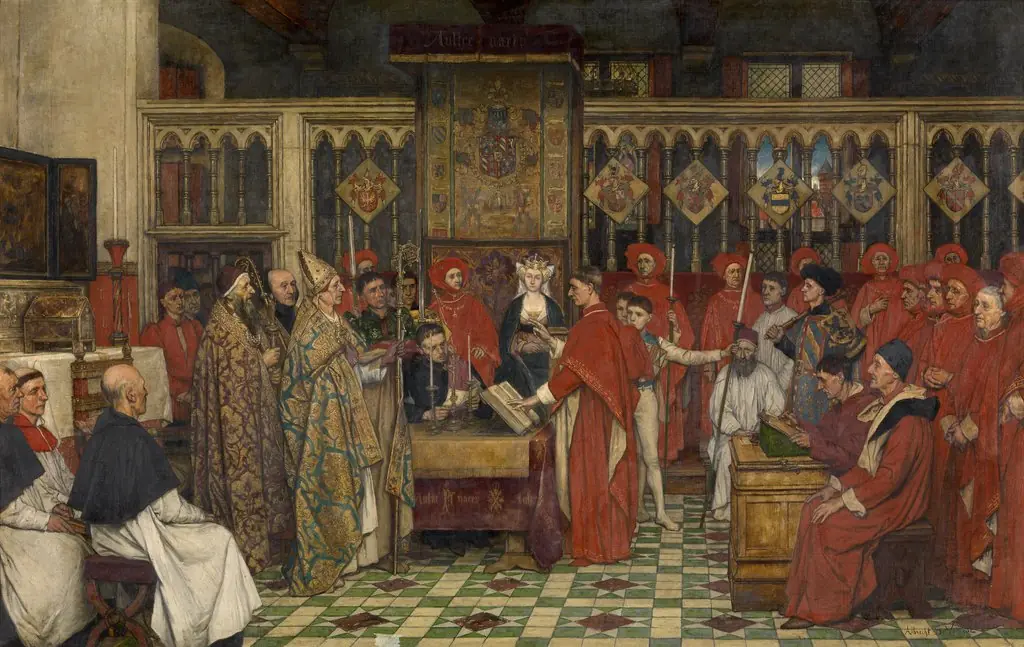 The First Chapter of the Order of the Golden Fleece
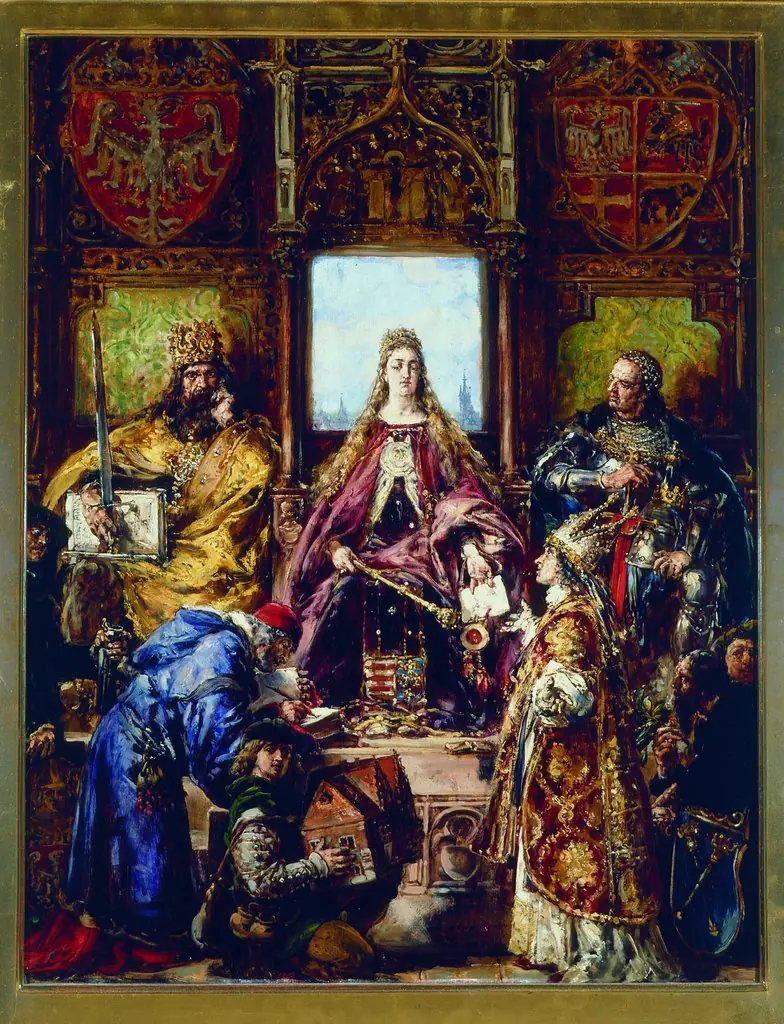 Founding of the Academy, 1361–1399–1400 AD, from the series “History of Civilization in Poland”
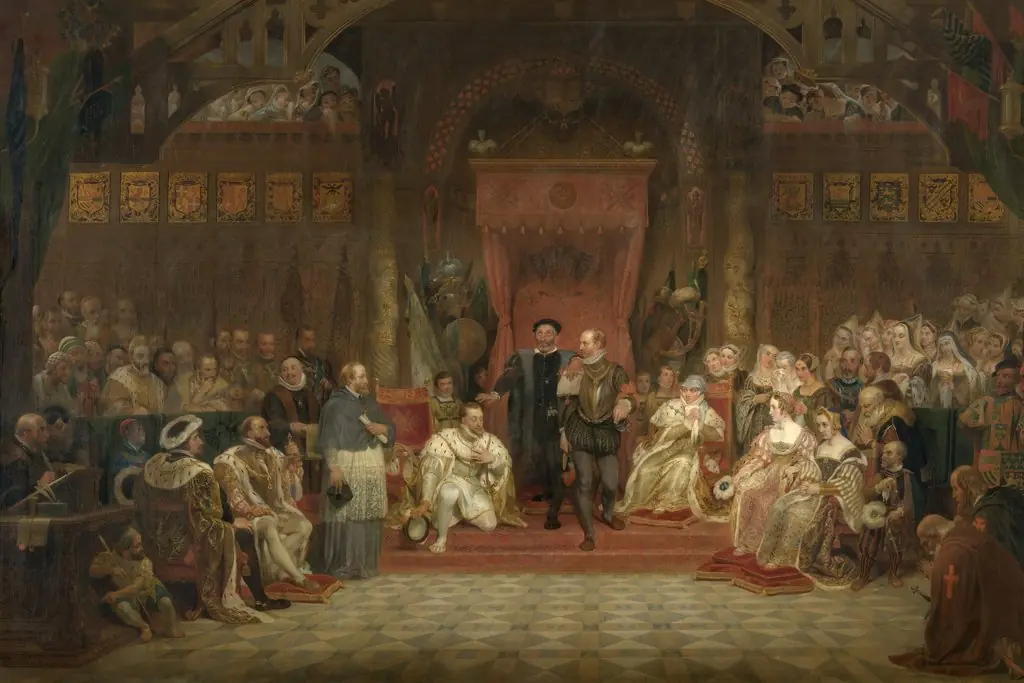 Abdiction of Charles V
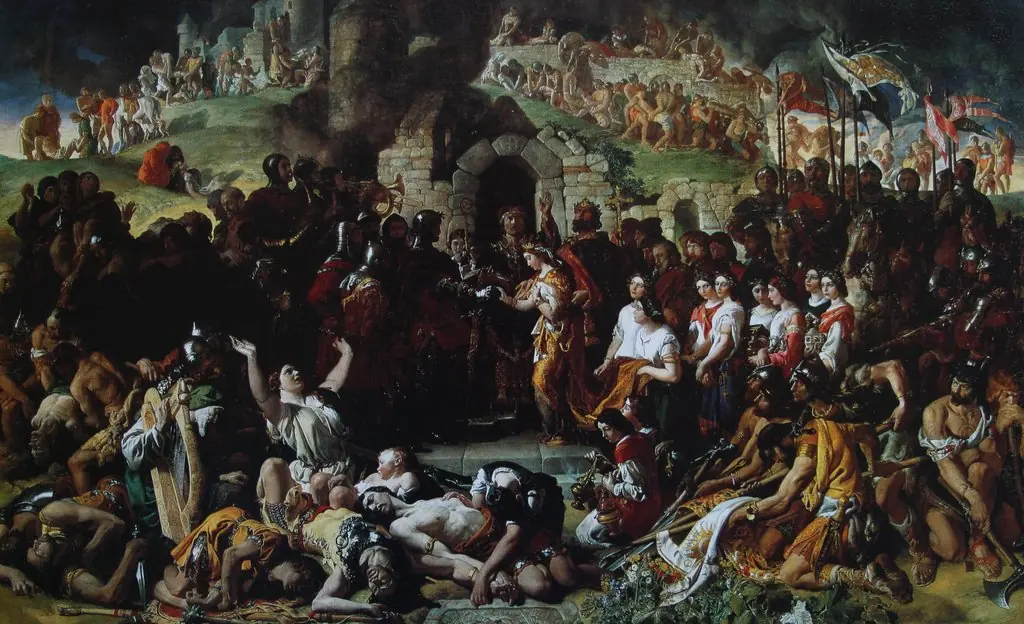 The Marriage of Strongbow and Aoife
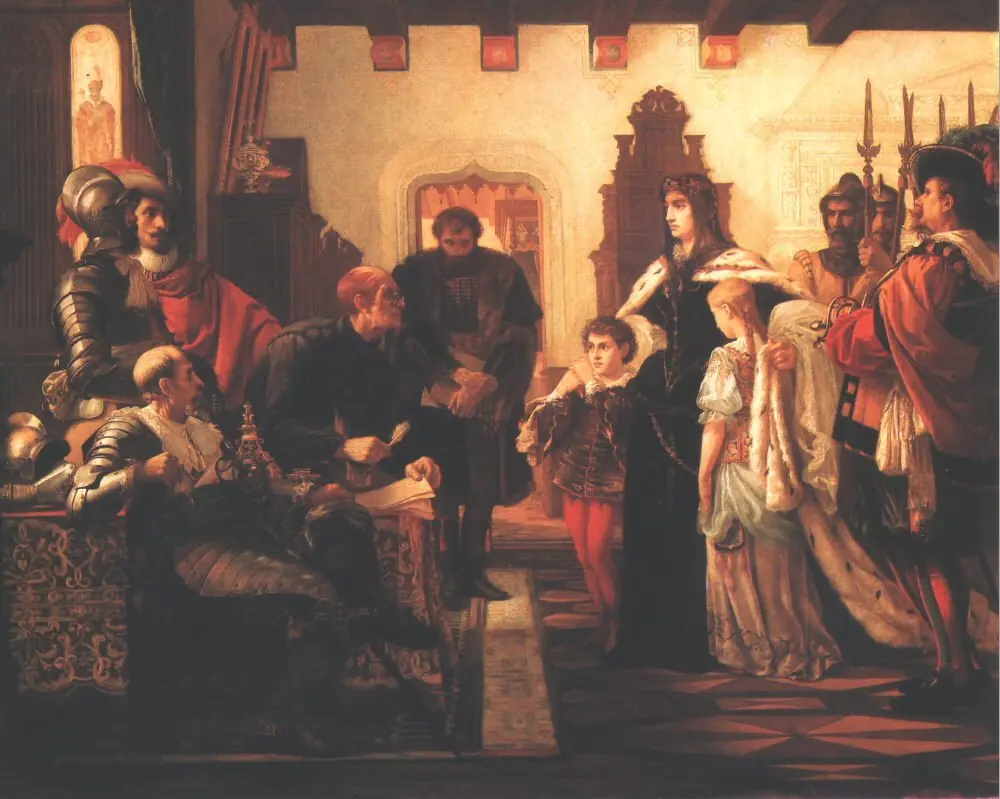 Ilona Zrínyi before the Investigating Judge
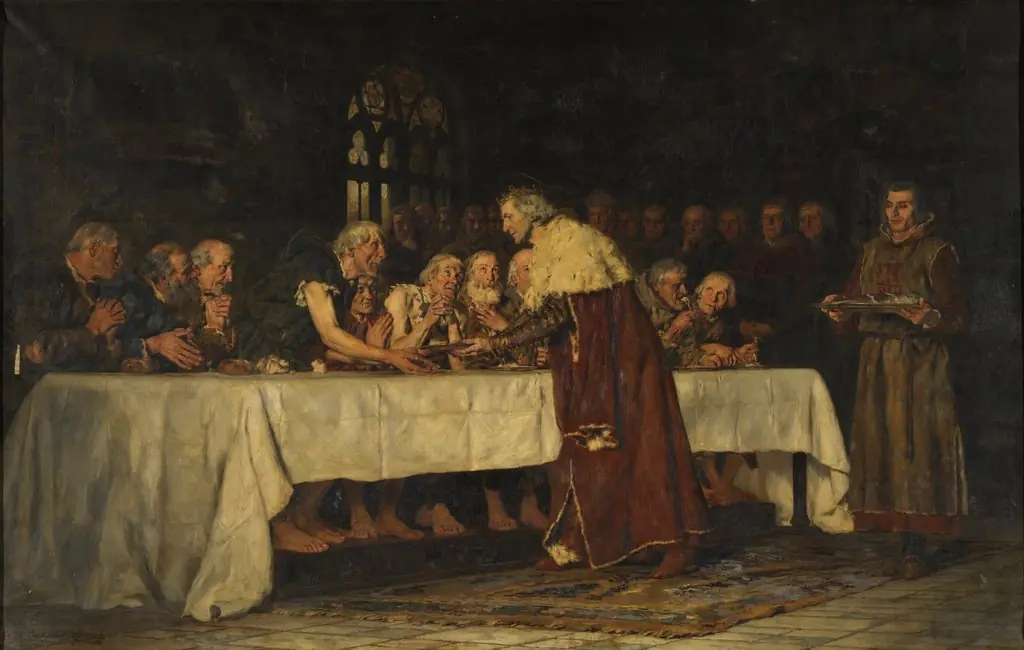 San Fernando rey de España
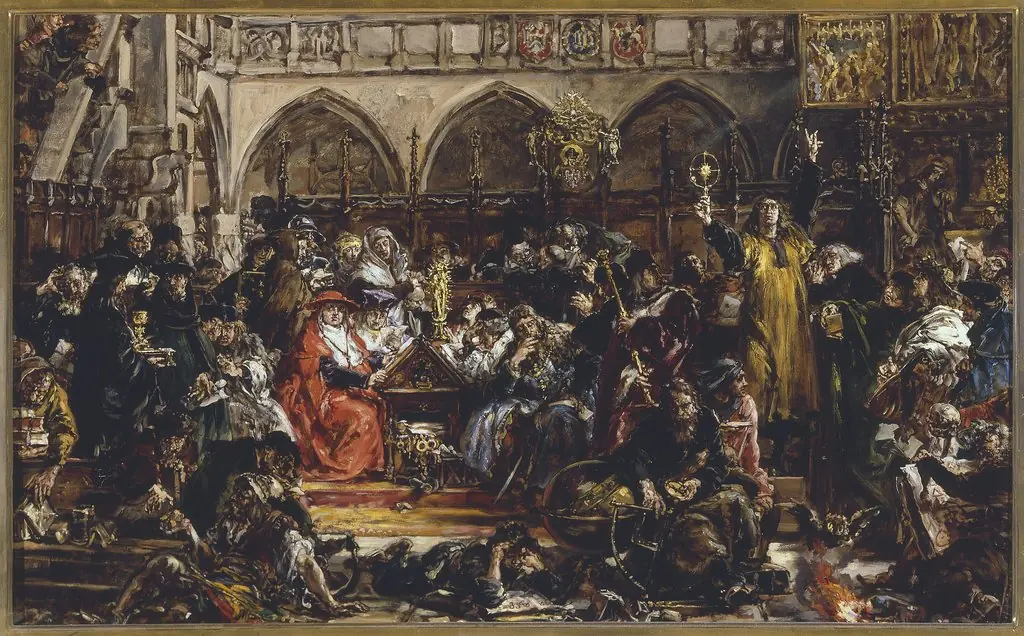 Influence of the university on the country, from the series “History of Civilization in Poland”
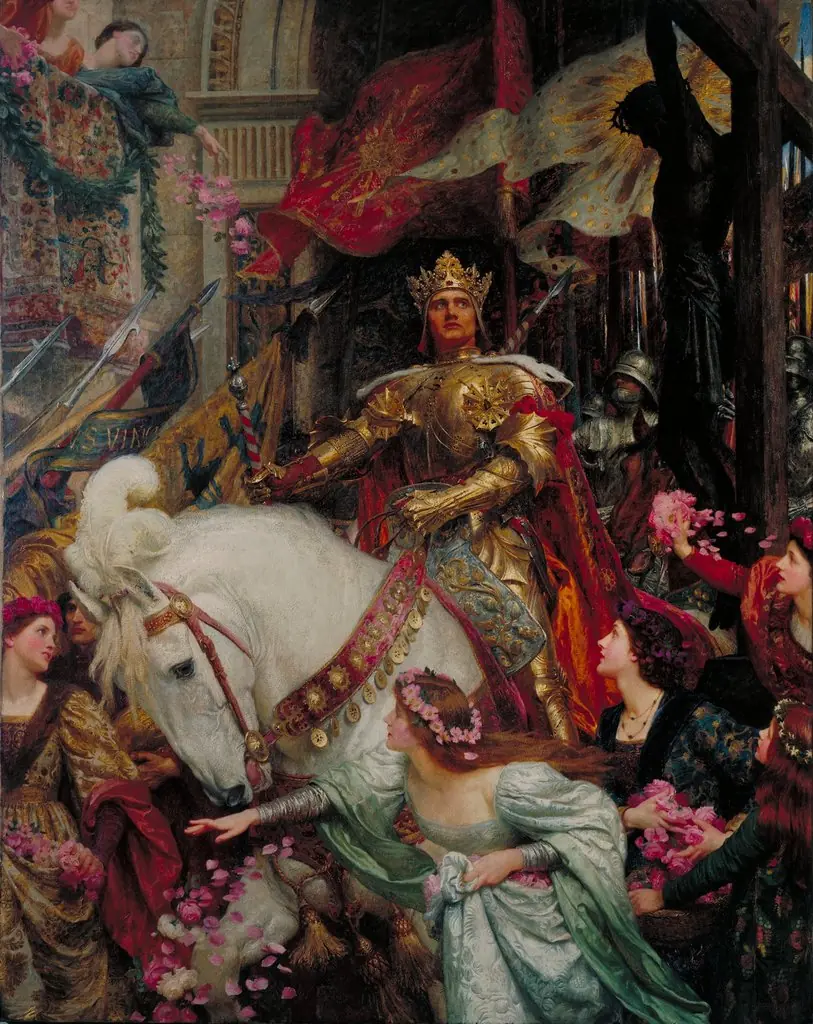 The Two Crowns