Artwork
Portrait of a Woman with a Lynx
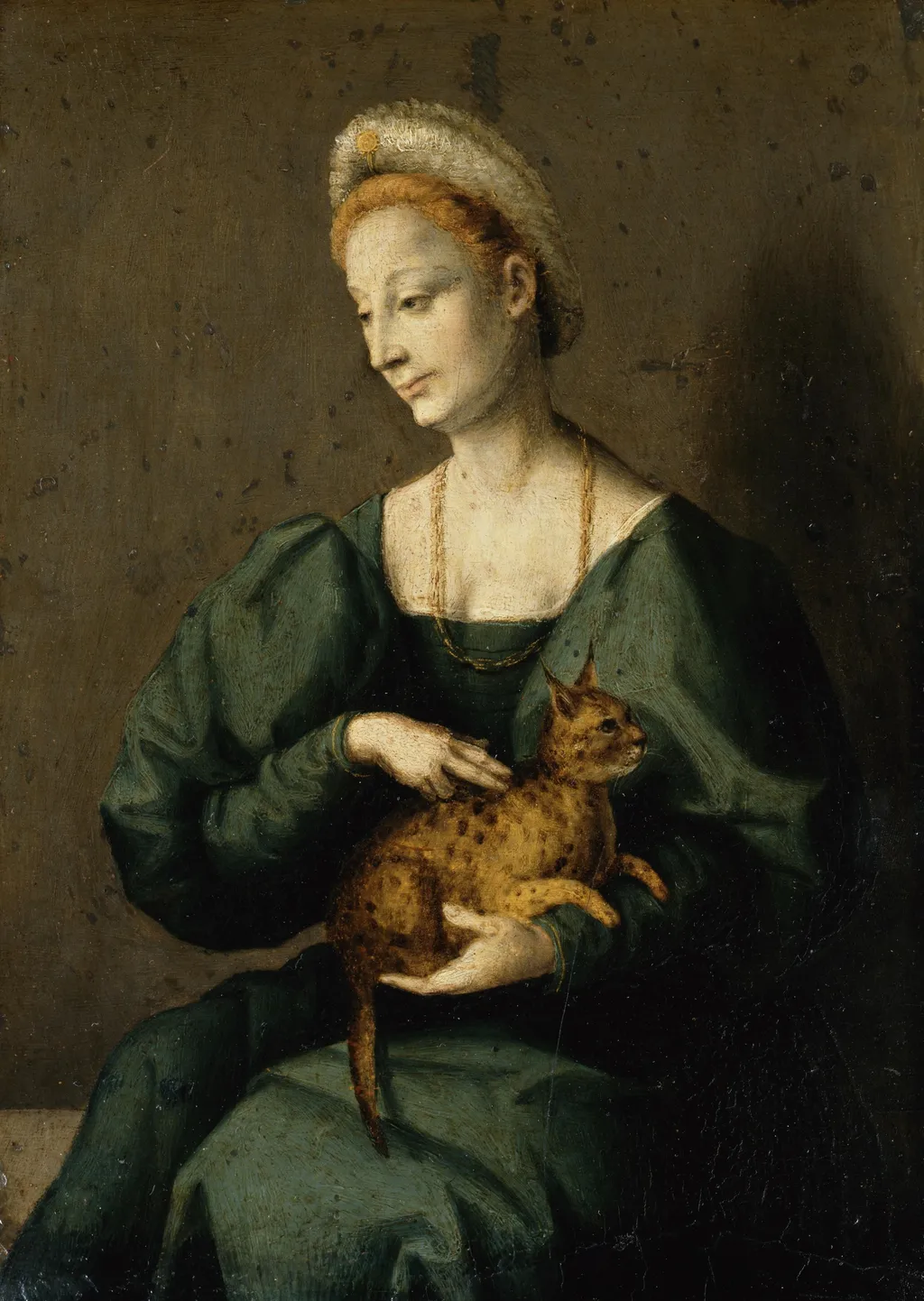
Portrait of a Woman with a Lynx is an oil painting by the Mannerist artist Francesco Bacchiacca. It dates from 1530 and is held in the collection of the Gemäldegalerie Berlin. Created in 1530, the painting shows a seated woman cradling a lynx.
About this work
Overview
Created in 1530, the painting shows a seated woman cradling a lynx. She is dressed in a dark green gown, a white veil covers her head, and a gold chain rests at her throat. The background is a subdued brown, and the composition conveys a restrained, introspective mood.
Subject & Meaning
The work presents a solitary female figure whose sideways glance and gentle hand on the animal suggest a quiet dialogue between human and beast. The lynx, turned away and looking elsewhere, may symbolize vigilance or rarity, while the woman's calm demeanor reinforces a sense of contemplative poise.
Technique & Style
Executed in oil on panel, the painting reflects the Florentine Mannerist tendency toward elegant elongation and refined surface detail. Soft modeling of flesh contrasts with the textured fur of the lynx, and the limited palette of greens, whites, and earth tones emphasizes tonal harmony over dramatic contrast.
History & Provenance
The portrait was produced by Francesco d’Ubertino Verdi, known as Bachiacca, a member of the Florentine artistic circle. After remaining in private hands for several centuries, it entered the collection of the Gemäldegalerie in Berlin, where it is currently displayed.
Context
Bachiacca worked during the High Renaissance, a period when Florentine artists explored sophisticated portraiture that combined personal likeness with symbolic elements. This painting exemplifies that blend, integrating a fashionable sitter with an exotic animal to convey status, virtue, or intellectual curiosity.
Own this work as a print
Artist & collection
Artist
Francesco d'Ubertino Verdi, called Bachiacca (say "bah ki ah cka"). He is also known as Francesco Ubertini, il Bacchiacca (1494–1557). He was an Italian painter of the Renaissance whose work is characteristic of the…




- Portrait of a Woman
 Portrait of a Lady
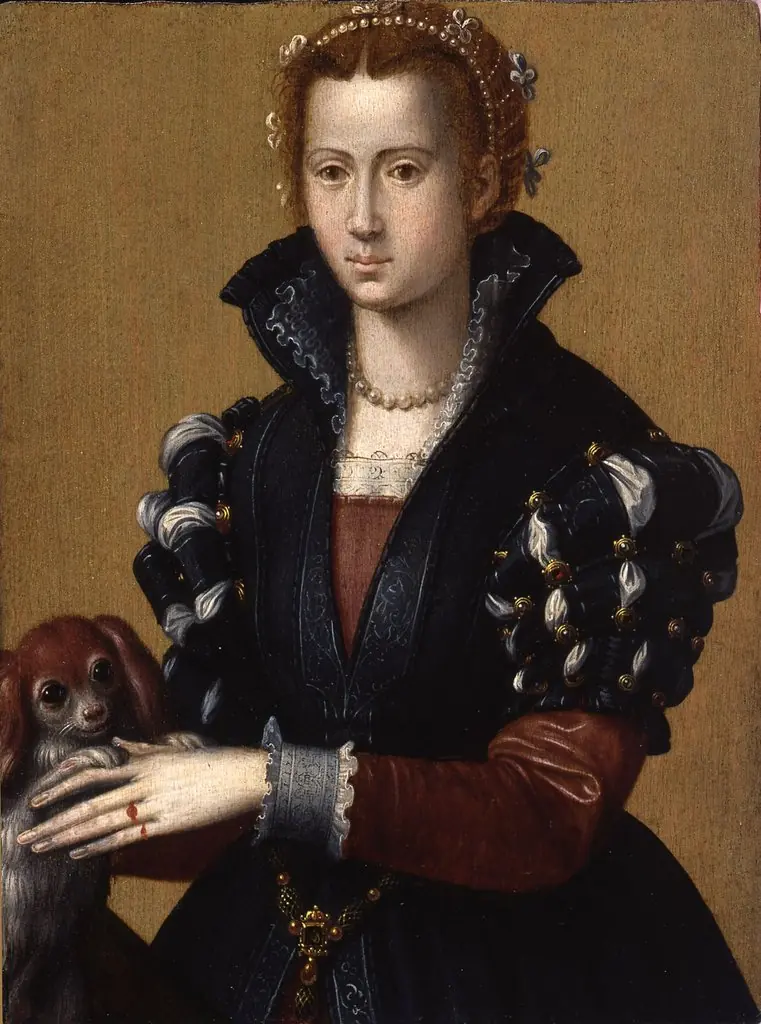 Portrait of Eleanora of Toledo
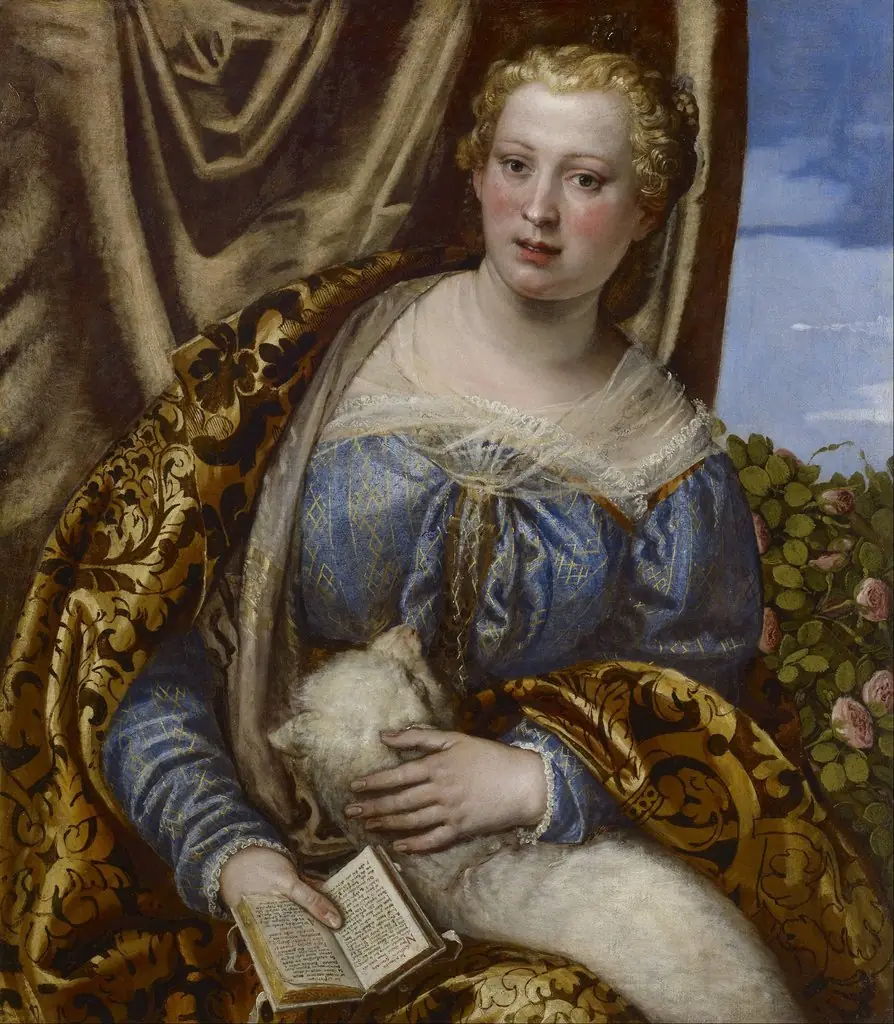 Portrait of a Lady as Saint Agnes
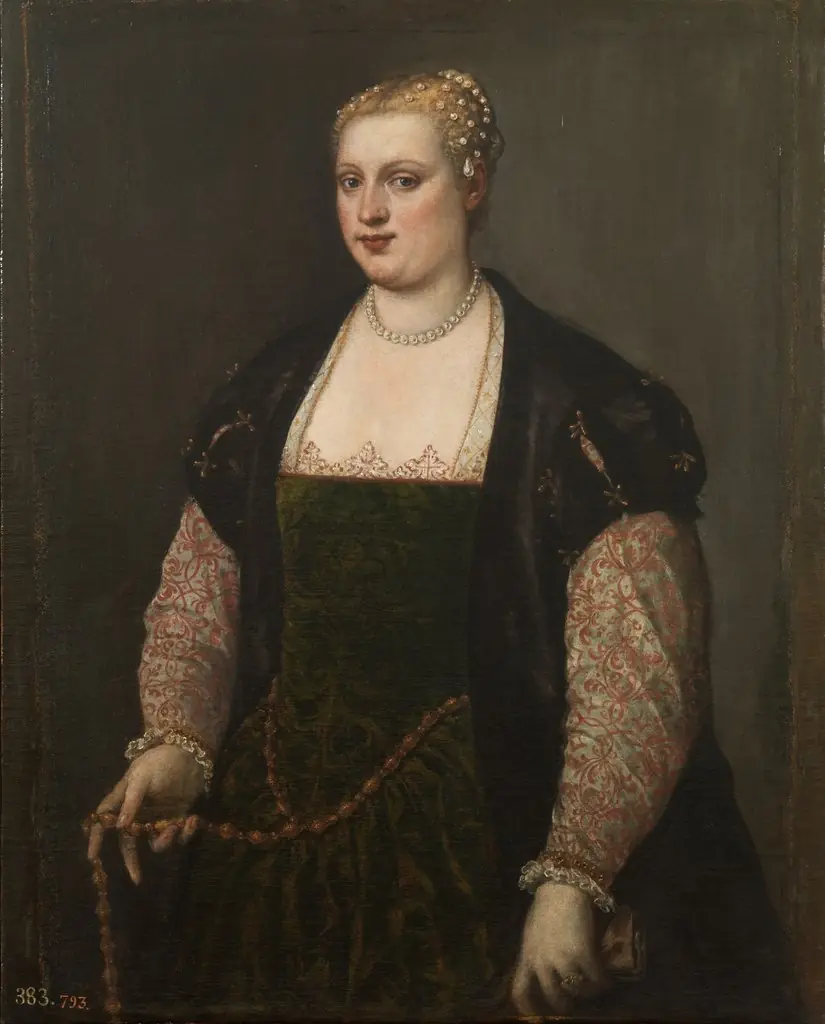 Portrait of a Woman
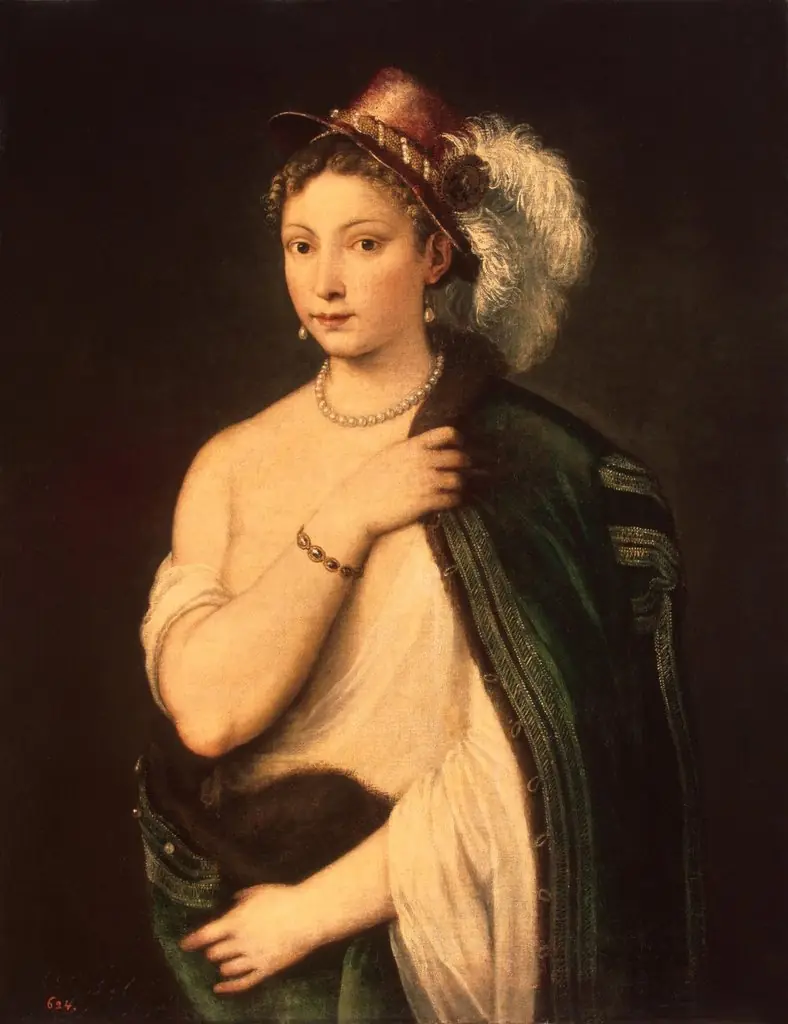 Portrait of a Young Woman
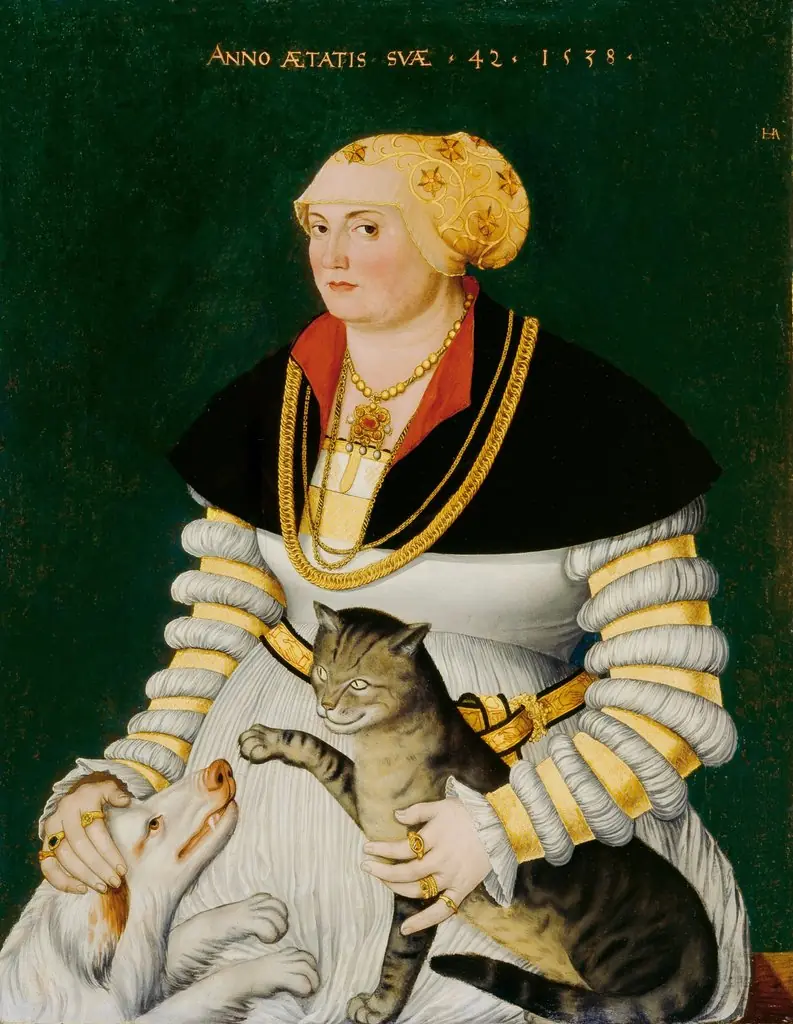 Portrait of Cleophea Krieg von Bellikon
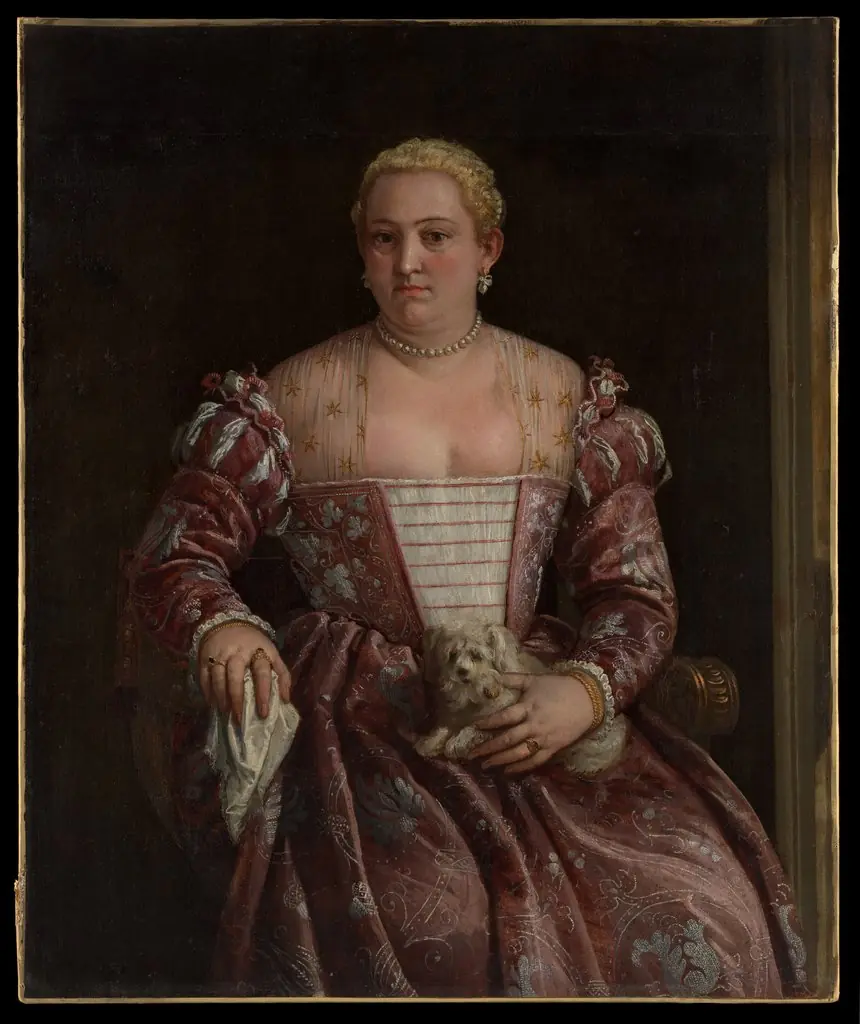 Portrait of a Woman
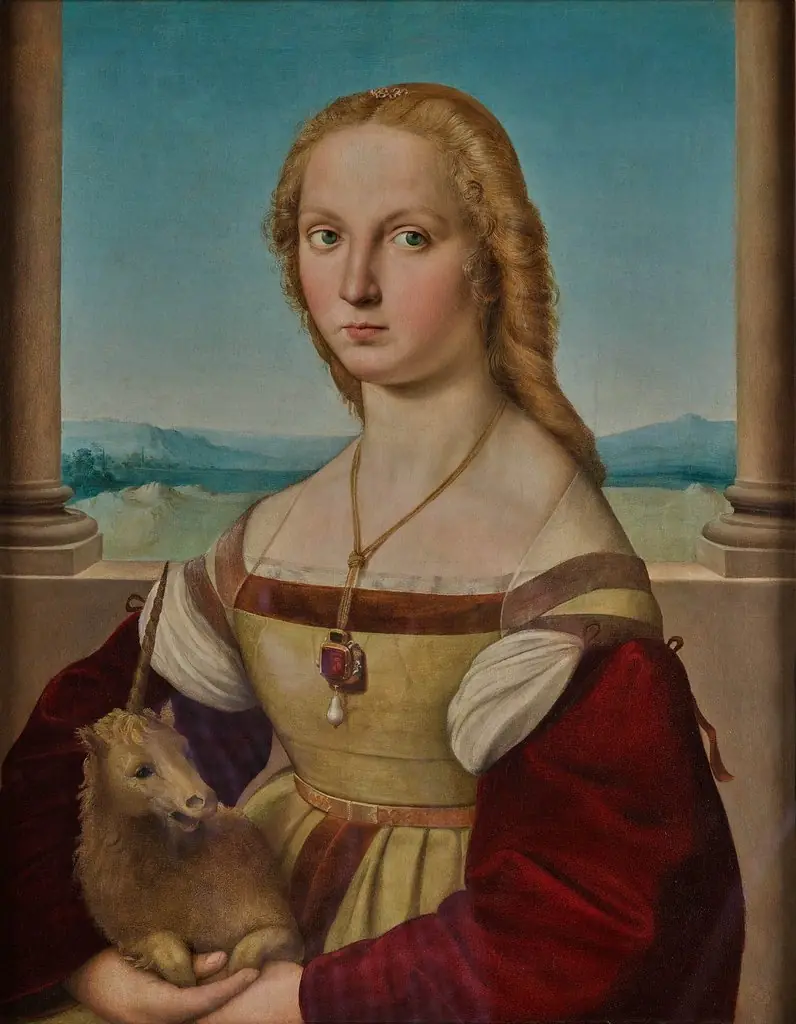 Young Woman with Unicorn
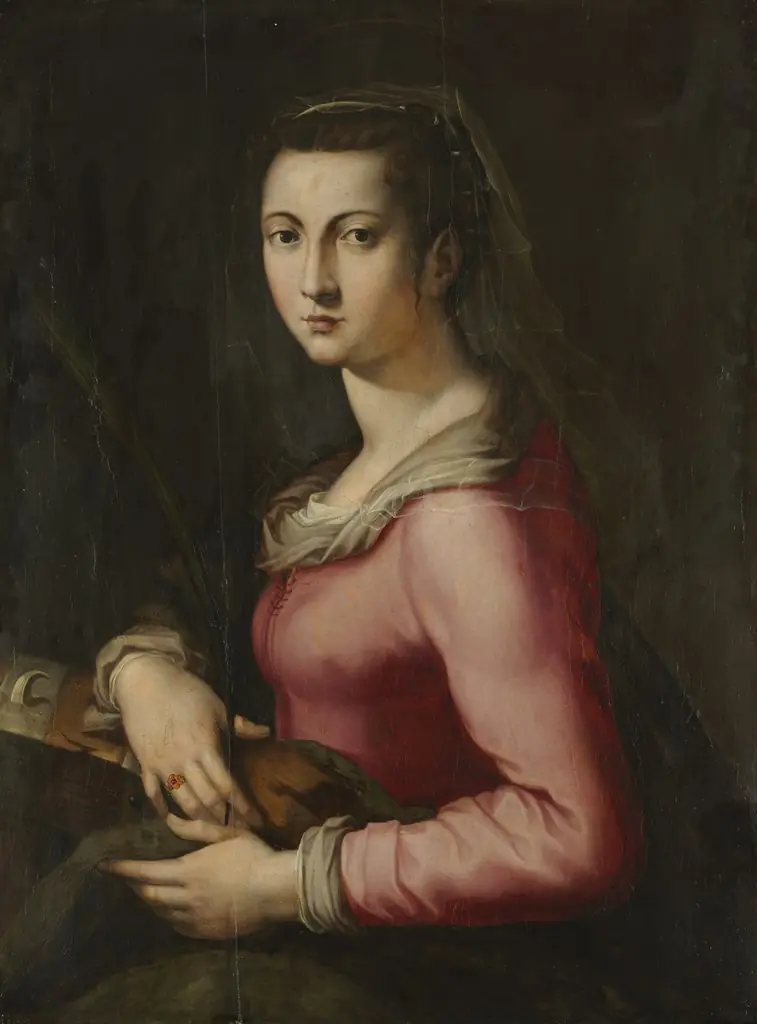 Portrait of a Woman as Saint Catherine
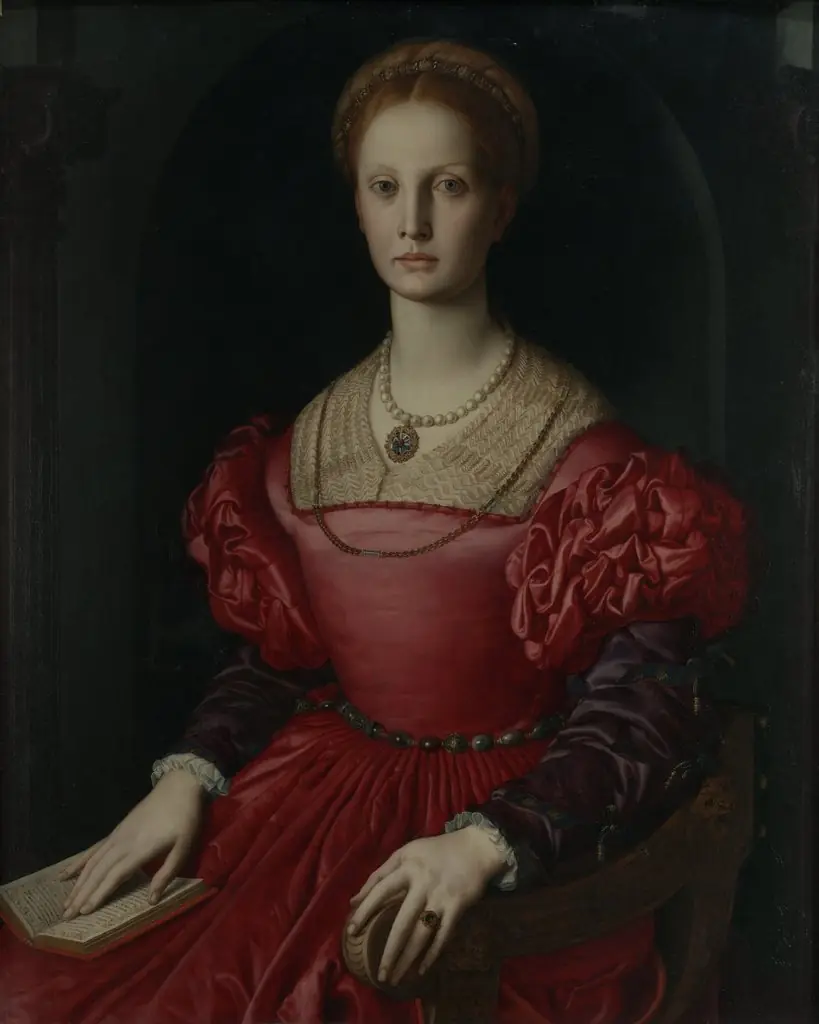 Portrait of Lucrezia Panciatichi
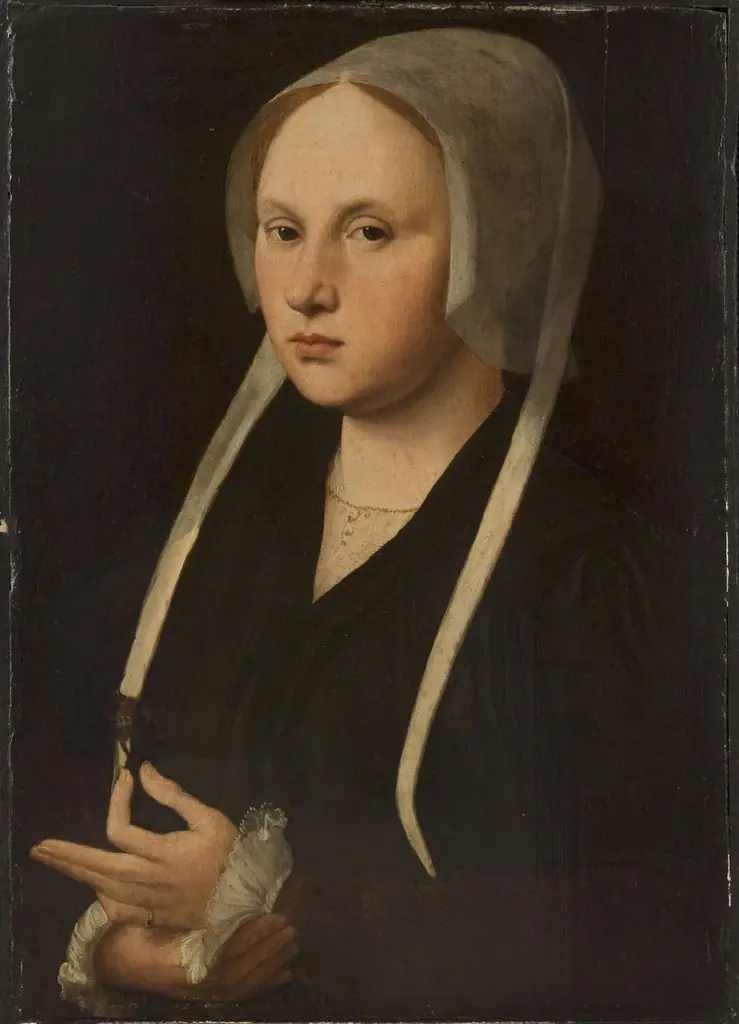 Portrait of a Lady