Artwork
Pieta with portraits of Henry van Dongelberghe and wife
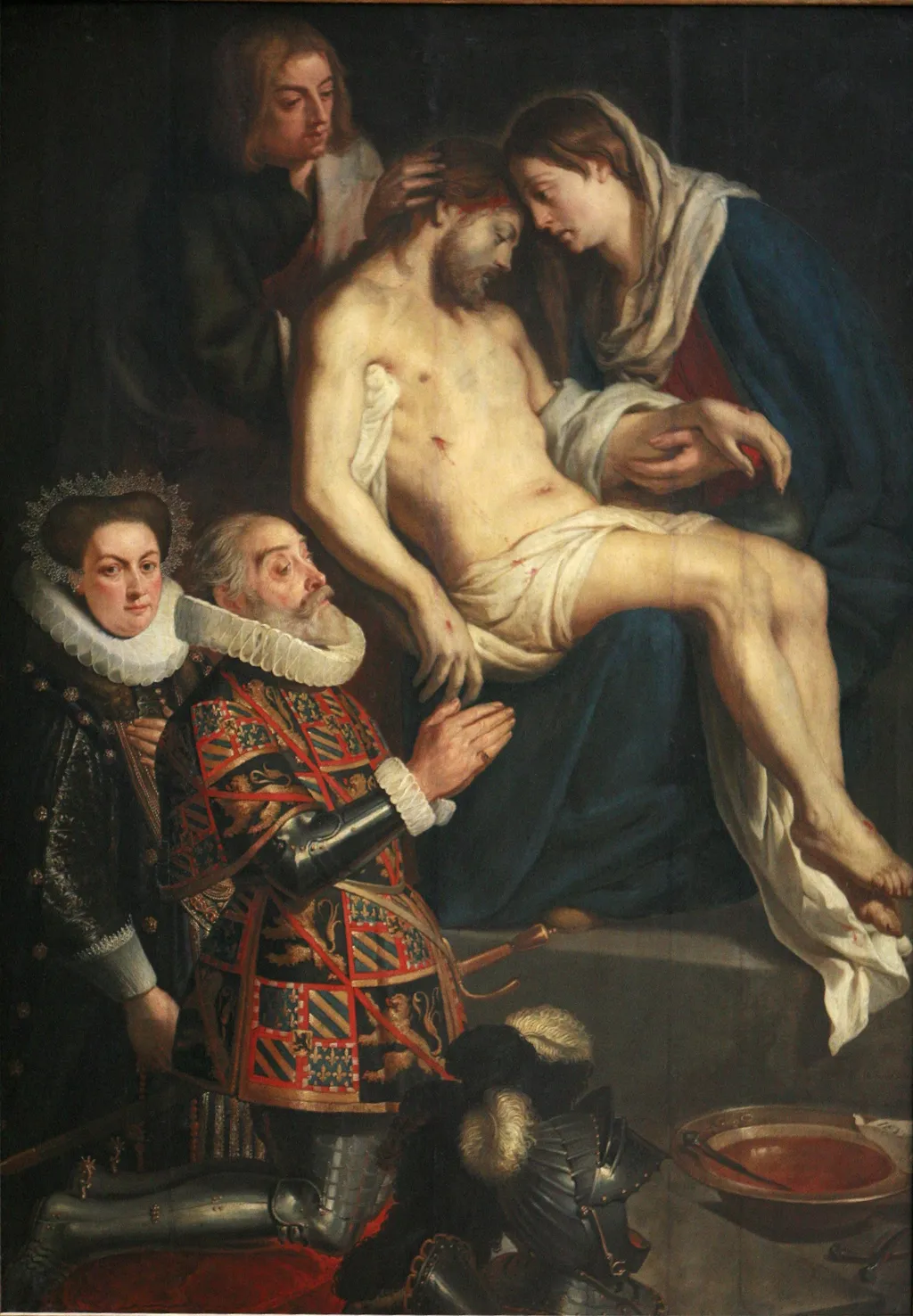
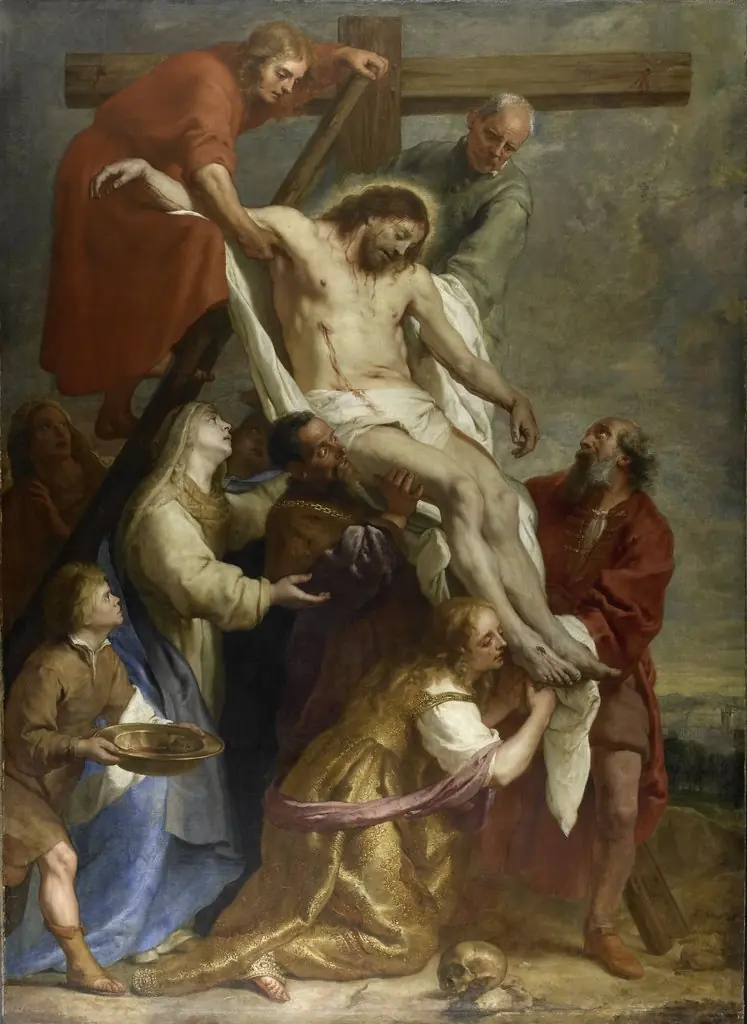
Pieta with portraits of Henry van Dongelberghe and wife is an oil painting by the Flemish Baroque painting artist Gaspar de Crayer. It dates from 1634 and is held in the collection of the Royal Museums of Fine Arts of Belgium.
About this work
Subject & Meaning
This dual function reflects Counter-Reformation ideals that integrated private prayer with public liturgical themes.
The painting portrays the Lamentation of Christ flanked by donor portraits of Henry van Dongelberghe and his wife, a composition that merges devotional imagery with private commemoration. The inclusion of the donors emphasizes their patronage and spiritual intercession within the sacred scene, linking personal devotion to the narrative of Christ’s suffering. This dual function reflects Counter-Reformation ideals that integrated private prayer with public liturgical themes.
Technique & Style
The work is executed in oil paint and classified as a painting, combining a devotional Lamentation of Christ scene with donor portraits of a man and woman. Its hybrid character merges the religious subject of the Pietà with portrait elements, a format typical of Flemish donor commissions of the period.
Stylistically, the piece belongs to the religious-art tradition associated with Gaspar de Crayer, balancing devotional imagery with individualized likenesses of the patrons. The composition unites sacred narrative with commemorative portraiture within a single oil-painted support.
History & Provenance
The painting Pieta with portraits of Henry van Dongelberghe and wife by Gaspar de Crayer is held in the collection of the Royal Museums of Fine Arts of Belgium. The specific inventory or accession number for this work is not provided in the available sources. Regarding exhibition history, the provided documentation does not list any specific past or present exhibitions where this piece has been displayed.
Overview
Created around 1634, this oil painting by the Flemish artist Gaspar de Crayer presents a somber Lamentation scene in which the dead Christ is supported by a grieving woman. Flanking the central figures are a couple dressed in elaborate court attire, their gazes directed toward the mournful tableau. The composition is set against a dark backdrop, heightening the emotional intensity of the work.
Context
Executed during the Counter‑Reformation, the painting aligns with the Catholic Church’s emphasis on emotionally charged imagery to inspire devotion. De Crayer’s integration of donor portraits within a sacred narrative mirrors a broader Flemish practice of intertwining personal legacy with religious art, while his stylistic alignment with Rubens’ dramatic vigor situates the work within the flourishing Baroque movement in the Southern Netherlands.
Own this work as a print
Artist & collection
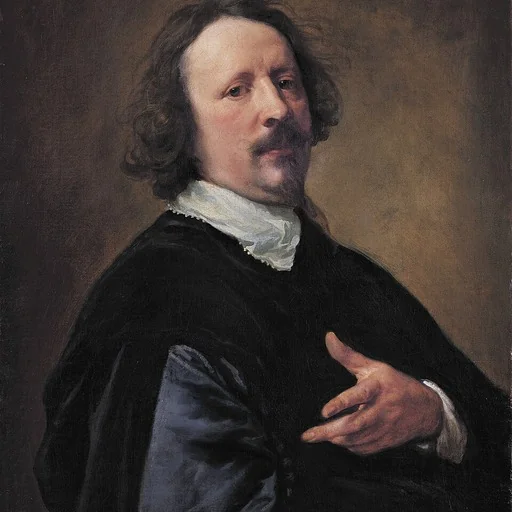
Artist
Gaspar de Crayer or Jasper de Crayer (18 November 1584 – 27 January 1669) was a Flemish painter known for his many Counter-Reformation altarpieces and portraits.

Museum
Royal Museums of Fine Arts of Belgium
Continue through works from the same source collection.
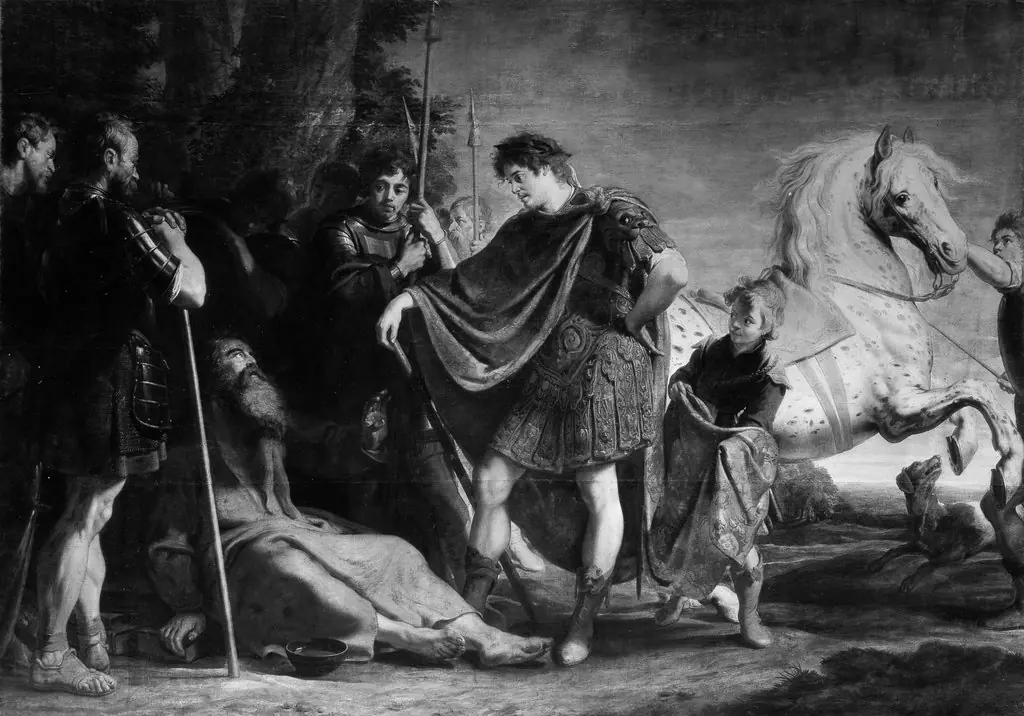 The Meeting of Alexander the Great and Diogenes
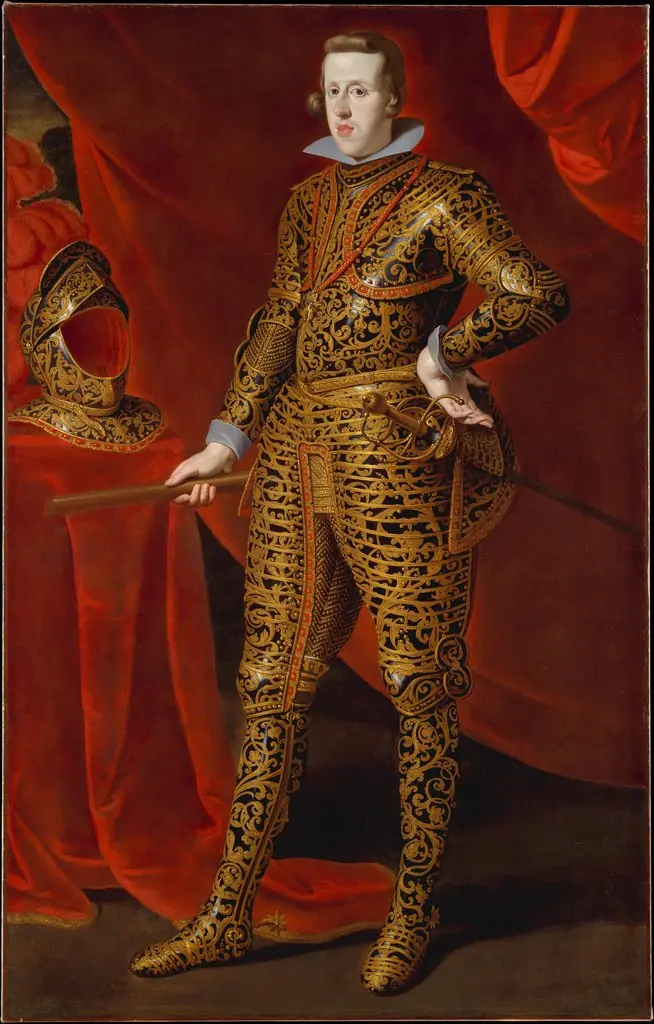 Philip IV (1605–1665) in Parade Armor
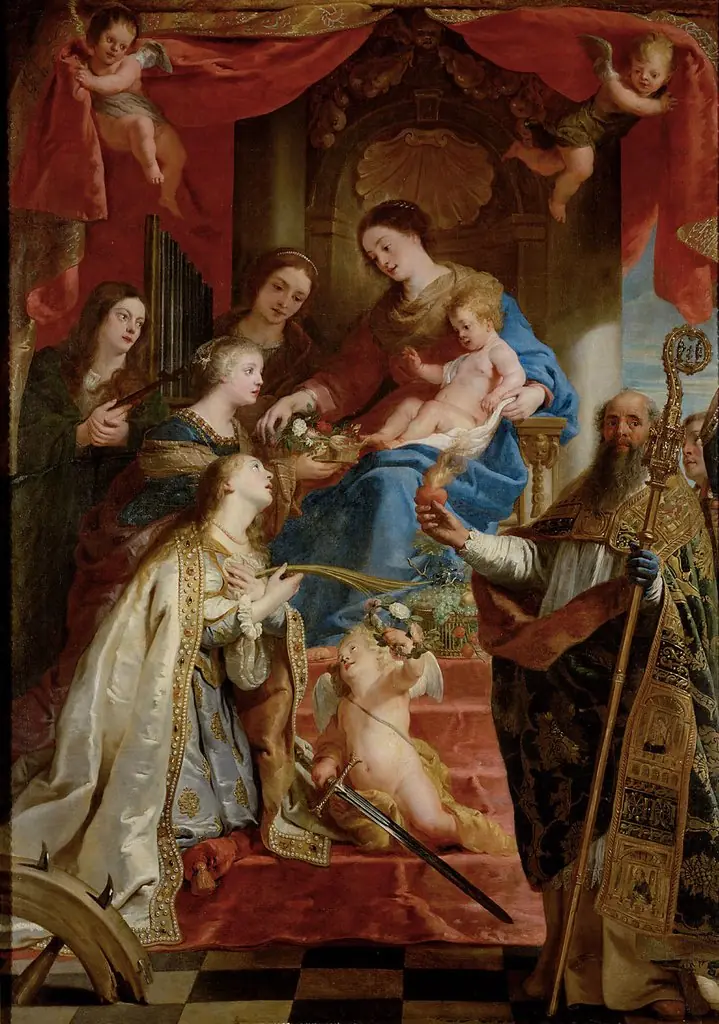 Virgin with child and saints Maria Magdalen, Cecilia, Dorothea, Catharina and Augustine
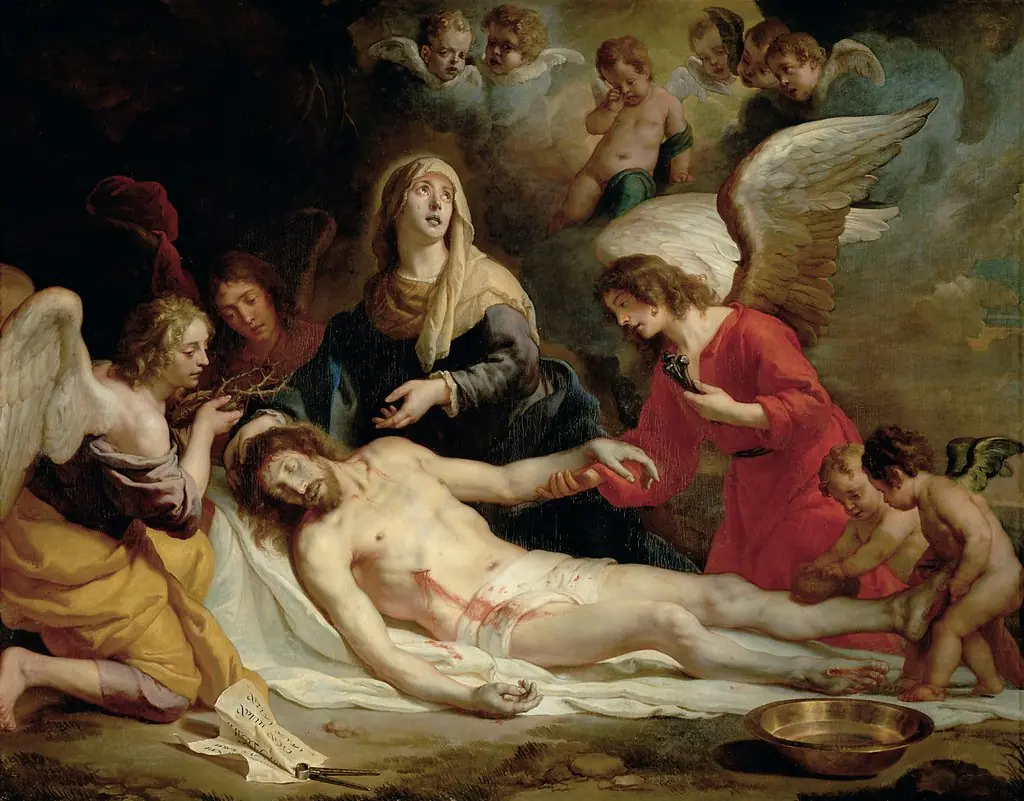 Lamentation
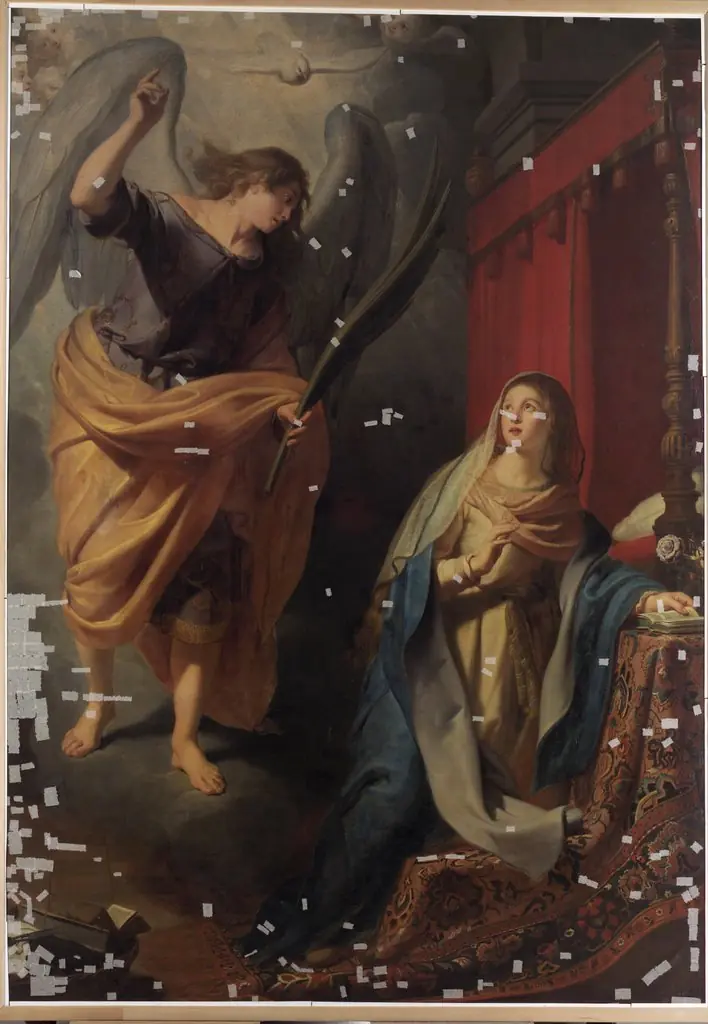 The Annunciation
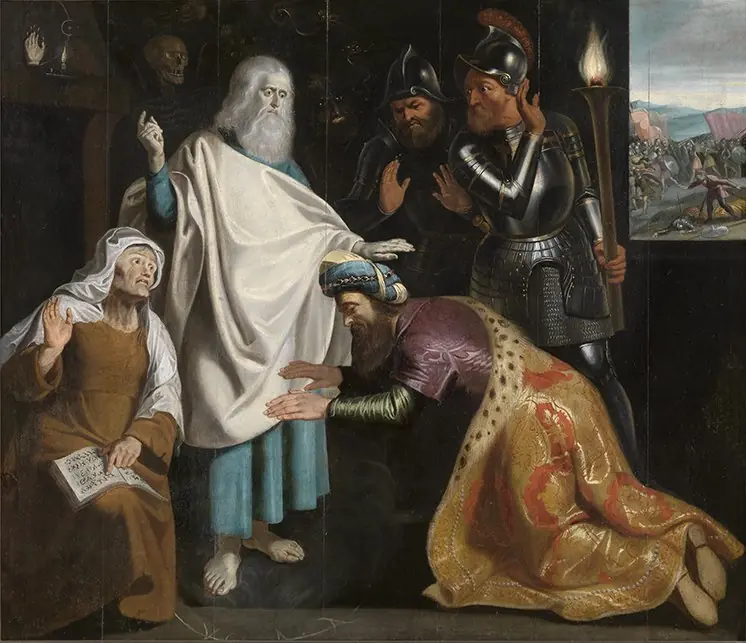 The ghost of Samuel appears to the witch of Endor; Saul falls prostrate to the ground (1 Samuel 28:3-20)
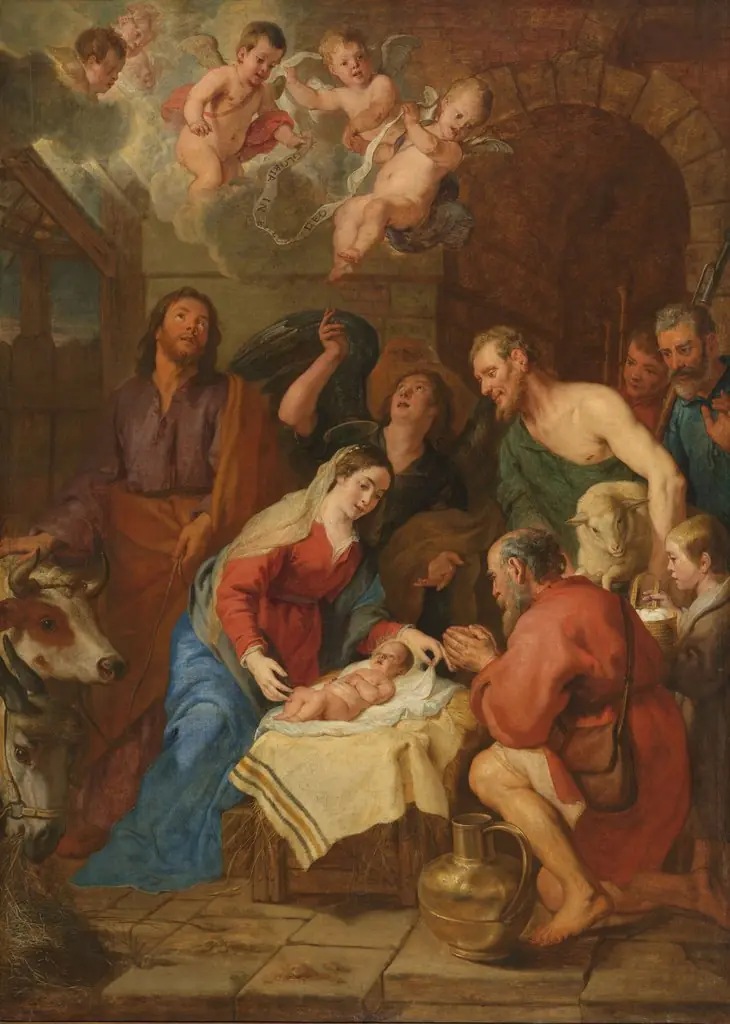 The adoration of the shepherds
 The descent from the cross