Artwork
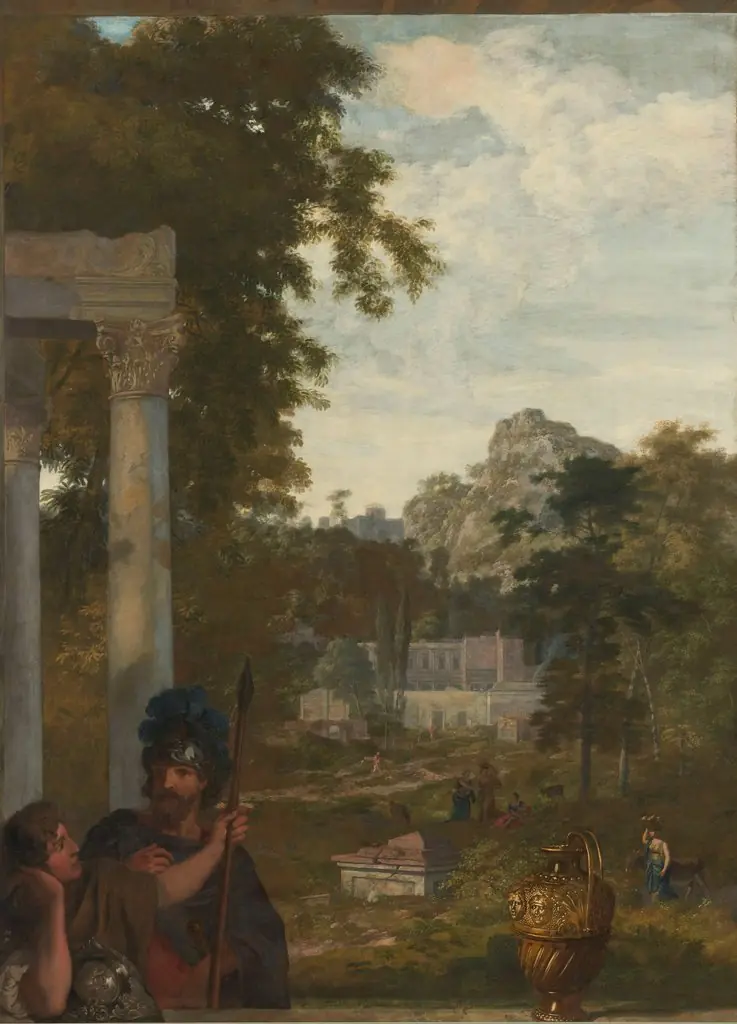
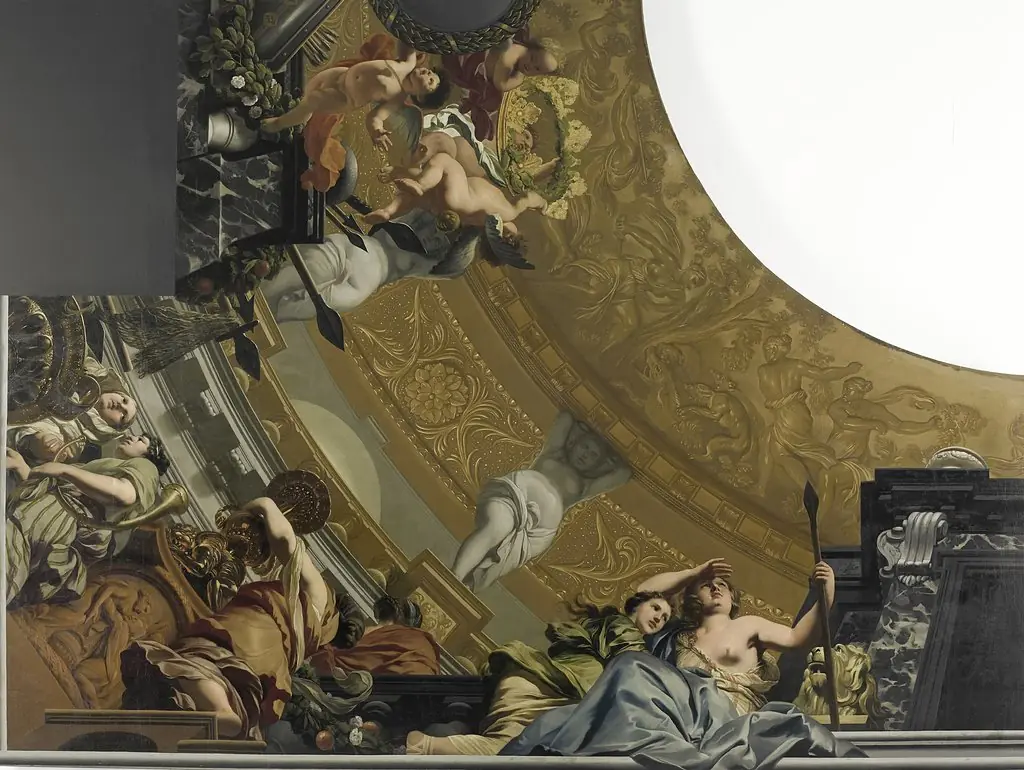
Onderdeel (linksonder) van een plafondschildering met als hoofdvoorstelling Diana en haar gezellinnen
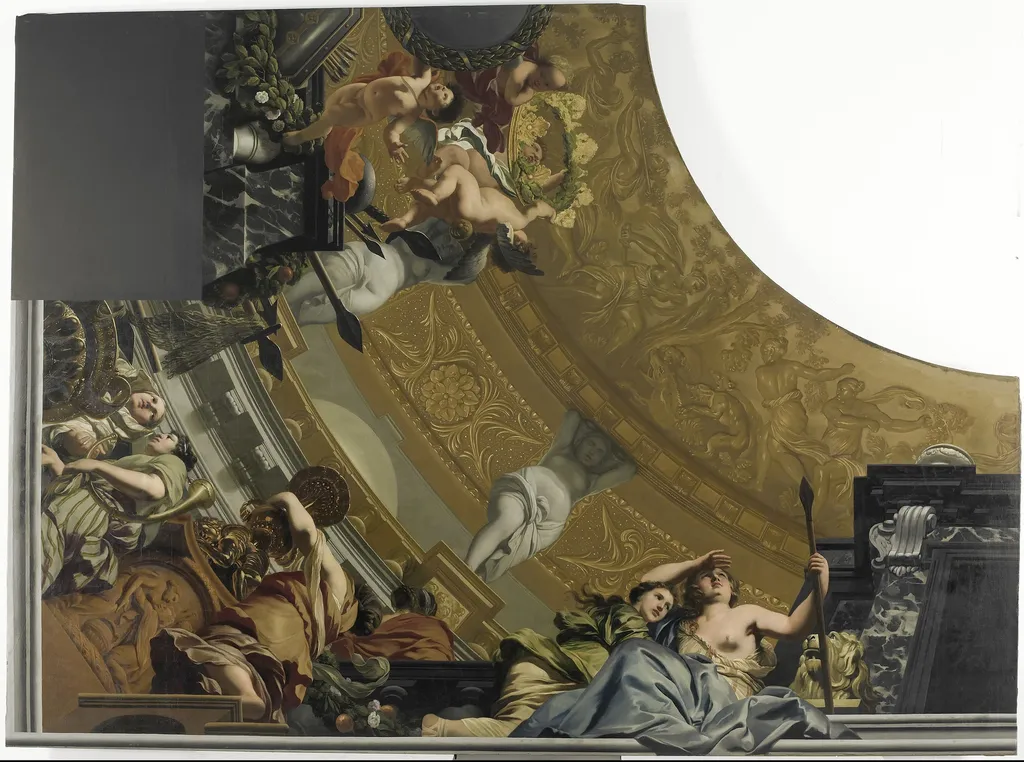
Onderdeel (linksonder) van een plafondschildering met als hoofdvoorstelling Diana en haar gezellinnen is an oil painting by the Dutch Golden Age artist Gerard de Lairesse. It dates from 1690 and is held in the collection of the Rijksmuseum.
About this work
Subject & Meaning
As goddess of the moon, wilderness, and chastity, Diana was traditionally portrayed with attributes such as a bow, arrows, hunting dogs, and a crescent moon.
The painting depicts a mythological scene centered on Diana, the Roman goddess of the hunt, surrounded by her companions (gezellinnen). As goddess of the moon, wilderness, and chastity, Diana was traditionally portrayed with attributes such as a bow, arrows, hunting dogs, and a crescent moon. The ceiling painting format suggests the work was designed for an overhead architectural setting, a common placement for mythological and allegorical subjects in Dutch Golden Age decorative schemes.
The choice of Diana and her nymphs carried associations of virtuous femininity, natural order, and the pleasures of the hunt, frequent themes in aristocratic and courtly interiors. The fragmentary nature of this surviving portion (specified as the lower left section) indicates the original composition was once more expansive.
Technique & Style
Executed in 1679, this mythological work by Gerard de Lairesse is an oil painting on canvas. The piece functions as a specific fragment, representing the lower-left section of a larger ceiling decoration centered on the figure of Diana and her companions. As a component of an architectural scheme, the handling of the oil medium was designed to integrate with the surrounding painted environment.
The classification as a painting within the mythology genre underscores its narrative purpose within the original decorative ensemble.
History & Provenance
The painting was created by Gerard de Lairesse in 1679, executed in oil on canvas as part of a larger ceiling composition depicting Diana and her companions, of which it forms the lower-left section. It is held in the collection of the Rijksmuseum in Amsterdam, where it is catalogued as SK-A-1233-1. The sources do not provide further details regarding the original commission, intermediate ownership, or acquisition history of the work.
Overview
Created in 1690 by Dutch painter Gerard de Lairesse, this oil work forms a fragment of a larger ceiling composition whose central motif features the goddess Diana and her attendants. Executed during the Dutch Golden Age, the piece is now part of the Rijksmuseum’s collection and exemplifies the period’s interest in classical mythology rendered on a grand decorative scale.
Context
De Lairesse’s approach was shaped by the emblematic treatises of Cesare Ripa and the classicist principles of Charles le Brun, both of which informed his theoretical writings on art. These texts later became standard references in 18th‑century academies, positioning the artist as both practitioner and educator within the broader European classicist tradition.
Own this work as a print
Artist & collection
Artist
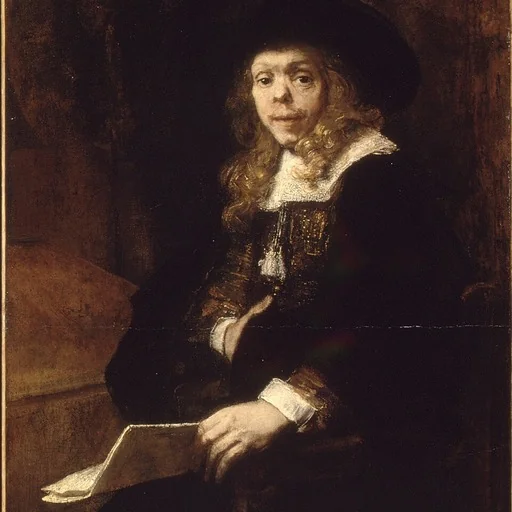
Gerard or Gérard (de) Lairesse (French pronunciation:; 11 September 1641 – June 1711) was a Dutch Golden Age painter and art theorist.

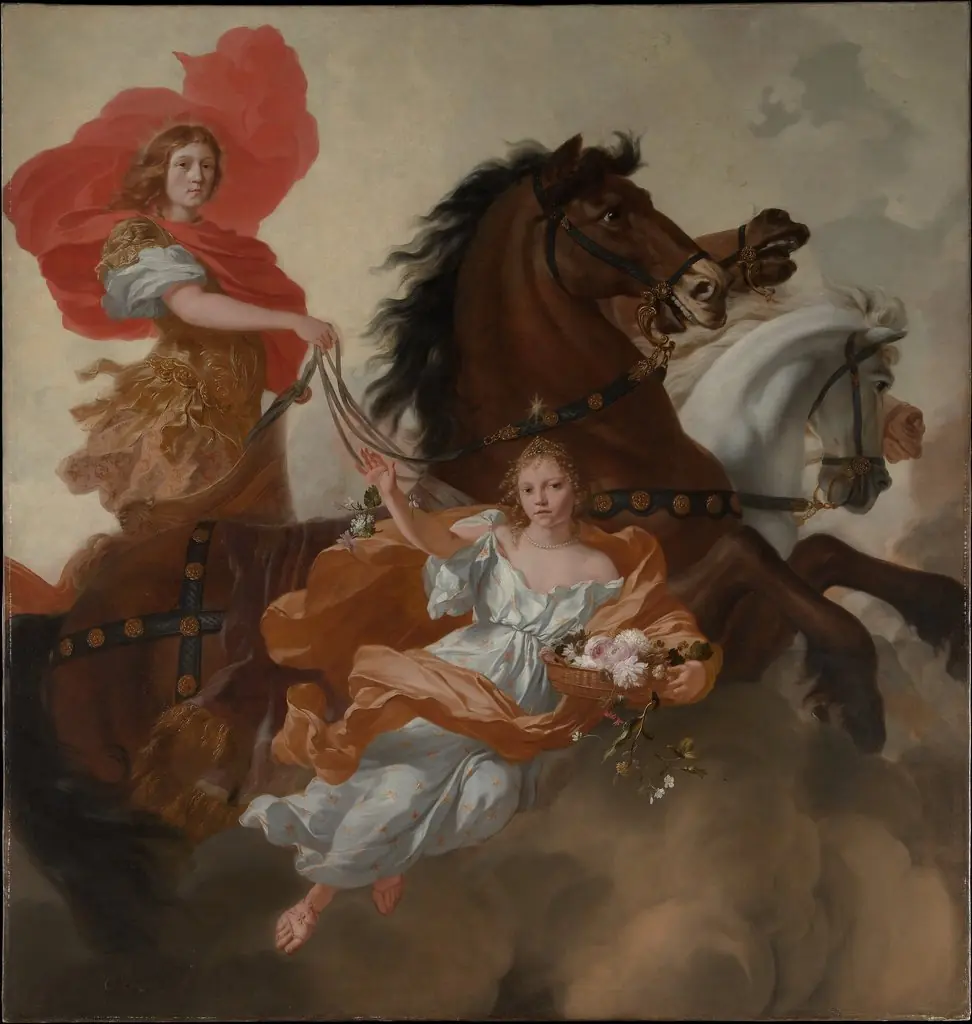
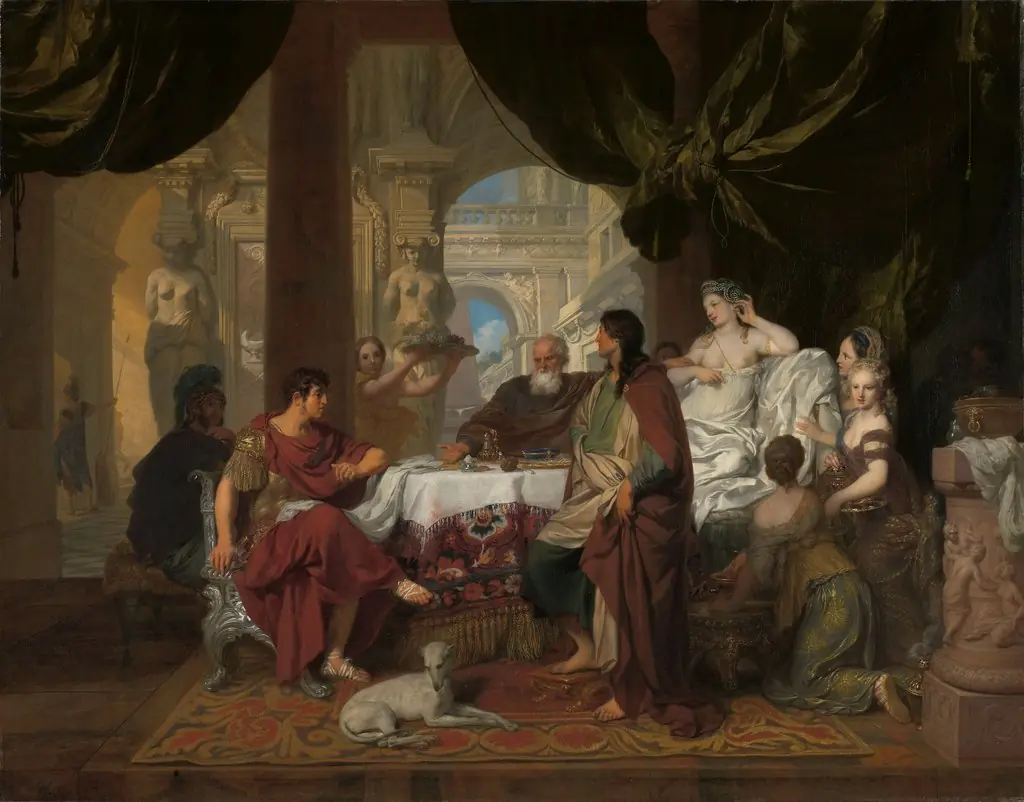
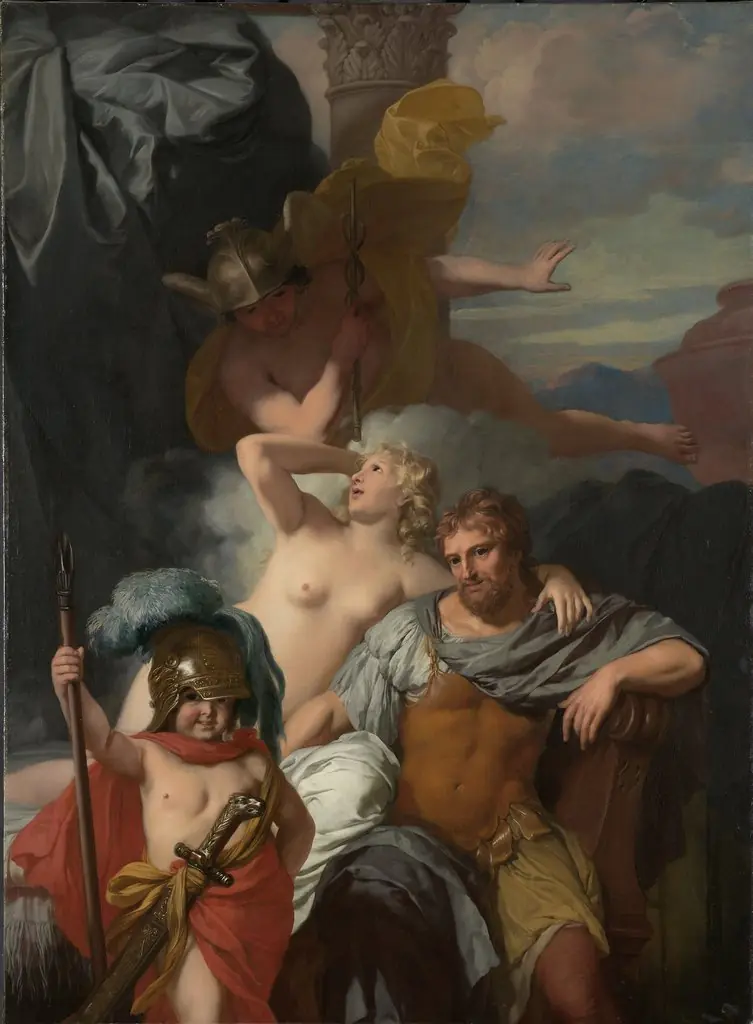
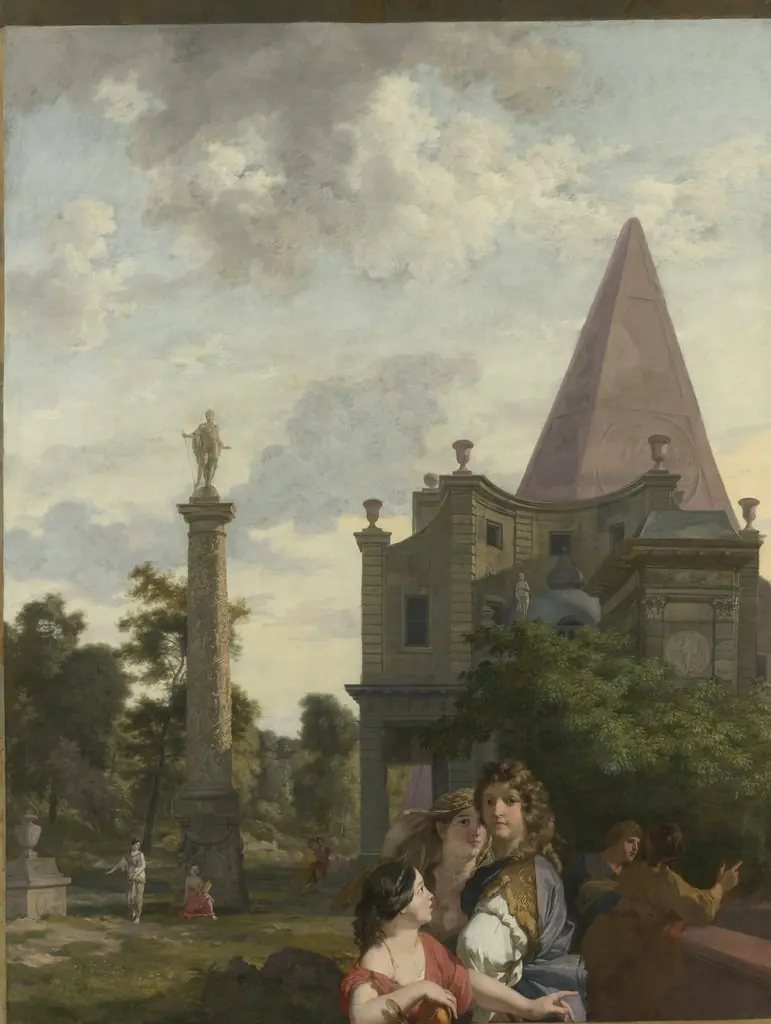
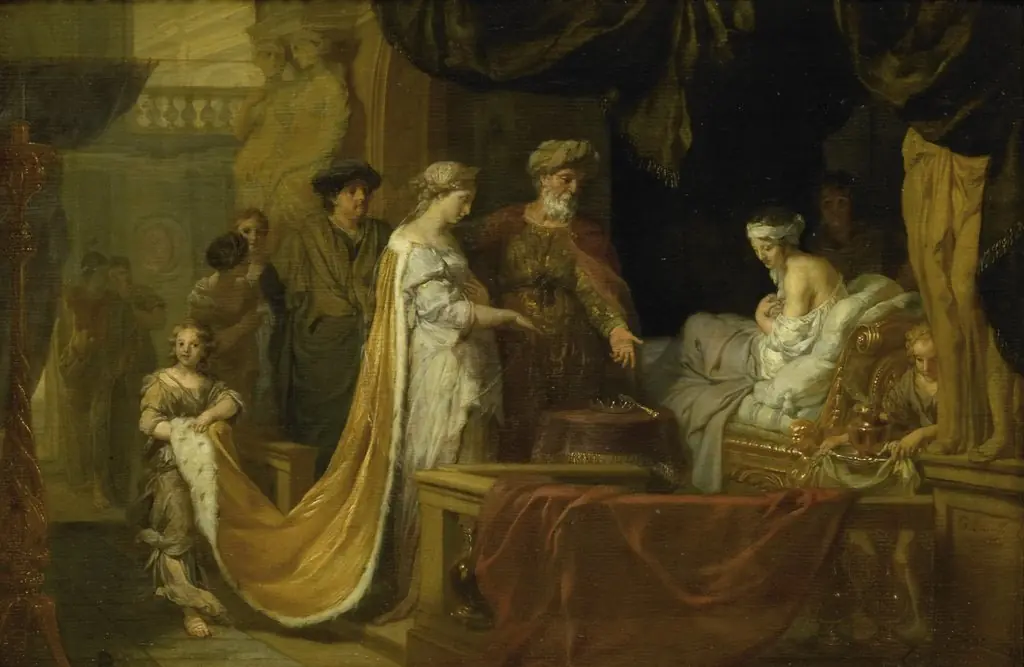
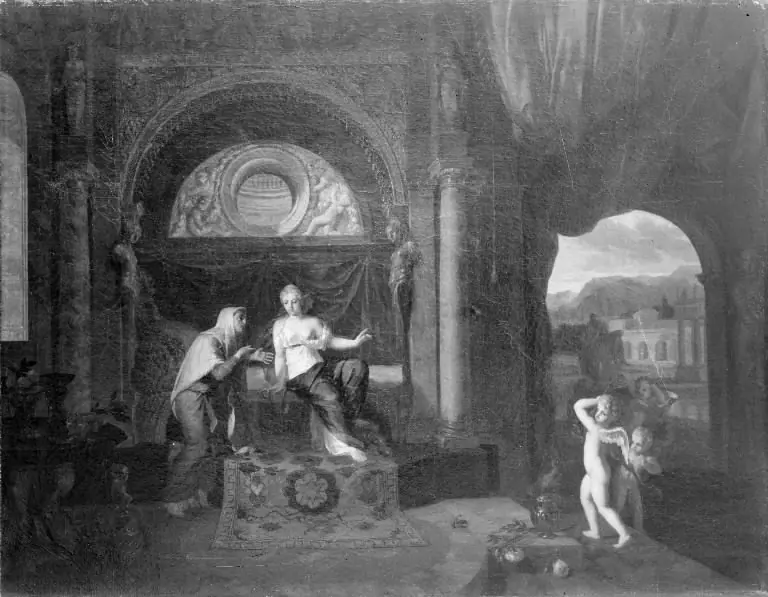
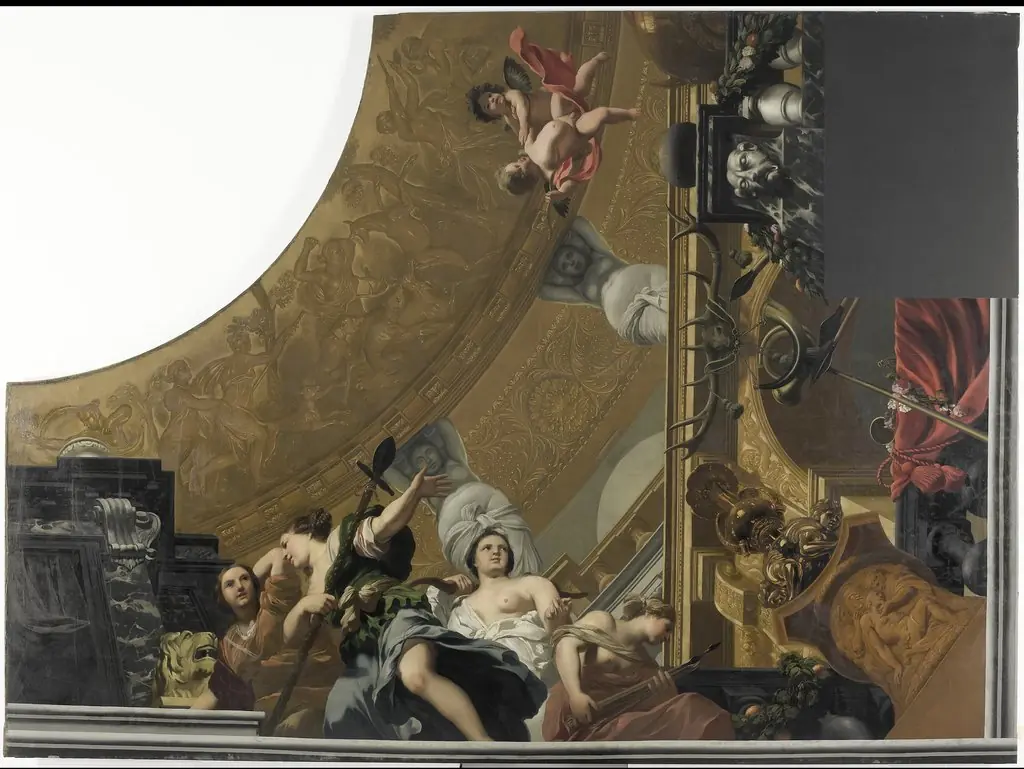
 Five-part ceiling decoration for the great hall of Soestdijk Palace, with Diana and her companions as the principal representation
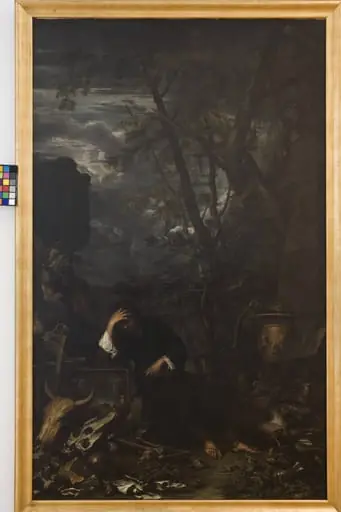 Democritus in Meditation
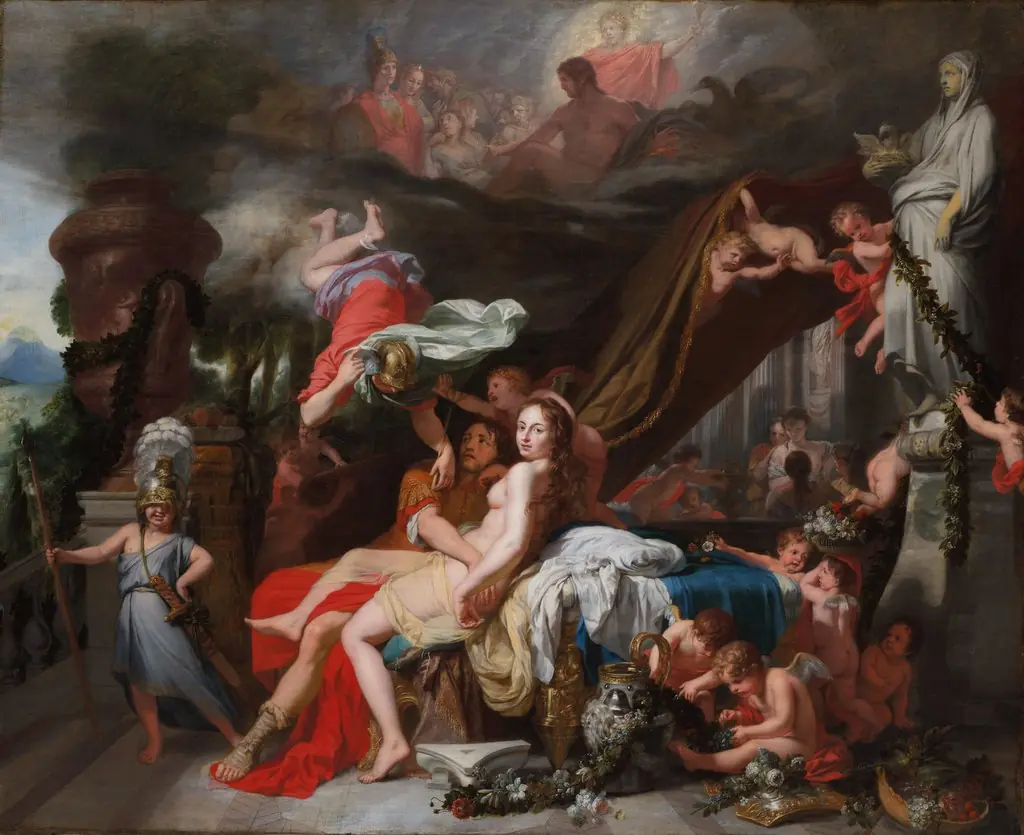
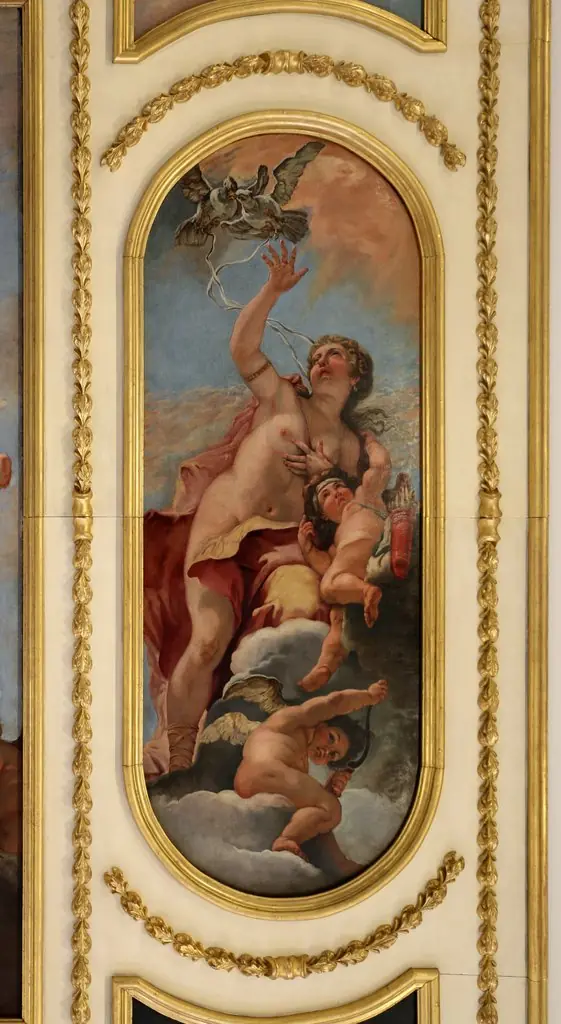 Venus und Cupido
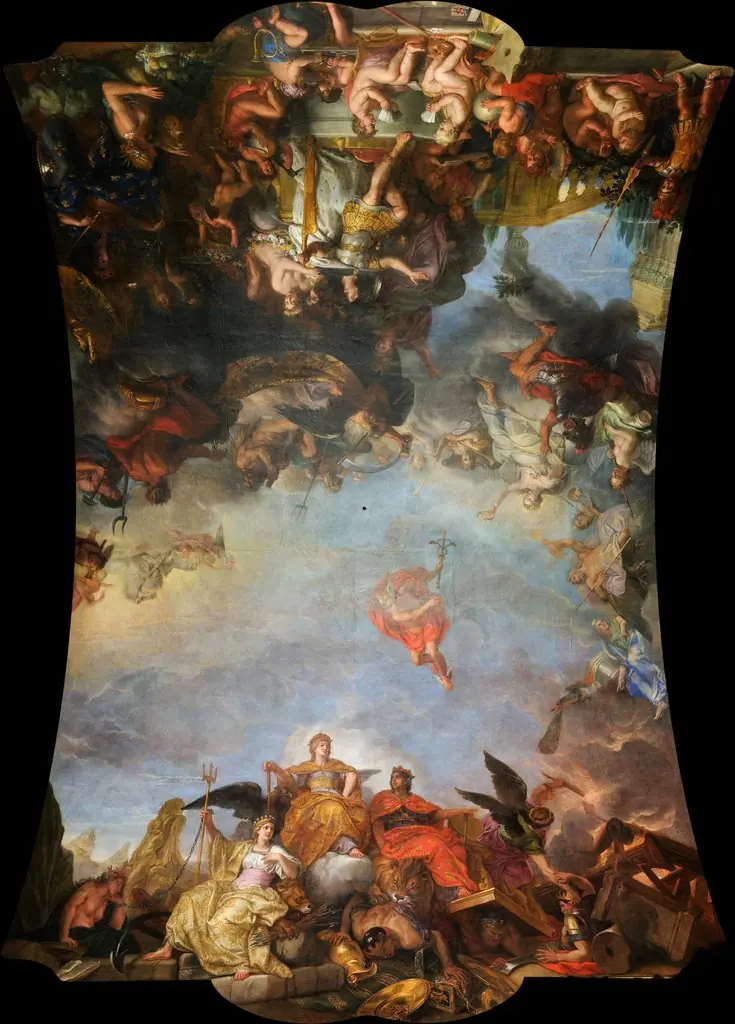 The King governs by himself, 1661
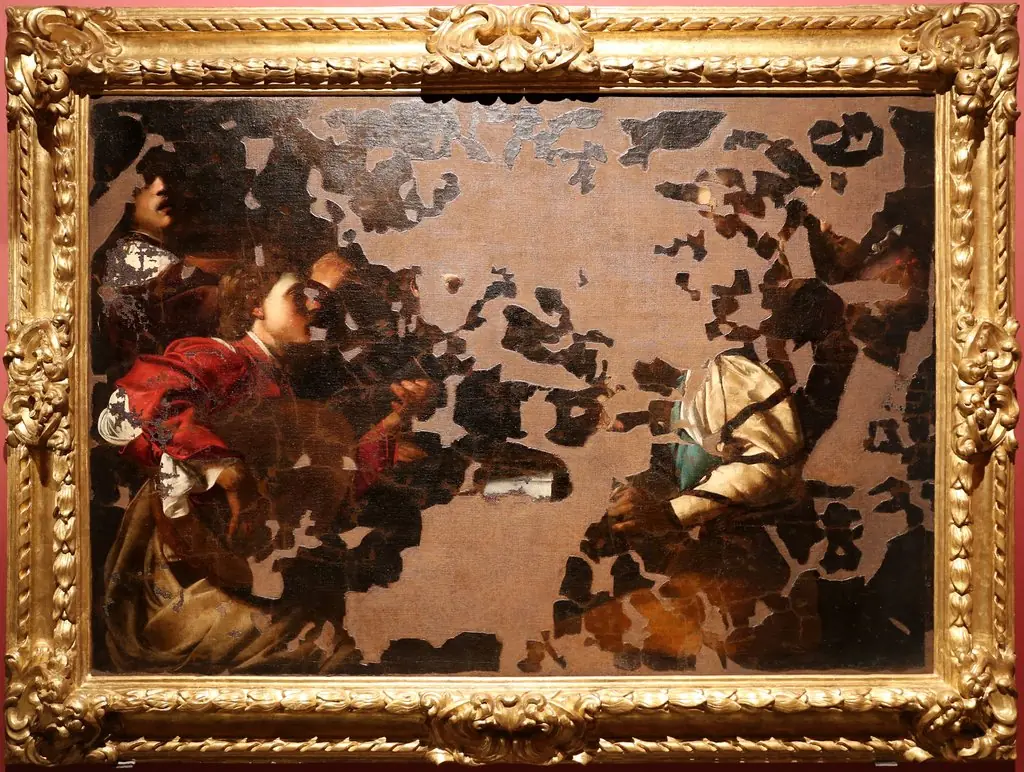 Concerto
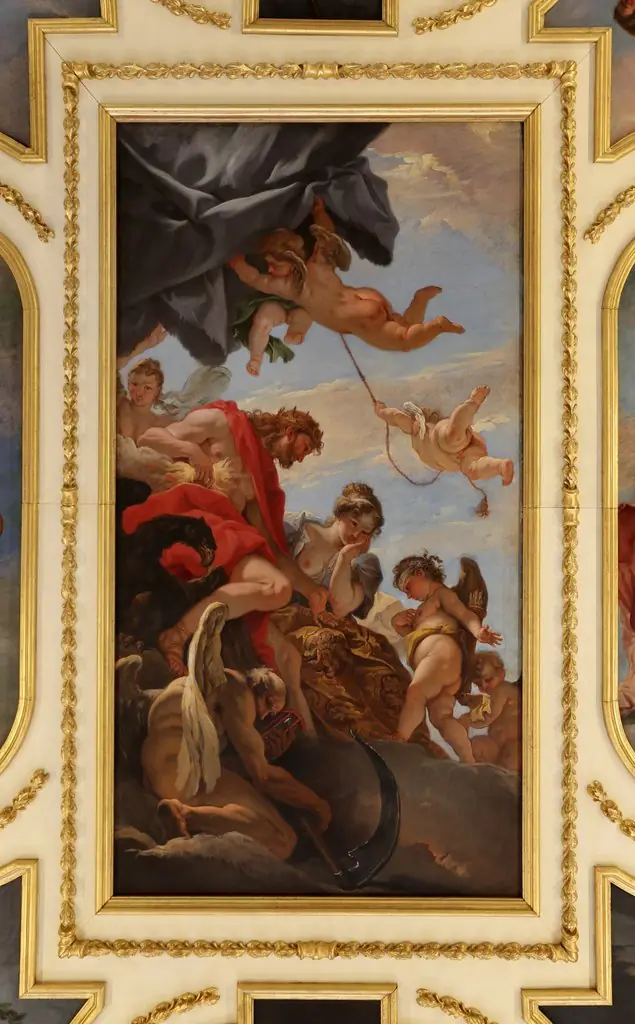 Amor vor Jupiter und Juno
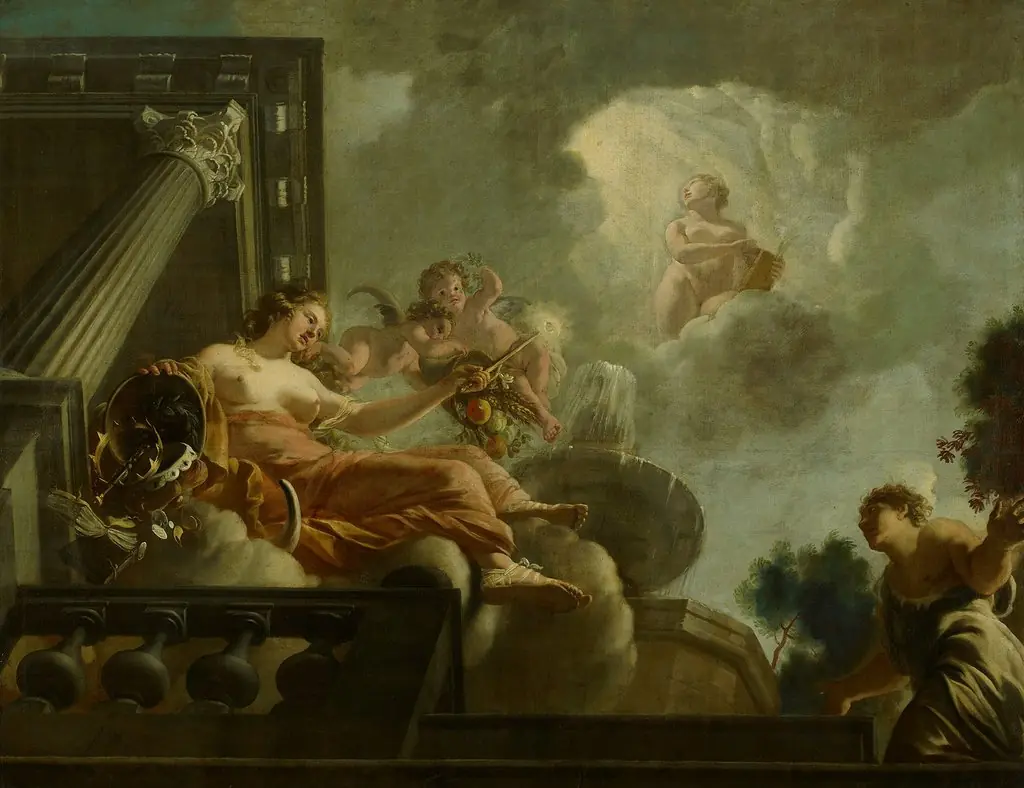 Religio begunstigt Abondantia : Allegorische voorstelling van de verzorging van leprozen en onnozelen
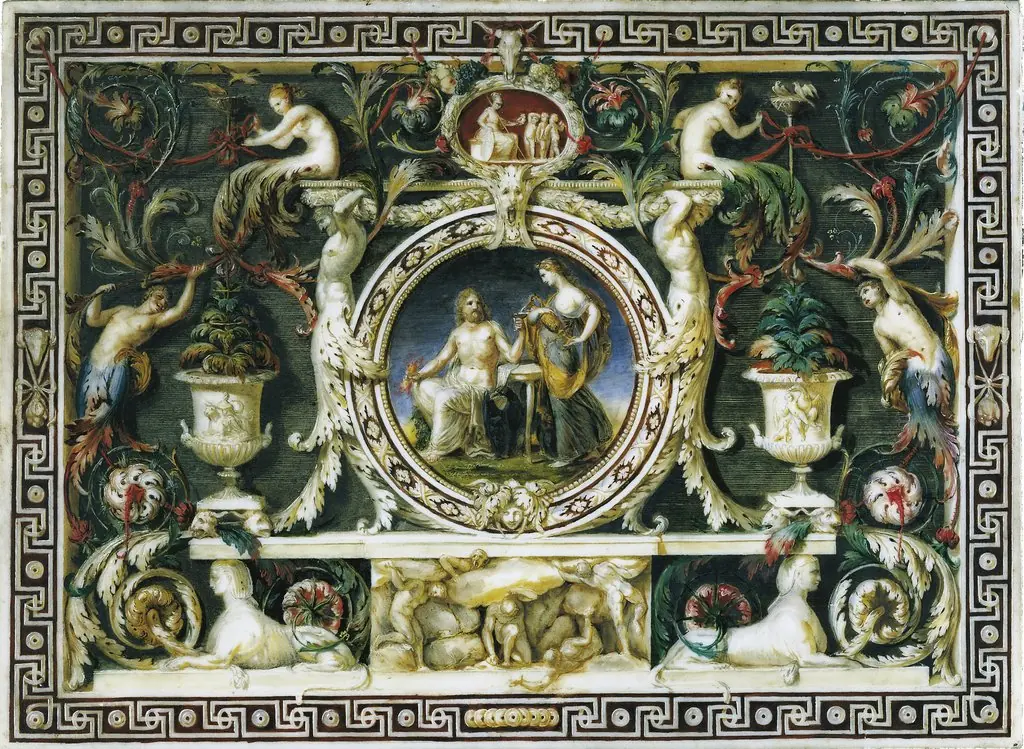 Jupiter and Hebe
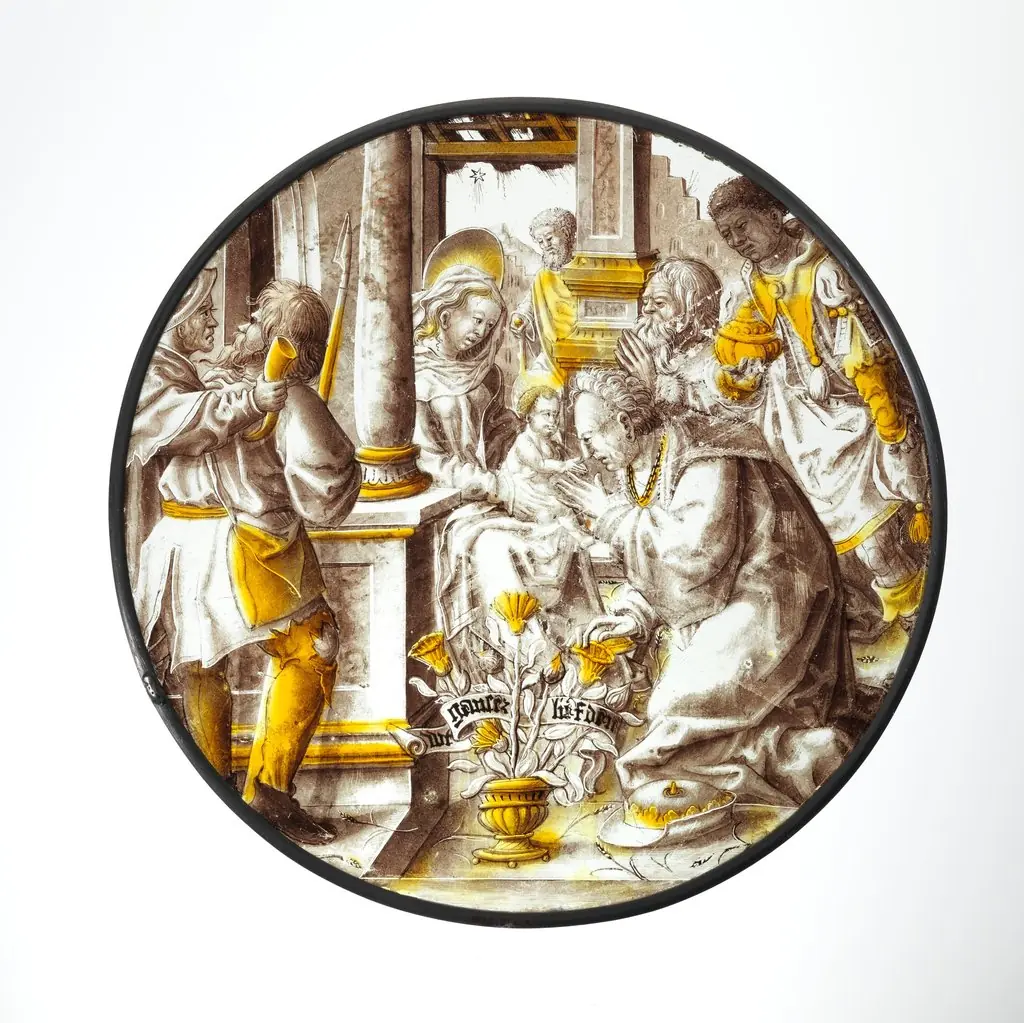 Roundel with Adoration of the Kings