Artwork
Moses and the Messengers from Canaan
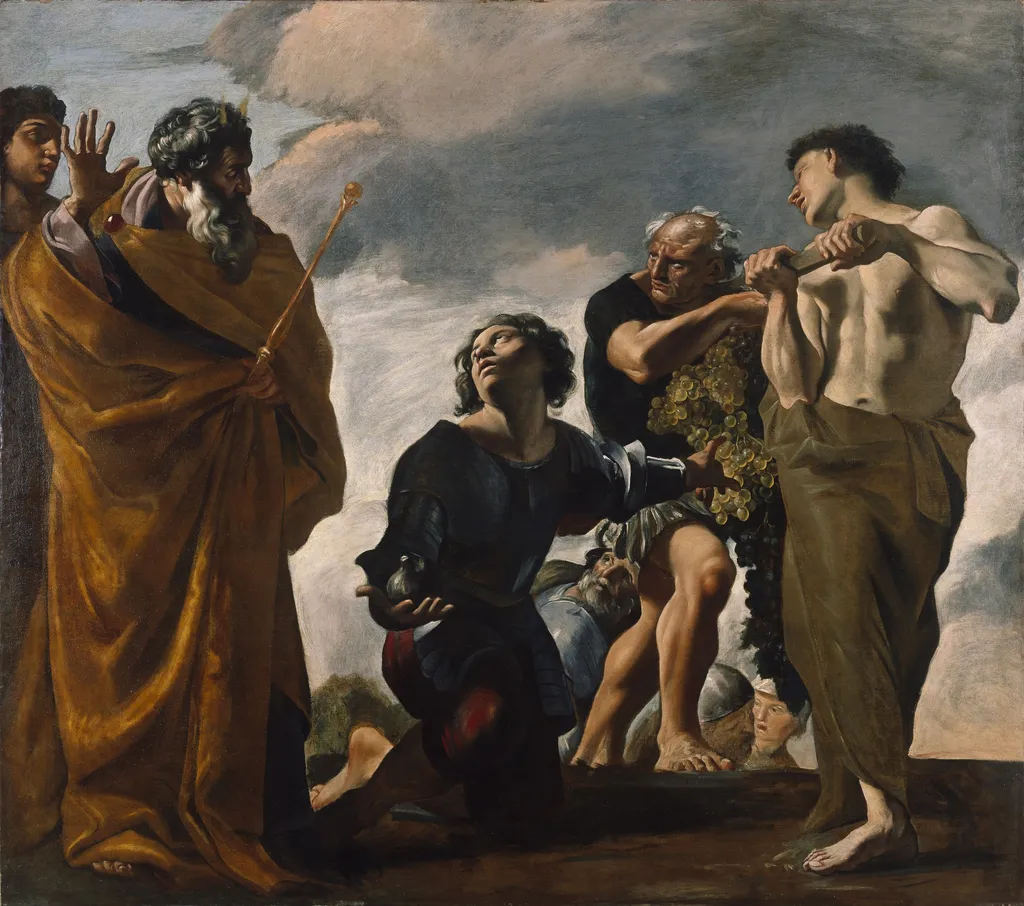
Moses and the Messengers from Canaan is an oil painting by the Early Baroque Italian artist Giovanni Lanfranco. It dates from 1621 and is held in the collection of the J. Paul Getty Museum.
About this work
Overview
Lanfranco employs the dramatic chiaroscuro and fluid figural movement characteristic of the early Baroque period to heighten the emotional weight of the scene.
Moses and the Messengers from Canaan is an oil painting executed in 1621 by the Italian Baroque master Giovanni Lanfranco. The work illustrates the biblical narrative from Numbers 13, depicting the moment Moses receives the report of the twelve spies sent to scout the land of Canaan. The composition is organized around a dynamic interaction between the central figure of Moses, distinguished by his yellow robe and staff, and the returning messengers.
To the right, a shirtless figure gestures emphatically while an older companion displays a cluster of grapes, the tangible evidence of the land's fertility. Lanfranco employs the dramatic chiaroscuro and fluid figural movement characteristic of the early Baroque period to heighten the emotional weight of the scene. The background features a cloudy sky that frames the human drama without distracting from the narrative focus.
Created during the artist's formative years in Rome, shortly before his major commissions for the Farnese family, this painting demonstrates Lanfranco's ability to synthesize Mannerist elegance with the emerging naturalism of the Bolognese and Roman schools. The work is currently held in the collection of the J. Paul Getty Museum in Los Angeles, serving as a significant example of early 17th-century religious painting.
Subject & Meaning
The composition illustrates the episode in which Moses receives emissaries from Canaan, a scene that underscores themes of covenant and divine promise. Central figures include a man in a yellow robe clutching a staff and a kneeling companion, while a shirtless figure raises his arm, suggesting a gesture of proclamation or appeal. An older figure seated behind them holds a cluster of grapes, a possible symbol of abundance or the promised land.
Technique & Style
Lanfranco employs a dynamic arrangement of figures that guides the eye across the canvas, using warm tonal contrasts and strong directional lighting to create depth. The chiaroscuro effect emphasizes the three‑dimensionality of the bodies and the atmospheric clouded sky, while the rich palette of yellows, reds, and earth tones heightens the emotional intensity of the scene.
History & Provenance
Created during Lanfranco’s prolific Baroque phase, the painting eventually entered the Getty Museum’s collection, where it remains on display. Its provenance prior to acquisition by the museum is not extensively documented, but the work reflects the artist’s reputation for large‑scale religious narratives commissioned for ecclesiastical settings.
Context
Lanfranco worked in a period when Italian painters were exploring theatricality and movement in religious subjects, influenced by the Counter‑Reformation’s demand for compelling visual storytelling. This work aligns with that trend, presenting a biblical episode with heightened drama and a focus on human interaction, characteristic of the Baroque emphasis on engaging the viewer’s senses.
Own this work as a print
Artist & collection
Artist
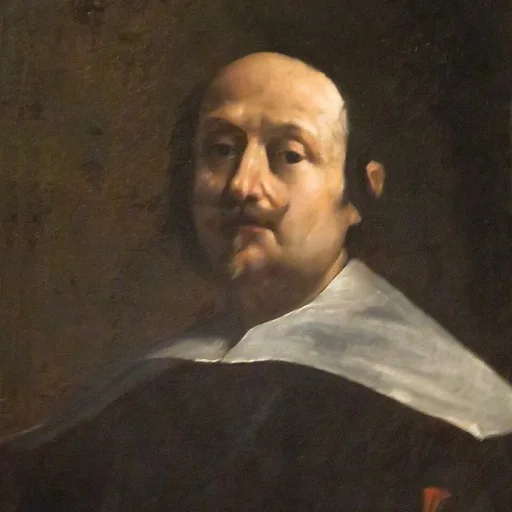
Giovanni Lanfranco (26 January 1582 – 30 November 1647) was an Italian Baroque painter. He was a distinguished artist of the Bolognese school, deeply influenced by Annibale Carracci's’ classicism.

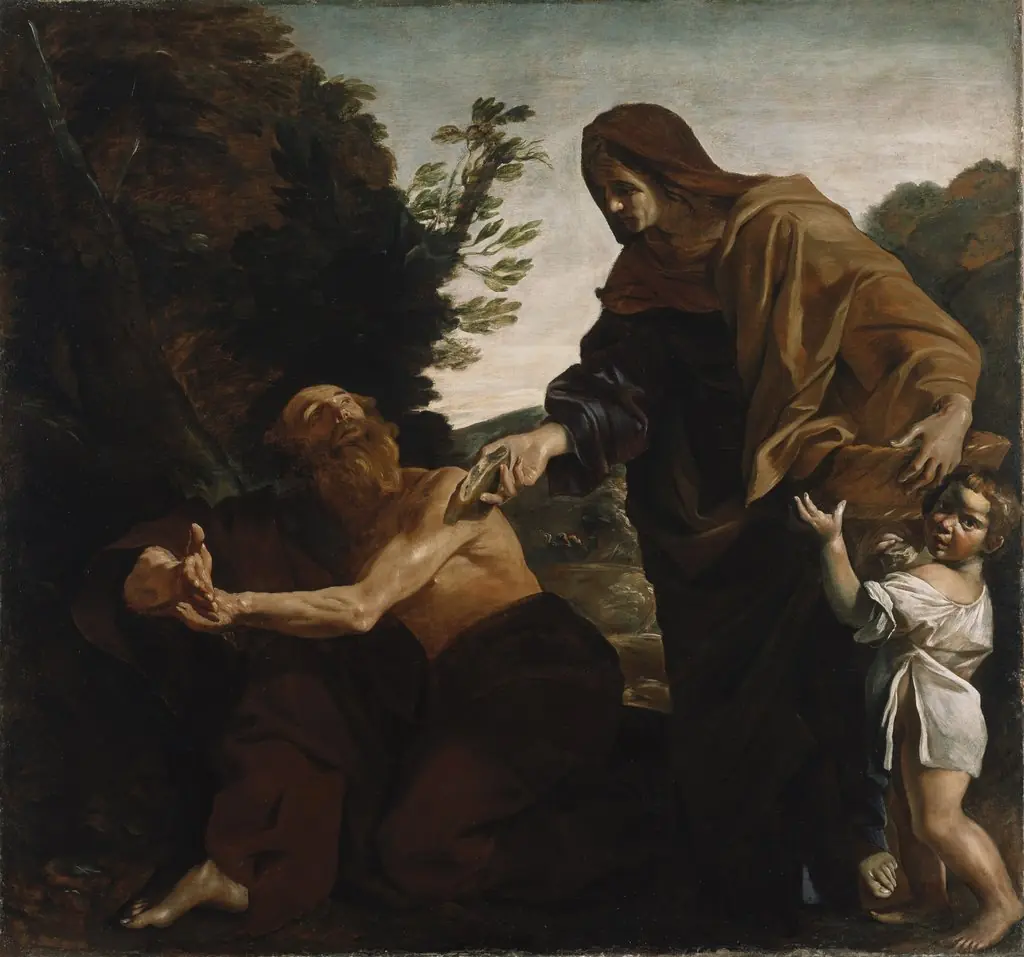
- Elijah Receiving Bread from the Widow of Zarephath
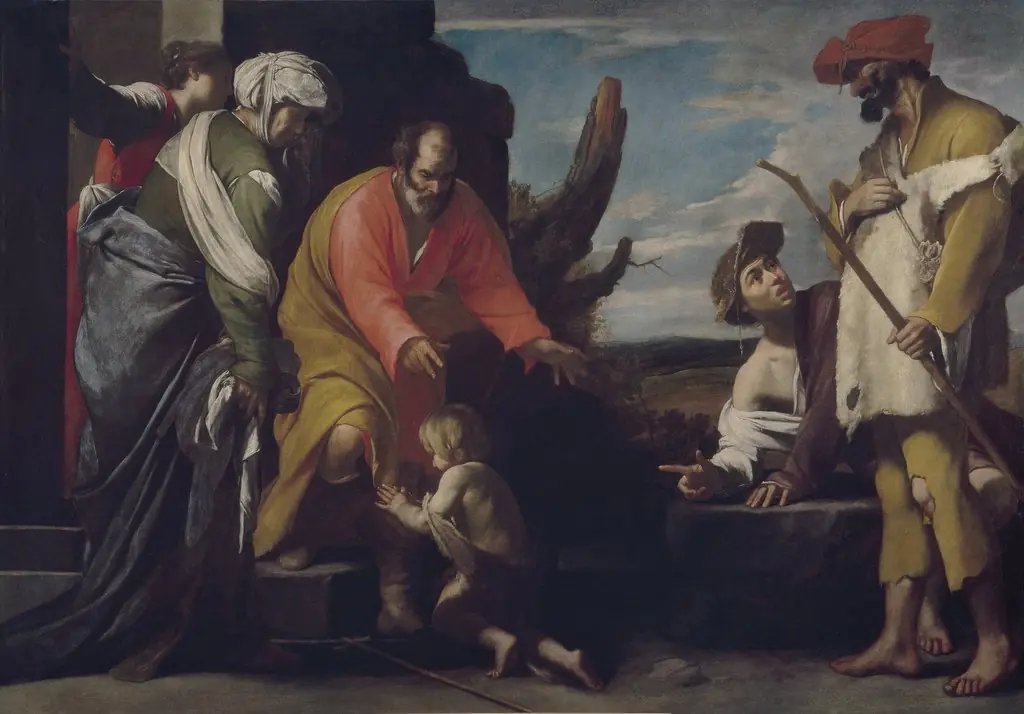 Saint John the Baptist says goodbye to his Parents
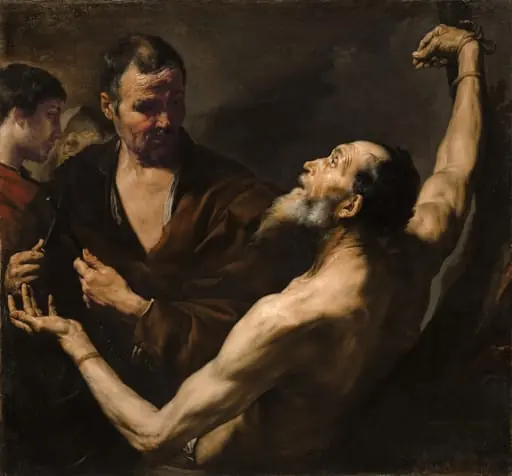 The Martyrdom of Saint Bartholomew
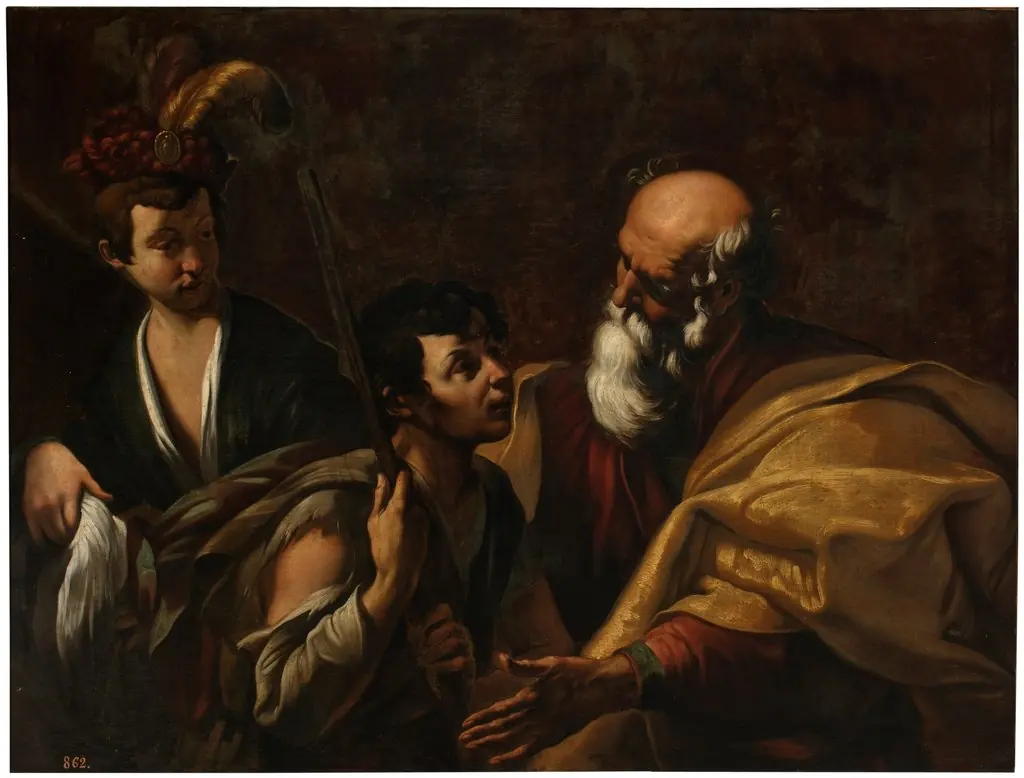 El hijo pródigo
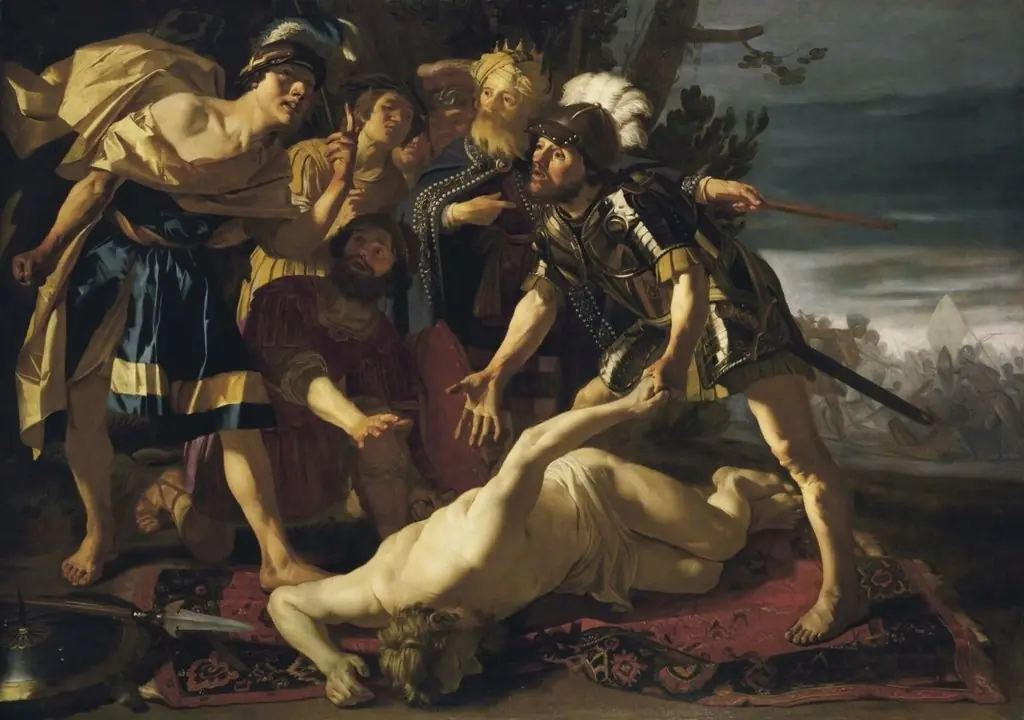 Achilles preparing to avenge the death of Patroclus
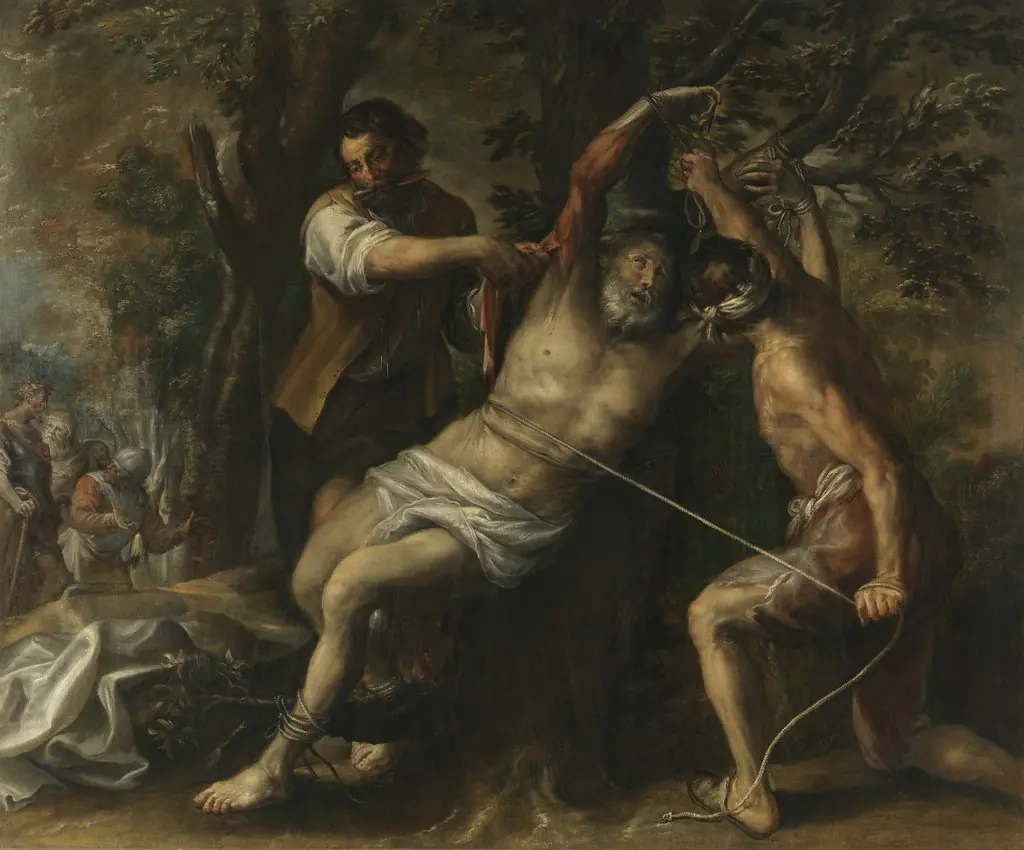 The Martyrdom of Saint Bartholomew
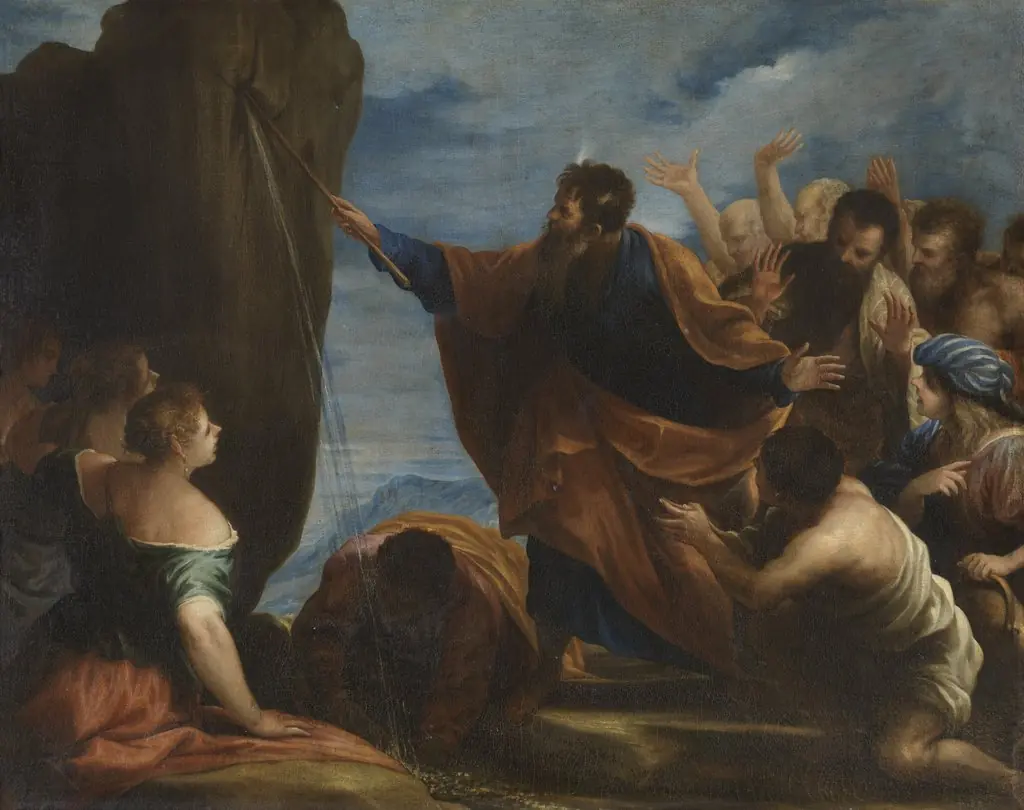 Moisés y el agua de la roca
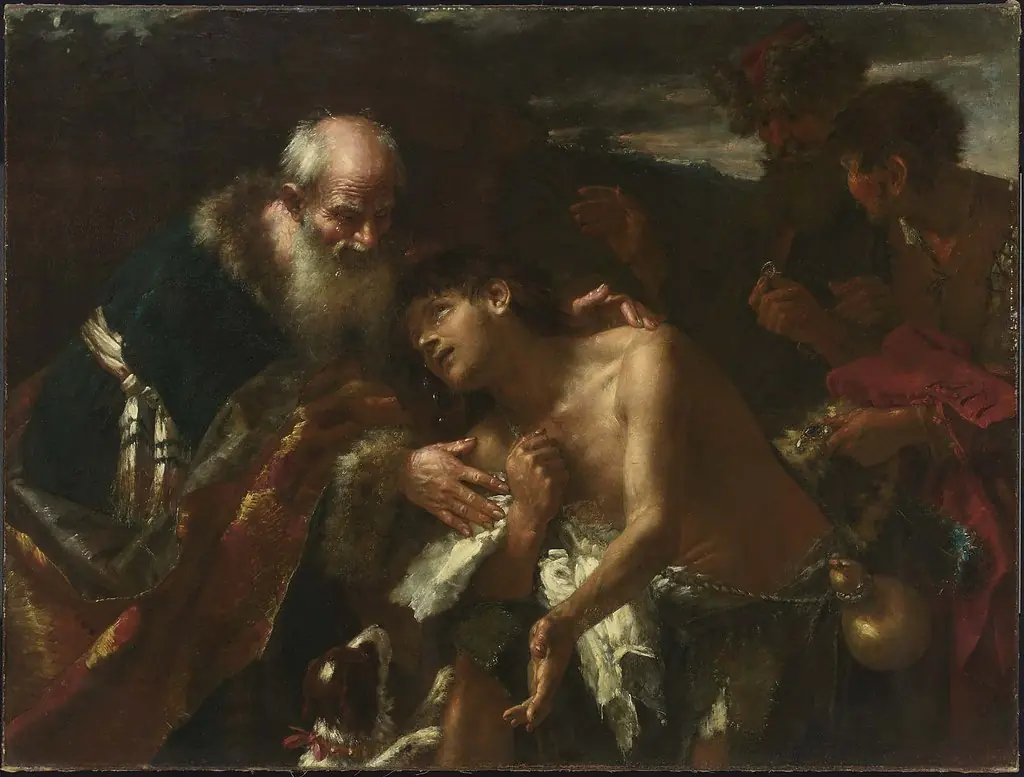 The Return of the Prodigal Son
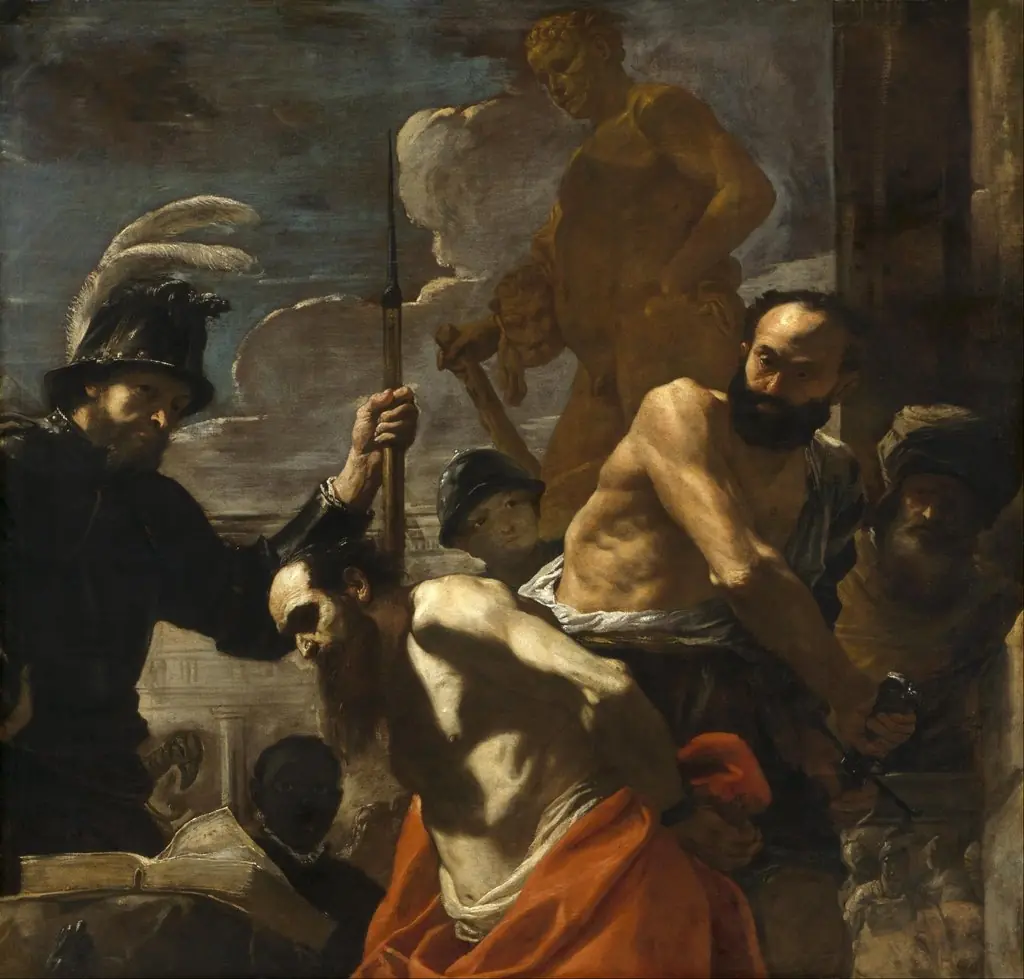 The Martyrdom of Saint Paul
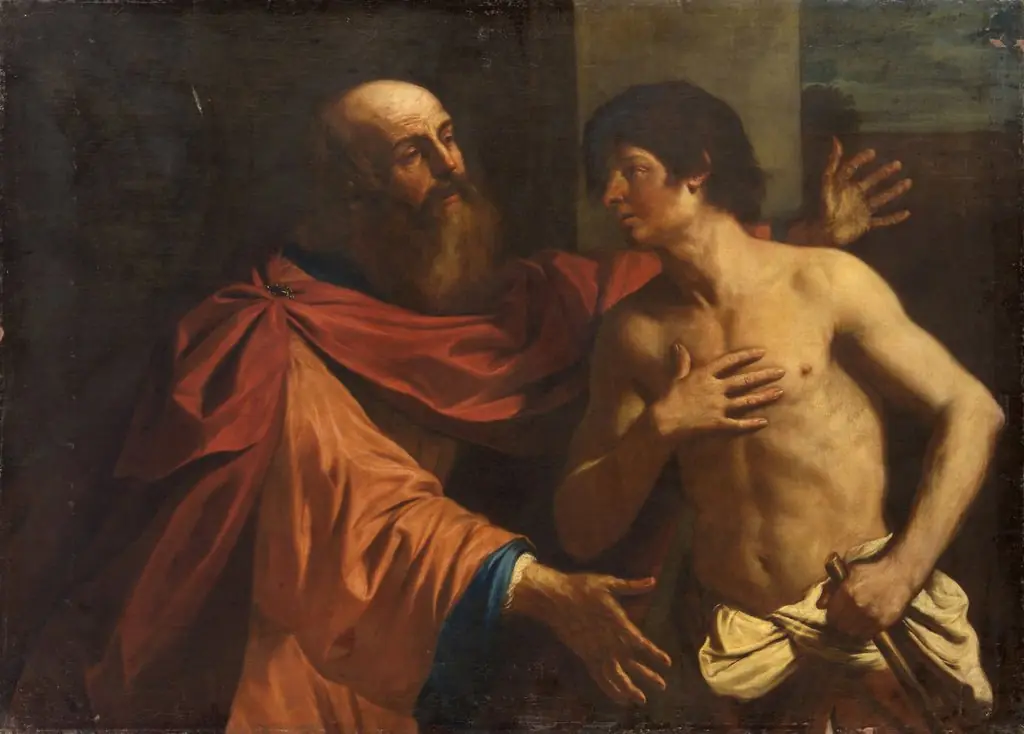 The Return of the Prodigal son
 Jacob Blessing the Sons of Joseph
 Christ and the Adulteress