Artwork
The Burial of Saint Petronilla
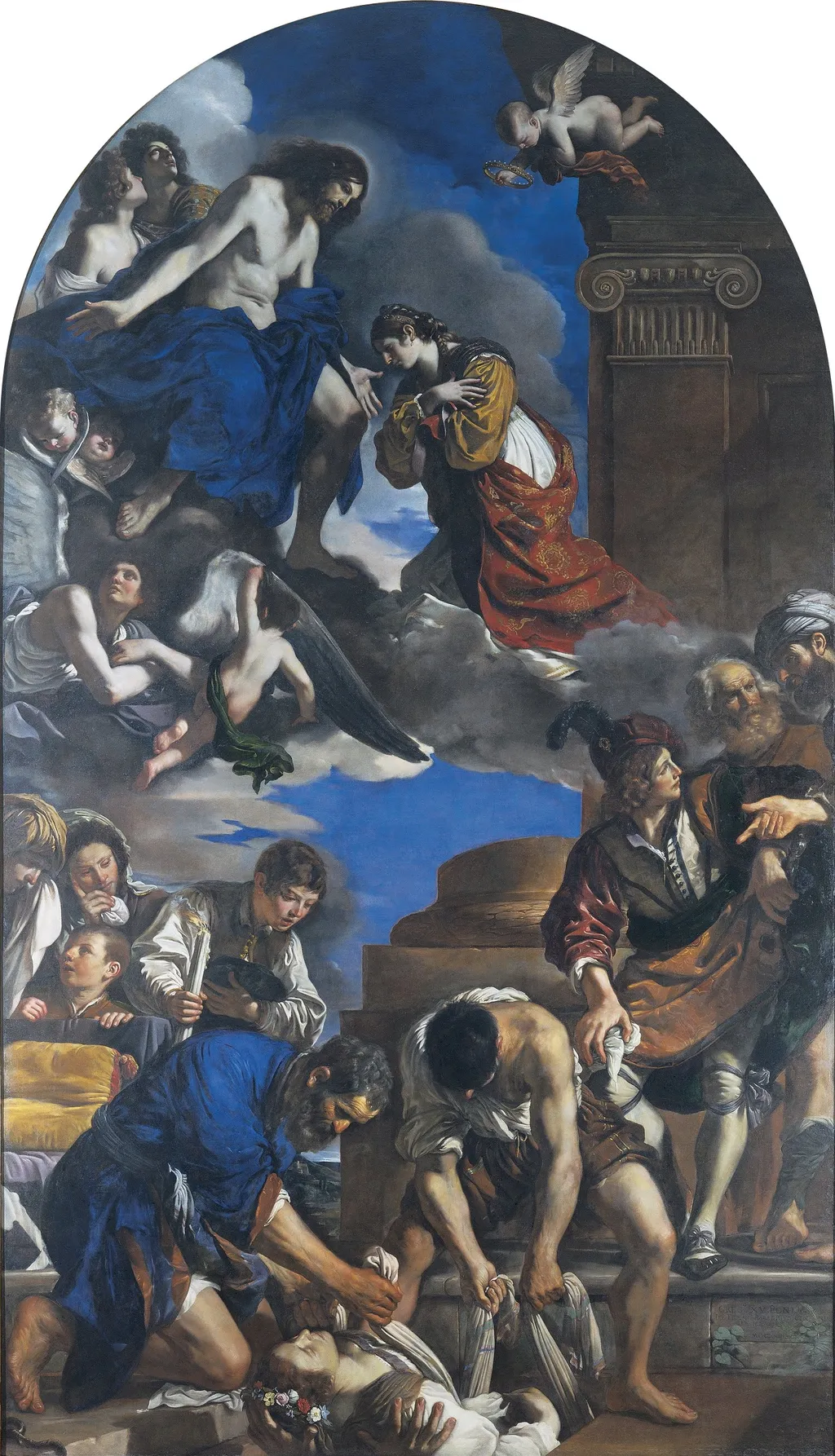
The Burial of Saint Petronilla is an oil painting by the Early Baroque Italian artist Guercino. It dates from 1623 and is held in the collection of the Capitoline Museums.
About this work
Overview
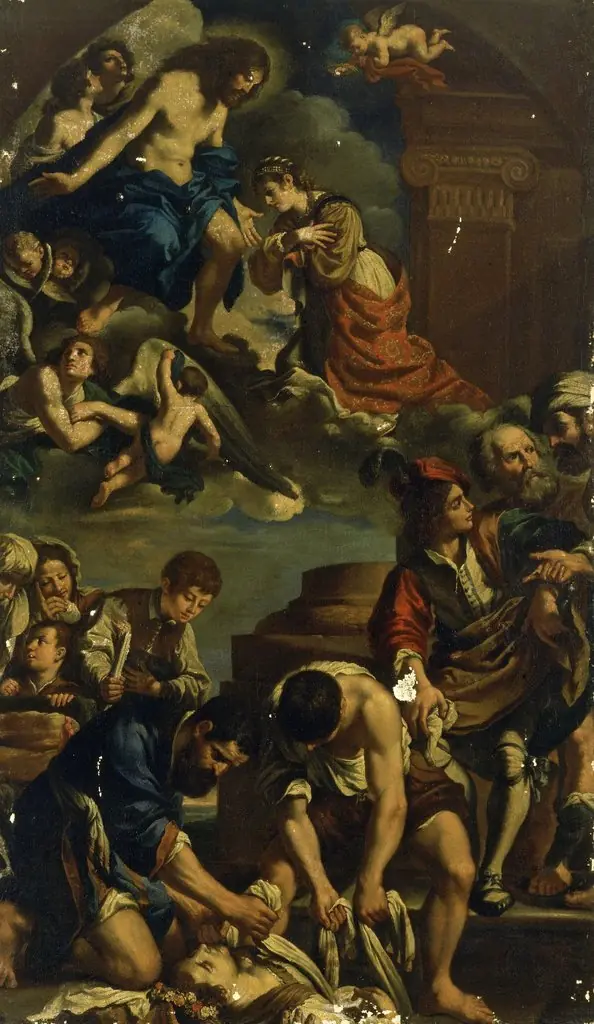
The Burial of Saint Petronilla is a 1623 oil painting by Italian artist Giovanni Francesco Barbieri, known as Guercino. This altarpiece simultaneously depicts the earthly burial and heavenly reception of Saint Petronilla, combining two narrative moments in a single composition.
Subject & Meaning
Saint Petronilla, often associated as the daughter of Saint Peter due to the etymological connection between their names, is the central figure. Her martyrdom and relics held significant importance, particularly for St. Peter's Basilica and, by extension, the Papacy and French monarchy, to whom she was designated as protector.
Technique & Style
Guercino's work features a detailed, muted color palette dominated by browns, grays, and whites, conveying a sense of sorrow and solemnity. The composition includes multiple figures in various poses of grief amidst architectural elements, showcasing the artist's ability to balance realism with emotional depth.
History & Provenance
Originally painted for St. Peter's Basilica's chapel of Saint Petronilla, the altarpiece was later moved to the Quirinal Palace. It was taken to Paris by Napoleon's forces, repatriated by Antonio Canova, and finally placed in Rome's Capitoline Museums in 1818, where it remains on display.
Context
Commissioned after the translation of Saint Petronilla's relics to a new altar in the rebuilt St. Peter's (1606), the painting reflects the religious and political alliances of the time, including the patronage of the French Kings by the Papacy.
Artist & collection
Artist
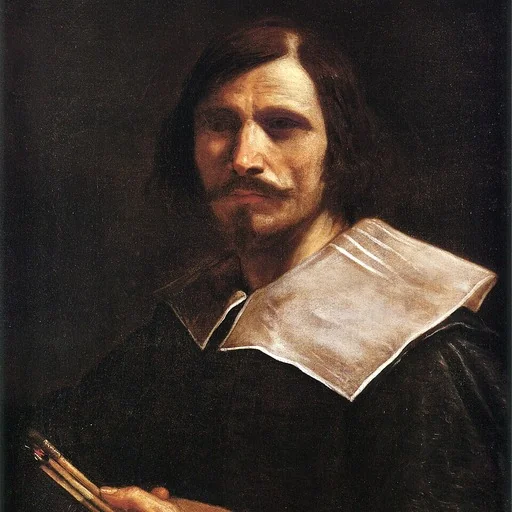
Giovanni Francesco Barbieri (8 February 1591 – 22 December 1666), better known as (il) Guercino (Italian pronunciation: ), was an Italian Baroque painter and draftsman from Cento in the Emilia region, who was active in Rome and Bologna.

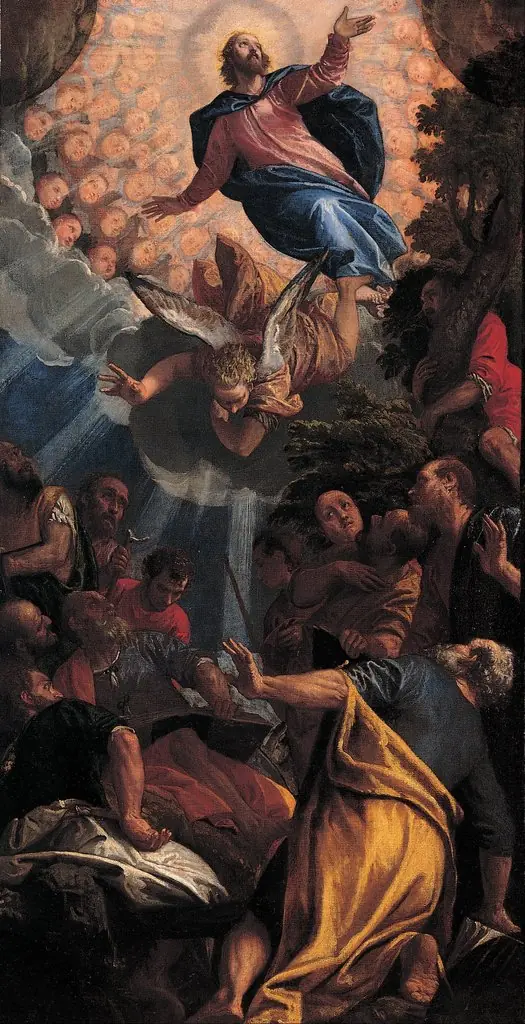 The Ascension
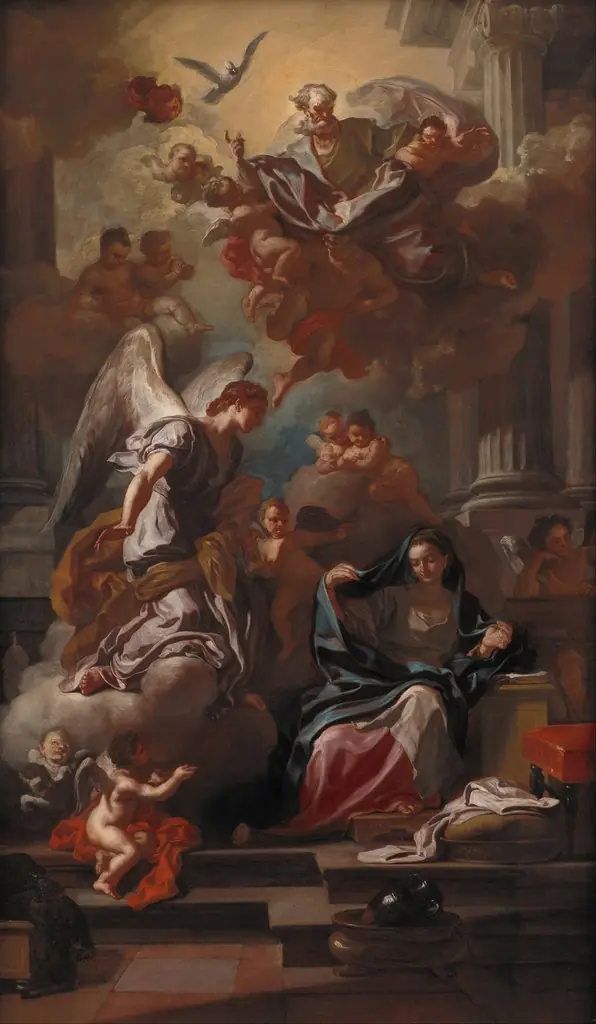 The Annunciation
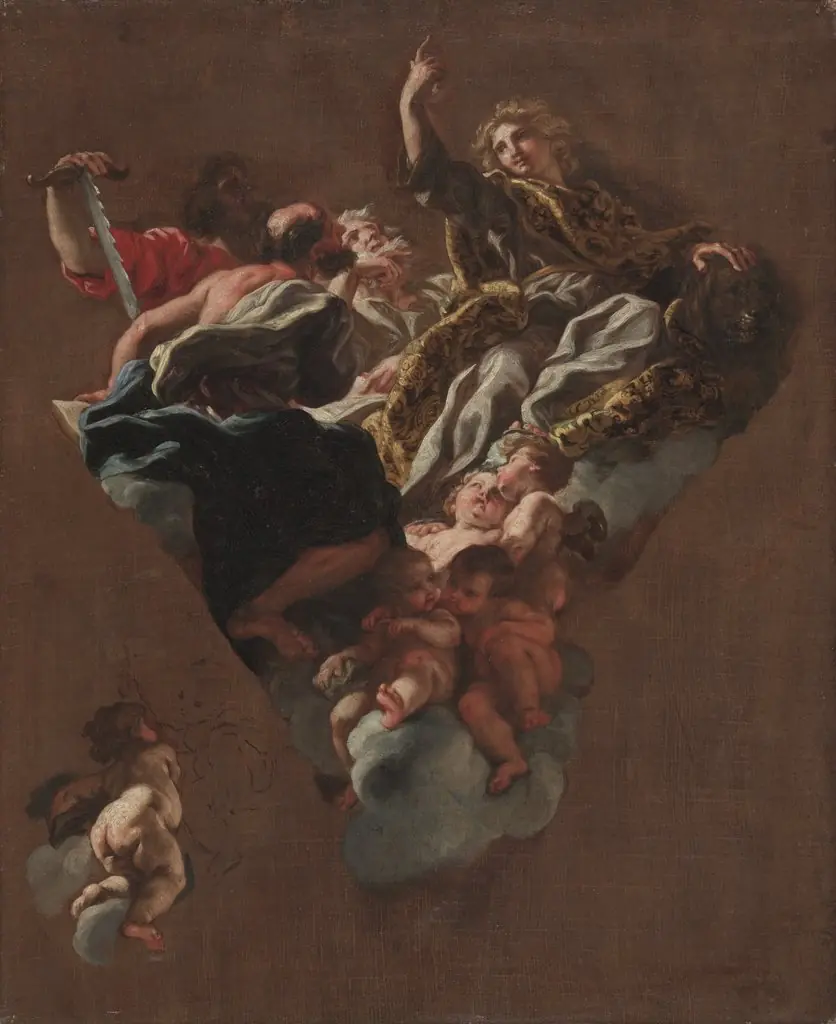 Sketch for "The Four Prophets of Israel" (for Il Gesù, Rome)
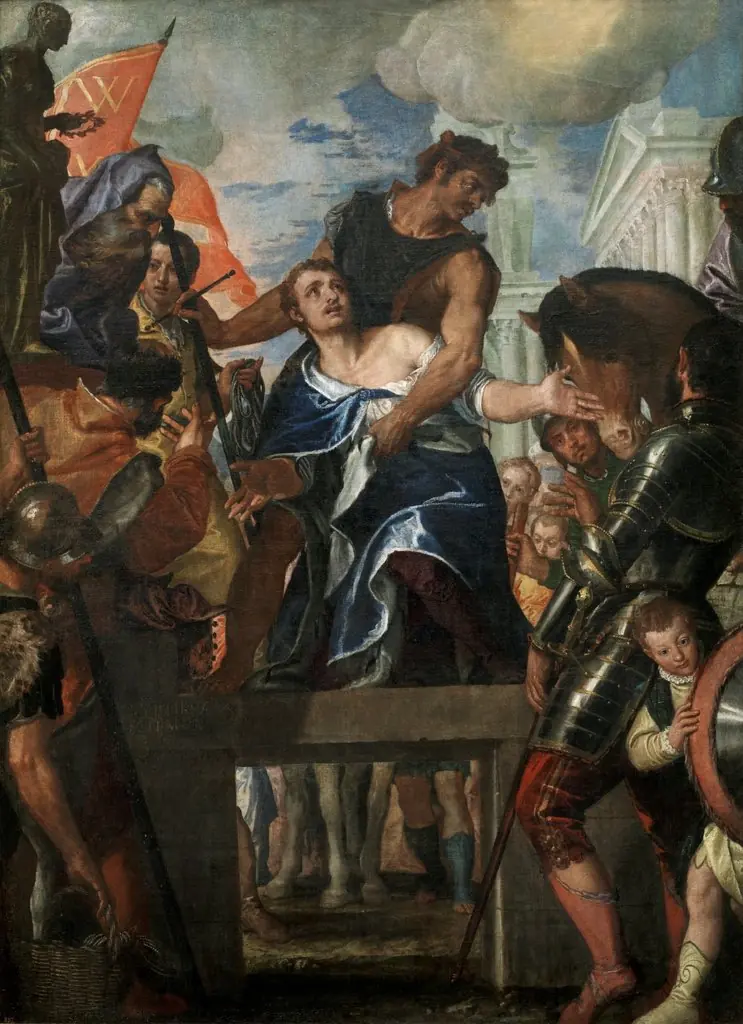 The Martyrdom of Saint Mennas
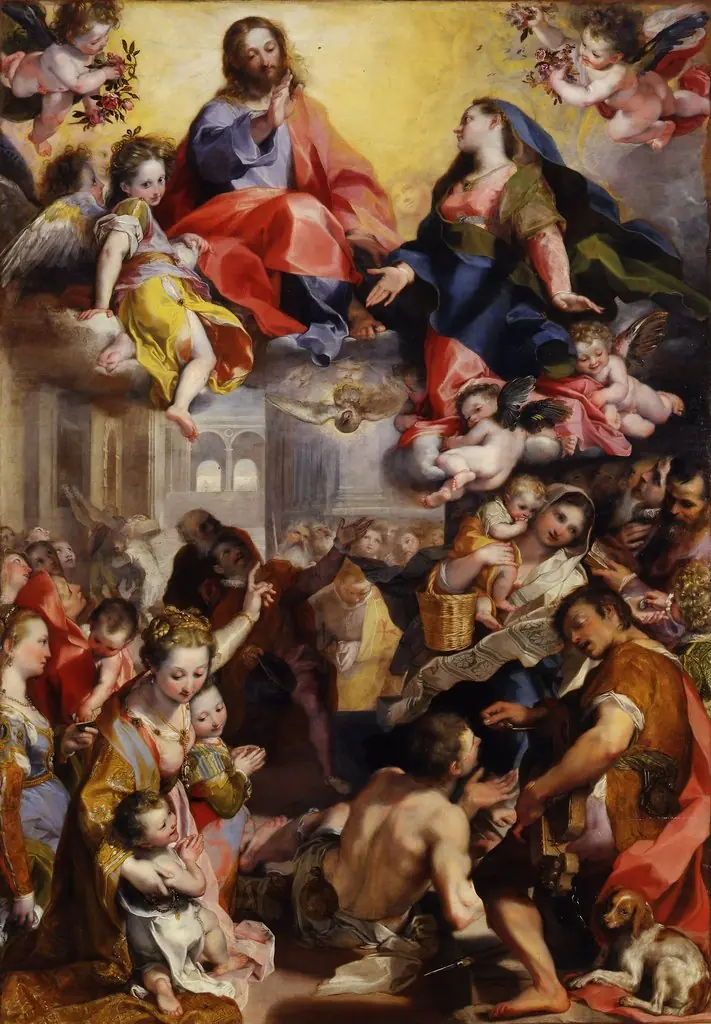 Madonna of the people
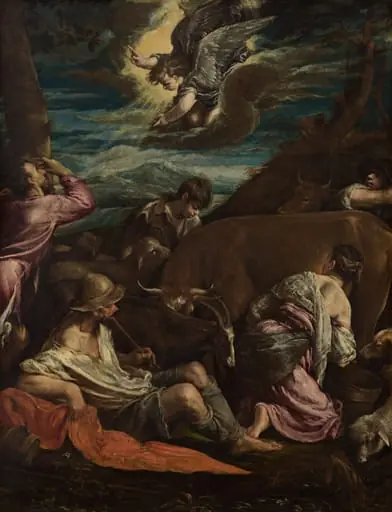 The Annunciation to the Shepherds
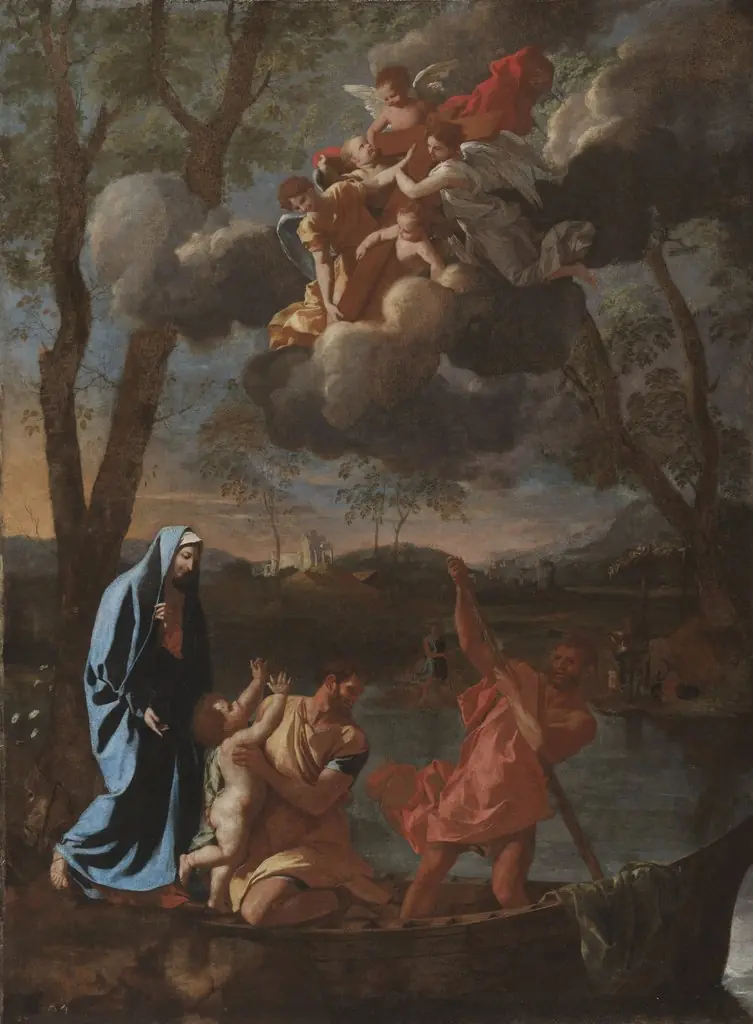 The Return of the Holy Family to Nazareth
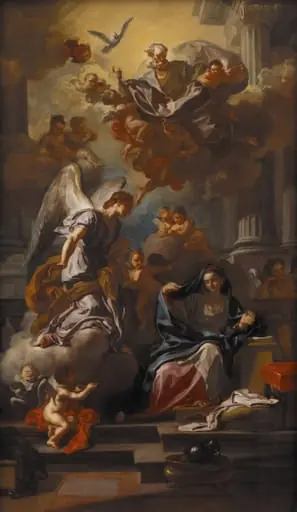 Bebudelsen
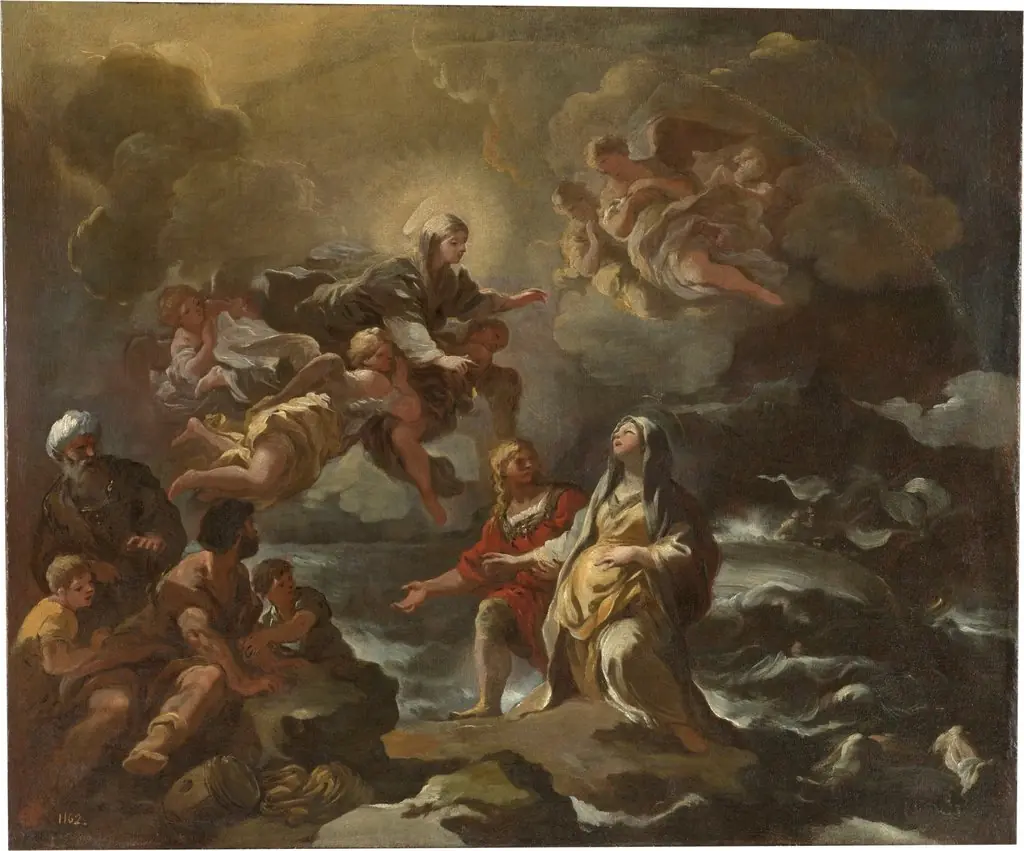 Saint Bridget saved from a shipwreck by the Virgin Mary
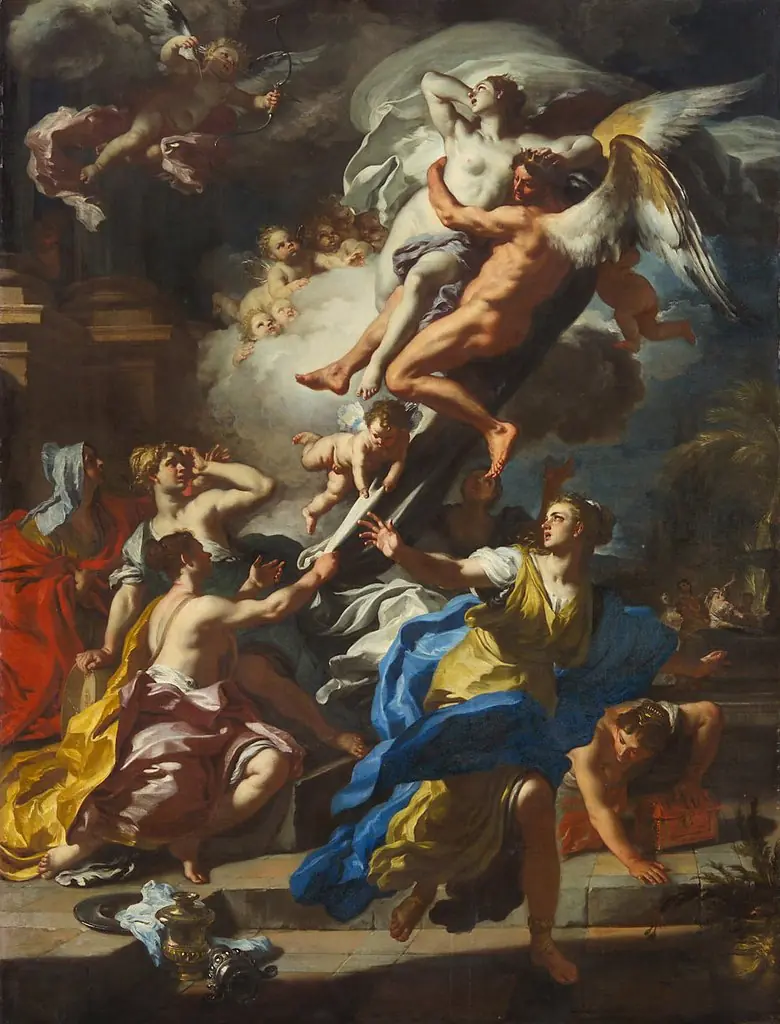 Boreas is robbing Orethyia
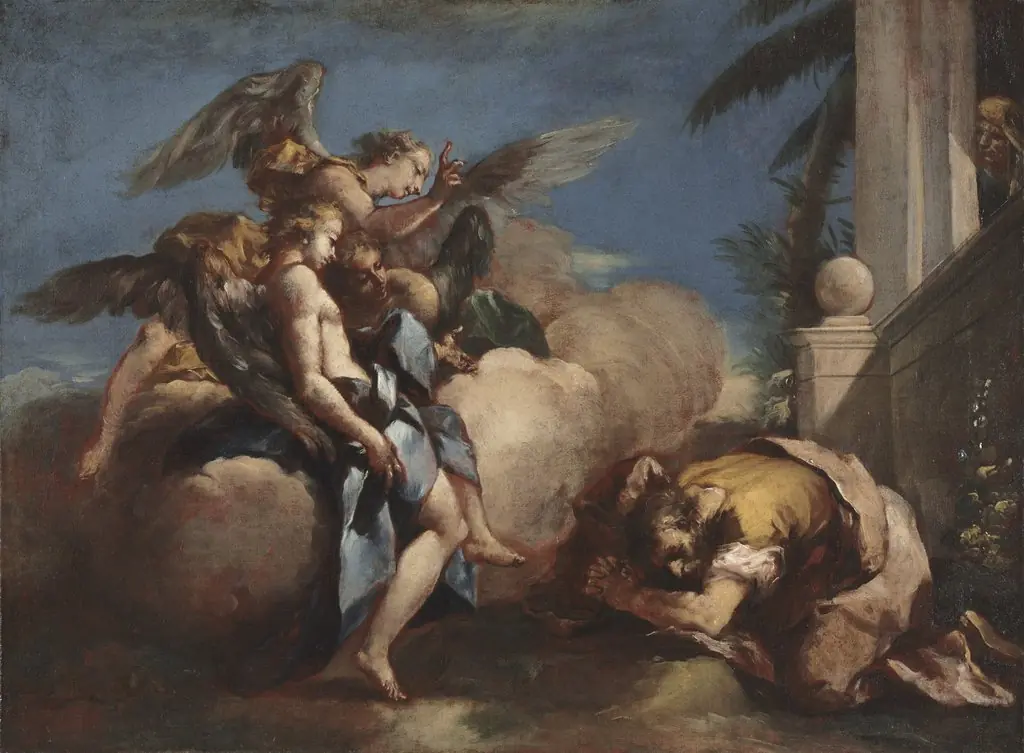 The Angels Appearing to Abraham
- Burial of St Petronilla