Artwork
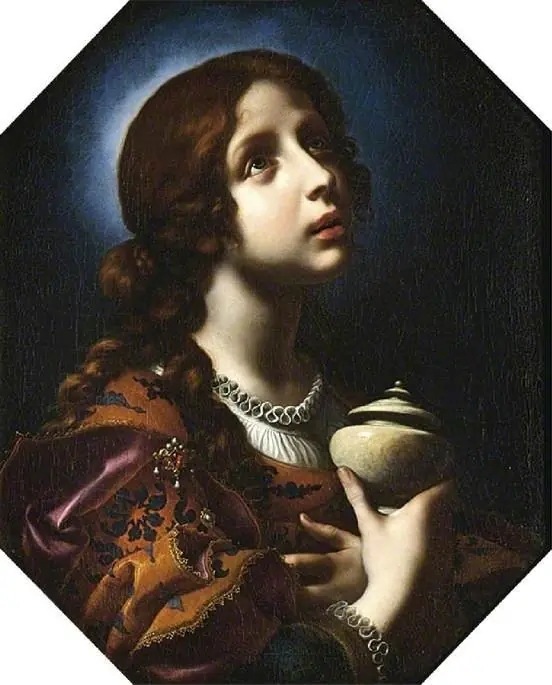
Magdalene with the Jar of ointment
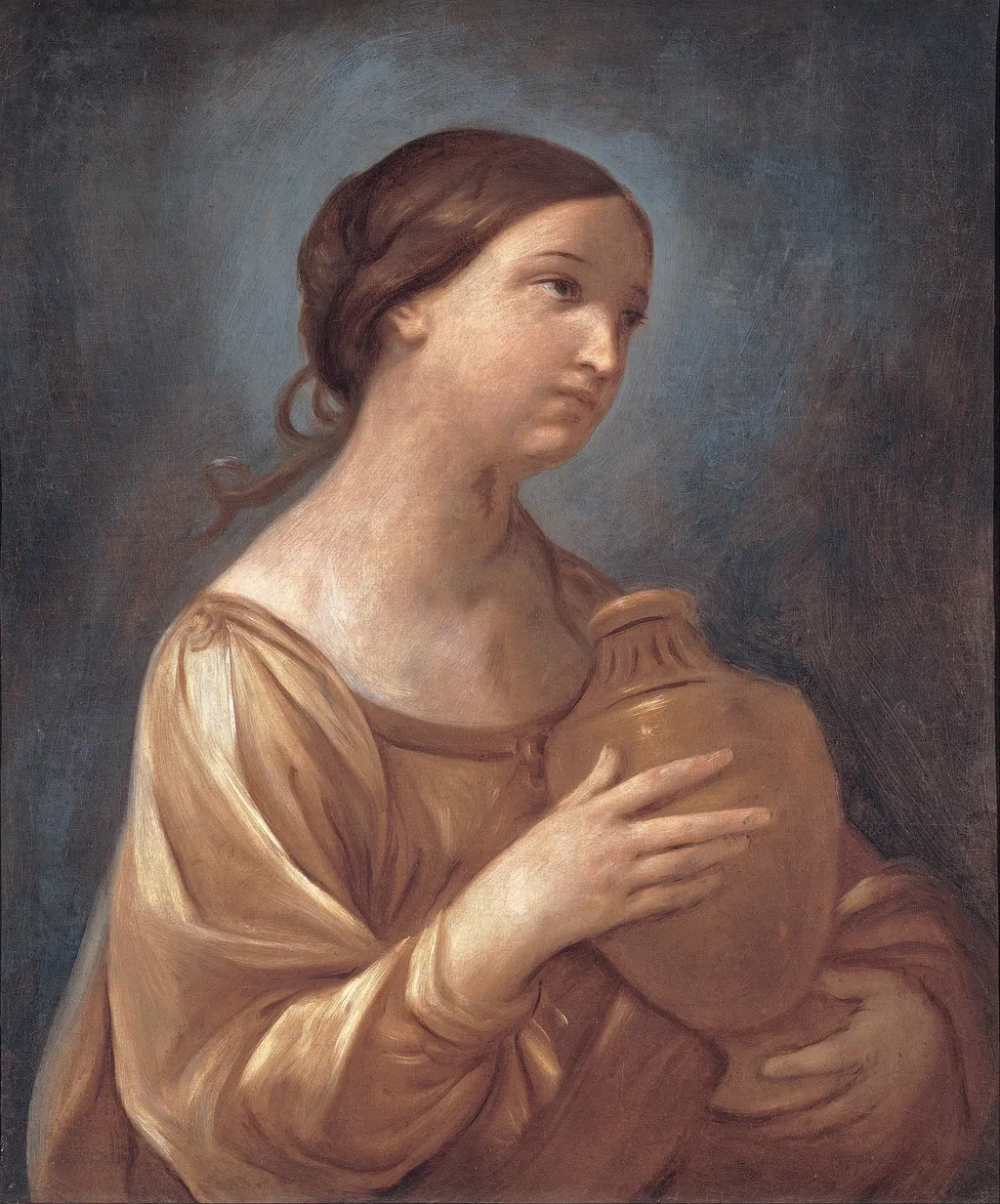
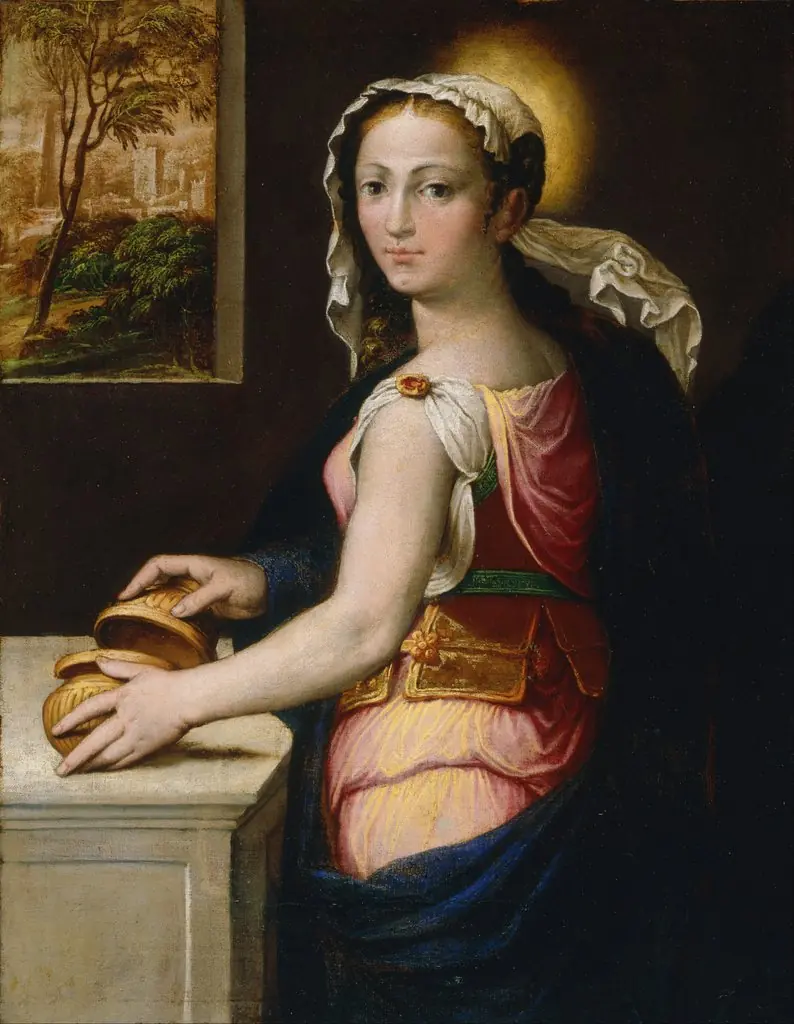
Magdalene with the Jar of ointment is an oil painting by the Early Baroque Italian artist Guido Reni. It dates from 1640 and is held in the collection of the Capitoline Museums.
About this work
Overview
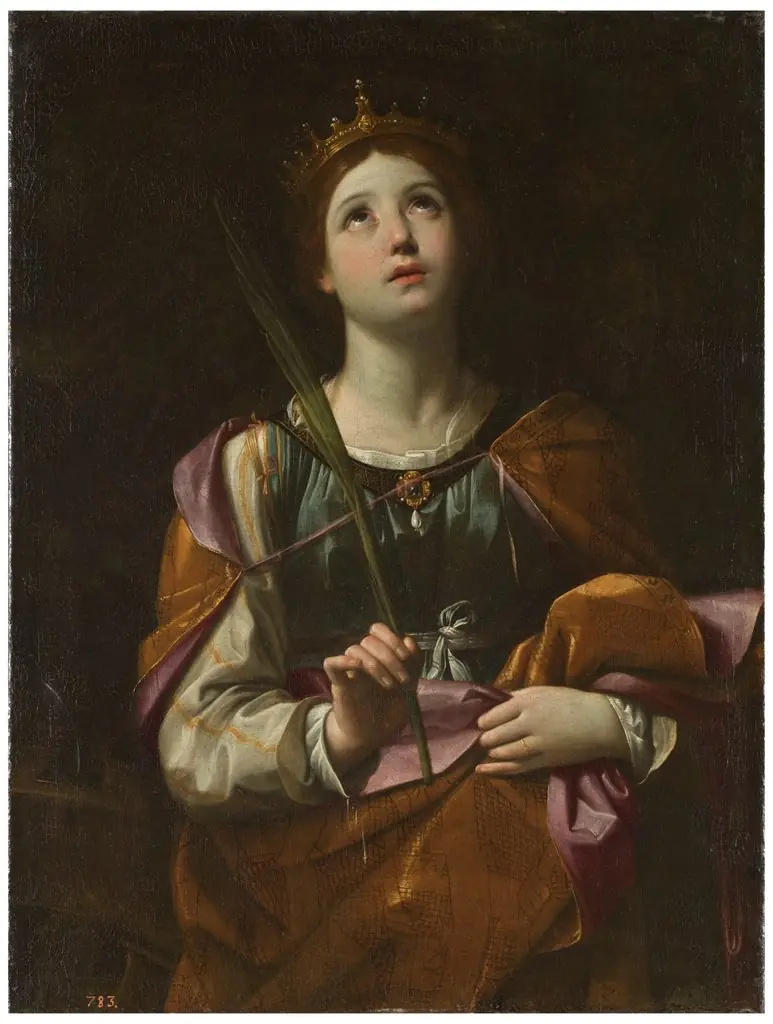
Painted in 1640 by Guido Reni, this oil on canvas depicts Mary Magdalene in a moment of quiet contemplation. The work is part of the Capitoline Museums' collection in Rome. Rendered with restrained elegance, the figure occupies the center of a dimly lit space, her presence anchored by the weight of the jar she holds and the stillness of her gaze.
Subject & Meaning
The figure represents Mary Magdalene, traditionally associated with repentance and devotion. The jar she cradles alludes to the biblical account of her anointing Christ’s feet with fragrant oil. Reni avoids dramatic gestures, instead emphasizing inner reflection. Her calm demeanor suggests spiritual absorption rather than outward emotion, aligning with Counter-Reformation ideals of quiet piety.
Technique & Style
Reni employs soft chiaroscuro to model the figure against a muted, gray background, drawing focus to the warmth of her robe and the metallic sheen of the jar. Brushwork is refined but unobtrusive, with smooth transitions between light and shadow. The composition is tightly framed, eliminating distractions and reinforcing the meditative tone through simplicity and balance.
History & Provenance
The painting entered the Capitoline Museums’ collection in the 18th century, likely through the Aldobrandini family, who had previously owned Reni’s works. It was cataloged among religious pieces acquired during the papal state’s consolidation of art collections. Its attribution to Reni has remained consistent since its early documentation, with no significant disputes over authorship.
Context
Created during Reni’s later years, the painting reflects the mature phase of Bolognese classicism, where emotional restraint replaced Baroque dynamism.
Created during Reni’s later years, the painting reflects the mature phase of Bolognese classicism, where emotional restraint replaced Baroque dynamism. In post-Tridentine Rome, religious imagery favored introspection over spectacle. This work aligns with ecclesiastical preferences for figures embodying humility and devotion, offering a counterpoint to the theatricality of contemporaries like Caravaggio.
Legacy
Though less widely known than Reni’s earlier mythological scenes, this Magdalene exemplifies his ability to convey spiritual gravity through subtlety. It influenced later depictions of female saints in 18th-century Italian art, particularly those emphasizing quiet dignity over emotional display. Its presence in a major public museum ensured its continued visibility within academic and devotional traditions.
Own this work as a print
Artist & collection
Artist
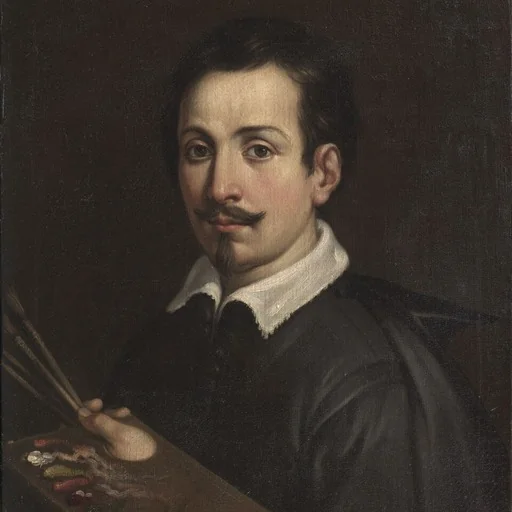
Guido Reni was an Italian Baroque painter, although his works showed a classical manner, similar to Simon Vouet, Nicolas Poussin, and Philippe de Champaigne.