Artwork
Signora Adela Guerrero, Spanish Dancer
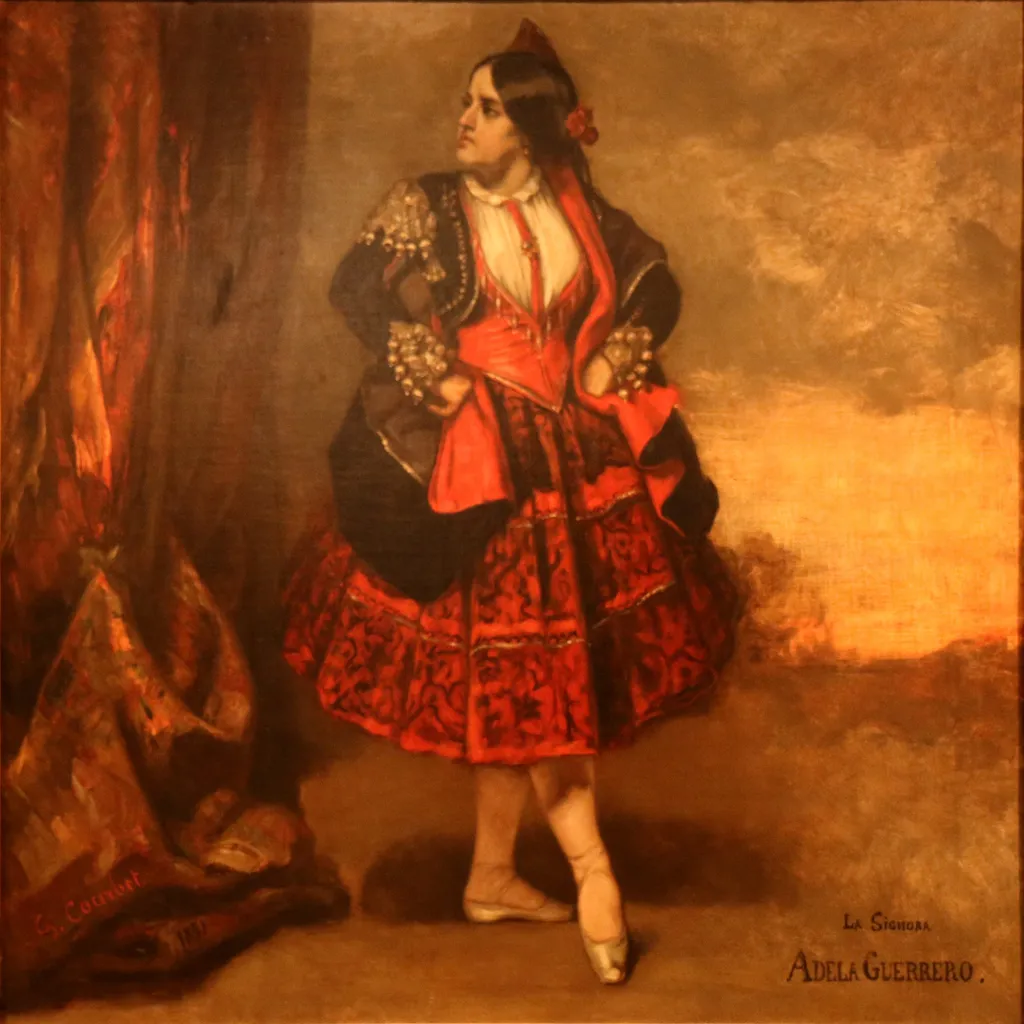
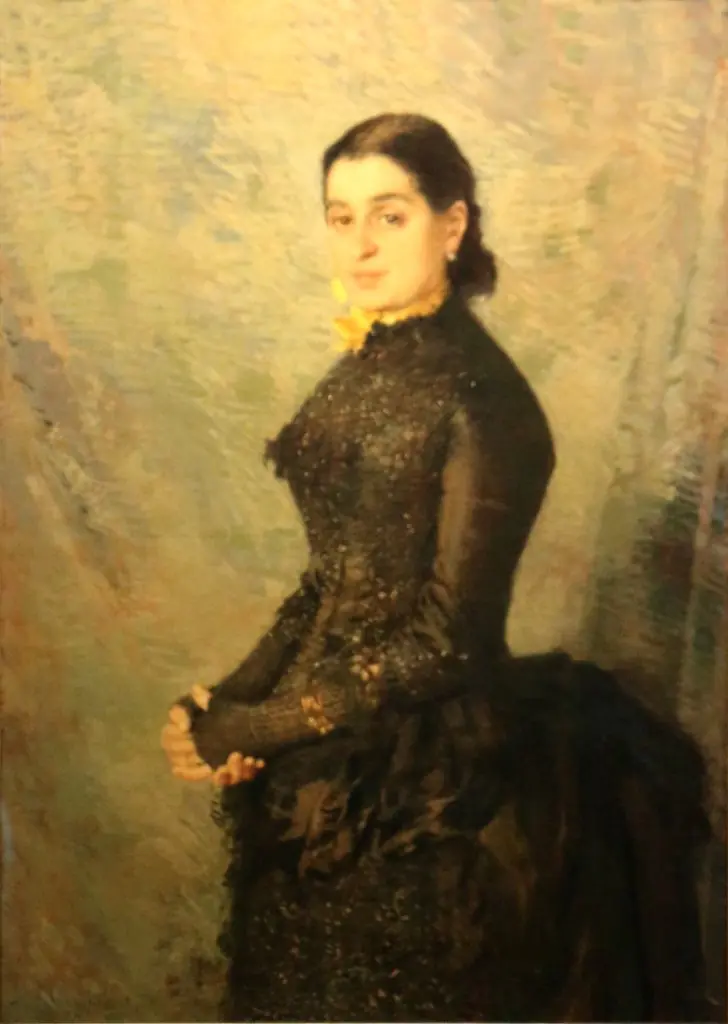
Signora Adela Guerrero, Spanish Dancer is an oil painting by the Realist artist Gustave Courbet. It dates from 1851 and is held in the collection of the Royal Museums of Fine Arts of Belgium.
About this work
Overview
Painted in 1851 by Gustave Courbet, this oil portrait captures Adela Guerrero, a Spanish dancer, in a quiet, unposed moment.
Painted in 1851 by Gustave Courbet, this oil portrait captures Adela Guerrero, a Spanish dancer, in a quiet, unposed moment. Unlike the idealized figures common in academic art of the time, Courbet presents her with unembellished attention to detail, reflecting his commitment to Realism. The work is held in the collection of the Royal Museums of Fine Arts of Belgium, where it stands as an early example of his focus on contemporary life and individual identity.
Subject & Meaning
Adela Guerrero, a performer known in European circles, is depicted not in motion but in repose, suggesting a pause between acts. Her presence is neither exoticized nor romanticized; instead, Courbet emphasizes her humanity and dignity. The theatrical setting implies her profession without dramatizing it, aligning with Courbet’s broader aim to portray ordinary subjects with sincerity and without narrative embellishment.
Technique & Style
Courbet employs thick, deliberate brushwork to render the textures of Guerrero’s dress, rich red fabric accented with black embroidery and gold thread. The contrast between the warm golden light on the right and the dark brown curtain on the left creates spatial depth and subtle drama. His palette is restrained yet vivid, and his handling of light avoids theatricality, grounding the figure in a tangible, physical space.
History & Provenance
The painting entered the collection of the Royal Museums of Fine Arts of Belgium in the late 19th century, likely through acquisition or donation. Its presence in a major European institution reflects early recognition of Courbet’s departure from academic norms. While little is documented about its immediate reception, its preservation underscores its significance as a representative work of mid-century Realism.
Context
In the 1850s, Courbet challenged the dominance of historical and mythological subjects in French art. By choosing a working performer as his subject, he aligned himself with a new artistic ethos that valued the visible, the contemporary, and the unvarnished. This painting reflects broader cultural interest in Spanish performance arts in France and Belgium, yet Courbet’s treatment resists Orientalist tropes common in the period.
Legacy
The portrait contributes to Courbet’s reputation as a pioneer of Realism, influencing later artists who sought to depict everyday life without embellishment. Its quiet intensity and refusal to sentimentalize its subject set a precedent for modern portraiture. While not among his most famous works, it remains a quietly significant example of his commitment to truth over convention.
Own this work as a print
Artist & collection
Artist
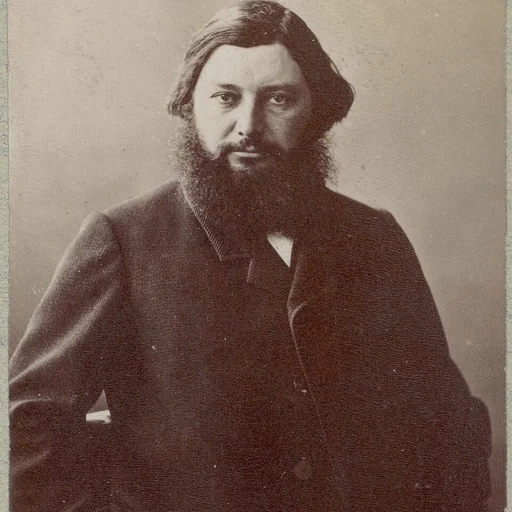
Jean Désiré Gustave Courbet (UK: KOOR-bay; US: koor-BAY; French:; 10 June 1819 – 31 December 1877) was a French painter who led the Realism movement in 19th-century French painting.

Museum
Royal Museums of Fine Arts of Belgium
Continue through works from the same source collection.

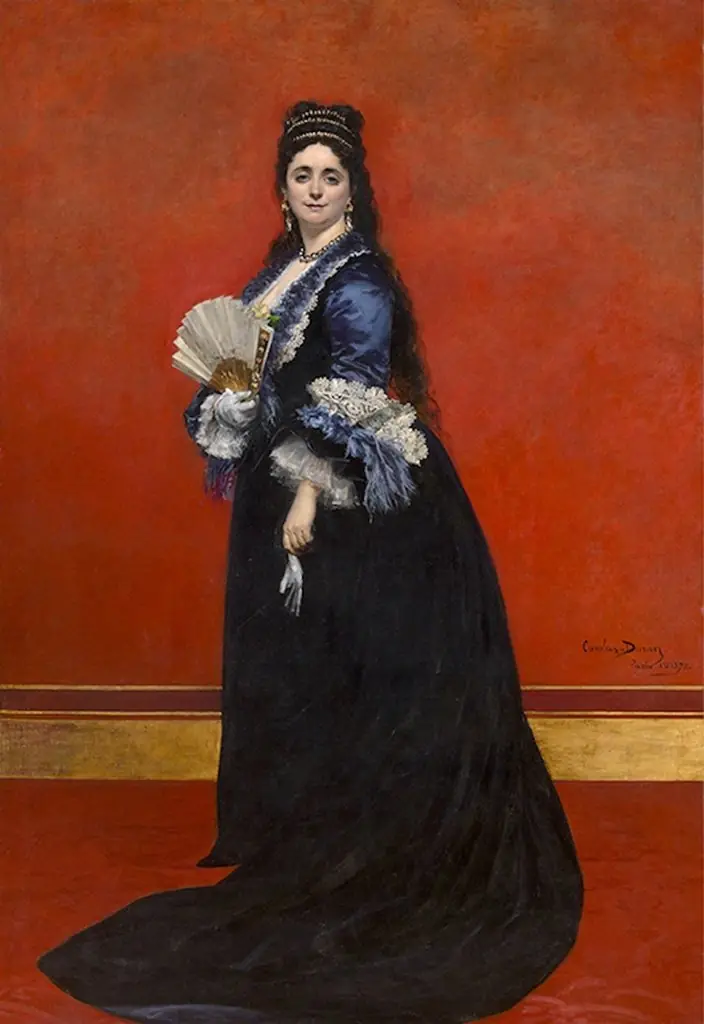 Countess Rattazzi, née Maria-Laetitia Bonaparte-Wyse
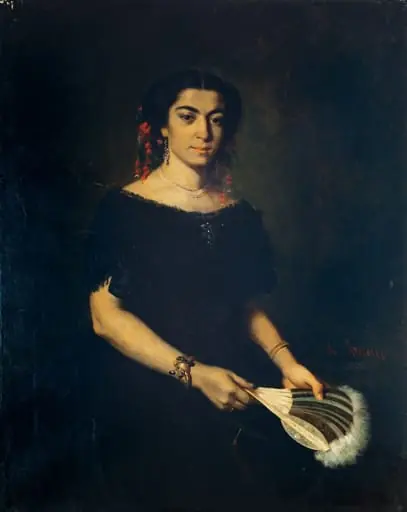 Portret cu evantai
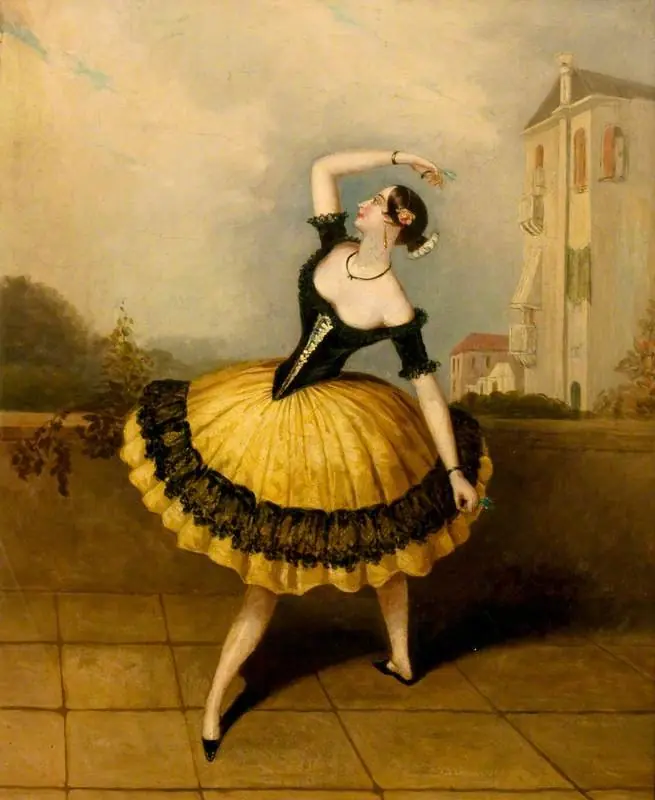 Marie Guy-Stephan (1818–1873), Dancing 'Las Boleras de Cádiz'
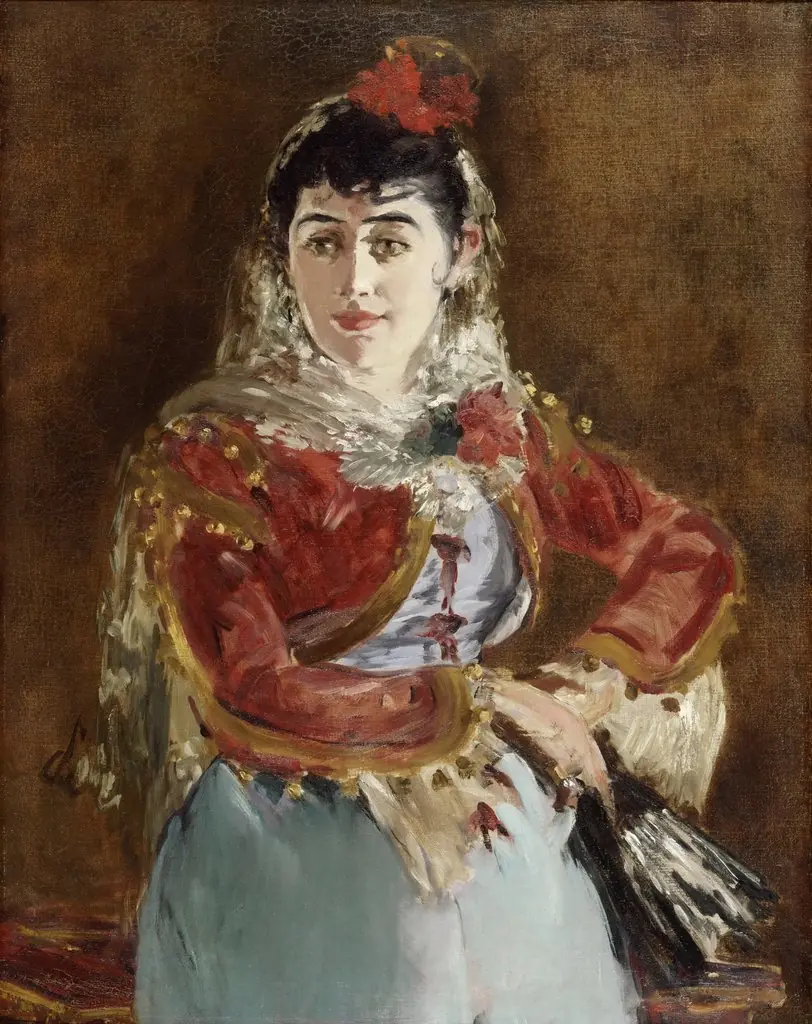 Portrait of Émilie Ambre as Carmen
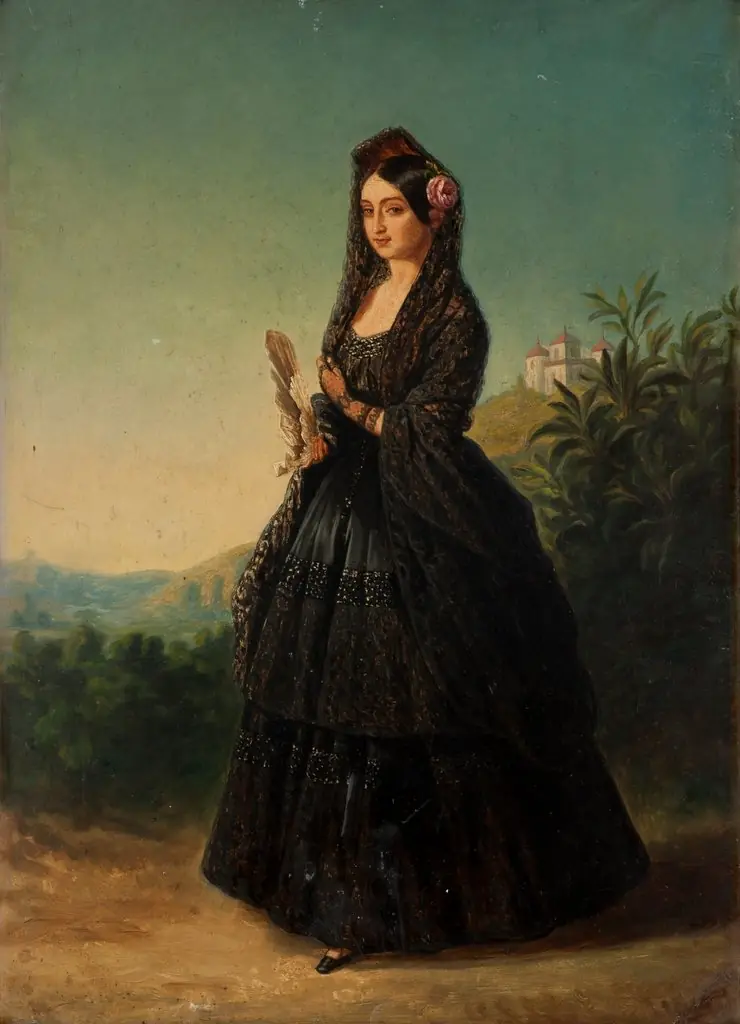 Luisa Fernanda de Borbón, Duchess of Montpensier, with a mantilla
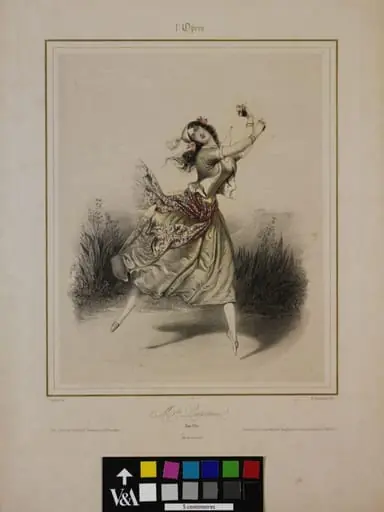 Mlle Laprairie Pas Grec
 María de los Dolores Collado y Echagüe, duchess of Bailén
 Marie Guy-Stephan dancing 'Las Boleras de Cadiz'
 Madame Céleste as the Maid of Cashmere
 La Tirana
 portrait of Mrs Wiener
- La actriz María Guerrero como «La dama boba»