Artwork
An Allegory of Passion
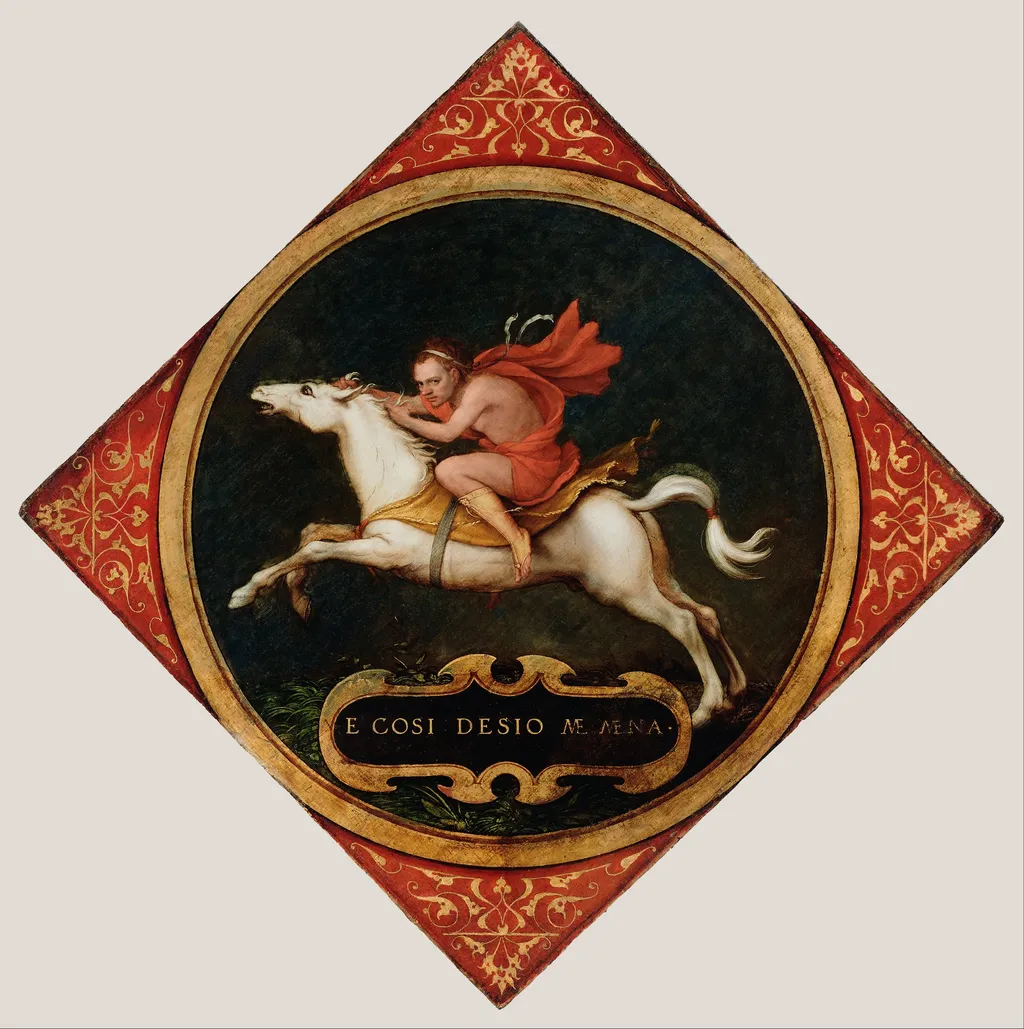
An Allegory of Passion is an oil painting by the Early Baroque Italian artist Hans Holbein the Younger. It dates from 1532 and is held in the collection of the J. Paul Getty Museum.
About this work
Overview
Created in 1532 by Hans Holbein the Younger, An Allegory of Passion is an oil painting that embodies the transitional spirit between Northern Renaissance and early Baroque influences. Now part of the J. Paul Getty Museum's collection, this work showcases Holbein's versatility beyond portraiture.
Subject & Meaning
The painting depicts a dynamic scene of a man clad in red, riding a rearing white horse. Equipped with a bow and quiver, the figure is deeply engaged with the horse, leaning forward and grasping its mane. The allegorical nature of the work suggests a symbolic interpretation, though the specific theme or subject of the allegory is not explicitly stated in the provided information.
Technique & Style
Holbein utilizes oil paint to capture intense energy and movement. The dark background contrasts with the vibrant red attire of the rider and the golden accents in the border, enhancing the visual dynamism. The tense muscles of the horse and the rider's forward lean exemplify Holbein's mastery of depicting motion and tension.
History & Provenance
Painted in 1532, An Allegory of Passion is attributed to Hans Holbein the Younger, distinguishing him from his similarly named father. The work is currently housed in the J. Paul Getty Museum.
Context
While primarily associated with Northern Renaissance portraiture and religious themes, this piece reflects Holbein's exposure to or anticipation of early Baroque Italian movements, indicating a broader artistic influence.
Own this work as a print
Artist & collection
Artist
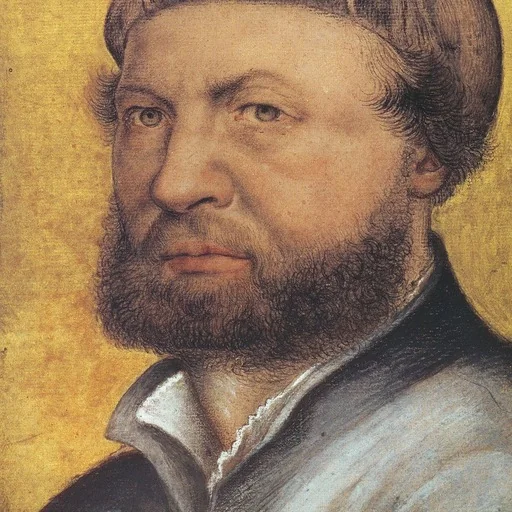
Hans Holbein the Younger (UK: HOL-byne, US: HOHL-byne, HAWL-; German: Hans Holbein der Jüngere; c.

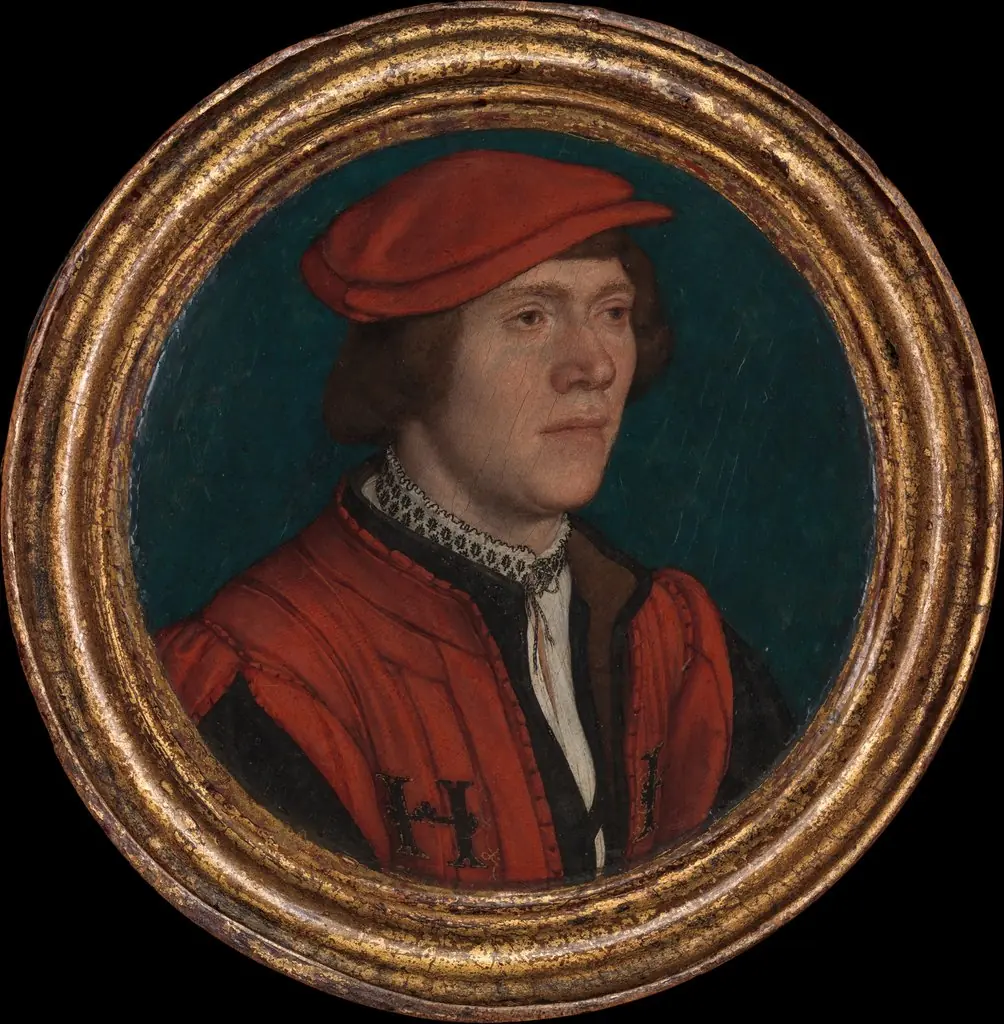
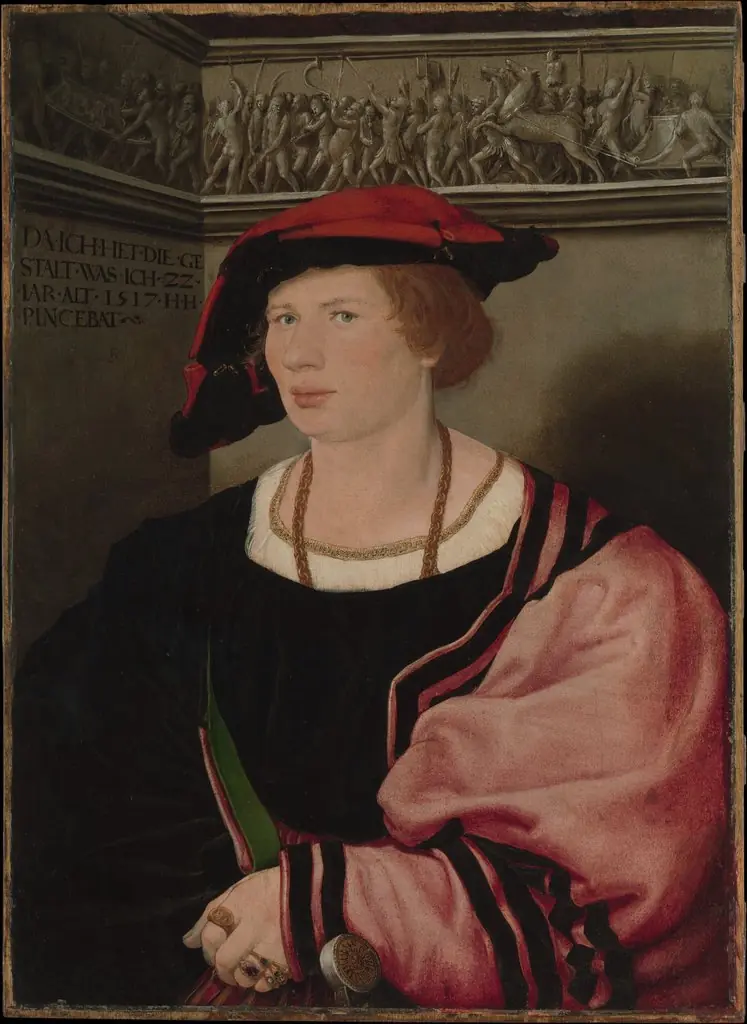
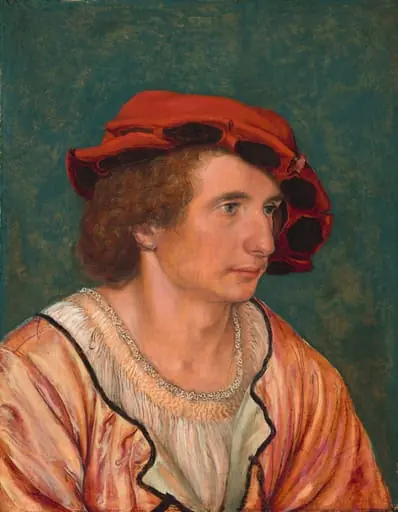
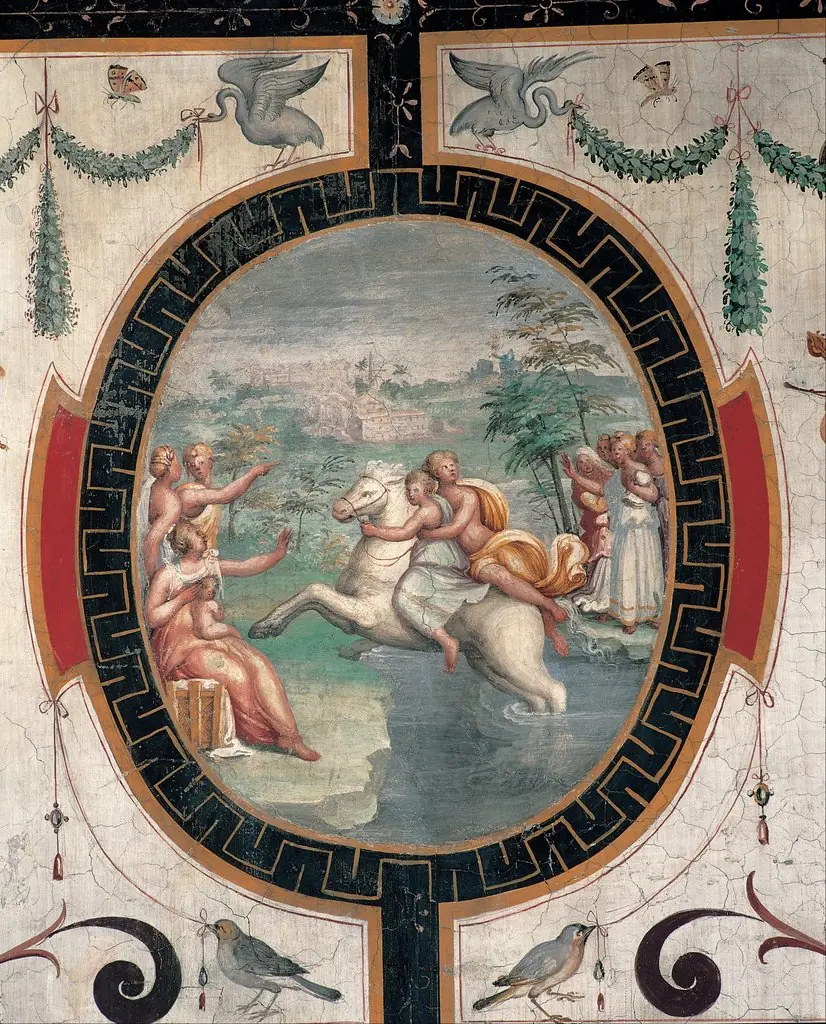
- Clelia crossing the Tiber on a horse
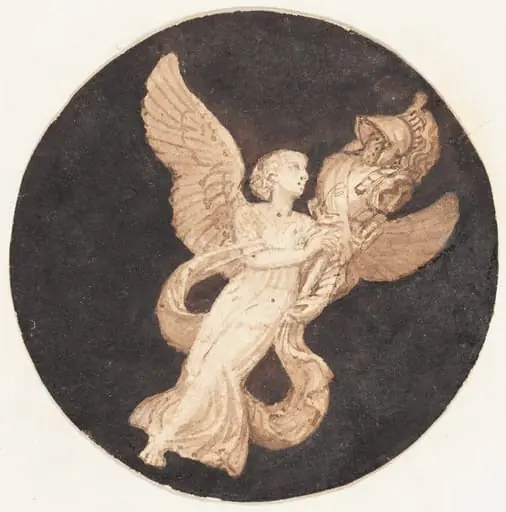 Vignette for a Title Page: "Winged Victory"
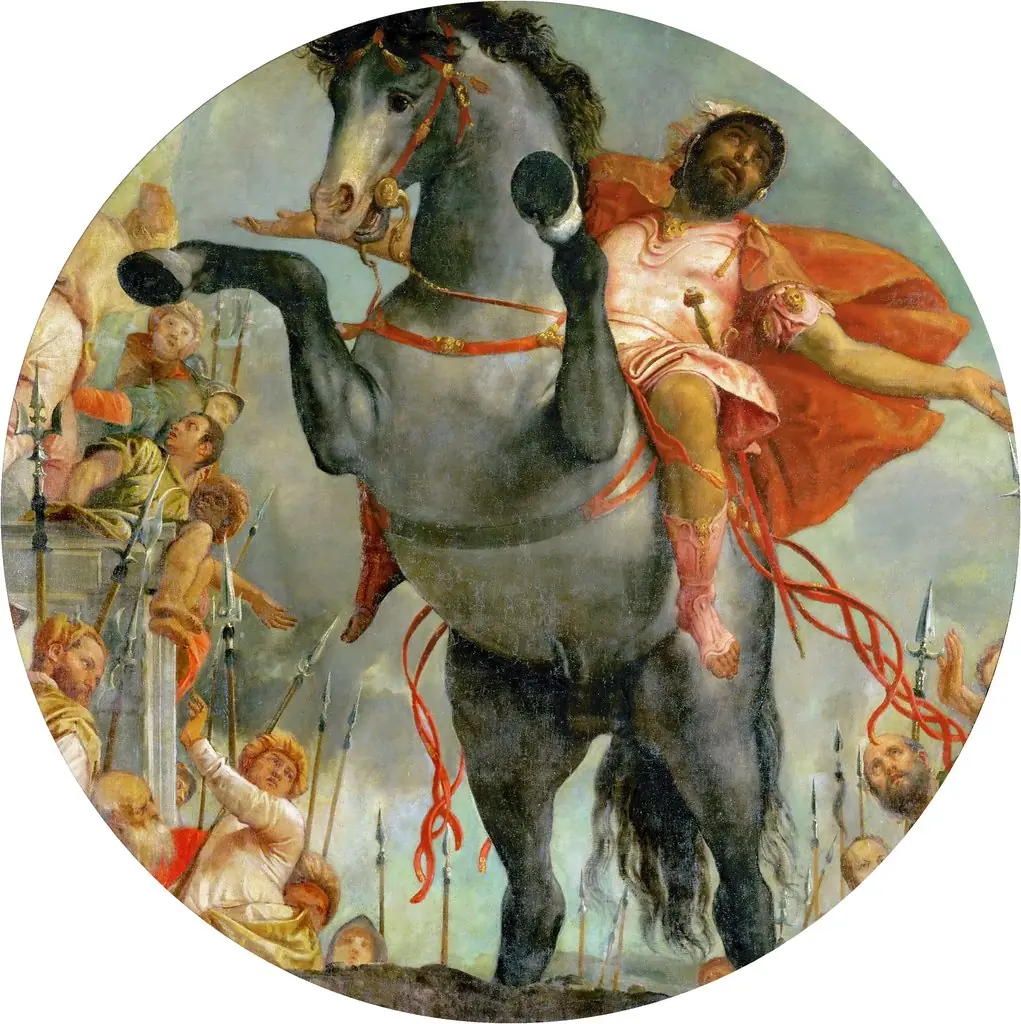 The sacrificial death of Marcus Curtius
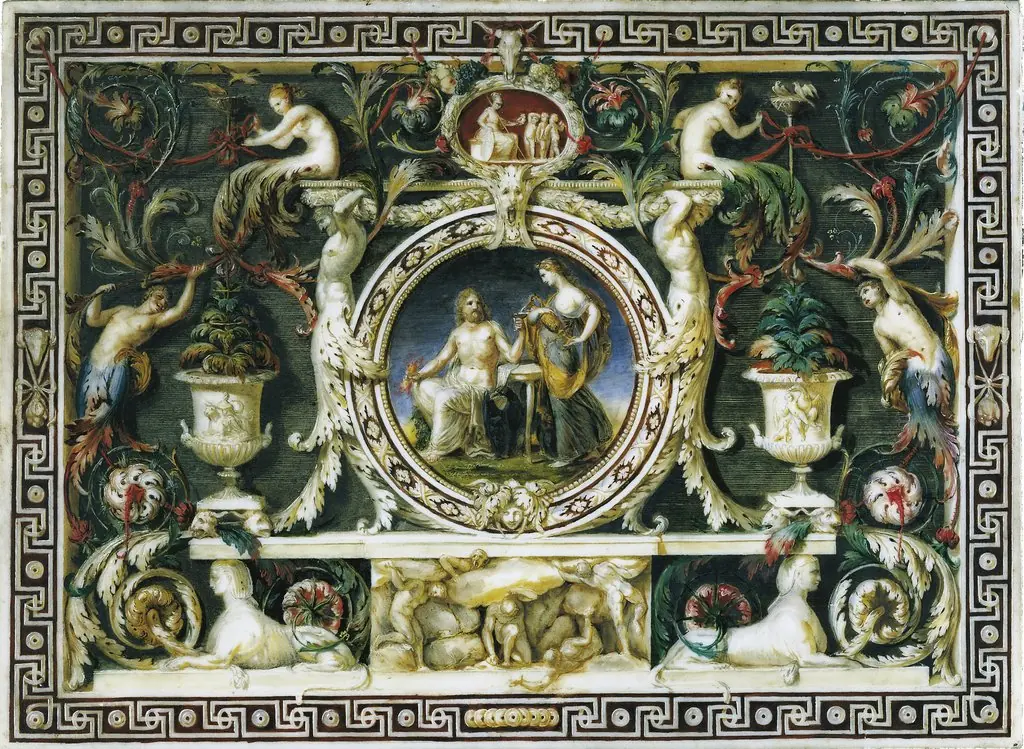 Jupiter and Hebe
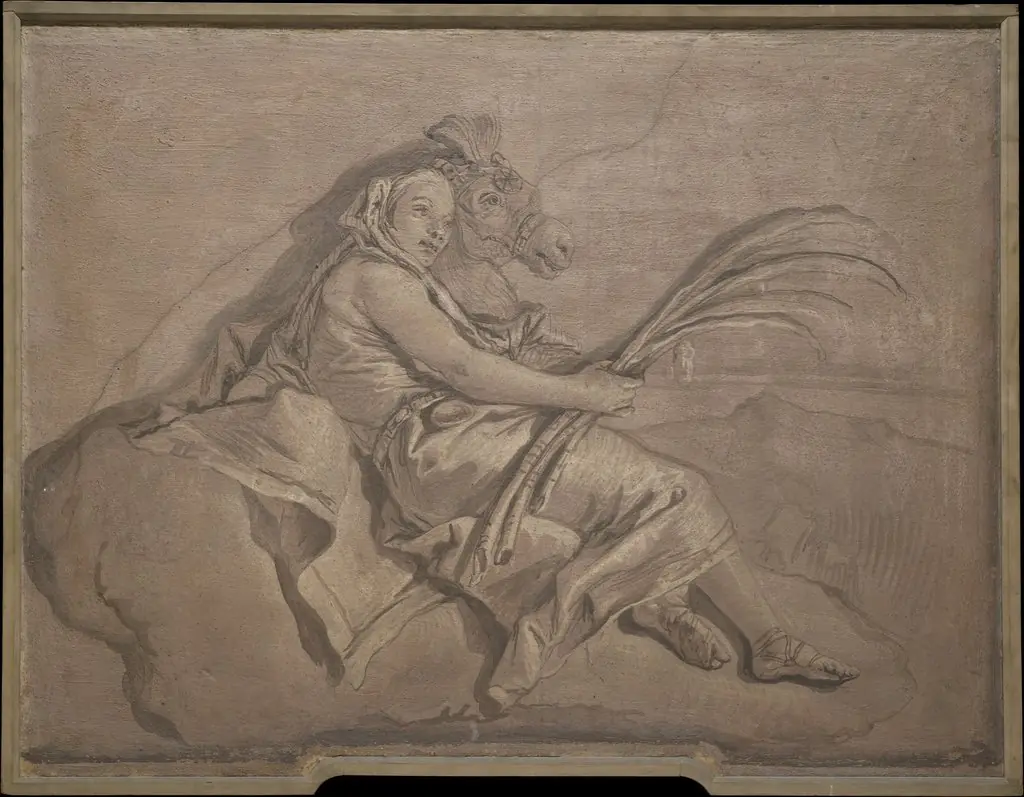 Asia
Asia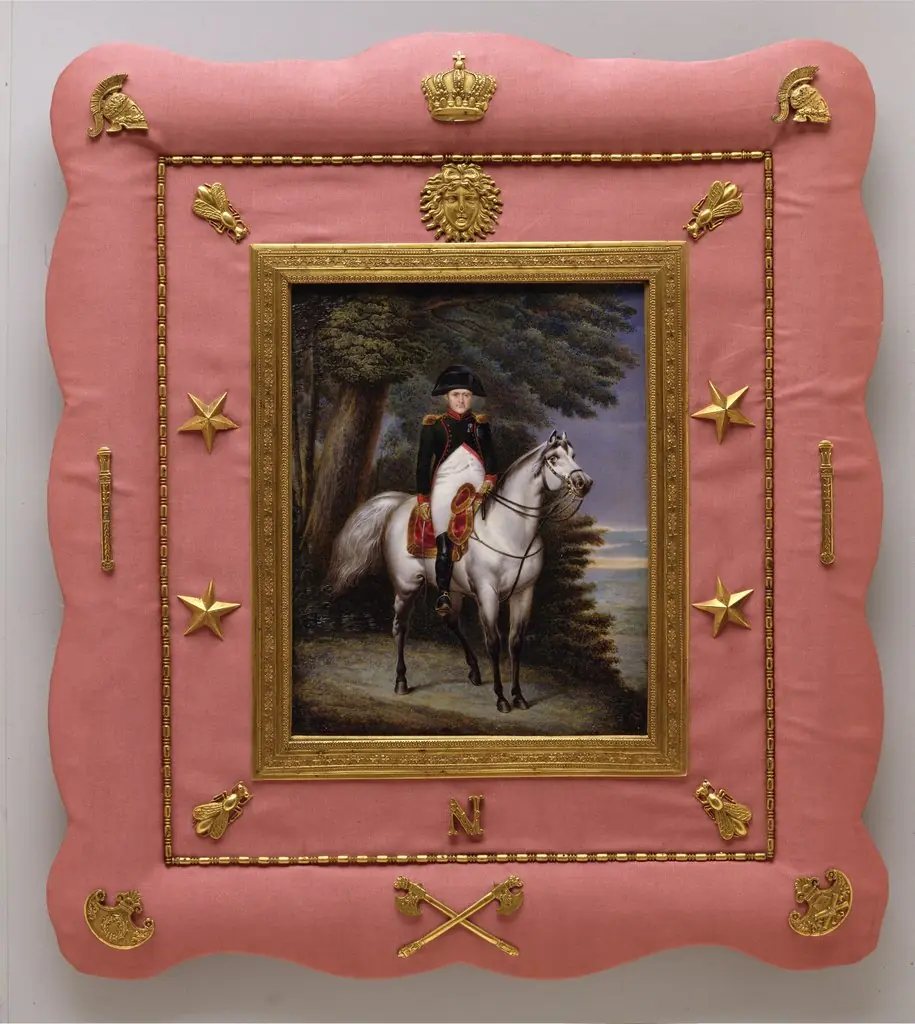 Napoléon I (1769–1821) on Horseback
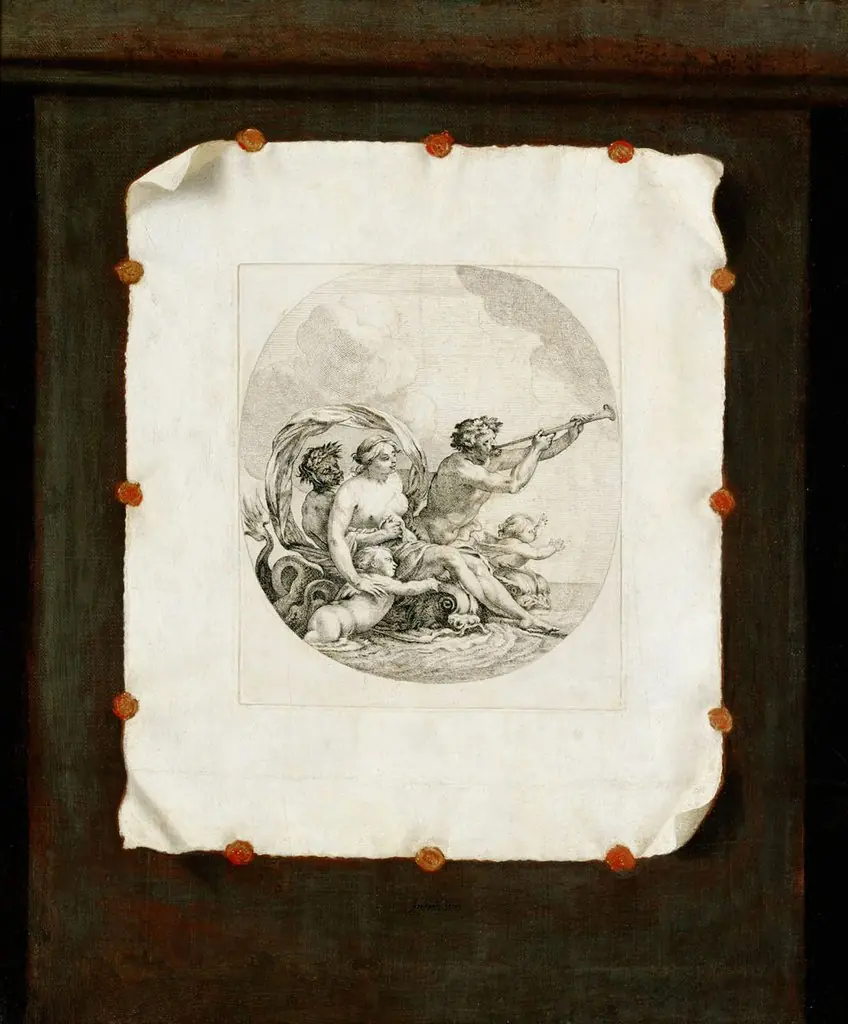 Trompe l'oeil (Galatea).
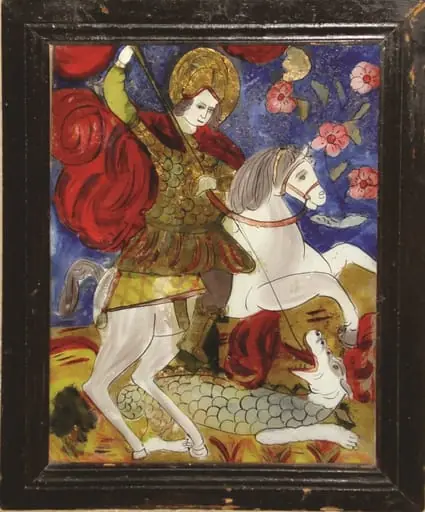 Sf. Mucenic Gheorghe ucigând balaurul
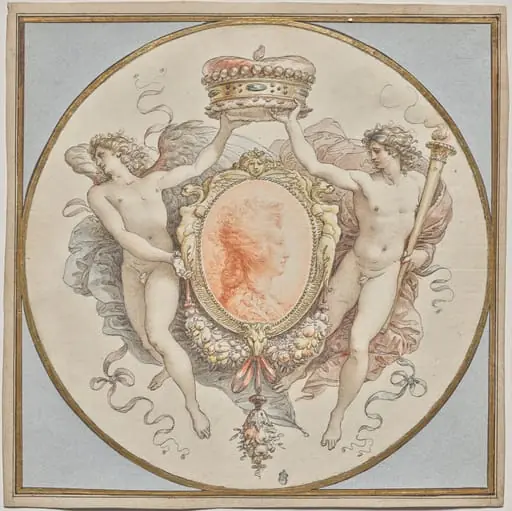 Portrait of a Lady with an Elaborate Cartouche
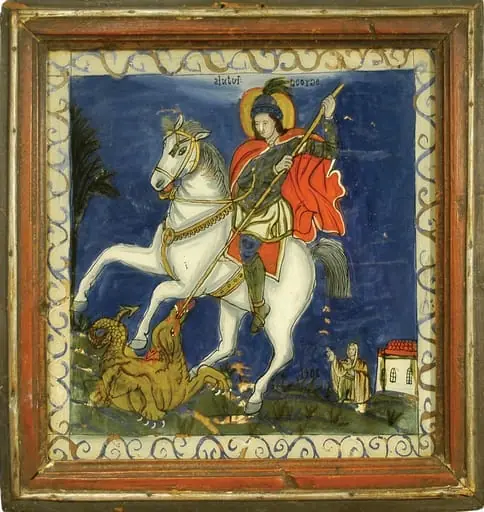 Sf. Mucenic Gheorghe, ucigând balaurul
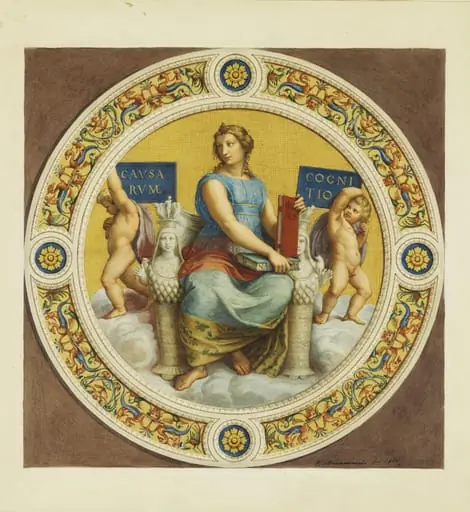 Copy after Raphael’s ceiling fresco representing ‘Philosophy’ in the Stanza della Segnatura (Vatican Palace, Rome,1509-11), 1864
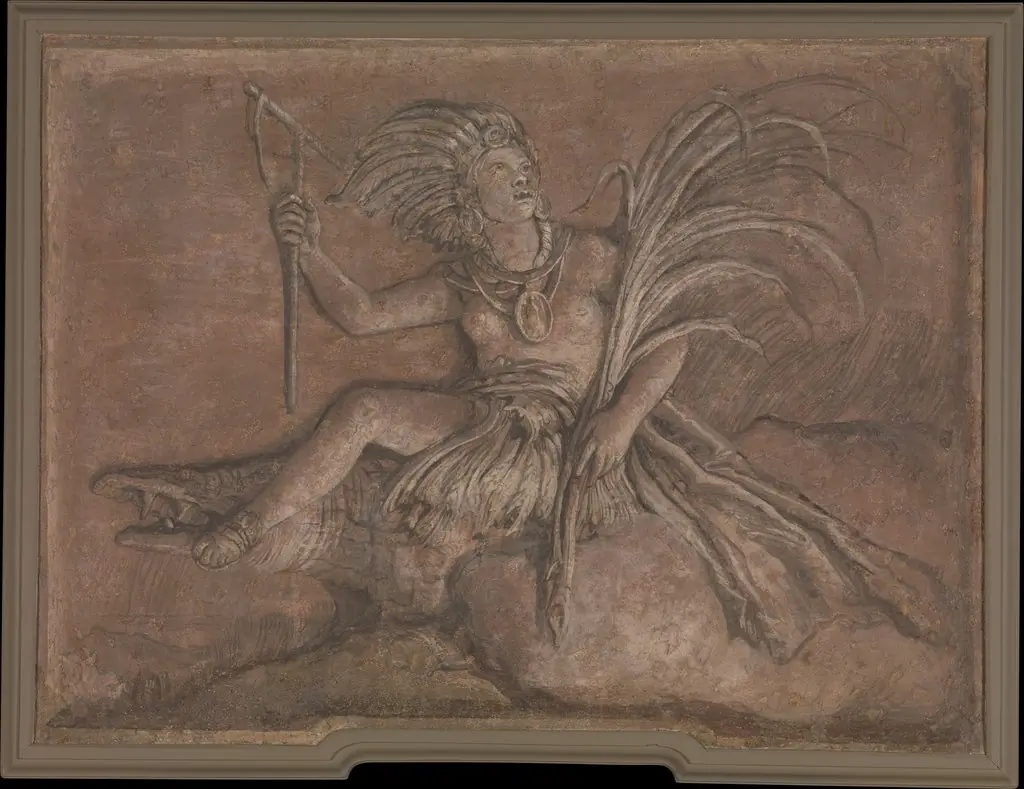 America