Artwork
Giovanni da Bologna
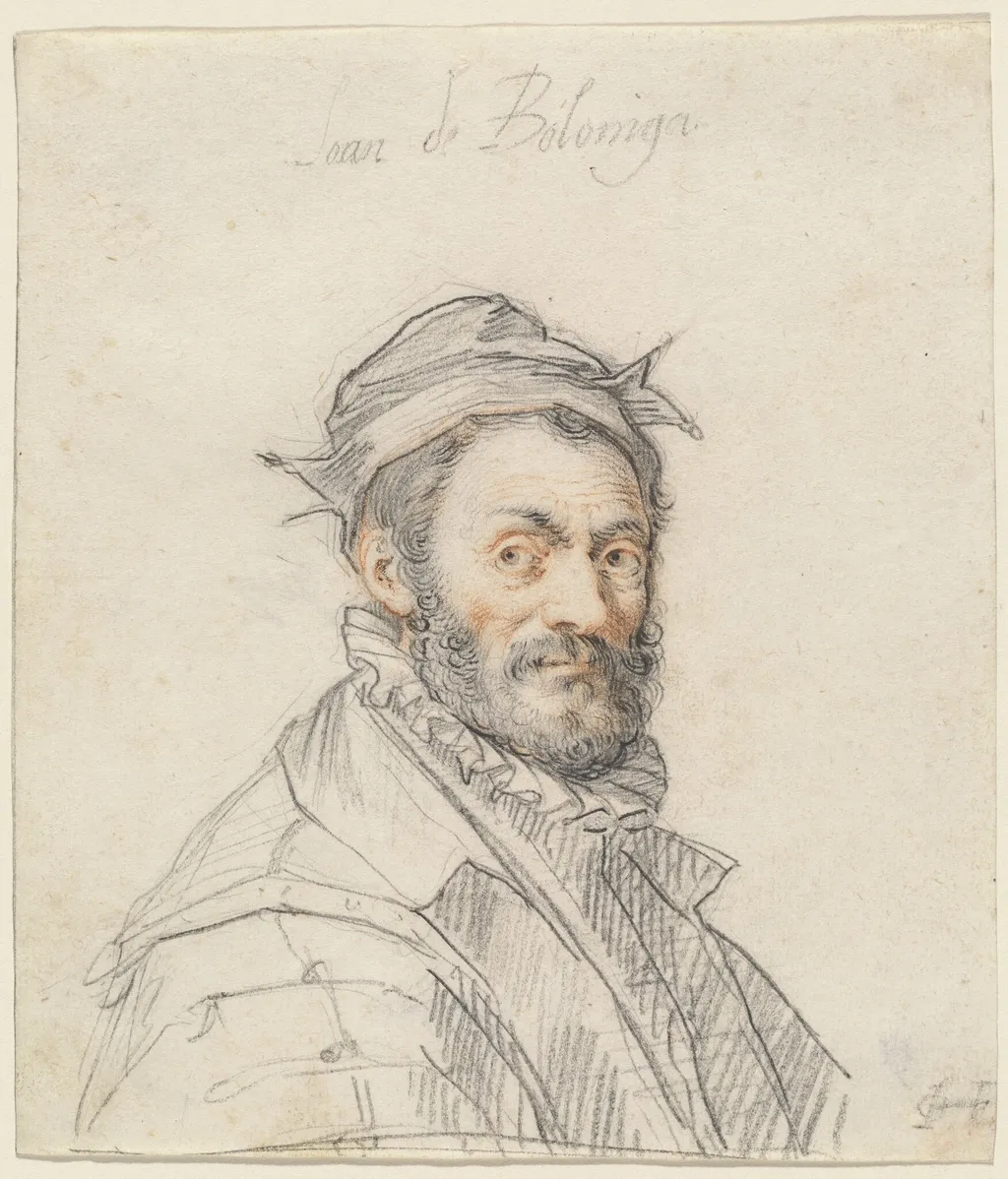
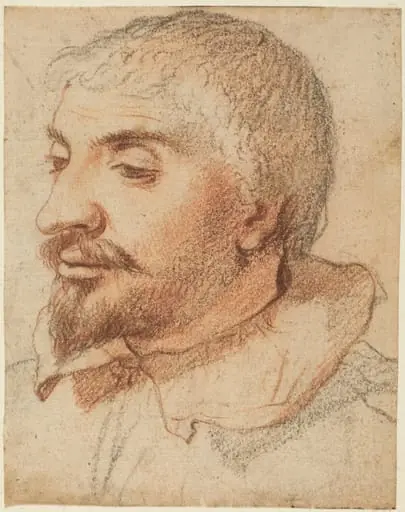
Giovanni da Bologna is a chalk drawing by the Renaissance artist Joseph Heintz the Elder. It dates from 1587 and is held in the collection of the National Gallery of Art.
- Inscription
- Inscribed:lower right: (artist's monogram); upper center: Joan de Boloniga; center verso: Joh v. Bologna; lower right verso: H. Goltz; lower center verso: H Goltzius 6
About this work
This portrait is titled Giovanni da Bologna. It was created by Heintz the Elder, Joseph in the 16th century. The artist used black and red chalks on laid paper to create this work, which is now held at the National Gallery of Art, Washington, and is part of the Renaissance movement. You can learn more about the movement by exploring the Renaissance.
Overview
Its medium and technique reflect the period’s emphasis on preparatory studies and portraiture in graphic form.
This drawing, executed around 1587, depicts the sculptor Giovanni da Bologna. Created by Joseph Heintz the Elder, it is rendered in black and red chalk on laid paper. The work resides in the National Gallery of Art in Washington, D.C., as part of its collection of Renaissance-era drawings. Its medium and technique reflect the period’s emphasis on preparatory studies and portraiture in graphic form.
Subject & Meaning
The subject is Giovanni da Bologna, a Flemish sculptor active in Florence who became a leading figure in Mannerist sculpture. The portrait captures him with quiet dignity, likely intended as a tribute to his artistic stature. Heintz, who worked in his circle, may have drawn him from life, offering a direct record of the sculptor’s appearance and presence during his later years.
Technique & Style
Heintz employed black chalk for strong contours and shading, complemented by red chalk to suggest warmth in the skin and subtle tonal transitions. The use of laid paper, with its visible chain lines, was standard for high-quality drawings of the time. The rendering is precise yet fluid, demonstrating a refined understanding of anatomical structure and expressive line typical of late Renaissance draftsmanship.
History & Provenance
The drawing entered the National Gallery of Art’s collection through the Chester Dale bequest in 1963. Prior to that, its provenance is not fully documented, though it likely remained in European collections after Heintz’s death. Its survival in good condition suggests it was valued as a study or personal keepsake rather than a commercial product.
Context
Joseph Heintz the Elder, a Swiss artist trained in Italy, moved in circles connected to the Medici court and Florence’s artistic elite. His portraits of artists like da Bologna reflect a growing interest in documenting the lives of creative figures during the late Renaissance. Such drawings served both as personal mementos and as records of intellectual and artistic networks.
Legacy
This drawing stands as one of the few surviving contemporary portraits of Giovanni da Bologna. It contributes to the historical understanding of how artists were perceived and represented in their own time. As a work by Heintz, it also illustrates the cross-cultural exchange between Northern European artists and the Italian Renaissance milieu.
Own this work as a print
Artist & collection

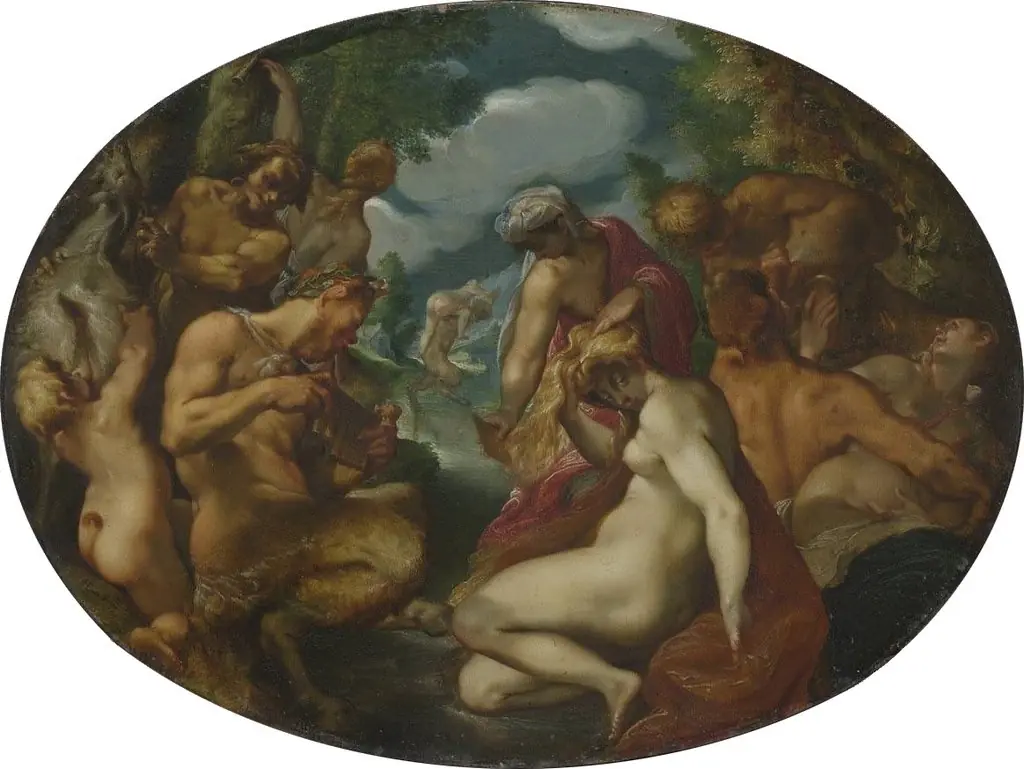 Satyrs and nymphs
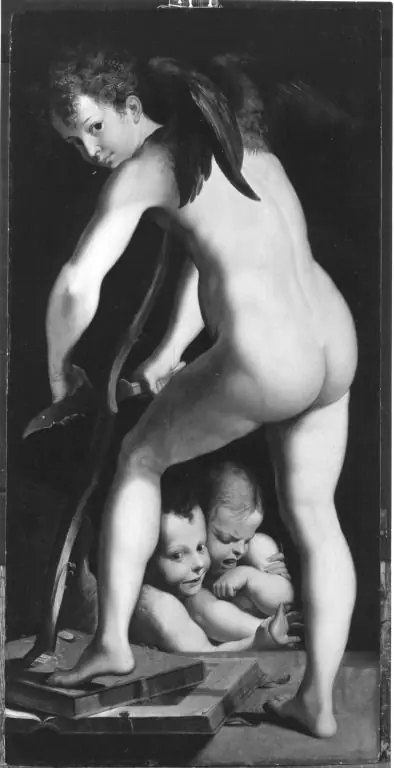 Cupid carves the bow
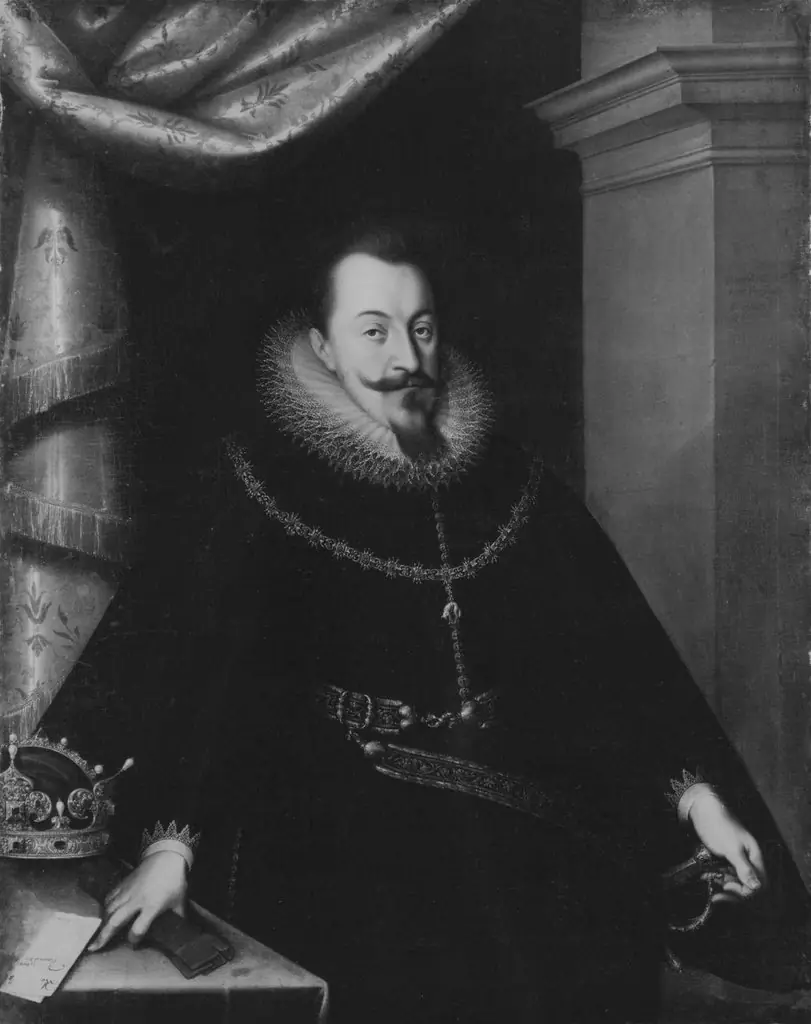 Bildnis des Königs Sigismund III. Vara von Polen und Schweden
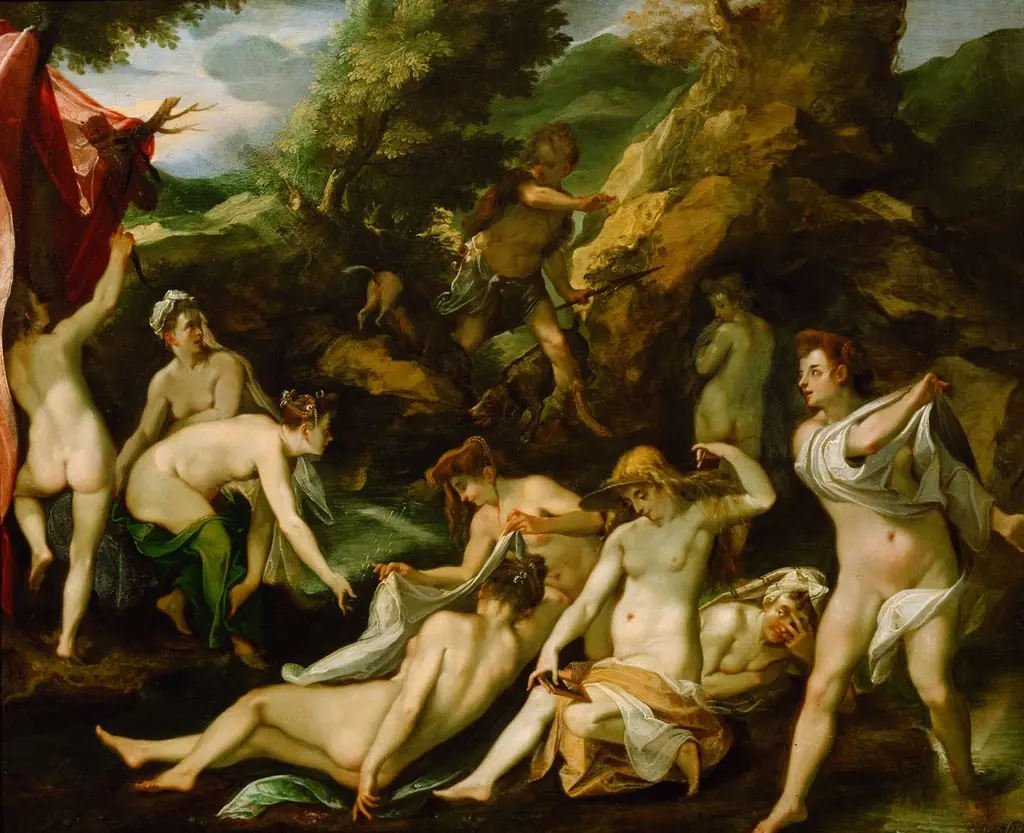 Diana and Actaeon
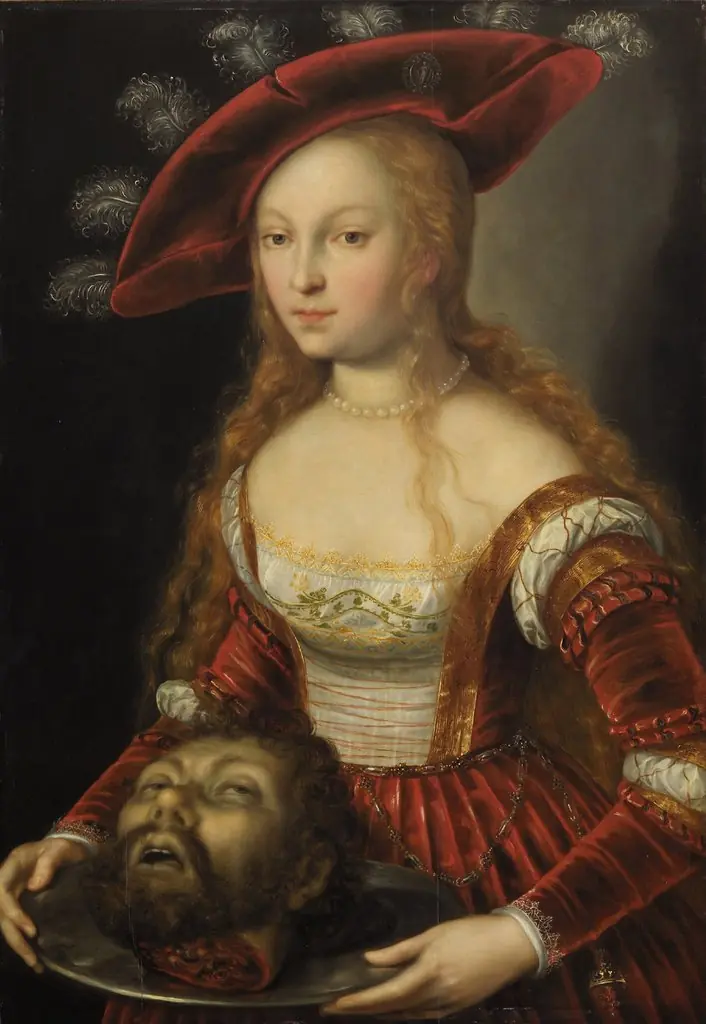 Salome with the head of John the Baptist
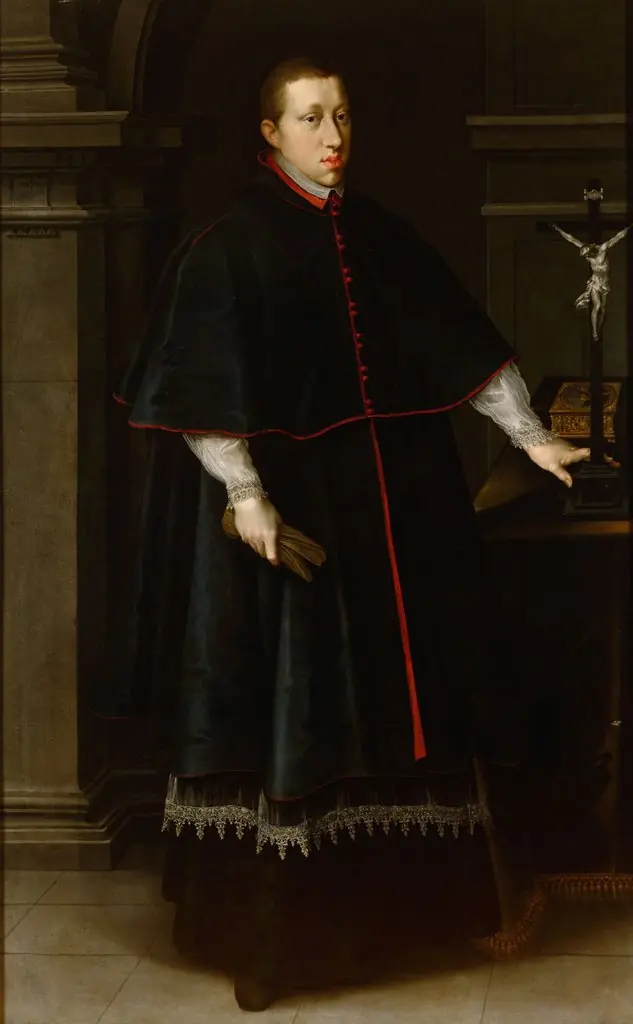 Archduke Leopold V (1586-1632) in the Spiritual Garment
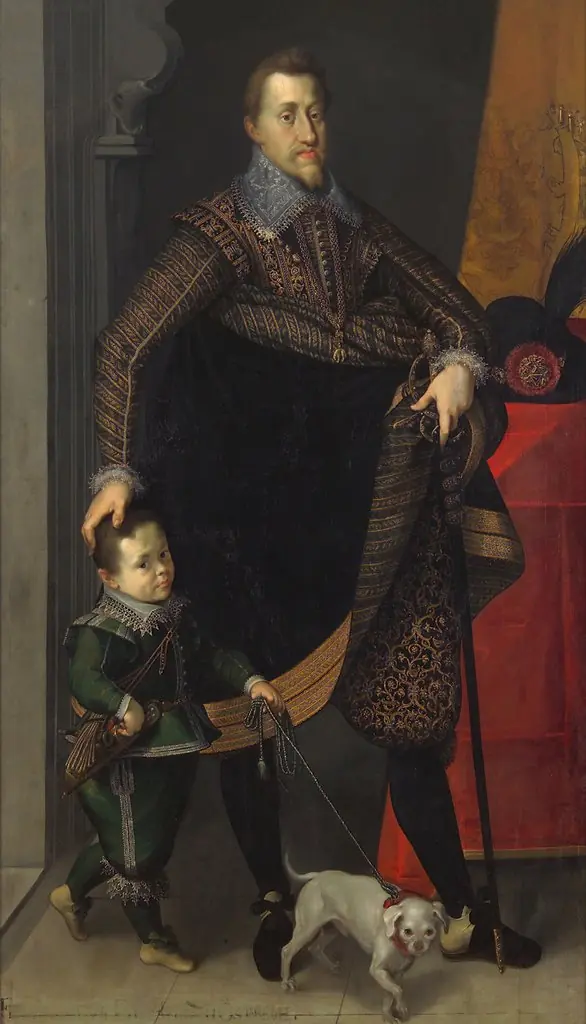 Emperor Ferdinand II (1578-1637) in Full Figure with a Court Dwarf
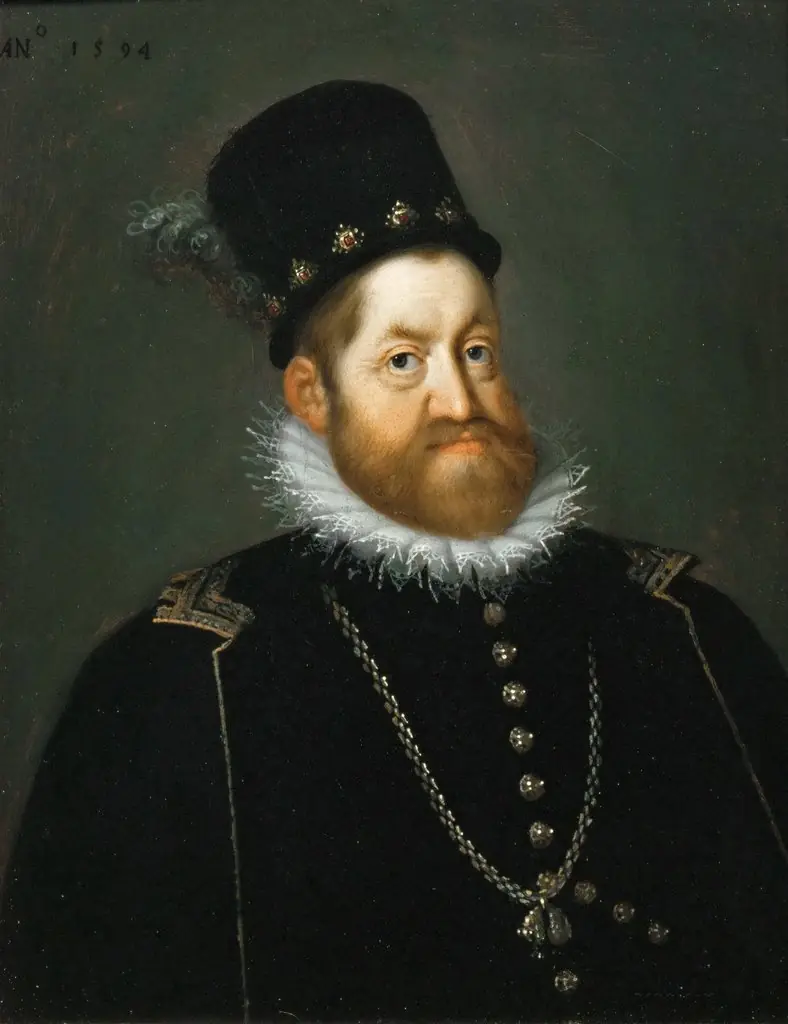 Porträt des Kaisers Rudolf II.