Artist
Subject
Spoon is a subject in art. The gallery holds 34 works in this subject in art, including works by Claude Monet, Paul Signac and Pieter Claesz.
A spoon (UK: , US: SPOON) is a utensil consisting of a shallow bowl (also known as a head), oval or round, at the end of a handle. A type of cutlery (sometimes called flatware in the United States), especially as part of a place setting, it is used primarily for transferring food to the mouth (eating).
The spoon carries layered symbolic meanings rooted in its material, form, and context. As a type of cutlery, especially as part of a place setting, it signals domestic ritual and social order. In the collection, spoons appear in breakfast scenes, taverns, and kitchens, where they can denote either humble daily life or refined bourgeois comfort depending on their material and setting. Historically, spoons have served as status symbols: in medieval Europe, traveling without a spoon marked extreme poverty, while silver or gold spoons indicated wealth and social standing. The spoon's form, consisting of a bowl and handle, has invited decorative elaboration, from knop-top spoons with acorn, maidenhead, or apostle finials in 14th to 17th century England to the ornate Rococo and Louis XVI style handles of later centuries. Religious and superstitious associations also attach to spoons, such as the belief that a falling silver spoon foretells a family death, or the phrase 'to give up the spoon' meaning to die. In ancient Egypt, spoons carved with religious symbols or shaped as ankhs connected the utensil to fertility and funerary rites. The spoon's function as a measuring and mixing tool in cooking and baking, from testing jelly consistency to dropping batter, has further embedded it in representations of labor and nourishment.
The treatment of the spoon in art has shifted considerably across movements and cultures, reflecting broader changes in dining practices, material culture, and artistic priorities. In ancient Egypt, spoons of ivory, flint, slate, and wood were carved with religious symbols and placed in tombs as rare objects for elite use. Greek spoons, called mystron, and Roman cochlear and ligula types, often in bronze or silver, appear in archaeological finds that inform later artistic depictions. Roman spoons with pointed stems served dual purposes for eating snails and picking teeth, a versatility that fascinated later artists and collectors. Medieval European spoons were commonly wooden or horn, with metal versions remaining precious; this scarcity made their depiction in paintings a deliberate choice. The Renaissance saw the rise of specialized forms such as Apostle Spoons, popular as christening gifts in Tudor England, with handles terminating in busts of the apostles. Dutch Golden Age painting, to which several collection works relate, exploited the spoon's presence in breakfast pieces and kitchen scenes to explore textures, light effects, and moral or social commentary. By the 18th century, French and Dutch silver spoons evolved toward flatter handles and oval bowls, with the modern form emerging around 1760. The 19th century brought industrial production and new materials like aluminum, democratizing the spoon while also creating new categories of decorative and commemorative examples. In East Asian contexts, porcelain spoons complemented chopsticks, offering a different visual and cultural register than European flatware traditions.
While the collection's specific works provide the primary examples, broader art historical tradition offers context for understanding notable spoon depictions. The Coronation Spoon, a 12th-century object in the British royal regalia, stands as the oldest surviving piece and represents the spoon's ceremonial function in state ritual. In painting, Dutch and Flemish still life and genre traditions of the 17th century established the spoon as a staple of kitchen and table scenes, with artists using the utensil to structure compositions and signal domestic order or social aspiration. The collection's Still life in a stable and The Luncheon continue this tradition, placing the spoon in contexts that range from rustic to bourgeois. The Café Terrace reflects 19th-century interest in modern life and public social spaces, where the spoon's presence marks the spread of café culture. Kitchen Interior with a Girl Reading exemplifies the 19th-century genre tradition that moralized or romanticized domestic labor, with the spoon as an attribute of proper household management. These works collectively demonstrate how the spoon, despite its humble nature, has attracted sustained artistic attention across centuries.
The spoon's legacy in art and culture extends from its ancient origins as a carved religious object to its contemporary status as a universal, if often overlooked, element of visual representation. Its persistence across 290 works in the collection testifies to its enduring utility for artists seeking to ground scenes in recognizable daily experience. The spoon's evolution from rare luxury item to mass-produced object tracks broader histories of industrialization, social mobility, and globalization. In culinary and material culture studies, the spoon serves as an index of changing eating habits, from medieval communal dining to modern individual consumption. The utensil's continued appearance in contemporary art and photography, often as a found object or symbolic relic, suggests that its capacity to evoke memory, class, and bodily need remains potent. Collections of historic spoons, such as the Apostle Spoons in the Rijksmuseum or the Coronation Spoon in the British Crown Jewels, preserve the object's significance as heirloom and national treasure. The spoon's very ordinariness, its role as what one source calls 'the most universal table utensil,' has made it an enduring subject for artists attentive to the poetry of everyday objects.
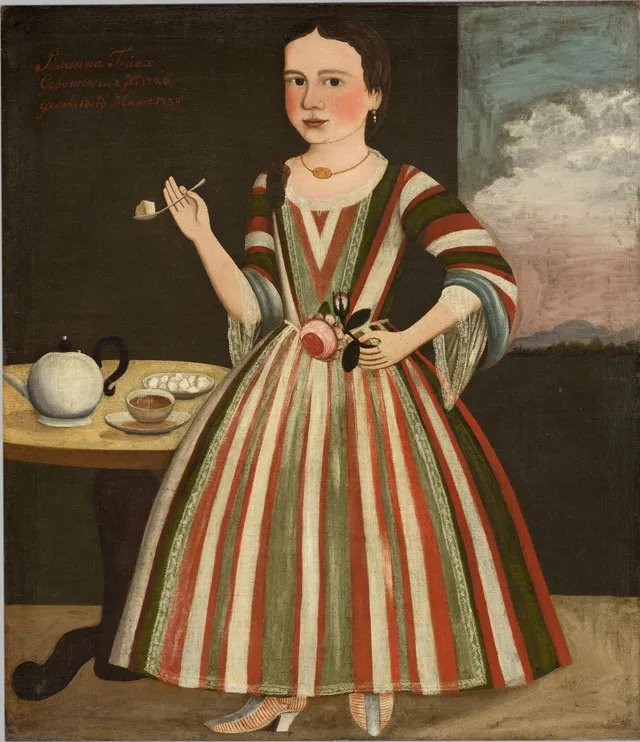
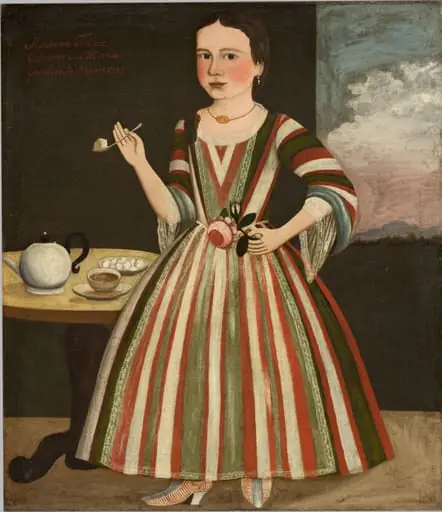 Susanna Truax
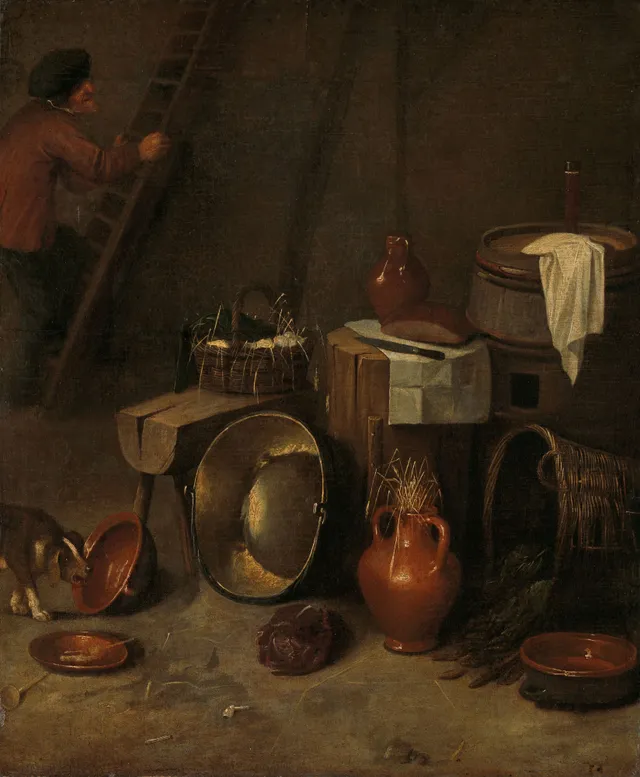
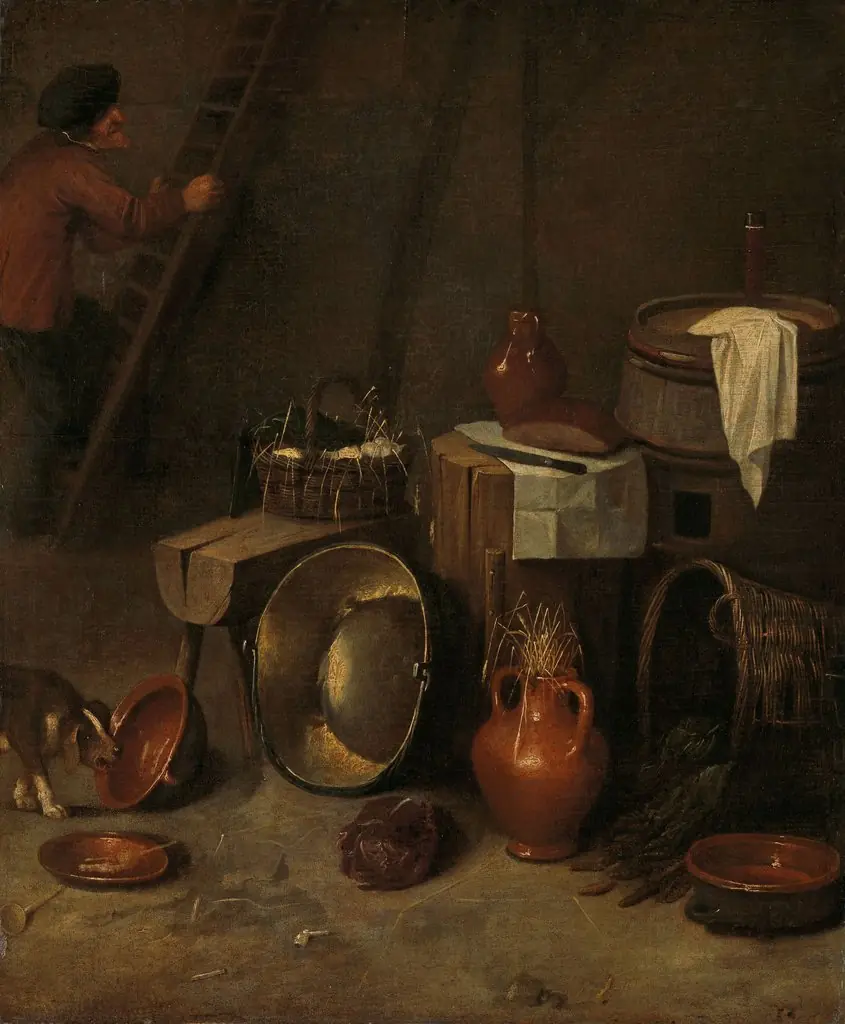 Still life in a stable
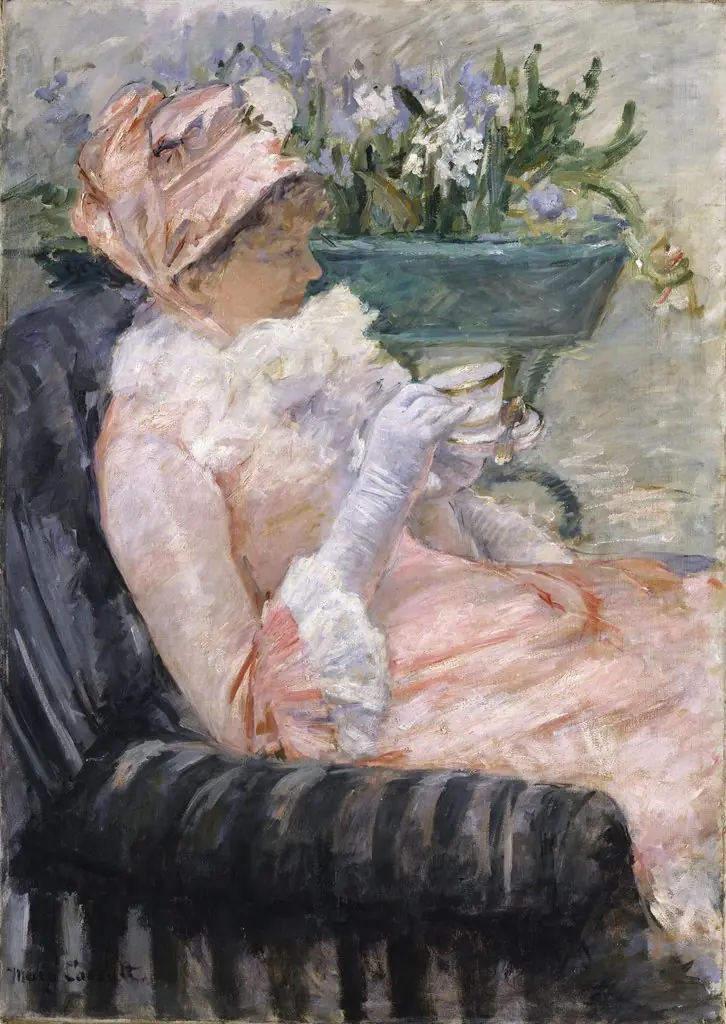 The Cup of Tea
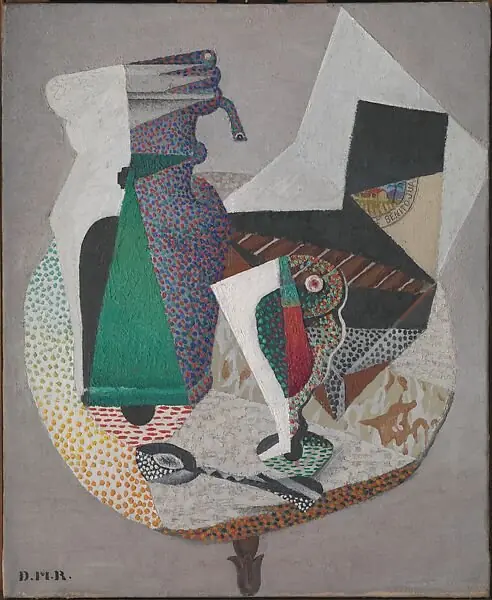 The Café Terrace
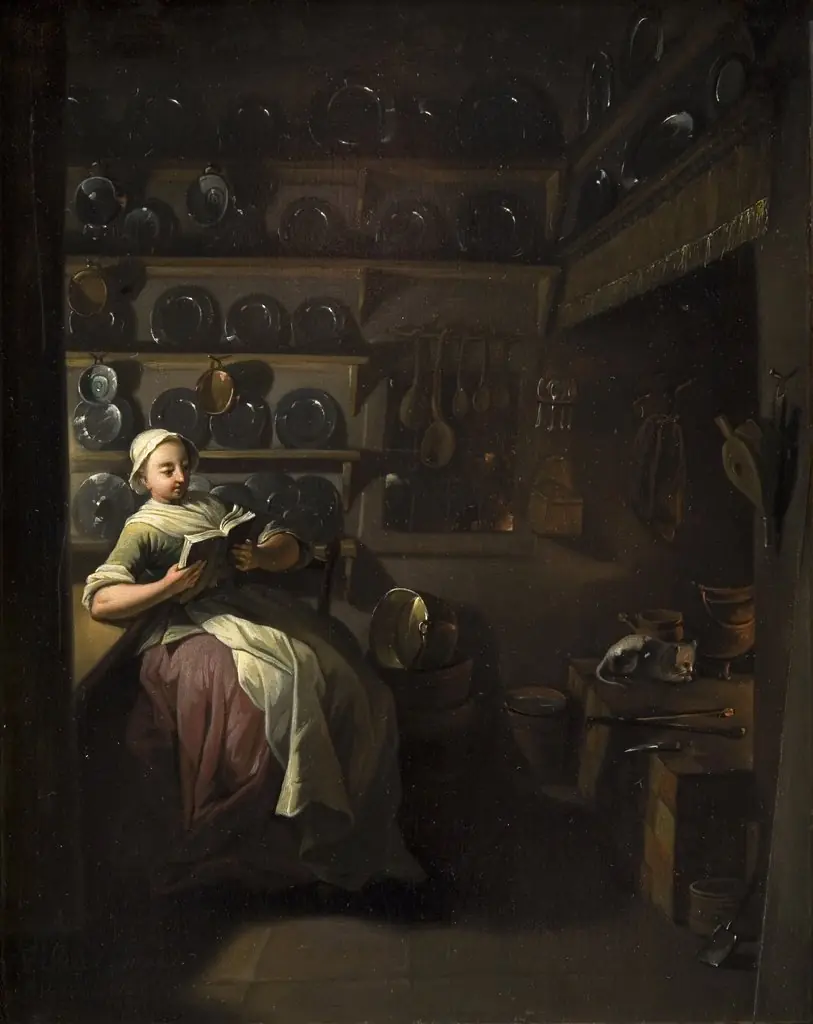 Kitchen Interior with a Girl Reading
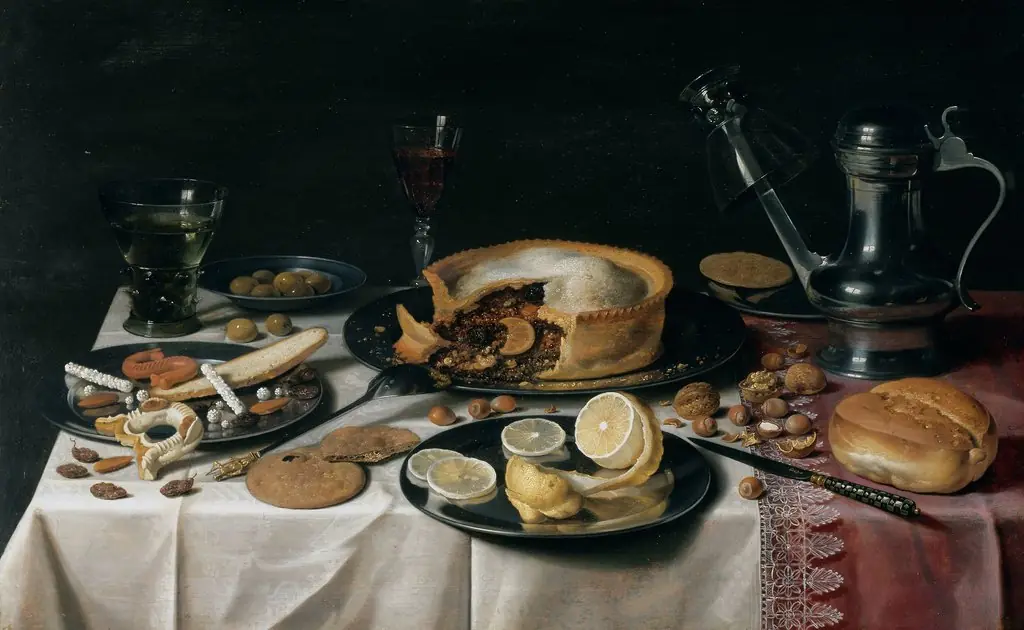 Still Life
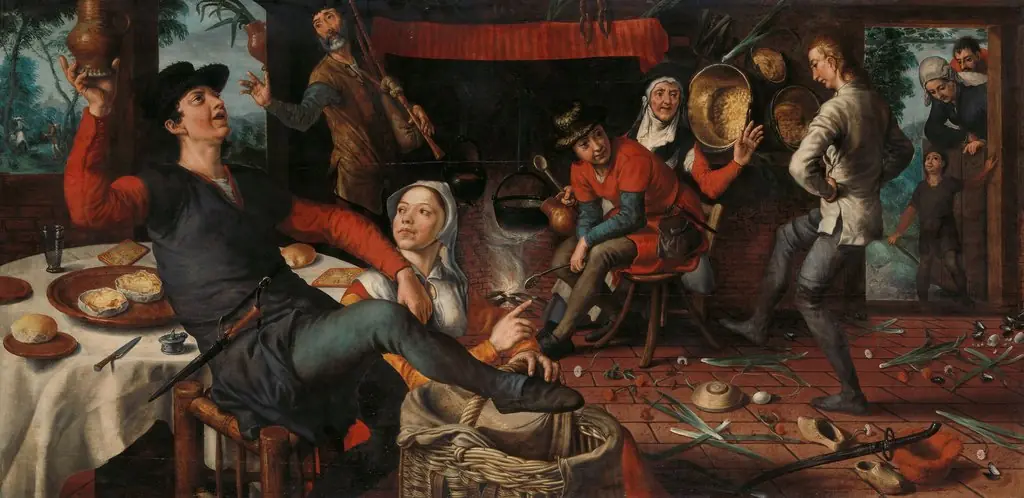 The Egg Dance
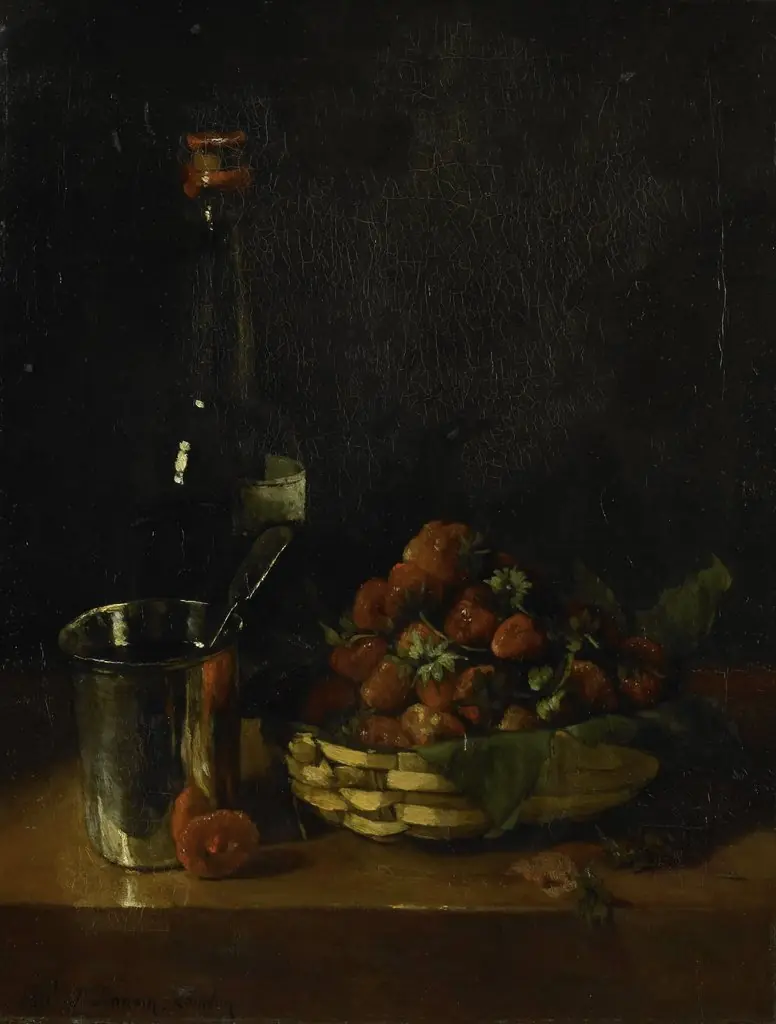 Still life
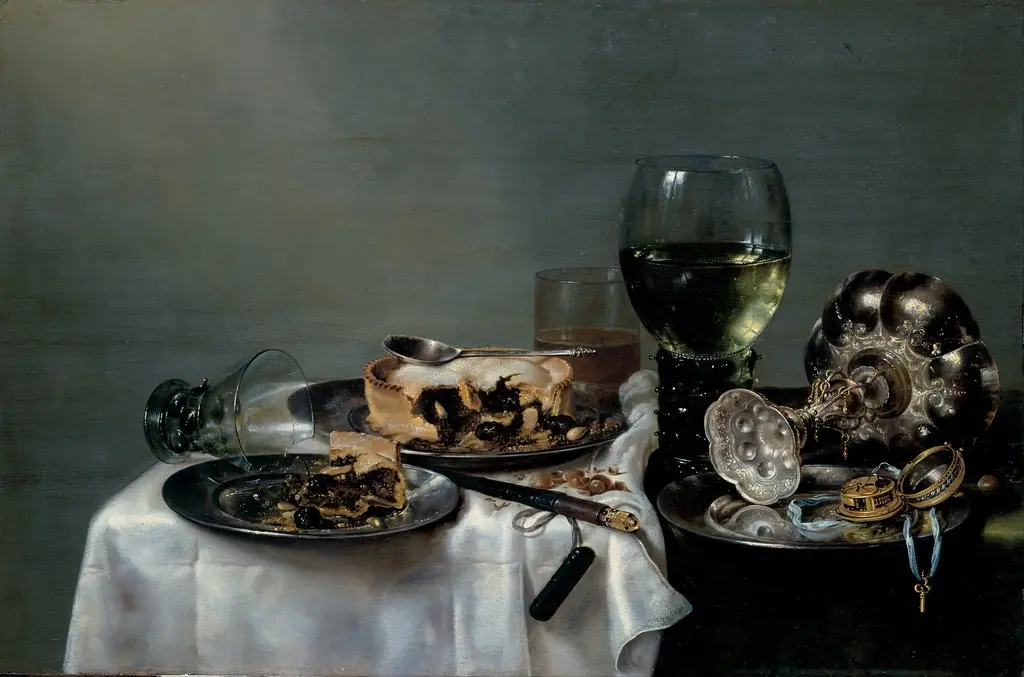 Breakfast Table with Blackberry Pie
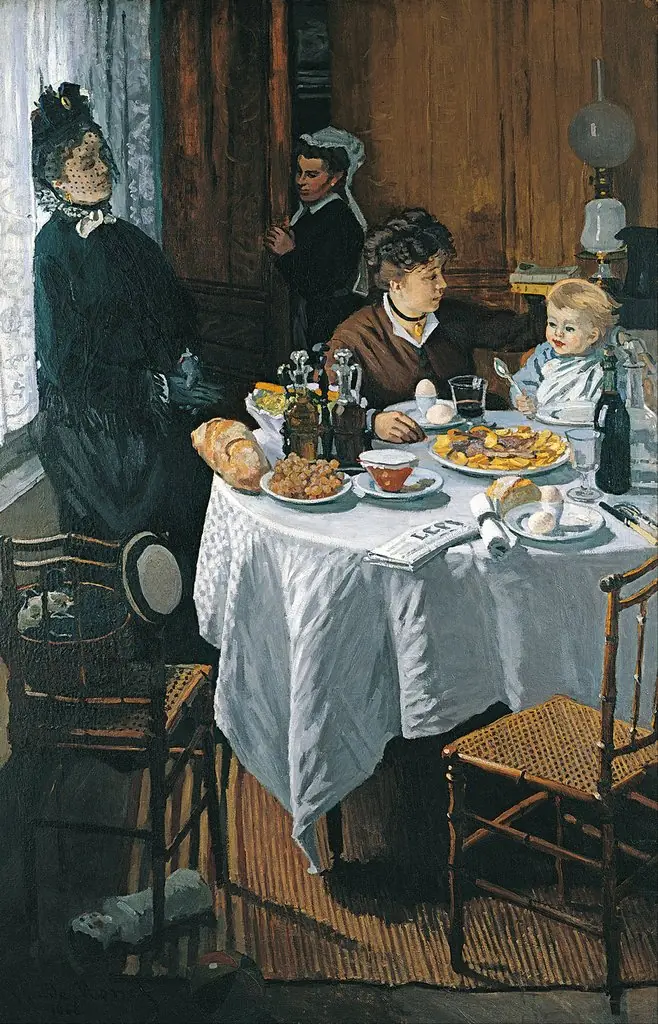 The Luncheon
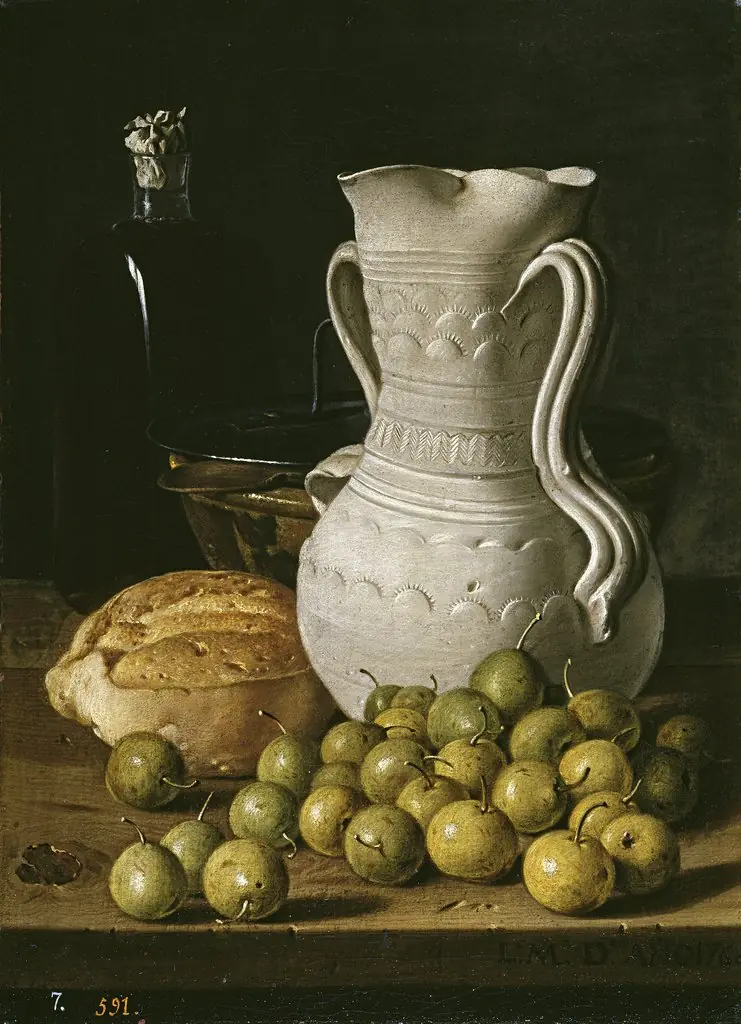 Still Life with Small Pears Bread Flask Bowl and Dry Leaves
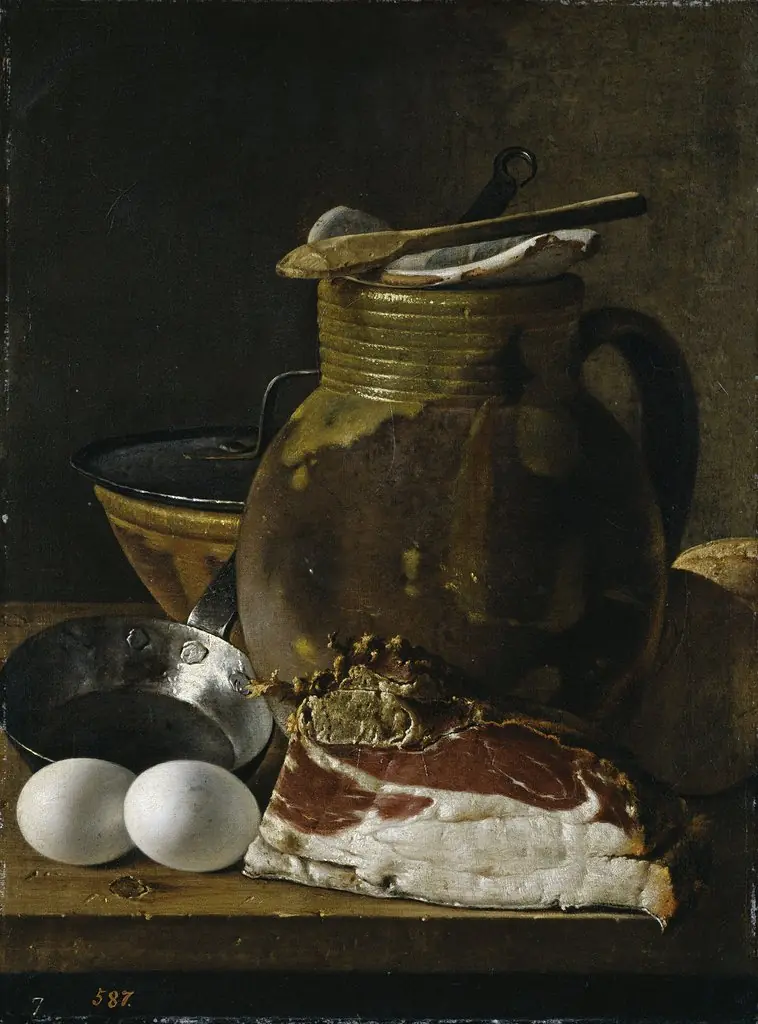 Still Life with Ham Eggs and Vessels
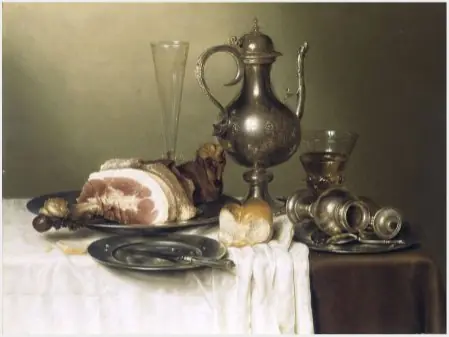 A Banquet-piece
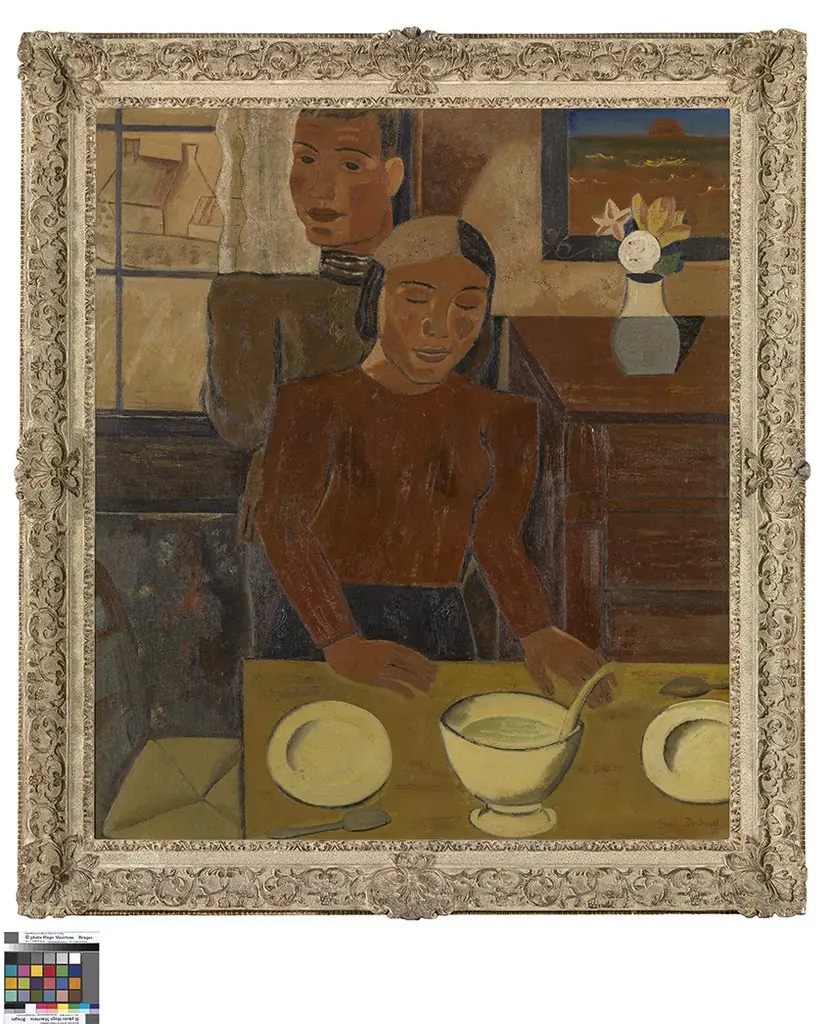 De maaltijd
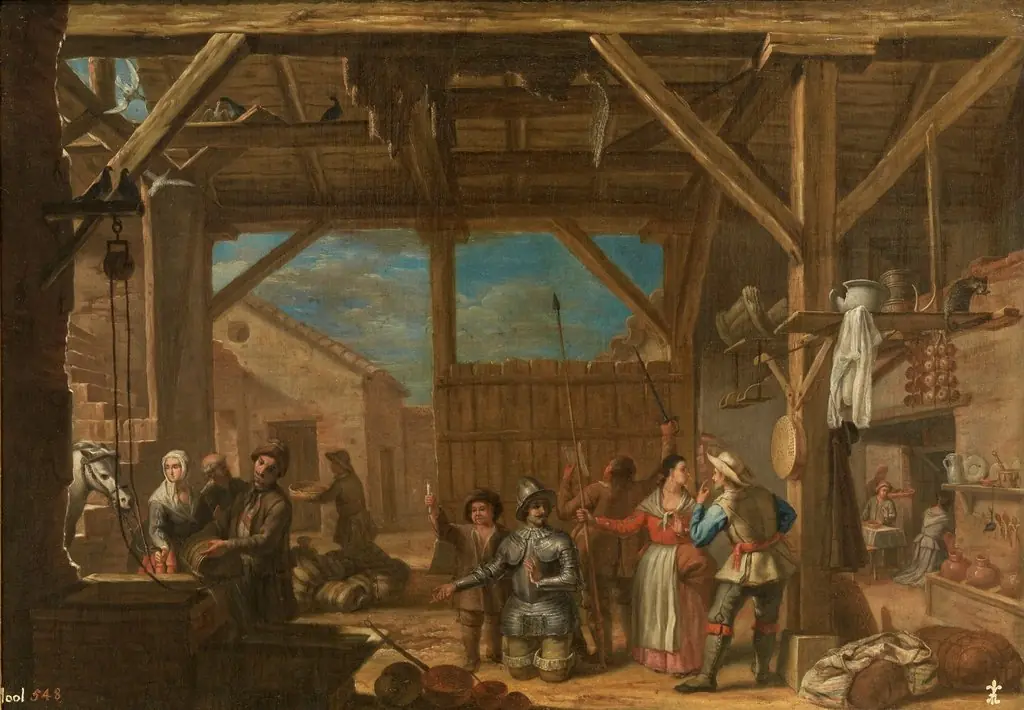 Don Quixote Dubbed a Knight
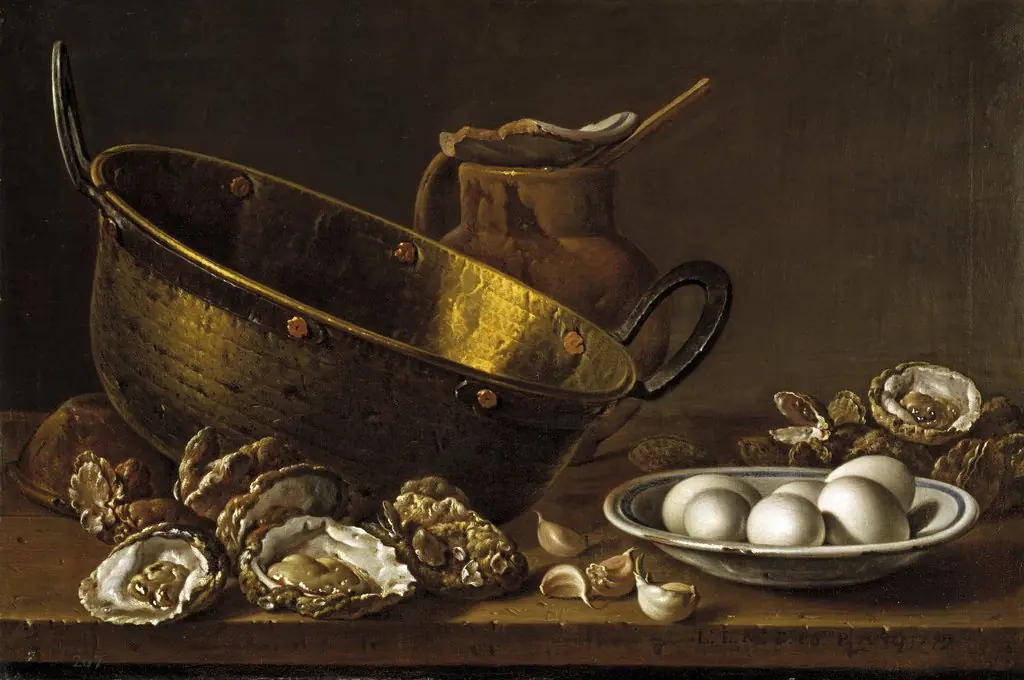 Still Life with Oysters Garlic Eggs Pot and Pan
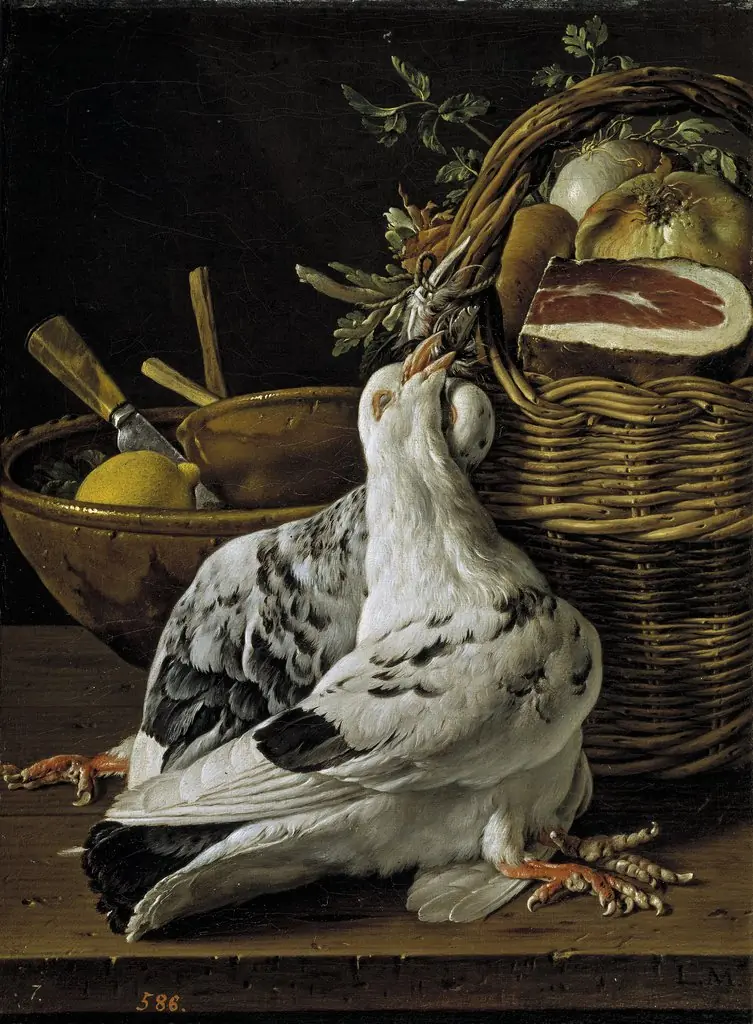 Bodegón con pichones cesta de comida y cuencos
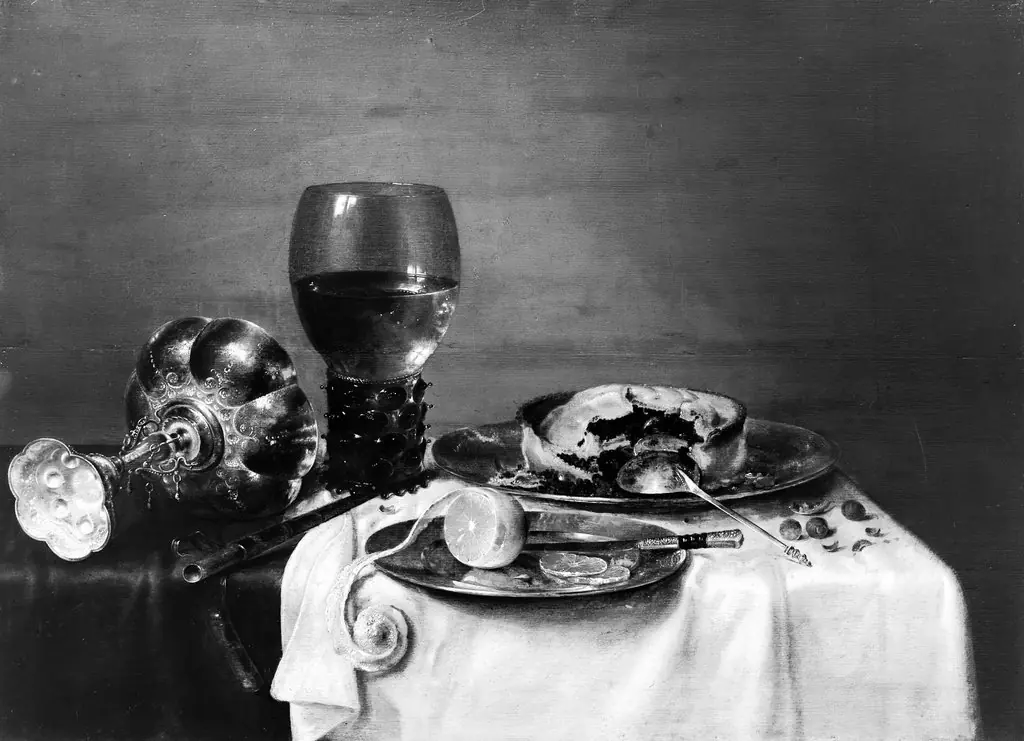 Stilleben mit Römer
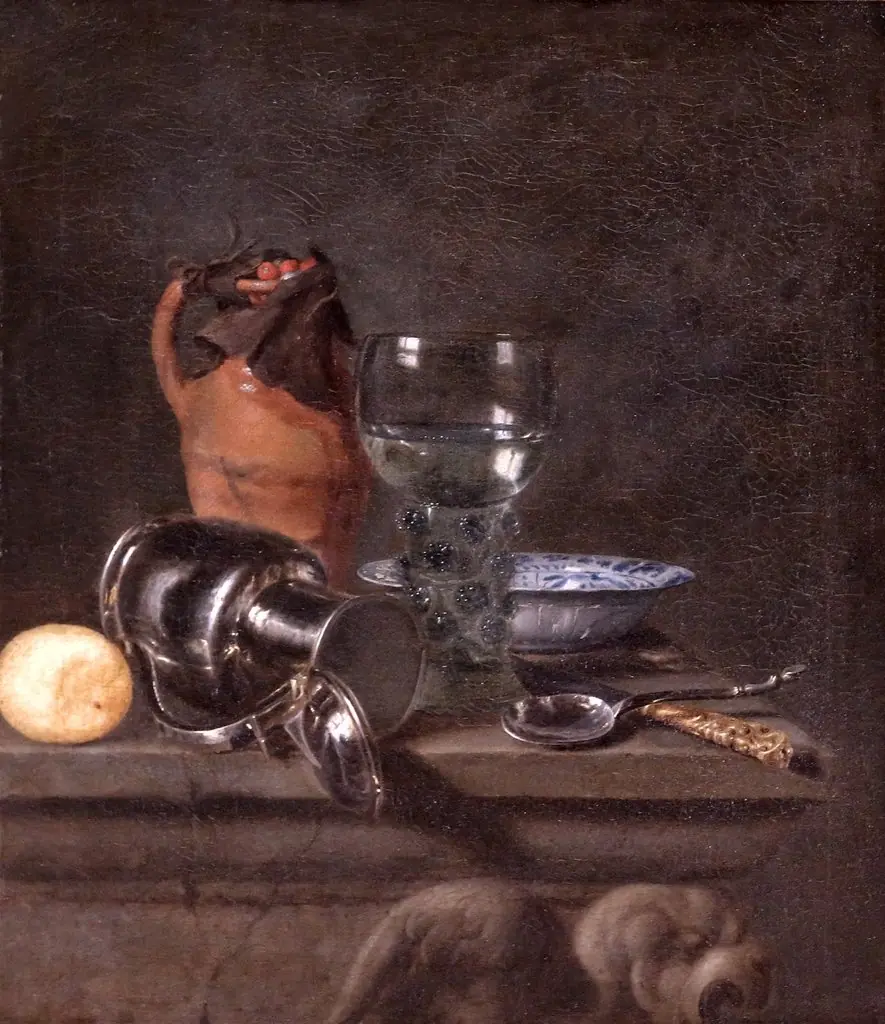 Still life with fallen pewter jug and roemer
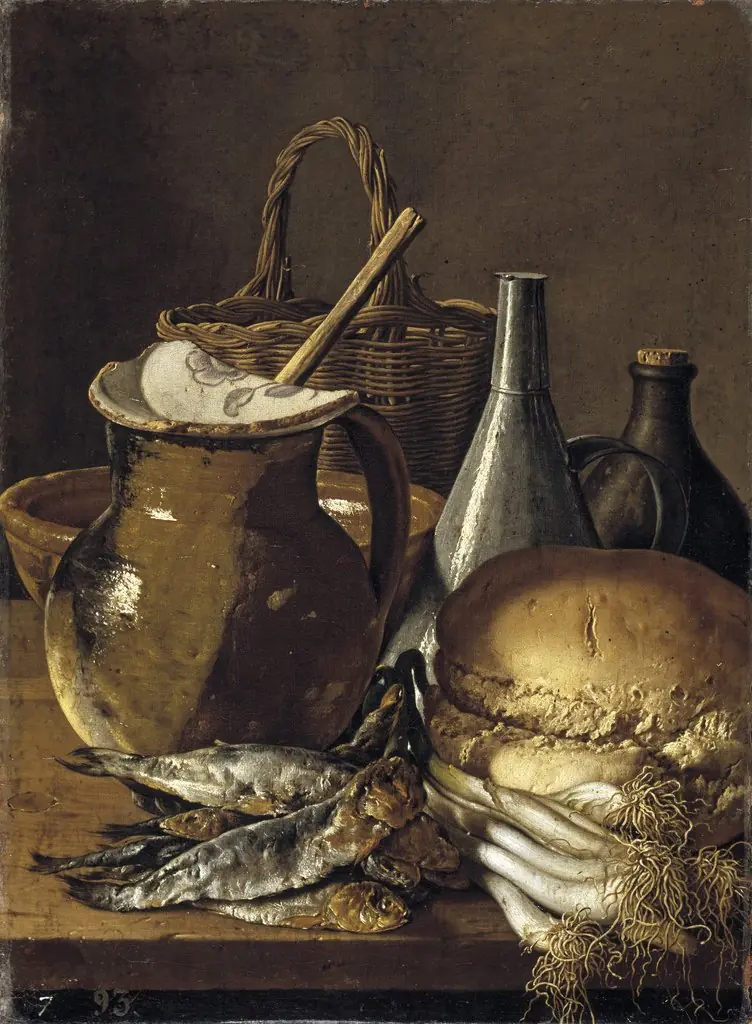 Still Life with Herrings Chives Garlic and Kitchen Utensils
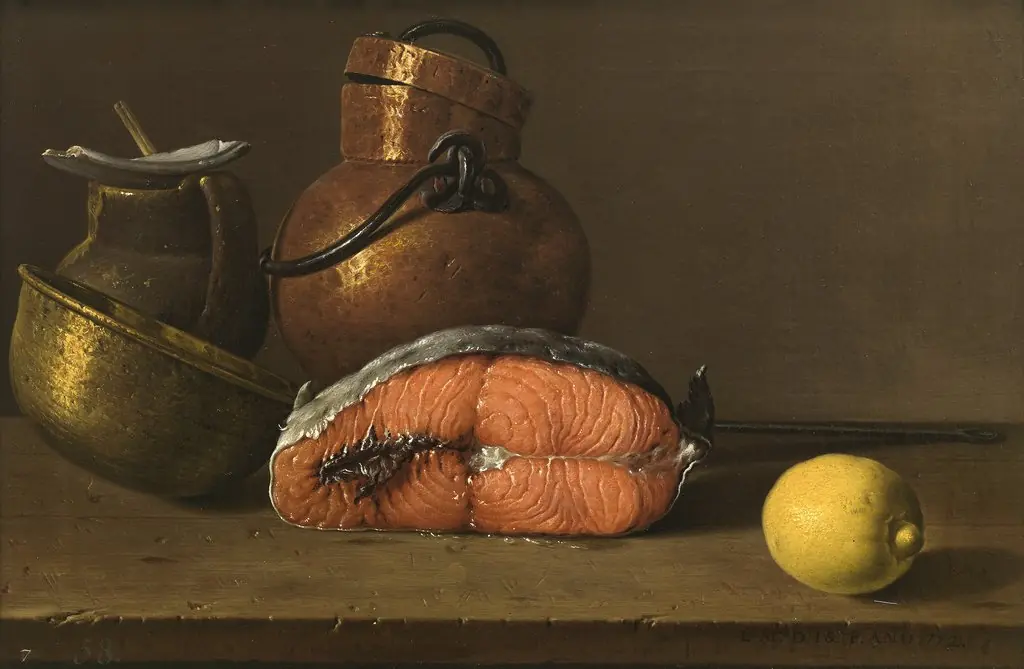 Still-Life
 Blind Man's Bluff
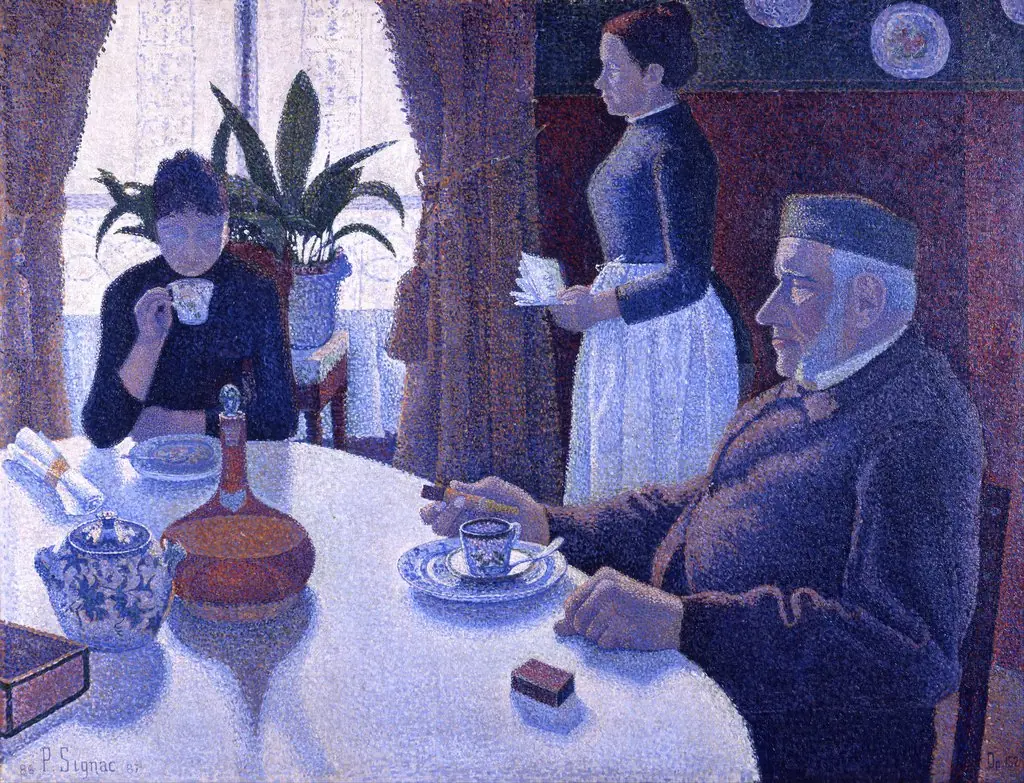 Breakfast
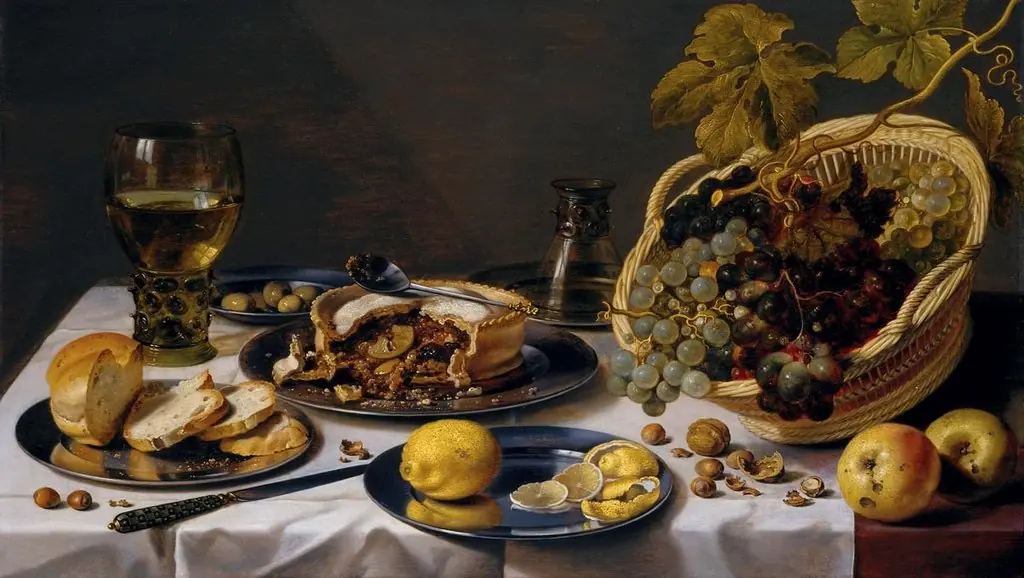 Tabletop Still Life with Mince Pie and Basket of Grapes
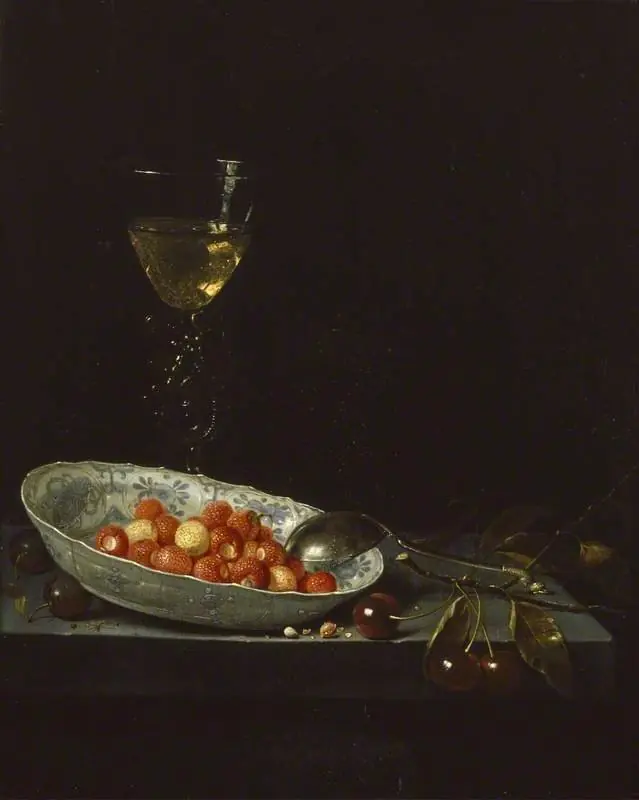 Still Life with Strawberries and Cherries
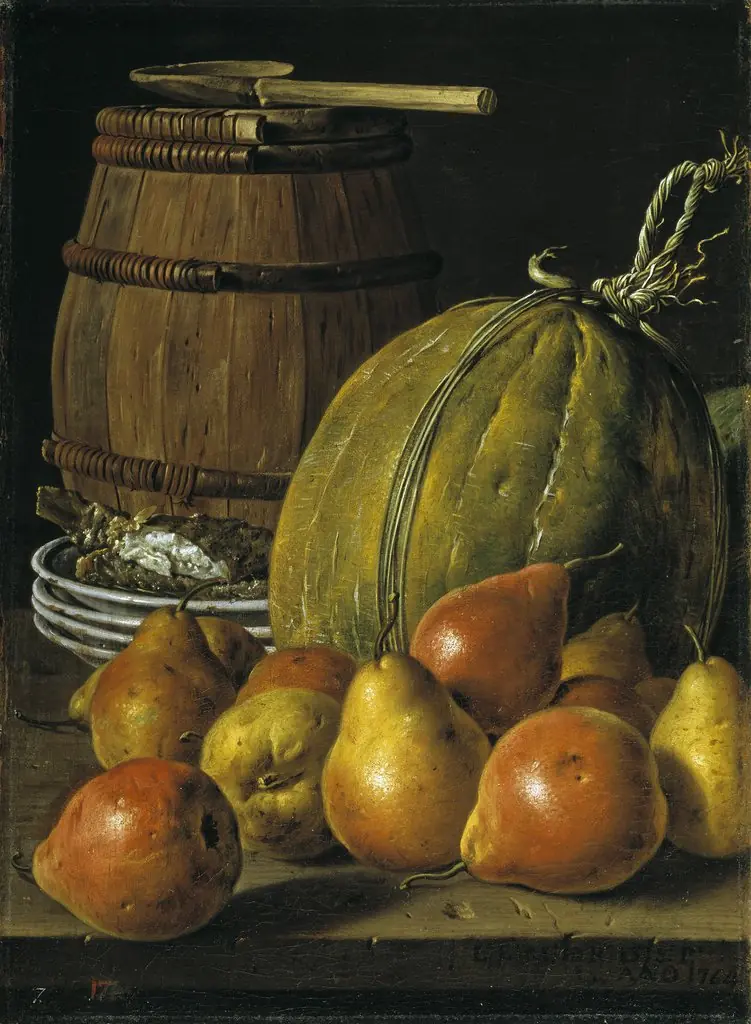 Bodegón con peras melones platos y barril
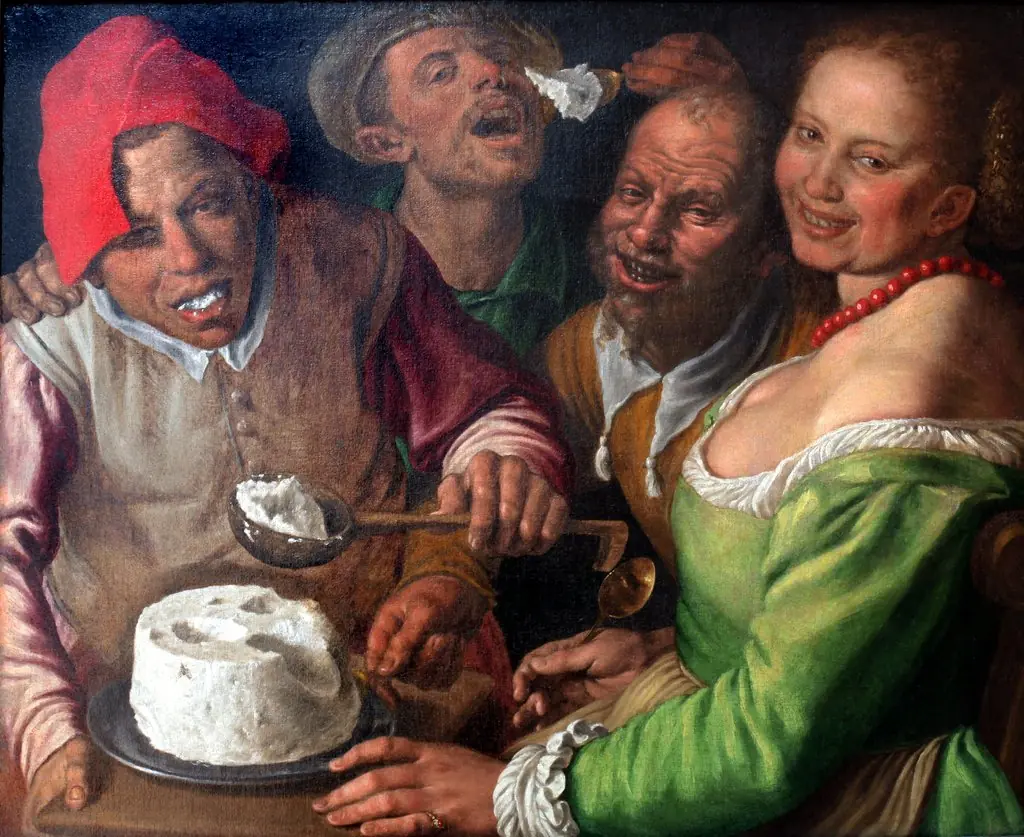 The Ricotta Eaters
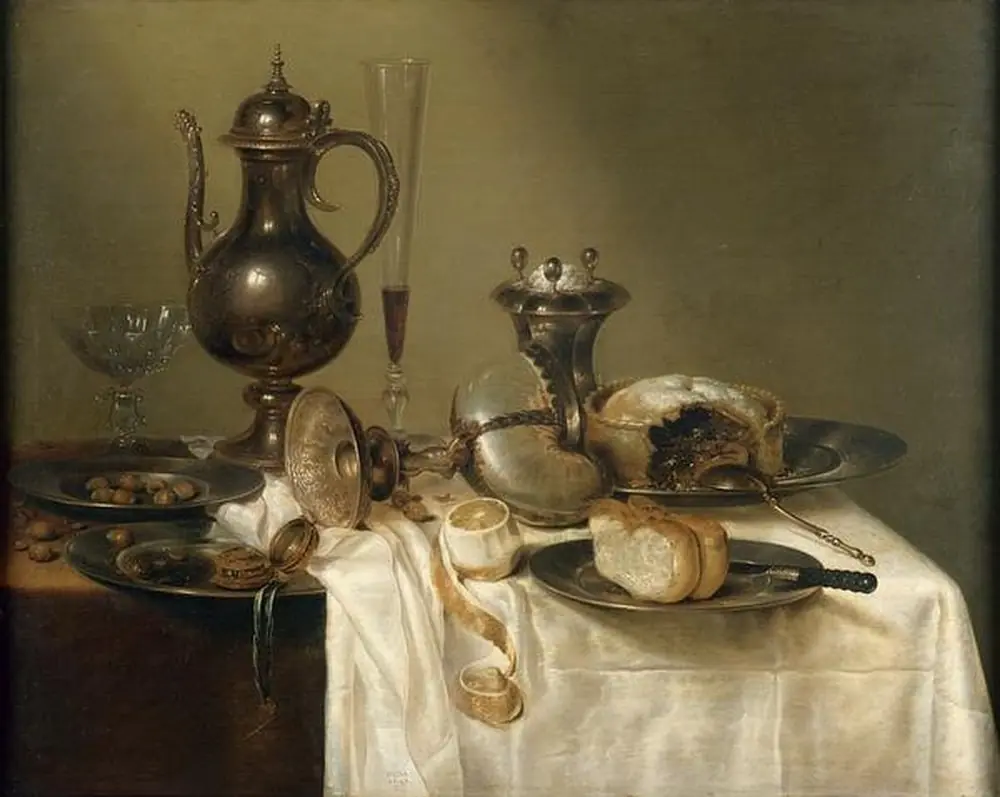 Still life with decanter, nautilus cup, wine glasses and pie
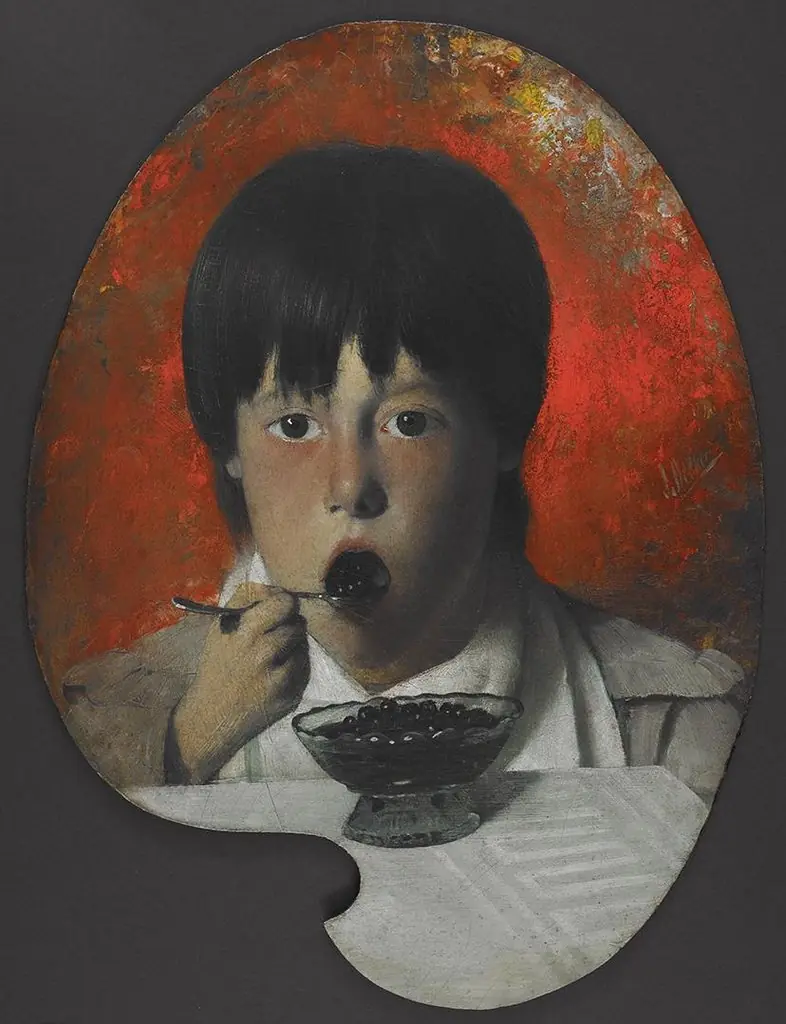 Boy Eating Berries
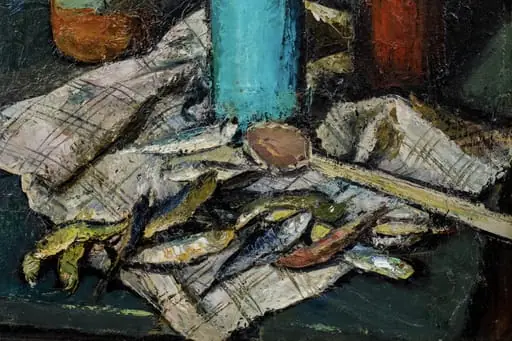 Natură statică (pești, linguri)
 Bătrân mâncând (Un bătrân mâncând mămăligă)
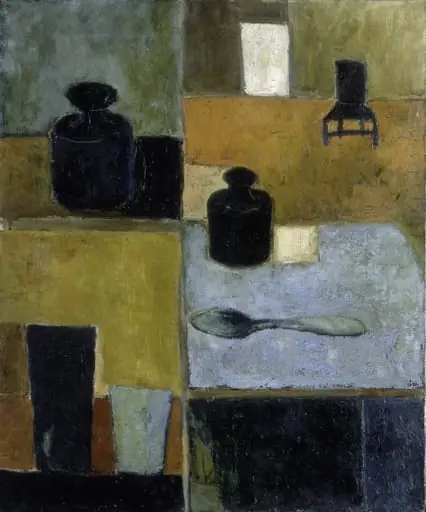 Untitled
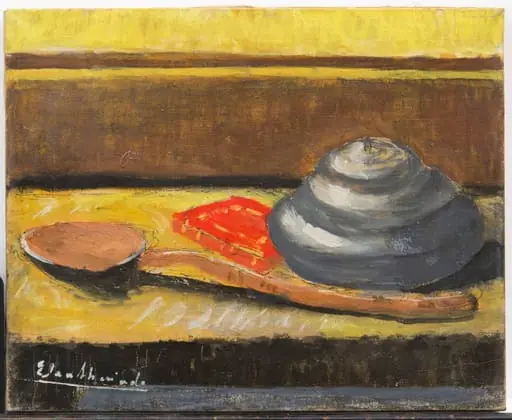 Natură statică cu lingură de lemn
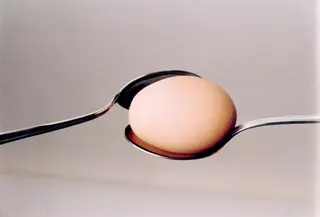 Άτιτλο
Spoon is a subject in art. A spoon (UK: , US: SPOON) is a utensil consisting of a shallow bowl (also known as a head), oval or round, at the end of a handle.
Artifact World Gallery holds 34 public-domain Spoon works, all free to view and download.
Key Spoon artists in the collection include Claude Monet, Paul Signac and Pieter Claesz.
Spoon works in the collection are held by Museo del Prado, Rijksmuseum and Moldova National Museum Complex.
Your cart is empty
Browse artworks →