Artwork
Frederic Betts; Mary Ward Betts
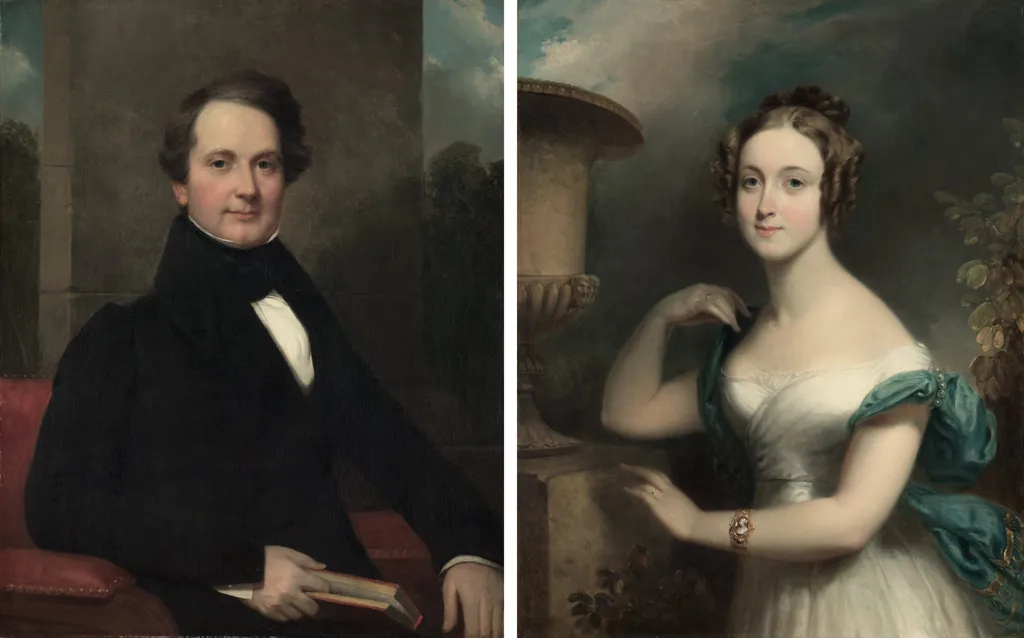
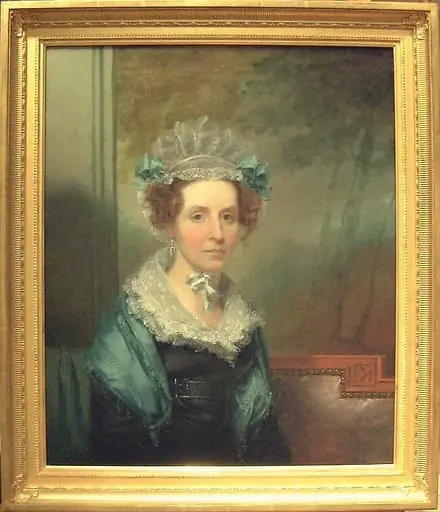
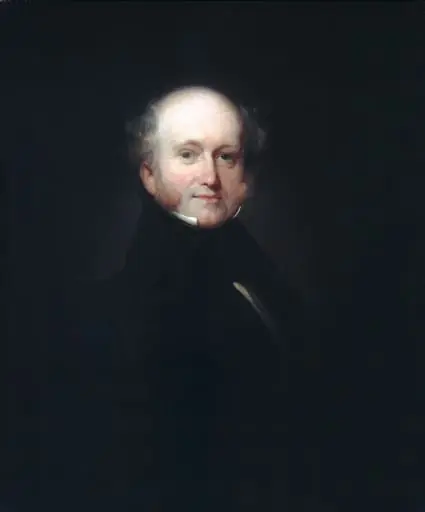
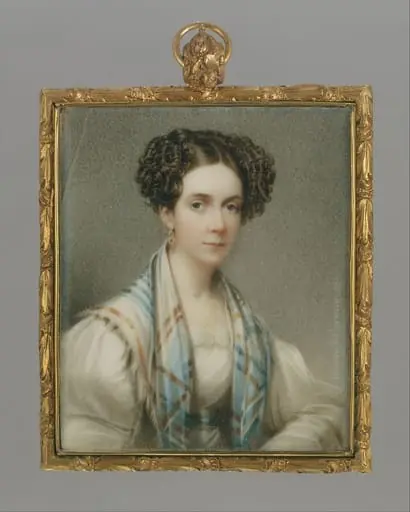
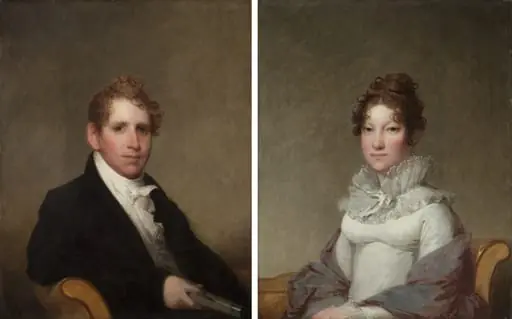
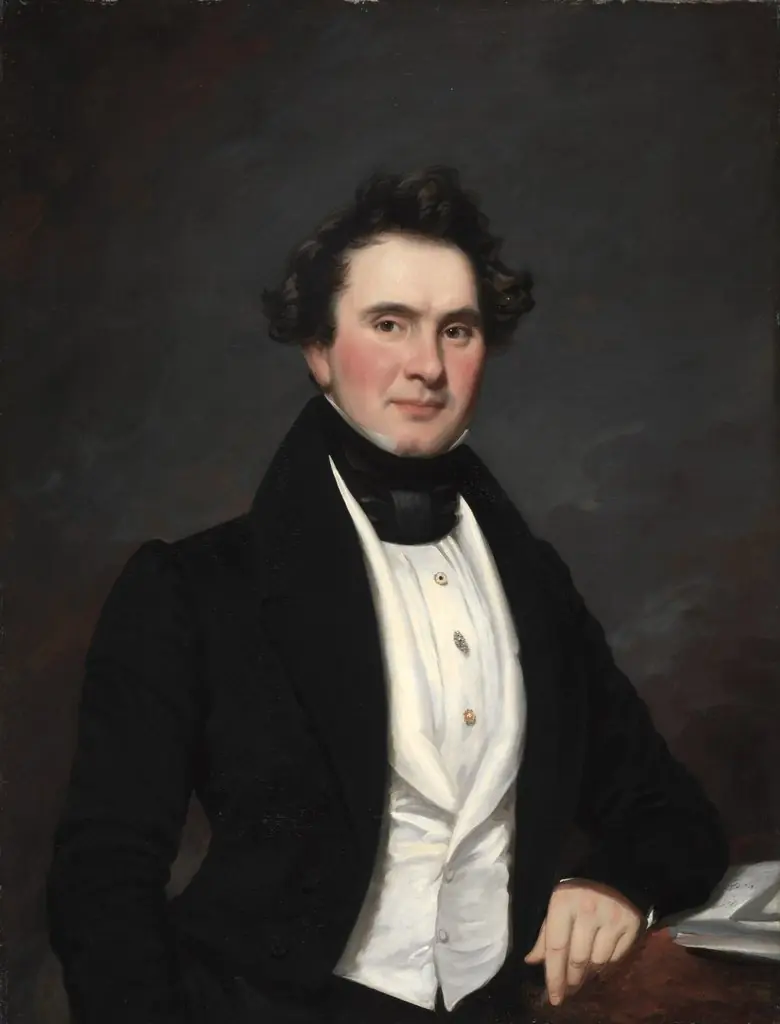
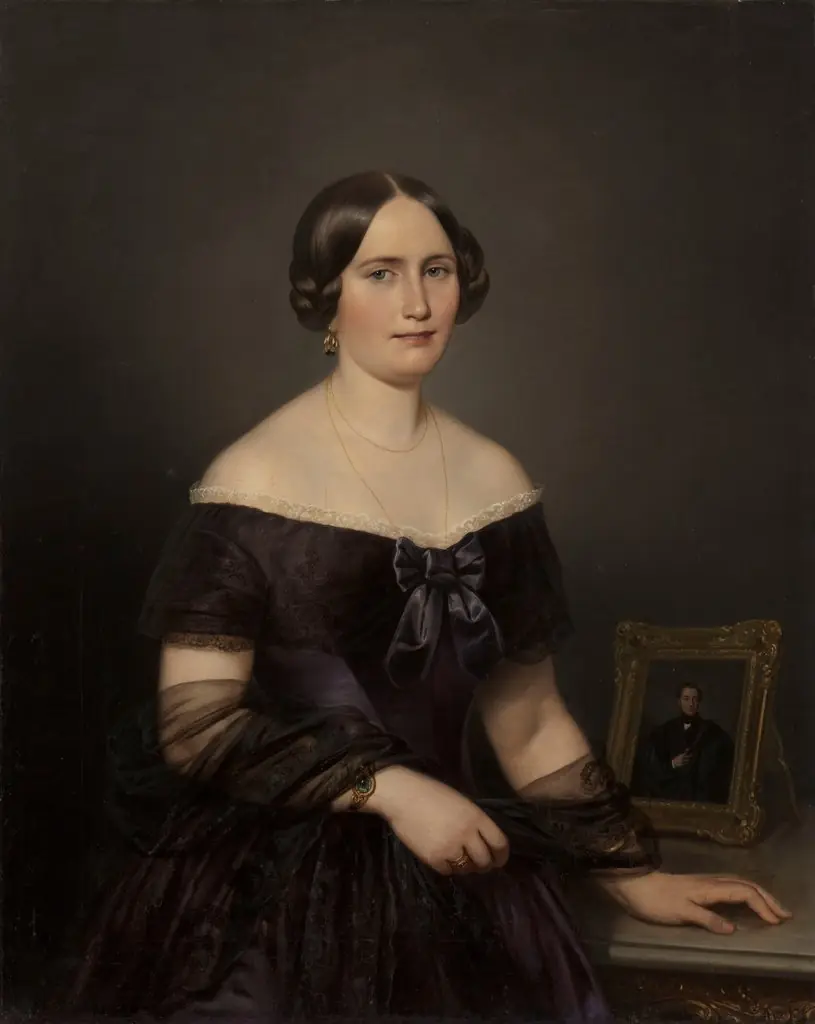
Frederic Betts; Mary Ward Betts is an unspecified painting by the American Folk Art artist Henry Inman. It dates from 1834 and is held in the collection of the Cleveland Museum of Art.
- Accession no.
- 1994.116
- Credit line
- Gift of Dr. William E. S. James
About this work
Overview
The composition emphasizes quiet dignity and personal identity, characteristic of Inman’s approach to American portraiture in the early nineteenth century.
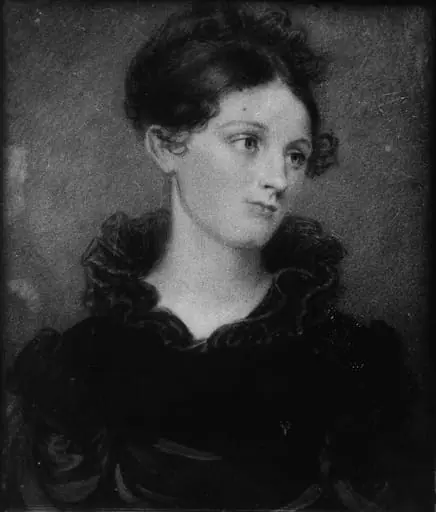
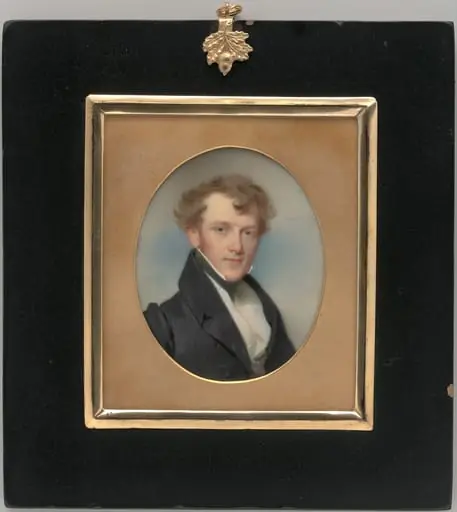
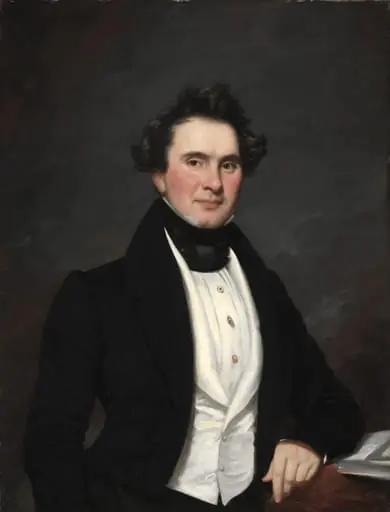
Painted around 1834 by Henry Inman, this double portrait depicts Frederic Betts and Mary Ward Betts as separate but companionable panels. Each figure occupies an individual frame, arranged side by side to suggest a marital pair without merging their individual presence. The composition emphasizes quiet dignity and personal identity, characteristic of Inman’s approach to American portraiture in the early nineteenth century.
Subject & Meaning
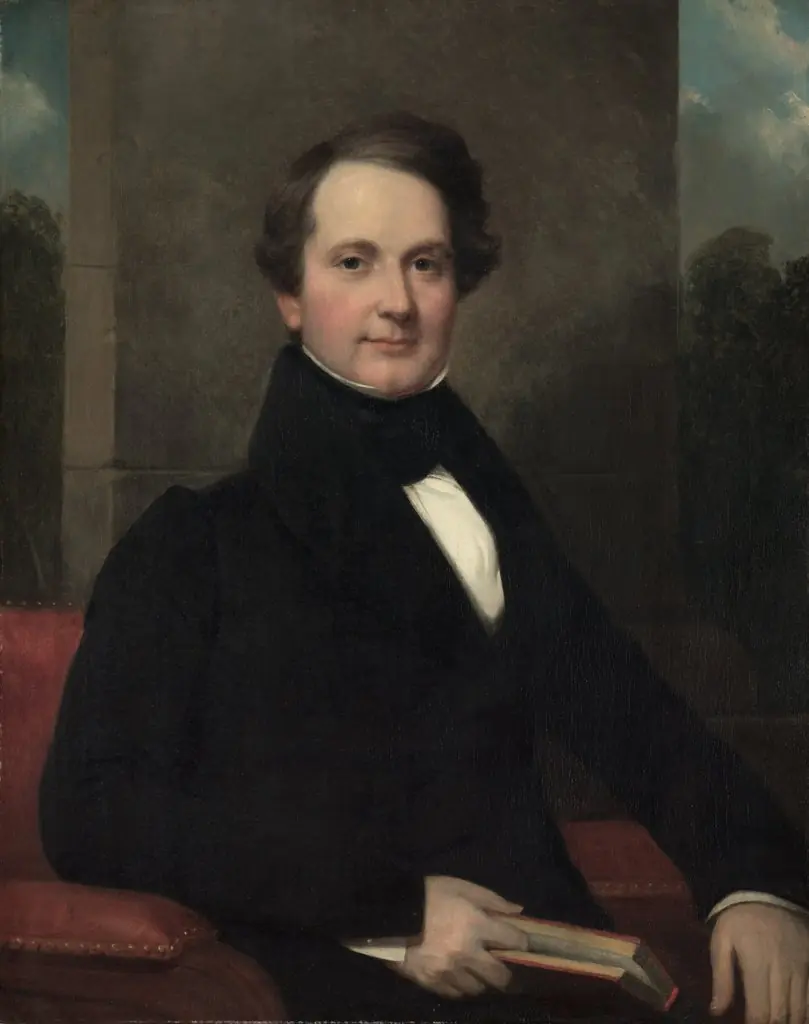
Frederic Betts, dressed in a formal black suit with a book in hand, conveys intellectual composure, while Mary Ward Betts, in a white gown and blue shawl, presents a serene, refined presence. The book suggests scholarly or literary interests, and the restrained elegance of their attire reflects middle- or upper-class values of the time. Together, the portraits communicate domestic harmony and cultivated taste rather than overt status.
Technique & Style
Inman employed soft modeling and delicate brushwork to render textures of fabric and skin with subtle realism. The muted, tonally distinct backgrounds, darker behind the man, lighter behind the woman, enhance spatial separation while maintaining visual balance. Facial expressions are rendered with quiet nuance, avoiding theatricality in favor of introspective calm, aligning with Romantic-era ideals of inner life and individual character.
History & Provenance
The painting entered the collection of The Cleveland Museum of Art in the twentieth century, though its earlier ownership history remains undocumented. Created during Inman’s most active period as a portraitist in New York, it likely originated as a private commission for the Betts family. Its preservation in two distinct panels suggests it was intended for display in a domestic setting, perhaps as a pair above a mantel.
Context
Inman worked during a time when American artists sought to establish a distinct visual culture separate from European traditions. Portraits like this one, emphasizing personal character over grandeur, reflected the rising influence of middle-class values. The pairing of spouses in separate frames was uncommon but not unique, offering a more intimate alternative to formal group compositions common among the elite.
Legacy
The portrait stands as an example of Inman’s skill in capturing psychological presence within restrained compositions. While not widely exhibited, it contributes to the understanding of how early American portraiture balanced social norms with individual expression. Its preservation allows continued study of domestic identity and aesthetic preferences in antebellum society.
Artist & collection